
DbcultAccessing Vault...
Recommendations
Senior Film Conservator
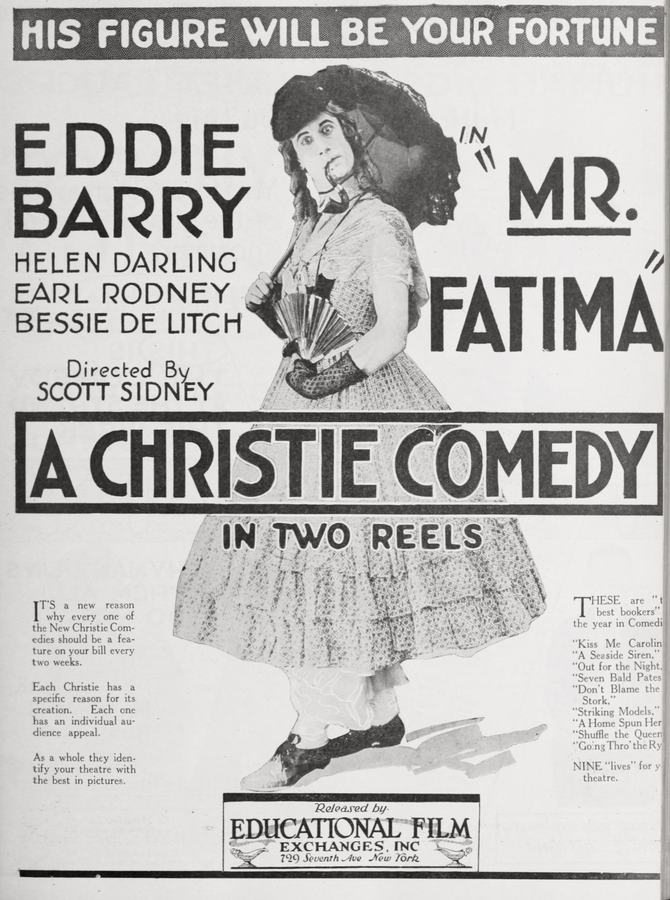
After experiencing the cult status of Mr. Fatima (1920), finding other movies that capture that same lightning in a bottle is a top priority. These recommendations provide a deep dive into the same stylistic territory occupied by Mr. Fatima.
This 1920 Comedy classic stands as a testament to challenge the status quo through its avant-garde structure.
Eddie plays the role of an Oriental dancer, a vampire, and the hit of the boardwalk of a California beach. He assumes the role to earn money to get home to his sweetheart, the coin having been refused him by a father whose patience and generosity have been exhausted. A pal in the same boat, financially and sentimentally, aids in the deception.
Critics widely regard Mr. Fatima as a cult-favorite piece of Comedy cinema. Its cult status is frequently cited as its strongest asset, solidifying its place in United States's film legacy.
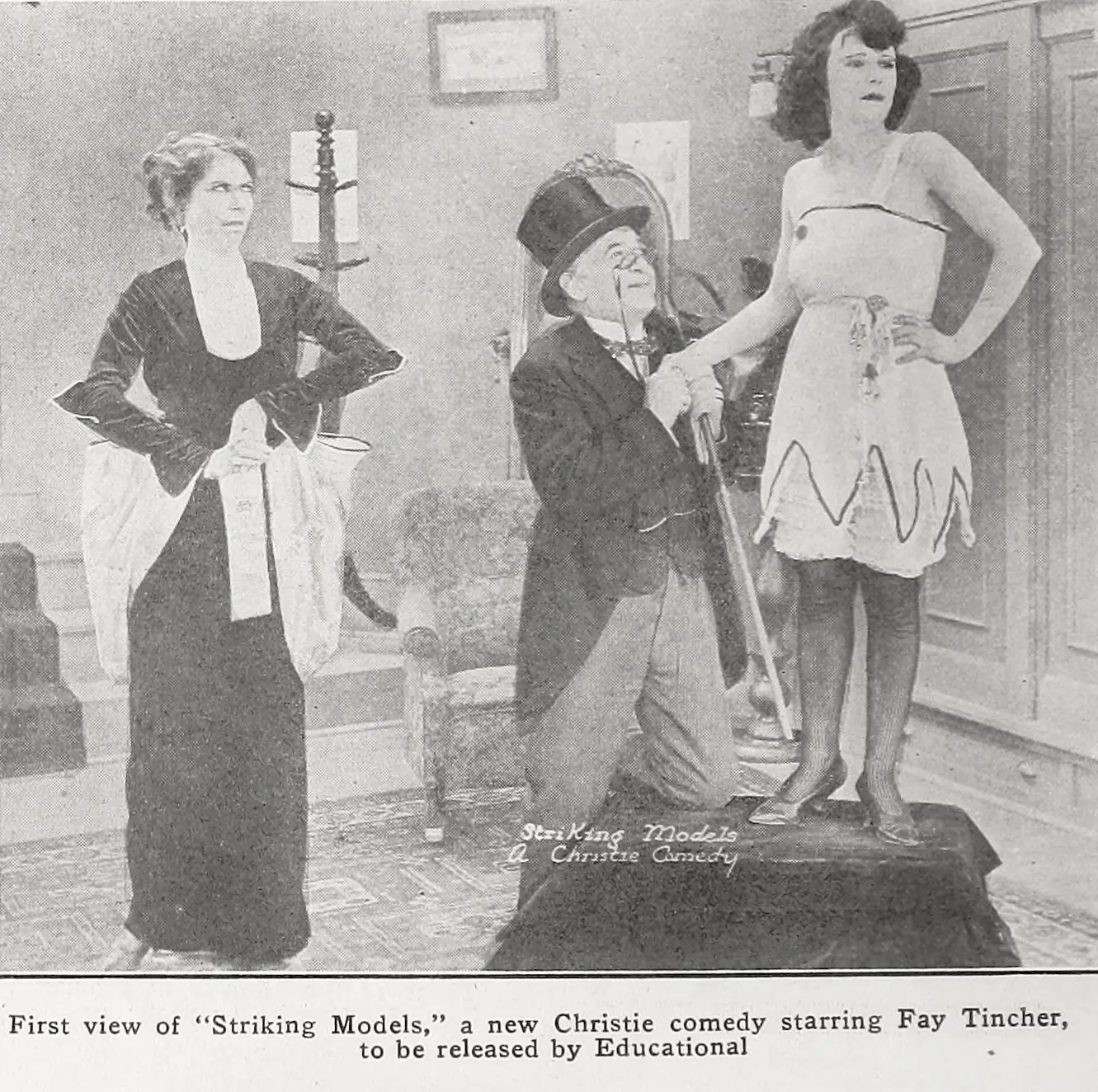
Based on the unique cult status of Mr. Fatima, our vault has identified these titles as the most compelling follow-up experiences for fans of Comedy cinema:
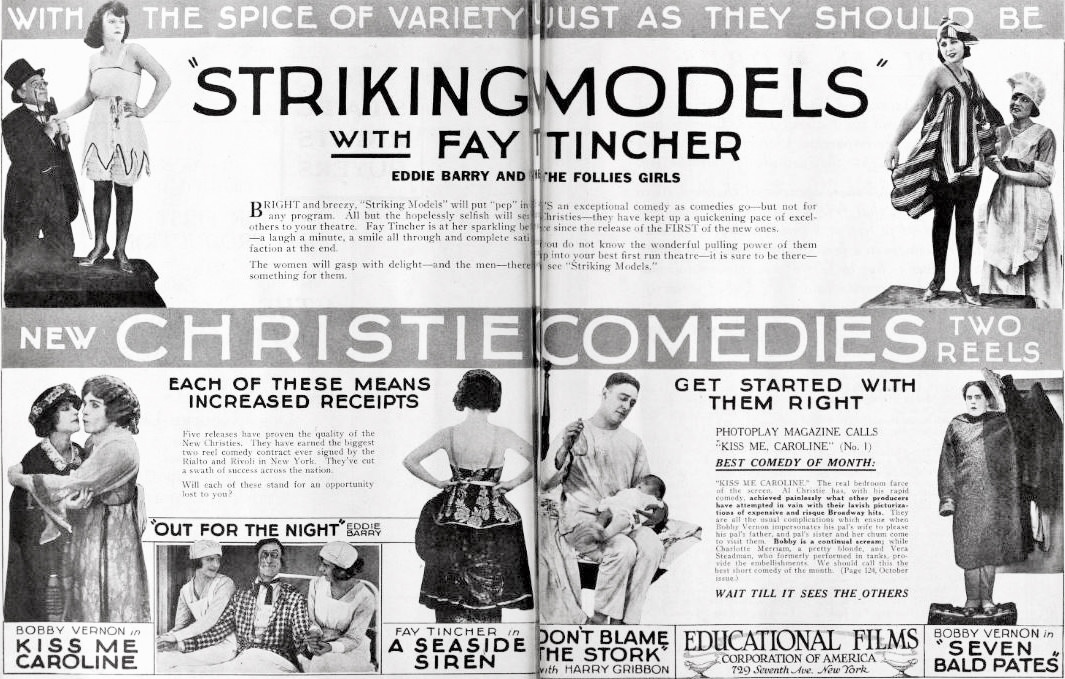
Dir: Reggie Morris
A fascinating piece of cinema that shares thematic elements.
View Details
Dir: Henry Edwards
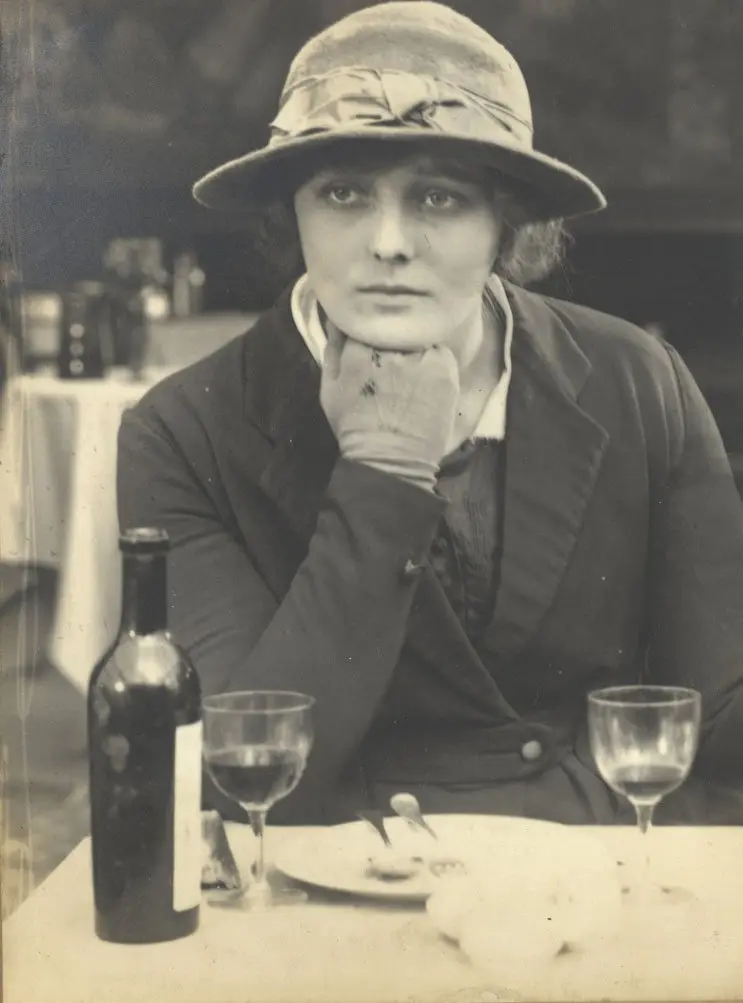
A millionaire bets £25,000 that he can earn his own living for six months.
View Details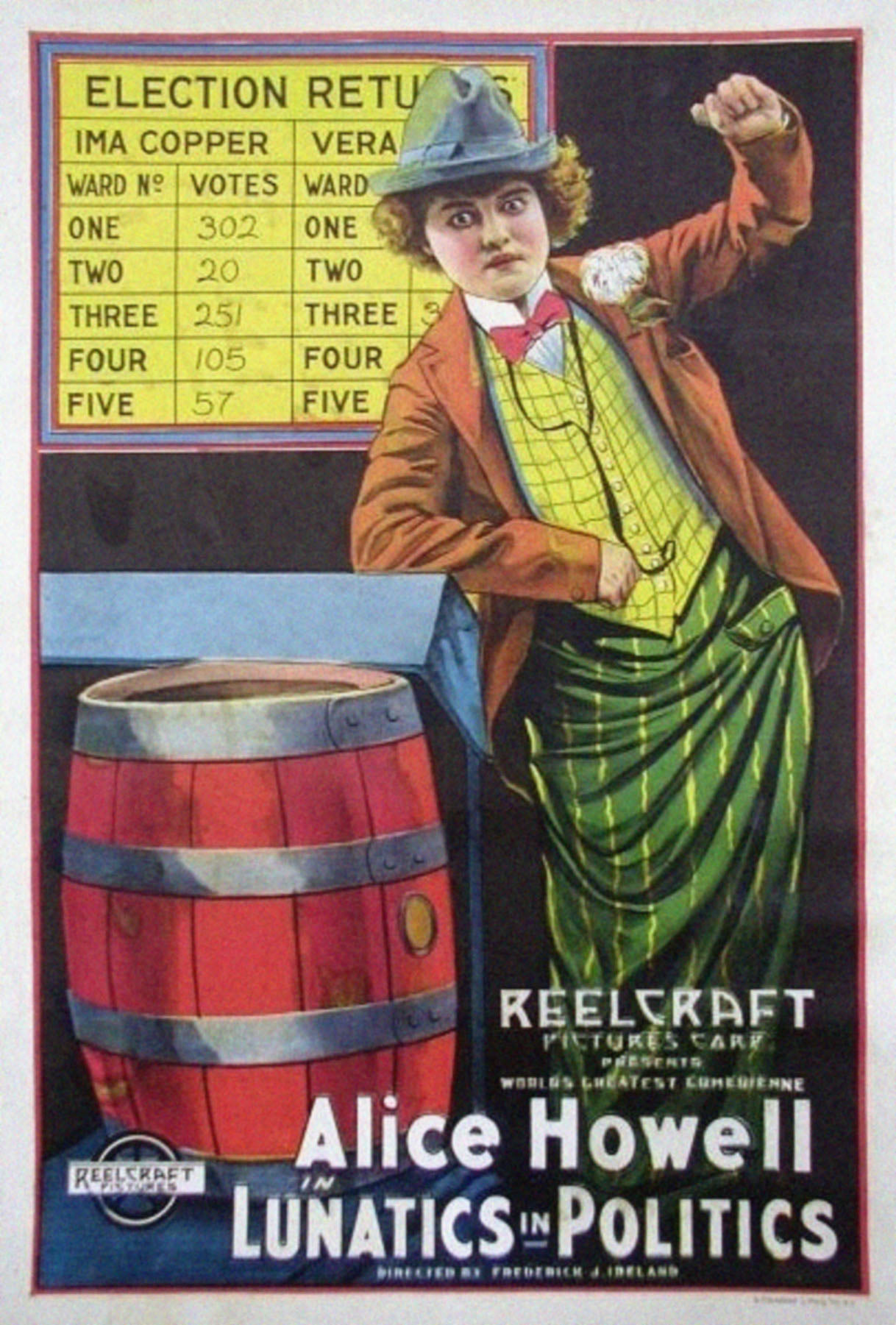
Dir: Richard Smith
Two female candidates for Chief of Police live across the hall from each other, and their political rivalry follows them home, leading to plenty of hi-jinks.
View Details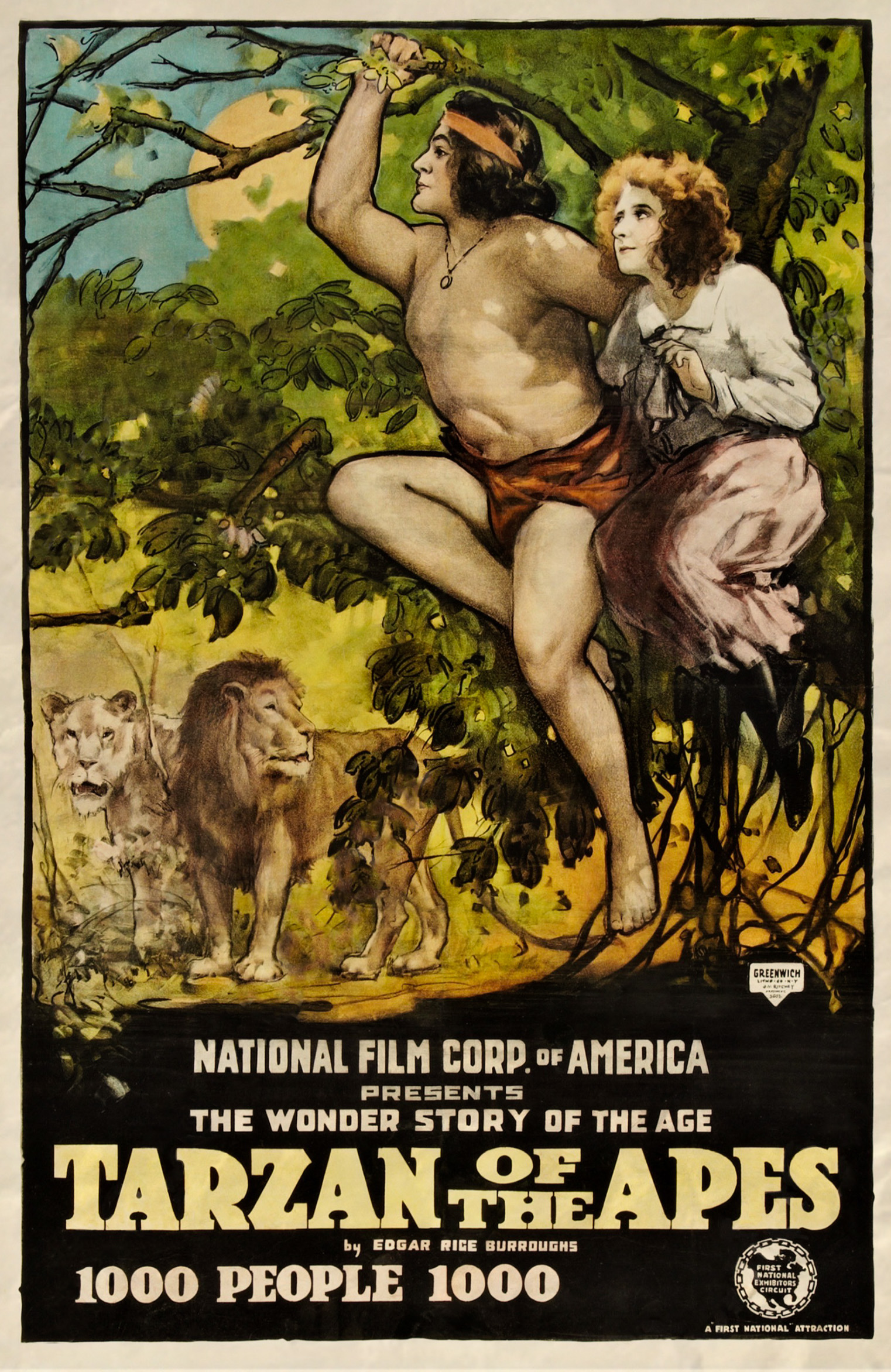
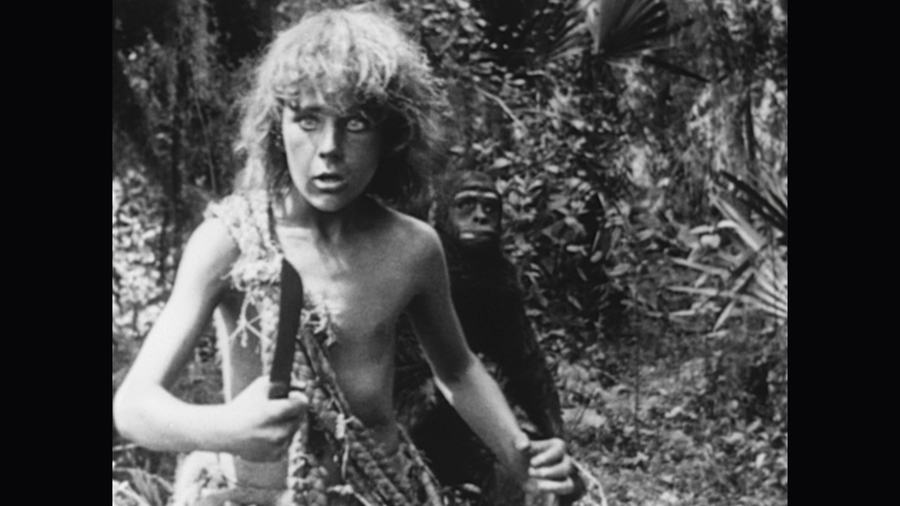
Dir: Scott Sidney
Reared by a childless ape, the orphaned heir of the Greystokes becomes one of the apes. Then Dr Porter organises a rescue expedition, and his beautiful daughter Jane catches his attention. Has Tarzan of the Apes found the perfect mate?
View Details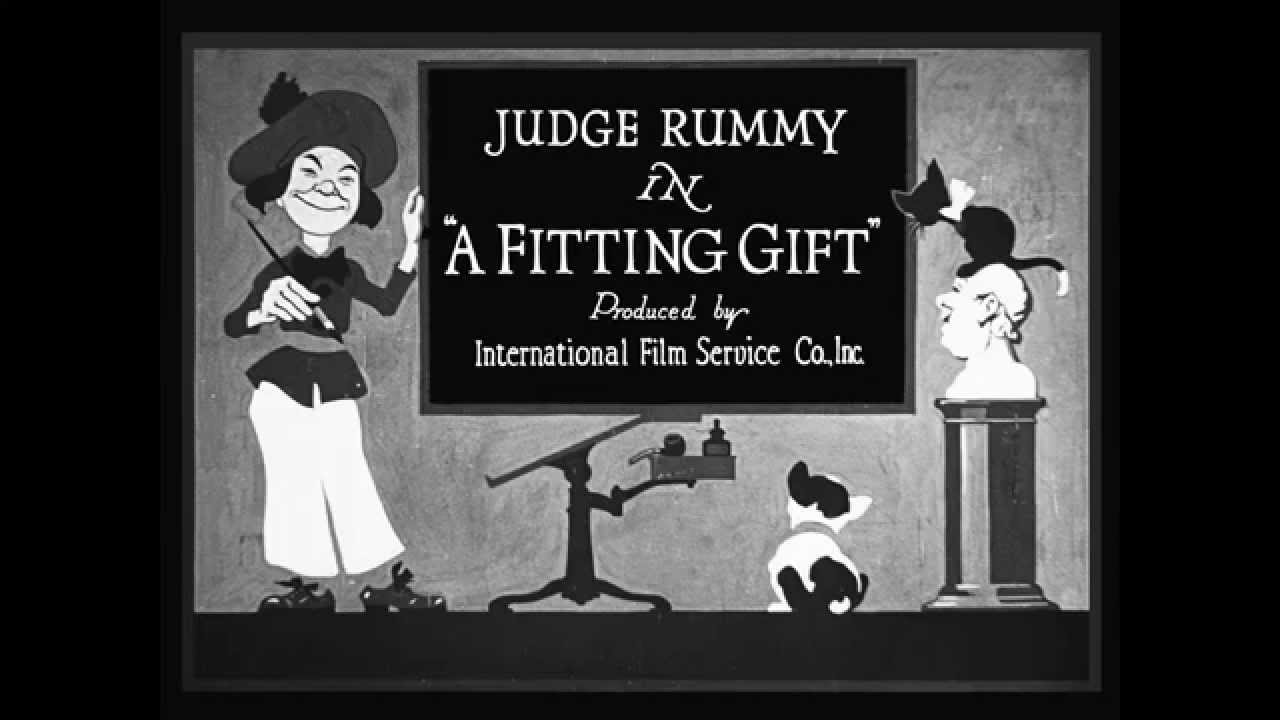
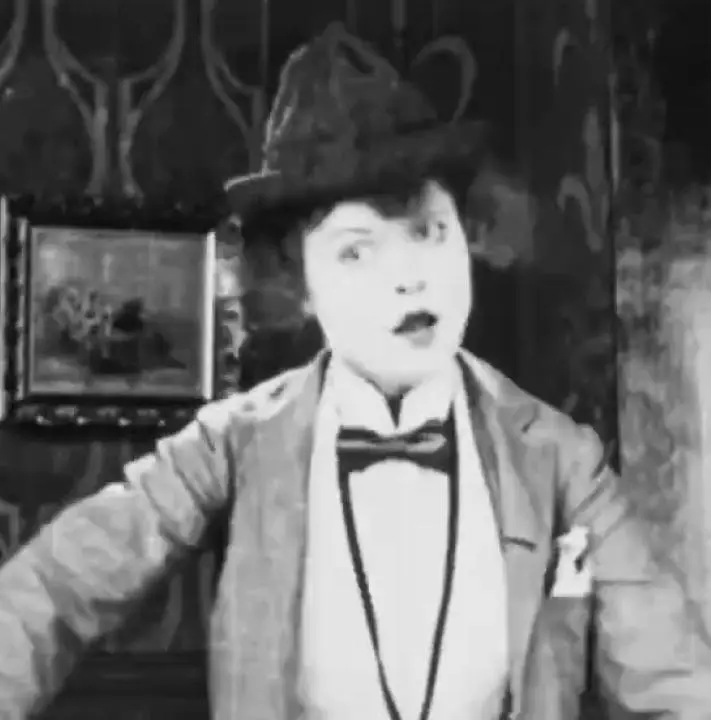
Dir: Unknown Director
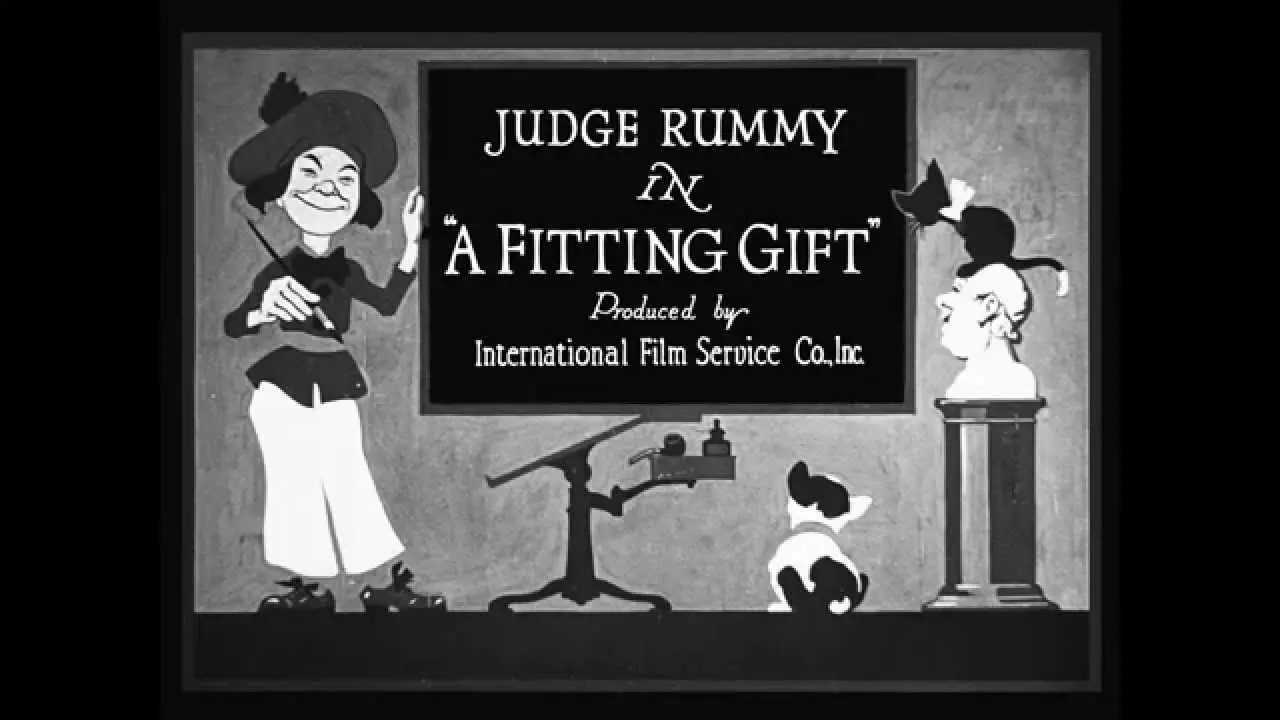
The Judge needs a present for his wife's birthday, so Harry suggests a new corset. They go to the shop, but he's so embarrassed to ask the saleslady he hides in a phone booth.Harry goes in, but finds a GUY wearing one, and runs out.They both dress as women to get back in, but Mrs. Rummy gets there and chases him out.
View Details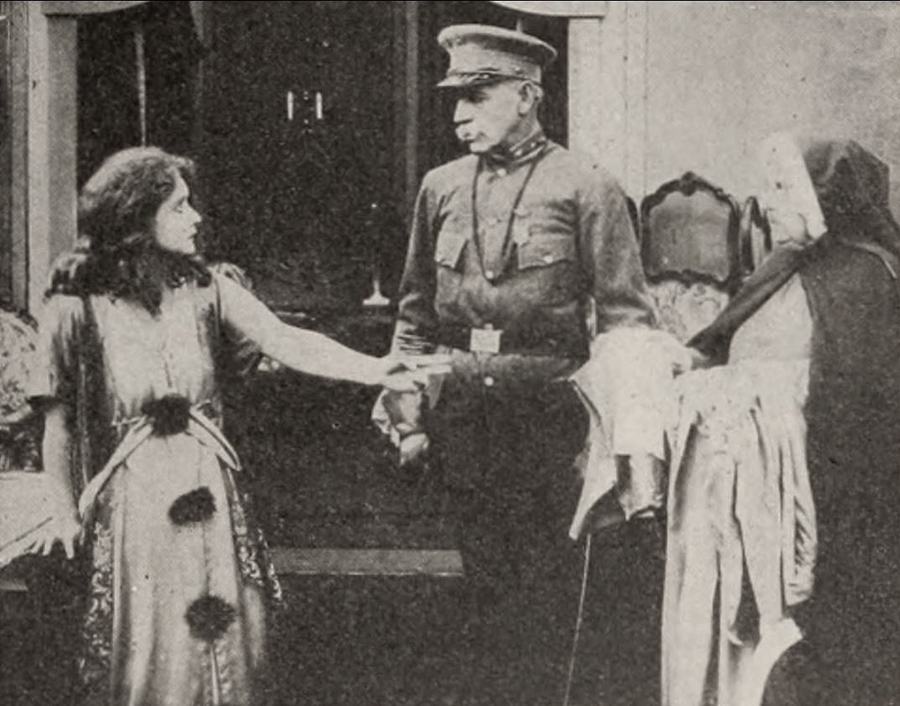
Dir: Scott Sidney
Countess Olga and Prince Carl, although from two European countries that have been longtime enemies, are madly in love with each other. Olga's brother, Count Michael, convinces Olga to get Carl to come to their country, planning to imprison him. His plan succeeds, but it has unintended consequences.
View Details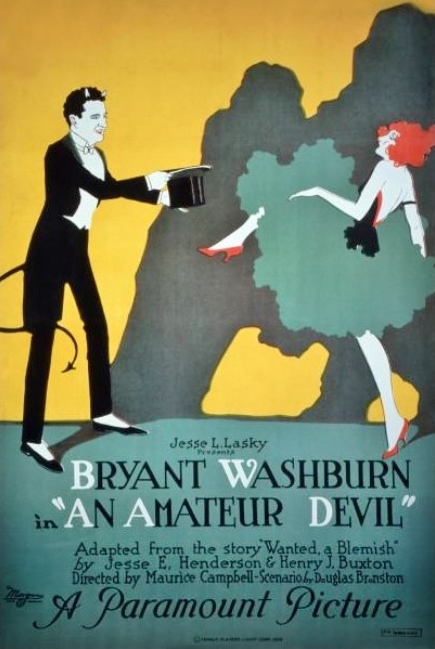
Dir: Maurice Campbell
Carver Endicott, a young sophisticate, is rejected by his fiancée for being too foppish and dull. When she feigns an interest in his father, Carver attempts to disgrace his family name by working as a farmhand and later as a busboy in a hotel. However, the newspapers only praise him for his self-sacrificing principles; and finding that he cannot bring shame to the family through menial labor, he takes up with a notorious actress. But when this maneuver also fails, he returns to his former fiancée, who has no further complaint about his being an inexperienced dullard.
View Details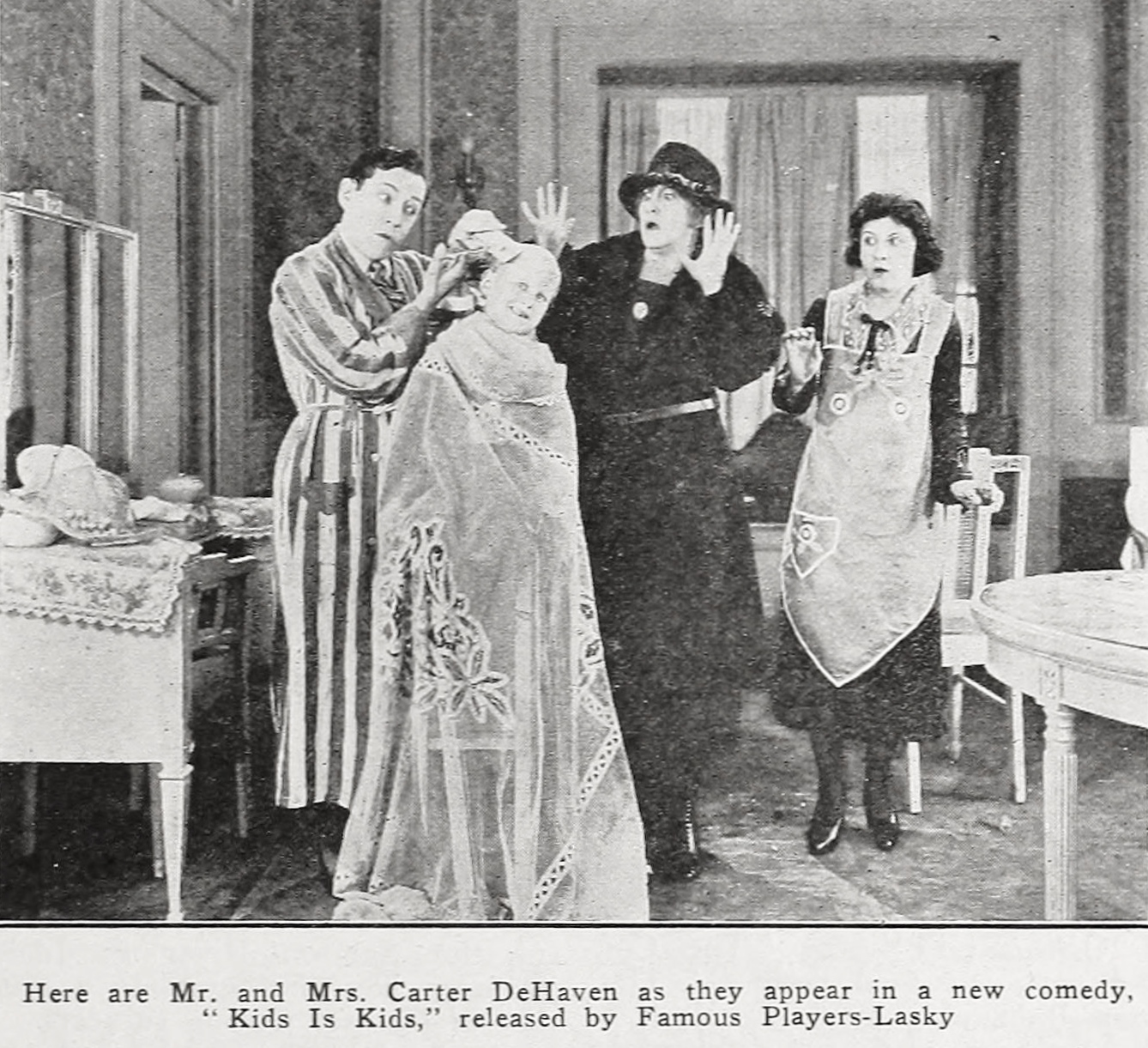
Dir: Charley Chase
A young married couple volunteer to take charge of several orphans after the asylum has burned down. Of course they find their hands full with their troublesome charges.
View Details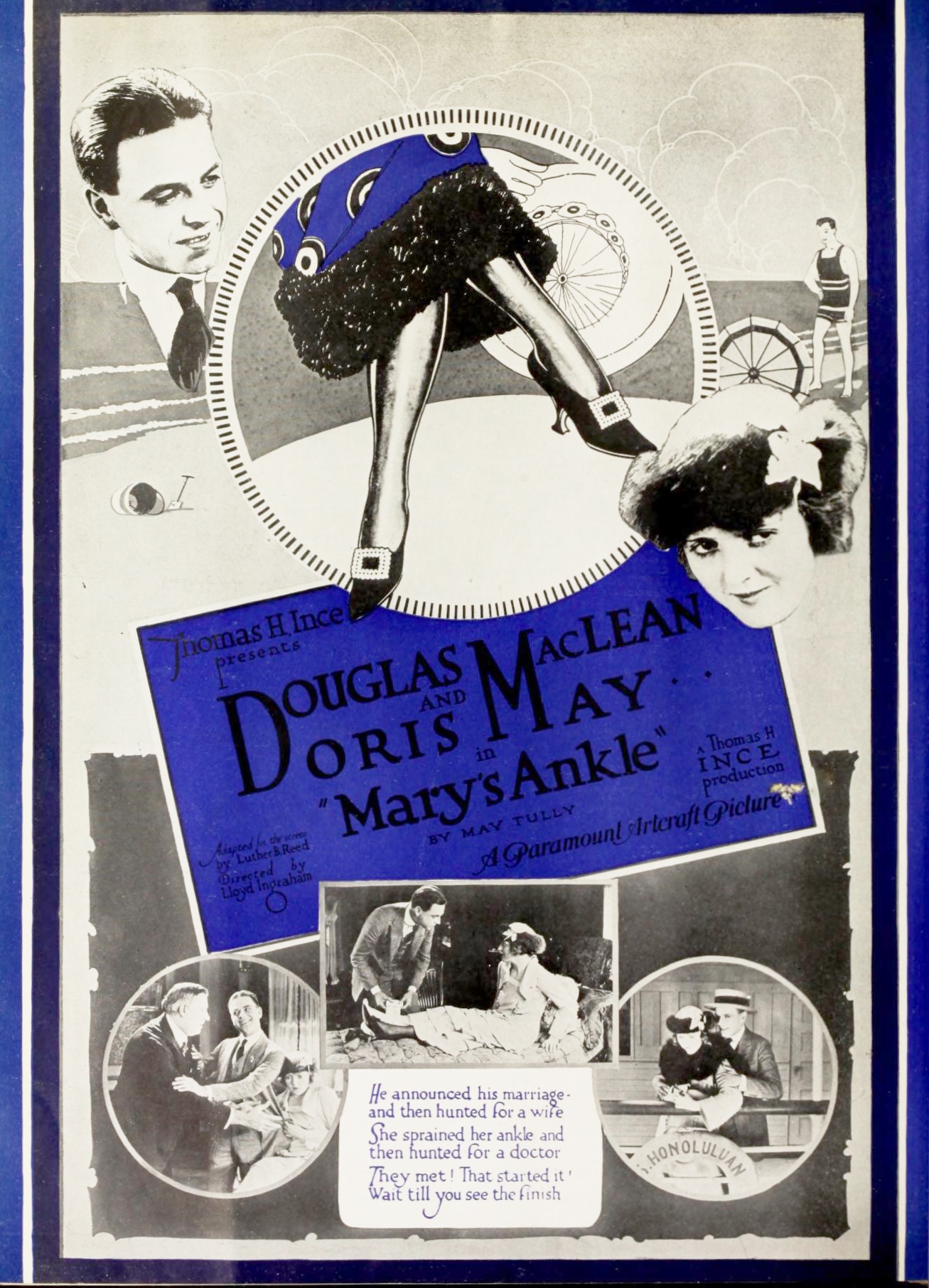
Dir: Lloyd Ingraham
While walking along the street one day, Arthur P. Hampton, an impoverished young doctor, and his chums, Stub Masters and Johnny Stokes, are persuaded to part with their last remaining funds by tag day solicitor Mary Jane Smith, with whom the doctor promptly falls in love. Doc's friends then hit upon a get-rich-quick scheme. Knowing that his Uncle George has promised a large sum of money upon his nephew's marriage, they persuade Doc to send out fake wedding invitations naming Mary Jane as the blushing bride. Uncle George, elated at the good news, writes to Mary Jane's aunt, Angelica Burns, an old sweetheart, to invite Mary Jane and Angelica to be his guests on an ocean voyage. Meanwhile, Mary Jane pays a visit to the doctor's office and, upon seeing the wedding invitations, becomes so flustered that she trips and sprains her ankle. Doc comes to her rescue and then begs her to pose as his wife. She agrees, but at ship-side, Stub and Johnnie confess all to Uncle George, who flies into a rage until Doc announces that he and Mary Jane have chosen a wedding at sea.
View Details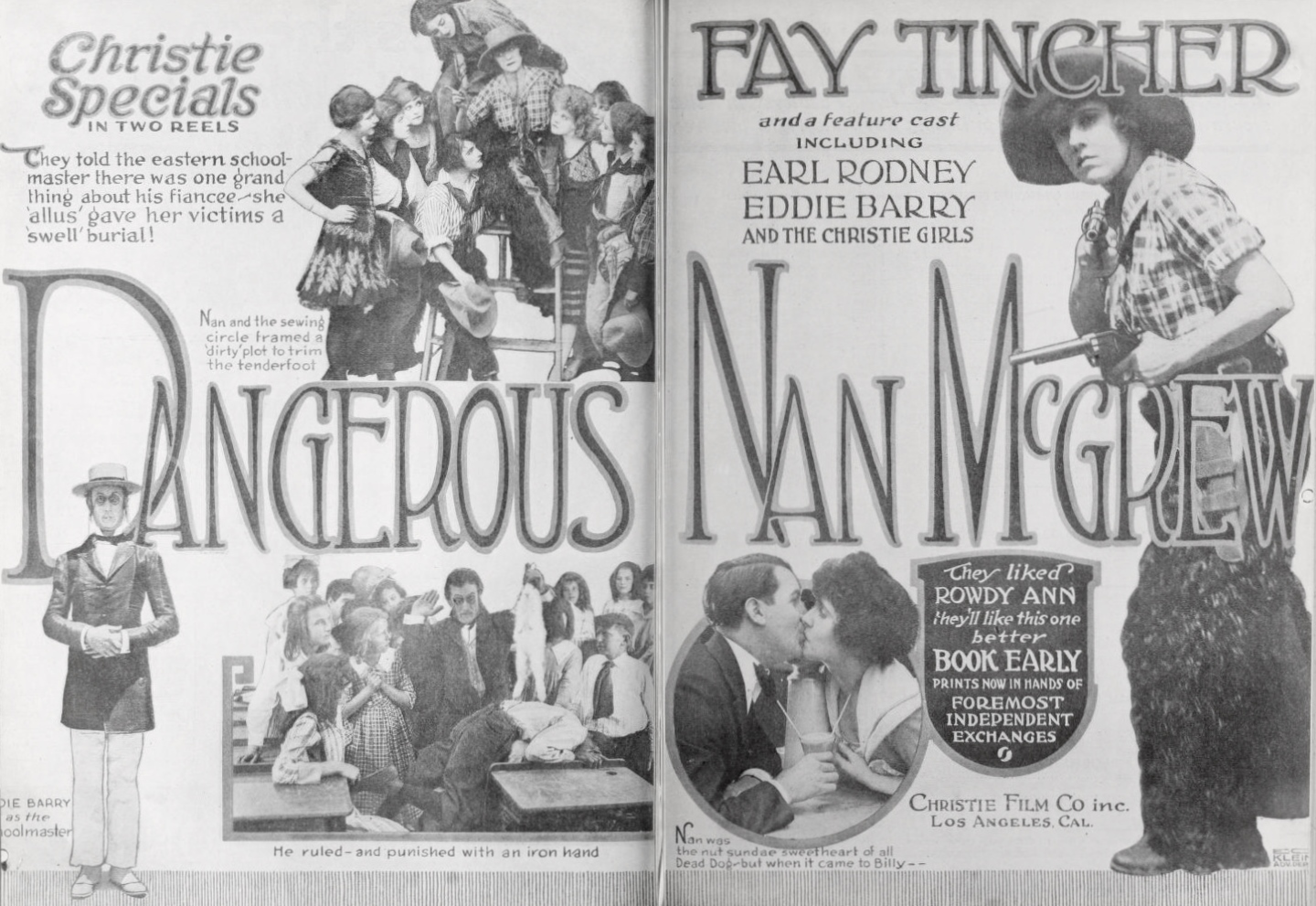
Dir: Scott Sidney
Nan is the soda fountain queen in Dead Dog. She is in love with Billy, but she got a letter from a New York lawyer saying that she and her cousin, Hezekiah, a New England school teacher, would have to marry in order to share a bequest of some thousands of dollars. Hezekiah was on his way west and because Nan would lose the money if she turned him down, she conceived the idea of rejuvenating the wildness of Dead Dog to frighten poor Hezey out of marrying her. With the scene all set and Hezekiah duly shocked, Nan made her entry, riding her horse up the steps and into the bar. In spite of his terror, Hezekiah was willing to go on with the ceremony, and just as Nan and he were about to say "I do," Billy made his entry and began to shoot up the place. This was too much for Hezekiah, and he started running, caught the observation platform of a train starting for the east.
View DetailsAnalysis relative to Mr. Fatima
| Film Title | Atmosphere | Complexity | Similarity |
|---|---|---|---|
| Striking Models | Tense | High | 96% Match |
| The Amazing Quest of Mr. Ernest Bliss | Gritty | Linear | 86% Match |
| Lunatics in Politics | Ethereal | Dense | 97% Match |
| Tarzan of the Apes | Surreal | Layered | 96% Match |
| A Fitting Gift | Surreal | Layered | 96% Match |
This guide was algorithmically generated using the cinematic metadata of Scott Sidney's archive. Last updated: 8/17/2026.
Back to Mr. Fatima Details →