
DbcultAccessing Vault...
Recommendations
Senior Film Conservator
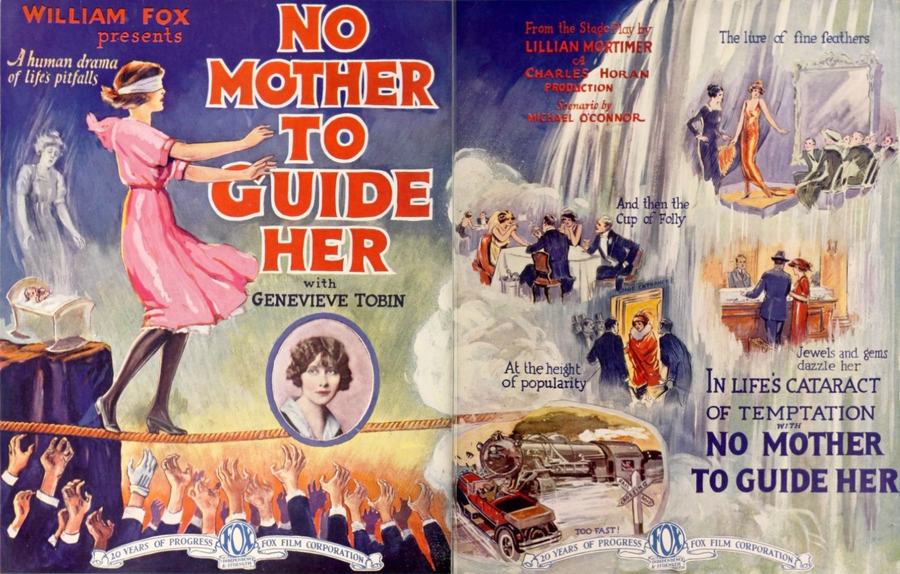
The cinematic DNA of No Mother to Guide Her (1923) is truly one of a kind, the search for similar titles reveals the deep impact of Charles Horan's direction. Our cinematic experts have identified several titles that reflect the spirit of 1923.
As a pivotal work in United States cinema, No Mother to Guide Her to capture the existential zeitgeist of 1923.
Kathleen Pearson is born to wealth and privilege, while her childhood friend, Mary Boyd, is at the mercy of a brutal father following the death of her mother. Years later, Kathleen secretly marries Donald Walling, then discovers that the wedding was officiated by a fraudulent clergyman. Kathleen and Mary return from a trip to Europe with an apparently illegitimate child, and Mary protects her friend by claiming to be the mother. After Donald dies in an automobile accident, Kathleen's marriage is proved to be legal. Mary's reputation is restored and she weds the man she loves.
The influence of Charles Horan in No Mother to Guide Her can be felt in the way modern Drama films handle character-driven intensity. From the specific lighting choices to the pacing, this 1923 release set a high bar for atmospheric immersion.

Based on the unique character-driven intensity of No Mother to Guide Her, our vault has identified these titles as the most compelling follow-up experiences for fans of Drama cinema:
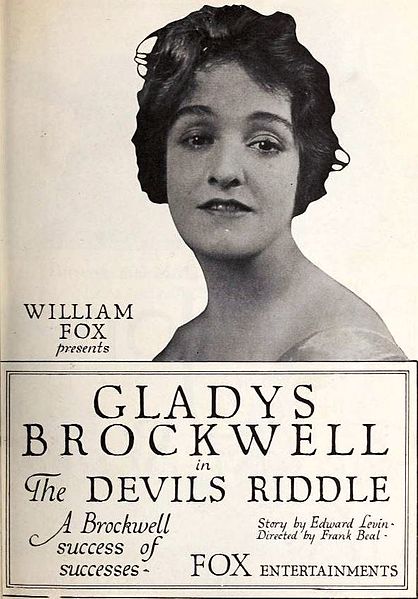
Dir: Frank Beal
During a raging Montana snowstorm, Doctor Jim Barnes collapses at Esther Anderson's cabin door. Esther offers Jim refuge, but when he discovers that their food supplies are running dangerously low, he braves the journey into town in order to replenish them. On the way, he is overcome with exhaustion and fails to return. Esther, unaware of Jim's condition and abused by her stepfather, joins a theatrical troop and leaves home. Time passes and Jim finally finds Esther, but a vindictive member of her troupe accuses her of having an affair with the manager and Jim believes the accusation. He leaves and Esther goes to New York City where she becomes engaged to a jealous artist, although she still loves Jim. Sam Tuttle, a long time friend, is aware of Esther's continuing love, and so brings Jim to New York City in time to save Esther from an unhappy marriage.
View Details
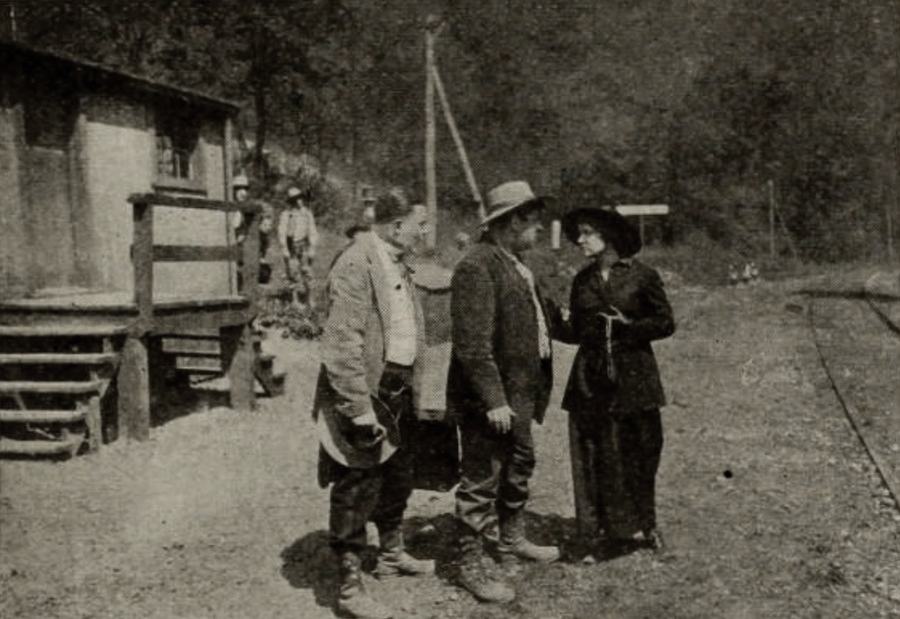
Dir: Edgar Jones
A mail-order bride arrives at a Maine lumber camp but doesn't like her prospective husband.
View Details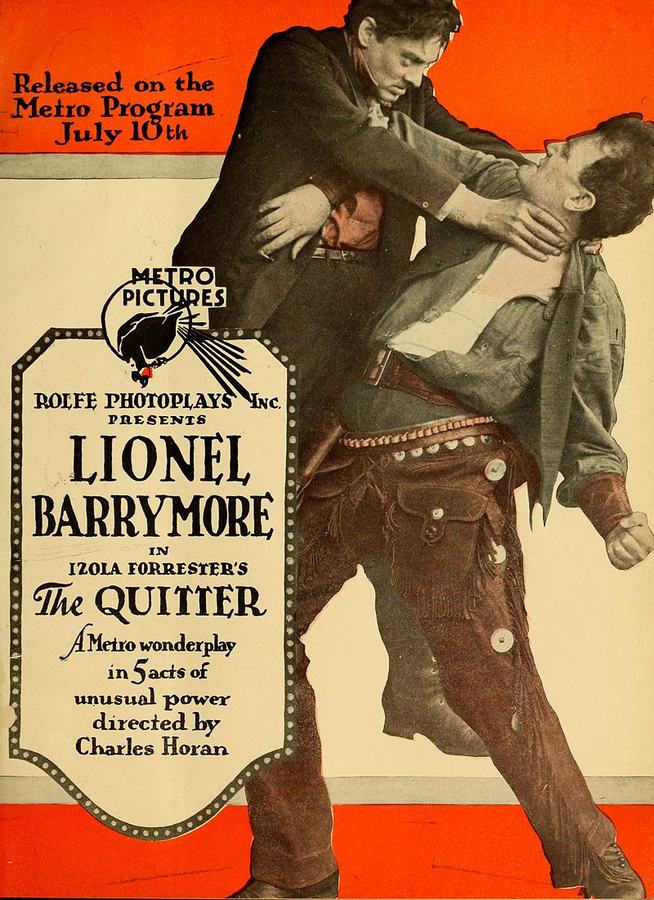
Dir: Charles Horan
The miners at Paradise Gulch are bored. In a session at the "Three Cheers" saloon, owned by Seth Moore, they decide that the trouble with their existence is the fact that there are no women in the place. The verdict is that one of them must marry, and they choose "Happy Jack" Lewis, because he is not present. They go to "Happy Jack" Lewis, make him write out an advertisement for a wife, and sent it to neighboring towns. They stipulate that she must be blonde and pretty. At Gold City, Glad Mason, who answers every requirement, is working in the office of Willet and Condon, mining promoters. Since her father's death she has been obliged to shift for herself. Willet's attentions have become so obnoxious that she is at her wits' end to know what to do, when Lewis' advertisement is pointed out to her. In desperation she answers it, enclosing a photograph. Lewis lines the boys up against the bar and holds them up. Since they have got him into the trouble of getting married, he makes them furnish his shack. He gives a whoop of joy when he sees Glad's photograph among all the ugly ones he receives in answer to his advertisement, but Ben, the bartender, discourages him by saying that probably some old hag sent the picture. "Happy Jack" leaves in haste, first making over his house and his mine to her in recompense for her disappointment. He goes to the junction as Glad is changing trains for Paradise Gulch, and sees for himself what a beauty she is. But one of the boys with whom he has been fighting sees her, too, and without a word the miner gives "Happy Jack" a knock-out blow, and then puts him on the train, bound in the opposite direction. Each of the boys tries to win Glad. They tell her that Lewis is a quitter. Jumping off at a small station, Lewis is arrested as a suspicious character and thrown into jail. His wire to the boys for identification results in the answer that he is a cardsharp and crook. He escapes, and meets Willet, who offers to buy his mine. He accepts, taking the money, forgetting that he has made over the property to Glad, but robbers soon relieve him of his cash and he reaches Paradise Gulch penniless. Willet goes to take charge of the property, which he is anxious to claim because "Sid," the assayer, has told him it is of immense value. He finds Glad in possession and has "Happy Jack" arrested for obtaining money under false pretenses. Glad turns over her claim to Willet and Condon on the condition that they will free Lewis, although he implores her not to do so. But "Sid," the assayer, has made a discovery. He whispers something to Glad, and the last cloud is dispelled. He has made a mistake. The sample ore he has thought Lewis' belonged to Glad's father, who had brought it in to be assayed the day before he died. Glad and "Happy Jack" have lost control of the worthless mine, but they begin life together as owners of the magnificent Mason property.
View Details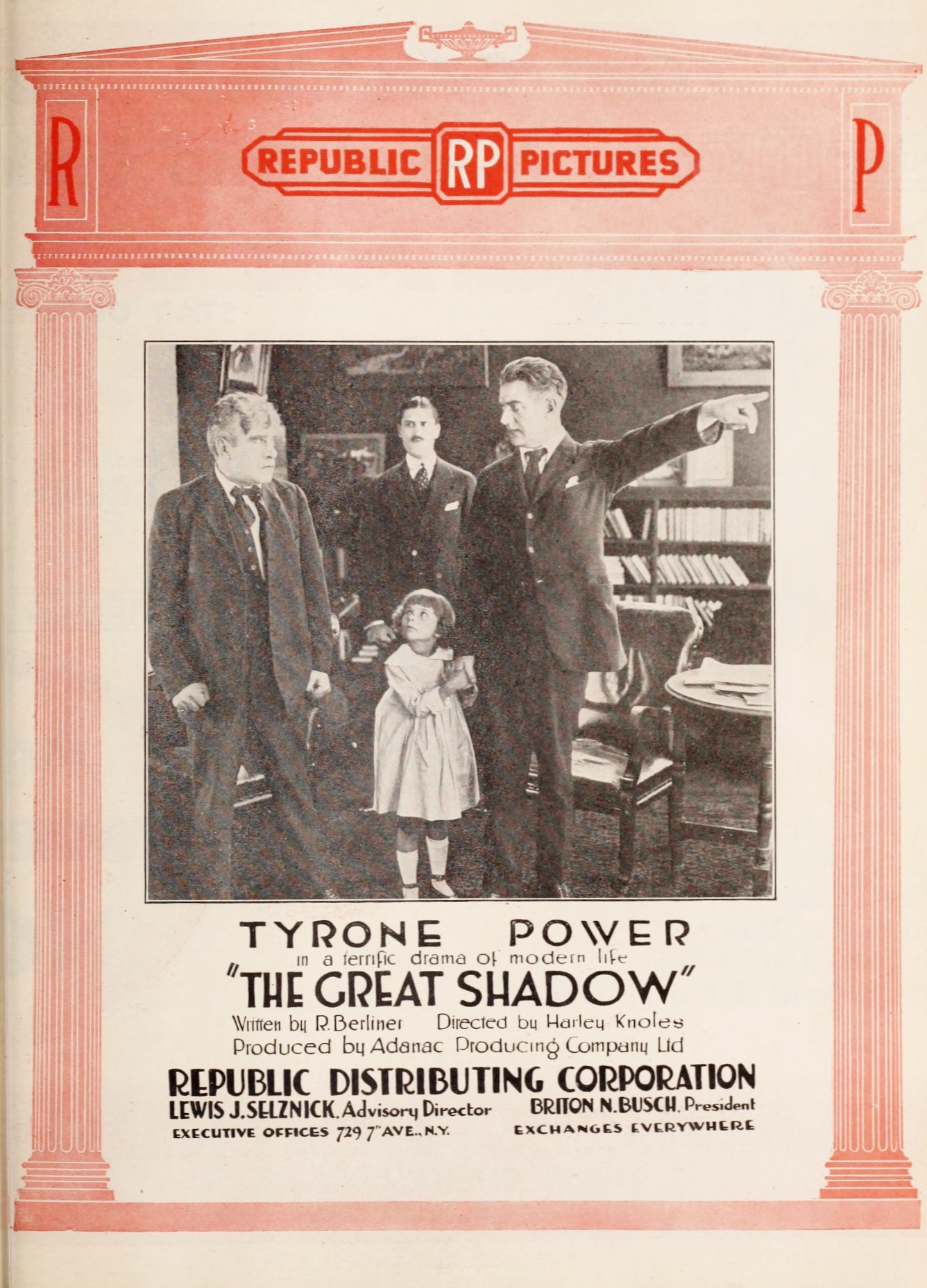
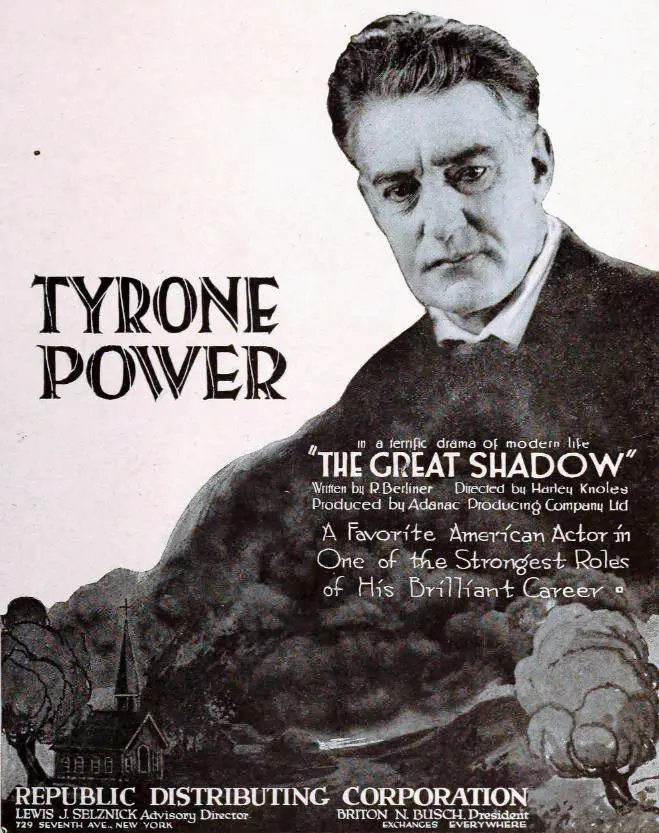
Dir: Harley Knoles
Jim McDonald, the foreman of a shipbuilding plant and head of the labor union, strives to combat the anarchistic propaganda being put forth by Klimoff, the leader of a Bolshevik gang whose goal is to disrupt the country with strikes and anarchy. Despite McDonald's efforts, a strike is called, resulting in chaos. McDonald's child is knocked down by runaway horses abandoned by their striking driver, and dies. Mob scenes take place in America, as well as in Russia. Eventually, the unrest is quelled with an armistice called between Capital and Labor for a year, during which time wages are to be increased to reflect the cost of living, and leaders are to work out a common plan for their mutual advantage. The strikers now realize that they have been pawns of the Bolsheviks and call off the strike, agreeing to the plan.
View Details
Dir: Charles Horan
Joseph Wilton is a thrifty German and an expert piano maker, who through his industry has built up a small factory and acquired considerable money. His whole life and further ambitions are centered on his son, Bob, whom he has entered in a big university. His only daughter, Molly, has taken the place of her mother in the home, since Mrs. Wilton's death. Bob is carried away by college life, and begins to feel embarrassed over his father's humble life and surroundings. He falls under the influence of Herbert Graham, a suave society leech and college mate, who inveigles him into drinking, gambling and a life of profligacy. Bob is induced to draw on his father for large amounts, on the excuse that he needs the money for expenses at college. The blindness of the father's love for his son is emphasized when he insists on attending a football game, where his son is the hero of the hour. Bob practically denies his father in the presence of his friends on the campus. Soon afterward Bob's continued escapades cause him to be expelled from college. Graham induces Bob to take him home with him, hoping to get an opportunity to swindle his father. They arrive and explain that they have been granted several extra weeks for the Christmas holidays. Graham induces the elder Wilton to finance a small bank for himself and Bob. They are popular and succeed from the start. But Graham indulges in many wild-cat speculations, and the bank is ruined. In a run on the bank both narrowly escape bodily injury, Graham commits suicide. Bob decides to face the disaster, but after hearing Aubrey Maynard, the father of Grace Maynard to whom he is engaged, denounce him in the presence of his own father, he decides to leave, as he has borrowed money from Grace when the bank was first in trouble, and her father threatens him with imprisonment as a swindler. He leaves her a note, saying he will return when he has made a man of himself, and can make good his obligations. Molly, his sister, is in love with George Lennan, and their advice to the elder Wilton to halt Bob in his early profligacy has resulted in the aged piano manufacturer ordering Molly from home. After Bob's departure, Wilton, who has lost his entire fortune in his son's failure, in an effort to make good with his son's creditors, takes up his abode in the slums, eking out an existence by tuning pianos. In a distant city, Bob starts life over and steadily rises to a position of trust and importance. He is promoted to be general manager of the New York office of the big concern in which he has made his success. Upon his return to New York, his sister Molly, who has married Lennan, has started to search for her father. She succeeds in locating him the very day that Bob returns. There is a happy reunion, including Bob's fiancée and a little four-year-old grandson, the child of Molly, whom the older Wilton sees for the first time.
View Details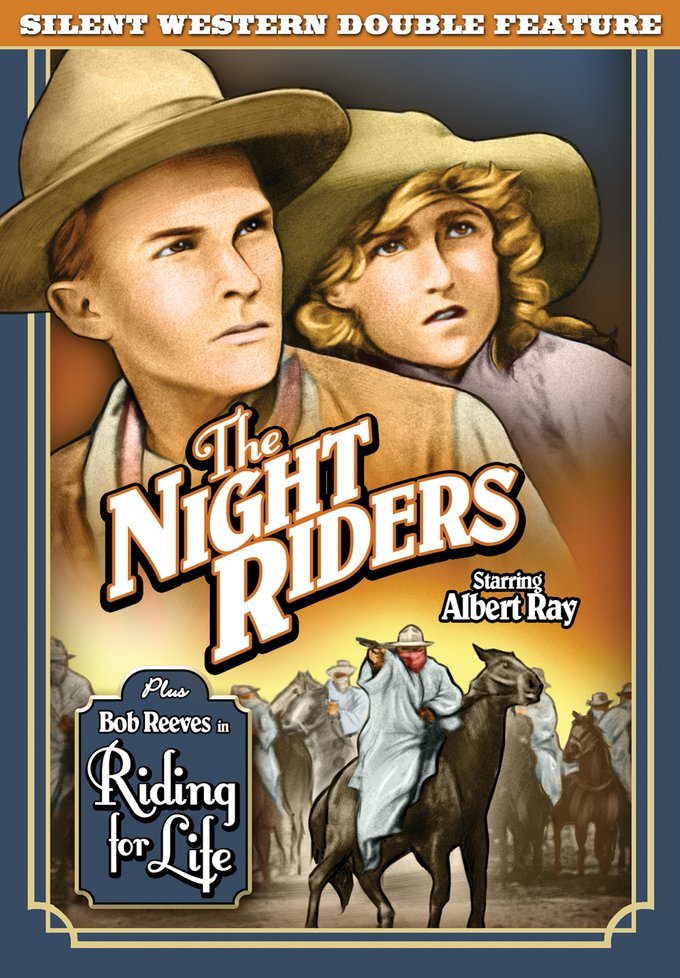
Dir: Alexander Butler
In Alberta, Canada, a Cornish emigrant unmasks a rustler posing as the girl's "blind" father.
View Details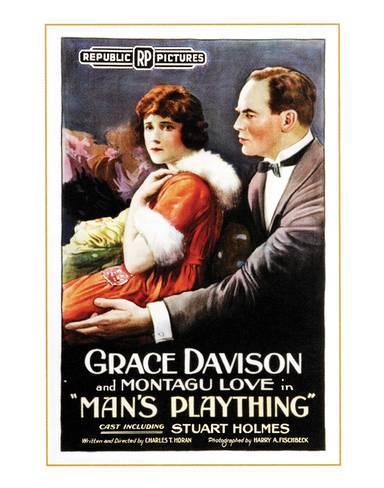
Dir: Charles Horan
While working as a flower girl in Devlin Maddox's nightclub, Nellie Vaughan meets wealthy young Pelton Van Teel and falls in love. Maddox, desirous of using Nellie to blackmail Van Teel, spreads a rumor that she is his mistress. This makes Nellie uncomfortable, and she demands that Van Teel marry her immediately, to which he agrees. Meanwhile, Van Teel has been losing money gambling to Maddox, who threatens to break up the marriage by producing a worthless check that the young husband has written. Venturing to Maddox's apartment for a showdown, Nellie pulls a gun and demands the check, accidentally shooting Maddox when he throws a lamp at her. Maddox plans to charge Nellie with assault, but when the police arrive, his butler, actually a detective employed by the elder Van Teel, exposes Maddox, who is then arrested, clearing the path for the couple's happiness.
View Details
Dir: Eduardo Notari
A crime drama in the Gennariello-series. The police detective in Naples that is confronted with modern gangsters and crime events.
View Details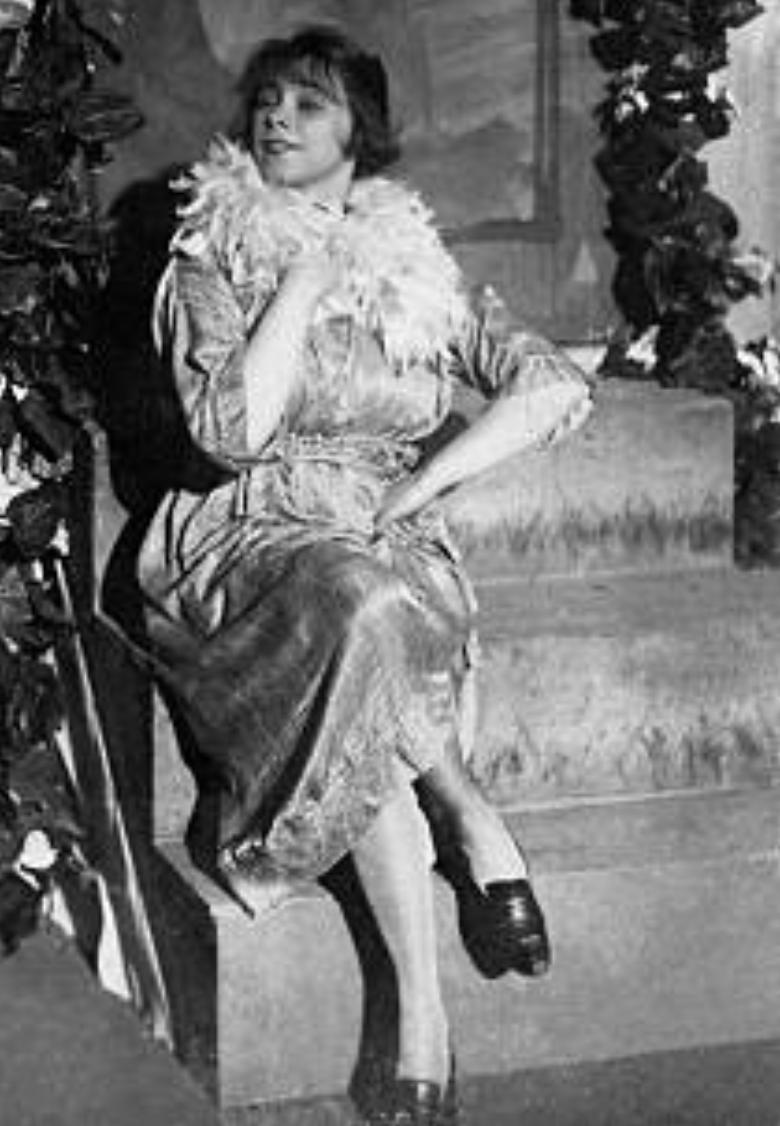
Dir: Bruno Ziener
A fascinating piece of cinema that shares thematic elements.
View Details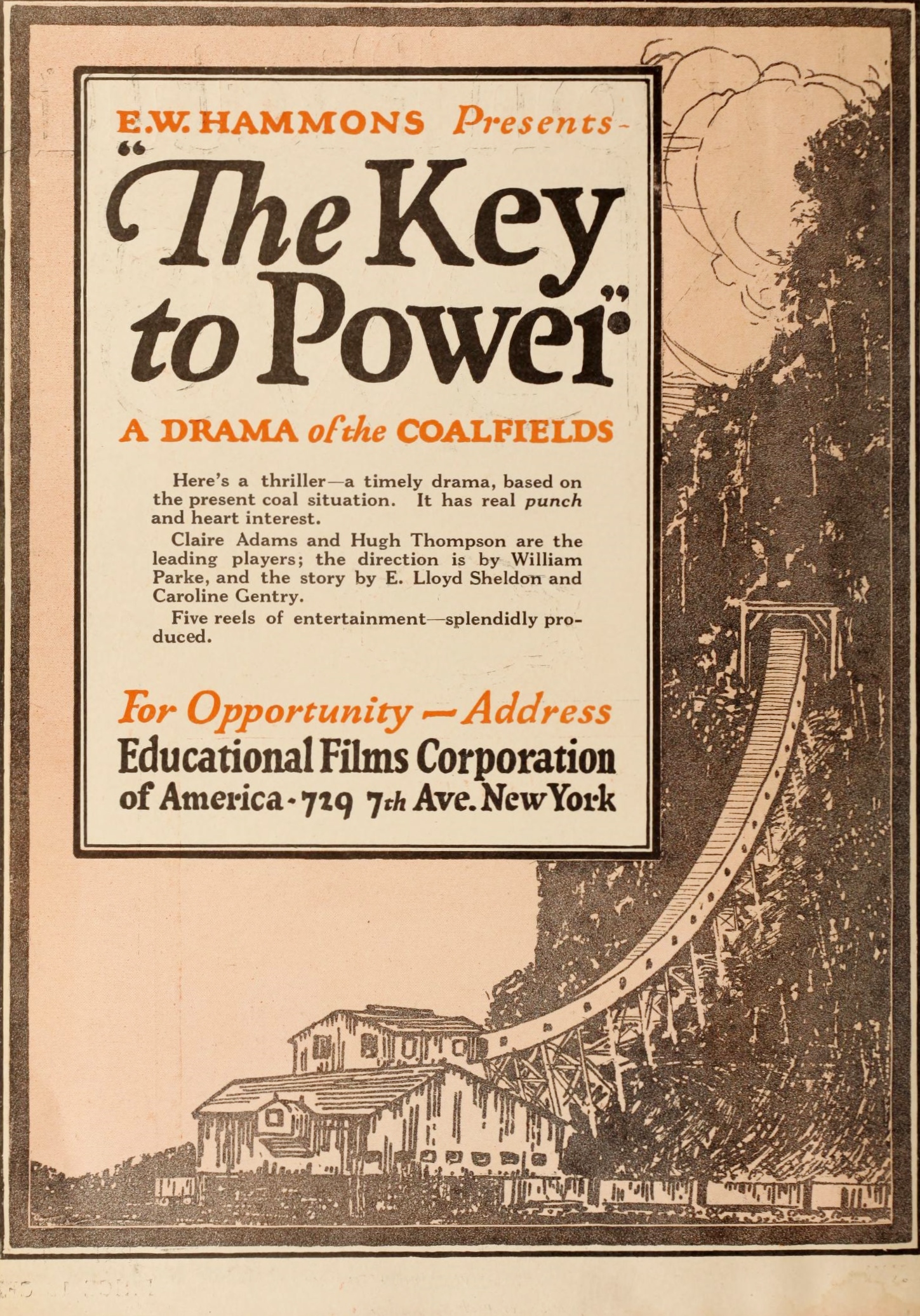
Dir: William Parke
Bruce Wendell, the son of West Virginia coal mine owner James Wendell, graduates from West Point and prepares to lead a fighting unit to the front during World War I. As his father lies dying, however, he convinces Bruce to remain at home and guard the mine. Bruce's fiancée Ann Blair assumes that he is a coward and breaks off their engagement, but her brother Bobbie remains Bruce's loyal friend. Meyer, a German agent, persuades railroad president Parrish to refuse to transport Wendell's coal, but when Bruce adamantly refuses to close the mine, the spy's men decide to blow it up. While Ann is being abducted by Meyer, Bobbie is buried in an explosion at the mine. Bruce rescues Bobbie and then sends a plea to Lieutenant Parrish to rescue Ann. Meyer and his gang are captured and Ann renews her vow of love to Bruce.
View DetailsAnalysis relative to No Mother to Guide Her
| Film Title | Atmosphere | Complexity | Similarity |
|---|---|---|---|
| The Devil's Riddle | Ethereal | Dense | 86% Match |
| In the River | Gritty | High | 92% Match |
| The Quitter | Ethereal | Linear | 92% Match |
| The Great Shadow | Gothic | High | 94% Match |
| The Blindness of Love | Surreal | Abstract | 97% Match |
This guide was algorithmically generated using the cinematic metadata of Charles Horan's archive. Last updated: 6/24/2026.
Back to No Mother to Guide Her Details →