
DbcultAccessing Vault...
Recommendations
Senior Film Conservator
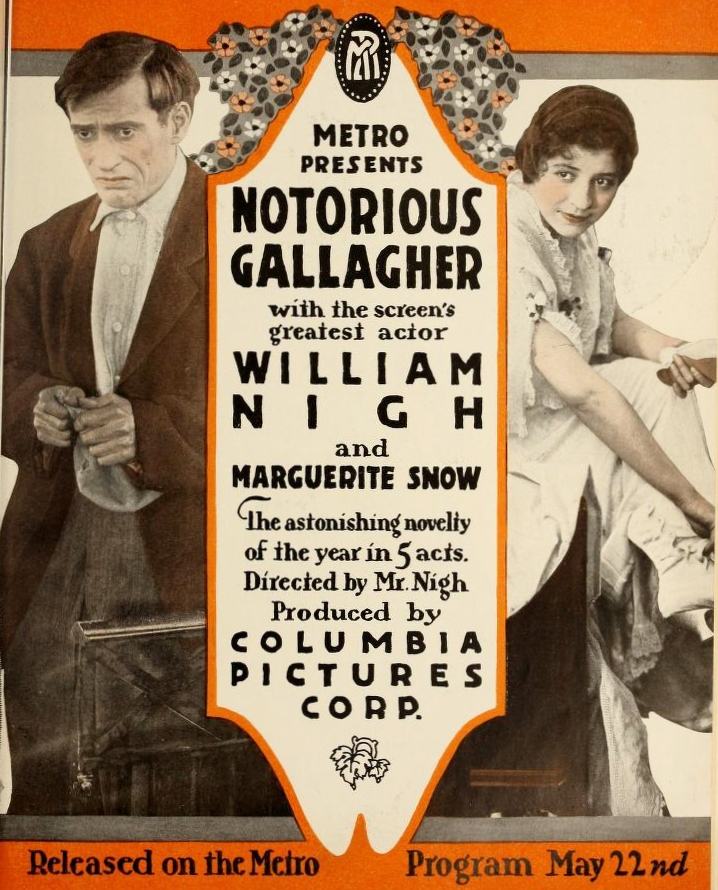
Looking back at the 1916 milestone that is Notorious Gallagher; or, His Great Triumph, the specific stylistic flair of this work is a gateway to a broader cult world. Our archive is rich with titles that mirror the stylistic flair of William Nigh.
As William Nigh's most celebrated work, it defines to create a dialogue between the viewer and the stylistic flair.
"Buttsy" Gallagher is a harmless young product of the slums. In all his life he has never been of the slightest importance. His spirit is so submerged that he has almost forgotten how to get angry. One night the gaiety going on in Judge Winters' home attracts him, and he crouches on the fire-escape to watch it. He becomes interested in the Judge, in his pretty daughter Peggy, in her cousin Flo, in Flo's admirer, the Count, and in Bob Ewing, a struggling young lawyer. Then he falls asleep on the fire-escape. Peggy is fascinated with the Count and decides to cut Flo out, if she can. She consents to meet him in the drawing-room after the household is asleep. Scarcely are they concealed in the window niche when the house is burglarized. "Frank the Mex" and "Lefty Jake," securing their booty, pass through Flo's room when Flo awakens and screams. A servant who runs to see what is wrong is killed, and the crooks escape through the window, where "Buttsy" is lying asleep. They roll him over into the room. "Buttsy" is arrested as the murderer. "Buttsy" finds himself suddenly famous. Women send him flowers. Great men argue about his case. The people in his home alley decide that he has more in him than they thought. Peggy, who was hidden in the other window and who knows that he is not the murderer, does not dare speak for fear of injuring her reputation. Bob Ewing takes up the case. He is sure "Buttsy" is not guilty, and finally makes Peggy tell what she knows. Her father, Judge Winters, makes her marry the Count. "Buttsy" is given a new trial and is released under a five-year probationary sentence for having committed perjury. He has "confessed" to the murder, delighted at having so much attention. Brought into prominence by "Buttsy's" trial, Bob is engaged by a firm of unprincipled men to condemn and take over for a reservoir some land belonging to Judge Winters and some farmers in his old home town. The two crooks, "The Mex" and "Lefty," are hired, and bind and gag the Judge when he tries to fight the matter in the town council. Peggy and the Count, who follow, are about to meet the same fate, when "Buttsy" intervenes. He has left the city because it is not interested in him except as a criminal. The Judge accuses him of being mixed up in the conspiracy and his long-buried spark of anger flames forth. He puts up the fight of his life. He and the Count turn on the hobos, and "The Mex," the slayer of the servant, is mortally wounded, confessing just before he dies. Flo gives Bob a piece of her mind. She tells him exactly what she thinks of him for having turned traitor to her uncle's interests in such a cowardly fashion. She rouses the sleeping manhood within him. He goes to the council meeting and argues, not against the Judge, but for him, winning the case. Flo forgives him, and they are married. Peggy cannot help admiring the Count's valor when she sees him fighting the crooks, and thereafter the marriage is a real one, as for "Buttsy" he sees again the girl known in his tenement home as "The Pest." Now she is a lovely young woman. She has become a trained nurse and he asks her to be his own private nurse as long as he lives.
Notorious Gallagher; or, His Great Triumph was a significant production in United States, bringing a unique perspective to the global stage. It continues to be a top recommendation for anyone studying cult history.
Based on the unique stylistic flair of Notorious Gallagher; or, His Great Triumph, our vault has identified these titles as the most compelling follow-up experiences for fans of cult cinema:
Dir: William Nigh
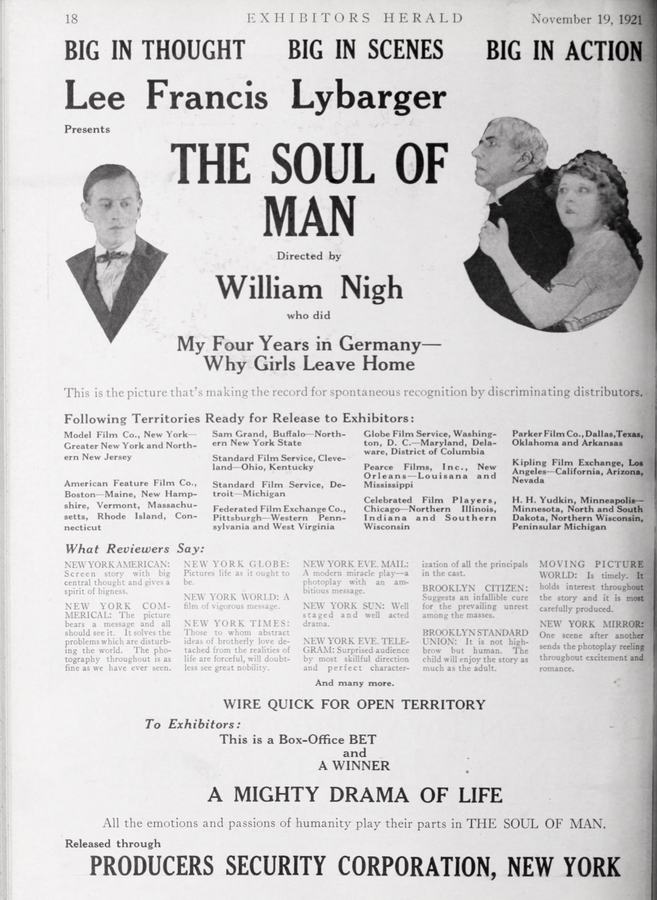
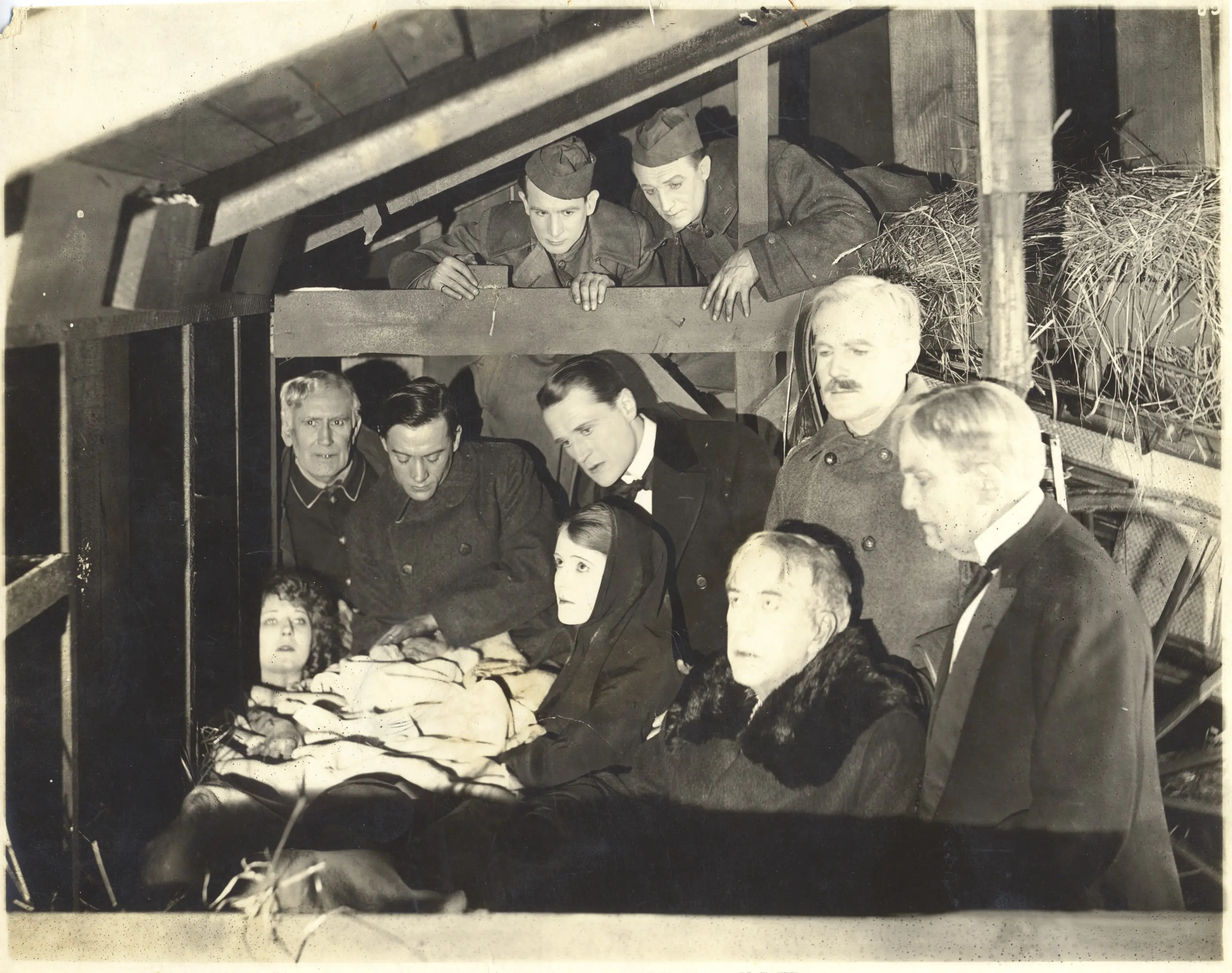
In his desire to gain the whole world and be a power god, an arrogant rich man almost loses all when his own flesh and blood double-crosses him. But a grandson who refuses to permit greed of gold to destroy his ideals, and a sweet blind girl--one of God's innocent children--show the old man and his unscrupulous kin that the greatest possession is love.
View Details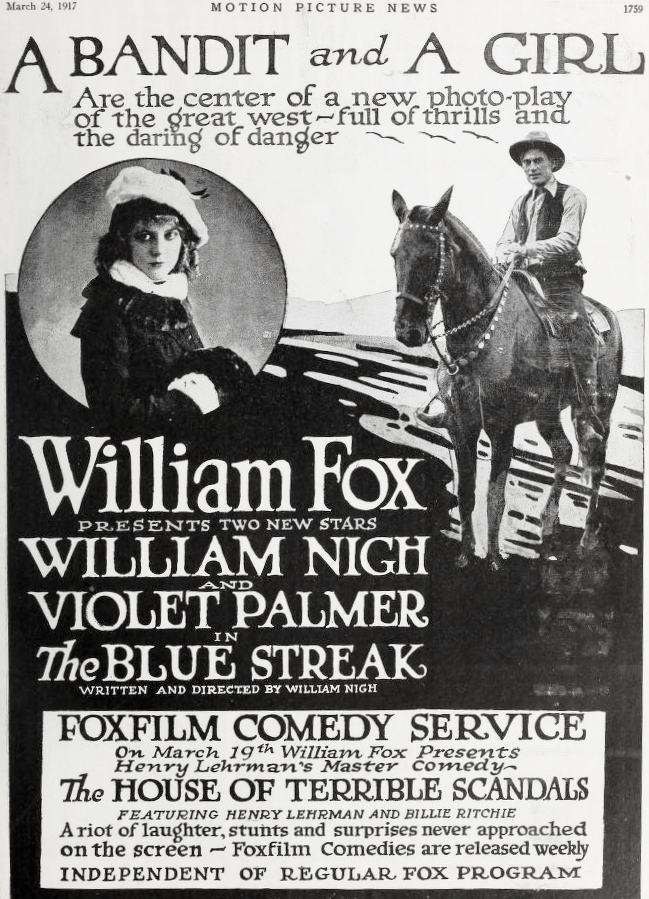
Dir: William Nigh
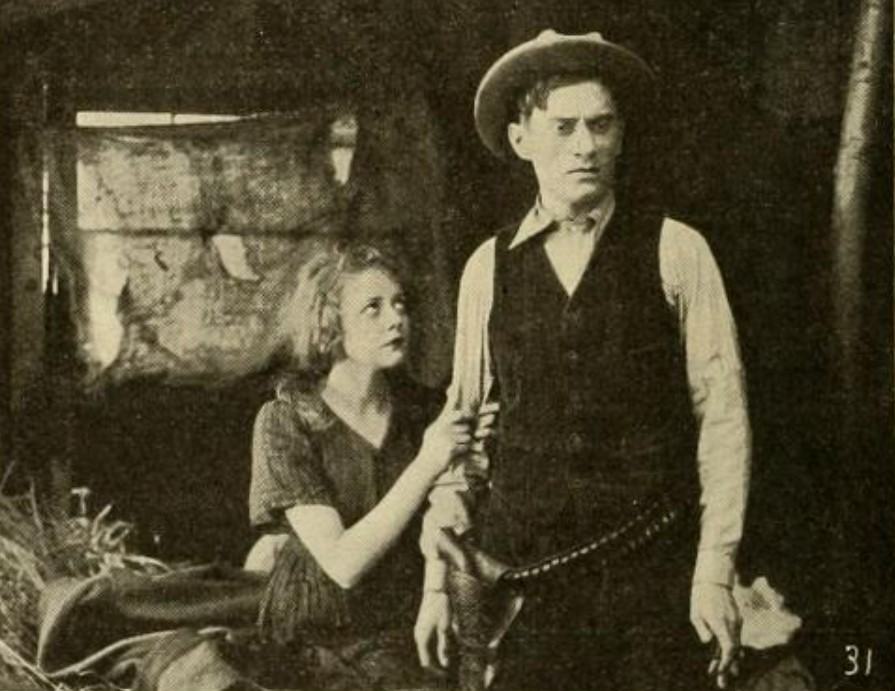
The story tells of the reformation of a millionaire's son, who later develops such consistent speed on the "draw" and on a horse that it wins for him the title of "The Blue Streak." Driven from home, the "Streak" changes his mode of living entirely. News of his adventurous spirit penetrates even into the town of Sterling, beyond the Rockies, where he one day finds himself. He strolls into the common meeting-place there, the saloon, and proceeds to prevent a forced marriage between the proprietor's daughter, "The Fledgling," and a gambler by the simple expedient of covering all with his revolver while preparing to make her captive himself. A short time after they reach his retreat in the hills, the "Streak' is almost overcome by what occurs to him. The gambler must have wronged the girl, and he, the "Streak," has interfered with retribution. He leaves "The Fledgling" in his partner's care and rides furiously back to the town for the "miscreant." He makes him prisoner, after a hard fight, and with a parson, brings him to the hut. The girl protests that the gambler has not harmed her, but the "Streak" will not listen. In desperation, "The Fledgling" goes through with a fake marriage ceremony. Miles away on the horizon the "Streak" sees a posse approaching to arrest him for his escapades. He bids "The Fledgling" good-bye and prepares for surrender. She begs him to flee. When he refuses she rushes to his arms, crying out her explanation. He mounts his horse, lifts her behind him, and dashes off, to begin life anew in his old home.
View Details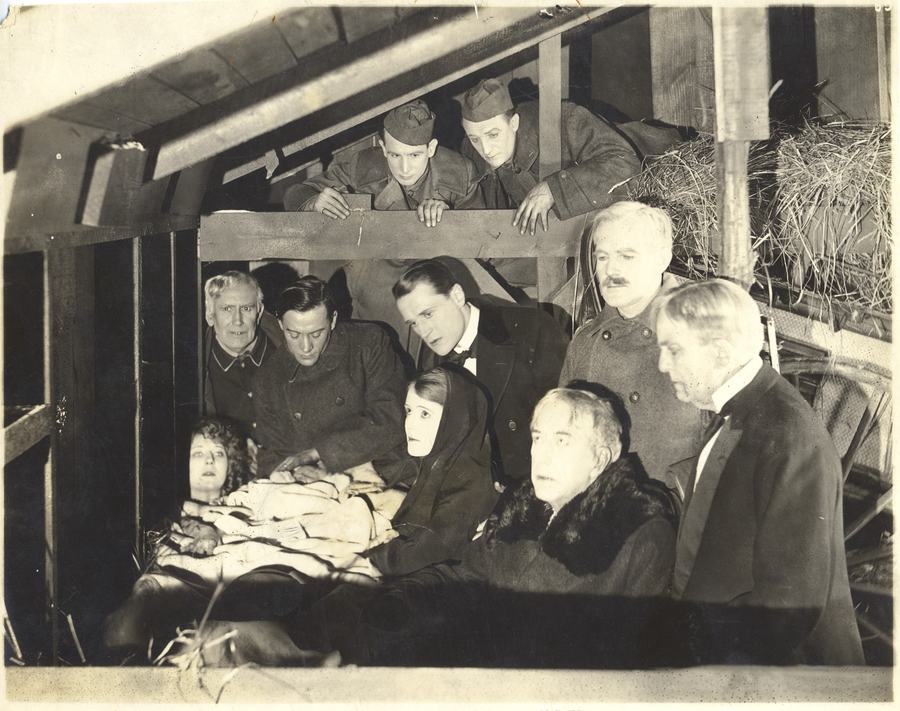
Dir: William Nigh
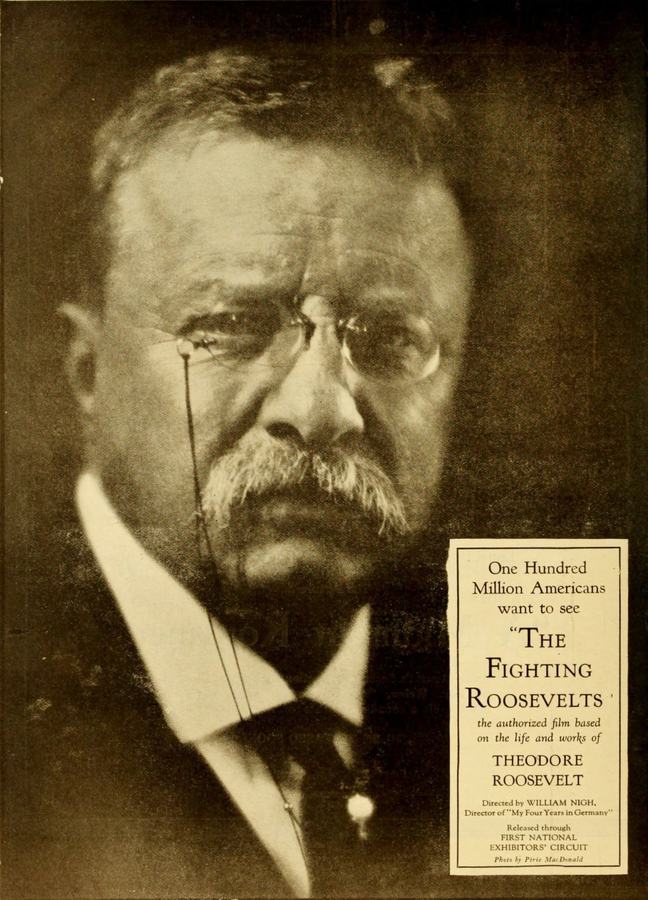
A dramatization of the life of Theodore Roosevelt leading up to his presidency of the United States. Included are depictions of his youth, his membership in the New York State Assembly, his days as a cowboy, police commissioner, Assistant Secretary of the Navy, and leader of the Rough Riders in the Spanish-American War.
View Details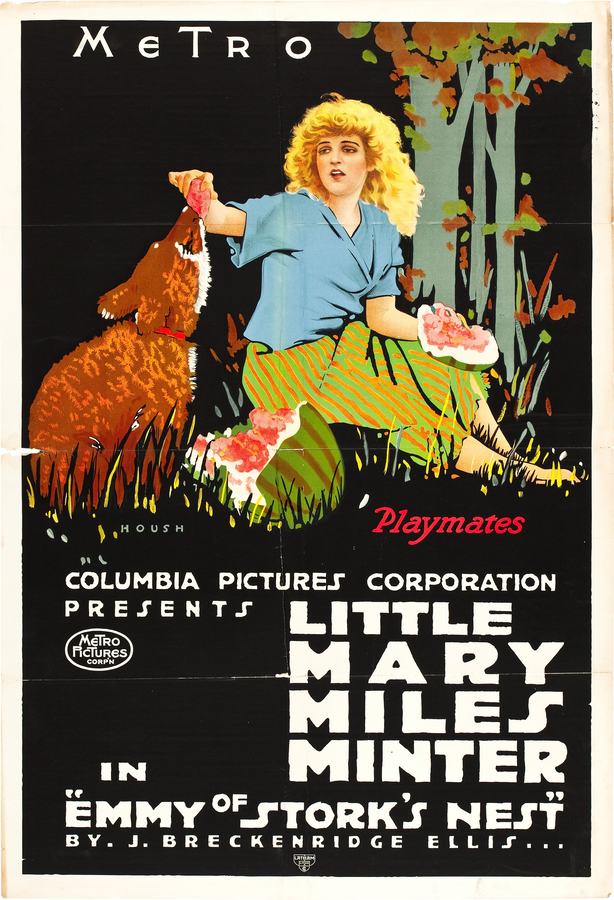
Dir: William Nigh
Through the death of his father, Benton Cabot is left with nothing but a small mountain cabin which he has never seen. He goes to take up his property and in the mountains meets Emmy Garrett, an untutored but attractive girl, just budding into womanhood. Emmy is a child of the woods and Benton's city dress and ways amuse, her greatly. His cabin is uninhabitable so Benton goes to work for Bije Stork and lives with Bije, his brother, Si Stork, and Si's wife, Crishy, a poor creature, crushed by years of servitude. Benton takes an instinctive dislike to Bije and senses that there is something wrong with the Stork establishment. He and Emmy feel attracted to each other, despite the lack of respect Emmy feels for Benton. Emmy sends Benton a note by Jim Whitlicks, a half-witted boy, but Bije intercepts. Instead of telling Benton he goes to see Emmy and tells her that Benton is too busy to see her. Emmy sneaks away and sees Benton chatting with a party of autoists from the city. She goes back and, at her grandfather's solicitation, promises to marry Bije. Jim Whitlicks tells Benton of the intercepted note and he goes to see Emmy. She will have nothing to do with him and drives him out of the house into a furious storm. Benton finds the ford swollen by the storm and is nearly drowned. But he is saved by Emmy, whose change of heart led her to follow him. Then she realizes she loves Benton but thinks he does not care for her. Emmy wants to get all dressed up. So she and Crishy Stork send Jim to town for cloth. The money Jim tenders Hicky Price, the storekeeper, is found to be counterfeit. Hicky calls in the sheriff and they decide to hunt Bije Stork down. They find he is a counterfeiter and conceals the counterfeit money in Benton's abandoned shack. The Storks realize that the jig is up. Si gets Emmy in his team and goes for the counterfeit money. At the shack he meets Benton, who rescues Emmy after a hand-to-hand fight. Benton rides off with Emmy, pursued by the Storks in their wagon, when they meet the sheriff's posse. The Storks turn and flee. Pursued hotly they perish when the wagon goes over a cliff. Thus freed Emmy makes clear her love for Benton and the young folks are left happy.
View Details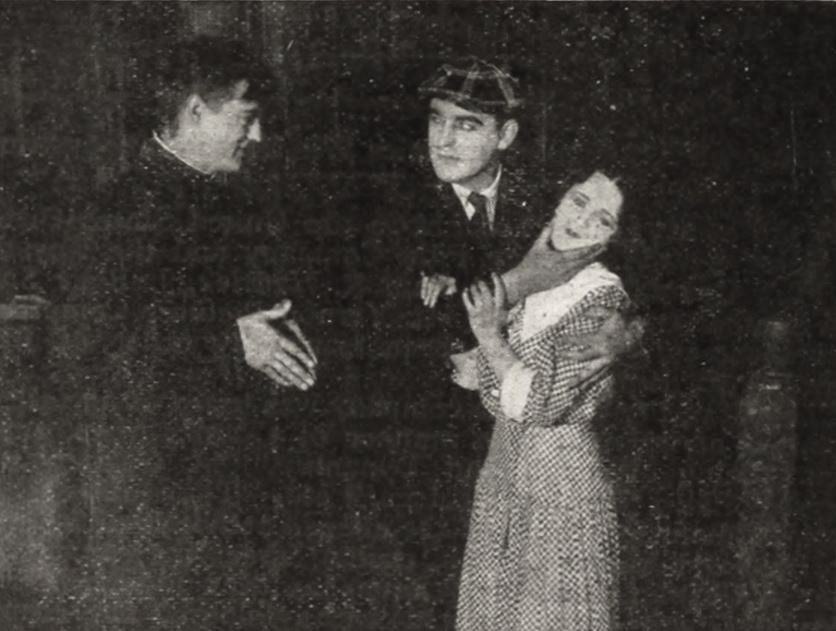
Dir: William Nigh
Barry Dale, the atom, a Wall Street broker, is financially ruined by his perfidious and faithless wife, and her companion, Richard Marvin, another broker, who has posed as Dale's best friend. Disheartened and depressed, Dale goes to his apartment expecting comfort and solace from his wife. Instead he finds her there in the embraces of Marvin. They laugh at him, and Marvin, the stronger of the two men, literally throws Dale out of his own home. He gives him a pistol and tells him the whole affair can best be settled, to every one's satisfaction, if Dale will kill himself. Dale walks aimlessly through the streets with this end in view. Long after midnight he finds himself on the Brooklyn Bridge, where he observes a girl about to leap into the river. A shout from Dale causes her to turn back and flee. They are mere silhouettes in the dim light, and do not see each other's faces. The girl, another atom in the swirl of human life, is Mary Austin, a child of the tenements, who had planned suicide to escape marrying Jack Rader, a gambler, to satisfy a debt her father owed to Rader. After the incident on the bridge Barry indifferently wanders to a railroad station and buys a ticket west, as far as his money will carry him. In the far west Barry brings up in a little mining town. There he falls in with an outlaw, who is being sought by a sheriff's posse. A few days later, in a lonely mountain trail, the posse closes in on the outlaw. He directs Barry to safety, but is killed by the sheriff. A sky-pilot, who had joined them a few hours before, is likewise killed by the posse's bullets. Barry buries them both, and decides to impersonate first one and then the other. Tom Austin, Mary's brother, is addicted to drink, and Mary succeeds in inducing his employers in New York to send him west. Subsequently, arrangements are made for Mary and her father to join Tom in the west. Disguised as the outlaw, Barry holds up the coach that Mary and her father are riding in. Struck by the girl's beauty, and her plea not to rob them, Barry grants the request for a kiss. Afterward, as the sky-pilot, Barry and Mary become well acquainted in the mining town, where she and her father have taken over a small hotel. Jack Rader, the gambler, turns up and compromises Tom Austin in a hold-up. He offers to clear him if Mary will consent to marry him. Mary tells the sky-pilot of her predicament. Barry, disguised as the outlaw, saves Tom and shoots the gambler in a pistol battle. When the sheriff's posse arrives he is disguised as the minister. With renewed strength and ample funds, Barry returns to New York and seeks out Marvin and his wife. He throws Marvin into the street and returns the revolver to him, with the same advice he received a year before. Back west Mary waits for the sky-pilot's return, standing every night on a little bridge that spans a mountain stream. She is about to despair of his return, when she hears his voice. She turns and sees the same silhouette she saw on the Brooklyn Bridge, and for the first time both know they met that night.
View Details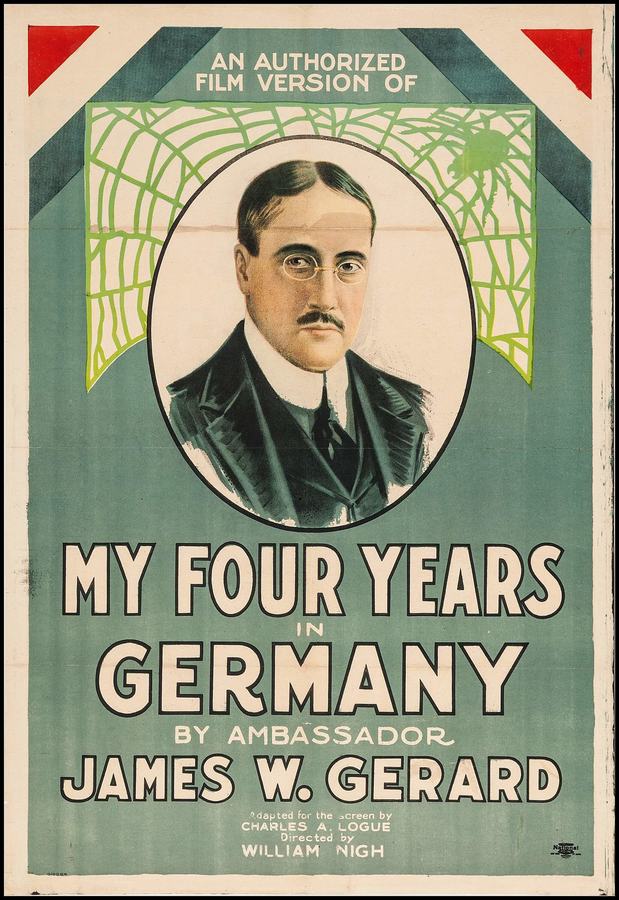
Dir: William Nigh
The experiences of the American ambassador to Germany, James Gerard, are recounted in this semi-documentary.
View Details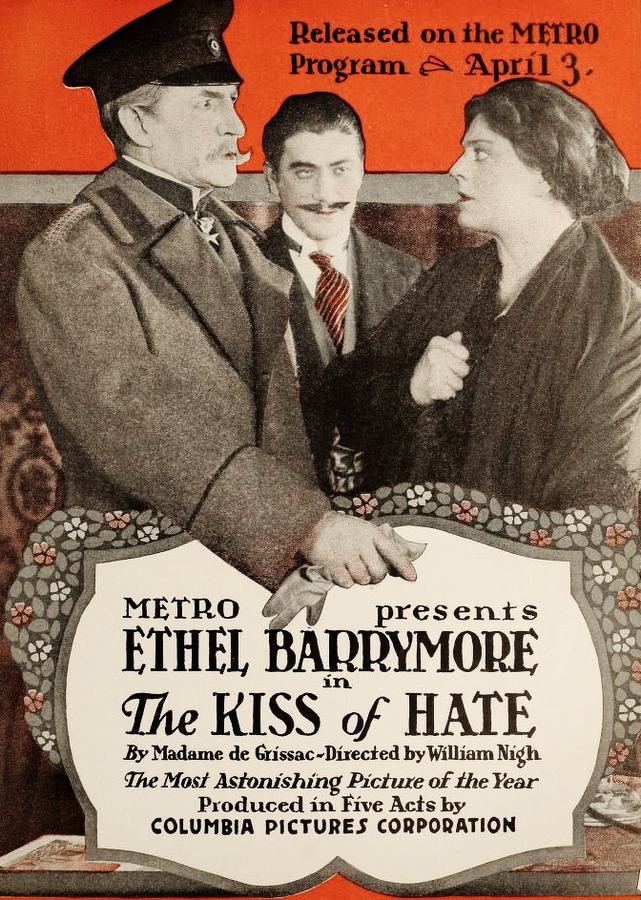
Dir: William Nigh
When Count Peter Turgeneff, his daughter Nadia, and his generous-hearted son Paul came to live in the Governor's palace in the Russian province of Valogda, there was rejoicing among the oppressed race whose home was in the Ghetto. Turgeneff was known as a just and merciful man who had done much to make the hard lot of the Jews bearable in the districts under his charge. Hence his coming was hailed with joy by Isaac, prophet of Israel, and his people. Quite other feelings did his arrival create in the breast of Michael Orzoff, the grim Prefect of Police of Valogda, who sat in his office in the fortress and received the reports of the secret agents of the Czar. It was known that Orzoff was the secret power behind the dreaded "Yellow Jackets," the dire organization whose avowed object was the extermination of the people of Israel. There seemed no help. The Prefect's influence reached far, even into the high places in far-off Petrograd. Even women, provided they were fair to look upon, found their sex no protection from his infamy. For all these reasons the coming of Count Turgeneff to Valogda was not at all to Orzoff's liking. Soon after his coming Orzoff learned two things: one was that the new governor had pledged his help to the Jews, and the other that his daughter Nadia was one of the most beautiful women he had ever seen and quite as ardent as her father in her support of the oppressed race. To think was to act with Orzoff. The governor was strong, but not more strong than he. In the high places in Petrograd, whence both received authority, the Prefect held the more power. In Russia the police are all powerful. The Count menaced Orzoff, for already word had been brought to the Governor, as Orzoff well knew, that the Prefect was the secret driving force behind the evil "Yellow Jackets." So Orzoff laid his plan. With his countless agents provocateurs and secret minions in the "Yellow Jackets," daring as that plan was, he felt it could not fail. On the night of the grand ball at the Governor's palace, the plan was consummated. Thither had come, at Nadia's urging. Isaac, chief of the Jews of the Ghetto, and Leah, the lovely daughter of old Samuels the cobbler, whose honor had been stained by the rude lust of Orzoff, with many others, there to accuse the Prefect face to face of the wrongs with which he had burdened them. But they did not reckon with the Prefect's plan. Suddenly there had been a cry without a rush of many feet and a frenzied mob had burst in among the guests of the Governor. "Death to the Jews," was their rallying cry. Then came Orzoff's own uniformed men and dispersed the rioters, but not before an assassin's bullet had found a resting place in the heart of Count Turgeneff. Nor did Orzoff stop there. Secure in his influence at Petrograd, he directed his men to seize the weeping Nadia, her brother Paul, and Isaac the Jew, and imprison them in the fortress under a charge of treason. And there on the day following he found a way to wreak his evil will upon the girl. The Prefect came to her in the cell, where she passed the night. He bent over her menacingly as she sat on the stone seat that had formed her couch. "You will give yourself to me," he said abruptly, "or your brother shall suffer the torture by fire ere he goes to Siberia." The as Nadia, in contempt and loathing, struck at him in the half-darkness he added, "Listen, and you shall hear for yourself; only your promised work can stop this pain."
View Details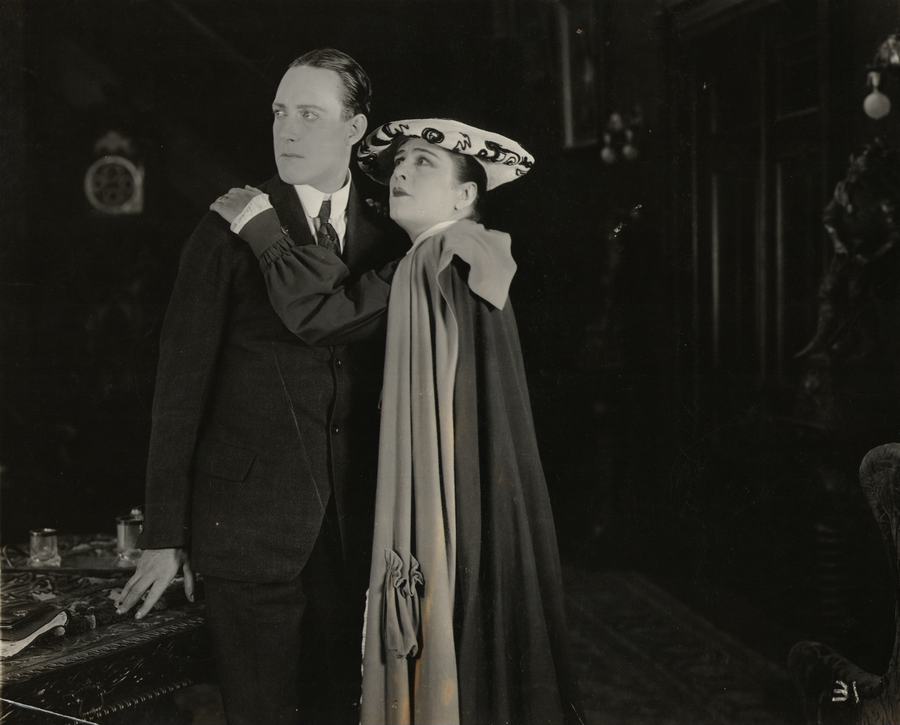
Dir: William Nigh
Bored by her country life and misunderstood by her parents, Emma Rolfe marries Dr. Charles Bovar, an older man whose dedication to his medical practice results in wifely neglect. To alleviate her growing loneliness, Emma enjoys the company of many of the young men from the village and eventually begins an affair with Rudolph Bulwer. Despite his proclaimed love for her, Rudolph deserts Emma on the night of their arranged elopement, and in her despair she steals some acid from her husband's medicine cabinet and goes to the river to commit suicide. While standing by the water, Emma changes her mind and resolves to confess to Charles and beg his forgiveness, but the river bank gives way under her feet and she drowns in the swift current. Although he has discovered Emma's love letters from Rudolph, Charles stoutly defends her honor in front of the townspeople and forgives her in his heart.
View Details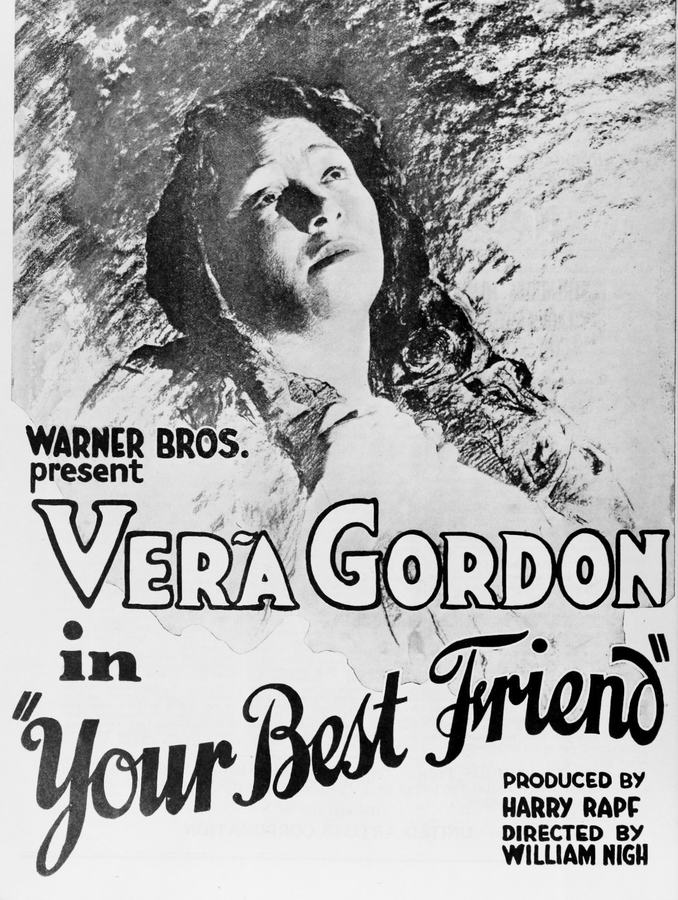
Dir: William Nigh
A Jewish mother in New York finds herself at odds with her son's new wife, a pretty Gentile girl.
View DetailsAnalysis relative to Notorious Gallagher; or, His Great Triumph
| Film Title | Atmosphere | Complexity | Similarity |
|---|---|---|---|
| The Soul of Man | Ethereal | Abstract | 86% Match |
| The Blue Streak | Surreal | High | 91% Match |
| Democracy: The Vision Restored | Gothic | High | 87% Match |
| The Fighting Roosevelts | Gritty | Layered | 85% Match |
| Emmy of Stork's Nest | Surreal | Abstract | 94% Match |
This guide was algorithmically generated using the cinematic metadata of William Nigh's archive. Last updated: 8/17/2026.
Back to Notorious Gallagher; or, His Great Triumph Details →