Summary
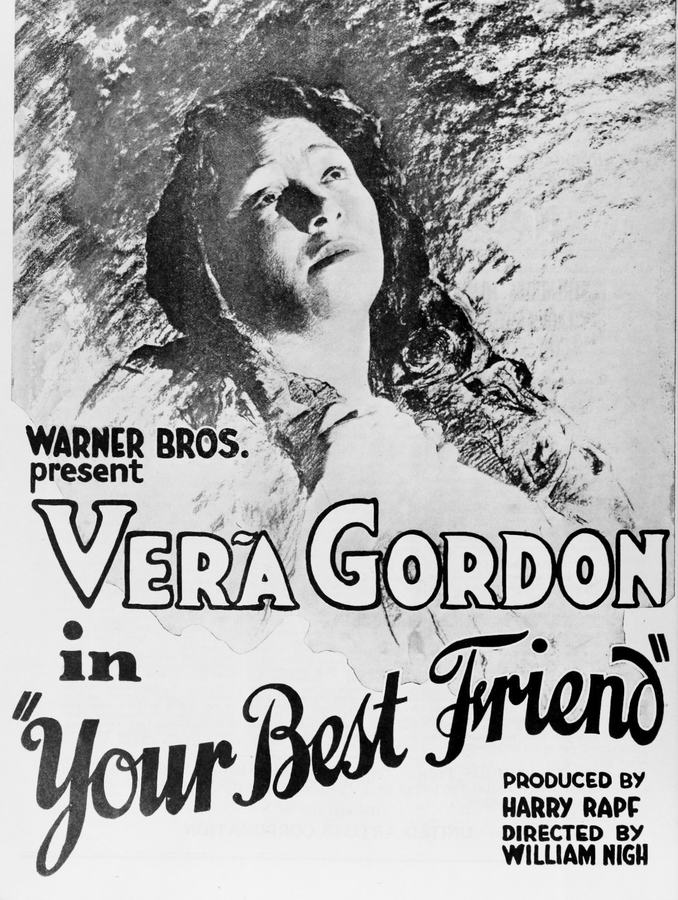
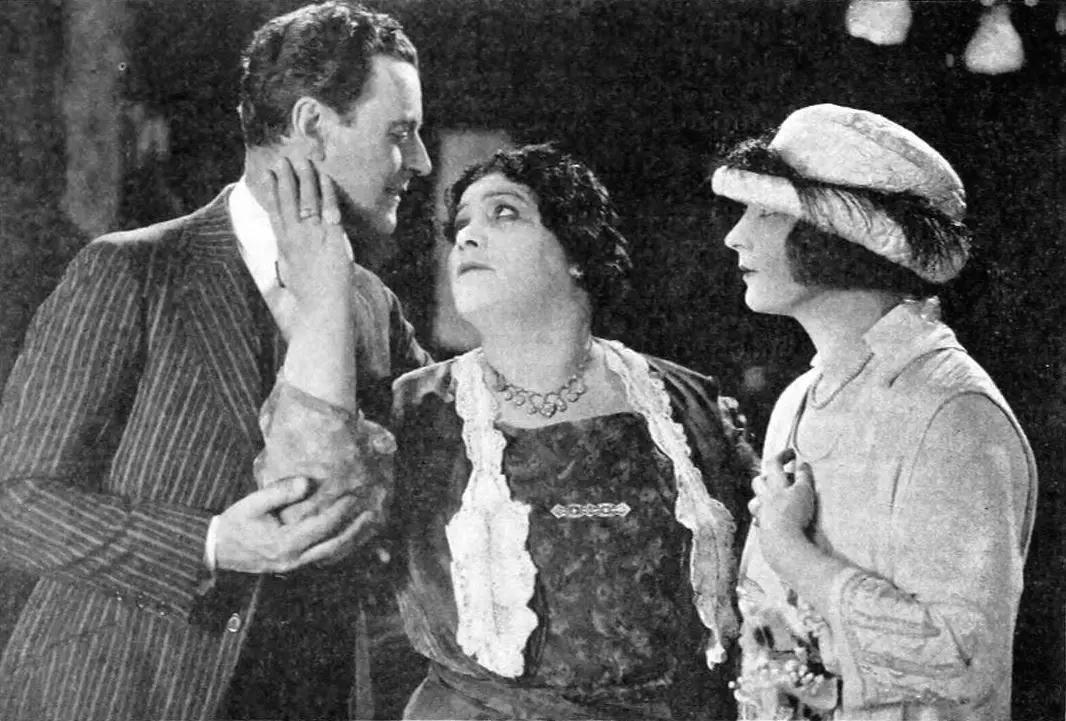
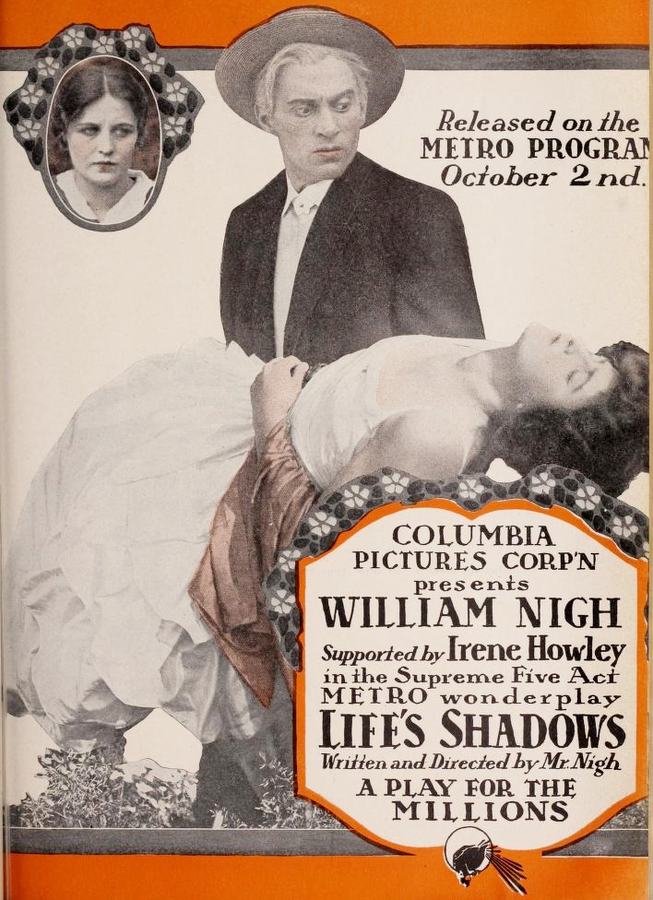
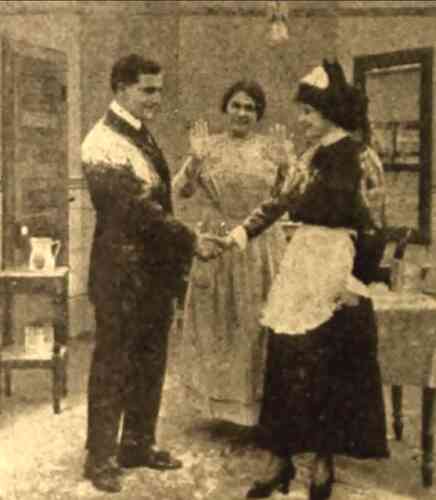
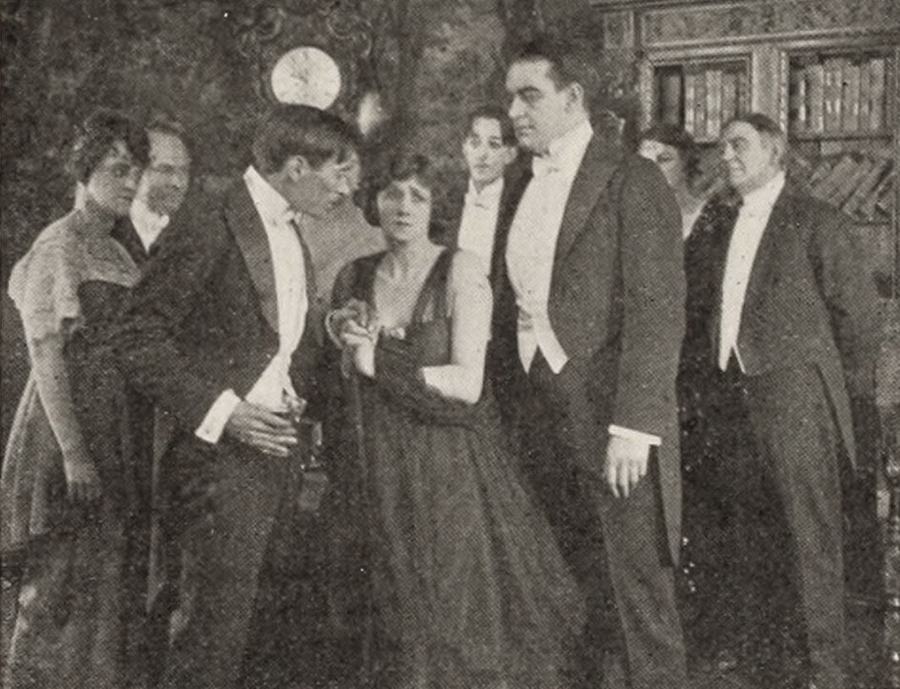
On the clamorous sidewalks of Lower East Side, 1922, a matriarch whose veins pulse with the cadence of Ellis Island lullabies watches the kosher butcher wrap her brisket while her heart quietly unspools. Rebecca Friedman—titan of chicken-fat alchemy, keeper of candlesticks smuggled from Odessa—has already scripted her son’s future in the margins of the Talmud: a nice Jewish girl, round-cheeked, hymn-sweet, gefilte-fish compliant. Instead, David breezes in with Margaret O’Donnell—Irish eyes, Episcopalian hymnal, Vasselar laugh that clangs against the mezuzah like a misplaced tambourine. What follows is not mere culture clash but a slow-motion shattering of heirloom glass; every Friday-night challah becomes a battleground, every lace doily at the dining table a contested territory. Rebecca’s lamentations start as whispers over simmering tzimmes, then swell into full-blown operatic betrayals: she feeds the girl dairy within six hours of meat just to test kashrut resolve, hides the engagement ring inside a soup dumpling, rewrites wedding invitations with a fountain pen dipped in gall. Margaret, no porcelain doll, counterstrikes with quiet ferocity: she learns Yiddish curses just to mispronounce them, flaunts a crucifix necklace at Purim, bakes a Christmas stollen that perfumes the tenement hallway like apostasy. David, caught between two tidal Y-chromosomes, oscillates like a metronome with survivor’s guilt. The film’s visual grammar alternates chiaroscuro tenement interiors—where wallpaper peels like old prayers—with sun-scalded rooftops where sheets billow like ship sails, hinting escape. Cinematographer William Nigh favors lingering close-ups of hands: Rebecca’s kneading dough with the same grip she once used to strangle a Cossack’s shadow; Margaret’s fingers gliding over a borrowed menorah as if it were a grenade. Titles cards, sparse yet diamond-cut, appear only when silence becomes unbearable: “She gave her womb, her recipes, her accent. In return she received a daughter-outlaw.” By the time the climactic Passover Seder arrives, the apartment is a pressure cooker of unspoken histories; the afikoman hides more than matzo—it conceals a letter in which Rebecca disowns her only child, ink still wet with matrilineal grief. Yet in the final reel, as Tammuz rain lashes fire escapes, the two women share a cigarette on the stoop, trading stories of pogroms and potato famines, realizing exile wears many passports but one face. The curtain falls not on reconciliation but on a brittle détente: David departs for Chicago, both women waving, each clutching a different shard of his heart, knowing the other will bleed forever.
A Jewish mother in New York finds herself at odds with her son's new wife, a pretty Gentile girl.
Review Excerpt
"
@media (max-width:768px){div{padding:1rem!important;}}
William Nigh’s 1922 curio Your Best Friend arrives like a fragile letter pressed between history’s pages: the envelope brittle, the ink still smelling of borscht and candle smoke. What sounds like a stock domestic squabble—Jewish matriarch versus shiksa daughter-in-law—mutates under Nigh’s guidance into a chamber piece of diaspora trauma, a Lower East Side Lear where the storm is immigration and the fool is assimilation.
Rebecca Friedman, ..."