
DbcultAccessing Vault...
Recommendations
Senior Film Conservator
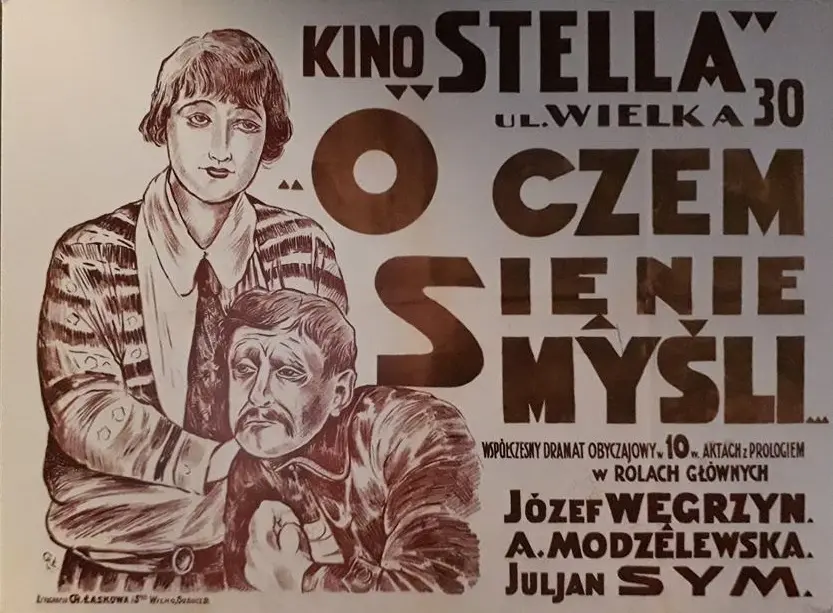
If the poignant storytelling of Edward Puchalski's work in O czym sie nie mysli left an impression, the cinematic shorthand used by Edward Puchalski is both ancient and revolutionary. We've prioritized films that capture the 1926 aesthetic with similar precision.
By merging poignant storytelling with Drama tropes, it to articulate the unspoken anxieties of Poland's 1926 era.
A talented and upper class musician is in love with a humble girl suffering from a venereal disease. He goes to war and is taken prisoner and nearly executed but the sentence is commuted. Believed lost.
Based on the unique poignant storytelling of O czym sie nie mysli, our vault has identified these titles as the most compelling follow-up experiences for fans of Drama cinema:
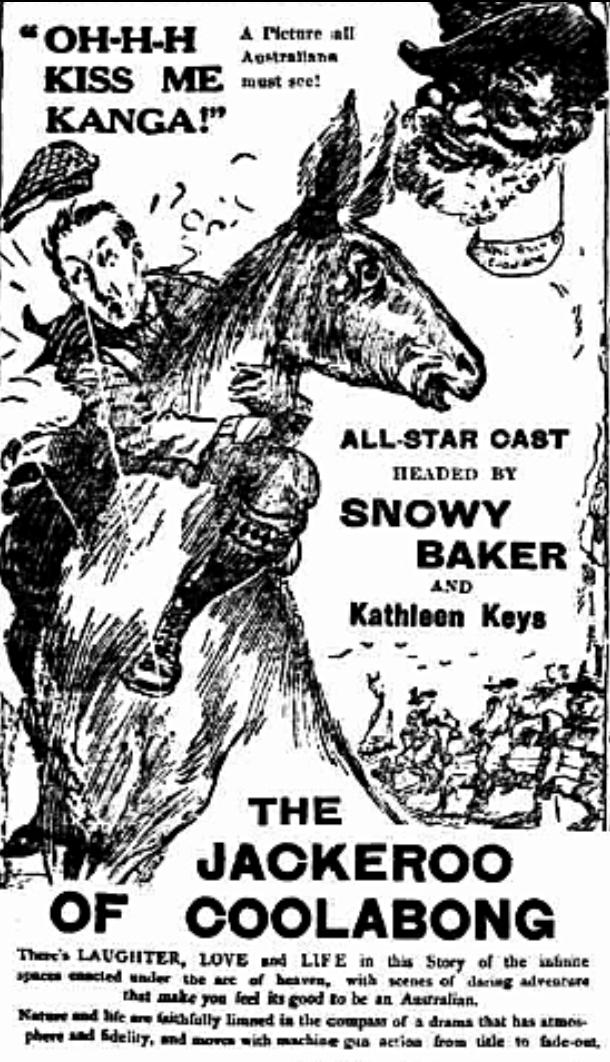
Dir: Wilfred Lucas
Brian O'Farrell (Snowy Baker), is an English 'new chum' who takes a job at an Australian cattle station. He is teased by station hands because of his appearance (including spats and a monocle) but he soon impresses them with his skills at riding and boxing. The station manager, John MacDonald (Wilfred Lucas), takes O'Farrell to Sydney to meet his daughter Edith (Kathleen Key) who is working in the slums. Edith is kidnapped by criminals after witnessing a crime but O'Farrell rescues her. It is later revealed he is the owner of the station.
View Details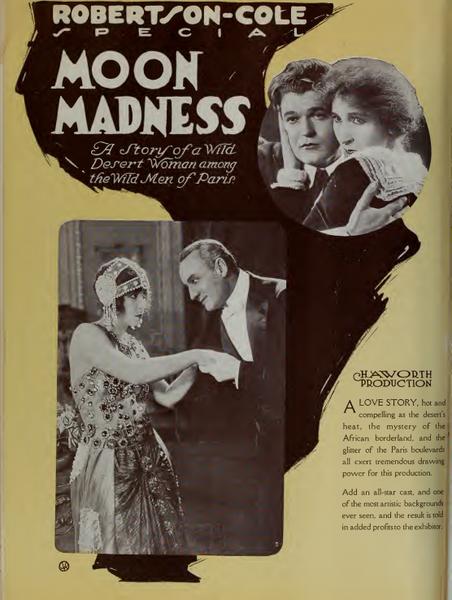
Dir: Colin Campbell
Zora, a girl of French origin, is raised by a wealthy Bedouin family after her mother Valerie dies while eloping with another man. Zora feels such great longing for the French artist Adrien that she accepts the offer of another artist, Raoul, to take her to Paris with the stipulation that if Adrien rejects her, she must give herself to him. Jan, the chieftain's son who is in love with Zora, follows the two to Paris. There Zora realizes that Adrien does not love her and discovers her real love for Jan. However, she feels bound to honor her pact with Raoul and is about to succumb to his advances when her father appears and recognizes Raoul as the man who destroyed his home years earlier. In the ensuing fight between the two men, Raoul is killed, thus freeing Zora to accept Jan's love.
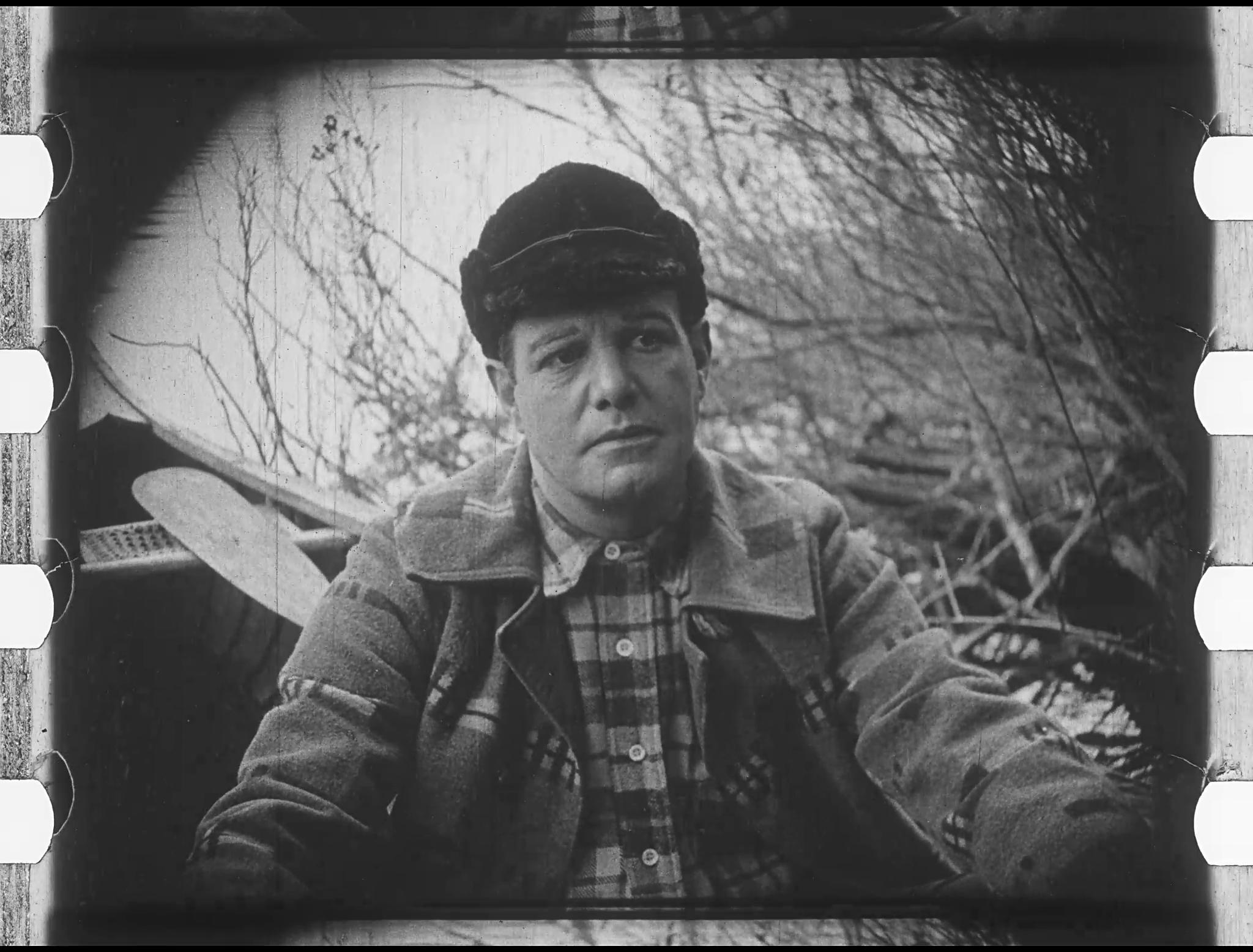
Dir: Edgar Jones
A mail-order bride arrives at a Maine lumber camp but doesn't like her prospective husband.
View Details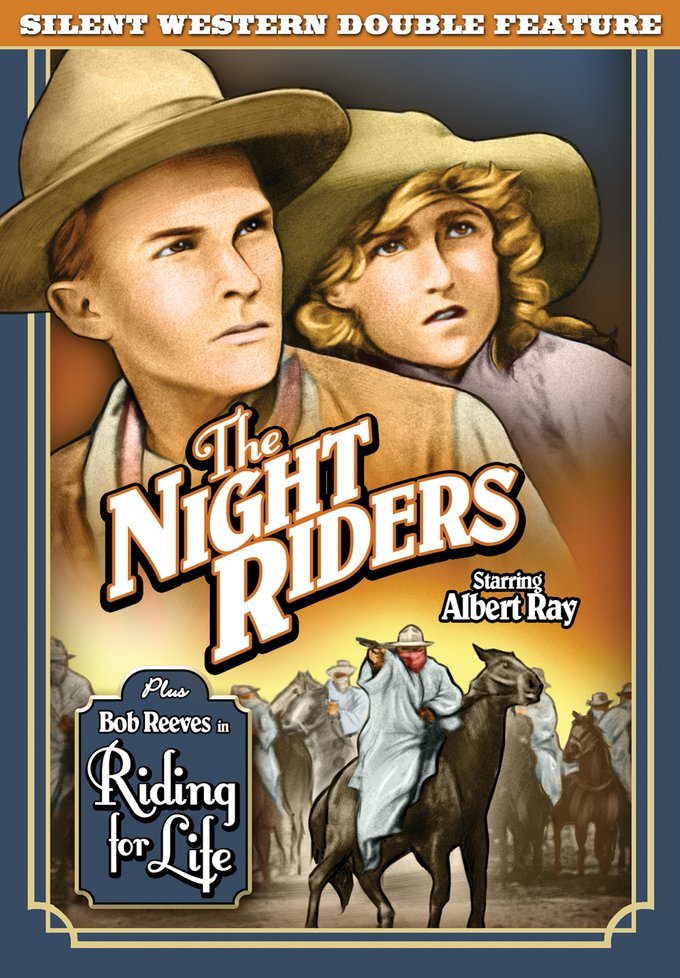
Dir: Alexander Butler
In Alberta, Canada, a Cornish emigrant unmasks a rustler posing as the girl's "blind" father.
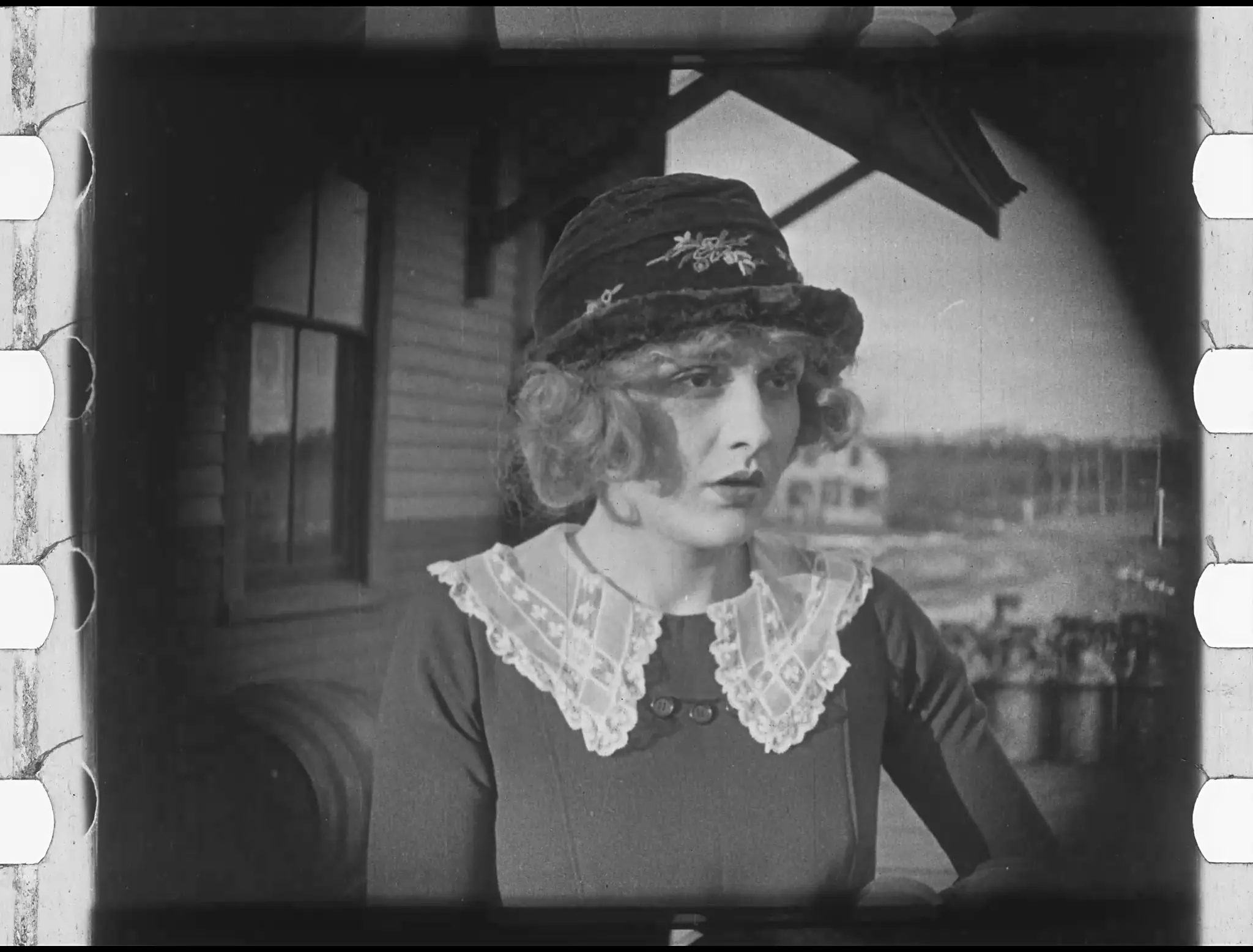
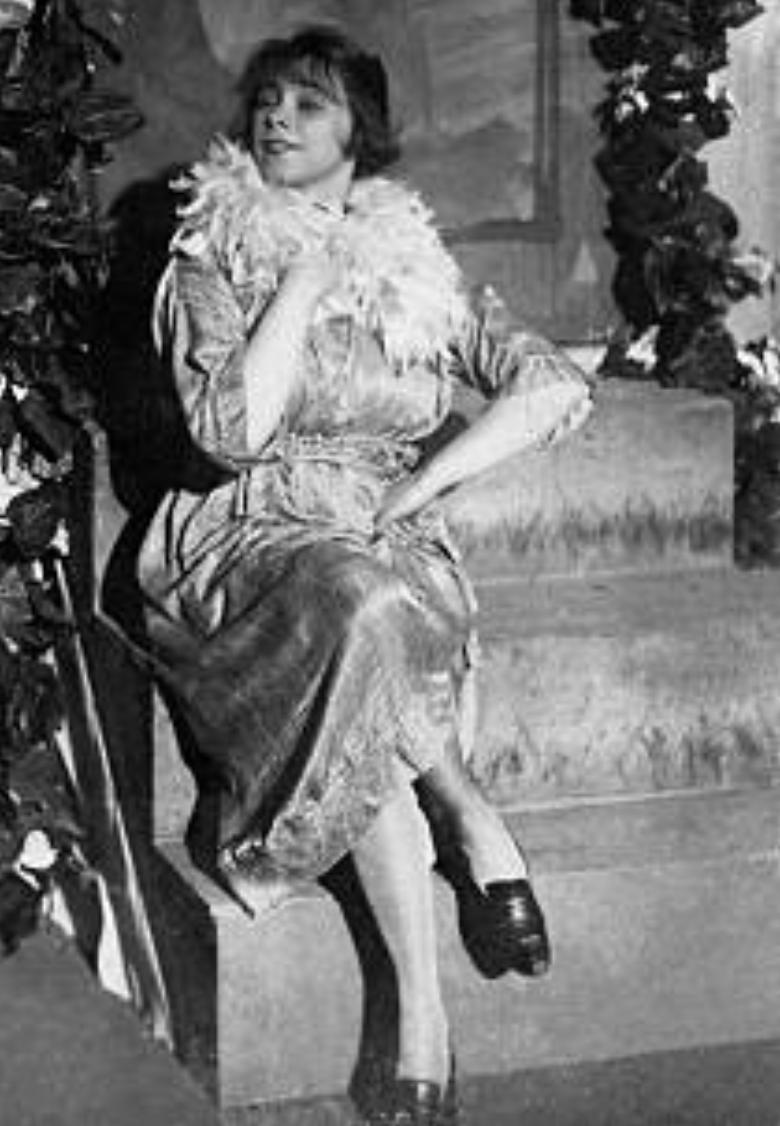
Dir: Bruno Ziener
A fascinating piece of cinema that shares thematic elements.
View Details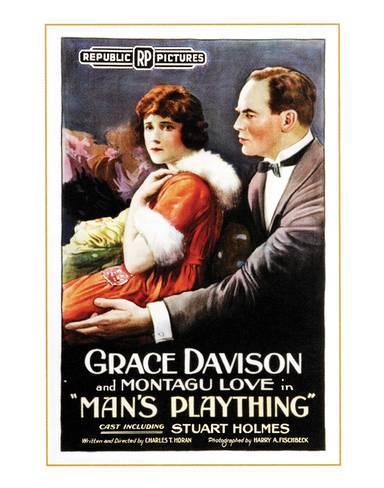
Dir: Charles Horan
While working as a flower girl in Devlin Maddox's nightclub, Nellie Vaughan meets wealthy young Pelton Van Teel and falls in love. Maddox, desirous of using Nellie to blackmail Van Teel, spreads a rumor that she is his mistress. This makes Nellie uncomfortable, and she demands that Van Teel marry her immediately, to which he agrees. Meanwhile, Van Teel has been losing money gambling to Maddox, who threatens to break up the marriage by producing a worthless check that the young husband has written. Venturing to Maddox's apartment for a showdown, Nellie pulls a gun and demands the check, accidentally shooting Maddox when he throws a lamp at her. Maddox plans to charge Nellie with assault, but when the police arrive, his butler, actually a detective employed by the elder Van Teel, exposes Maddox, who is then arrested, clearing the path for the couple's happiness.
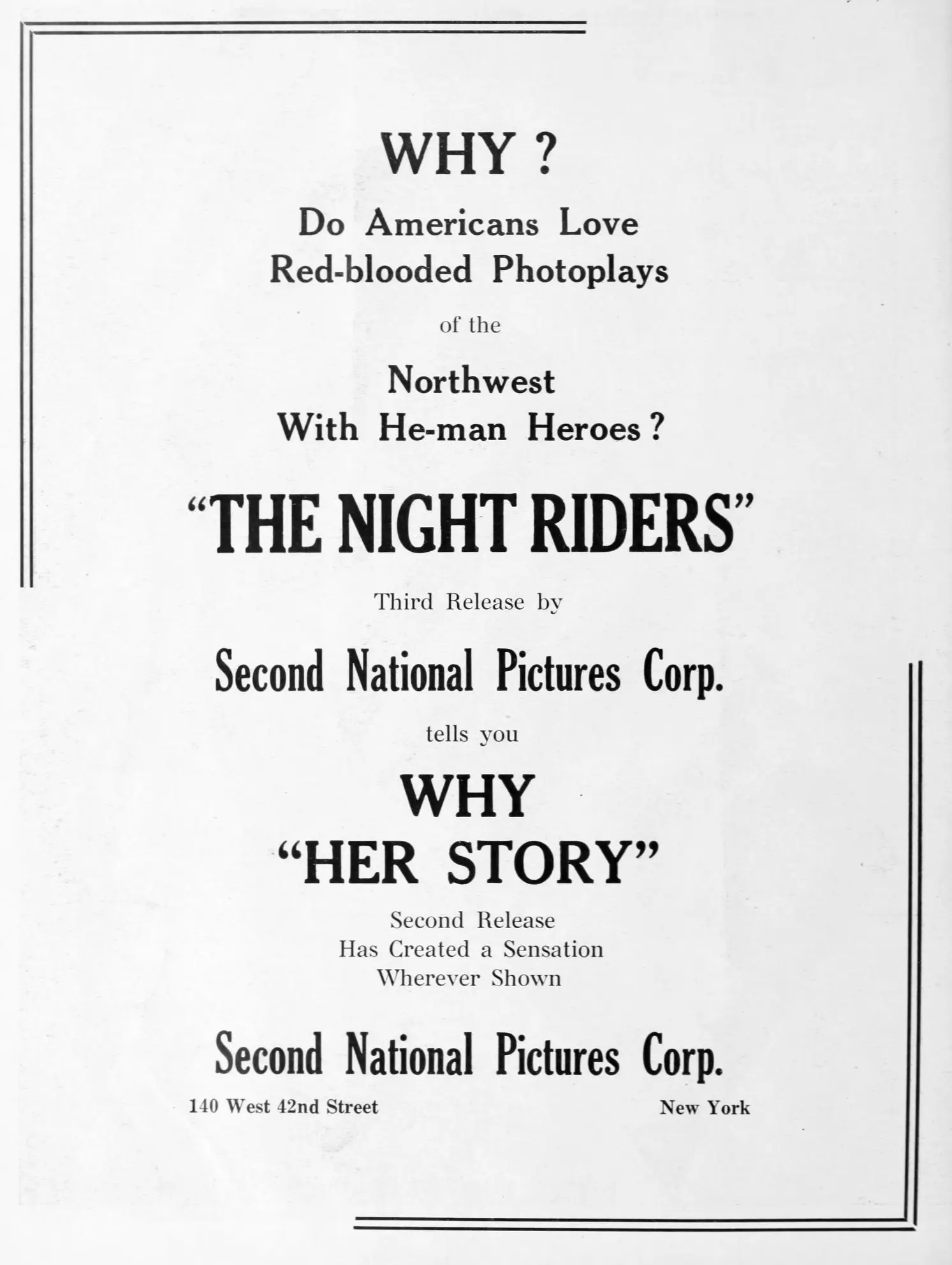
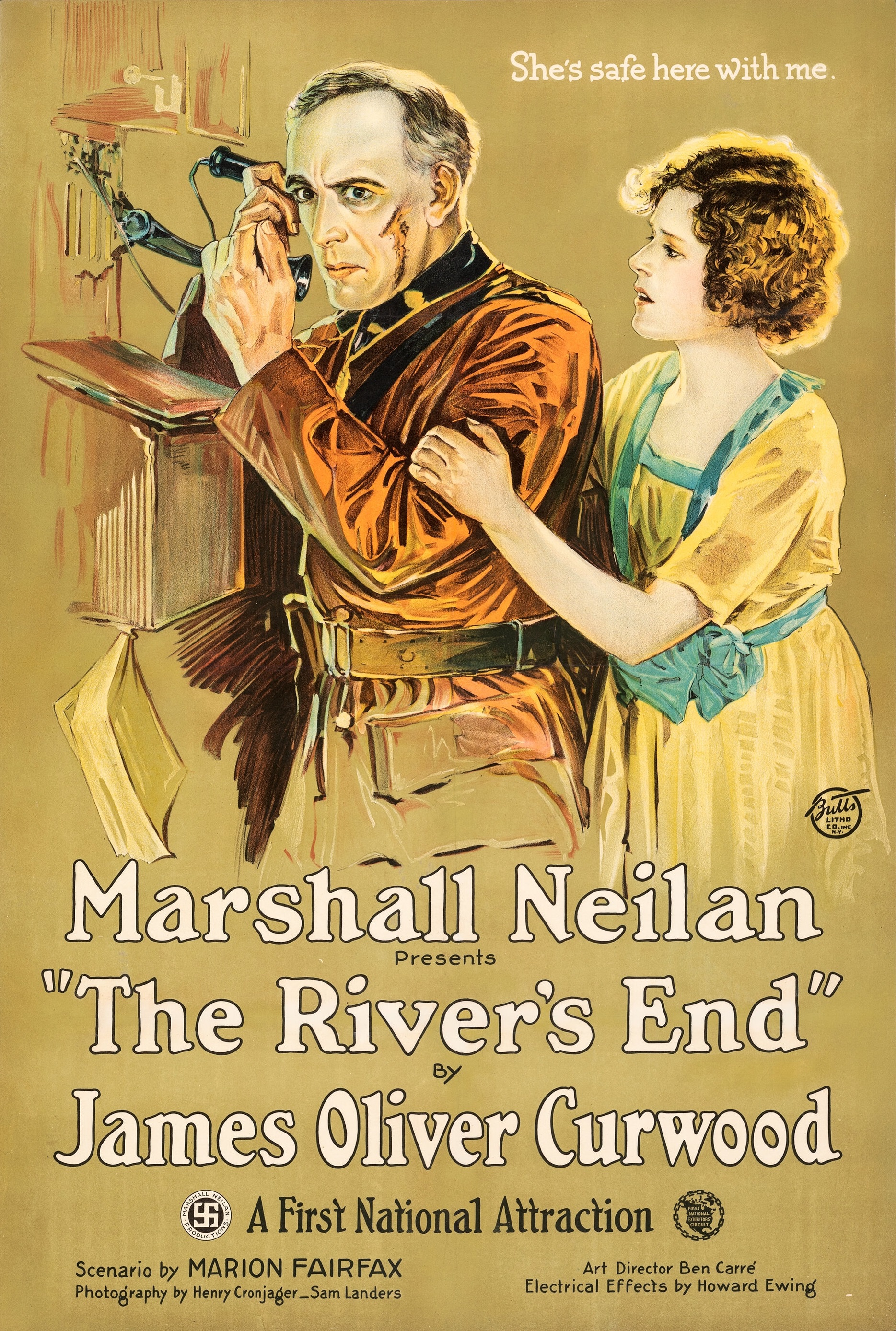
Dir: Victor Heerman
In the gold fields of the Canadian Northwest, a man is falsely accused of a crime and determines that a lookalike is responsible.
View Details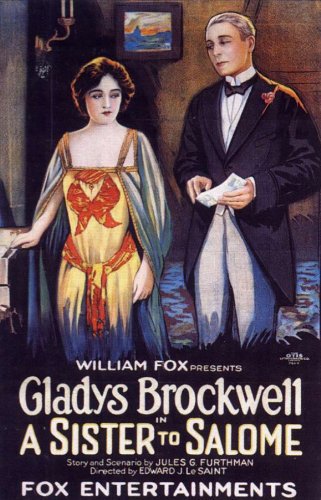
Dir: Edward LeSaint
When famous opera singer Elinore Duane undergoes an operation on her throat, she has a series of ether-induced visions. In one, she is transported to ancient Rome where she appears as a much-admired woman in love with Paul, a young heretic, and at odds with Lutor, the high priest. To save her love, she poisons Lutor with her ring. After several other visions which involve variations on this love triangle, Elinore awakens to discover that Lutor is actually her doctor, Sascha Jaccard, and that Paul is the son of a friend who has come to visit the recovering prima donna.
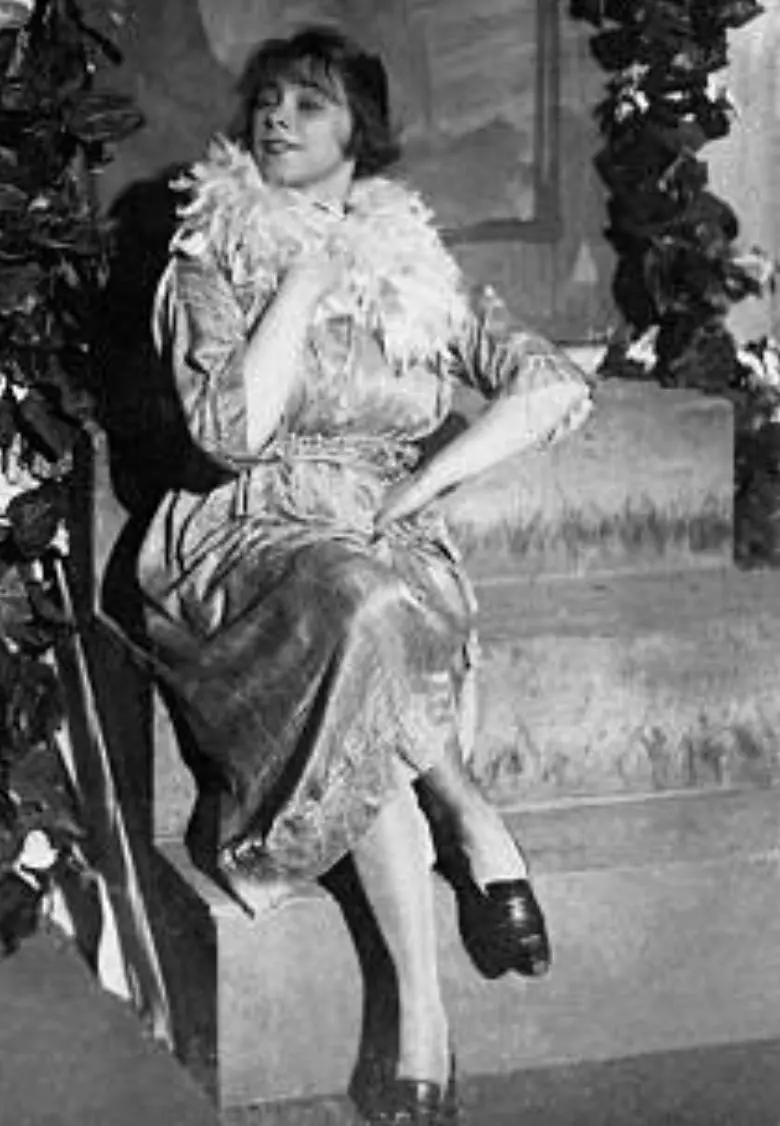
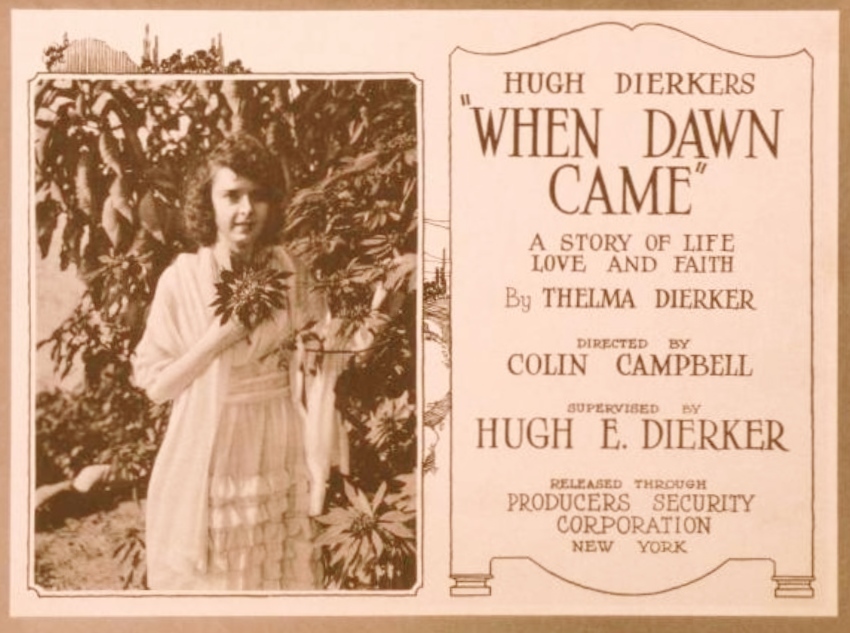
Dir: Colin Campbell
Dr. John Brandon, who cares for charity patients in the slums, is thrown together with writer Norma Ashley when her car strikes a boy whom Brandon treats. Under Norma's influence, and against the wishes of his friend Father Farrell, Brandon leaves the slums and becomes the partner of Dr. Thurston, who, unknown to Brandon, is Norma's fiance. Now prosperous, Brandon flies into a rage when he hears Thurston and Norma ridiculing him, and proceeds to beat Thurston and choke Norma to within an inch of her life. Taking to alcohol and drugs in his grief, Brandon becomes a derelict and goes out West to a mission town, where his loud proclamations of atheism provoke the wrath of a saloon crowd, from which his old friend Farrell rescues him. Farrell, now working in the Western parish, gradually restores the faith of Brandon, who falls in love with Mary Harrison, a blind girl who prays continually for her sight. Brandon performs an operation on Mary's eyes and her sight returns. Norma, who has found Brandon in the parish town, cannot persuade him to return to the city or to leave Mary, who accepts Brandon's love.
View Details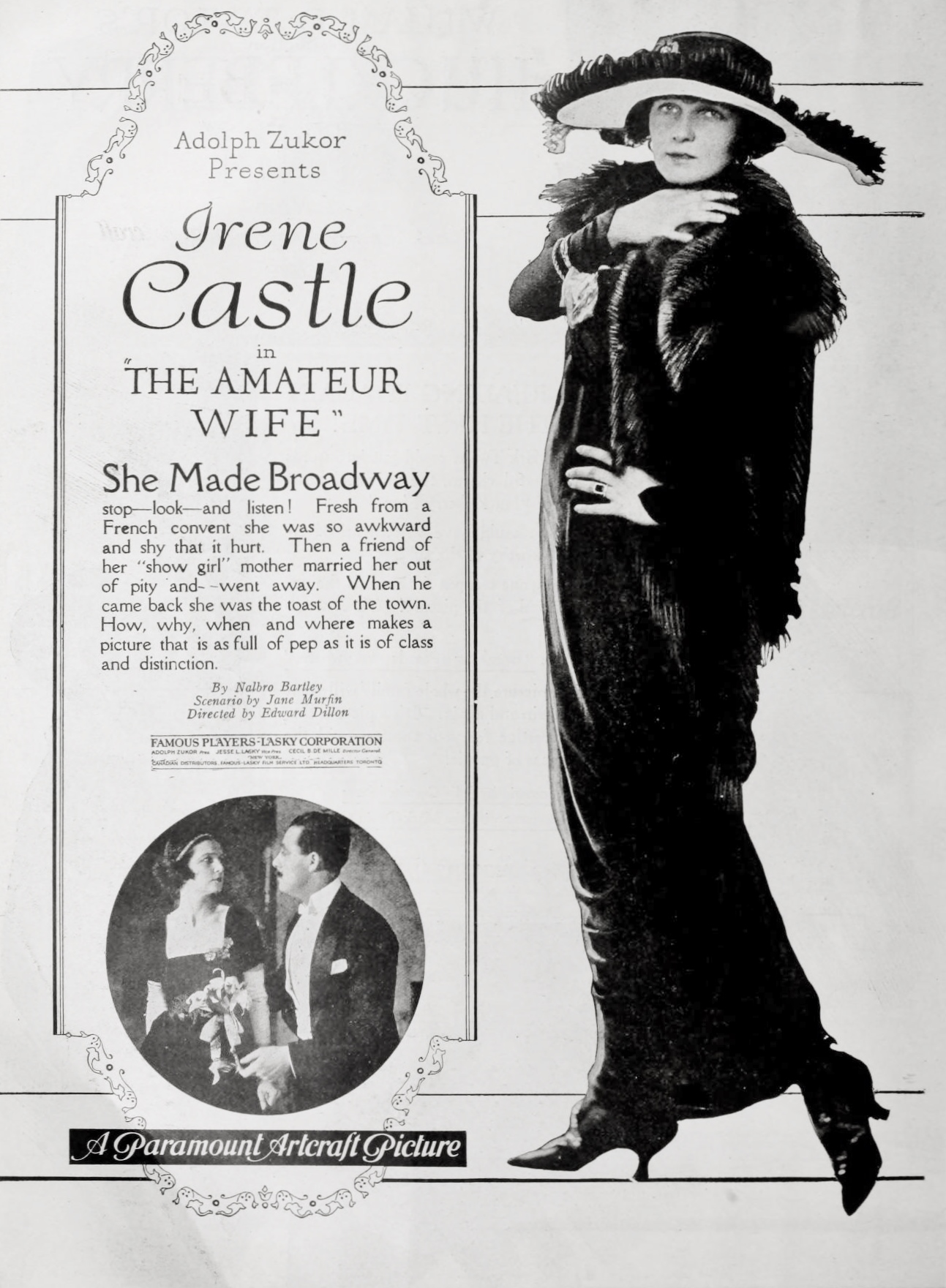
Dir: Edward Dillon
Her education in a French convent school completed, plain Justine Spencer returns to New York. There she is shocked to discover that her mother Dodo is a flamboyant musical comedy actress with many male admirers. Dodo, on the other hand, is dismayed to find Justine priggish and dowdy. One of Dodo's suitors is Billy Ferris, who, in a fit of jealousy, murders her and slays himself. Out of pity, Cosmo Spotiswood, another admirer of Dodo, marries Justine, but soon tires of his platonic marriage and leaves for Europe. Upon his return, Cosmo finds Justine transformed. Under the tutelage of Dodo's maid Loti, she has bobbed her hair and donned fashionable apparel. Thus changed, Justine is surrounded by suitors. Stung by jealousy, Cosmo falls in love with his sophisticated wife.
View DetailsAnalysis relative to O czym sie nie mysli
| Film Title | Atmosphere | Complexity | Similarity |
|---|---|---|---|
| The Jackeroo of Coolabong | Ethereal | High | 85% Match |
| Moon Madness | Surreal | Layered | 95% Match |
| In the River | Gritty | High | 92% Match |
| The Night Riders | Ethereal | High | 96% Match |
| Eva, wo bist du? | Gothic | Dense | 86% Match |
This guide was algorithmically generated using the cinematic metadata of Edward Puchalski's archive. Last updated: 8/17/2026.
Back to O czym sie nie mysli Details →