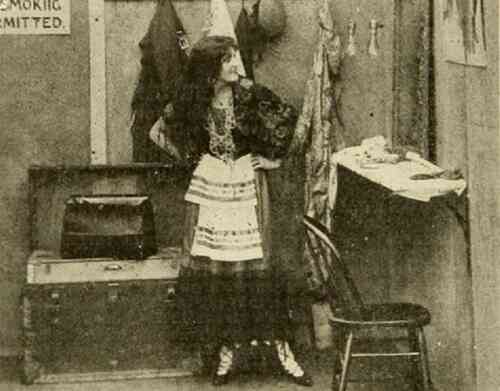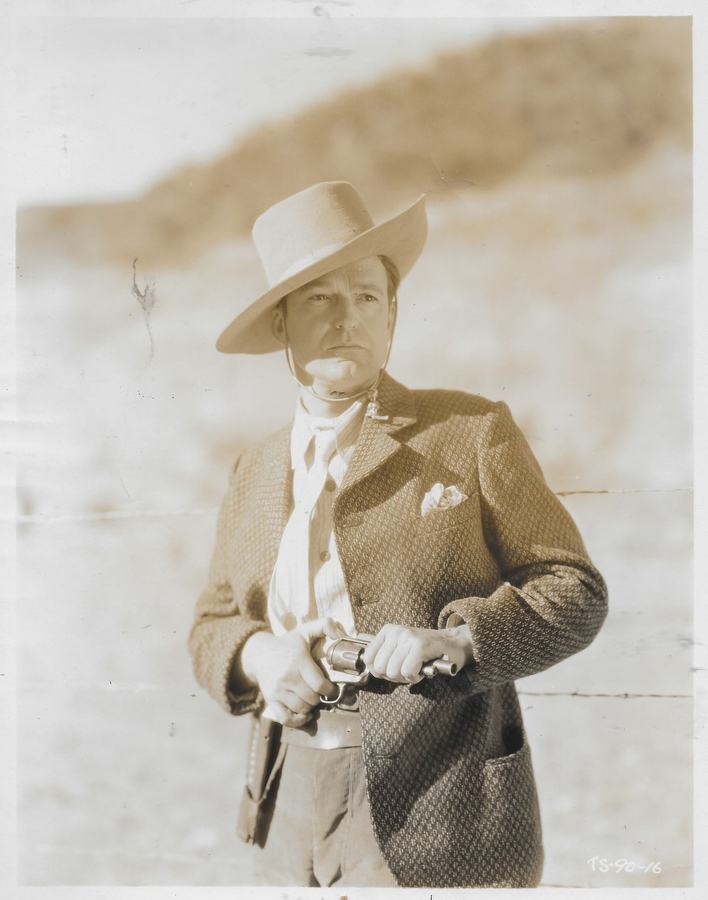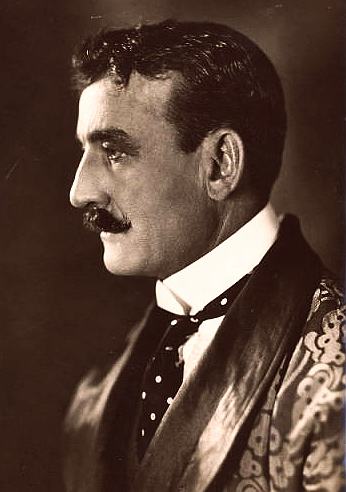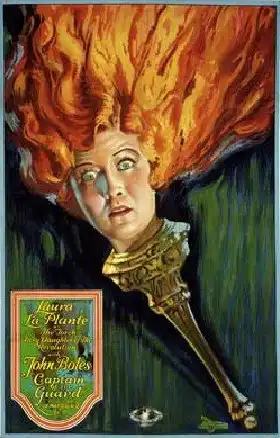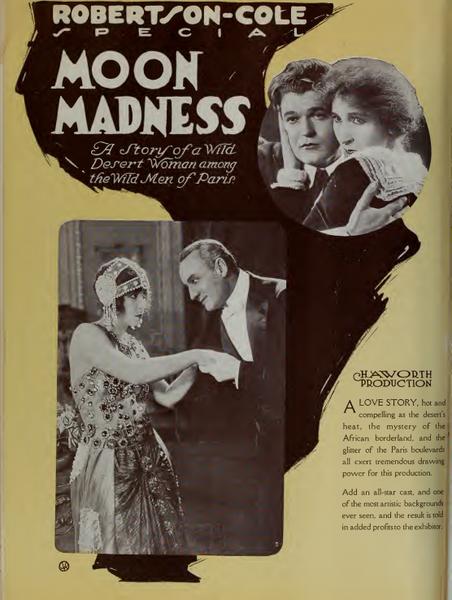
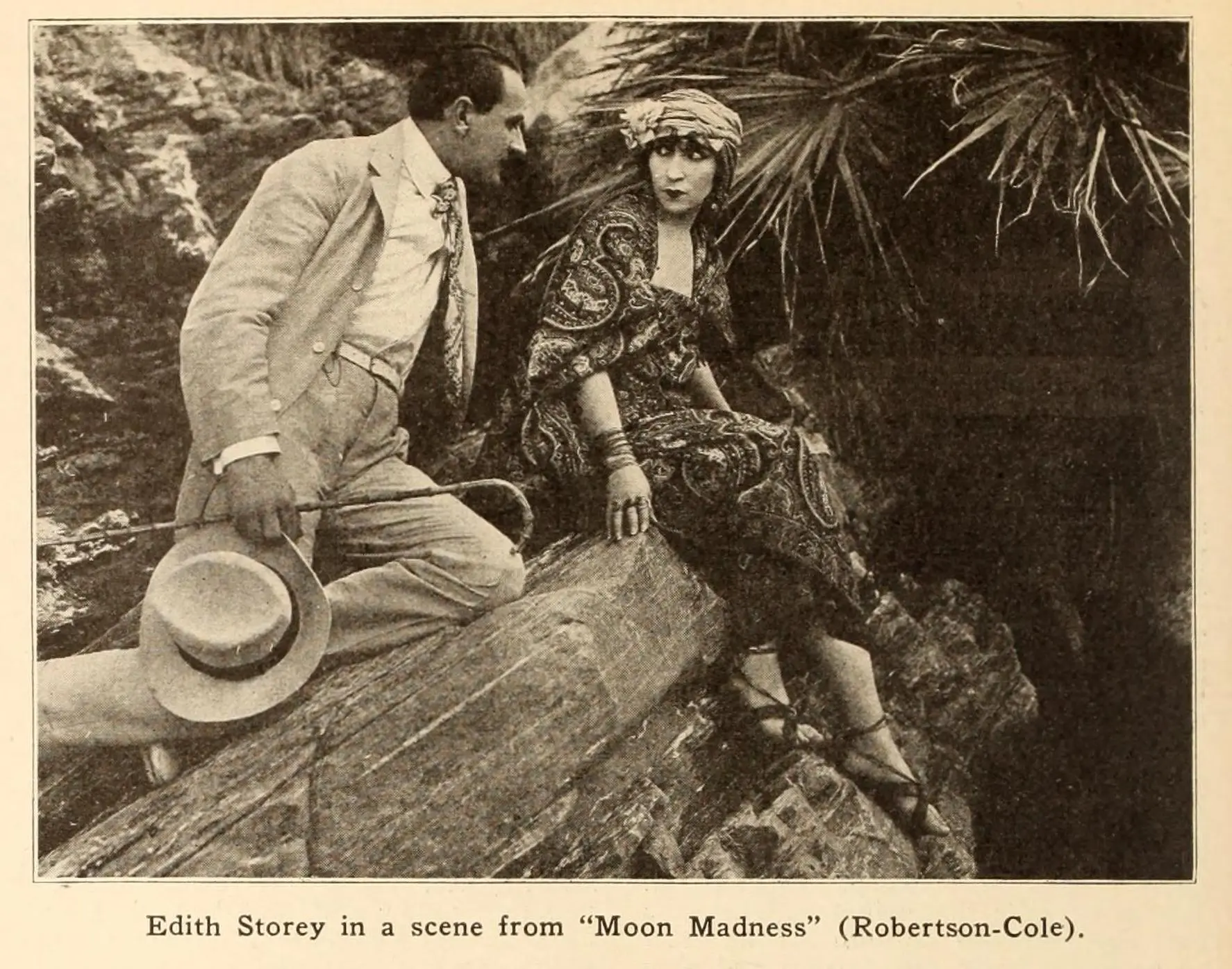
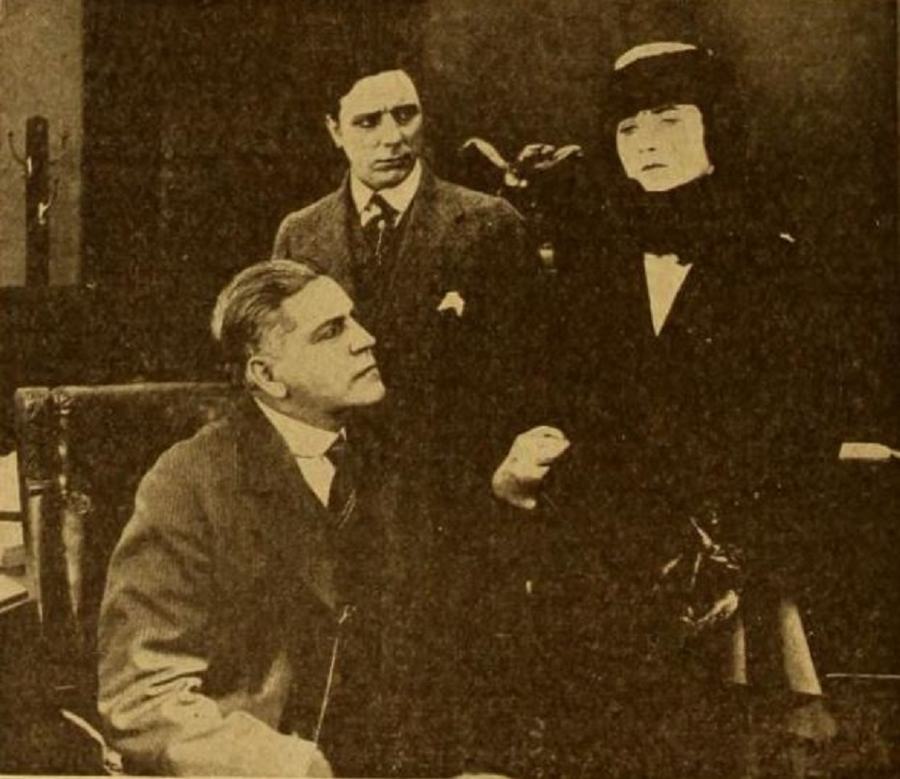
Zora, a girl of French origin, is raised by a wealthy Bedouin family after her mother Valerie dies while eloping with another man. Zora feels such great longing for the French artist Adrien that she accepts the offer of another artist, Raoul, to take her to Paris with the stipulation that if Adrien rejects her, she must give herself to him.

The first time we see Zora, she is a trembling silhouette against a lunar halo so vast it seems to inhale the desert. Director J. Grubb Alexander doesn’t merely open curtains—he splits the velvet night and lets silver nitrate bleed across the dunes until sand becomes mirror, mirror becomes memory. Moon Madness is less...
publicity
production_art
still_frame

Comparing the cinematic DNA and archive impact of two defining moments in cult history.
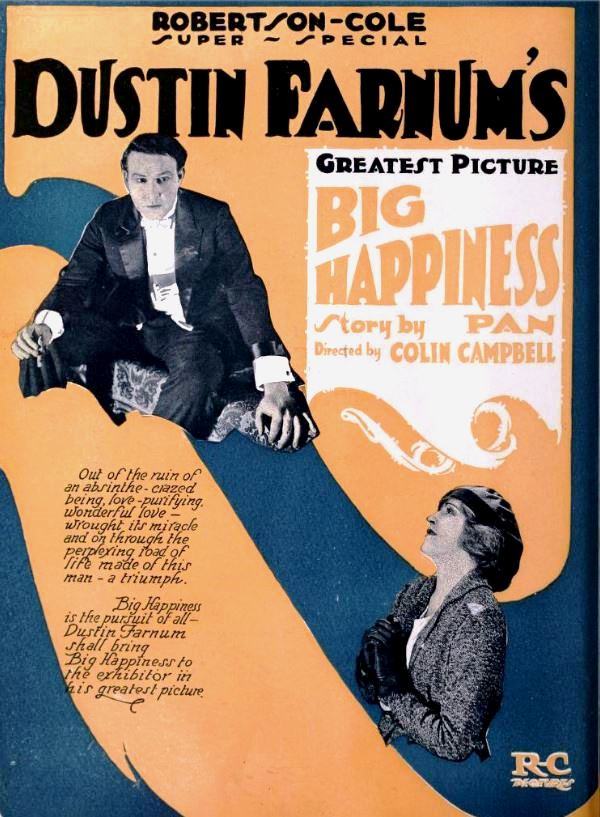
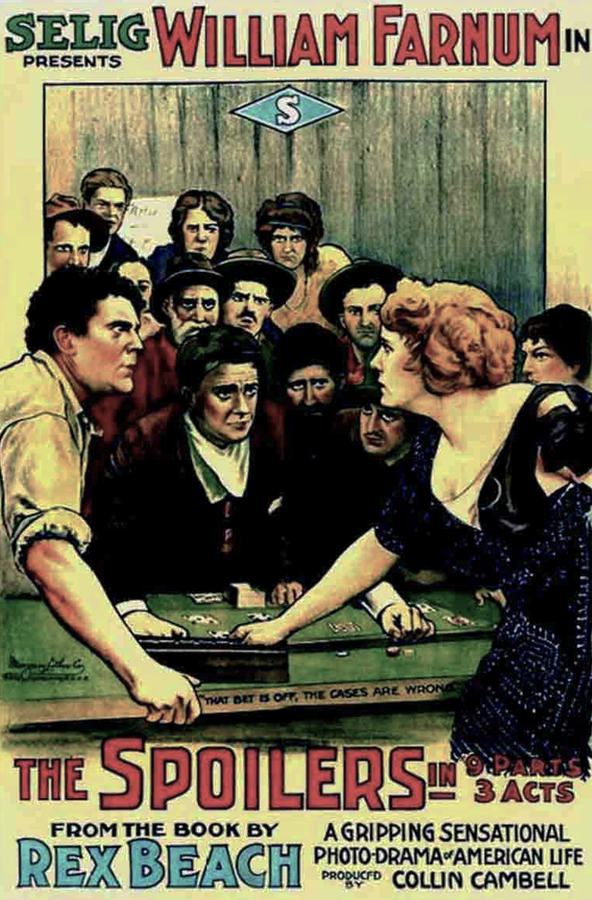
Colin Campbell
Colin Campbell
Community
Log in to comment.
" The first time we see Zora, she is a trembling silhouette against a lunar halo so vast it seems to inhale the desert. Director J. Grubb Alexander doesn’t merely open curtains—he splits the velvet night and lets silver nitrate bleed across the dunes until sand becomes mirror, mirror becomes memory. Moon Madness is less a film than a séance conducted by moonlight, a 1920 silent fever-dream trafficking in mirages both geographical and emotional. Silent cinema is often accused of pantomime exagger..."

Edith Storey
J. Grubb Alexander
United States

Deep dive into the cult classic
Discover similar cinematic experiences
A Directorial Spotlight on Colin Campbell