
DbcultAccessing Vault...
Recommendations
Senior Film Conservator
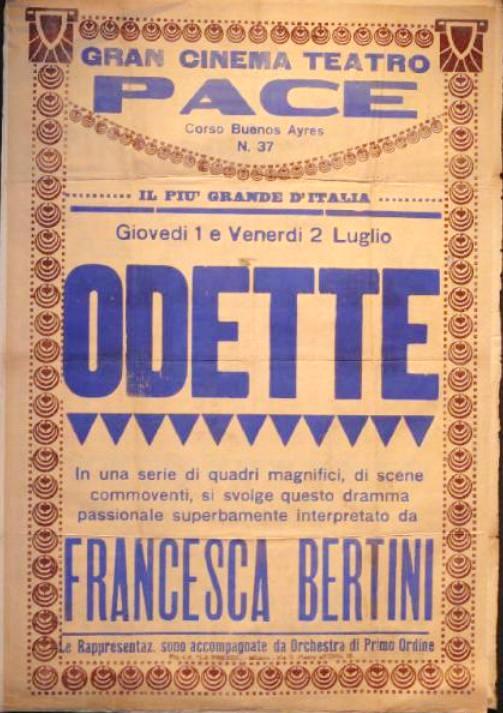
As a cultural touchstone of Italy, Odette resonates with its cinematic excellence, audiences who connected with its message often look for similar thematic gravity. We've assembled a sequence of films that complement the tone of Odette perfectly.
For many, the first encounter with Odette is to establish Giuseppe de Liguoro as a true visionary of the 1916s.
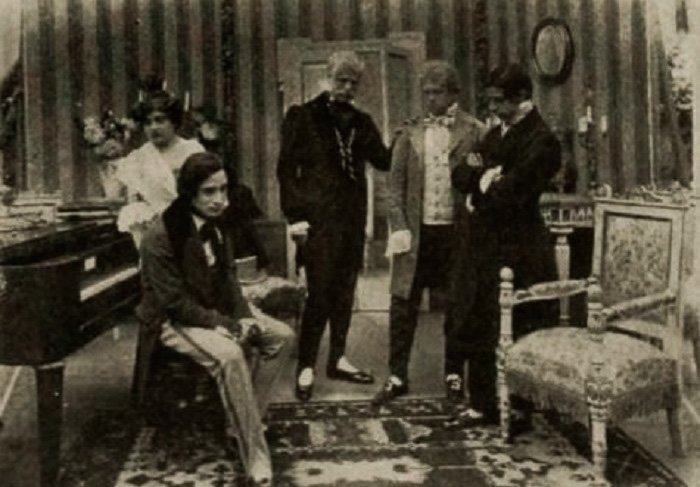
Based on the unique cinematic excellence of Odette, our vault has identified these titles as the most compelling follow-up experiences for fans of cult cinema:
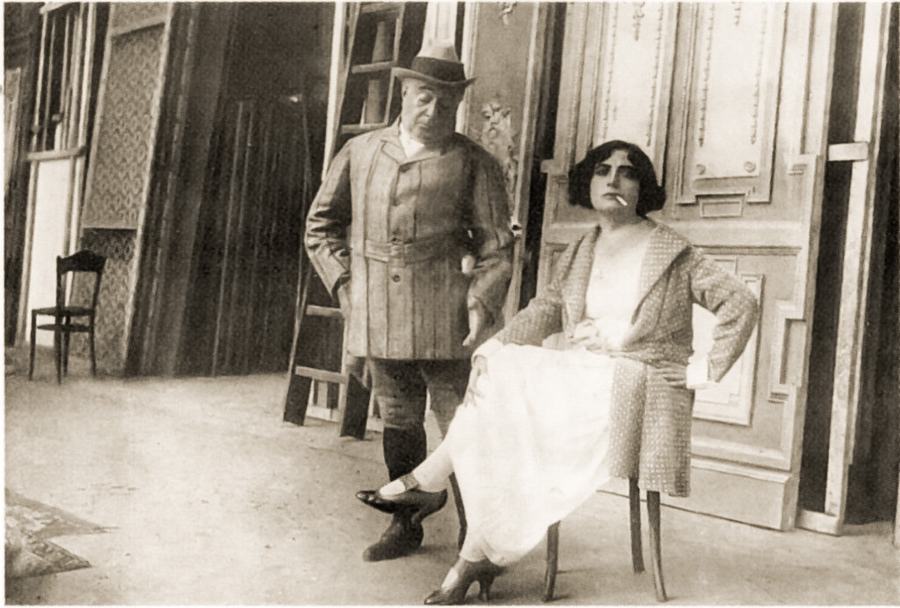
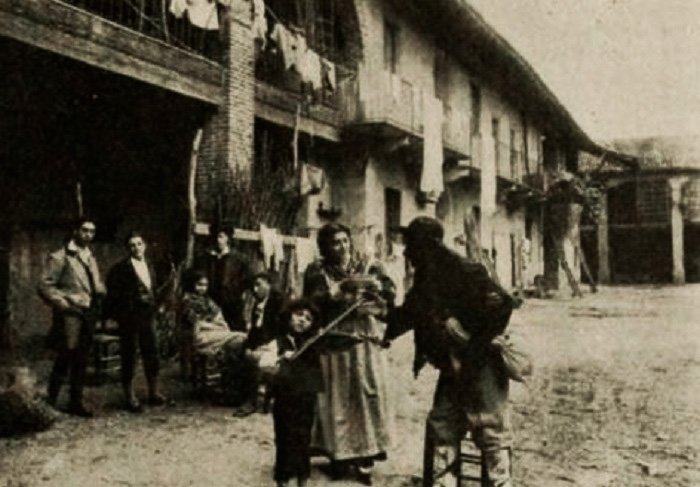
Dir: Giuseppe de Liguoro
Giuseppe Verdi was born in the little village of Roncola, Italy, during the stormy period of a revolution. Verdi's parents are forced to seek refuge in a church, and upon their return to their home, they find that the house has been ransacked and nothing spared. The young Verdi grows up in Roncola, and at the age of seven years displays his love for music. He goes daily to the church, where he is attracted by the beautiful tunes of the organ, and he watches the old organist with intense interest. Verdi's father, realizing his son's musical instincts, buys him an old spinet, and upon this instrument young Verdi commences his rise in the world of music. To further advance in his studies, Verdi leaves Roncola and goes to Buzzeto where he is cordially received by the Barezzi, who endeavor to help him. He leaves for Milan, to join the Conservatory, but he is met with a refusal to his request for admission. He returns to Buzzeto and is consoled by the kind people with whom he lives, especially by their daughter, Marguerite, who soon afterwards becomes Verdi's wife. During financial hardships, and the oppression of his jealous fellow musicians, he composes his first opera, "Oberto, Comte di San Bonifacio." But while he dreams of glory, his dearly-beloved wife dies, and he becomes inconsolable. For a time he forgets his art. But soon the fire of his ambition again arises, and he composes the opera "Nubucco," which marks the beginning of his fame. For the second time he marries, taking as his wife the charming Giuseppina Strepponi, the first interpreter of the main character in "Nubucco." Verdi's name now becomes popular, and his fame is gradually becoming world-wide. From Milan, Verdi goes to the principal cities of Italy, where he adds new laurels to his increasing popularity. Thereafter, the larger part of Verdi's life is spent in Genoa, in the Doria Palace, where through its large windows, he views the mighty sea, which inspires his musical soul with the charms of its majestic scenes. And as he dreams, he hears the trumpets of Aida in the distance; here is Rigoletto, court jester to the Duke of Mantua, who swears to avenge himself, while Azucena, the gypsy girl, is lulled in Manrico's arms; and now comes the impassioned Violette, who gently dies near her beloved Alfredo; here is the jealous Othello, the Moor of Venice, who bewilderingly kisses the unfortunate Desdemona; and here is Falstaff, duped by the Merry Wives of Windsor; and the old man's vision disappears. He then decides that all the wealth which he had amassed through his art should help other poor composers and artists of the great musical family. He builds in Milan the House of Musicians for which the world of art owes him everlasting gratitude. And as the majestic sun sets on the horizon, Verdi's earthly life is extinguished, but his name and fame will survive him through all eternity.
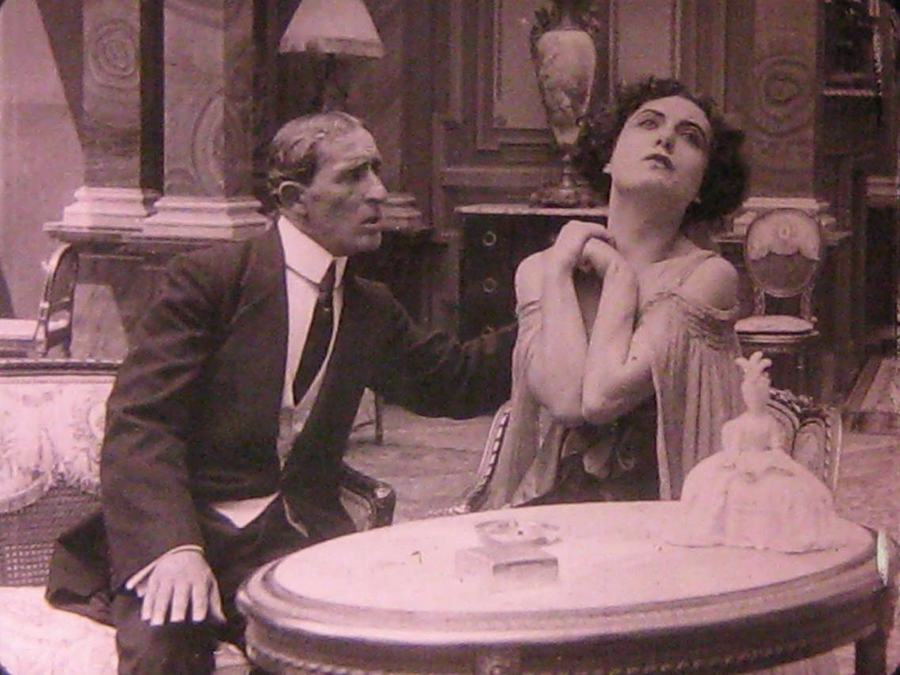
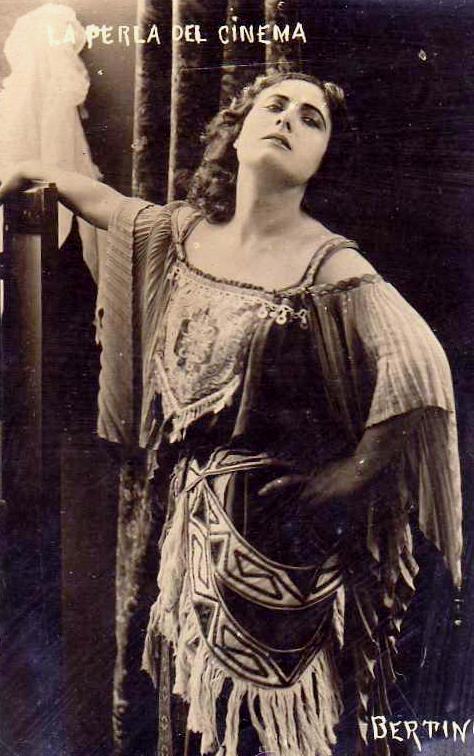
Dir: Giuseppe de Liguoro
A fascinating piece of cinema that shares thematic elements.
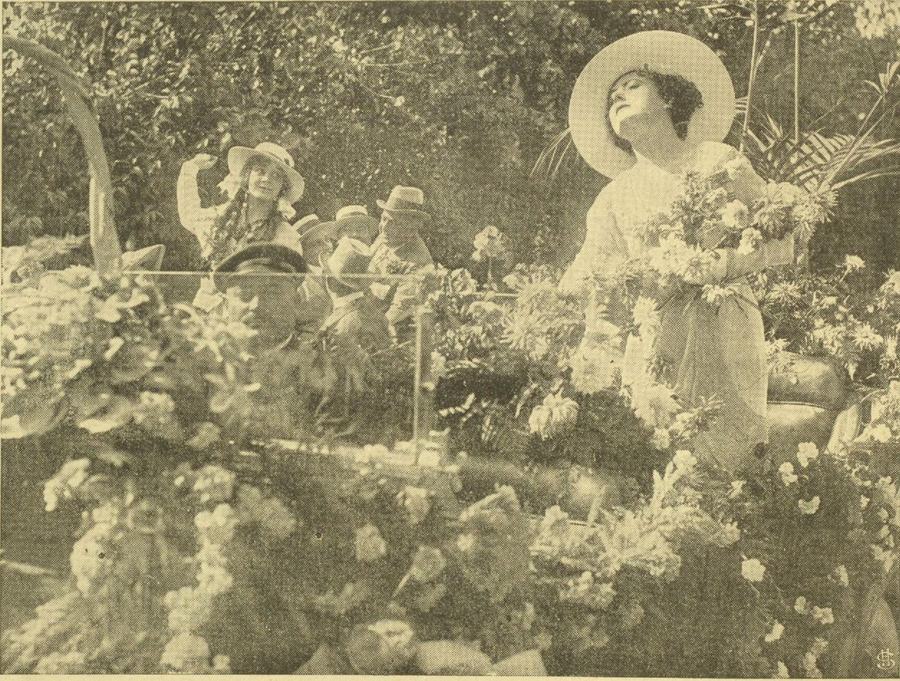
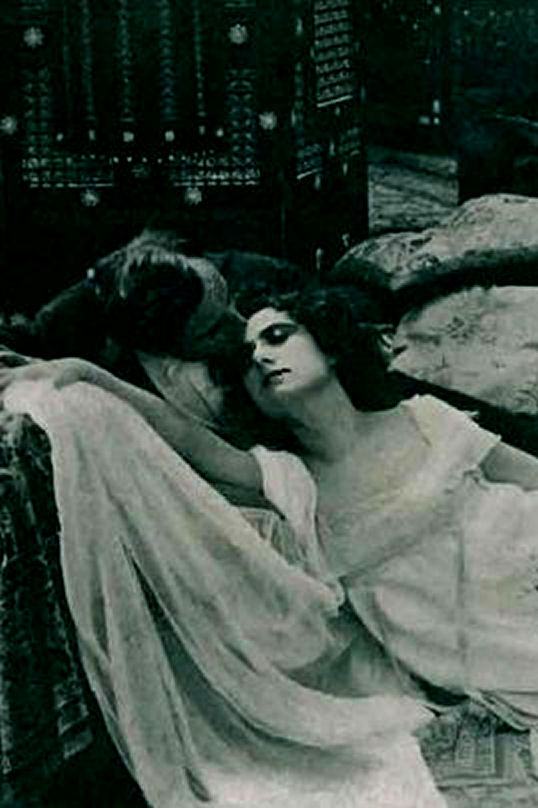
Dir: Giuseppe de Liguoro
The story of Russian Princess Fedora (Francesca Bertini), in Czarist times, whose royal lover is assassinated on the eve of their marriage. She pledges vengeance, only to become the victim of her vow when she falls in love again.
View DetailsAnalysis relative to Odette
| Film Title | Atmosphere | Complexity | Similarity |
|---|---|---|---|
| The Life and Works of Verdi | Surreal | High | 98% Match |
| La perla del cinema | Surreal | Linear | 96% Match |
| Fedora | Tense | Layered | 91% Match |
This guide was algorithmically generated using the cinematic metadata of Giuseppe de Liguoro's archive. Last updated: 6/26/2026.
Back to Odette Details →