
DbcultAccessing Vault...
Recommendations
Senior Film Conservator
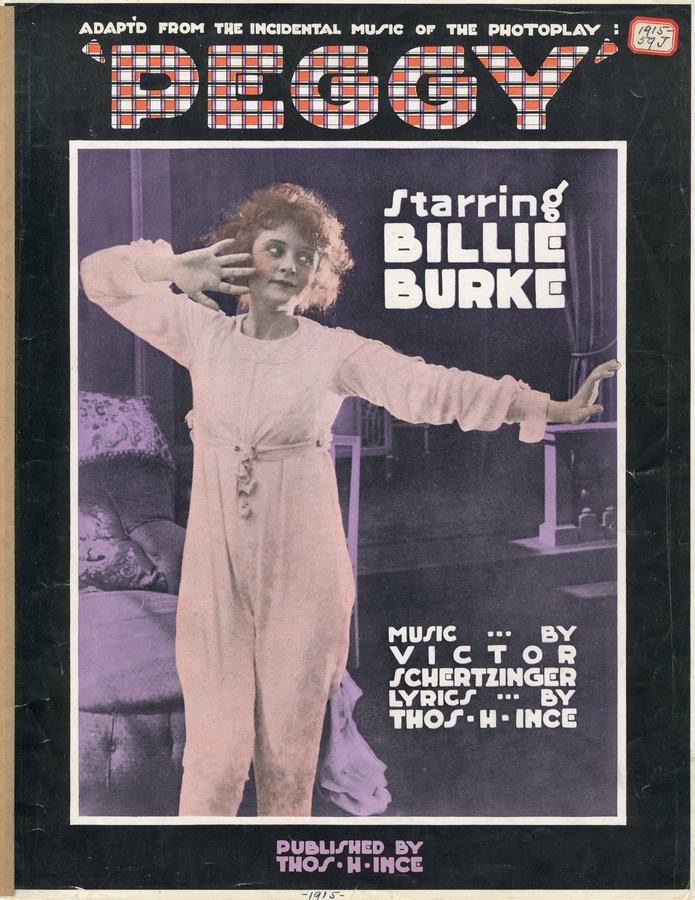
Navigating the complex narrative architecture of Peggy is a stylistic flair experience, the legacy of Peggy is a beacon for those seeking the unconventional. Unlock a new level of cinematic understanding with these cult alternatives.
The artistic audacity of Peggy ensures it to sustain a sense of mystery that persists after the credits roll.
Peggy, a rambunctious young American girl, goes to Scotland to visit her uncle. Her American ways both shock and eventually delight the people of the old village--especially the handsome young minister.
Critics widely regard Peggy as a cult-favorite piece of cult cinema. Its stylistic flair is frequently cited as its strongest asset, solidifying its place in United States's film legacy.
Based on the unique stylistic flair of Peggy, our vault has identified these titles as the most compelling follow-up experiences for fans of cult cinema:
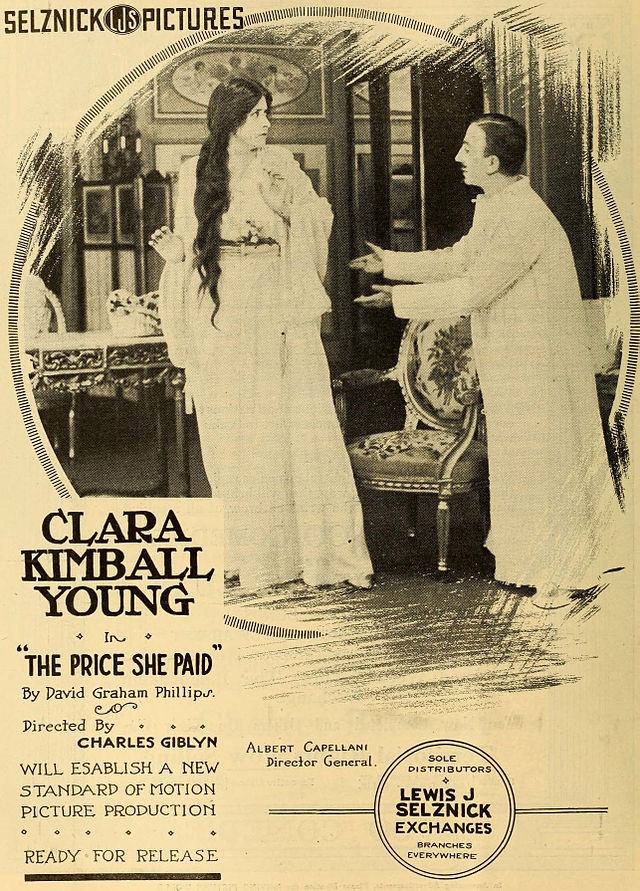
Dir: Charles Giblyn
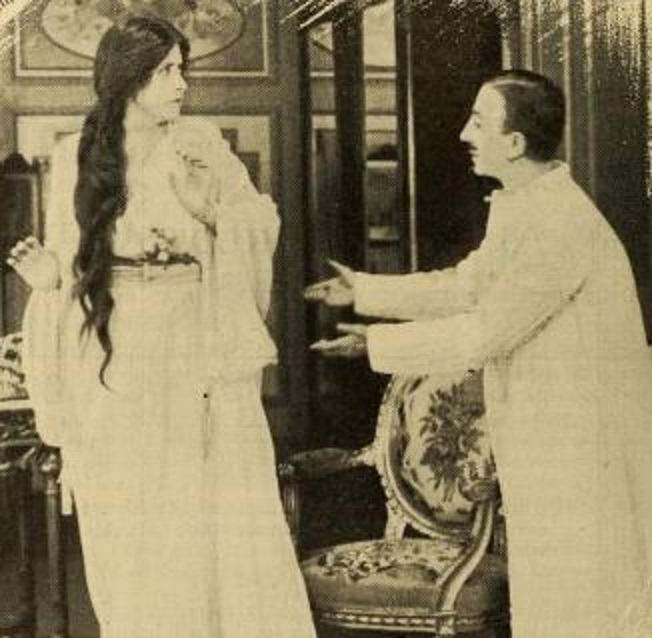
At the death of John Gower, his widow and daughter, Mildred, find themselves with only a few thousand dollars, as the family lived almost up to the limit of Cower's income. Mildred's mother tells her it is necessary that she marry money. Mildred is fond of Stanley Baird, but her hopes in this direction are shattered by the announcement of his engagement to another woman. Mrs. Gower marries Presbury, an elderly man who thinks she is wealthy, and when he learns the truth he begins taunting Mildred until she is willing to do anything to escape from her humiliating position. Presbury arranges a marriage between Mildred and a multimillionaire, General Siddall. The bride soon discovers that while her husband will buy anything for her she wants, so that he can make an impression upon the world with her beauty, he will not give her any money. This forces her to realize that she is barely more than a piece of furniture in the General's establishment. She leaves him, and meeting Baird learns that he and his wife have separated. He undertakes to furnish her with funds for the cultivation of her voice for an operatic career, with the hope that one day they will be free to marry. Mildred makes slow progress. Her voice is good but uncertain. She meets a young lawyer, Donald Keith, who tells her that she will never succeed because she is too fond of luxury and ease. Meanwhile she discovers through Keith's investigation that she was not legally married to General Siddall, as his first wife was still living, confined in an insane asylum. The General has made many attempts to get her to come back to him, but she refuses. Finally she declines to take any more money from Baird, and by economy, self-denial and hard work succeeds in her musical ambition. Having achieved her independence she is now free to choose between Stanley Baird and Donald Keith, to both of whom she owes a debt of gratitude. Her choice is a happy one, and leaves the story of the life of this typical American girl perfectly rounded out.
View Details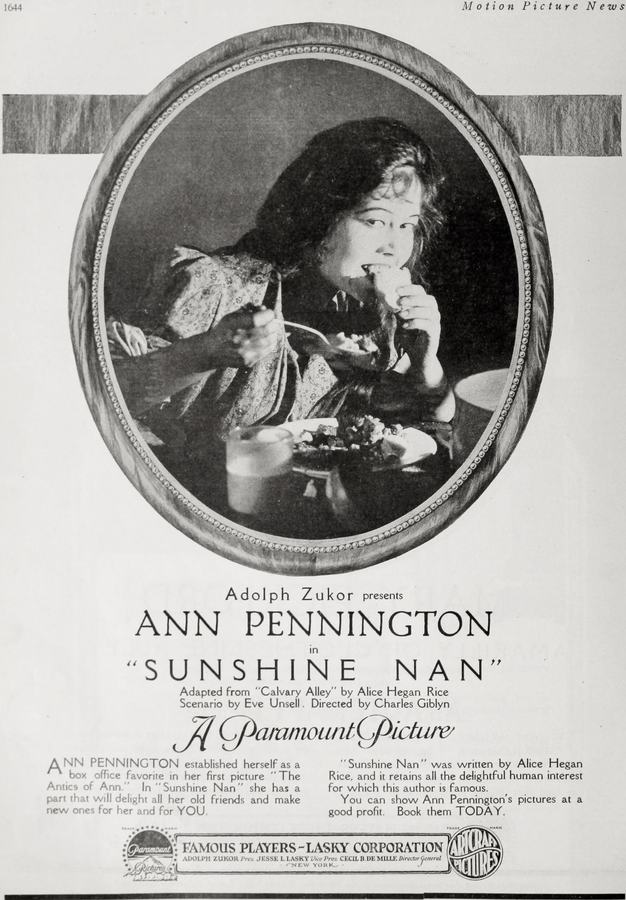
Dir: Charles Giblyn
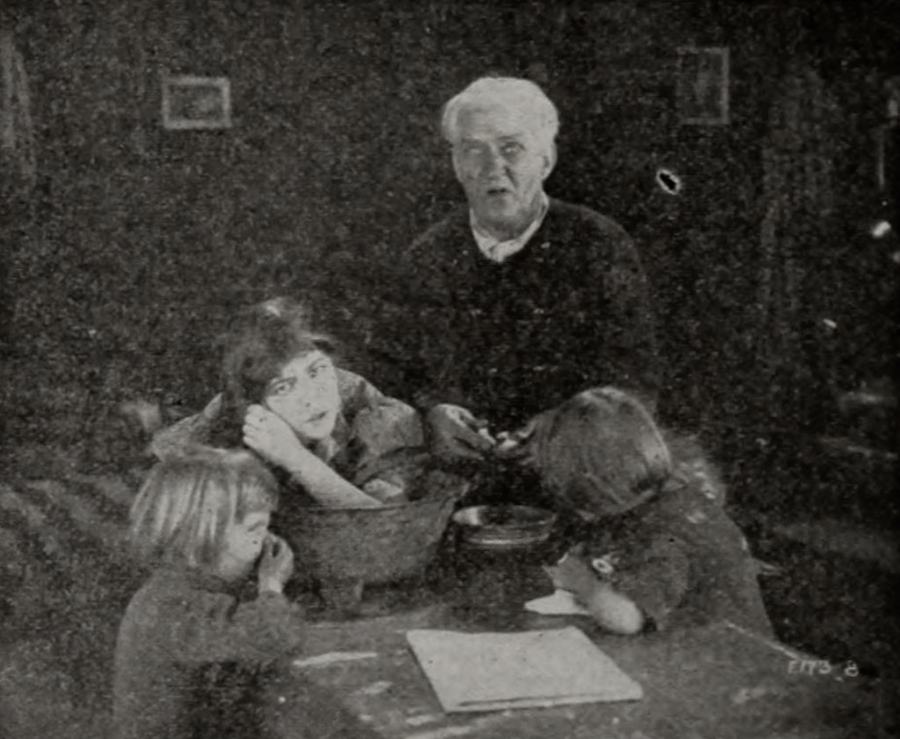
Nance Molloy's cheerful disposition, in sharp contrast to the slum near the cathedral where she and her parents make their home, earns her the nickname "Sunshine Nan." However, her fights with the cathedral choirboys, led by MacPherson Clark, gets her into trouble. For interfering in a family squabble, she and her pal, Dan Lewis, are sent to reform school for five years, and upon her release, she becomes a stenographer in the elder Clark's shoe factory. Dan meanwhile has taken a job in the factory's chemical department, where he invents a dye process that promises to make him rich. In trouble over a woman, MacPherson decides to steal the formula and present it to his father as his own. Nan enters the lab just as MacPherson is copying Dan's formula, and the two old enemies begin to fight. Dan joins in the scuffle, but when some chemicals spill, the lab is enveloped in fire. Dan rescues Nan, and MacPherson, awakening in the hospital, remorsefully confesses his crime. Nan and Dan soon marry and the alley's name is changed to "Cathedral Court."
View Details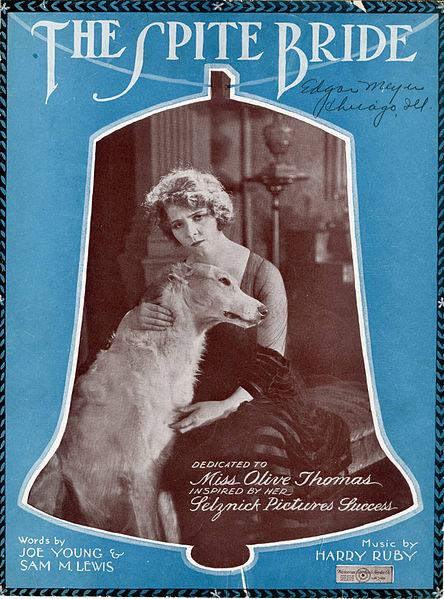
Dir: Charles Giblyn
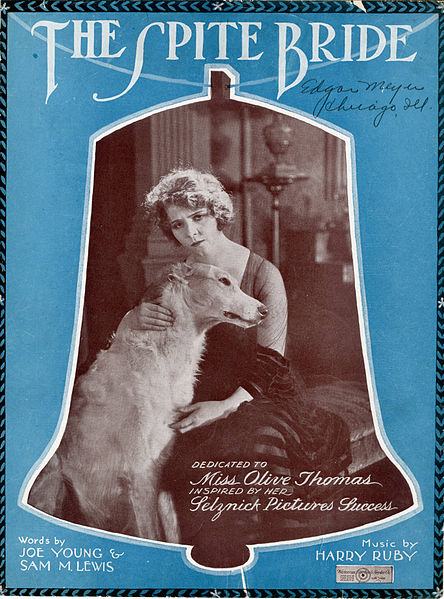
Tessa Doyle, an innocent country girl who has come to New York and joined a vaudeville sister act, becomes embroiled in a scheme to earn money at her partner Trixie Dennis' insistence. When millionaire Billy Swayne is jilted by his fiancee, Millicent Lee, he and his friend Rodney Dolson get drunk and decide that Billy must get married that night. Tessa agrees to marry Billy so that Trixie can use the money to obtain a divorce. After the marriage, Trixie tries to blackmail Billy. Tessa becomes angry and leaves without accepting any payment. Later, after she has become the private secretary to a woman who turns out to be Billy's mother, Tessa meets Billy again. They fall in love and get married again.
View Details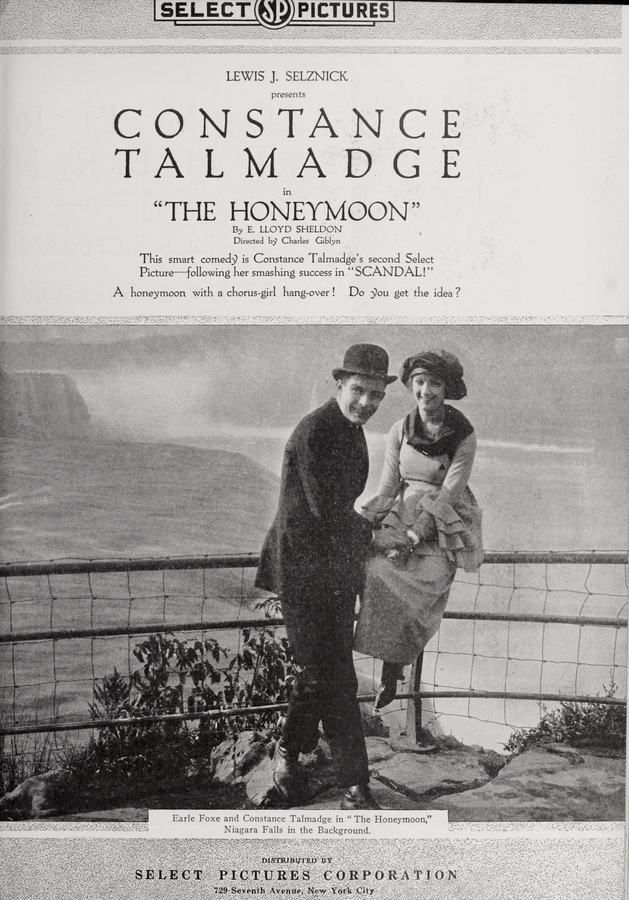
Dir: Charles Giblyn
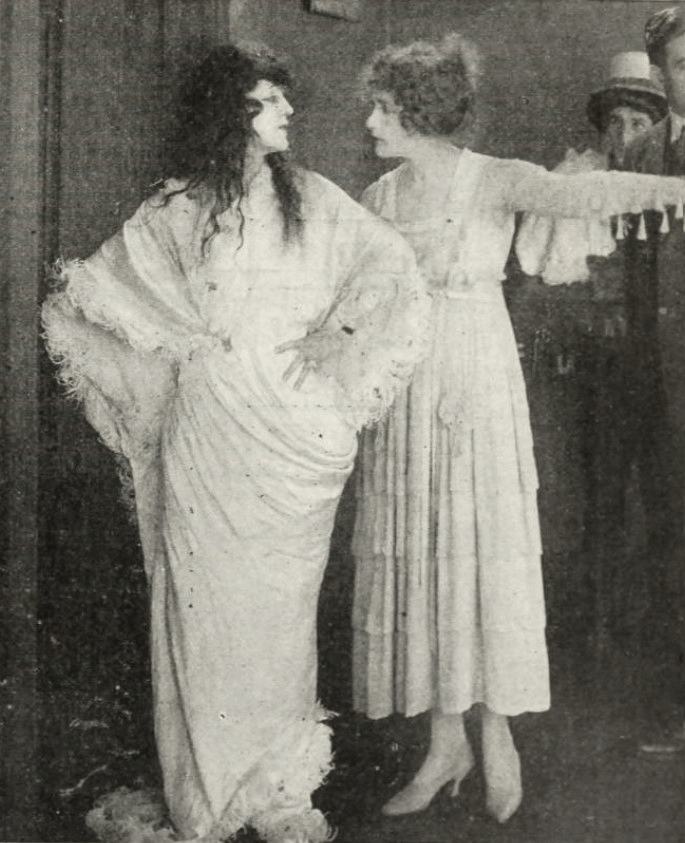
Immediately after Susan Lane becomes Mrs. Richard Greer, she grows jealous when she sees her husband talking to Marion Starr, one of her bridesmaids. Susan's brother Phil wishes to marry Marion, but is entangled with actress Maizie Middleton. Consequently, Dick Greer agrees to see Maizie, whose troupe is playing Niagara, and attempts to buy her off. Susan follows Dick to Marion's dressing room, returns to the hotel and wires her Uncle Jimmy to file for divorce. Uncle Jimmy, resolved to cure Susan of her jealousy, intends to allow Susan to believe that she has been divorced, without actually filing. His law partner rushes the case through the courts, however, and the divorce is granted. Susan suffers such despair at the news of her separation from Dick that Uncle Jimmy rushes out and secures a minister, the couple are remarried and begin their honeymoon again.
View Details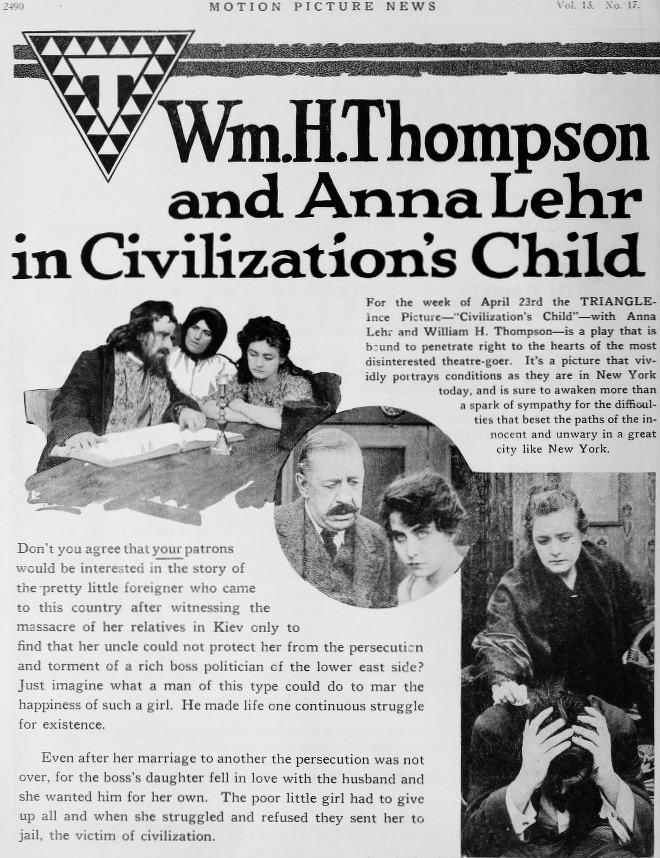
Dir: Charles Giblyn
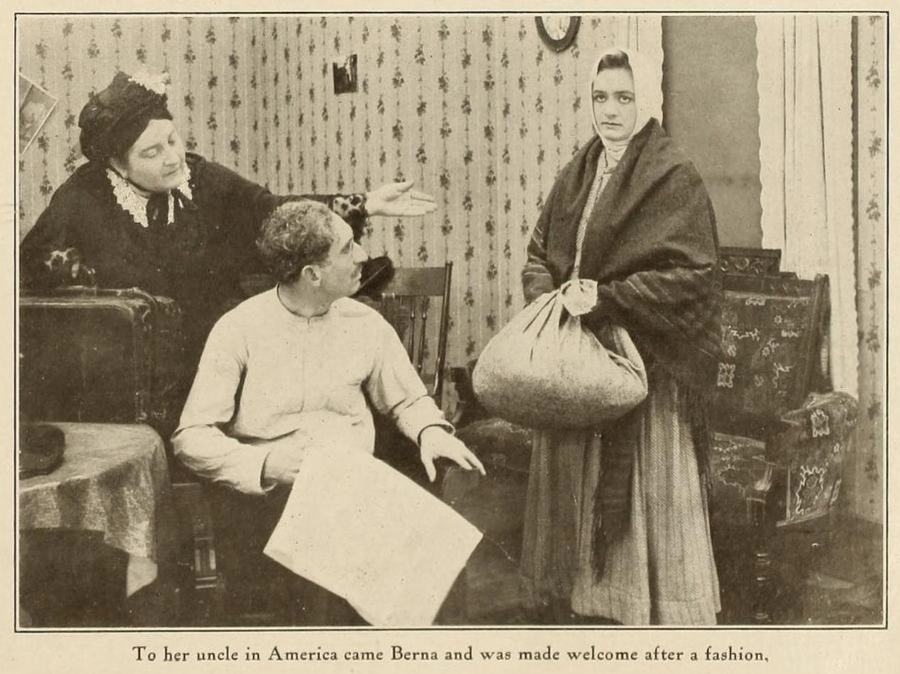
After an idyllic mountain life in Russia, Berna goes to live with her uncle in the Jewish section of Kiev, arriving just as Cossacks massacre most of the Jews in the city. Berna escapes to New York and works at a sweatshop controlled by Boss Jim McManus, but he seduces her, then throws her out on the street, and she becomes a prostitute. Berna later marries Nicolay Turgenev, a young musician, and they soon have a child, but McManus' daughter Ellen falls in love with Nicolay after seeing him perform and convinces him to leave Berna. To make the separation legal, McManus, now a judge, grants Nicolay a divorce and also gives him custody of the child. Almost insane, Berna goes to McManus, denounces him at gunpoint and then kills him.
View Details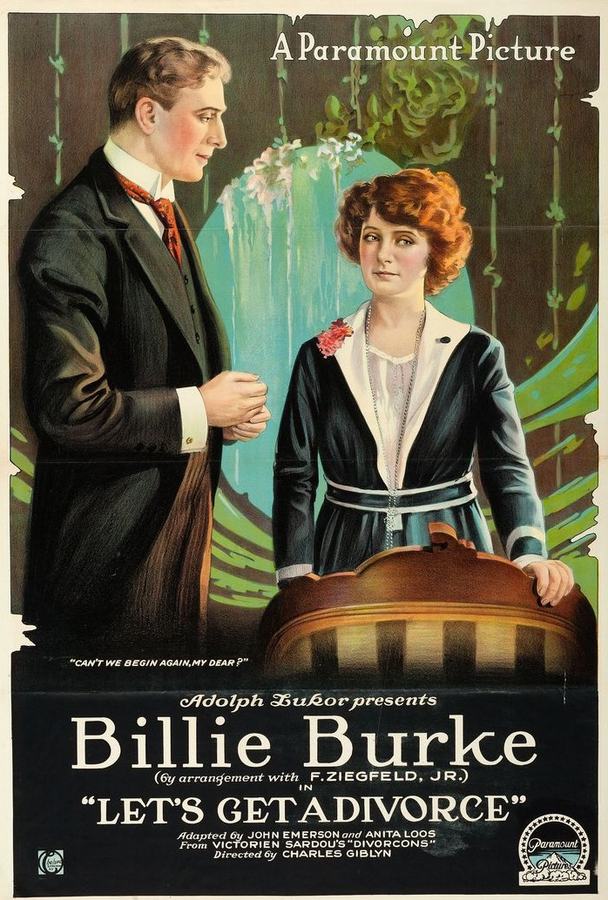
Dir: Charles Giblyn
The Sardou play begins with this girl's life as the young wife of a man nearing forty, kind enough to his bride, but more or less absorbed in his serious work. She has dreamed of romantic love, intoxicating adventure, and tumultuous passions only to find none of these things in retirement with a good husband. She decided that her existence has been wrecked and ruined, and gets it into her foolish head that the only remedy is a divorce. There is a lover handy, her husband's cousin Adhemar, French in his ambition to have an "affair" with some charming married woman, and equally French in his thrift; he is a poor young man in no situation to marry any such extravagant young lady. The clear-headed husband enters into a little conspiracy with some friends to let his bored young wife have her own way, ostensibly yielding to her wishes, and he even makes things as easy and comfortable as possible for the unsuspecting lover, inviting him to the house, and announcing that he has even provided for his wife's future by settling a large sum of money upon her. She sees that this settlement has weight with the lover, and begins to falter, but she goes on determinedly with what gradually loses all the charm of forbidden fruit. Her relations with Adhemar become more and more commonplace at a time when she begins to realize her husband's magnanimity. He has denied her nothing, and he gives Adhemar full permission to marry her as soon as the divorce is granted. Meanwhile she begins to be distressed by the fact that her husband seems to be enjoying himself, staying out late at night, and suspects that he has an "affair" with some woman "not worthy" of him. She revolts when he announces he has a dinner engagement, urges him to break it and have a little celebration with her and Adhemar, finally deciding to leave Adhemar out altogether. It would be such a lark to steal away from him and have dinner in a private room with her husband, so compromising. Adhemar learns of the infidelity of his wife-to-be, and goes in search of her in a rainstorm. He is drenched when he finds the restaurant where she is dining alone with her husband in a private room contrary to what he conceives to be the rights of a husband-to-be, and he is so indignant that he seeks the protection of a Commissary of police as a safeguard for his future marital rights. The situation now becomes ludicrous in the extreme, and it ends with restored sanity for the young wife, and a complete reconciliation with her husband.
View Details
Dir: Charles Giblyn
Mabel waits on the residents of a local boardinghouse, but her fondness for pranks finally leads to her dismissal. By a strange turn of fortune, Mabel finds herself in the possession of a traveling corset saleswoman's suitcase, whereupon she adopts the profession herself. While passing through a small town, Mabel decides to take a swim in the ocean, but as she frolics, her suitcase, which contains all of her clothing, is stolen. Forced to wear only her bathing suit, Mabel sets off in search of her clothing and learns that the police, having identified the suitcase as belonging to a jewel thief, are in search of her. Following several adventures, she discovers that the jewel robbery, which involved her friend Lena, was only a publicity stunt.
View Details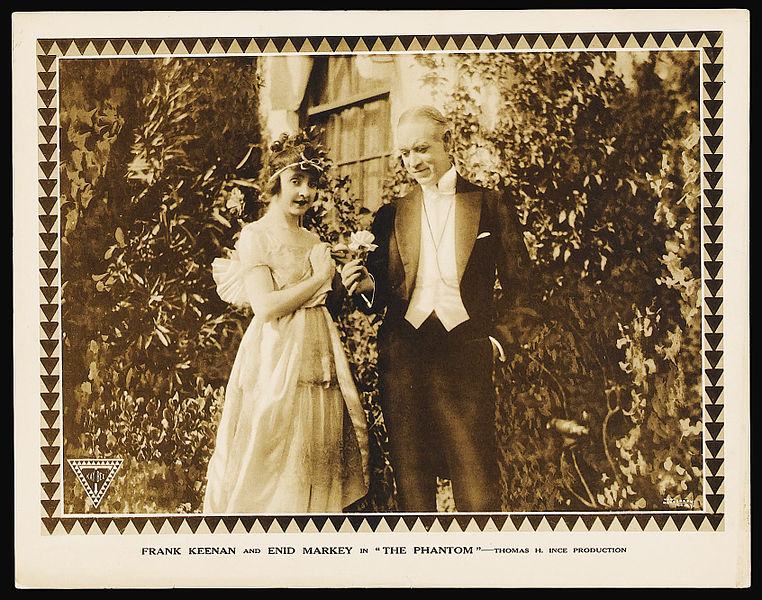
Dir: Charles Giblyn
"Phantom" Farrell was known as one of the cleverest crooks in the world, with a penchant for jewel robberies. He planned to attend the Bereton ball and steal a famous necklace which he knew the daughter would wear. Chance makes it possible for Farrell to gain admittance to the Bereton mansion before the night of the ball, in the guise of a detective, and it happens that he meets the young woman whom he has planned to rob. Farrell is so attracted by her beauty and winsomeness that he falls in love and decides not to steal the necklace. At the ball the necklace really is stolen and Mr. Bereton, the owner, immediately asks "The Phantom," whom he knows only as a detective to find the thief and locate the jewels. "The Phantom" has observed the intimacy between Bertie Bereton, the son of the household, and one of the guests, a Dr. Ratcliffe. He finally forces Bertie to confess to him that Dr. Ratcliffe is really a noted race track gambler who has forced him to aid in the theft of the necklace in order to square certain gambling debts which he holds against him. Dr. Ratcliffe has already made his escape from the house, but "The Phantom" overtakes him at the railroad station and compels him to return to the house where, with the assistance of his valet, he recovers the valuables. In addition, he forces the gambler to give up all claims on the young man. The arrival of the real detective whom "The Phantom" is impersonating and three others, complicates matters for that worthy, and he would have been caught immediately had not Bertie warned him of their approach. The escape of "The Phantom" and his valet is effected only after a series of stirring adventures, but it is finally accomplished and as the pursuers dash off down the road, "The Phantom" and his faithful valet emerge from behind a hedge and start a long walk back to town. The valet upbraids his master for his weakness in not actually stealing the jewels himself, but "The Phantom" remembers the beautiful girl whom he has made happy by his success in restoring the necklace and he walks along the dusty road perfectly happy with himself.
View Details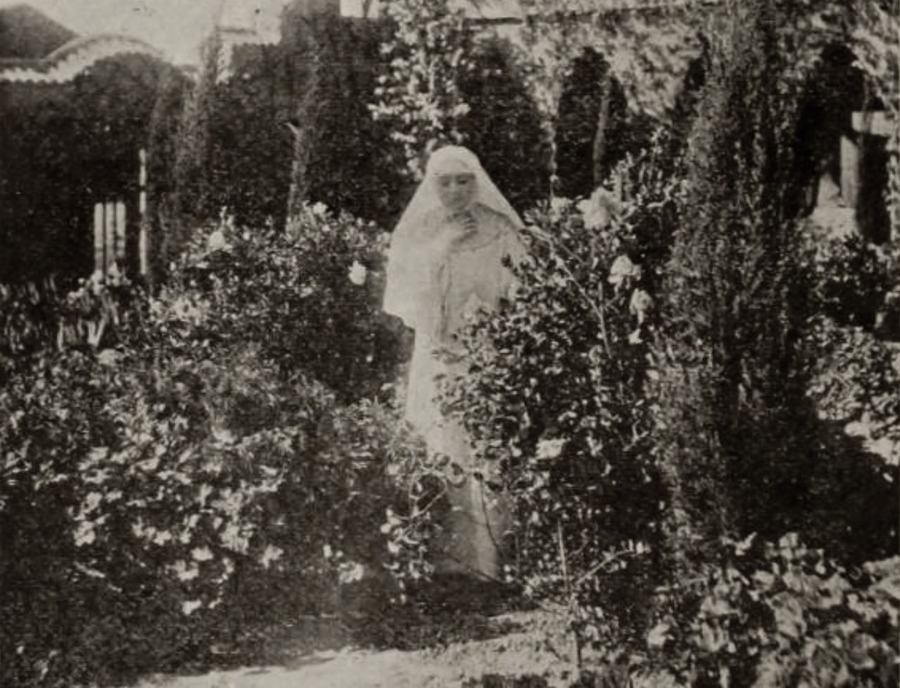
Dir: Charles Giblyn
In Italy, Sister Beatrice becomes the confidante of the Contessa Angelica de Vecchio, whose brother, Prince Candoni, has placed her in a convent for having an affair with Carlo Parodi, a young radical. Angelica soon dies, and Beatrice, suddenly aware that she needlessly has shut herself off from the real world, leaves the convent and joins a group of revolutionaries. She marries Guido Perli, one of the leaders, and tries to temper his radical fervor with some religious tolerance. Finally, however, he calls on the people to rise against Candoni, and a horrified Beatrice alerts the prince. Candoni sends out his guards, and during the fighting, both Carlo and Guido are killed. Before he dies, however, Guido forgives his wife for betraying him to the prince, after which a remorseful Beatrice returns to the convent.
View Details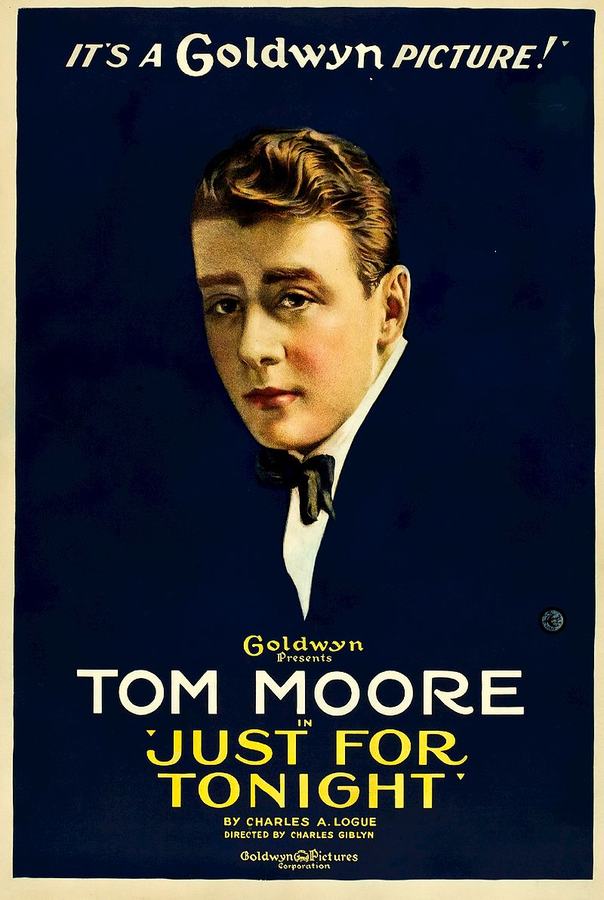
Dir: Charles Giblyn
Theodore Whitney, Sr. commissions his son Theodore, "Ted" Jr., to retrieve a missing stock certificate. On the road, Ted meets and falls in love with Betty Blake, the beautiful but elusive niece of Major Blackburn, whose home was recently robbed. When a detective disguised as British nobleman Lord Roxenham arrives to investigate the case, Ted bribes the officer to let him play the role for one night so that he may be near Betty. As the love struck young man is romancing his sweetheart, Lady Roxenham suddenly arrives, alienating Betty and throwing Ted into a panic. Lady Roxenham agrees to participate in the deception, but later Ted spies her breaking into the major's safe. After he alerts the household, she and the butler are revealed as notorious thieves. Betty, who had been trying to purchase Whitney's stock, accepts Ted's marriage proposal, and the profits are shared between the two.
View DetailsAnalysis relative to Peggy
| Film Title | Atmosphere | Complexity | Similarity |
|---|---|---|---|
| The Price She Paid | Gothic | Layered | 91% Match |
| Sunshine Nan | Surreal | Abstract | 91% Match |
| The Spite Bride | Gritty | Layered | 86% Match |
| The Honeymoon | Gritty | High | 86% Match |
| Civilization's Child | Gritty | Layered | 97% Match |
This guide was algorithmically generated using the cinematic metadata of Charles Giblyn's archive. Last updated: 8/16/2026.
Back to Peggy Details →