
DbcultAccessing Vault...
Recommendations
Senior Film Conservator
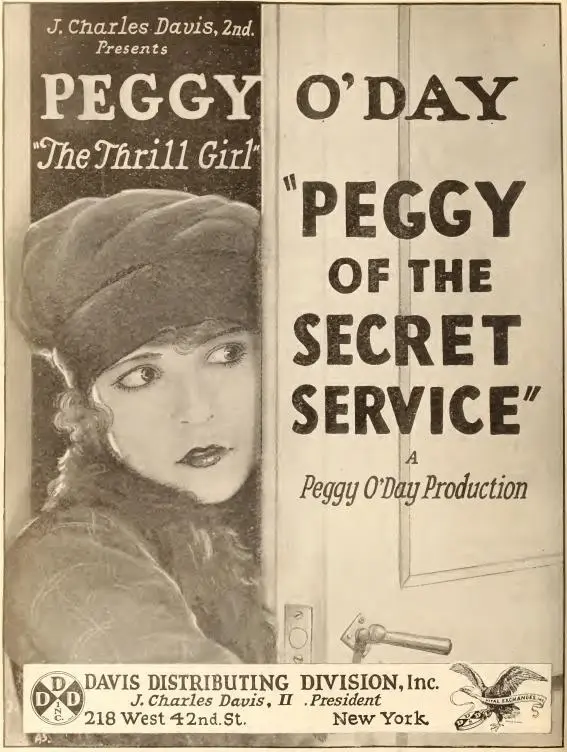
If the cinematic excellence of J.P. McGowan's work in Peggy of the Secret Service left an impression, the cinematic shorthand used by J.P. McGowan is both ancient and revolutionary. We've prioritized films that capture the 1925 aesthetic with similar precision.
By merging cinematic excellence with Comedy tropes, it to articulate the unspoken anxieties of United States's 1925 era.
The Algerian consul solicits the aid of the Chief of the Secret Service in the apprehension of the sultan's brother, Abdullah, who has fled with the royal harem and the royal jewels to the United States. The chief assigns Peggy, his most reliable feminine operative, to the case. Newspaperman Hal Tracy, Peggy's sweetheart, is on the scene when Peggy attempts to arrest Abdullah. In the ensuing fight, Hal is thrown overboard, and Peggy, for the first time in her life forgetting her duty, dives in after him. She follows Abdullah to his mountain hideout and later gains entrance to his harem in the guise of an Algerian woman. Her position becomes more perilous each night, and she finds herself struggling with Abdullah just as Hal arrives with help. Abdullah is arrested, and the jewels are recovered. Peggy and Hal are denied permission to marry, since the chief has another assignment for Peggy.
Peggy of the Secret Service was a significant production in United States, showcasing the immense talent of Eddie Phillips, William Ryno, Ethel Childers. It continues to be a top recommendation for anyone studying Comedy history.
Based on the unique cinematic excellence of Peggy of the Secret Service, our vault has identified these titles as the most compelling follow-up experiences for fans of Comedy cinema:
Dir: J.P. McGowan
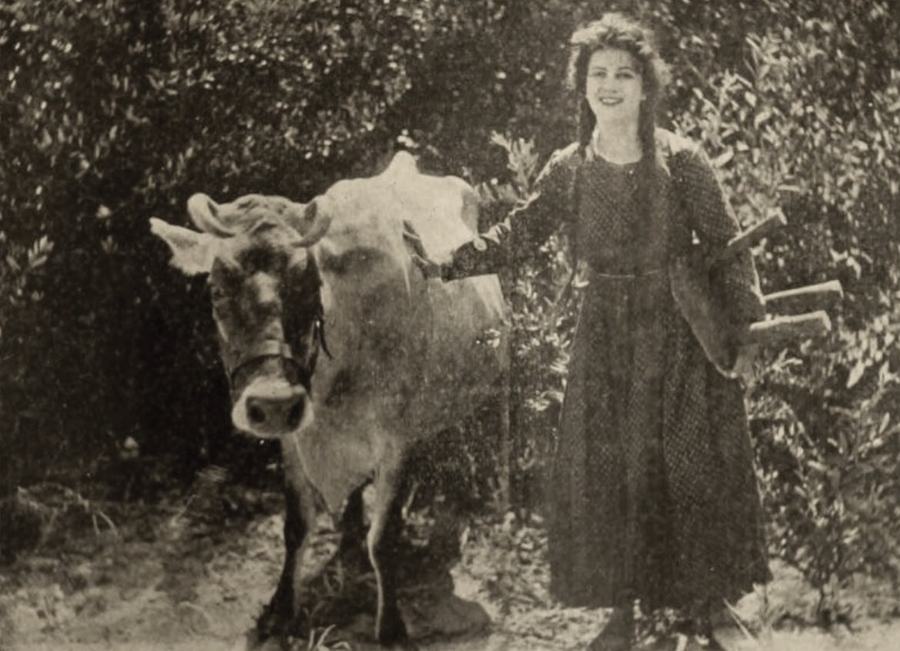
Two rival mountain clans that have been feuding for years begin a new battle over the moonshine whiskey trade. A young man and a girl from each of the different clans try to end the feud, and wind up falling for each other.
View Details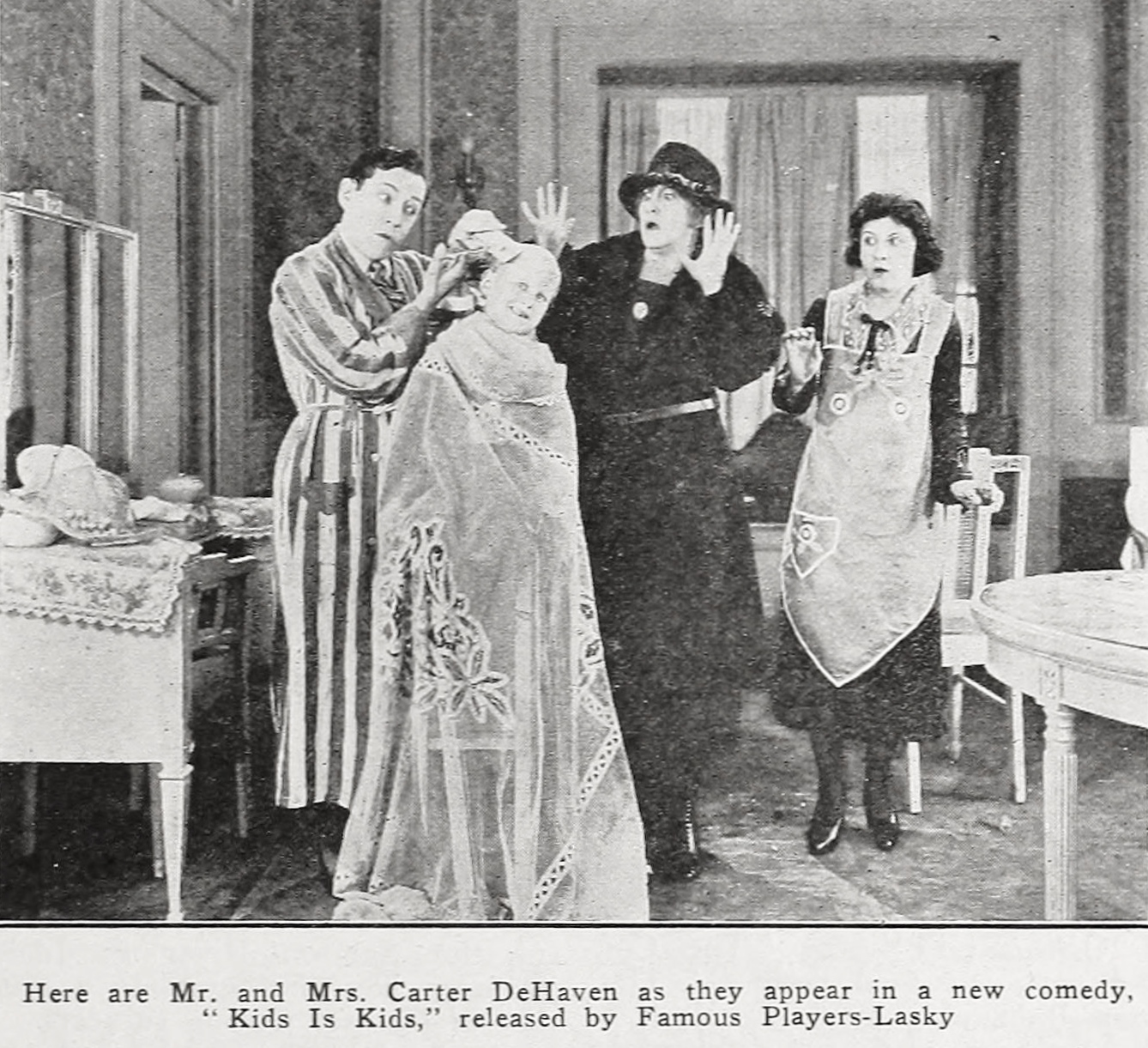
Dir: Charley Chase
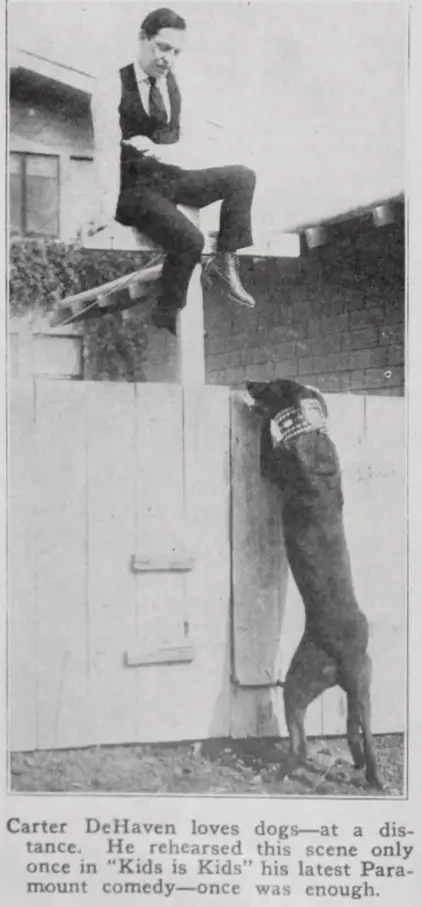
A young married couple volunteer to take charge of several orphans after the asylum has burned down. Of course they find their hands full with their troublesome charges.
View Details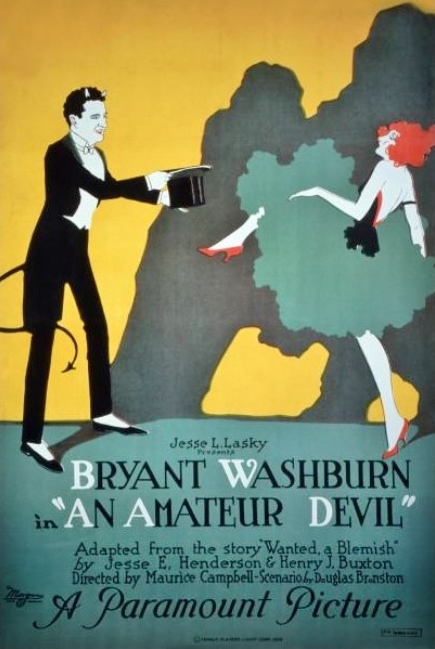
Dir: Maurice Campbell
Carver Endicott, a young sophisticate, is rejected by his fiancée for being too foppish and dull. When she feigns an interest in his father, Carver attempts to disgrace his family name by working as a farmhand and later as a busboy in a hotel. However, the newspapers only praise him for his self-sacrificing principles; and finding that he cannot bring shame to the family through menial labor, he takes up with a notorious actress. But when this maneuver also fails, he returns to his former fiancée, who has no further complaint about his being an inexperienced dullard.
View Details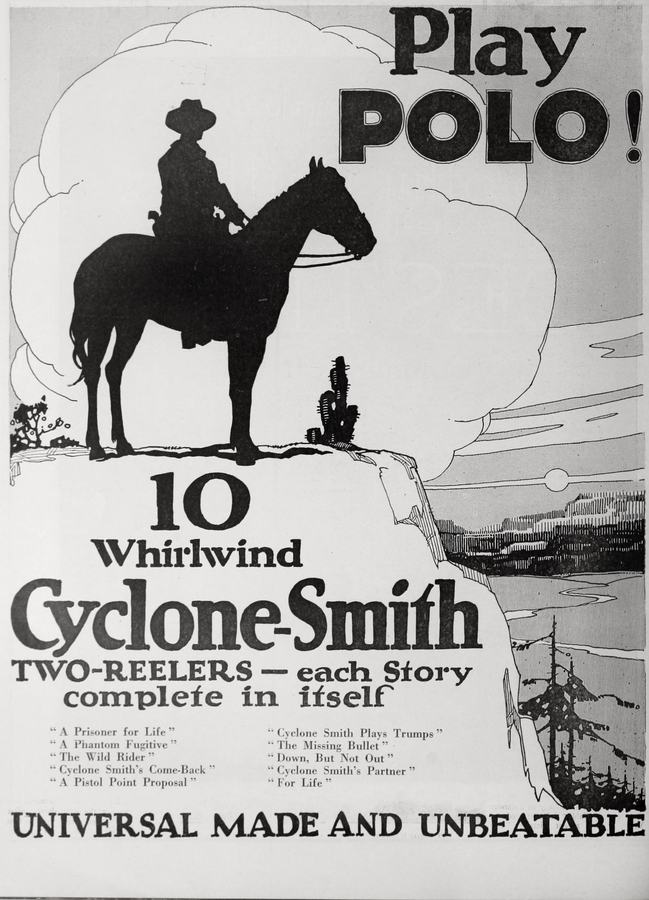
Dir: J.P. McGowan
A fascinating piece of cinema that shares thematic elements.
View Details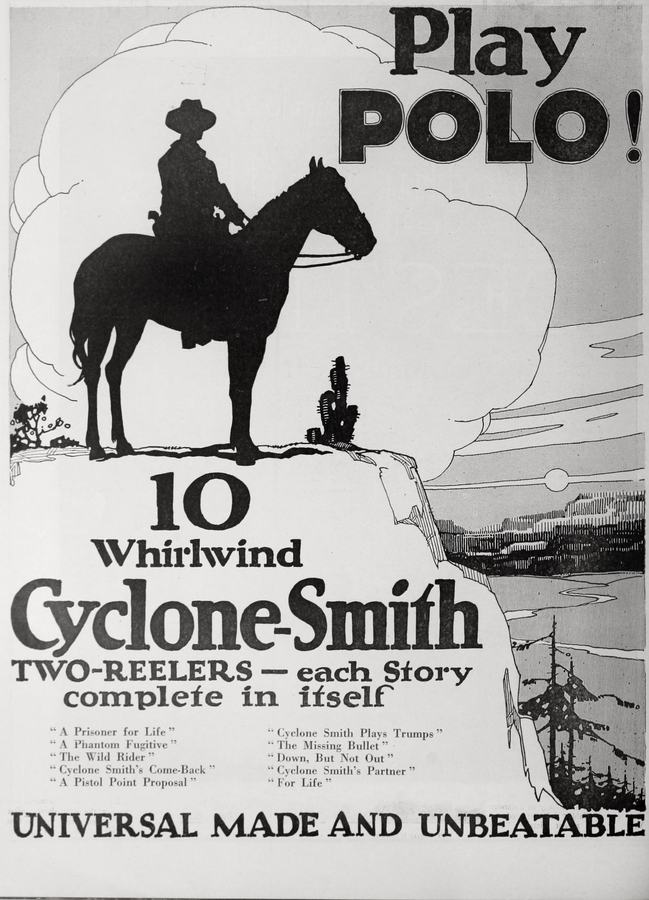
Dir: J.P. McGowan
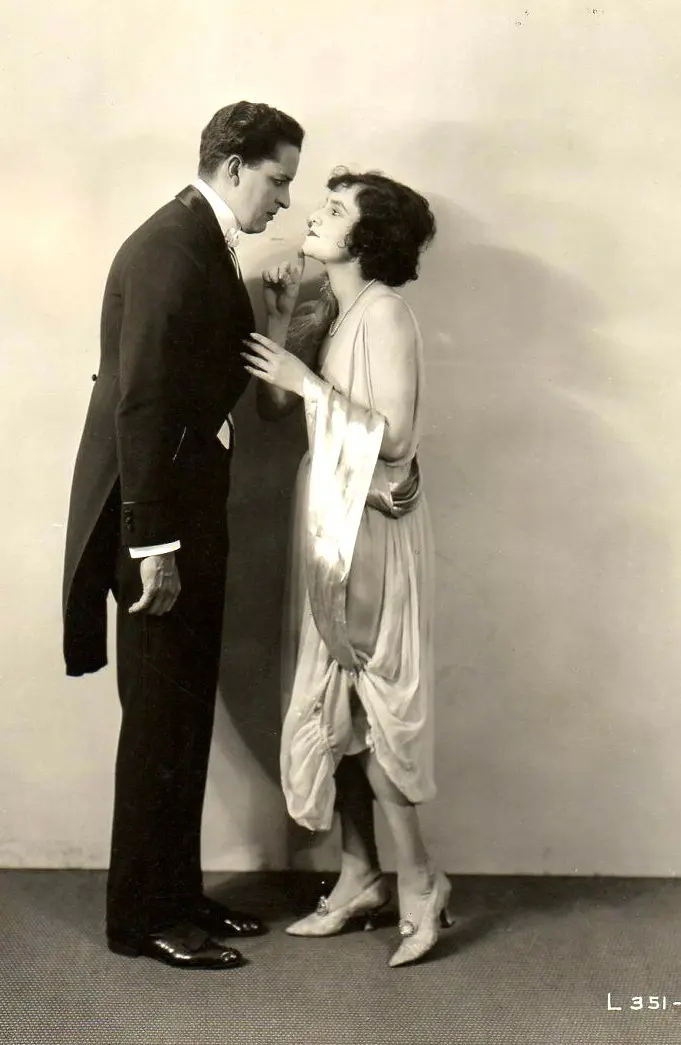
A fascinating piece of cinema that shares thematic elements.
View Details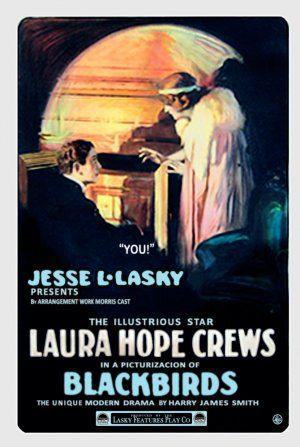
Dir: J.P. McGowan
Hawke, Jr., son of a famous New York detective, is challenged by his father to capture "The Blackbirds," a gang of smugglers, finds himself stranded in Algiers. Aware of Hawke's presence, Bechel, the Blackbirds' leader, instructs his accomplice, Leonie Sobatsky, to become friendly with the Crockers, a nouveau riche couple, and later in America, exchange a fake Oriental rug for a $10,000 genuine one which they recently purchased from one of Bechel's contacts. On the steamer returning to the United States, Leonie meets Nevil Trask, an English jewel thief posing as a nobleman. After Hawke secures a position in the Crocker home in New York as a guard for their jewels, Leonie, who now loves Trask without knowing that he is a thief, decides not to switch the rugs, but Hawke, eager to capture Bechel, tricks Leonie into taking the antique. When she sees Trask stealing the Crockers' jewels, they both confess their crimes and plan to reform. Hawke overhears, and follows them to Bechel's headquarters, where he captures the leader. After Trask and Leonie promise to marry, Hawke sets them free.
View Details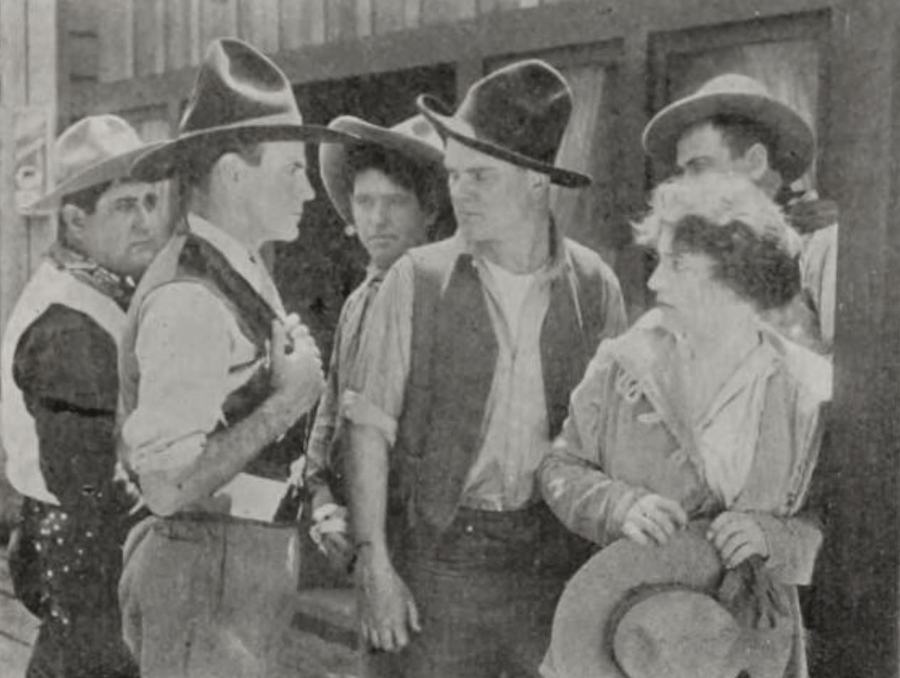
Dir: J.P. McGowan
Whispering Smith is a virile, fearless type of the true American whose theory of life is to give every man a chance to show what is in him. There is nothing of the bully or braggart about him. He is just a man who knows instinctively what is right and never falters in his steps to see that justice is given where it is deserved and crime punished on the same basis. Whispering Smith loved Marion, a carefree, beautiful Western girl. His love was that of the strong, clean-living man, who knows no physical danger, but is reticent and bashful in his love affairs. Lacking as a suitor the characteristics that made him esteemed and feared among his fellow-men, he was beaten out for her hand by Sinclair, a dashing devil-may-care sort of fellow among the women, but an unscrupulous and vindictive man at heart. Marion's life with Sinclair was not all joy and happiness. Slowly he was killing her love for him, but in the manner of his kind he believed that harshness was the way to rule women. When the story opens, Sinclair, who is foreman of a wrecking crew on a mountain section of a transcontinental railroad, is living in one of the company's cabins in the small division terminal, "Medicine Bend," a typical Western railroad and mining town. This town was located at the foot of a steep declivity, noted for the frequency of the wrecks occurring there, particularly among freight trains. The officials of the road were worried at the great number of the wrecks, but were more concerned with the robberies that took place after each collision. No trace of the thieves could be found. The railroad detectives had about given up in despair when Whispering Smith was sent to "Medicine Bend" to put an end to the robberies. Sinclair was never suspected. Smith, however, discovers soon after his arrival that Sinclair is the brains of the gang engaged in looting the freight cars. Smith, to save Marion the disgrace of having her husband branded as a thief, does not expose him, but causes the division superintendent, McCloud, to discharge him. Life for Marion soon becomes unbearable and she leaves him. This arouses to frenzy the desperate man, who plans to get revenge on the railroad by burning the "Smoky Creek" trestle. Assisted by several of the band who had been engaged in looting the cars, Sinclair sets fire to the trestle, causing a disastrous wreck. Smith, determined to capture the men responsible, discovers that Sinclair is at the bottom of the plot. Again his love for Marion induces him not to expose her husband until he talks with her. He effects a reconciliation between Sinclair and Marion and upon the former's promise to lead a better life and to leave "Medicine Bend," Whispering Smith lets him go with his wife, and the girl he still loves.
View Details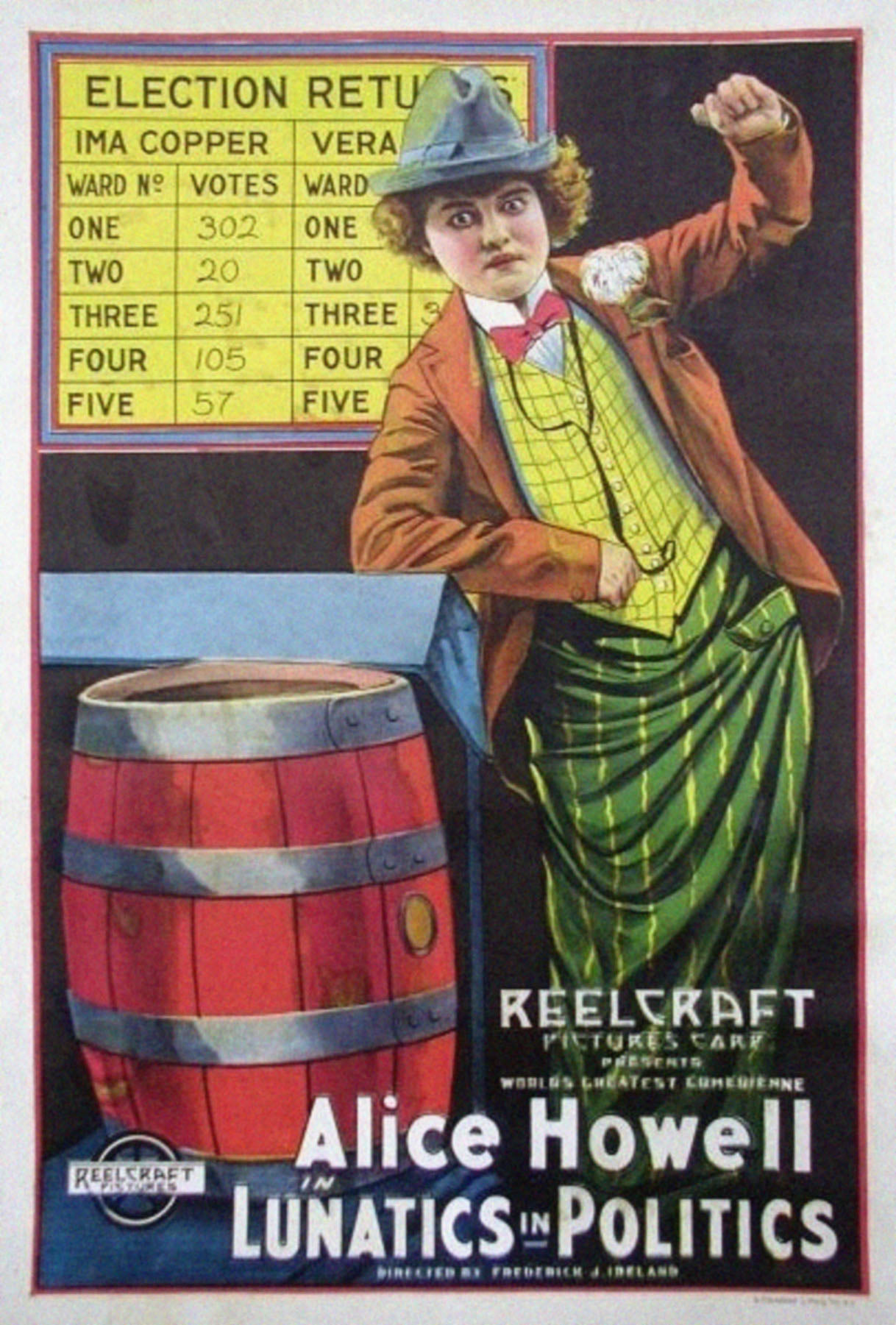
Dir: Richard Smith
Two female candidates for Chief of Police live across the hall from each other, and their political rivalry follows them home, leading to plenty of hi-jinks.
View Details
Dir: Reggie Morris
A fascinating piece of cinema that shares thematic elements.
View DetailsAnalysis relative to Peggy of the Secret Service
| Film Title | Atmosphere | Complexity | Similarity |
|---|---|---|---|
| Judith of the Cumberlands | Gothic | Linear | 93% Match |
| Kids Is Kids | Tense | Layered | 94% Match |
| An Amateur Devil | Tense | Linear | 98% Match |
| The Missing Bullet | Gothic | High | 85% Match |
| For Life | Ethereal | Abstract | 88% Match |
This guide was algorithmically generated using the cinematic metadata of J.P. McGowan's archive. Last updated: 6/21/2026.
Back to Peggy of the Secret Service Details →