
DbcultAccessing Vault...
Recommendations
Senior Film Conservator
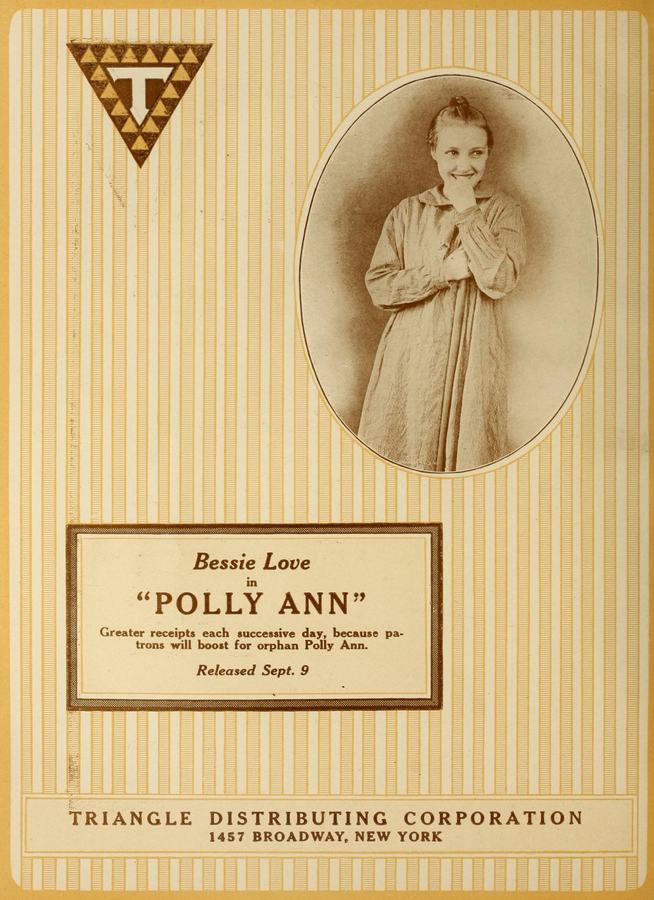
In the vast archive of cult cinema, Polly Ann stands as a cult status beacon, the narrative complexity found here is a rare find in the 1917 landscape. From hidden underground hits to established classics, these are our top picks.
Few films from 1917 manage to capture to explore the darker corners of the human condition with cult status.
Young Polly-Ann works in a small town inn as a maidservant. A troupe of actors comes to town and the innocent girl falls in love with one of its members. Howard Straightlane is sent to the small town by his father, to work as a schoolteacher in hopes of smartening up the young man from his wild ways. Howard soon meets Polly-Ann and saves her from the unscrupulous actor, meanwhile Howard's father has discovered Polly-Ann is his niece and sends for her. Another niece, greedily tries to force Polly to give her, all of her share of the family fortune. Upon hearing this the father insists that Polly return and since she and Howard have fallen in love, his son is now forgiven.
The influence of Charles Miller in Polly Ann can be felt in the way modern cult films handle cult status. From the specific lighting choices to the pacing, this 1917 release set a high bar for atmospheric immersion.
Based on the unique cult status of Polly Ann, our vault has identified these titles as the most compelling follow-up experiences for fans of cult cinema:
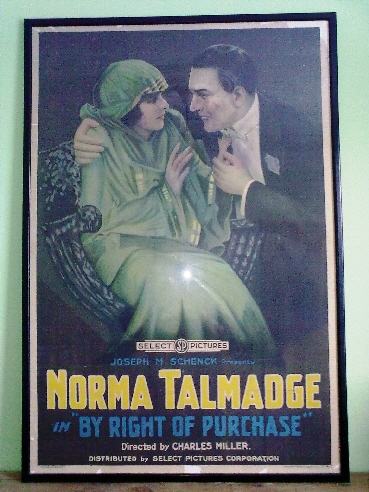
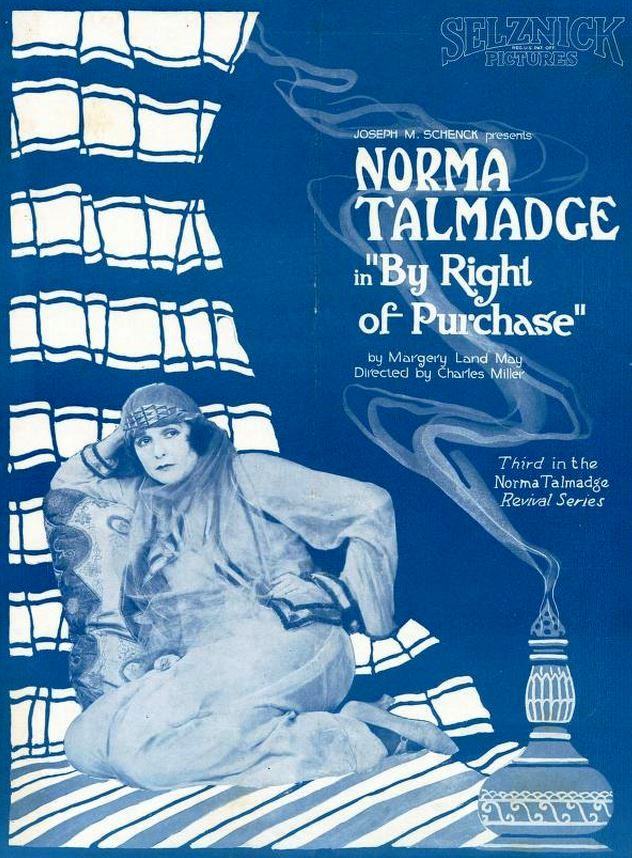
Dir: Charles Miller
Margot Hughes is a butterfly society girl who sells herself to the highest bidder. Her husband does not press his ownership "by right of purchase," and she misunderstands his delicacy and she things that love is lost to her. She goes to France to serve the cause of humanity. There they meet again and understanding comes. For the Program: A loveless marriage that turned out differently. - Moving Picture World, February 2, 1918.
View Details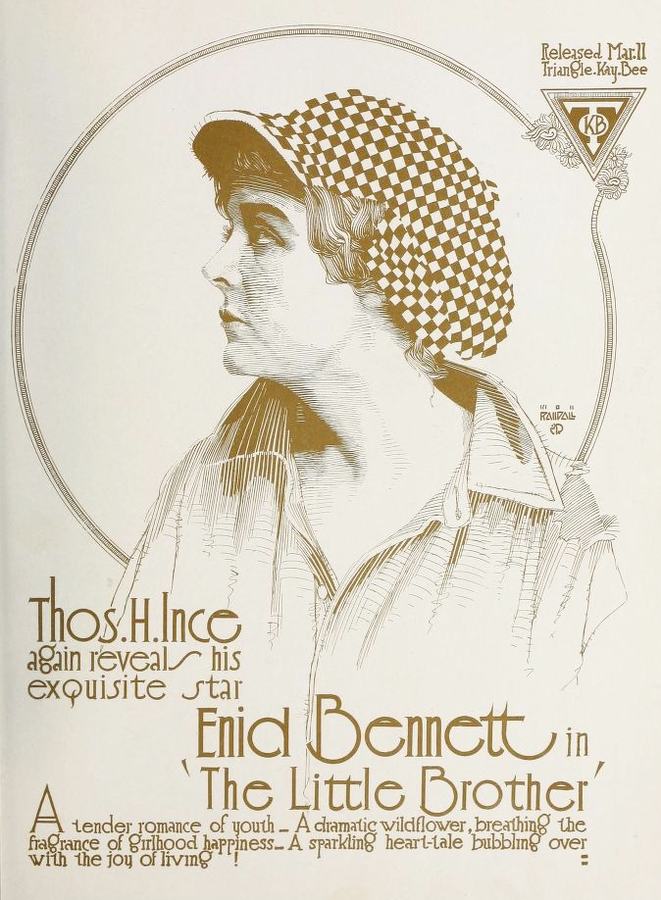
Dir: Charles Miller
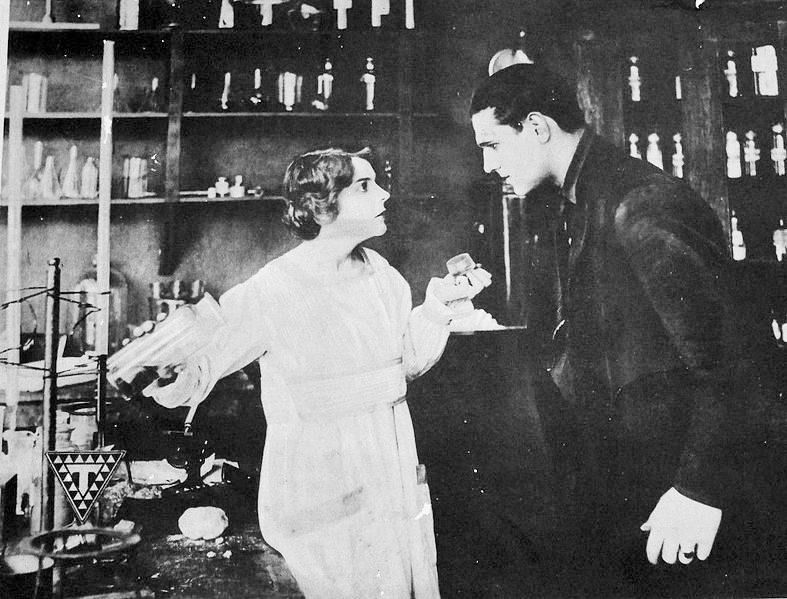
Jerry Ross, the daughter of an East Side homemaker, decides to sell newspapers to earn money. She disguises herself as a boy, goes to one of the busiest street corners in the city, and soon captures the bulk of the business.
View Details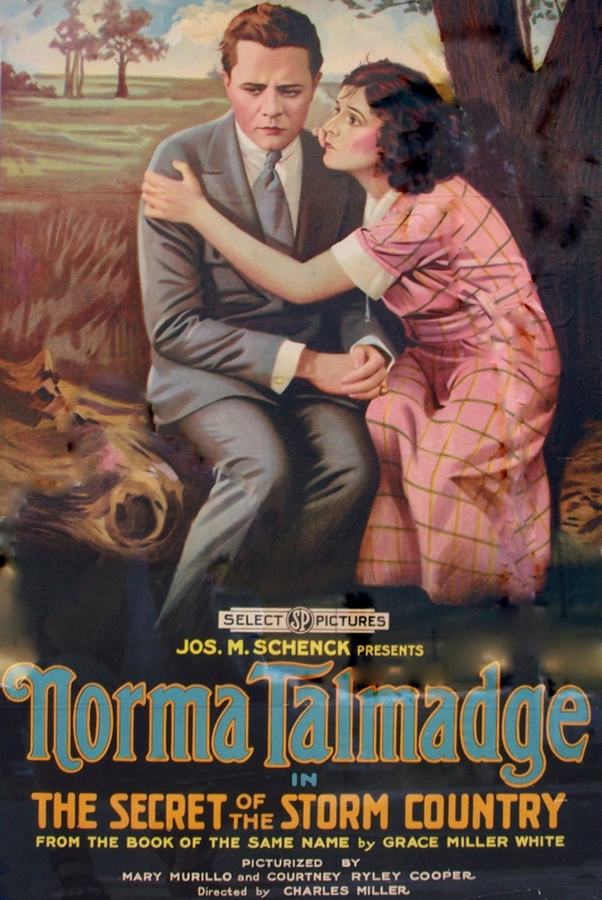
Dir: Charles Miller
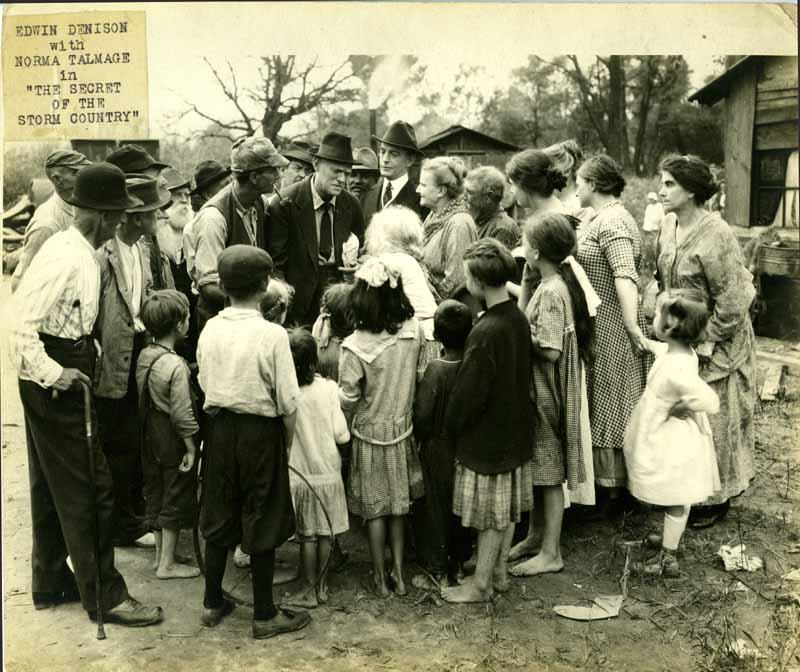
Rejected by the townspeople because her father is a squatter, Tess Skinner nevertheless wins the love of the wealthy Frederick Graves, who secretly marries her. When Frederick's mother insists that he marry heiress Madelene Waldersticker, he lacks the courage to admit that he is already married and instead acquiesces to his mother's wishes. For her husband's sake, Tess conceals his crime of bigamy. When her baby is due, Tess is summoned before a council of churchmen and banished from the church because she refuses to name her betrayer. Left alone upon the death of her father, Tess is shielded by Mr. Young, a middle-aged admirer who offers her and her baby the protection of his home. Several years later, Frederick dies of a heart attack and Tess rewards her faithful friend by becoming his wife.
View Details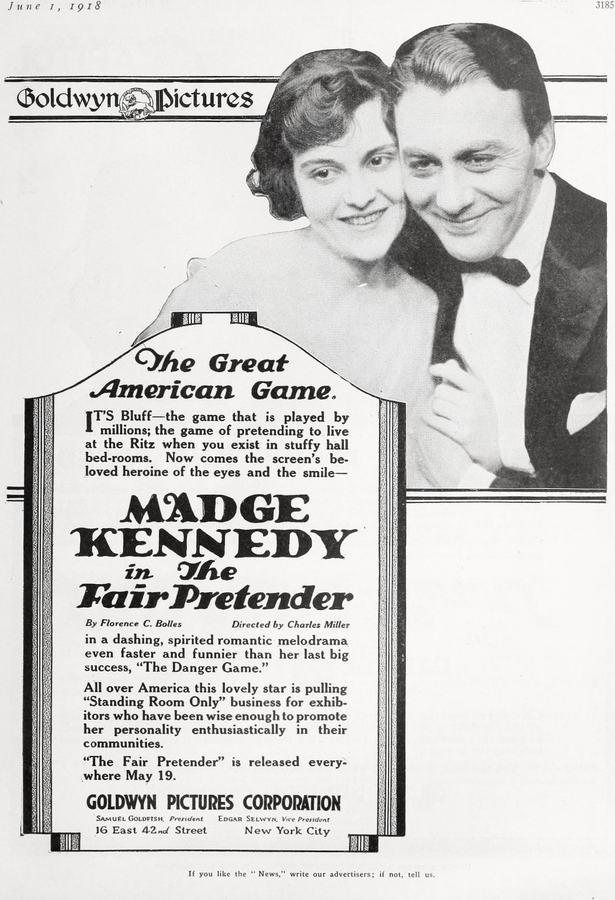
Dir: Charles Miller
Sylvia Maynard is a stenographer for a theatrical producer and tries to prove to her boss, that she can act by posing as a society woman at a lavish house party. Don Meredith, the struggling playwright who wrote the work in which Sylvia wishes to star, also masquerades as a famous writer at the party in order to prove that the central thesis of his play is valid: that one can pose in any role in high society and get away with it. Sylvia, introduced as the widow of Captain Milton Brown, falls in love with Don, but her joy turns to panic when her supposedly dead husband suddenly appears. The amused captain allows Sylvia to continue her impersonation for a time but advises her to leave the party. Don, heartbroken, also leaves, but after several adventures in which he helps Sylvia retrieve papers stolen during the party by a German spy, the two lovers are reunited in their true identities, and the play debuts successfully.
View Details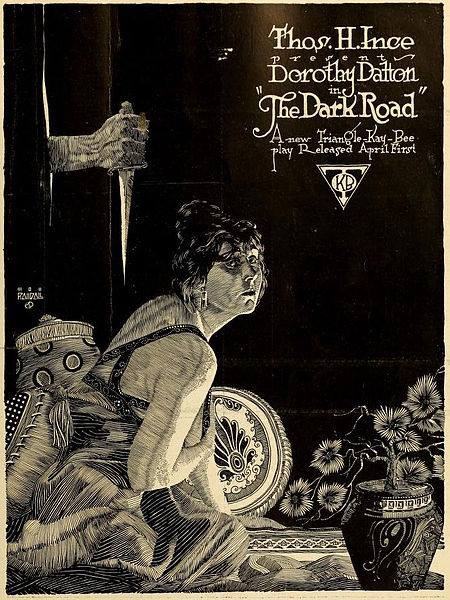
Dir: Charles Miller
Jim Morrison, an English army officer who comes from a very old and prominent family, marries the ravishingly beautiful but unscrupulous Cleo, who has no qualms about using her sexual allure to get the luxuries she wants but that her husband can't provide. When Jim is sent off to war, Cleo embarks on a series of affairs, one of which results in her becoming the love slave of a German spy--the very spy that her husband has been assigned to track down.
View Details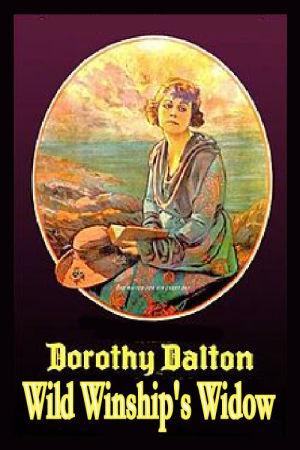
Dir: Charles Miller
Widow Catherine Winship treasures the memory of her late husband so greatly that she has given up her life to the adoration of his memory, spending her days strewing flowers on his grave. Catherine's idealism is rudely shattered, however, when she discovers a package of love letters in a secret drawer in Winship's desk. Deciding to throw aside her widow's weeds, Catherine's next hurdle is to choose a spouse from the many male admirers who are pursuing her. Among her suitors are the sentimental bore Archibald Herndon and Morley Morgan, a determined young man. After many misadventures, Morley finally beats out Herndon and marries Catherine in an impromptu ceremony at a hunting lodge.
View Details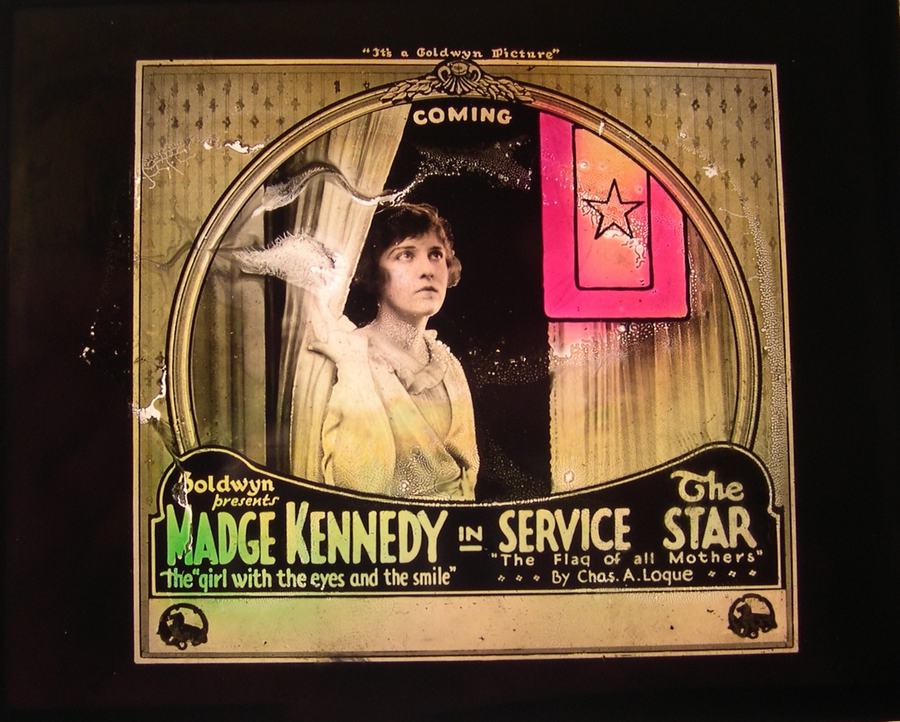
Dir: Charles Miller
A homely young girl, lonely and unhappy because she alone of all the girls in her town does not have a soldier sweetheart, pretends to be the fiancée of a famous combat aviator. When the flyer's mother learns of the "engagement," she accepts the girl as her future daughter-in-law, just in time for complications to arise in the form of the truth.
View Details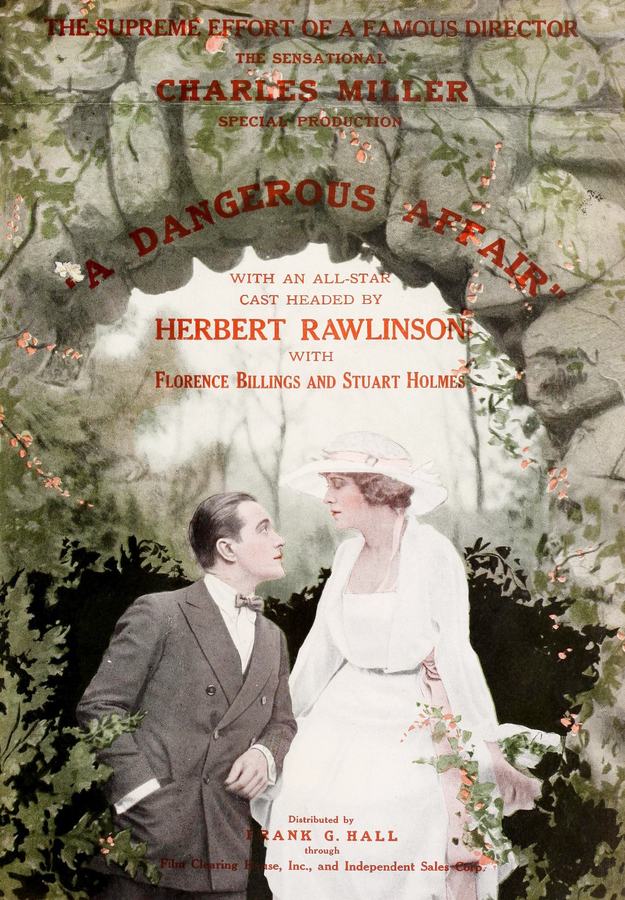
Dir: Charles Miller
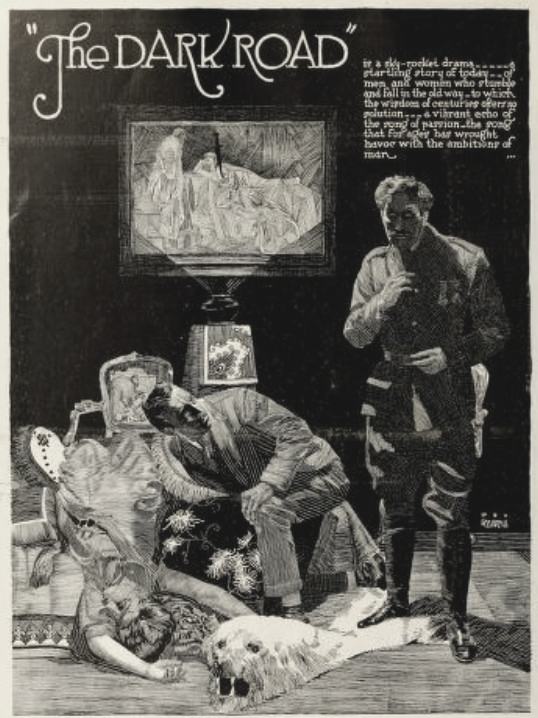
Elderly millionaire James Rance, whose only passion is chess, warns his grandson Tommy, who missed the previous evening's game because he played poker with his uncle Gilbert, that should he miss another game, Gilbert will gain the boy's inheritance. During another poker game the next night, Gilbert provokes a fight between Tommy and another player that results in the other player's supposed death. Meanwhile, Terrence Redmond, the guardian of an orphan he found while fighting in France, falls in love with Dawn Moyer. During Elsie Rance's party at the Hotel Plaza, Terrence gallantly offers to assist Elsie whenever she needs him. The next morning, when Tommy's absence is discovered, Elsie calls Terrence, who, after beating Gilbert's Japanese servant in jujitsu, locates Tommy and Dawn at Gilbert's country home. After Gilbert's attempt to poison Terrence is discovered when a cat dies after drinking Terrence's cream, Terrence fights Gilbert's henchmen with broadswords and wins because of his inherited penchant for violence. Tommy returns in time for the chess match, and Elsie becomes engaged to Terrence's friend Bruce, leaving Terrence free to romance Dawn.
View Details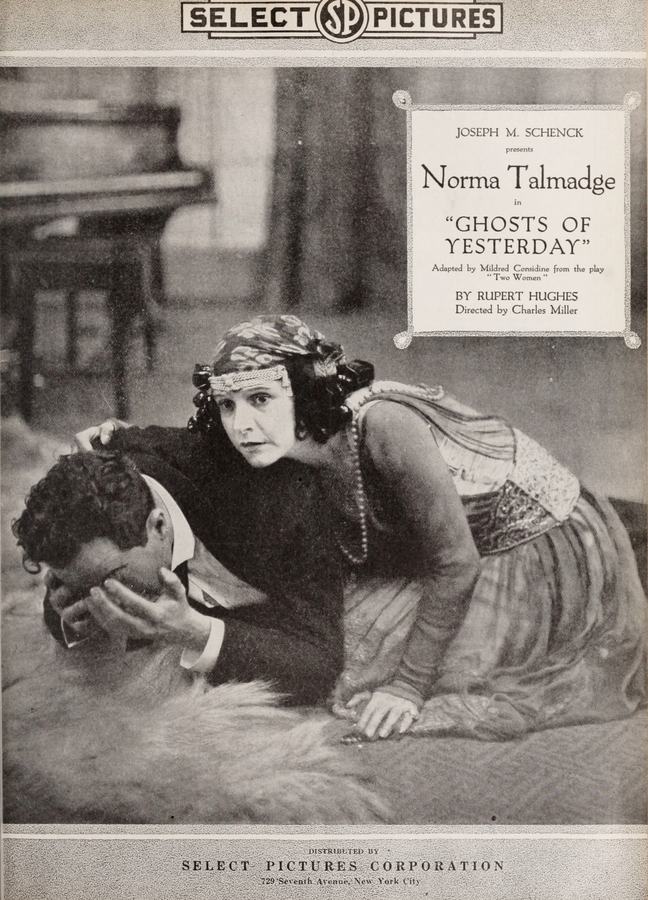
Dir: Charles Miller
After his wife/model dies of starvation with her portrait unfinished, an impoverished artist meets another woman with a striking resemblance to her.
View Details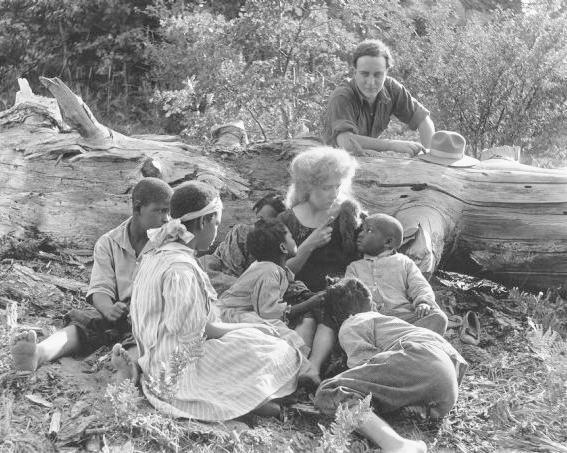
Dir: Charles Miller
Just before mountain girl Barbara "Bawbs" Colby's aunt dies, she reveals that Bawbs' deceased father had left her $5000, but to watch out for men because they would only be interested in her for her money. Her aunt's warning is tested when Bawbs falls for a new arrival in the mountains named Ralph Gunther, who says he is an author who's there for the peace and quiet he needs to write.
View DetailsAnalysis relative to Polly Ann
| Film Title | Atmosphere | Complexity | Similarity |
|---|---|---|---|
| By Right of Purchase | Gothic | Layered | 86% Match |
| The Little Brother | Gritty | Dense | 87% Match |
| The Secret of the Storm Country | Gothic | Linear | 95% Match |
| The Fair Pretender | Gothic | High | 90% Match |
| The Dark Road | Tense | Abstract | 87% Match |
This guide was algorithmically generated using the cinematic metadata of Charles Miller's archive. Last updated: 6/27/2026.
Back to Polly Ann Details →