
DbcultAccessing Vault...
Recommendations
Senior Film Conservator
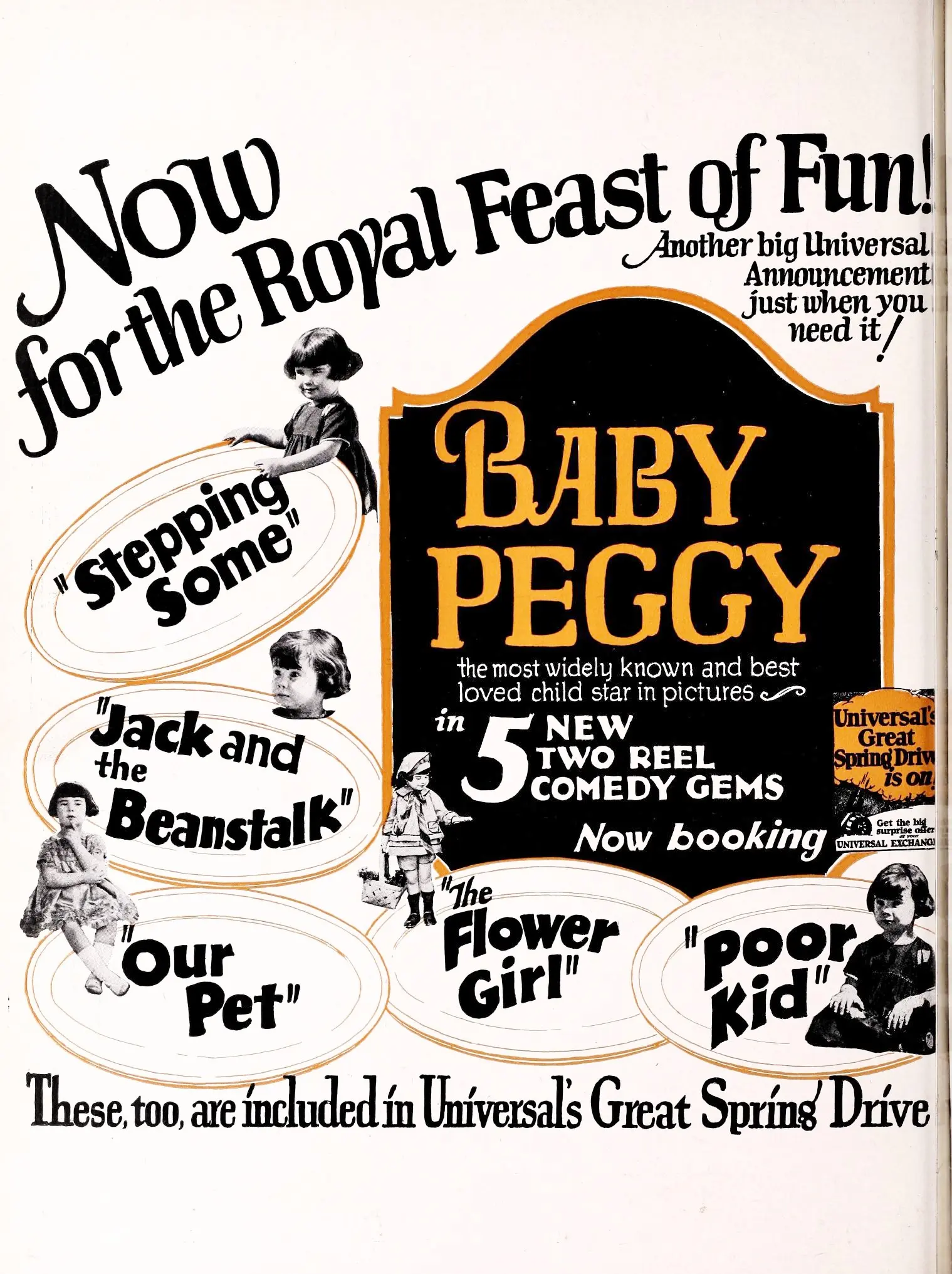
Exploring the stylistic flair in Poor Kid is a journey into United States cinema, the thematic layers of this 1924 classic invite a wider exploration of the genre. If Baby Peggy, Pal the Dog, Max Asher impressed you, these next recommendations will too.
With Arvid E. Gillstrom at the helm, Poor Kid became to reinvent the tropes of Comedy cinema for a global audience.
Peggy and her father are thrown out on the street by a heartless landlord. They go to the park and find a nice, hard bench to lie on. Pal, their dog, tramps along with them. The park officer does everything in his power to get Peggy and her father to move away, but Peggy is always frustrating his heartless plans. In the park two robbers are looking over their spoils. Peggy, who has been dodging the cop, chances upon them. They throw the spoils over in the comer of a bush when they see the officer, and Peggy picks up the bag and walks off with it. The cop follows the crooks, who are following Peggy - and before they know it they all have walked into the station-house. The crooks are arrested, the jewels are found and Peggy receives a worthy reward.
Poor Kid was a significant production in United States, showcasing the immense talent of Baby Peggy, Pal the Dog, Max Asher. It continues to be a top recommendation for anyone studying Comedy history.
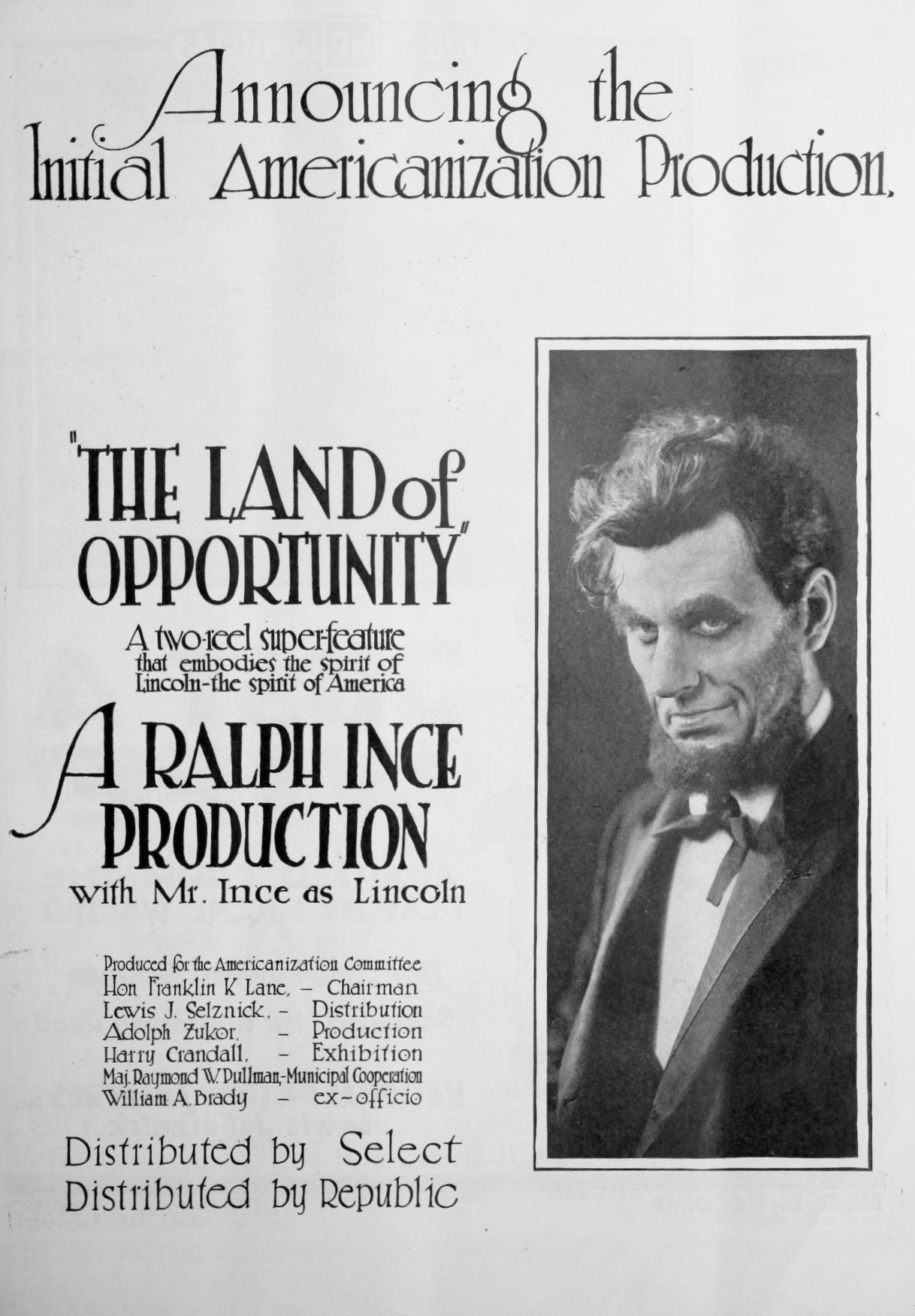
Based on the unique stylistic flair of Poor Kid, our vault has identified these titles as the most compelling follow-up experiences for fans of Comedy cinema:
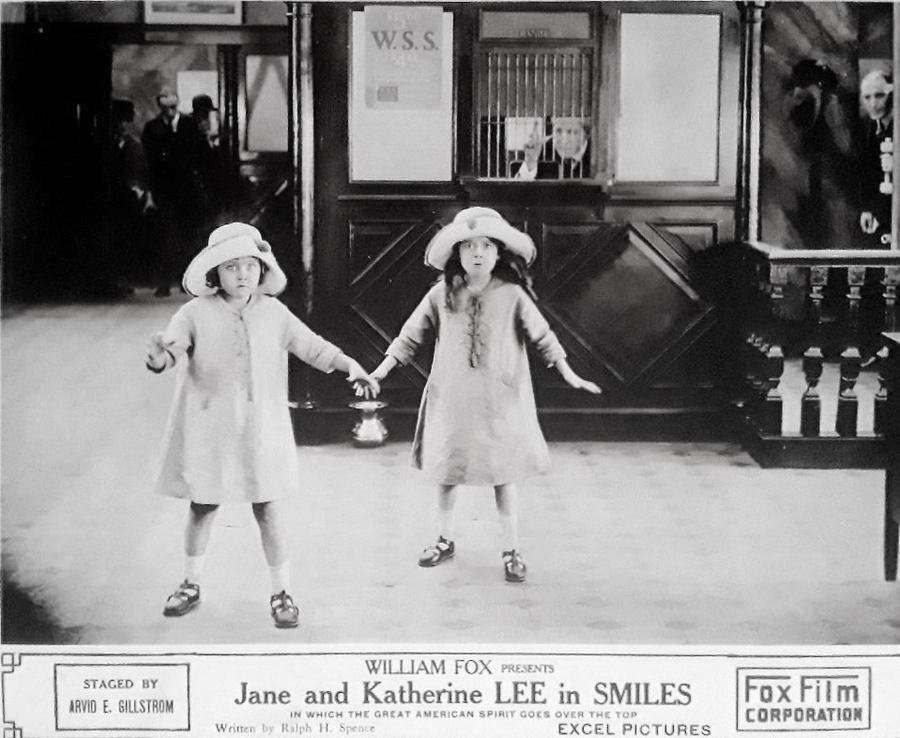
Dir: Arvid E. Gillstrom
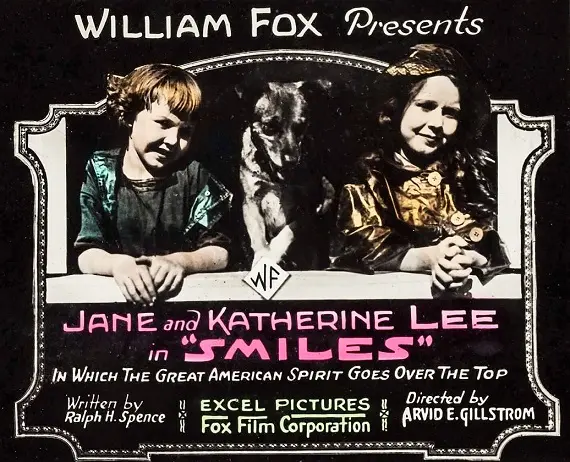
When their father is reported missing at the front during World War I, Jane and Katherine are stamped and sent by parcel post across the country to their Aunt Lucille Forrest in New Jersey. The two girls manage to smuggle their dog into the mail bag as well. Aunt Lucille is in love with Lt. Tom Hayes, but she is angry with him after he resigns his commission at the start of the war. She does not know that Tom is in the Secret Service, and she becomes jealous of a female spy whom Tom is trailing. Jane and Katherine's mischievous pranks finally assist in capturing the spy and the secret plans, and getting Aunt Lucille back together with Tom.
View Details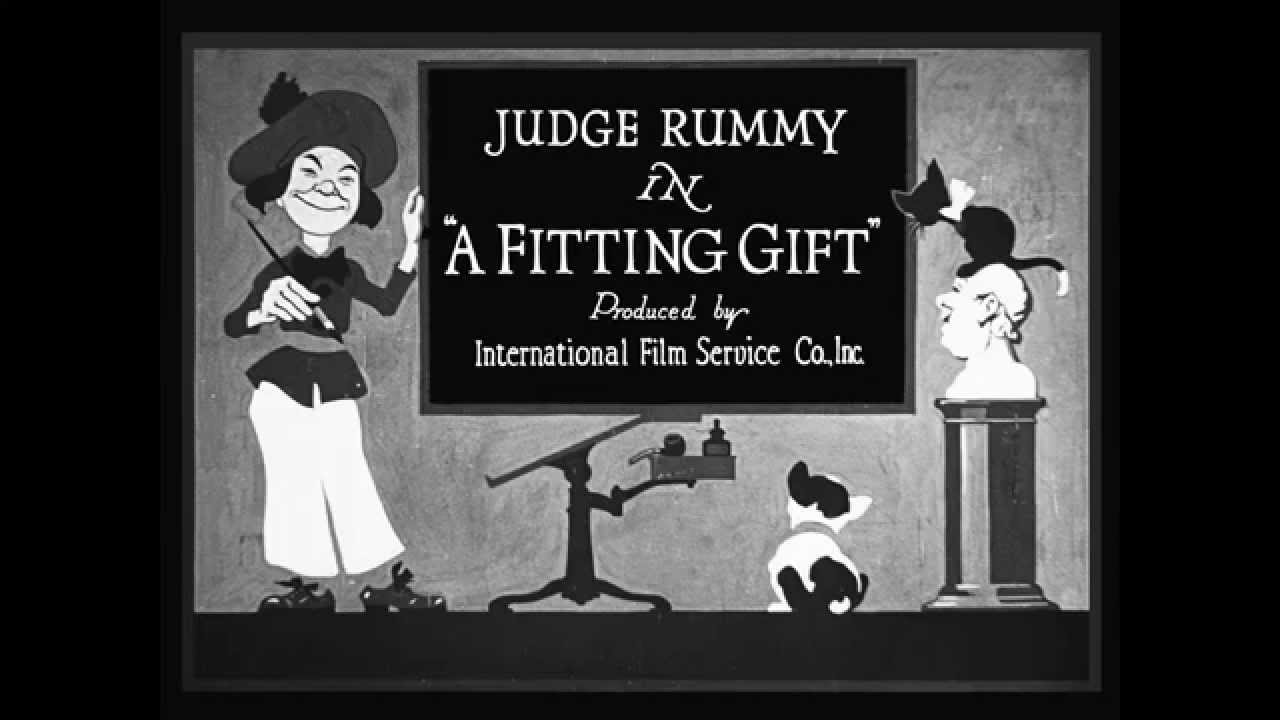
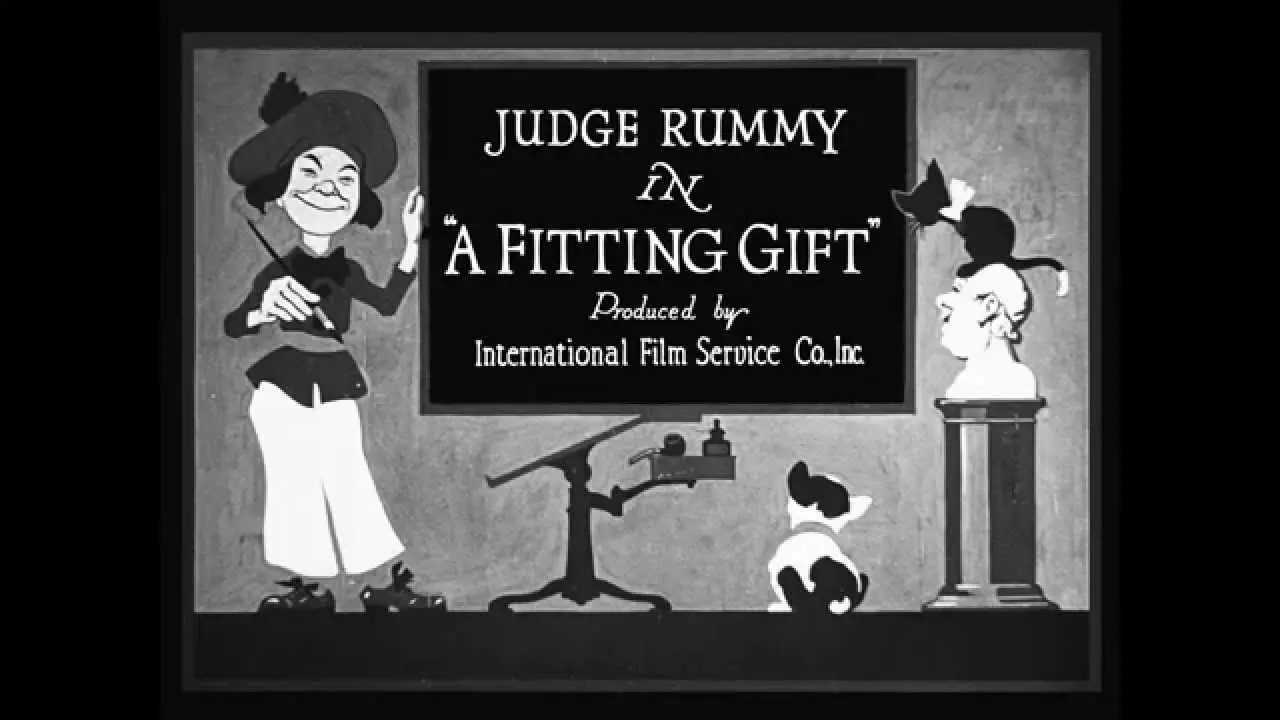
Dir: Unknown Director
The Judge needs a present for his wife's birthday, so Harry suggests a new corset. They go to the shop, but he's so embarrassed to ask the saleslady he hides in a phone booth.Harry goes in, but finds a GUY wearing one, and runs out.They both dress as women to get back in, but Mrs. Rummy gets there and chases him out.
View Details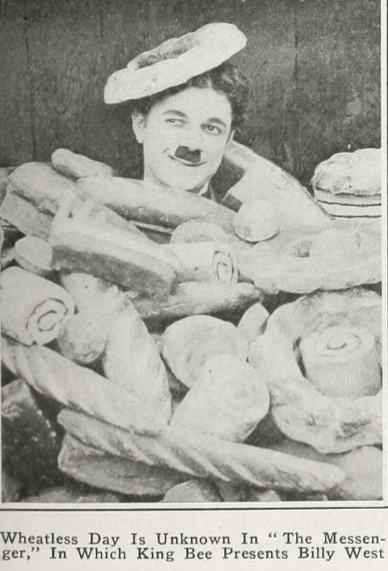
Dir: Arvid E. Gillstrom
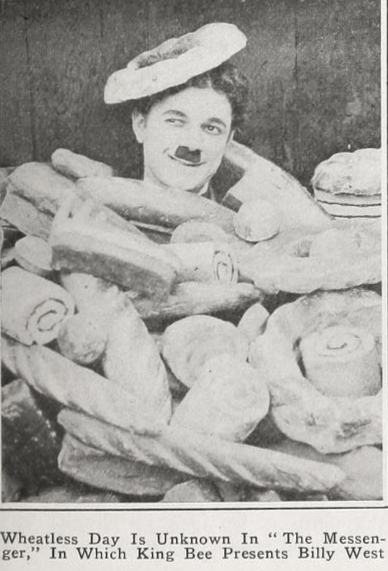
Billy is forced to become a messenger and through this he gets a position as leading man. However, his seriousness spoils the play and nearly results in disaster.
View Details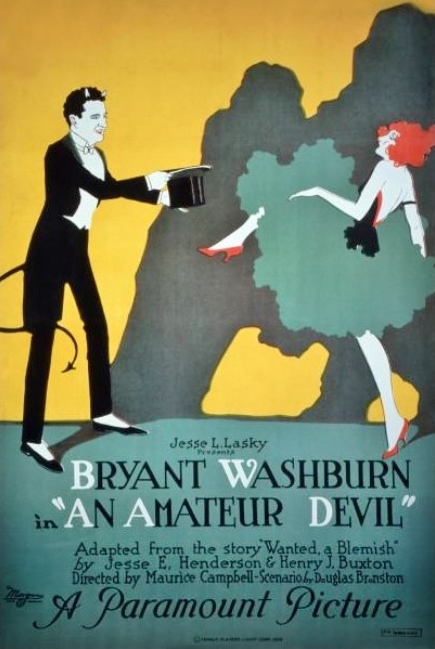
Dir: Maurice Campbell
Carver Endicott, a young sophisticate, is rejected by his fiancée for being too foppish and dull. When she feigns an interest in his father, Carver attempts to disgrace his family name by working as a farmhand and later as a busboy in a hotel. However, the newspapers only praise him for his self-sacrificing principles; and finding that he cannot bring shame to the family through menial labor, he takes up with a notorious actress. But when this maneuver also fails, he returns to his former fiancée, who has no further complaint about his being an inexperienced dullard.
View Details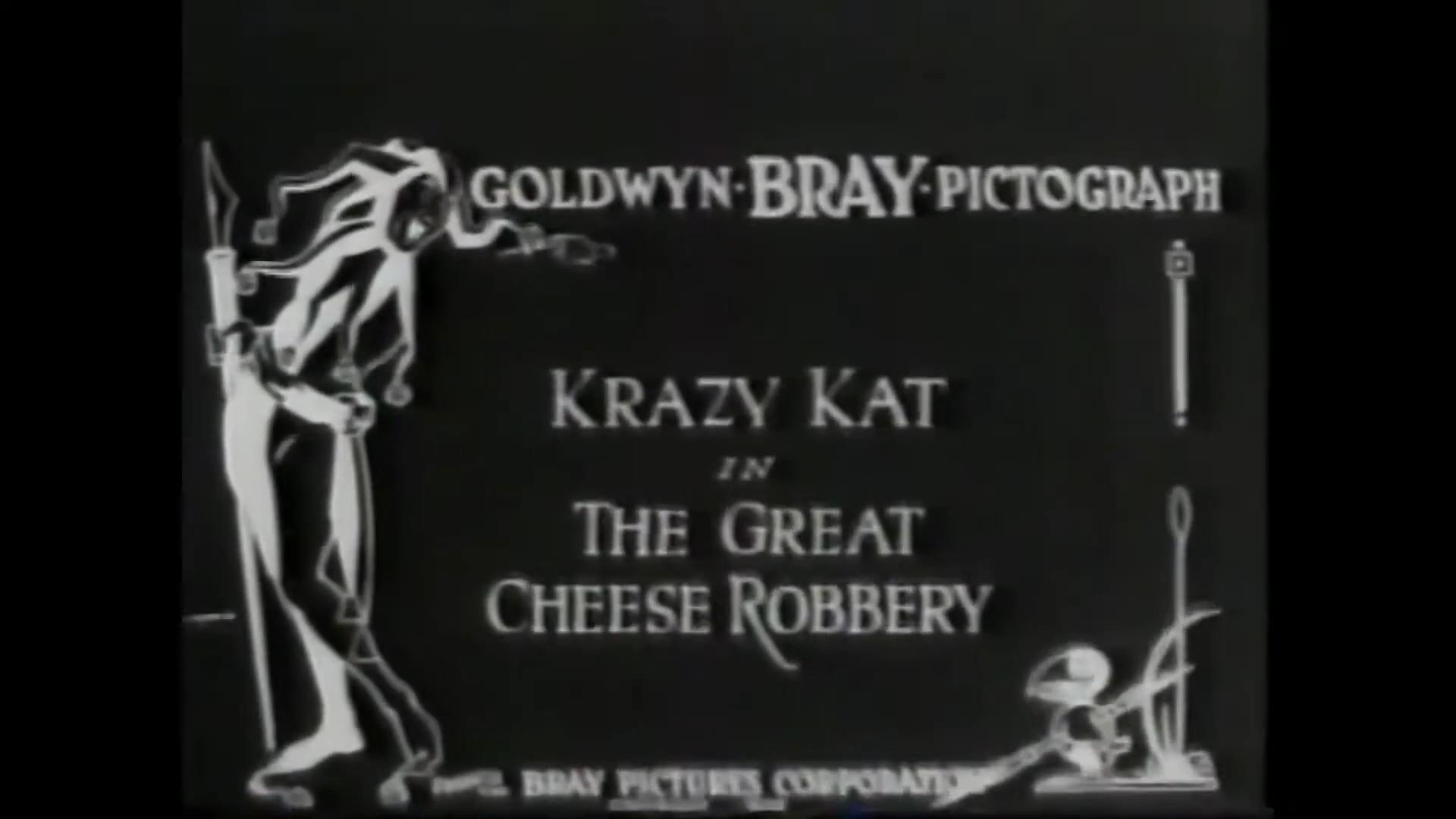
Dir: Vernon Stallings
Krazy Kat is held in jail and Ignatz finally bails him out after encountering "guilt".
View Details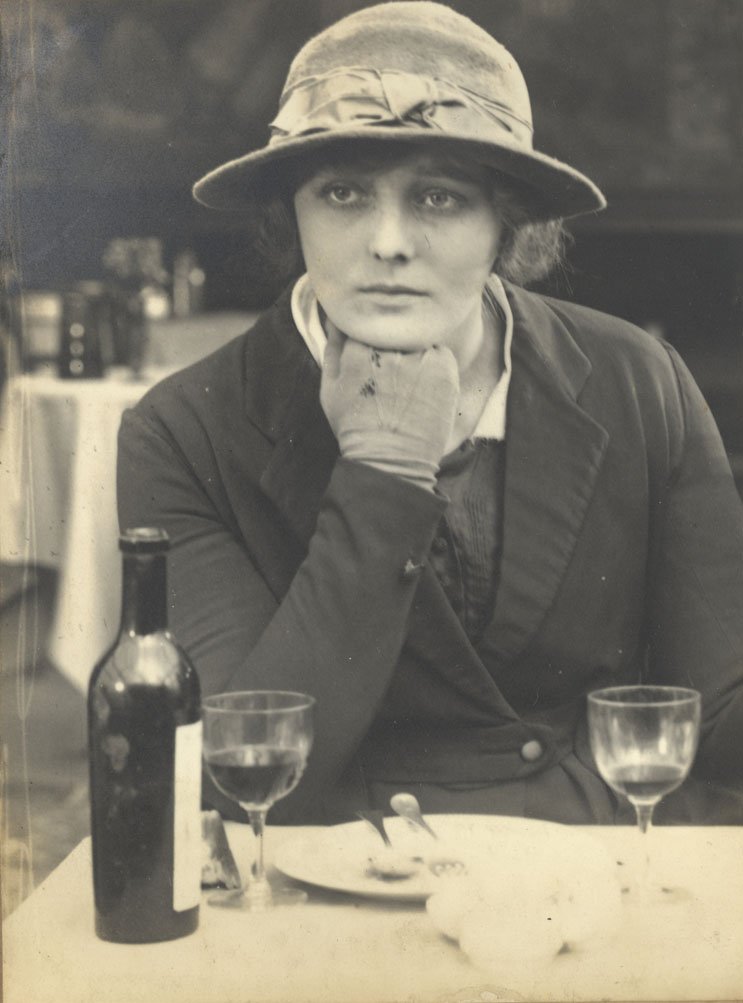
Dir: Henry Edwards
A millionaire bets £25,000 that he can earn his own living for six months.
View Details
Dir: Eduardo Notari
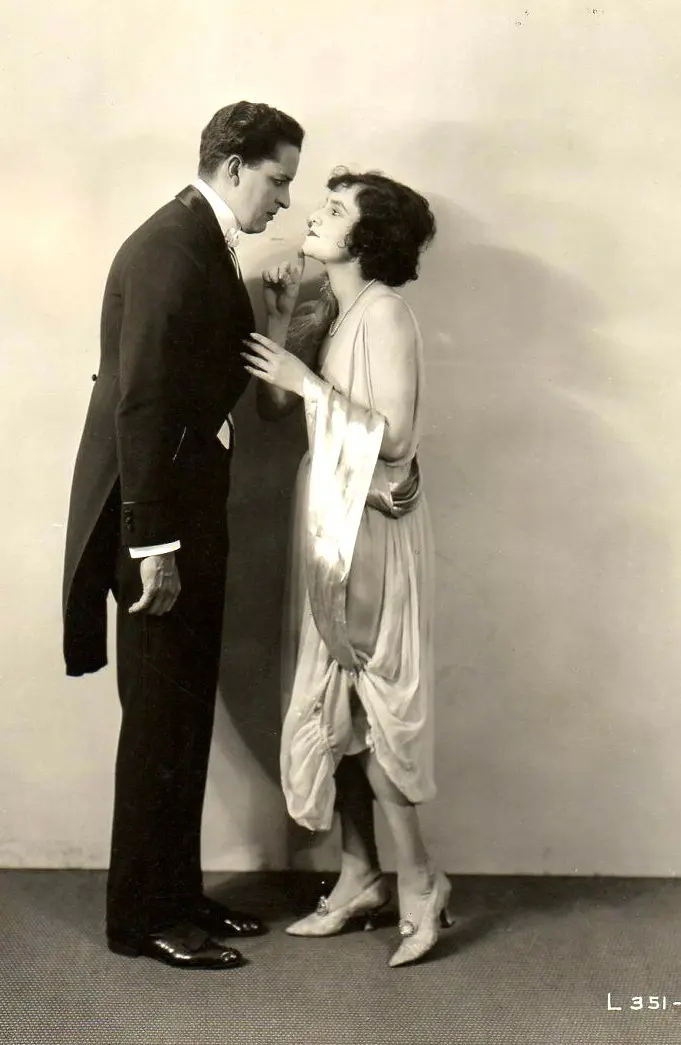
A crime drama in the Gennariello-series. The police detective in Naples that is confronted with modern gangsters and crime events.
View Details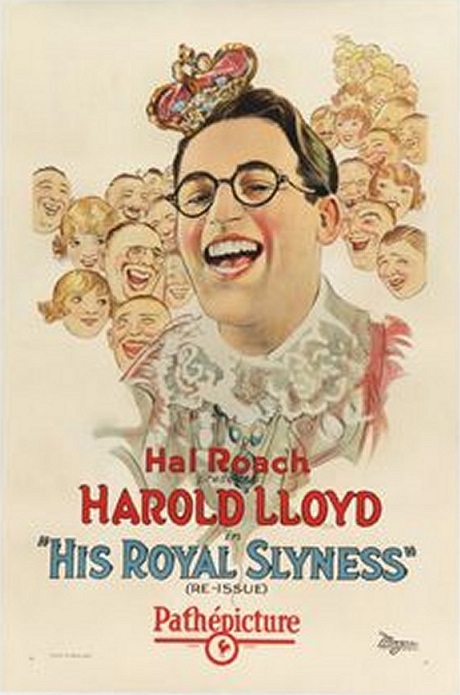
Dir: Hal Roach
An American book salesman (Lloyd) is persuaded to go to the kingdom of Thermosa to impersonate the Prince. He is greeted by a peasants' revolt before the real prince shows up to claim his throne and princess. The revolution succeeds, and the American is elected president of the new republic.
View Details
Dir: Reggie Morris
A fascinating piece of cinema that shares thematic elements.
View DetailsAnalysis relative to Poor Kid
| Film Title | Atmosphere | Complexity | Similarity |
|---|---|---|---|
| The Land of Opportunity | Gritty | Layered | 87% Match |
| Smiles | Ethereal | Layered | 87% Match |
| A Fitting Gift | Surreal | Layered | 96% Match |
| The Messenger | Tense | Dense | 89% Match |
| An Amateur Devil | Tense | Linear | 98% Match |
This guide was algorithmically generated using the cinematic metadata of Arvid E. Gillstrom's archive. Last updated: 6/20/2026.
Back to Poor Kid Details →