
DbcultAccessing Vault...
Recommendations
Senior Film Conservator
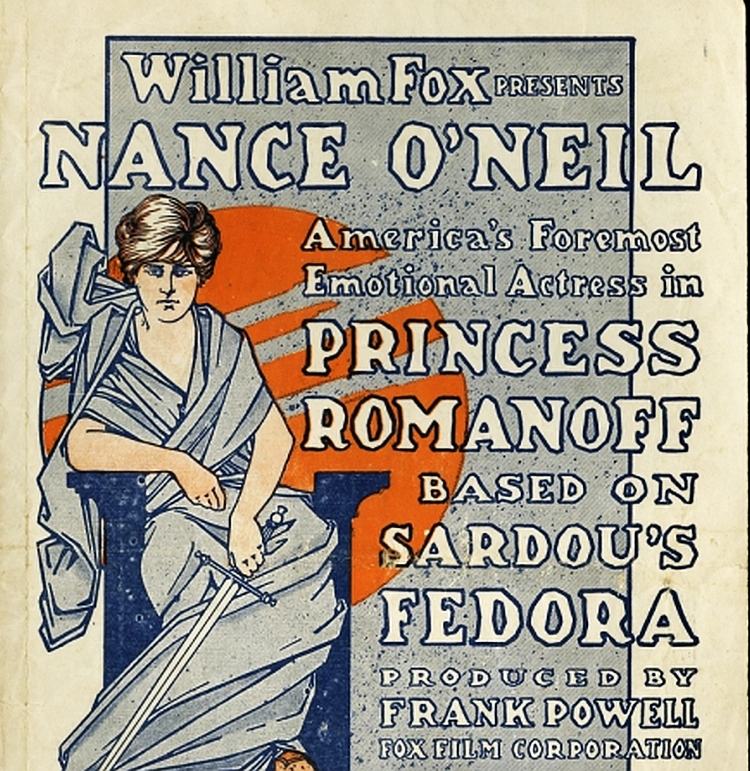
After experiencing the artistic bravery of Princess Romanoff (1915), you are likely searching for more films that share its specific artistic vision. Unlock a new level of cinematic understanding with these cult alternatives.
This 1915 cult classic stands as a testament to push the boundaries of conventional storytelling.
Princess Fedora Romanoff, a wealthy, beautiful St. Petersburg widow, is betrothed to Vladimir Boroff, a young man of high social position in the Russian capital. On the eve of their wedding, Vladimir is murdered and Princess Fedora, transformed by the tragedy from a gentle, loving woman into a tigress, vows to devote her life to finding and punishing the slayer of her beloved. Her quest takes her to New York City.
The influence of Frank Powell in Princess Romanoff can be felt in the way modern cult films handle artistic bravery. From the specific lighting choices to the pacing, this 1915 release set a high bar for atmospheric immersion.
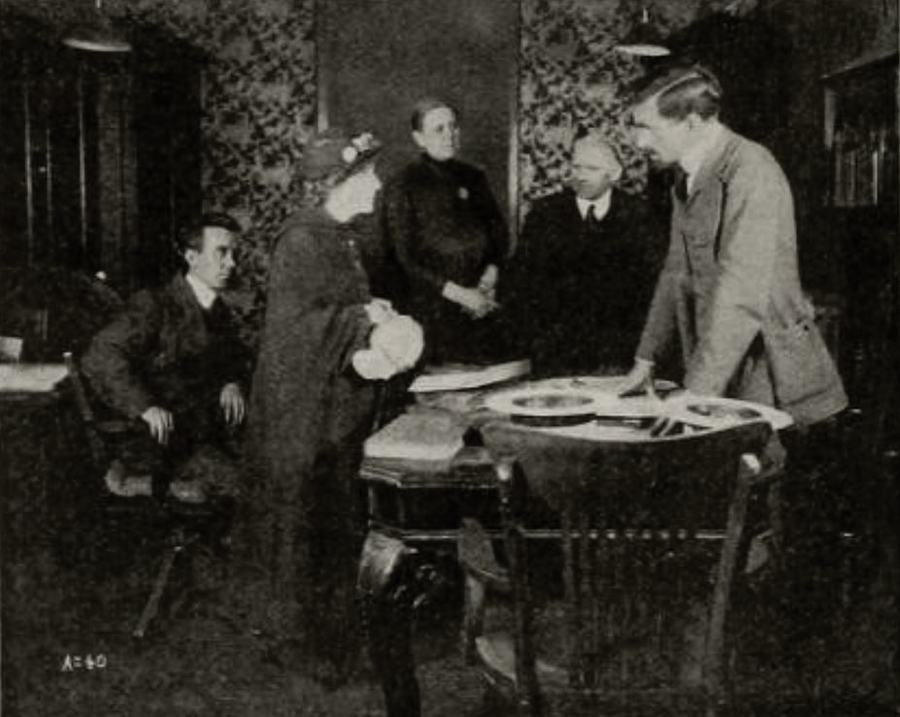
Based on the unique artistic bravery of Princess Romanoff, our vault has identified these titles as the most compelling follow-up experiences for fans of cult cinema:
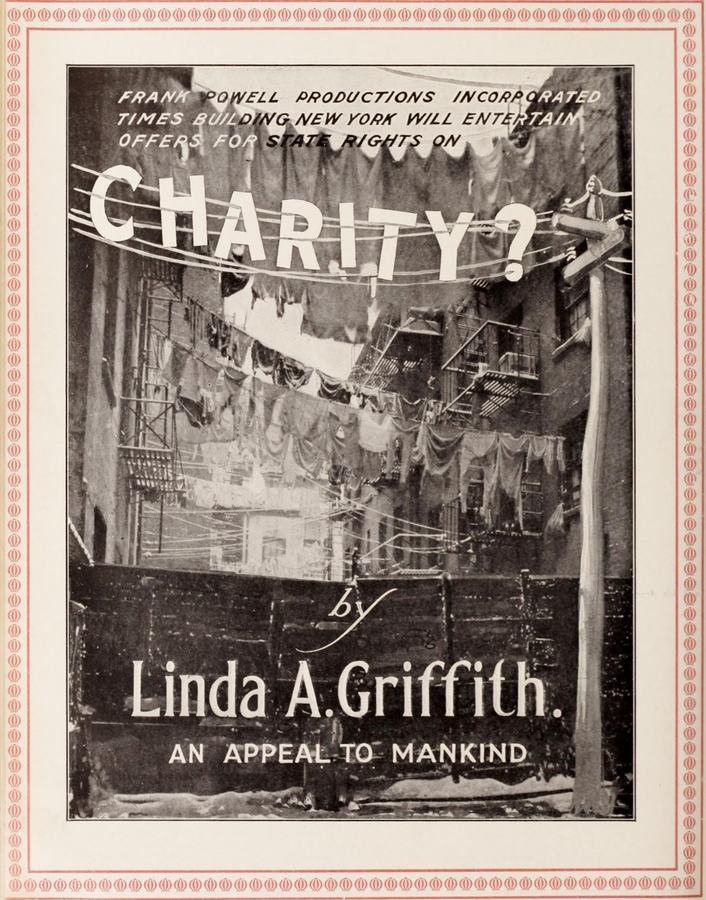
Dir: Frank Powell
A fascinating piece of cinema that shares thematic elements.
View Details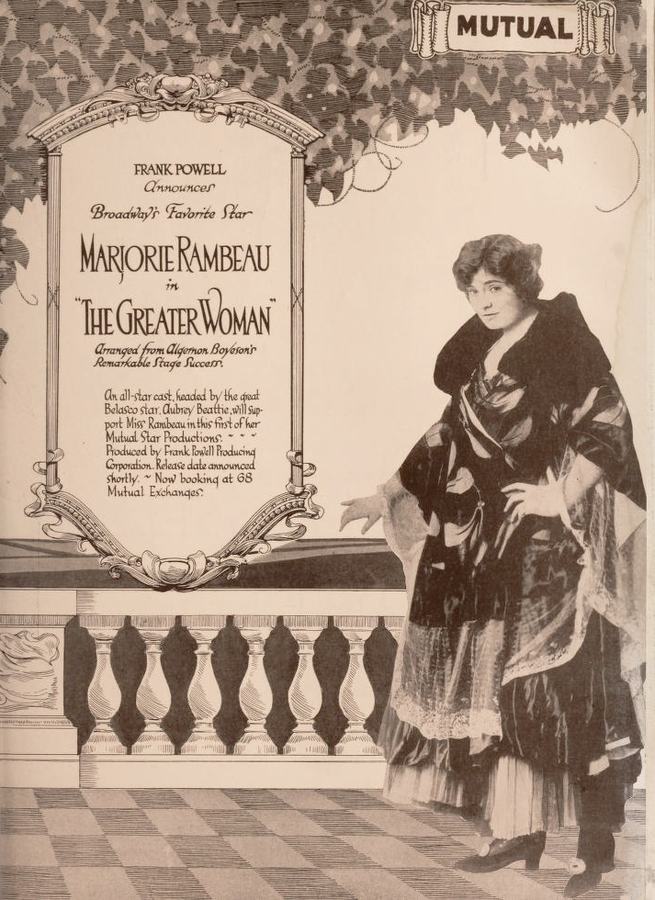
Dir: Frank Powell
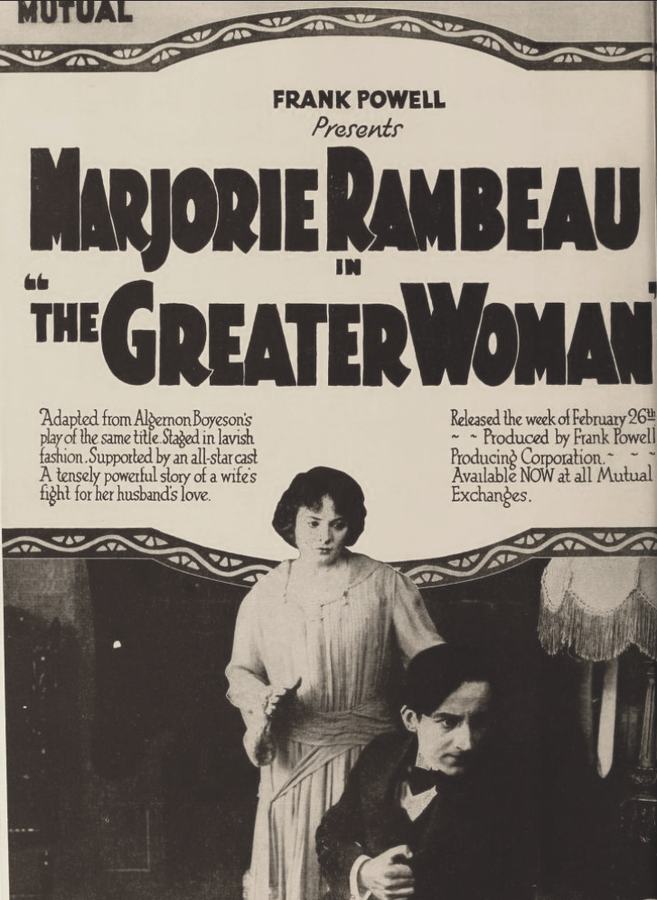
Farmer Leo Bannister is crazy about his neighbor Auriole Praed, but she finds him to becoming on too strong. She travels to Paris to see her brother, and there falls in love with and marries Otto Bettany, a young painter. When the couple return home, Bannister--still carrying a torch for Auriole--plots to claim Auriole for himself by using a beautiful young actress to work her "charms" on Otto and then showing Auriole how untrustworthy her new husband is.
View Details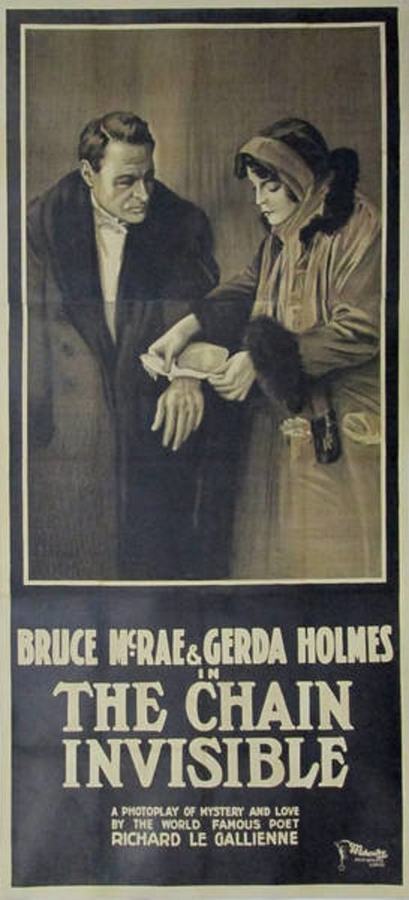
Dir: Frank Powell
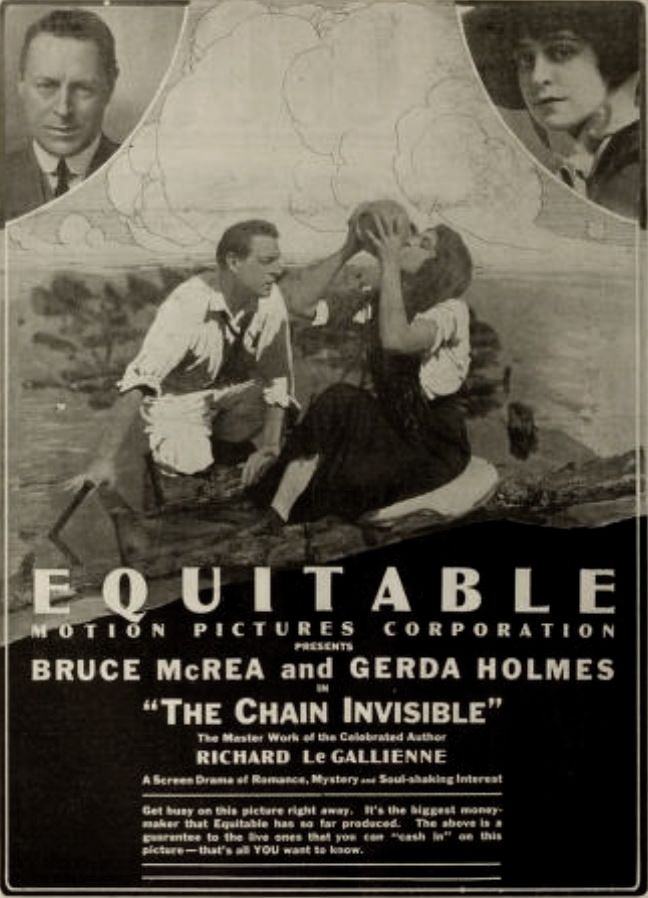
James Wadsworth sets his sights on lovely society girl Anna Dalton and determines to marry her. To achieve that goal, he follows her everywhere she goes, including on a ship to South America. He comes up with a plan to make her love him: he throws her overboard, follows her over the side, and swims with her to a deserted island. His somewhat unorthodox method works and he wins over Anna, but problems arise when Richard Towne, Anna's fiancé who has been searching for her, finds the island and discovers the two.
View Details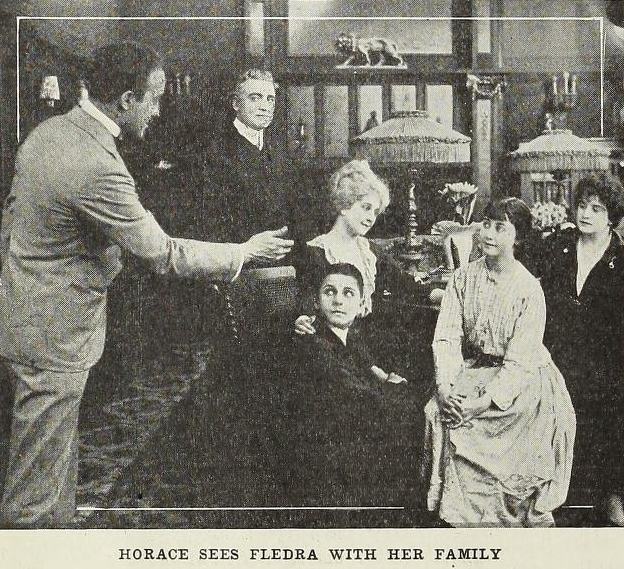
Dir: Frank Powell
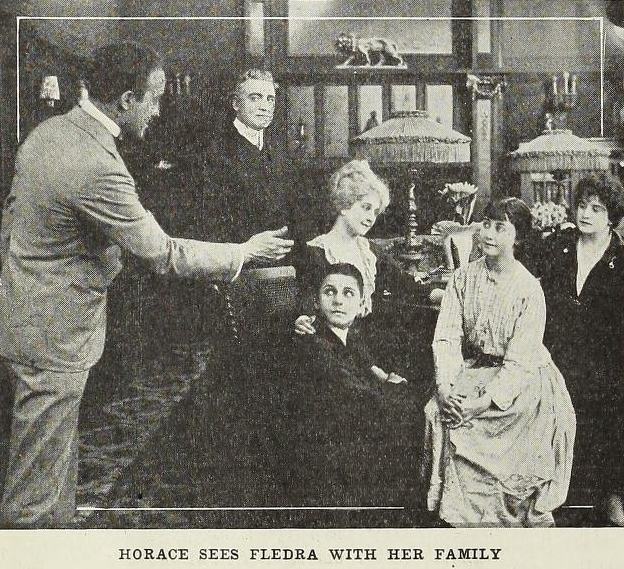
A baby is left on the Brinbecombes' yacht while they are sailing up the Hudson River, and they adopt him and name him Everett. They are neighbors of Governor Floyd Vandecarm whose twin children, Floyd Jr. and Fledra, were kidnapped in early infancy. Their abductor was Lon Cronk, a man sent to prison by Vandecar when the latter was a district attorney of the county. The twins grow up in Cronk's shack as "Flea" and "Flukey." Despite her rough surroundings Fledra/Flea grows into lovely young womanhood and she and her brother run away from Cronk's cruelty. They reach Tarrytown and peer into the lighted windows of the home of siblings Horace and Anne Shellington. Anne brings the two young vagrants into the house and ultimately adopts them. But Cronk, aided by Everett, wages a long, evil campaign to regain possession of the children.
View Details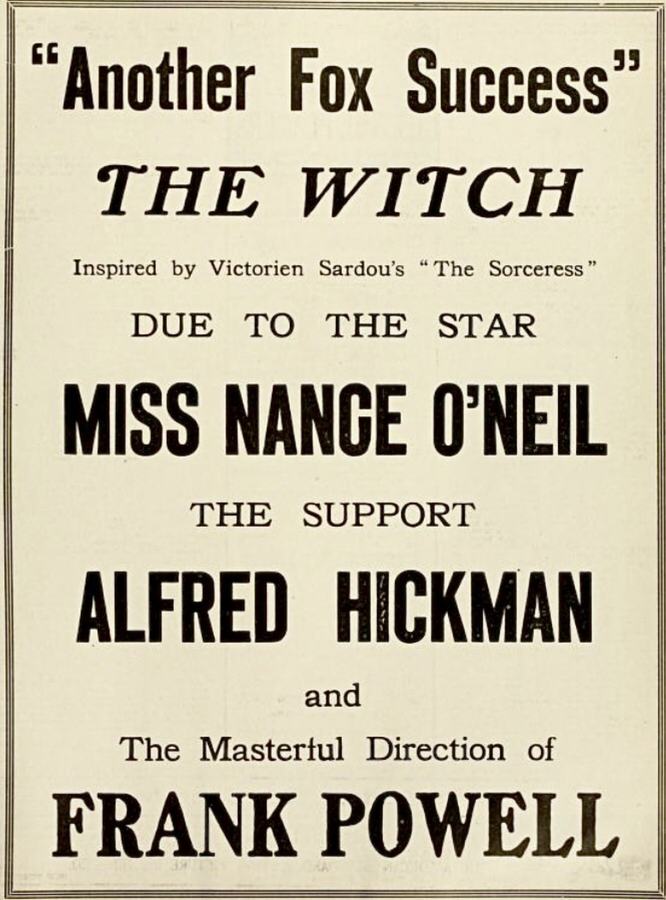
Dir: Frank Powell
Dr. Fernandez is believed by Mendoza, the military governor of Mexico, to possess hypnotic powers. Mendoza is in love with Dr. Fernandez's daughter Zora. When Zora displays no love for him, Mendoza assumes that the father is responsible for the failure of his suit. So great becomes the hatred between the two that when a faction of insurrectionists arises, the doctor places himself at its head and leads it against the Government. Dr. Fernandez is killed in battle. Meanwhile, the Governor's daughter Dolores suffers from somnambulism. While she is anxious to be cure, she dislikes to inform her father or her lover that she is so afflicted. Finally her old nurse makes the fact known to Zora, who possesses the hypnotic power that was her father's. Dolores submits to treatment at Zora's hands and is cured, Zora unaware that Dolores is engaged to Riques--Zora's sweetheart. When she does learn that the wedding day is set, she goes into a rage and contrives to get into the palace by night and hypnotizes Dolores. Shortly thereafter, Zora is denounced as a witch and carried away by an angry mob to be burned at the stake. Just before the torch is applied, the old nurse makes known to the Governor that his daughter has the habit of sleepwalking and is in a trance from which she cannot be roused. She also informs him that only person who can cure Dolores is Zora. At the last instant, the Governor stays the burning of Zora and promises her freedom if she will bring Dolores from her lethargic state. Zora, believing that the Governor is acting in good faith, goes to the palace and awakens Dolores. When she is found to be safe, the Governor goes back on his word and commits Zora to prison. She escapes, however, and Riques, who realizes that he loves Zora more than Dolores, runs away with her. The two are captured after a fight, and in the end Zora is put to death.
View Details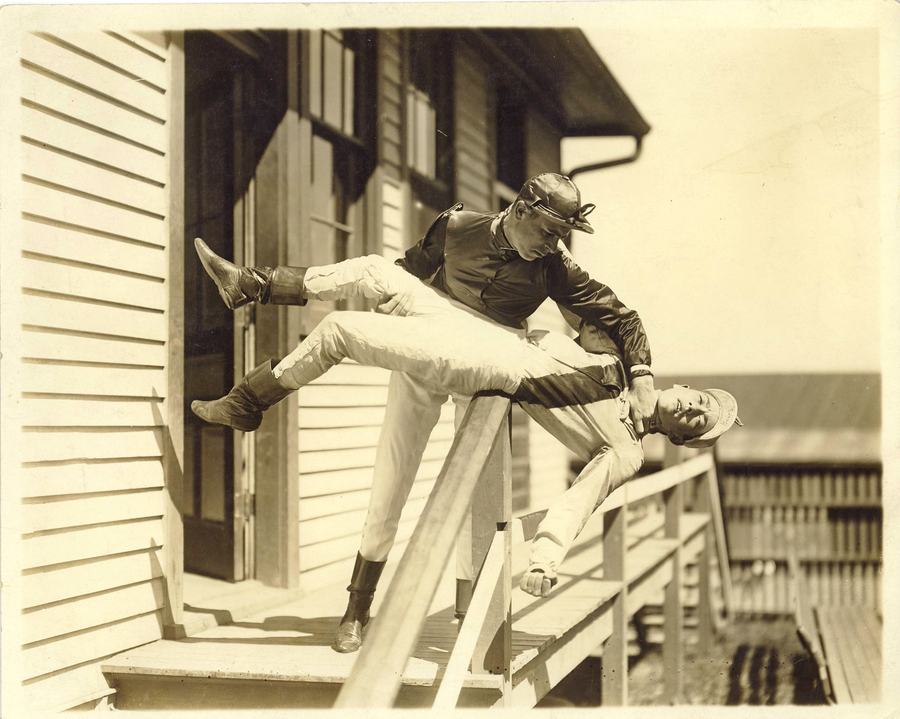
Dir: Frank Powell
Former newsboy and jockey Joe Braxton, becomes a millionaire rancher and decides to visit New York. He soon becomes the prey of swindler Tom Linson and socialite Viola Grayson. Linson defrauds Braxton's old employer, Colonel Downs, and attempts to corrupt Eleanor, the colonel's daughter. When Eleanor learns that Linson intends to destroy Joe on the stock exchange, she warns him, disregarding Linson's threat to ruin her reputation. Eleanor is too late, but Joe recovers his losses by riding Mongrel to victory in the Kentucky Futurity, after having stacked his last dollar on the horse's success.
View Details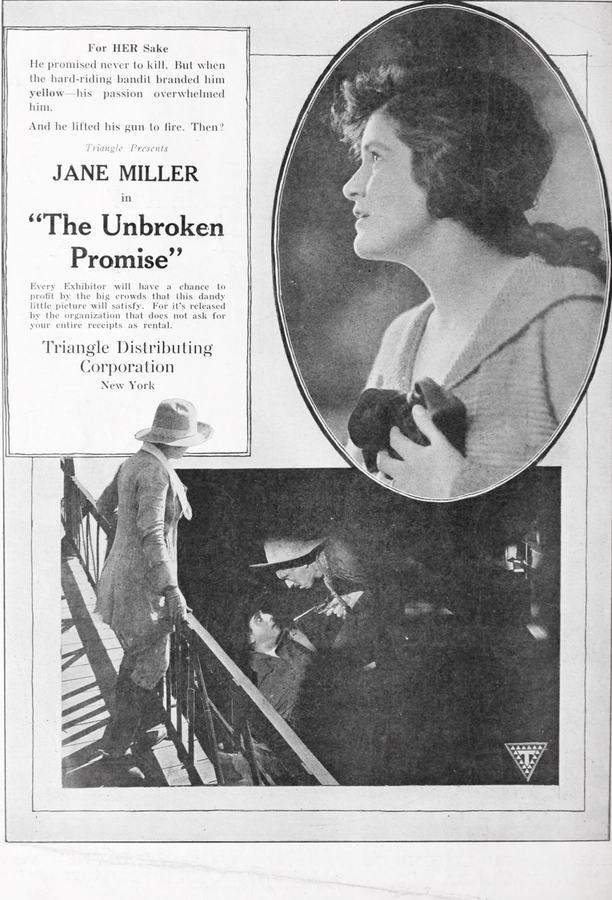
Dir: Frank Powell
Nell Loring, a Texas sheep rancher's daughter, stops a fight between her father and his neighbor John Corliss, a cattleman, who have feuded for years. Although John loves Nell, he keeps it secret when she promises to marry his errant brother Billy if he stops drinking. After John rescues Nell from a runaway horse, though, she confesses that she really loves him. Worried about the feud, Nell makes John promise never to kill anyone. After Billy is wounded in a barroom brawl, John refuses him money until he reforms. Angered, Billy plots with Fadeaway, a cowboy John dismissed, to rob John's safe. John remembers his promise during his subsequent fight with Fadeaway and only punches him soundly. After Fadeaway is killed by the sister of a woman he betrayed, John, believing that Nell killed him, plants evidence to convict himself. Although Billy, now reformed, tries to take the blame, the murderer's written confession frees John to marry Nell.
View Details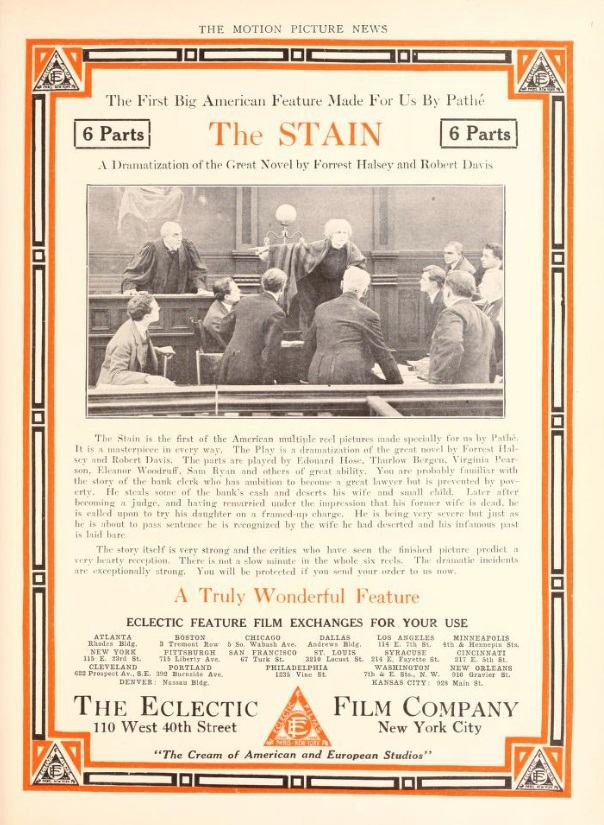
Dir: Frank Powell
Stevens, the bank clerk, is ambitious. His great desire is to become a lawyer. He stays at the bank at night to study, but is unable to take a course at college owing to his poverty. He handles immense sums of money every day and is strongly tempted to steal some, but fights off the desire till one evening when a belated customer comes late to the bank with a deposit of several thousand dollars. He sees a way for his ambition to be gratified and takes the money. His wife refuses to go with him, so he deserts her and his small daughter and goes away. Some time later we see him in a strange town living under an assumed name. His ambition has been gratified and through the good will of the political boss he has been made a judge. He falls in love with the daughter of his friend, the boss, but is deterred from marriage by the thought of his wife whom he had deserted. In the meantime Mrs. Stevens has become destitute and unable to support her daughter. She takes her daughter to an orphan asylum and releases all claim on her. Mrs. Stevens is unable to obtain work and at last is found unconscious and taken to a hospital. Her handbag, containing her identification papers, is lost and picked up by another woman who is in the last stages of exhaustion. The woman succumbs to the cold and on being found is thought to be Mrs. Stevens. Her death as Mrs. Stevens is reported to the papers. Judge Harding (formerly Stevens) sees the report of the death and marries the daughter of the boss. The boss decides to run Judge Harding for governor of the state, but his choice is attacked very strongly by a young lawyer, Norris. The boss and Harding try to buy Norris, but finding that he cannot be reached they decide to "frame up" his sweetheart in order to break his determination to prevent the election of Harding. They get her into trouble and Judge Harding is appointed to try the case. He is conducting the case in a very severe manner with a decided feeling against the prisoner. The superintendent of the orphan asylum has followed the course of the little girl's life and comes to the city to see her. She recognizes Mrs. Stevens as the woman who left the child at the orphanage and takes her to see the trial. As Mrs. Stevens enters she recognizes in Judge Harding the man who deserted her so many years ago. While the jury have retired to settle the case Mrs. Stevens accuses Judge Harding. The sudden excitement causes an attack of heart failure just as the jury return with a verdict of "Not Guilty."
View Details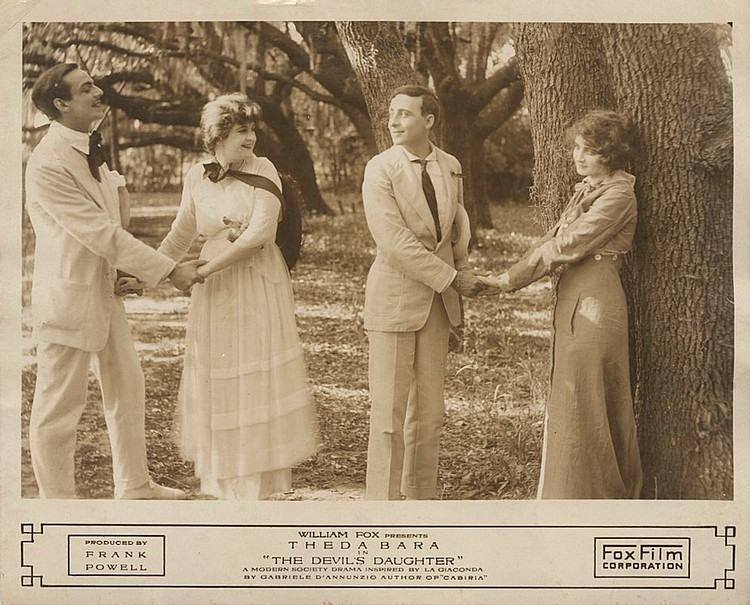
Dir: Frank Powell
When her lover deserts her, Gioconda Dianti seeks revenge by wrecking the lives of other men. When famous sculptor Lucio Settala meets her and asks her to pose for him, she sets out to ruin him. She captivates the artist with her charms, and he soon forgets his wife Silvia, their daughter Little Beata, and even his work. After Gioconda defies Silvia to take her husband back, Lucio shoots himself in a fit of desperation. Although Silvia nurses him back to health, Lucio soon returns to the enticing Gioconda. When Silvia's subsequent quarrel with Gioconda becomes a fight, Gioconda attempts to destroy Lucio's statue, but it falls on Silvia and is saved. Silvia, however, is crippled for life. Because of this, Lucio's sanity is affected and he becomes a raving maniac. Later, cast aside by her "man of the world," Gioconda also descends into madness.
View Details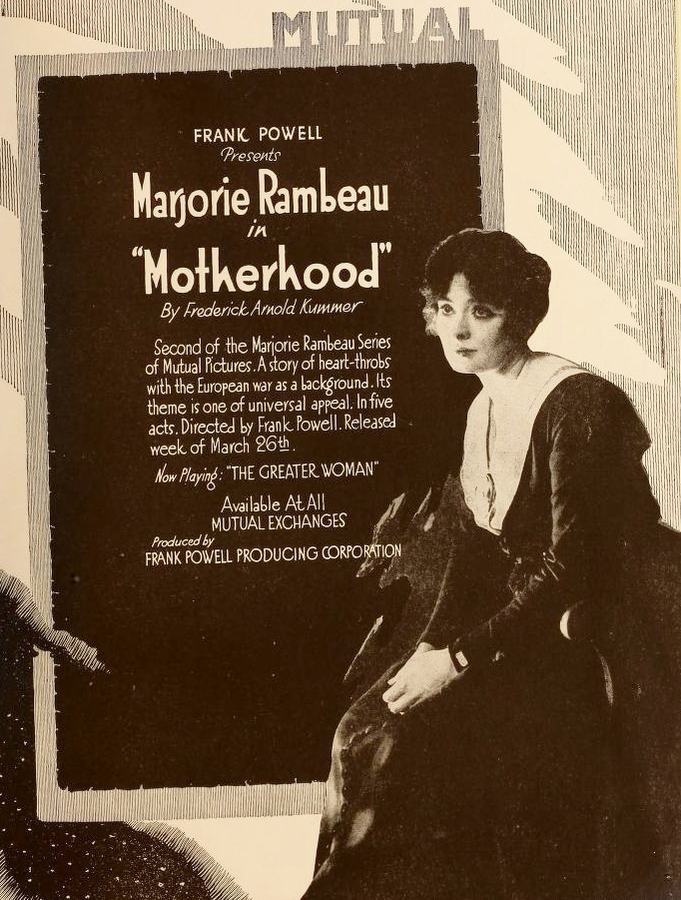
Dir: Frank Powell
The husband and wife of a typical American family read the story of Albert and Louise, European peasants. Albert, called to war, is able to come home but once during the conflict. The captain of the enemy takes up his headquarters in Albert's house and forces his attention upon Louise. War over, Albert returns home rejoicing in the news of the birth of a son. He is told Louise has never looked at or touched the baby. Demanding an explanation Louise tells of the visit of the captain. Albert would kill the child, but Louise's motherhood asserts itself and she saves its life. The American family rejoice on completing the story that America is at peace.
View DetailsAnalysis relative to Princess Romanoff
| Film Title | Atmosphere | Complexity | Similarity |
|---|---|---|---|
| Charity | Surreal | High | 86% Match |
| The Greater Woman | Gothic | Abstract | 87% Match |
| The Chain Invisible | Gritty | High | 85% Match |
| From the Valley of the Missing | Ethereal | Dense | 85% Match |
| The Witch | Gritty | Dense | 87% Match |
This guide was algorithmically generated using the cinematic metadata of Frank Powell's archive. Last updated: 6/26/2026.
Back to Princess Romanoff Details →