
DbcultAccessing Vault...
Recommendations
Senior Film Conservator
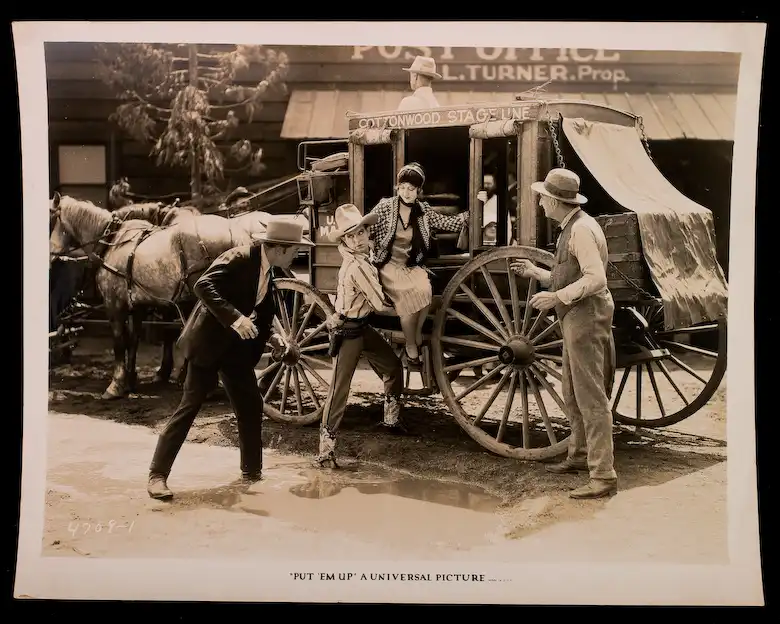
After experiencing the emotional resonance of Put 'Em Up (1928), you are likely searching for more films that share its specific artistic vision. Unlock a new level of cinematic understanding with these Western alternatives.
This 1928 Western classic stands as a testament to push the boundaries of conventional storytelling.
Tom Evans and his cronies see the local stage intercepted by Lannister's men, one of whom, Mullins, tries to force his attentions on a passenger, Helen Turner, who is returning from school.
The influence of Edgar Lewis in Put 'Em Up can be felt in the way modern Western films handle emotional resonance. From the specific lighting choices to the pacing, this 1928 release set a high bar for atmospheric immersion.
Based on the unique emotional resonance of Put 'Em Up, our vault has identified these titles as the most compelling follow-up experiences for fans of Western cinema:
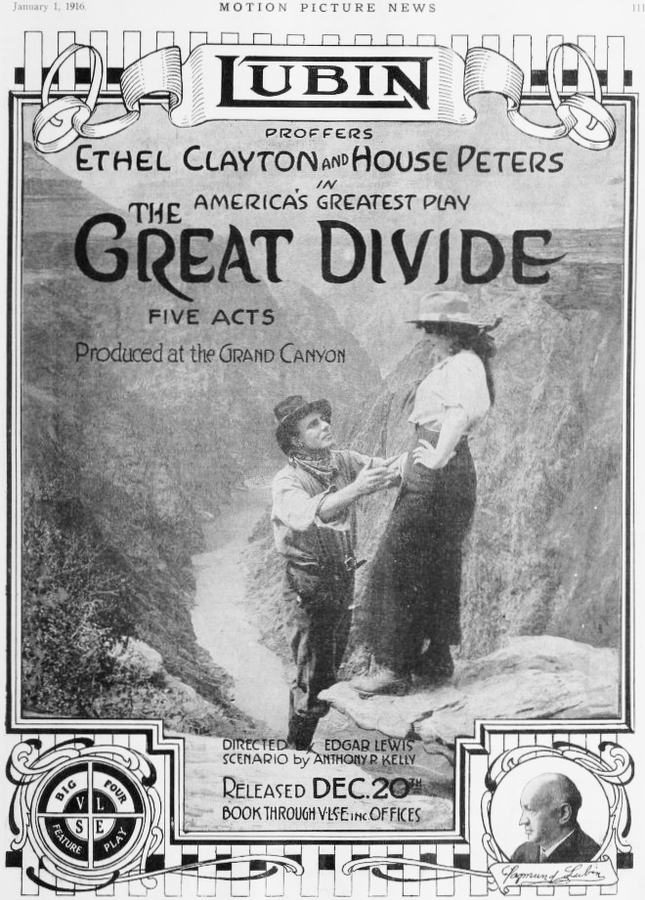
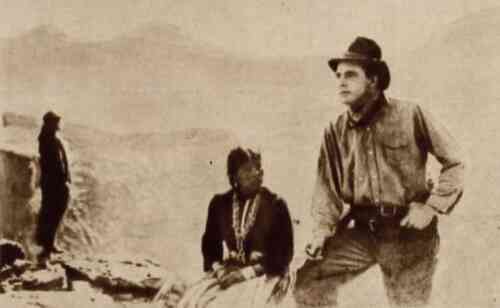
Dir: Edgar Lewis
The Jordans, Phil and Ruth, accompanied by Philip's wife, Polly, and Dr. Winthrop Newbury, a suitor for Ruth's hand, bid old Mrs. Jordan good-bye at the station of Milford Corners, Mass., and depart for the west, to work over some unredeemed desert land, which was left to the Jordans by their dead father. Arriving in the west, they take up their work, but it proves anything but a success. On the brink of the Great Divide lives Stephen Ghent, an untamed and untrained man of the west, and on account of his manner is respected by the habitués of Miller's saloon and dance hall in the town, which he and two of his acquaintances in the persons of Pedro, a half-breed Mexican, and Dutch, a brutal type of the west, frequent. Polly tires of western life and jumps at the chance to take a trip to Frisco. Philip drives her down to the station that night. On an adjoining ranch a cowpuncher is seriously hurt and a boy is dispatched for Dr. Newbury. After cautioning Ruth to retire early, the doctor takes his leave. Stephen Ghent, Pedro, and Dutch are down in the town drinking. They afterward depart and start up the Coldwater Trail, which runs alongside of the Jordan home. As they pass the dimly lighted cabin, they see a woman standing in the doorway. Cautiously approaching the door, they enter the cabin and Ruth is overpowered. Dutch and Ghent fight a duel for her in which Dutch is killed. Pedro is bought off by Ghent with a string of nuggets, and Ruth belongs to him. In the man of the woods, Ruth recognizes the ideal man she desires for a helpmate. Ruth agrees to marry Ghent and live as his wife in name only until he has changed his character. Ghent agrees and they are married. Ghent then brings her to his cabin. As day by day goes by, Ruth begins to see other qualities in her husband and also to believe in him. One night, however, Ghent filled with a desire for her and goaded on by the whiskey that is in him breaks his promise. Ruth denounces him for his actions and tells him that not until he has purged himself through suffering will she ever believe in him again. She also tells him that she is going to earn enough money to buy back the string of nuggets from Pedro, with which he managed to get her into his power. Some time later Ruth departs for town to sell her last blanket. She has been weaving Navajo blankets in order to raise the necessary amount to buy back the nuggets. In the meantime the Jordans become disgusted and prepare to go back east. While waiting at the station they find Ruth, who has just completed the sale of her blanket. They see her start up the trail and follow her on foot. Ruth buys back the string of nuggets from Pedro, but she has not time to turn it over to Ghent upon her arrival at the cabin before she is overtaken by the others. It is her desire to have them believe she is happy and refuses to go back east with them. She introduces Ghent to them just as they are ready to catch the train. Ghent, unable to understand her changed attitude, starts to thank her. She tells him that circumstances forced her to act as she did, but that she is now able to buy back her freedom from him. Ghent is stunned, and at first refuses to let her go, but when she tells him of the life that is to come and that it is their duty to protect its happiness through a mother's love, he finally releases her from her promise, and Ruth, with the sense of newfound freedom, starts down the trail to overtake the others before it is too late. Ghent's attention as he looks after her is suddenly attracted to a bit of trembling earth on the mountainside. He realizes the great danger that Ruth is in and starts down the trail to rescue her. He is just in time and has thrown her to one side when the landslide comes upon him and carries him into the valley below. The rumbling sound has caused the others to look back. A reunion takes place over the injured Ghent. He is brought to the cabin, where he recovers under the care and attention of Dr. Newbury and Ruth. Ruth tells him that he has purged himself through his suffering and once more the couple start out in life upon a happier basis.
View Details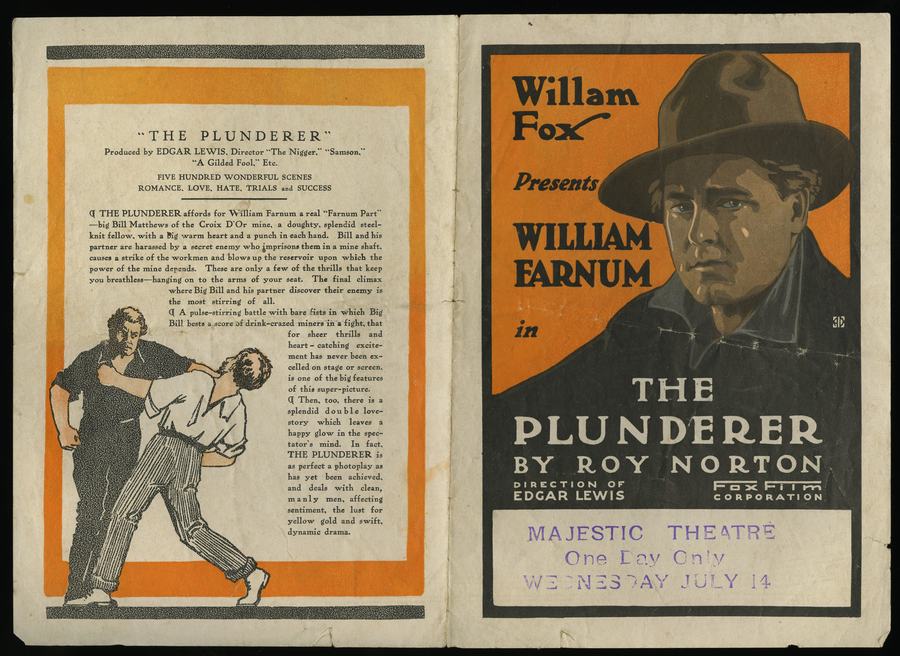
Dir: Edgar Lewis
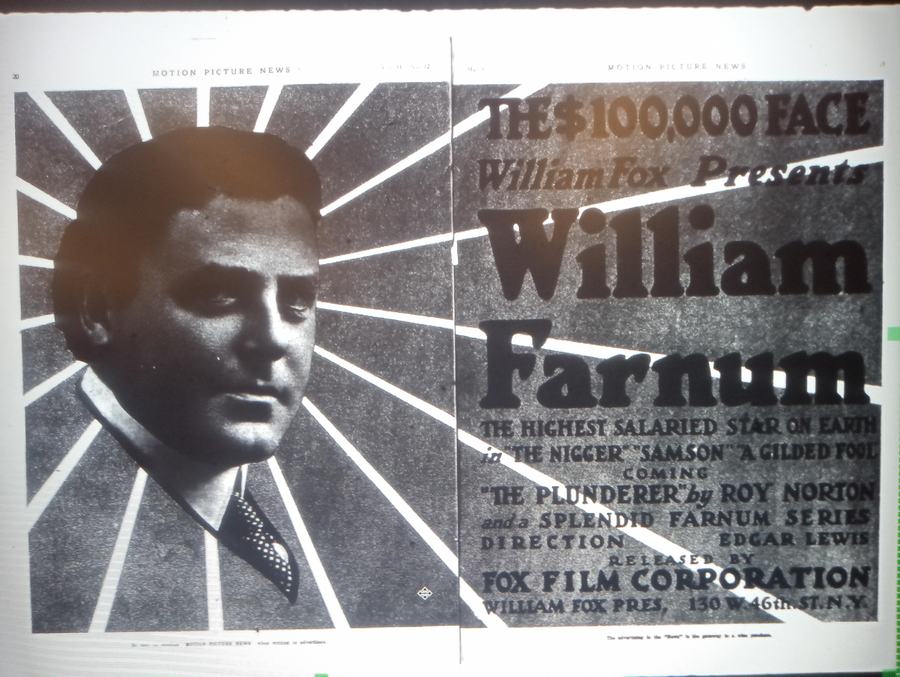
Bill Matthews and his partner, owners of the "Croix D'or mine, are beset on all sides dues to the schemes of a trusted colleague who plots to take their mine away from them, and leaves no under-handed method un-attempted in the process.
View Details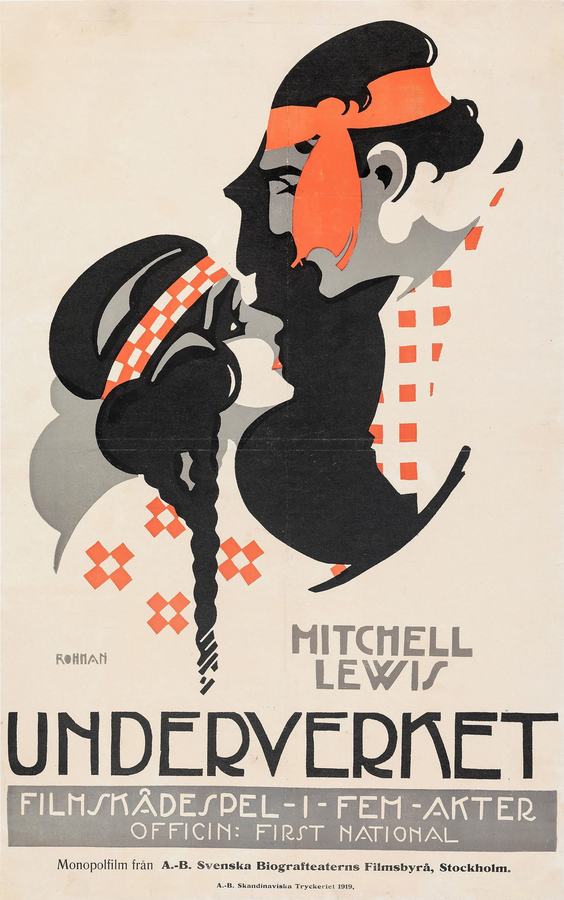
Dir: Edgar Lewis
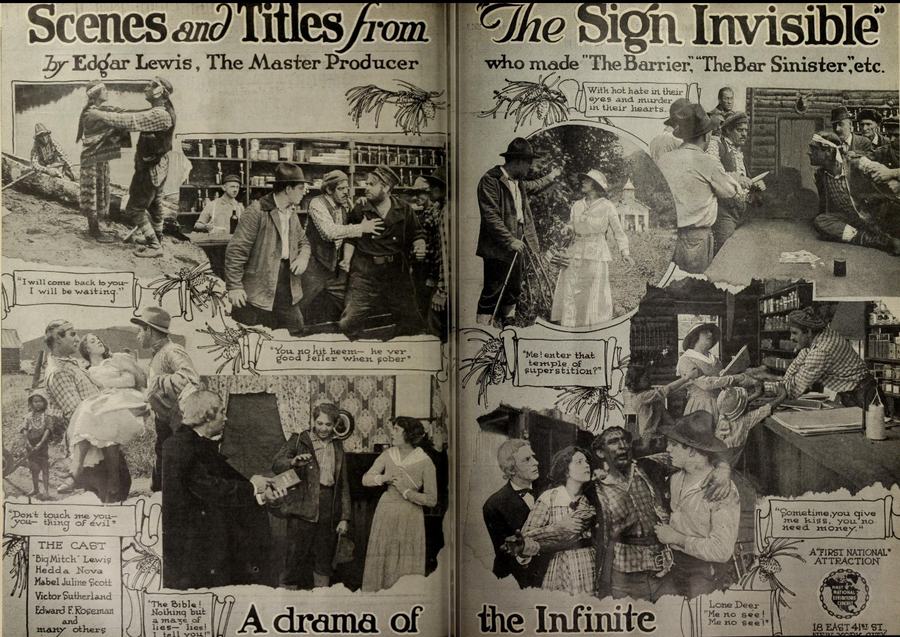
Dr. Robert Winston loses faith in himself and his religion when his own mother dies under his scalpel. Abandoning his profession, he moves to the Canadian Northwest, where he avoids companionship and drinks constantly. Despite Robert's atheism, he attracts the interest of Jeanette Mercier, the minister's daughter, and under her gentle influence, he is slowly regenerated. In the meantime, an Indian named Lone Deer bids a temporary farewell to his sweetheart Winona, whose father wishes to die among his own people, but when he finds her canoe overturned in the water, he assumes that she has drowned. Later Lone Deer saves Jeanette from Lou Baribeau, the brutal and lecherous company agent, but is seriously wounded in the struggle. Rev. Mercier convinces Robert to operate, and because the procedure proves successful, the doctor regains his faith and marries Jeanette. Winona finally returns to aid in Lone Deer's recovery.
View Details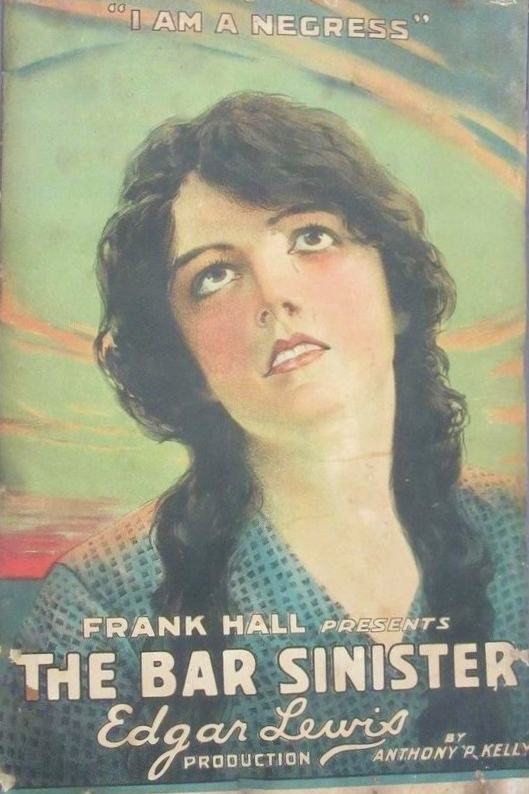
Dir: Edgar Lewis
Stolen when a baby by a mulatto woman, who becomes a half-crazed witch, and raises her to beautiful womanhood with the belief that she is her own daughter, Belle cannot bring herself to mix with her race and accept the attentions of a noble character in the person of Ben Swift, in whose veins the blood of the red, white and black races are mixed. A handsome white stranger. Page Warren, from the North, who believes her a white girl, falls in love with her. She returns his love while at the same time hiding the fact that she is the negro witch, Lindy's, daughter. Page incurs the hatred of the bad element among the blacks, while failing to appreciate that there is also a good element among whom are men and women as noble as any of his white companions. He incurs the hatred of Ben Swift, who misinterpreted his attentions to Belle, and resents the mixing of the races, not knowing that Belle has not disclosed her identity to Page. The attacking of Page by a gang of bad blacks, following his fight with one of their leaders, his rescue by Ben Swift, who has learned of Belle's love for the white man. the discovery by Page that Belle is a mulatto, the sensational disclosure of the fact that she is the last daughter of a prominent Southern family, the death of Ben Swift while defending Page and Belle from an enraged mob and the beautiful handling of the subject of the spiritual equality of men makes "The Bar Sinister" an intensely interesting drama with a powerful appeal to all classes.
View Details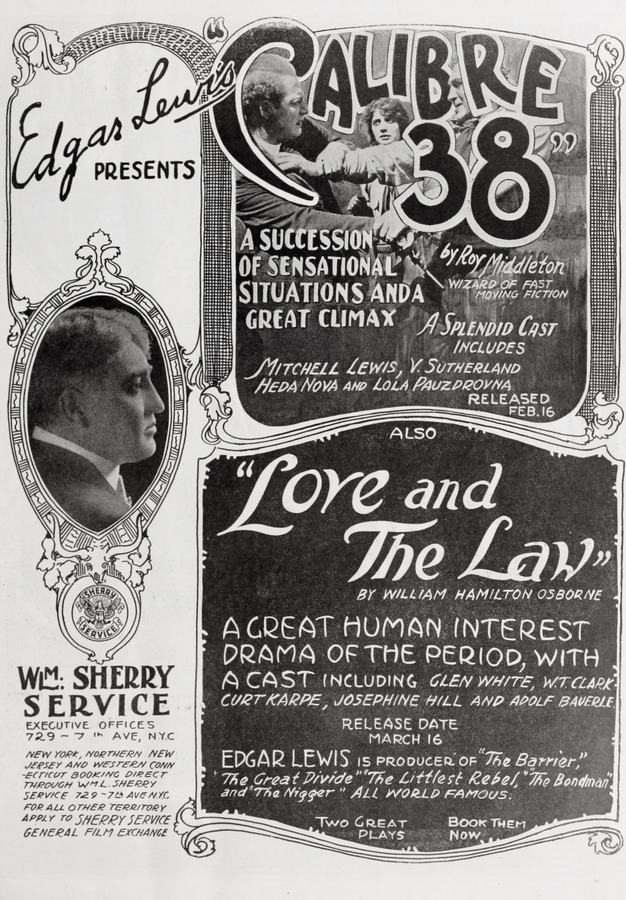
Dir: Edgar Lewis
Montana cattleman Austin Brandt is jilted by Rosemary, who elopes with stranger Royce Greer, but he is consoled by his 20-year-old niece Joan. Rosemary later returns to Custer City to run a dance hall with her husband, who mistreats her. Eastern capitalist Robert Barton comes to town with his son Ford to settle a financial misunderstanding with Brandt. After reprimanding his son, Robert Barton is later found dead in his bed. Knowing of their financial argument, Ford believes Brandt is responsible, while Greer and his gang claim that Ford committed the murder. Convinced of his innocence, Ford asks Brandt to help him find the murderer. They discover that Barton was shot with a .38 caliber bullet, and Greer carries such a revolver. Meanwhile Greer's mob storms Brandt's house demanding Ford be taken prisoner. Brandt forces a confession from Greer, who is dragged away. After her husband's death, Rosemary departs and leaves a note explaining her love for Brandt. Joan and Ford find happiness together.
View Details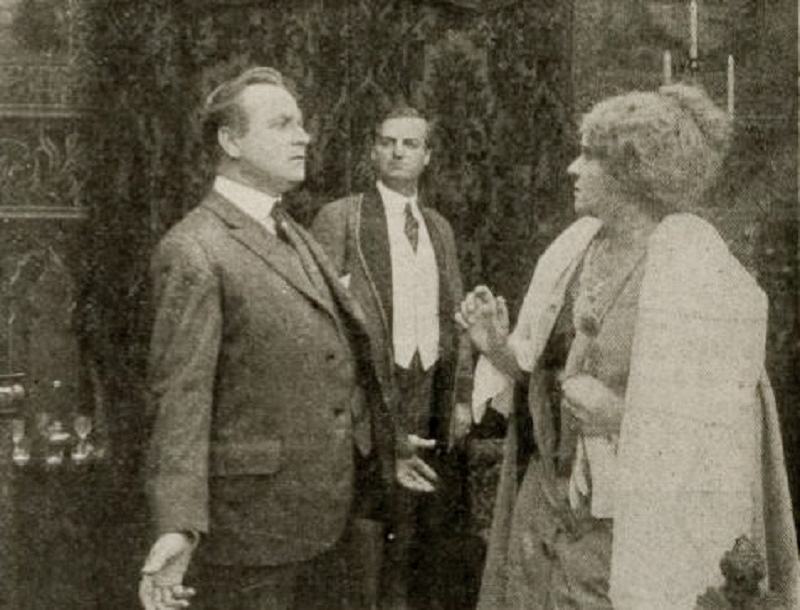
Dir: Edgar Lewis
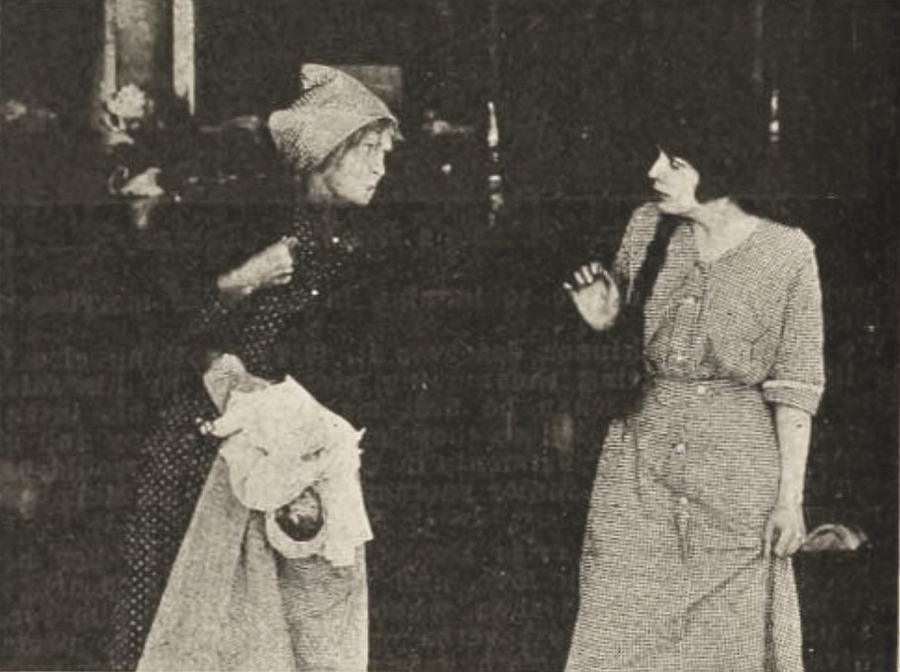
In order to avoid exposure attendant upon the birth of Harold Gage, the fatherless son of Constance, he, through arrangements made by Lady Staunton, the haughty sister of Constance, is placed under the care of Mr. and Mrs. Marshall, who are paid to rear the boy as their own, cautioned against revealing to him or the outside world his true identity. Mrs. Marshall's real son, in the early years of his life, acquainted with the doubtful parentage of Harold, taunts him. The two engage in a boys' fight, Harold being severely cut on his left arm by a scythe in the hands of his young foster brother, the wound leaving an ugly scar. The lad, sensitive of the treatment of his foster brother, finally migrates to Australia as a stowaway, where, by reason of forced circumstances and his near starvation to death, become a bush-ranger. Because of the rapidity of his operations, and his ability to escape detection and arrest, he, as the unknown bushranger, received the sobriquet of "Capt. Swift." He attempts to hold up a traveler, George Gardner, who is willing to suffer death rather than part with his gold. "Capt. Swift," hesitating to take a human life, compels him to alight and rides away with the wayfarer's mount. Swift, after having robbed the Queensland bank, suffers remorse, and determines to reform. Under the name of William Wilding, being the name of his companion in Australia, who died of starvation and thirst on the desert, he returns to London, where, at an opportune moment, he saves James Seabrook. whose life is in jeopardy by reason of a runaway horse. "Capt. Swift," invited by Seabrook to his home, there meets Mrs. Seabrook, their daughter Mabel and their niece Stella Darbisher. Harry Seabrook. brother of Mabel, a whole-hearted but impetuous young man, takes immediate dislike to Swift, whereas Stella Darbisher, a girl of romantic disposition, admiring the brave spirit inherent in Swift, becomes strongly attached to him. Marshall, the foster brother of Swift, is now employed as butler in the home of the Seabrooks. At a gathering the conversation is directed toward the escapades of one, "Capt. Swift," in Australia, whose name had become almost a household word throughout England. In the course of conversation, George Gardner, who is a friend of the Seabrooks, having returned from Australia, calls at their home, and there identifies Wilding as the notorious "Capt. Swift," and is in turn recognized by Swift, but his identity is not revealed to the others. Mrs. Seabrook recognizes a strong similarity between the man Swift and her boy, given away in adoption to the Marshalls. Her fears are later justified, when, at a dramatic and tense moment, she proves the fact to him. Swift, however, in order not to stigmatize his mother, determines to leave the household of the Seabrooks. Stella Darbisher's infatuation for Swift has progressed to such a point as to cause a strong reciprocal feeling on his part for the girl. The rivalry of Harry Seabrook for the hand of Stella causes a violent quarrel between him and Swift, the consequences of which are avoided by the timely intervention of Gardner. Marshall, eavesdropping during a conversation between Swift and his mother, Mrs. Seabrook, learns of the identity of Swift, and further proves it by a scar on Swift's arm, the result of the wound inflicted by Marshall when the two were boys. With this knowledge Marshall attempts to blackmail Swift, and being repulsed, acquaints the police with his whereabouts. A detective from Australia has arrived in London to apprehend Swift, having traced his movements to that place. Gardner, strongly admiring the manhood of Swift, determining if possible to save him, warns him. Swift, cornered in the home of his mother, rather than suffer arrest, together with the attendant exposure, and the possible revelation of his real identity, and to save the girl he loves and his mother the disgrace that would necessarily follow, jumps out of a window, knowing that the possibility of escape is meager. Marshall, working in league with the detective, is hidden in the shrubbery, and seeing Swift, fires, mortally wounding him, at the same moment that the detective from a window above shoots, the cross shot which strikes Marshall, puts an end to him. The denouement ends without the identity of "Capt. Swift" being revealed to the others.
View Details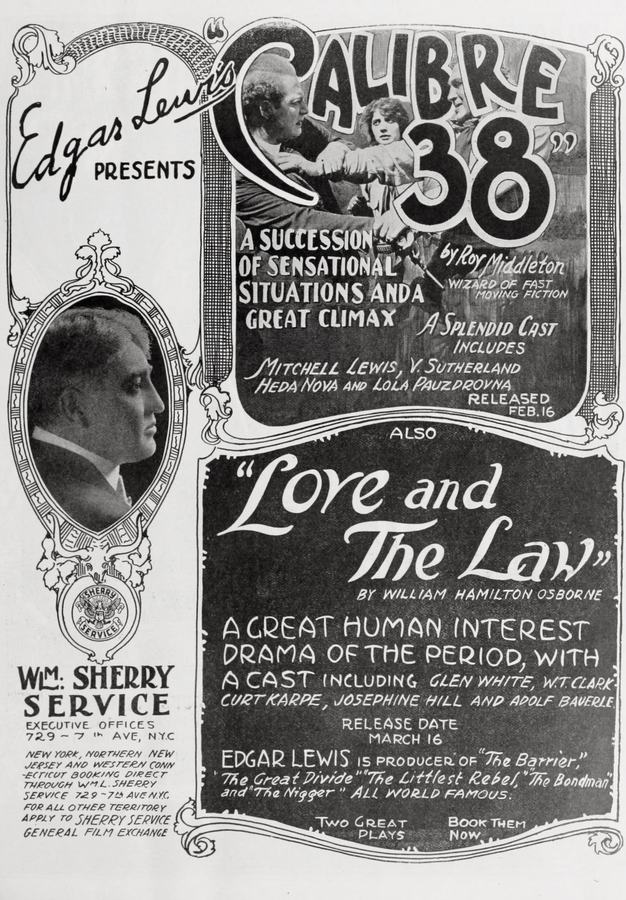
Dir: Edgar Lewis
Karl "Curly" Casterline, a wrongfully discharged New York City policeman, finds work on the Midwestern farm of Adolf Bauerle to help the war effort. Curly is attracted to his boss's niece, Mina, but also realizes that Adolf and his cohort, Kurz, plan to blow up a troop train. Curly kills the two saboteurs and saves the train, but he is jailed by the abusive Sheriff Herman Lindig. Although Mina praises Curly for saving the soldiers' lives, he is sentenced to death and is denied a pardon from the governor. After the case attracts national attention, the governor explains that he prolonged Curly's incarceration to draw attention to the danger of German propaganda. Curly marries Mina and is later pardoned by the governor, who enlists him as an officer to protect the state from its enemies. Sheriff Lindig and his German conspirators are convicted and escorted to federal prison by Curly.
View Details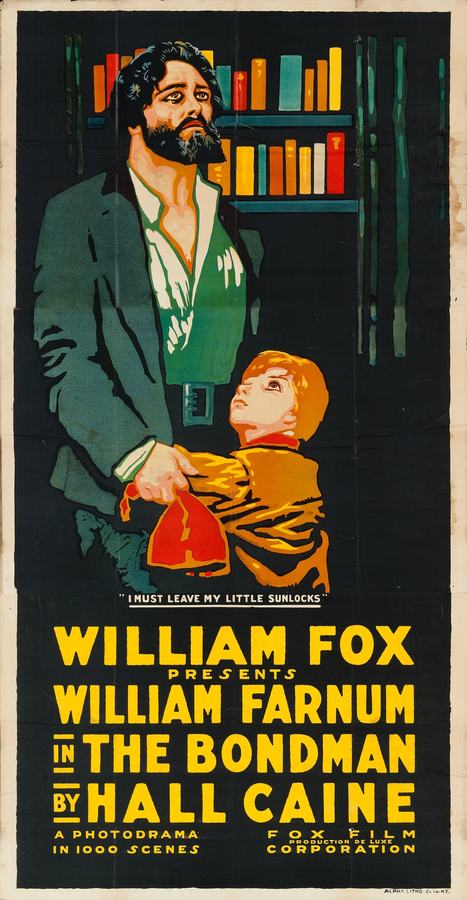
Dir: Edgar Lewis
Stephen Orry is an Icelandic vagabond. Rachel, the daughter of the governor of the province, is attracted to him. Her father, who is against the relationship, drives her from home, and she marries Orry. But she cannot make a man out of Orry, who runs off to sea. Rachel supports herself and her son Jason, while Orry begins a new life on the Isle of Man. He marries Liza Killey and they have a son named Sunlocks. When Liza mistreats Sunlocks, Orry takes him away to the governor of the Isle for safekeeping. After Rachel dies, Jason sets out for revenge against his father. His half-brother Sunlocks sets out for Iceland to find Rachel and Jason to make reparations, while Jason comes to the Isle of Man. While there, Jason saves his father from drowning, and after his father dies from a natural death, he turns his desire for revenge against Sunlocks. But when Sunlocks becomes a political prisoner, Jason forgoes his revenge and dies in place of Sunlocks.
View Details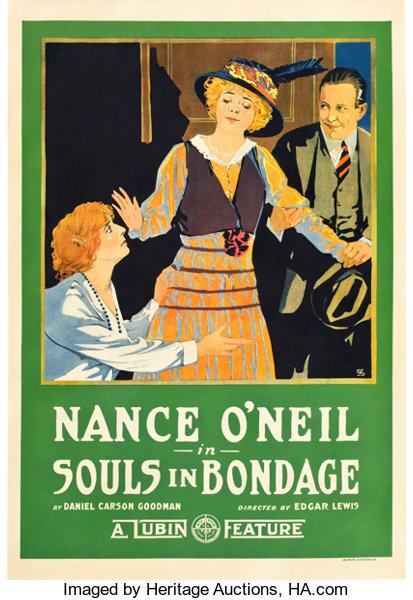
Dir: Edgar Lewis
Rosa is looked upon as an outcast, and is always in the shadow of her spoiled younger sister Rita.
View Details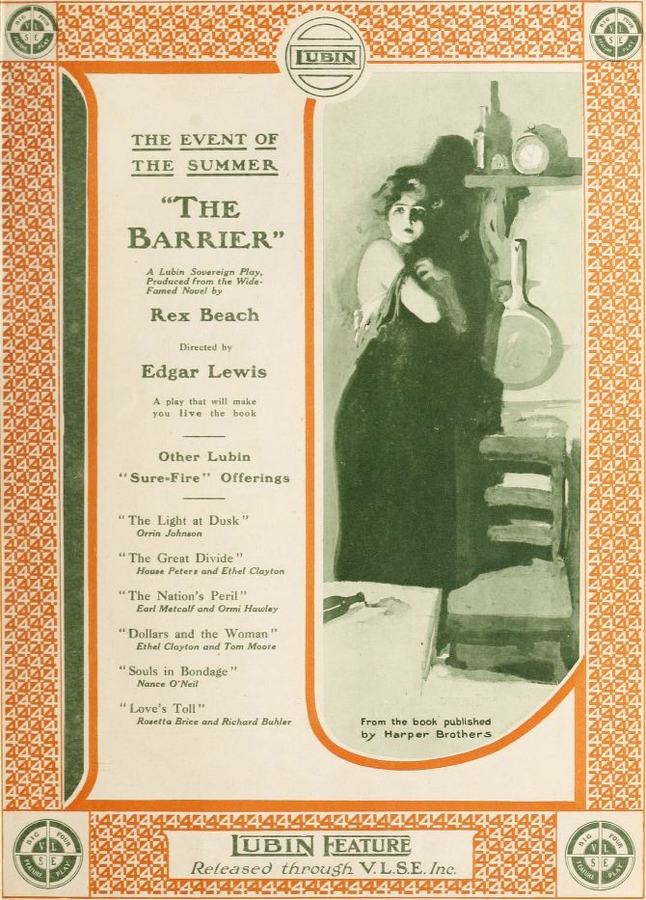
Dir: Edgar Lewis
A barrier stands between Lt. Meade Burrell and Necia, the woman he loves. That barrier is the fact that she's a "half-breed"--half-Indian and half-white, with an Indian mother and John Gale, a white trader, for a father. Although he has proposed marriage to Necia, she releases him from it when she realizes the damage that marrying a half-breed would do to him personally and professionally. One day a man arrives in town with information that could solve everyone's problems.
View DetailsAnalysis relative to Put 'Em Up
| Film Title | Atmosphere | Complexity | Similarity |
|---|---|---|---|
| The Great Divide | Surreal | Linear | 91% Match |
| The Plunderer | Gothic | Linear | 97% Match |
| The Sign Invisible | Ethereal | Abstract | 85% Match |
| The Bar Sinister | Gritty | Dense | 91% Match |
| Calibre 38 | Gritty | Linear | 92% Match |
This guide was algorithmically generated using the cinematic metadata of Edgar Lewis's archive. Last updated: 8/16/2026.
Back to Put 'Em Up Details →