
DbcultAccessing Vault...
Recommendations
Senior Film Conservator
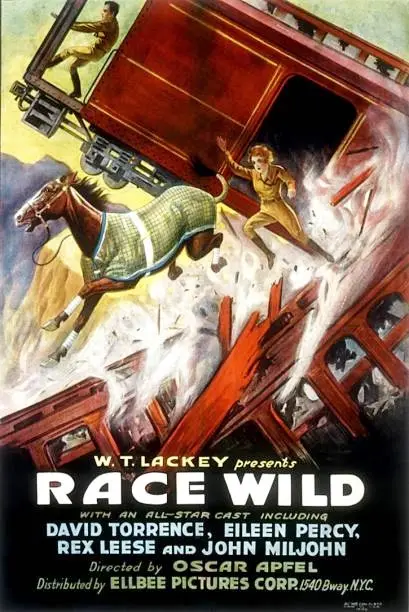
Delving into the atmospheric depths of Race Wild reveals a master at work, the artistic provocations of Race Wild demand a follow-up of equal intensity. These hand-selected movies are designed to satiate your craving for Comedy quality.
The enduring power of Race Wild lies in to transcend the limitations of its 1926 budget and technology.
A Kentucky colonel will lose the family homestead unless his prize racehorse, Racewild, wins the Kentucky Derby. A schemer who covets the homestead contrives to keep the horse out of the race, uncoupling the railroad car in which it is being shipped to Churchill Downs. The colonel's daughter and the jockey get the horse to the track, however, and the schemer drugs the jockey. The girl disguises herself in his colors and rides Race Wild to victory.
The influence of Oscar Apfel in Race Wild can be felt in the way modern Comedy films handle nuanced performance. From the specific lighting choices to the pacing, this 1926 release set a high bar for atmospheric immersion.
Based on the unique nuanced performance of Race Wild, our vault has identified these titles as the most compelling follow-up experiences for fans of Comedy cinema:
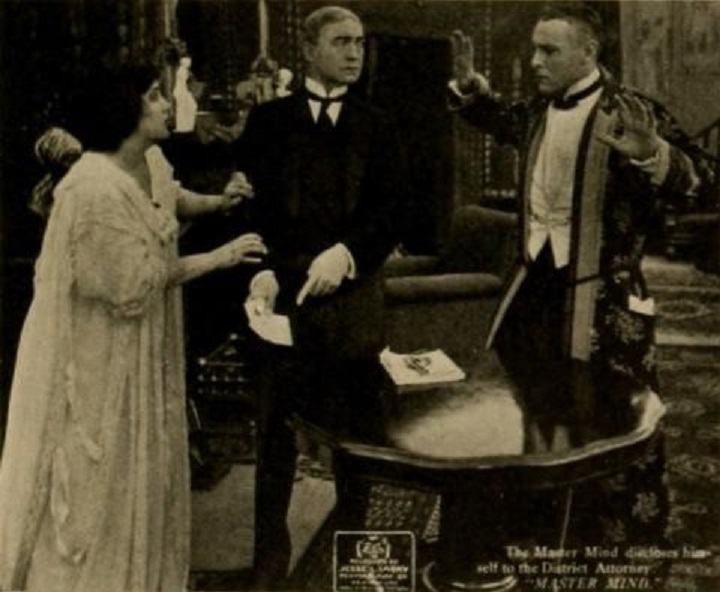
Dir: Oscar Apfel
The defense attorney who was unable to obtain the acquittal of an innocent young man concocts a complicated and diabolical scheme to get revenge on the prosecutor.
View Details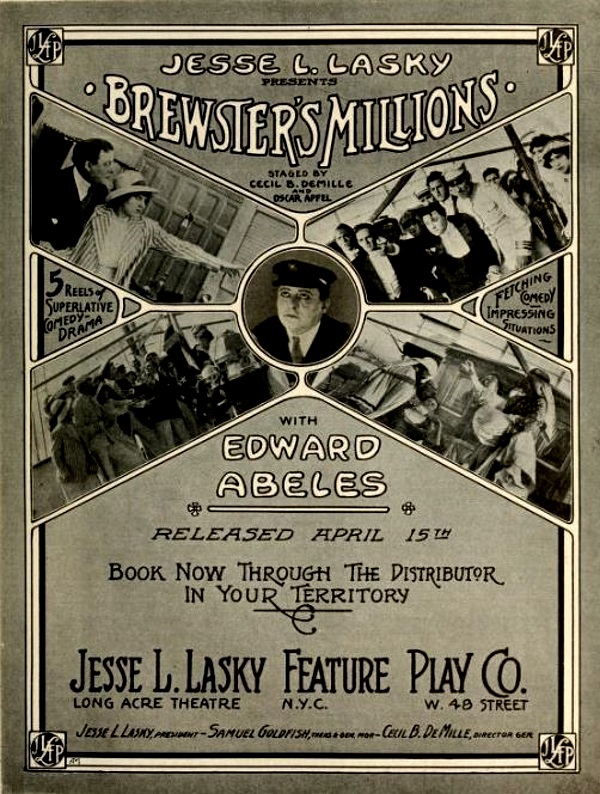
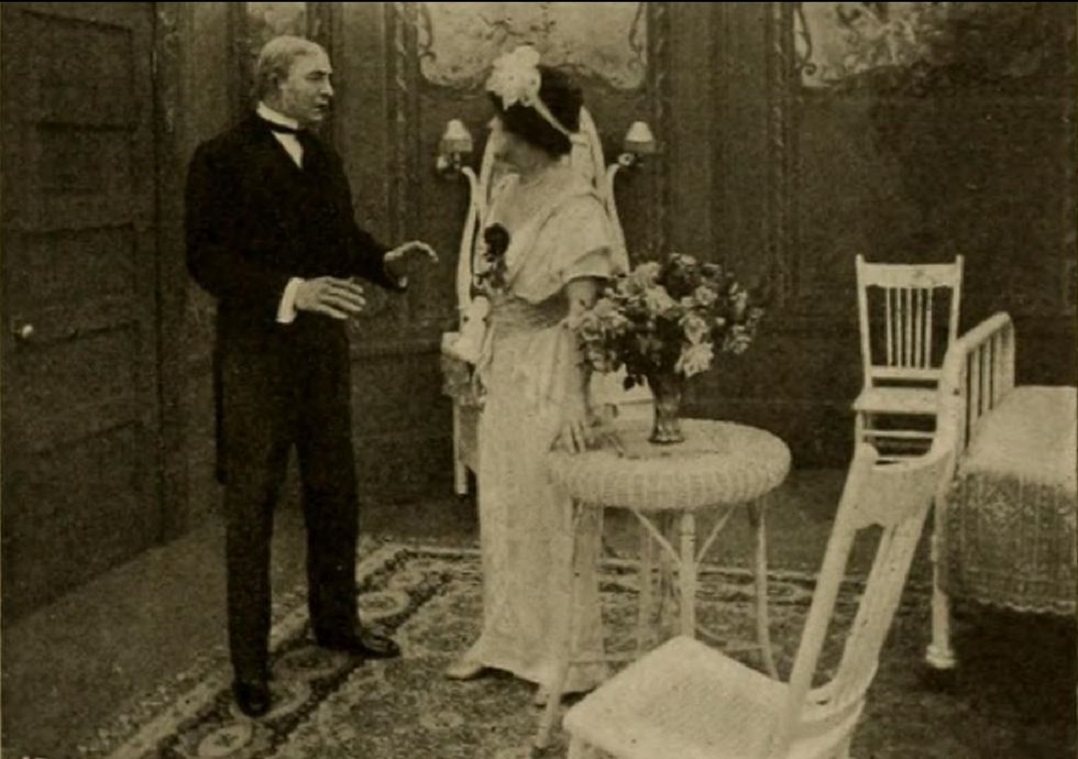
Dir: Oscar Apfel
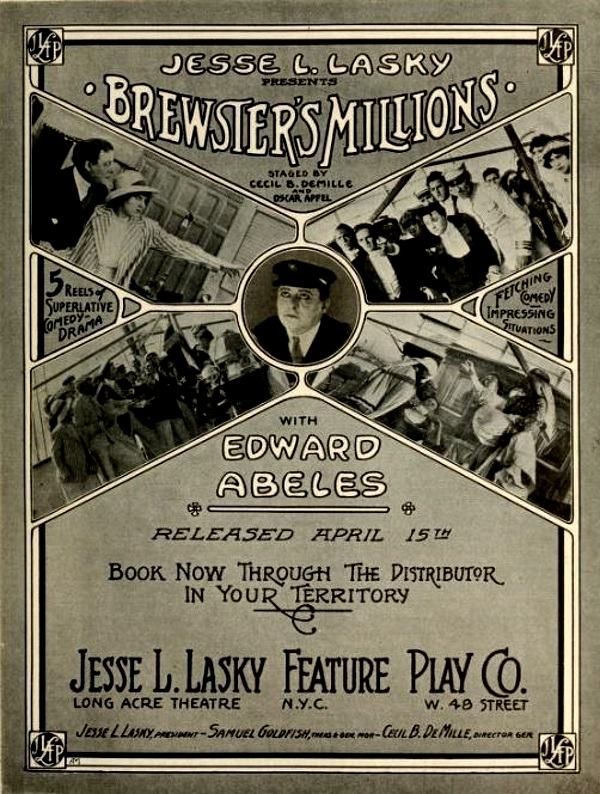
Robert Brewster, scion of a well-to-do family, elopes with Louise Sedgewick. Peter Brewster disinherits Robert and refuses to be reconciled to the marriage, and later drives the young couple from their home. A little son, "Monty," blesses the union. When Monty is a full-grown man, Peter Brewster dies and bequeaths a million dollars to him. The newly-acquired wealth staggers young Monty Brewster, and he is about to launch into the new life as one of the predatory rich when he receives a communication from an attorney in the West, advising him that his uncle, George Brewster, has left him $7 million, contingent upon his getting rid of the million dollars left him by Peter Brewster. "Peter Brewster mistreated your mother and father and I do not want you to touch a dollar of his money. If you spend the million left to you by him and can, at the end of a year, show by receipts that you have judiciously spent, not squandered this million dollars, my attorneys will turn over to you my worldly possessions, aggregating seven millions. You must own nothing of value at the end of the year," said George Brewster, and Monty, learning for the first time that Peter Brewster had mistreated his parents, begins to spend the million. He invests the money in a sure losing proposition in Wall Street in an effort to dispose of some of his unwelcome money, and the proposition turns out a winner. He backs a flabby fat pugilist, hoping to lose, and wins. There is a clause in the will of George Brewster which says that Monty must not tell anyone of his desire to spend the million and his friends think he has suddenly lost his mind. Everything Monty touches with the hope of losing some of his money, turns out just the reverse, and he wins. He has a most terrible time disposing of the undesired millions. Finally, in a desperate attempt at magnificent spending, Monty hires a palatial yacht, invites several dozen friends to accompany him and goes on a long cruise. The friends mutiny in mid-ocean, thinking him suddenly insane the way he is squandering his wealth, and threaten to lock Monty up, but Monty, to frustrate them, runs up a signal of distress. It costs him two hundred thousand dollars to be salvaged by a passing steamer, and the end of the year rolls around with Monty flat broke. He has squandered the entire million dollars, possesses a room full of receipts to show for every dollar spent, and his sweetheart, Peggy, believing him to be a pauper, consents to marry him. His friends, believing him broke, endeavor to press money and jewelry upon him, all of which he must not have in his possession or he loses the seven million. He dodges his friends, is met by the attorney and presented with seven million dollars, and everything turns out happily.
View Details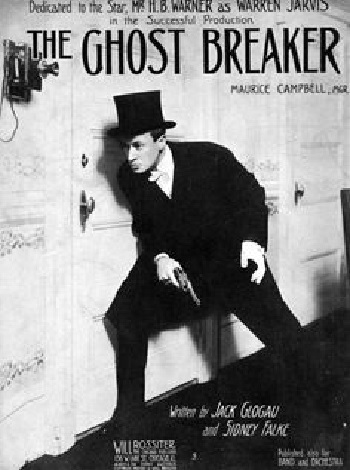
Dir: Oscar Apfel
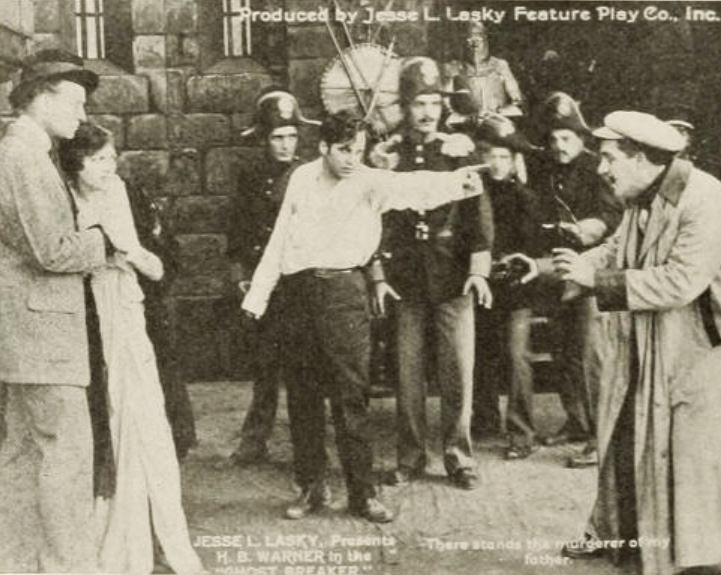
The treasure of the Aragon family has never been found or any trace of it, until one day, while Princess Maria Theresa is looking over her jewels, she drops the casket and a secret compartment flies open, disclosing an old parchment which tells of a locket that contains the diagram describing the location. The Princess goes for the locket and finds it has been stolen. Carmencita, her maid, has stolen it and, being jealous of her rival, Juanita, for Jose's affections, has sold it to Gaines, an American art collector. Juanita, during a fit of jealousy, stabs Carmencita, and Carmencita, on her death bed, tells the Princess and her brother she sold the locket. The Duke D'Alva overhears the conversation and starts in search of it, as does the Princess and her brother. In a southern town a feud has existed between the Jarvis and Markam families, and Markam kills Judge Jarvis. Warren Jarvis, his son, follows Markam to New York. Markam goes along the street and sees the locket brought from Spain by Gaines, the collector, and buys it. The Princess enters and finds the locket has been sold. She starts to find Markam. The Duke enters the store and asks about the locket, and he also starts to find Markam. The Princess gets the locket from Markam, who is at the same hotel that she is staying at. Jarvis, in search of Markam, finds him and kills him. While trying to escape he enters the Princess' room and tells her the story. Her trunk is nearly packed to go on the boat for her return to Spain. She hides Jarvis in trunk and he is taken on board the boat. In the meantime, Jarvis has telephoned to Rusty, his colored servant, to procure tickets. Two detectives enter and search for Jarvis, but fail to find him. He goes to Spain to help the Princess recover her treasure. Before the Princess goes to America, her father, who enters the castle which is supposed to be haunted, but in reality the ghosts are only the tools of the Duke dressed in armor and as ghosts, is killed by the Duke's men who also capture her brother and hold him prisoner. Jarvis, upon his arrival in Spain, starts with Rusty, his servant, to explore the castle. While at the inn near the old castle, the Duke steals the locket from the Princess' bag and tells Robledo, his tool, to keep Jarvis away from the castle. The Princess learns that the locket has been stolen and tells Jarvis. Jarvis starts to go out, when Robledo appears with drawn gun. He and Jarvis both fire. Jarvis seriously wounds Robledo who, on his death bed, tells the Princess about the castle and also about her brother. The brother, who has escaped by diving into the same place where the Duke's tools killed the Princess' father, swims the moat and escapes on the horse Jarvis rode to the castle. He notifies the police, who come to the castle. They are about to seize the Duke when he jumps down the trap and is killed. Jarvis and the Princess then each discover a mutual desire to possess the other and the story ends with the pair pledging their troth.
View Details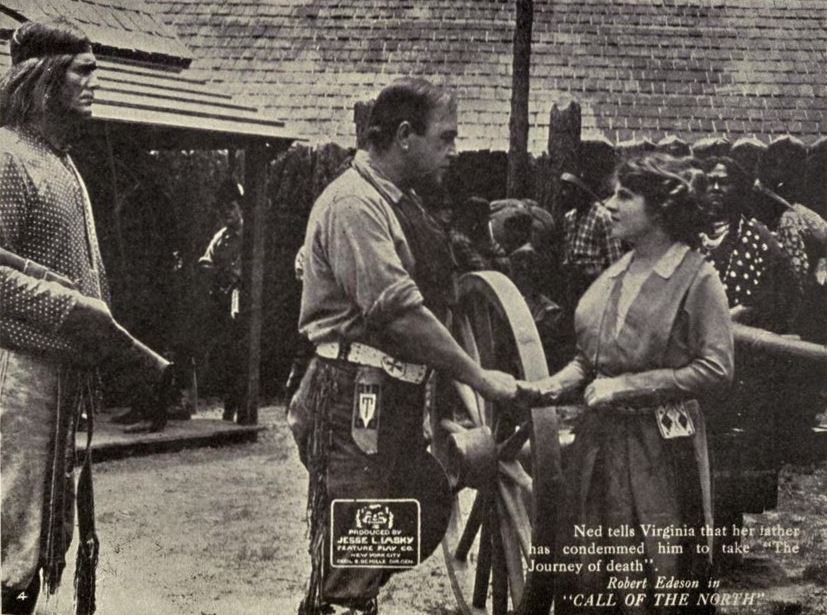
Dir: Oscar Apfel
Trader Ned Stewart's father Graehme was unjustly accused of adultery and killed. Ned sets out to avenge his father but is captured and send on "la longue traverse," the long journey to death. Virginia saves Ned, and the villain confesses Graehme's innocence on his deathbed.
View Details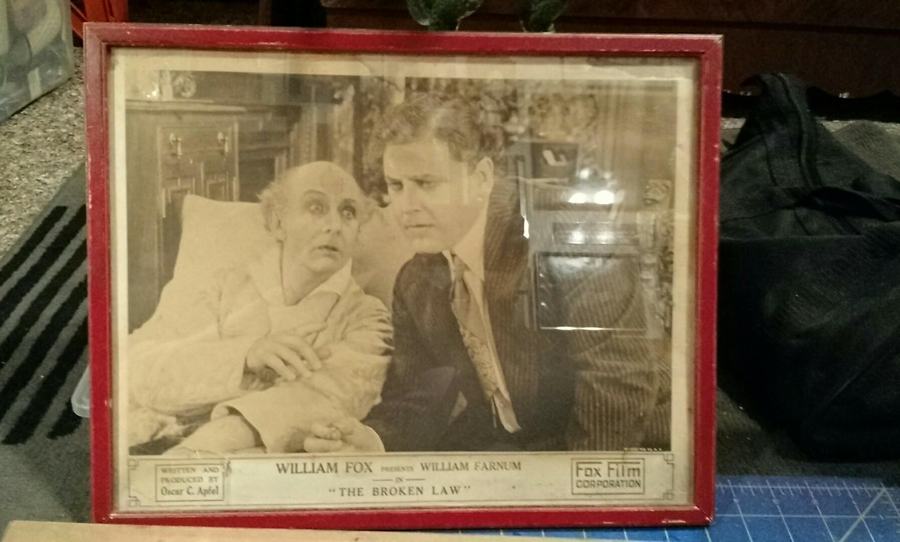
Dir: Oscar Apfel
Daniel Esmond, an English writer, discovers he has a half-sister who is a gypsy. He joins a gypsy clan to find her, and eventually becomes chief of the clan.
View Details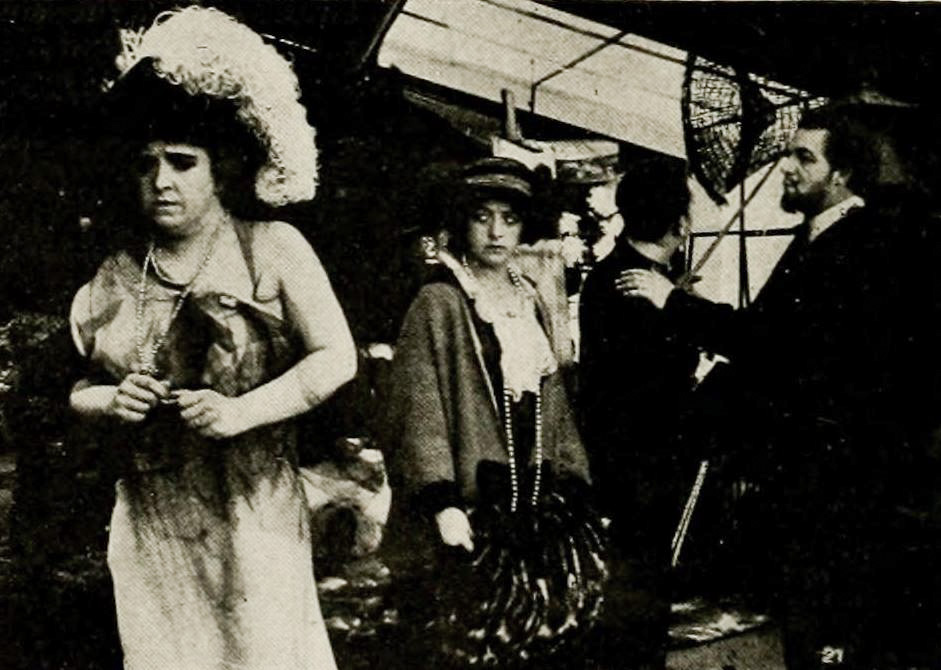
Dir: Oscar Apfel
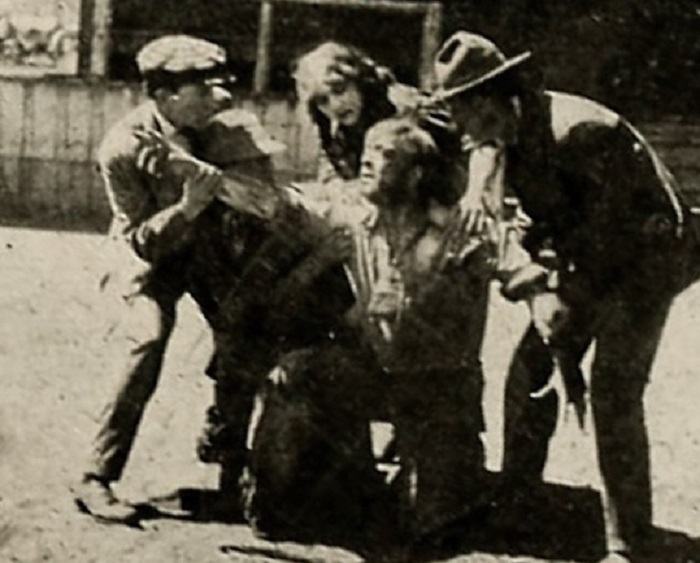
Thomas Brainerd, Sr., as a prospector, is a dutiful and loving husband and father. Two children, Gertrude and Thomas, Jr., are born while the Brainerds live in a log cabin in the mountains. Brainerd strikes gold, goes to New York, where he becomes a financial power. He neglects his wife, devotes every moment of his time to his growing industries, simply supplies funds to his family, and his wife, alone and melancholy, is fascinated by an artist and consents to "sit" for a painting. Feeling her neglect keenly, Mrs. Brainerd becomes a victim to the wiles of the artist, who, however, is killed by the husband of a former victim before the affair has progressed too far. Brainerd, learning of his wife's affair with the artist, orders her from the house. Thomas, Jr. sides with and accompanies his mother. Heretofore a worthless spendthrift, Thomas now becomes ambitious and joins interest with a penniless inventor, goes west, establishes a factory, makes a go of it, sells out to his father at an enormous advance, convinces his father that his mother is innocent and, as he transfers the invention to his father's firm, sees his mother in his father's arms, which example he immediately follows by proposing to the girl he has always loved.
View Details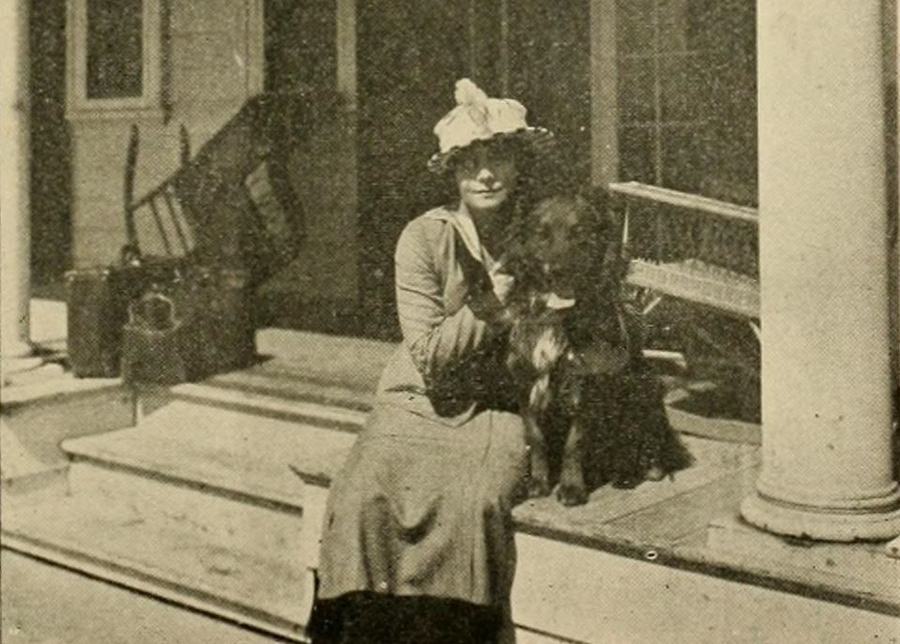
Dir: Oscar Apfel
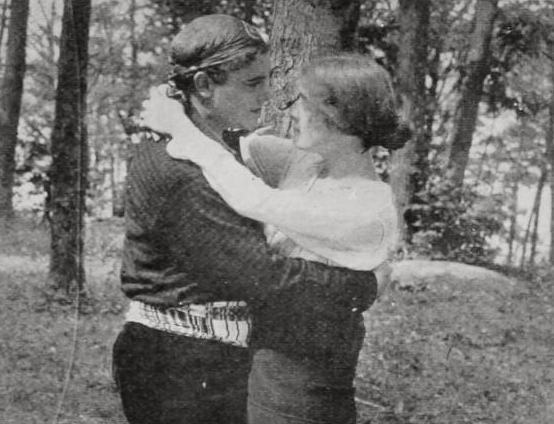
Nicknamed "Wild Olive," Miriam Strange learns that her mother was an Indian, she moves to a hut near an Allegheny lumber camp. Norrie Ford, fresh from college, visits his uncle, the bullying boss of the camp, and meets Miriam. After his uncle is murdered with a knife found hidden under Norrie's mattress, Norrie is sentenced to die. He escapes a guard and, after staying a night in Miriam's hut, leaves for Buenos Aires with her letter of introduction for employment. Although he vowed to marry her, after his letters to "Wild Olive" return undelivered, Norrie, sporting a beard and an assumed name, becomes engaged to Evie Wayne, Miriam's stepsister. When Norrie is sent to be his firm's New York manager, he meets Miriam again. She sacrifices her love and agrees to marry lawyer Charles Conquest, if he will prove Norrie's innocence. After Evie learns about Norrie's past and breaks the engagement, the murderer makes a deathbed confession. Conquest releases Miriam when he sees that she loves Norrie.
View Details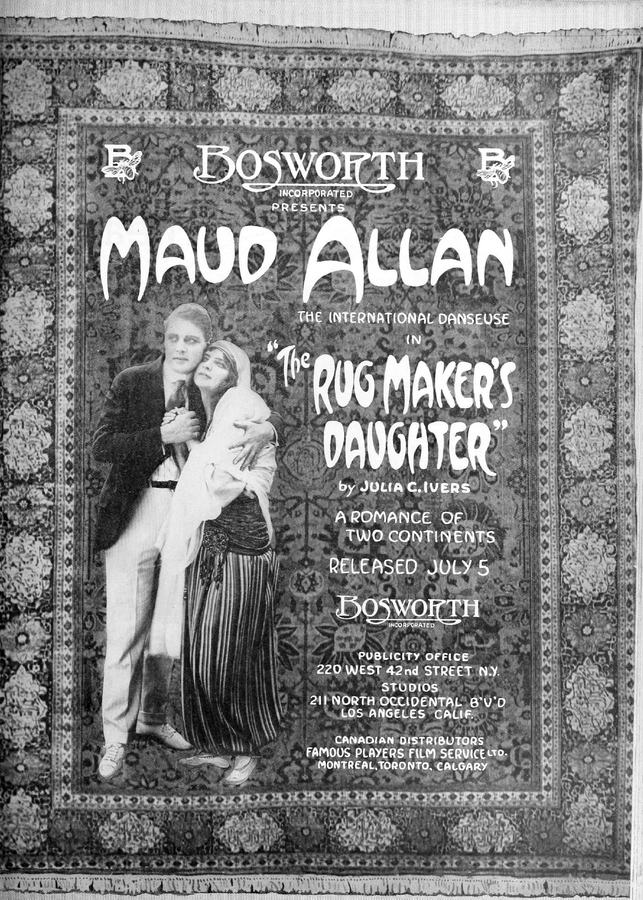
Dir: Oscar Apfel
Bob Van Buren's rescue of an upper-class Turkish girl and her duenna in Constantinople when they are waylaid by robbers paves the way for a romance between them. The romance progresses rapidly despite the hullabaloo raised by Demetra's father and by the Turk fiancé he is trying to force upon her; but the very thought of a girl, so highly educated, so gifted with needle and loom, so famously graceful as a dancer ending up in a harem instead of a respectable home, drives Bob Van Buren to desperation. At length he persuades Demetra to elope with him to America, where Demetra could be married at his mother's in New York. Getting wind of it, the malicious Osman hires a band of ruffians who make away with Bob Van Buren on the very eve of departure. With her young American mysteriously vanished, and the day of her now-all-the-more-odious wedding to Osman drawing near, Demetra can stand it no longer, and taking her duenna, flees to a cousin's in New York on the P. and O. boat on which Bob had reserved sailings. Osman pursues the little refugee, corners her in New York, and with oriental cunning sets a trap into which Demetra walks blindly. Having her in his toils again Osman summons a second Turkish priest and is just forcing Demetra to her knees before him when the door bursts open and in rushes Bob Van Buren, who had finally escaped the dungeon in Constantinople to which he had been consigned. He routes Osman and takes Demetra to his mother's. Mrs. Van Buren suggested that the lovers wait until September, but their hearts were set on June. And so, as you may very well imagine, June it was.
View Details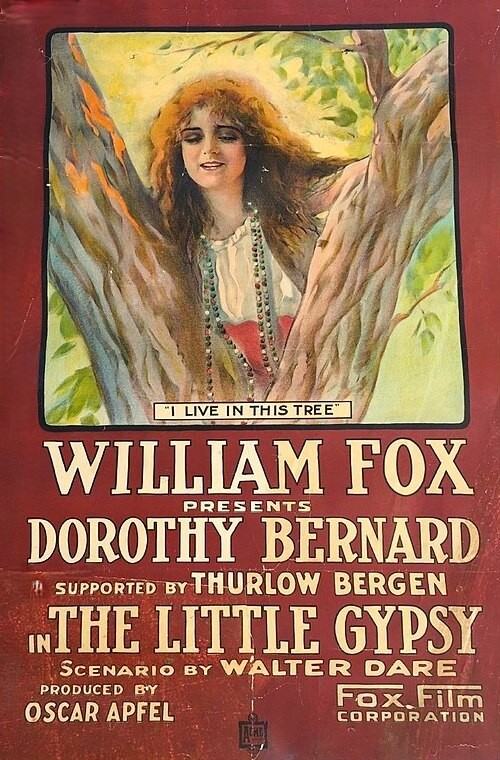
Dir: Oscar Apfel
A gypsy girl brought up by a Scottish Lord is arrested for rioting escapes jail and refugee with a young Minister who falls in love with her.
View Details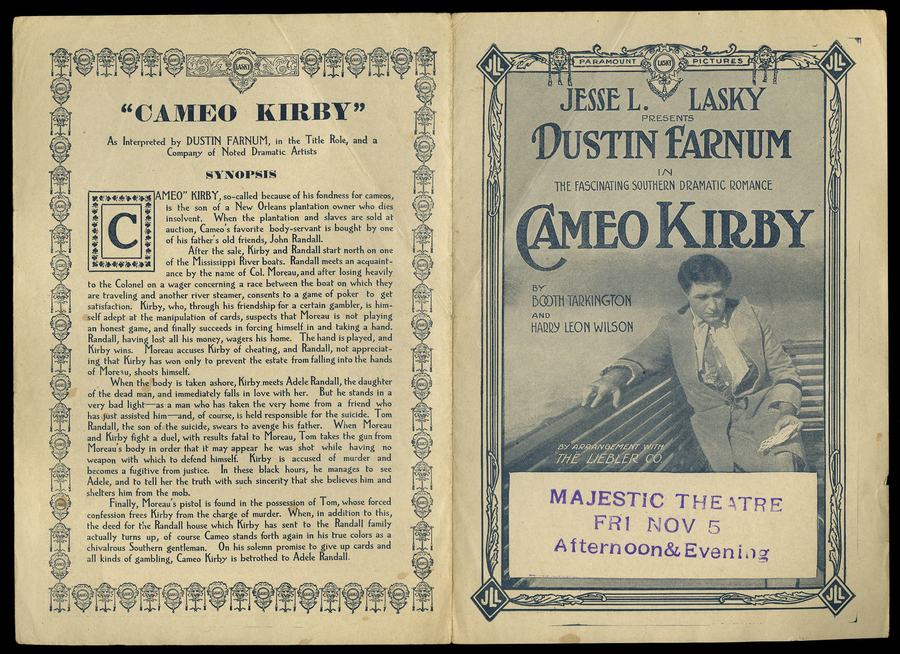
Dir: Oscar Apfel
"Cameo" Kirby, so called because of his fondness for cameos, is the son of a New Orleans plantation owner who dies insolvent. When the plantation and slaves are sold at auction, Cameo's favorite body-servant is bought at auction by one of his father's friends, John Randall. John and Kirby head north on a Mississippi river boat where Randall meets Colonel Moreau. There he loses heavily on a wager and consents to a game of poker hoping to get back his losses. Kirby, through his friendship with another gambler, is adept at the manipulation of cards and suspects that Moreau is not an honest player. He joins the game and soon Randall, having lost all of his money, wagers the old homestead. Kirby wins the hand and Moreau accuses him of cheating while Randall, unappreciative of the fact that Kirby won the hand to keep Randall's estate falling into Moreau's hands, shoots himself. When his body is taken ashore, Kirby meets Randall's daughter, Adele, and instantly falls in love with her. But Kirby is on very shaky ground as he is known as the man who caused Adele's father to commit suicide, and she treats him to some southern disdain. Her brother, Tom, vows to take revenge on Kirby. He and Moreau have an un-witnessed duel and Colonel is shot dead by Kirby, who is somewhat of a dead shot among his many other talents. But Tom takes the gun from Moreau's hand so it will appear he was unarmed. Kirby, slave-owner becomes a fugitive from justice. This also deals a blow to his courtship of Adele. But, a true-blue southern gentleman such as Kirby should be able to win the day, sooner or later.
View DetailsAnalysis relative to Race Wild
| Film Title | Atmosphere | Complexity | Similarity |
|---|---|---|---|
| The Master Mind | Gothic | Linear | 87% Match |
| Brewster's Millions | Tense | Linear | 97% Match |
| The Ghost Breaker | Surreal | Dense | 90% Match |
| The Call of the North | Gothic | Linear | 88% Match |
| The Broken Law | Gothic | Layered | 92% Match |
This guide was algorithmically generated using the cinematic metadata of Oscar Apfel's archive. Last updated: 6/25/2026.
Back to Race Wild Details →