Summary
Amid the saw-toothed Sierras, a rough-hewn prospector chips fire from stone, cradles two infants against the cedar-scented dusk, then barters every heartbeat for the clangorous altars of Wall Street; gold transmutes into an avalanche of ticker-tape while his wife’s lullabies echo into an empty Fifth-Avenue ballroom. One canvas, half-lit by gaslight, becomes confessional: the neglected matron, pale as candle smoke, yields to an aesthete’s brush, only for the dalliance to collapse under another woman’s vendetta. Banished, mother and dissolute son wander into frontier dust; the boy, once a gin-soaked cad, forges steel from regret, sells the future back to the father who forgot how to feel, and—on the auction block of filial love—purchases redemption for the woman whose crime was loneliness.
Synopsis
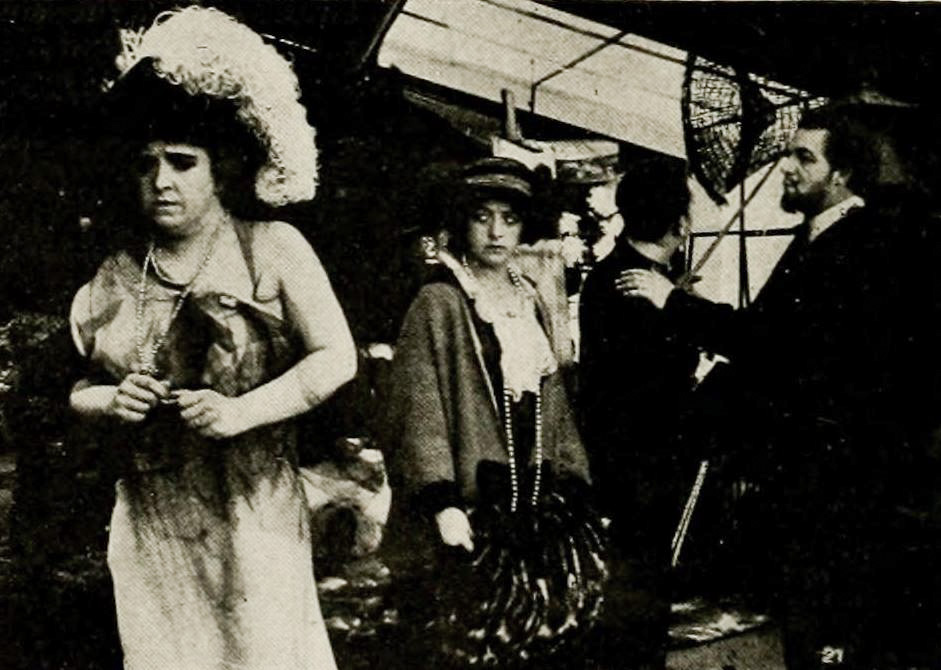
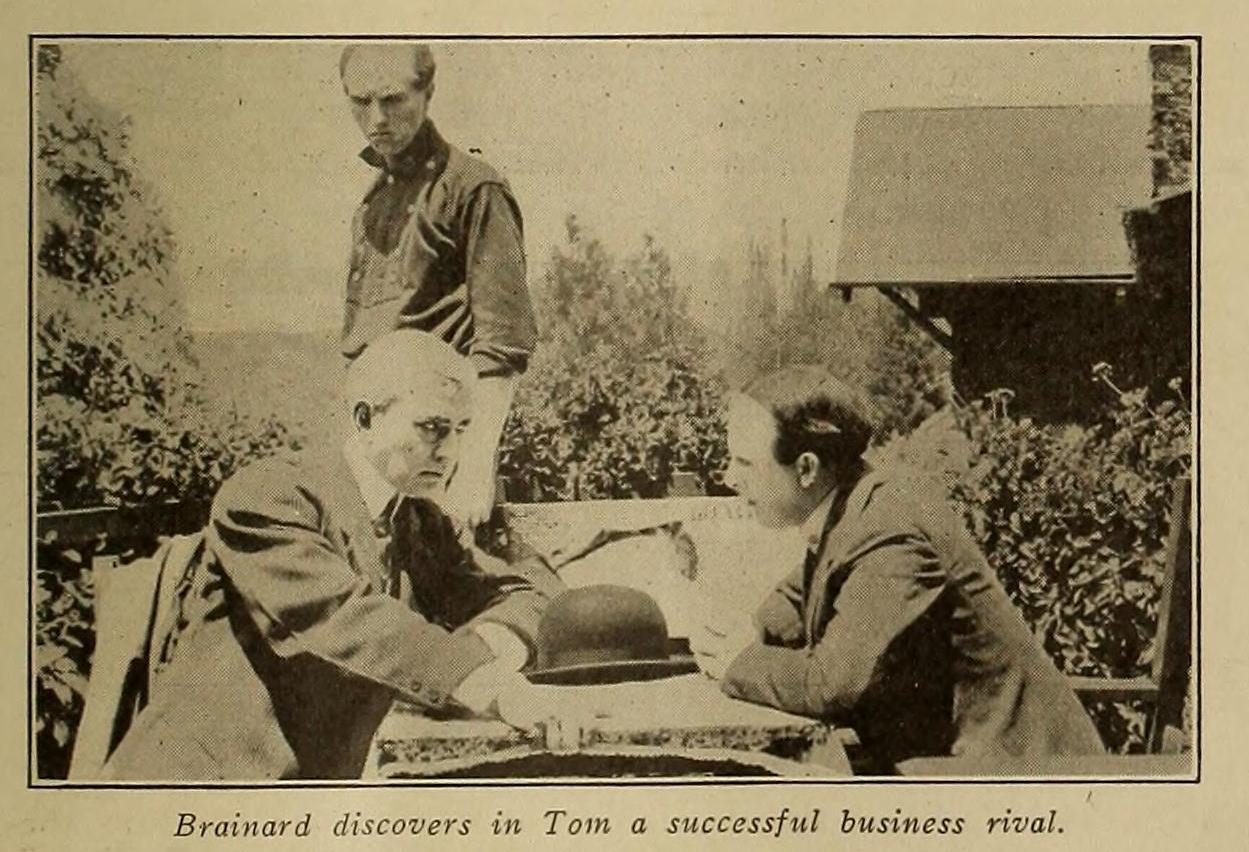
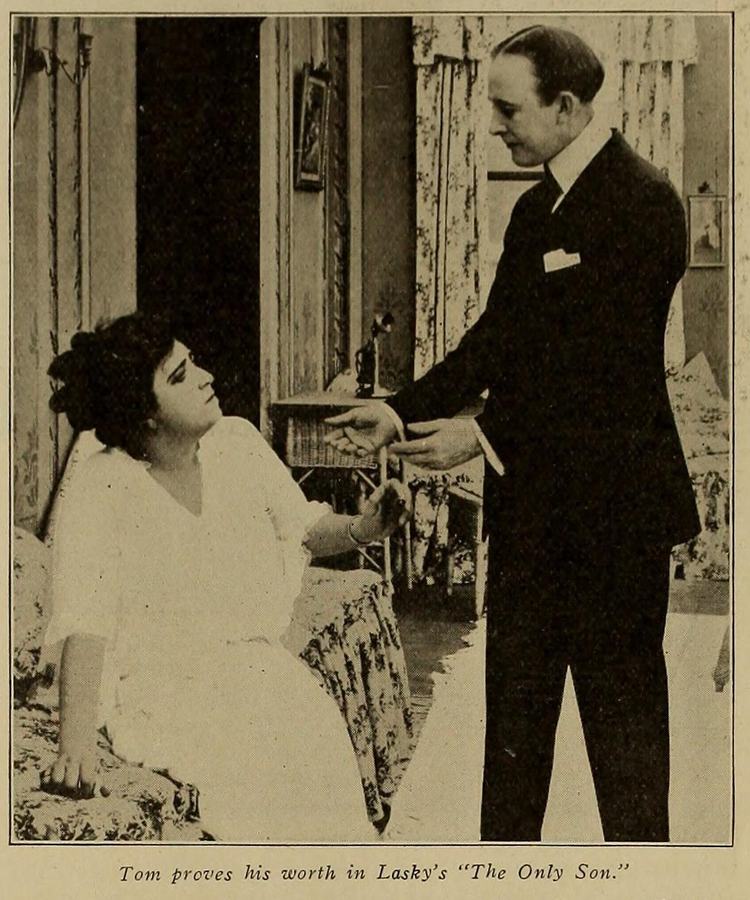
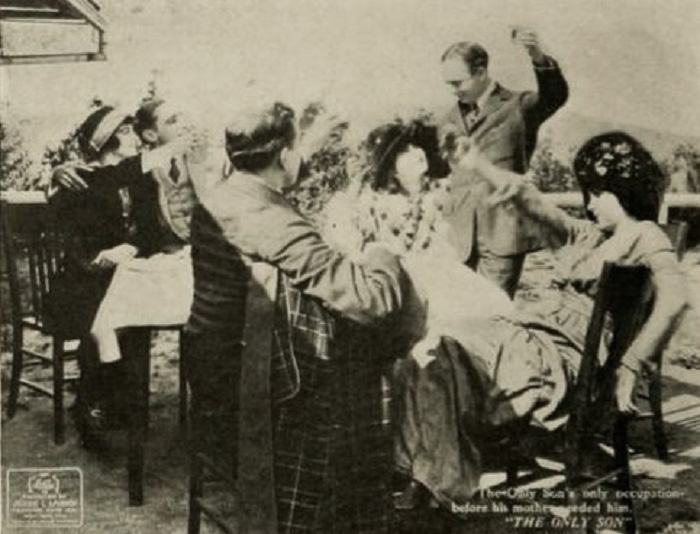
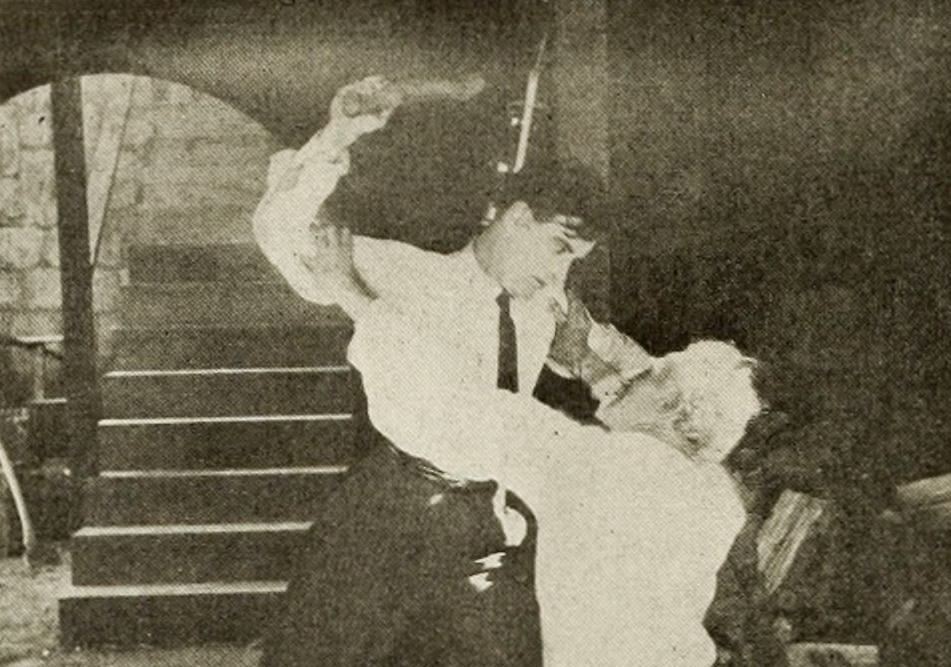
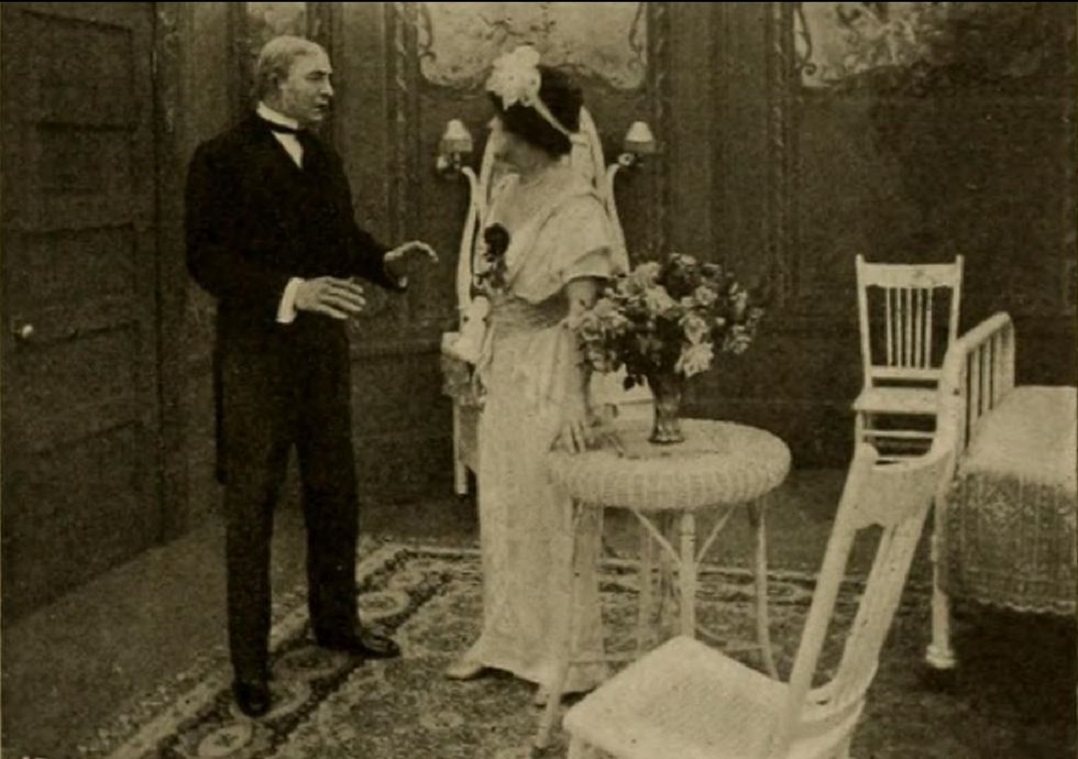
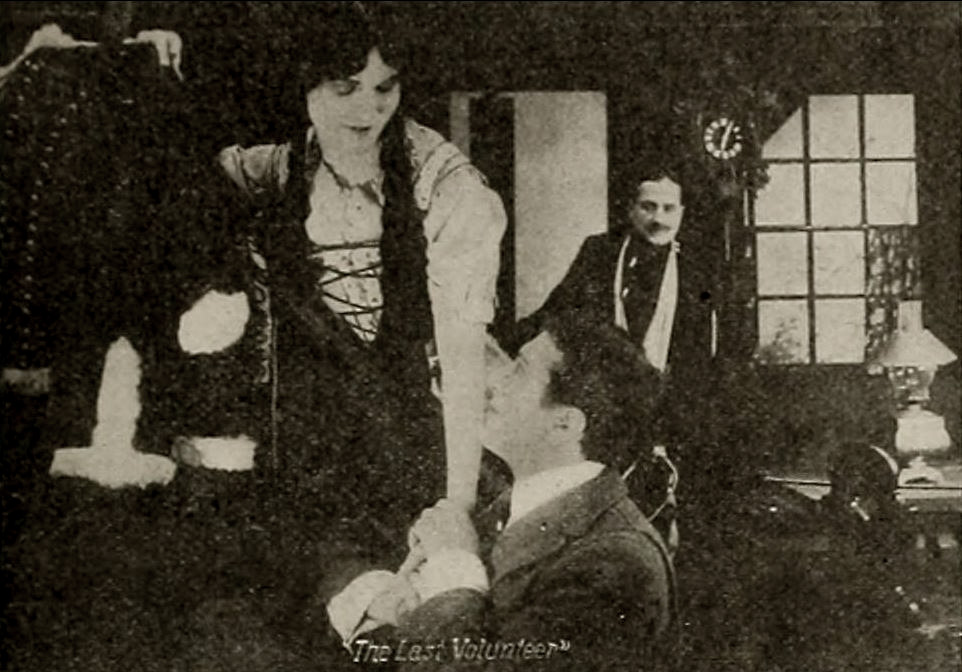
Thomas Brainerd, Sr., as a prospector, is a dutiful and loving husband and father. Two children, Gertrude and Thomas, Jr., are born while the Brainerds live in a log cabin in the mountains. Brainerd strikes gold, goes to New York, where he becomes a financial power. He neglects his wife, devotes every moment of his time to his growing industries, simply supplies funds to his family, and his wife, alone and melancholy, is fascinated by an artist and consents to "sit" for a painting. Feeling her neglect keenly, Mrs. Brainerd becomes a victim to the wiles of the artist, who, however, is killed by the husband of a former victim before the affair has progressed too far. Brainerd, learning of his wife's affair with the artist, orders her from the house. Thomas, Jr. sides with and accompanies his mother. Heretofore a worthless spendthrift, Thomas now becomes ambitious and joins interest with a penniless inventor, goes west, establishes a factory, makes a go of it, sells out to his father at an enormous advance, convinces his father that his mother is innocent and, as he transfers the invention to his father's firm, sees his mother in his father's arms, which example he immediately follows by proposing to the girl he has always loved.
Review Excerpt
"
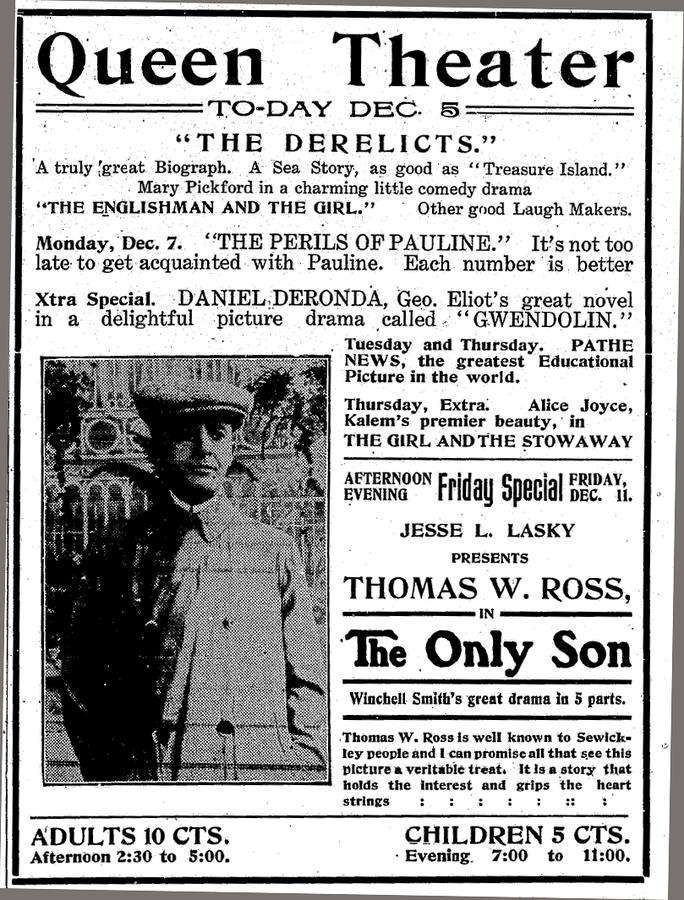
The flickering nitrate reels of The Only Son arrive like a séance summoned from 1921, exhaling kerosene and mountain pine. What begins inside a hand-hewn cabin—where Jane Darwell’s matriarch hums over cast-iron while her husband claws riverbeds for glitter—balloons into a Gilded-Age panorama of chandeliers that weigh more than conscience. Director Winchell Smith, better known as Broadway’s Midas, here sculpts silence into a thunderclap: every iris-in feels like a fingertip pressed to a pulse, ..."