
DbcultAccessing Vault...
Recommendations
Senior Film Conservator
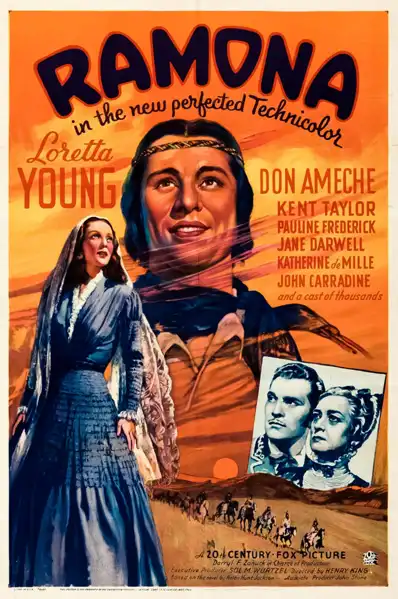
In the vast archive of Western cinema, Ramona stands as a character-driven intensity beacon, it's essential to look at the contemporaries that shared this character-driven intensity. Our cinematic experts have identified several titles that reflect the spirit of 1936.
Few films from 1936 manage to capture to leave an indelible mark on the history of United States film.
A half-Indian girl brought up in a wealthy household is loved by the son of the house against his mother's wishes, and she soon falls in love an Indian ranch owner.
Critics widely regard Ramona as a cult-favorite piece of Western cinema. Its character-driven intensity is frequently cited as its strongest asset, solidifying its place in United States's film legacy.
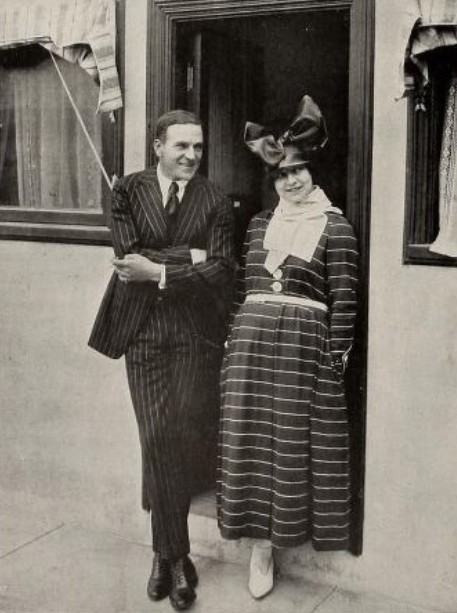
Based on the unique character-driven intensity of Ramona, our vault has identified these titles as the most compelling follow-up experiences for fans of Western cinema:
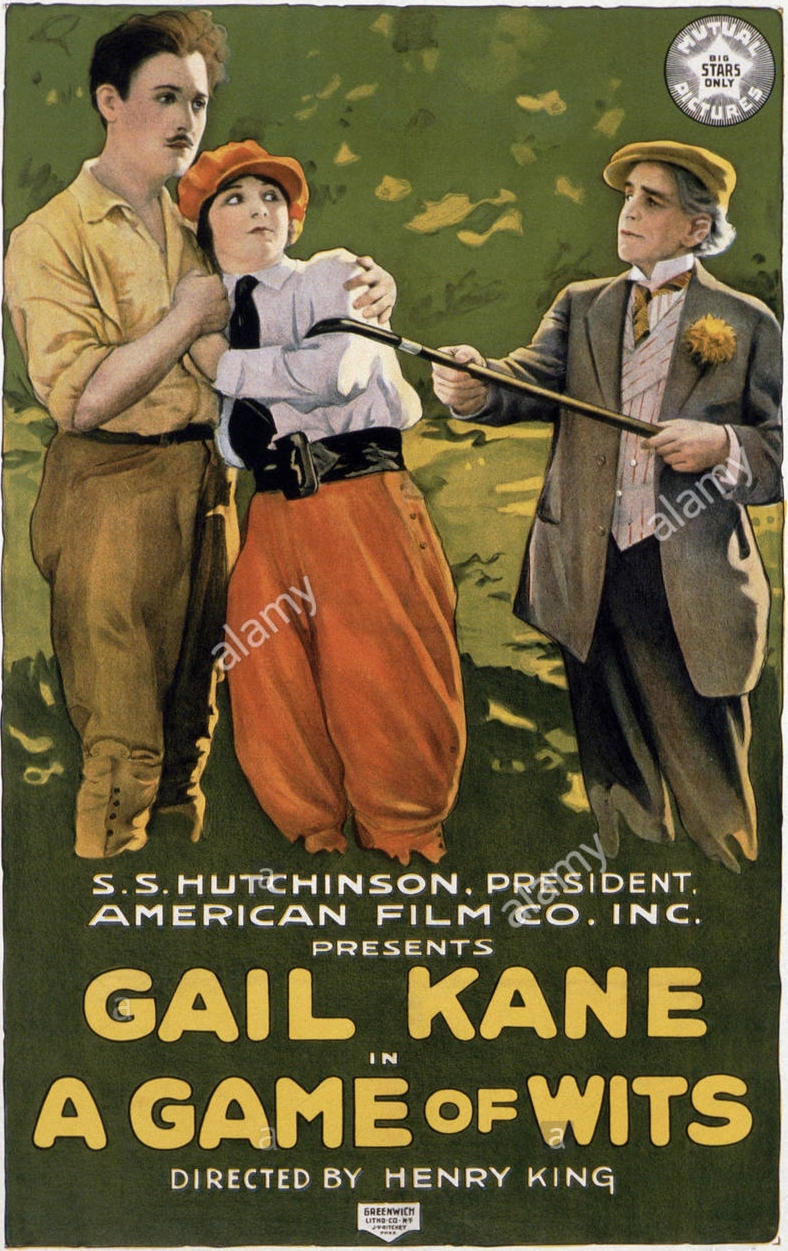
Dir: Henry King
Jeanette Browning overhears Silas Stone, an aged Wall Street wolf, demanding her as his wife in payment for saving her father from financial ruin. Upon her acceptance of Stone's proposal, her father receives a check to cover his shortage. She then conceives of a plan to make Stone break their engagement so that she can sue him for breach of promise. Stone is invited to the mountains to visit the Brownings, and Jeanette pairs her youthful strength against the old man's advanced age. After tiring him out with dances, midnight suppers, swims and horseback riding, Jeanette plays her trump card when she introduces Stone to her brother Larry, the shame of the family because of his insanity which she claims to have inherited as well. Horrified, Stone attempts to steal away but is caught by Larry. Jeanette feigns despair at the loss of his love and threatens to sue for breach of promise. After Stone patches her broken heart with a check for $100,000, Jeanette confesses to her father that "brother Larry" is actually her sweetheart whom she pressed into service to frustrate the crafty old man.
View Details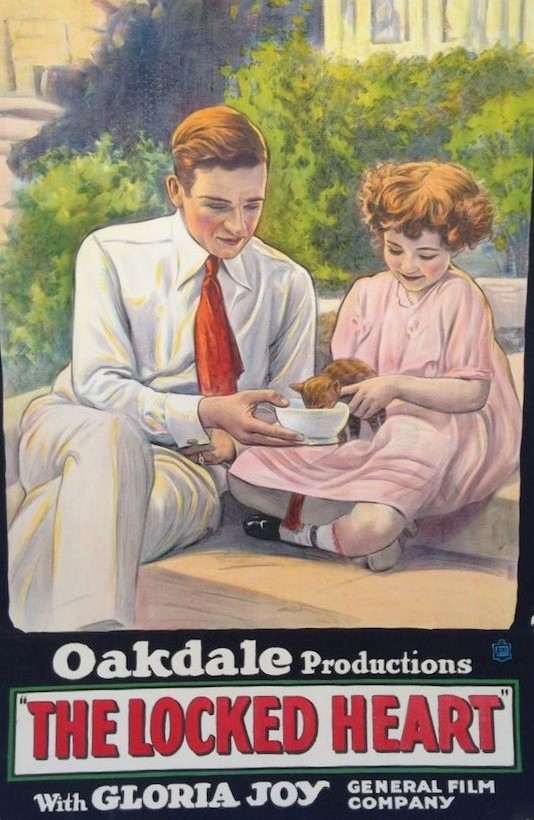
Dir: Henry King
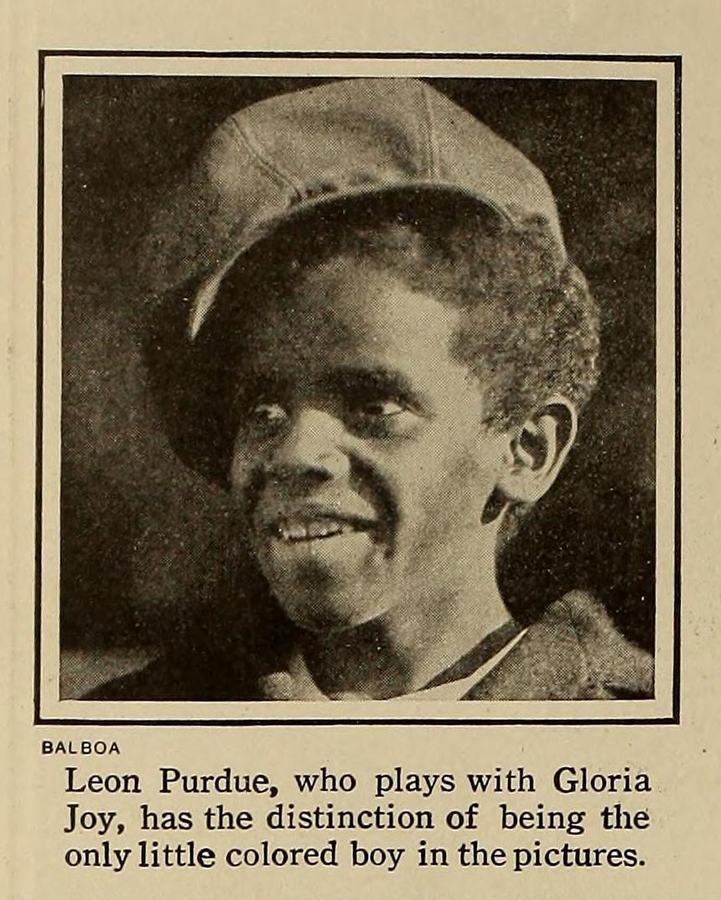
Harry Mason is called home by wire, but when he arrives, he finds that his wife Ruth has just died in childbirth. Thoroughly shaken, Harry refuses to look at the baby, and after locking the door to the room that Ruth had prepared as the nursery, he departs for Europe, leaving little Martha in the care of her grandfather, Colonel Mason. In an attempt to escape his grief, Harry travels throughout the world, but the spirit of his wife continually distracts him, and he finally decides to return home. Unaware of her father's identity, Martha, now a charming and spirited little girl, befriends Harry and soon convinces him to unlock the nursery door. On the bureau, he finds the letter his wife had left him years earlier, requesting that he care for their child in the event of her death. Realizing his blindness, Harry takes Martha to his heart.
View Details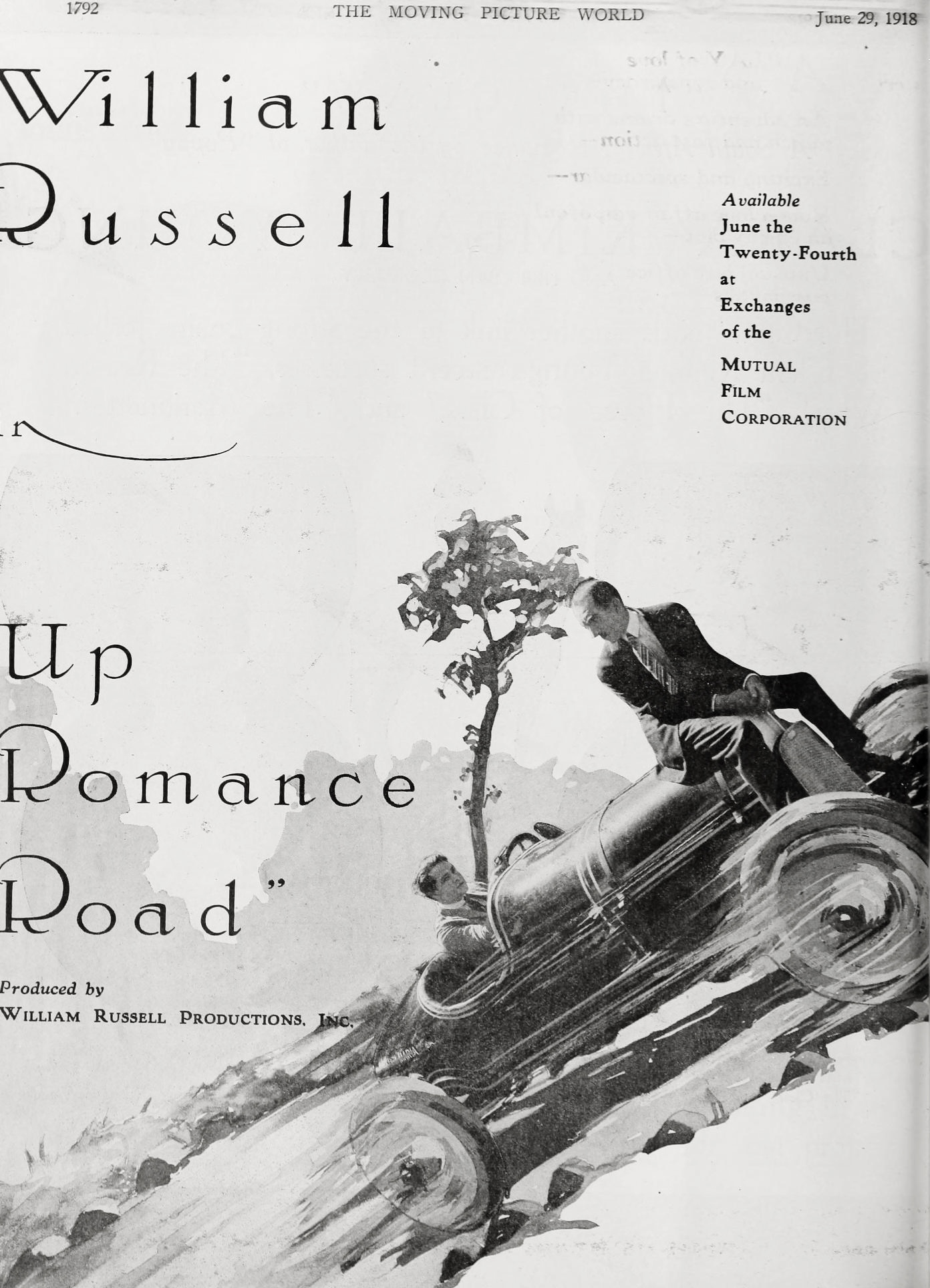
Dir: Henry King
Gregory Thorne and Marta Milbanke are engaged. Their fathers are millionaire ship owners. Gregory's efforts to inject a little excitement into their engagement life are fruitless, but when Mr. Milbanke receives an anonymous letter which threatens disaster to his home and fortune if he permits a shipload of supplies for the Allies to leave the docks the young man sees an opportunity for creating what he longs for and tells Mr. Milbanke that he knows who has written the letter but that he will not divulge the man's identity. Gregory, who suspects Count Hilgar Eckstrom, is told that he must terminate his engagement with Marta. But this is what Gregory wants, so he plans to abduct his sweetheart. Gregory's men clash with Eckstrom's gang, who has also come to kidnap Marta, and the disturbance results in the arrival of the police. Marta by mistake, allows herself to be carried off by Eckstrom's men and is taken a prisoner. Gregory, following, is also made a captive, and the young people are held as hostages. How Gregory outwits Eckstrom and places him and his gang in the hands of the law brings about a startling climax.
View Details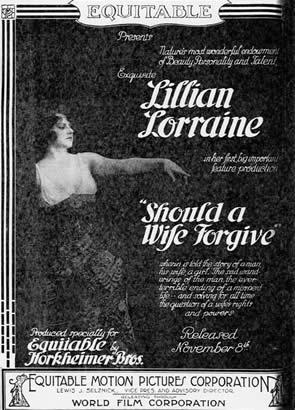
Dir: Henry King
Seductive vamp La Belle ( Lillian Lorraine ) sets out to steal Jack Holmes ( Henry King )away from his loving wife Mary ( Mabel Van Buren ). He foolishly spends every penny on the vamp , leaving his wife almost destitute. La Belle is killed by a jealous suitor and the evidence points to Jack. However, he is given an reprieve by the way of a letter written by La Belle claiming she had intended to commit suicide. Should his wife now forgive him ?.
View Details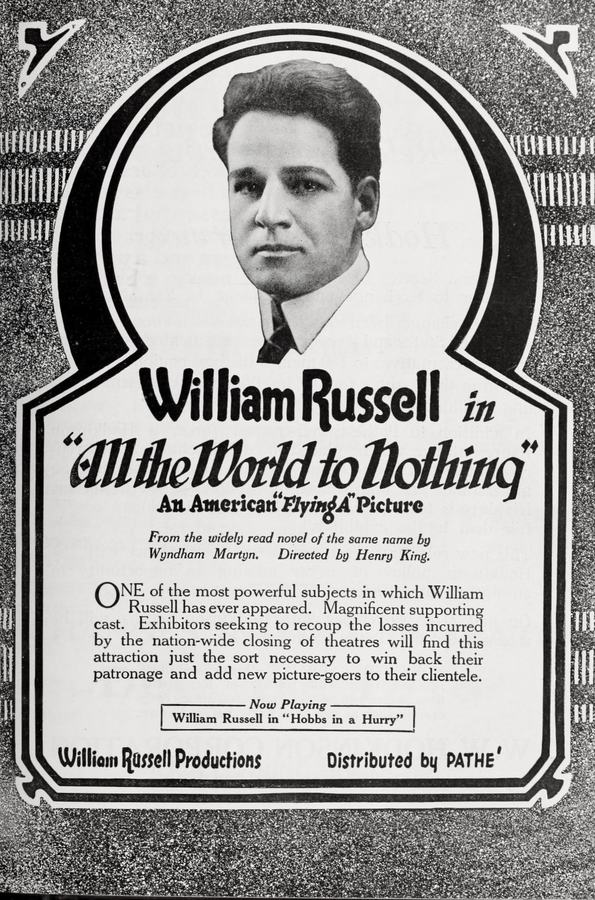
Dir: Henry King
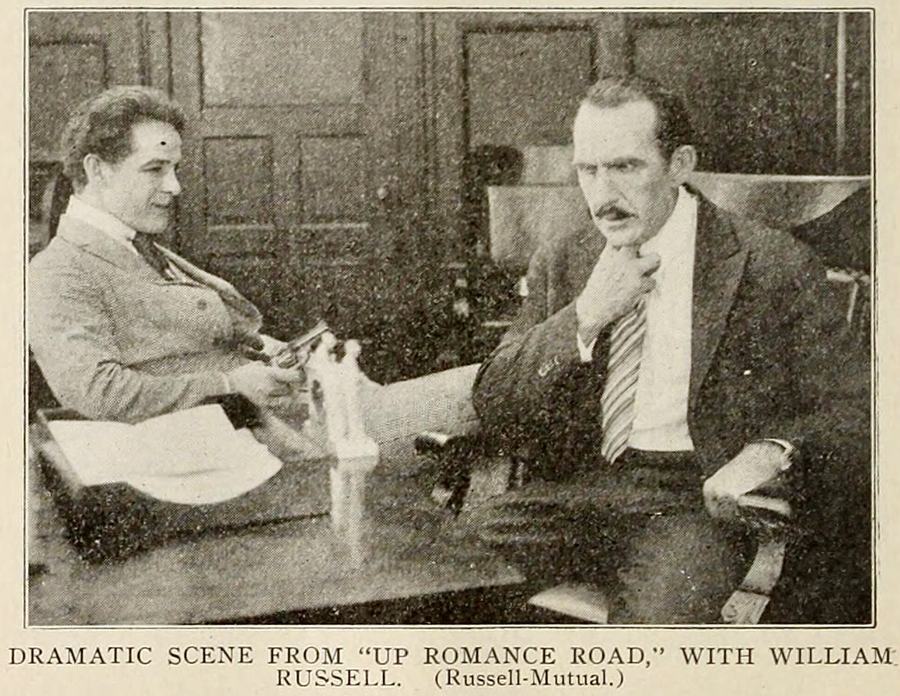
Richard Chester, a bachelor who has lost everything in a poker game, blunders into the apartment of Nora Ellis, who has just inherited a fortune under the stipulation that she marry immediately. Assuming the name Chester Dick, Richard marries Nora and leaves. Unaware of this marriage of convenience, Charles Renalls, Nora's suitor, later assumes that her wealth is the only impediment to their union and conspires to ruin her on the market. Upon learning of his scheme, Richard ruins Charles. Nora falls in love with Richard, not recognizing her benefactor as her husband of an evening. Hoping to spoil Richard's chances with Nora, Charles tells her that Richard is already married and that he carries his wife's picture in his pocket. To her surprise and delight, Nora discovers that the incriminating picture is her own photograph and that Richard is already her husband.
View Details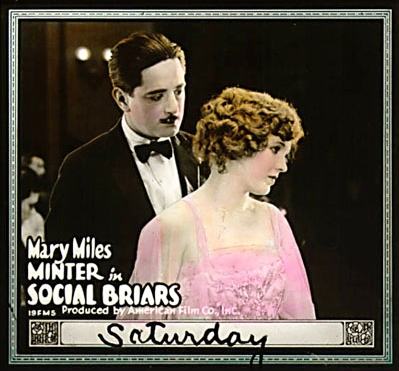
Dir: Henry King
Iris Lee is reared in the small town of Dalton by her deceased mother's friend, Martha Kane; when she reaches adulthood, Martha's son Jim falls in love with her. When she fails to return his affections, Mrs. Kane treats her so coldly that Iris decides to leave the stuffy little village for the metropolis. On her journey, she accepts a ride with Jack Andrews, but after he attempts to kiss her, she leaps from the car and walks the rest of the way. While singing in the choir of a large metropolitan church, she is discovered by Jack's wealthy father Peter, who recommends her as a soloist. Light-opera star Helen Manning, who has helped Iris to cultivate her voice, quarrels with her theatrical manager, and Iris is offered her position. On opening night, Jack bursts into her dressing room and drunkenly offers to take her home. Distressed, Iris returns to the village, but Jack, who remorsefully has given up drinking for a job in his father's firm, follows her to Dalton. Finally convinced of his love, Iris agrees to marry him.
View Details
Dir: Henry King
Wealthy diamond collector Larry Hanrahan is given the opportunity to assist the beautiful, jewel-bedecked woman he admires in a Broadway café when she and her guardian are attacked by robbers. Larry is invited to visit the grateful pair, Col. Paul Gascoyne and his ward Adrienne, at the colonel's laboratory, where he is introduced to Wintermute, a chemist who produces imitation diamonds. In return, Larry asks them to view his priceless diamond collection. Although he has fallen in love with Adrienne, Larry is forced to believe that she is a thief when he is robbed by a woman wearing Adrienne's scarf. Larry finds his jewels in Gascoyne's house, but before he can escape, a group of thugs overpowers him. Adrienne assists him in contacting the police, who arrive in time to capture Gascoyne and his gang. Badly wounded, the colonel confesses that Adrienne has been his innocent dupe, whereupon Larry happily takes her to his heart.
View Details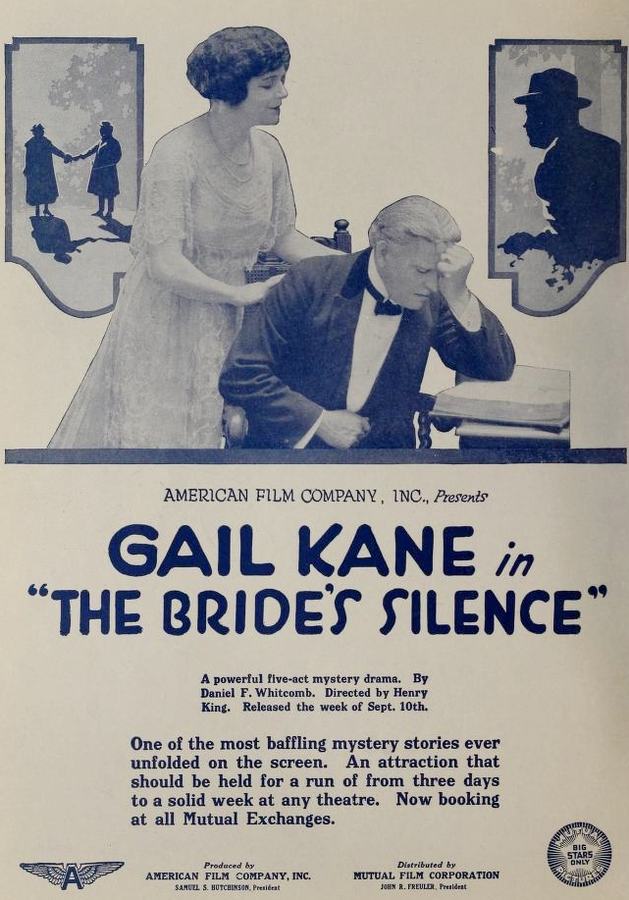
Dir: Henry King
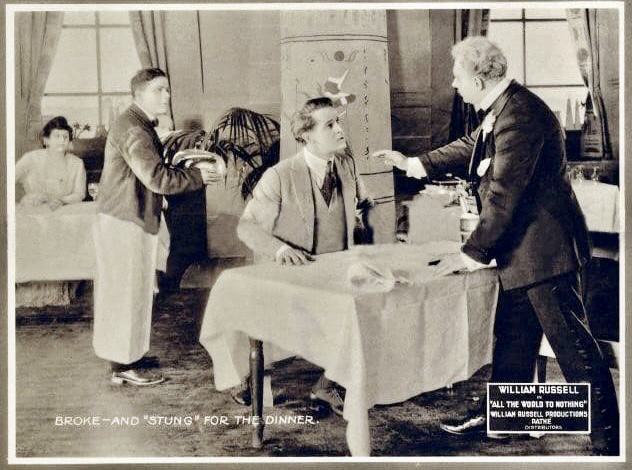
Clutching a dagger, a woman enters a room through velvet portieres and murders Nathan Standish, the scion of a distinguished family. Nathan's sister Sylvia hides the knife, and when the butler Bobbins--whose hatred of Nathan was well-known--is arrested, Sylvia remains silent. To please her father, Sylvia marries the prosecuting attorney Paul Wagner. When she secretly tries to help free Bobbins, detective Bull Ziegler, who believes that Bobbins is innocent, suspects Sylvia. After Sylvia's hysterical speech during sleep leads Wagner to suspect her, she becomes insane. Wagner and her father take her to a mountain retreat where she recovers her sanity without regaining her memory. Just as Ziegler is about to have Sylvia arrested, a telegram arrives informing them that Sylvia's cousin committed suicide and left a note stating that she killed Nathan in revenge for being betrayed by him. Sylvia, who tried to protect the family name, recovers her memory when she learns of the suicide.
View Details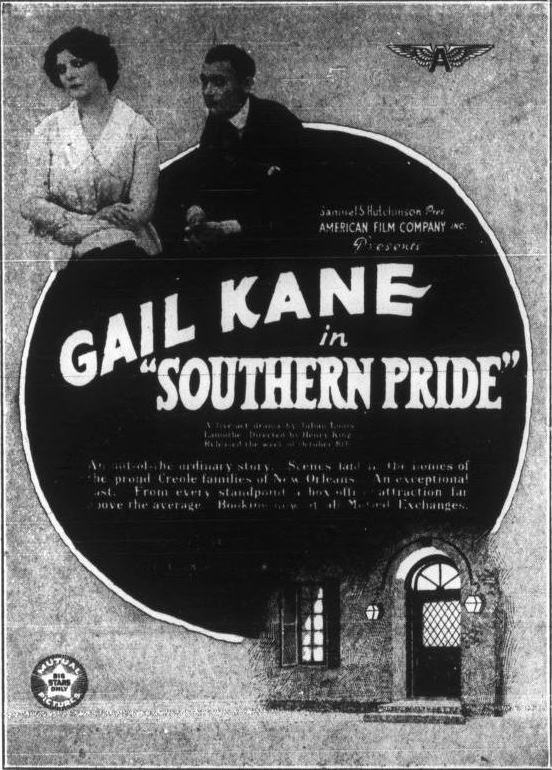
Dir: Henry King
The only remaining members of New Orleans' proud but poor Creole family are Lucie De Montrand, her brother François and their aunt, Tante Jeanne. Two men are in love with Lucie: James Morgan, a wealthy plantation owner whom her aunt wishes her to marry, and the impoverished Robert Orme, whose love Lucie returns. Desperate to win the favor of the town vampire, François gives her the jewels that Gaspar La Roche, an old antique dealer, had earlier given to Lucie. Then, when Lucie fails to wear them as the queen of the Knights of Consus Ball, Gaspar refuses to believe that she is ignorant of their whereabouts. If she marries him, he suggests, she may keep the jewels, but otherwise, she must return them immediately. Lucie learns from Corinne, the cook, that François has taken the gems, whereupon she visits his sweetheart and demands their return. As she walks home, Gaspar insults her, but she is defended by François and Robert. In the confusion, the gun that Gaspar had pointed at François is discharged and the antique dealer is killed. Repentant, François abandons the vampire and assumes his position as the head of the family, while Lucie, through the mediation of Father Moret, finally is allowed to marry Robert.
View Details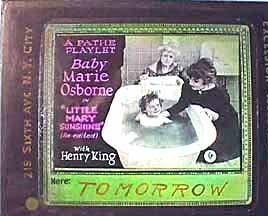
Dir: Henry King
Just after Bob's fiancée breaks off their engagement, he meets young Mary, whose mother has just died, and the two of them comfort each other.
View DetailsAnalysis relative to Ramona
| Film Title | Atmosphere | Complexity | Similarity |
|---|---|---|---|
| A Game of Wits | Surreal | Linear | 94% Match |
| The Locked Heart | Gritty | Dense | 87% Match |
| Up Romance Road | Gothic | Abstract | 90% Match |
| Should a Wife Forgive? | Ethereal | Linear | 92% Match |
| All the World to Nothing | Gothic | Dense | 96% Match |
This guide was algorithmically generated using the cinematic metadata of Henry King's archive. Last updated: 8/17/2026.
Back to Ramona Details →