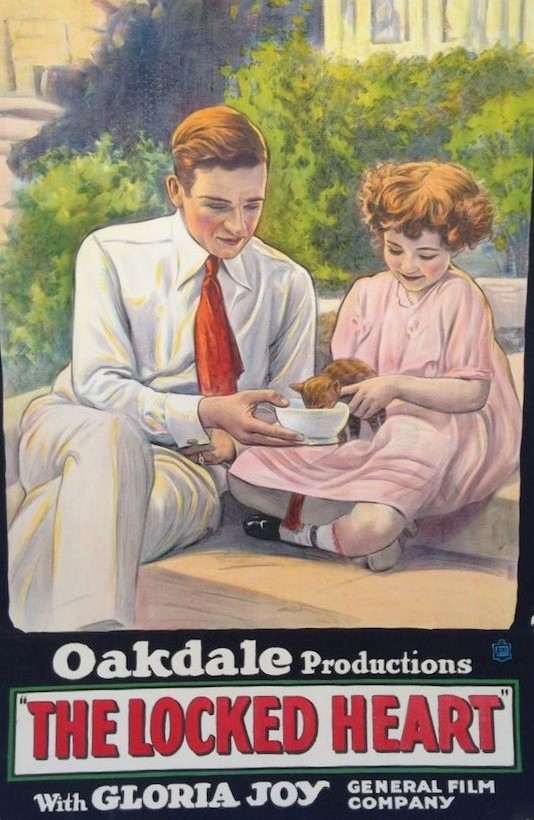
Harry Mason is called home by wire, but when he arrives, he finds that his wife Ruth has just died in childbirth. Thoroughly shaken, Harry refuses to look at the baby, and after locking the door to the room that Ruth had prepared as the nursery, he departs for Europe, leaving little Martha in the care of her grandfather, Colonel Mason.
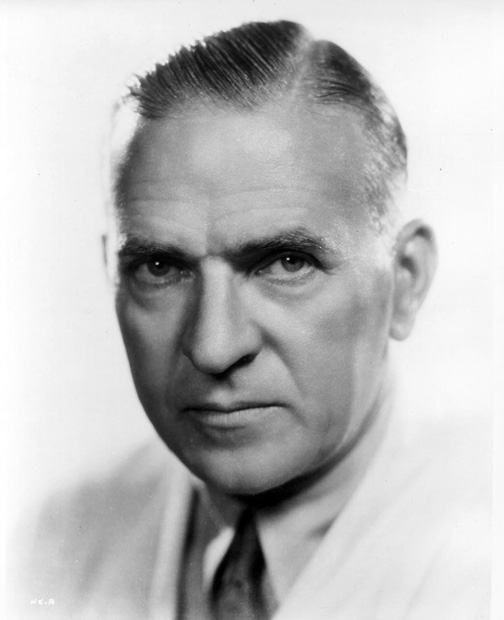
Daniel F. Whitcomb
United States
To traverse the landscape of early American cinema is to frequently encounter works that grapple with the sheer, unadulterated weight of human fragility. The Locked Heart (1918), directed with a nascent yet palpable sensitivity by Henry King, is a quintessential example of the era’s penchant for domesti...
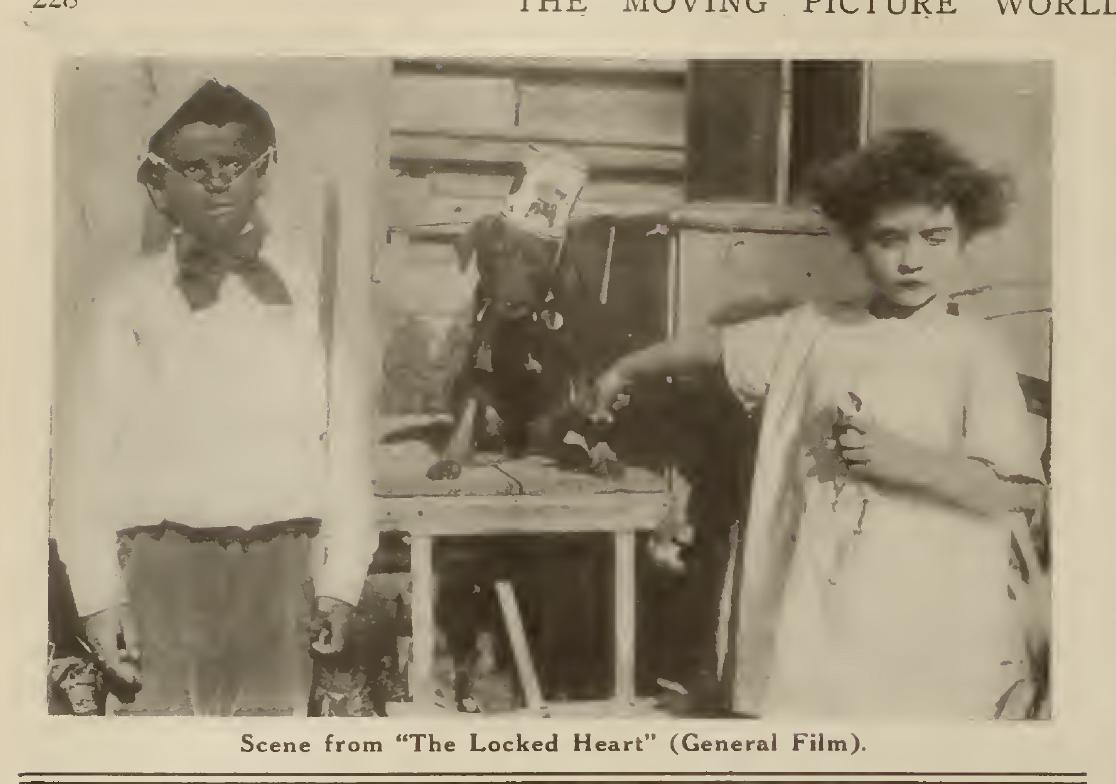
publicity
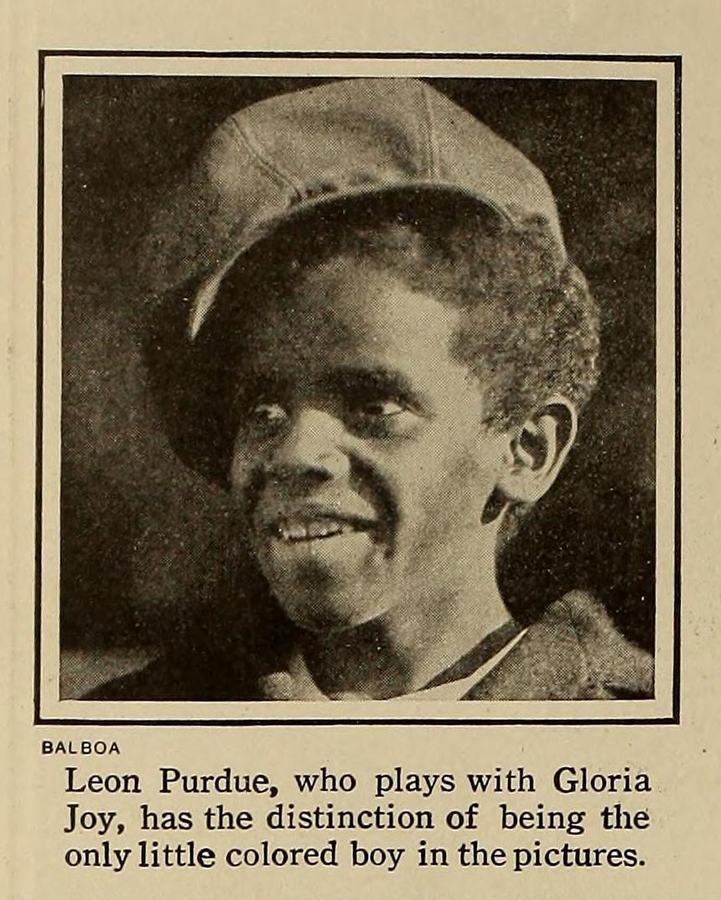
publicity
Comparing the cinematic DNA and archive impact of two defining moments in cult history.
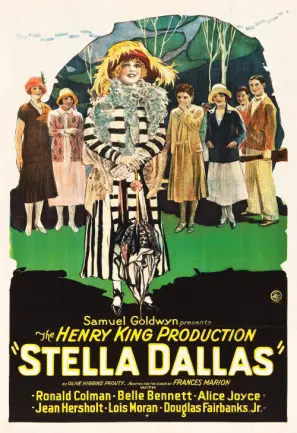
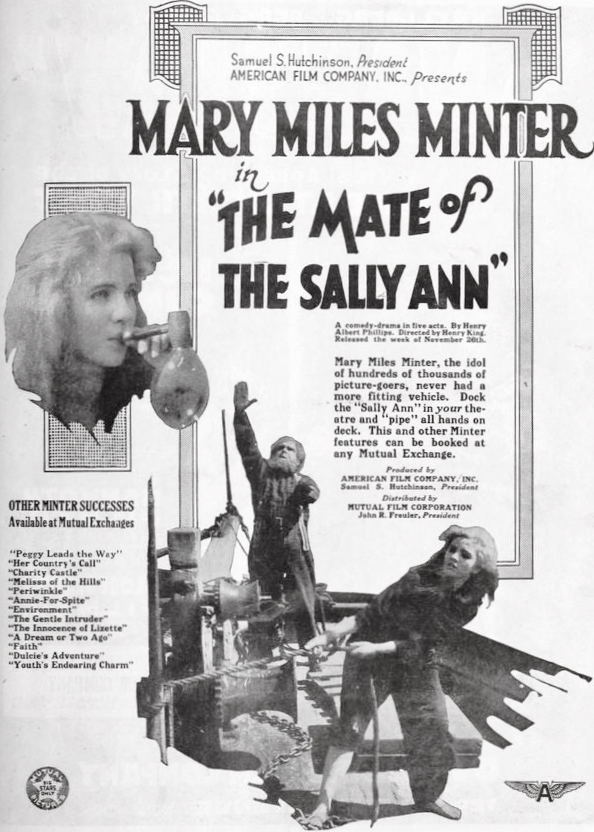
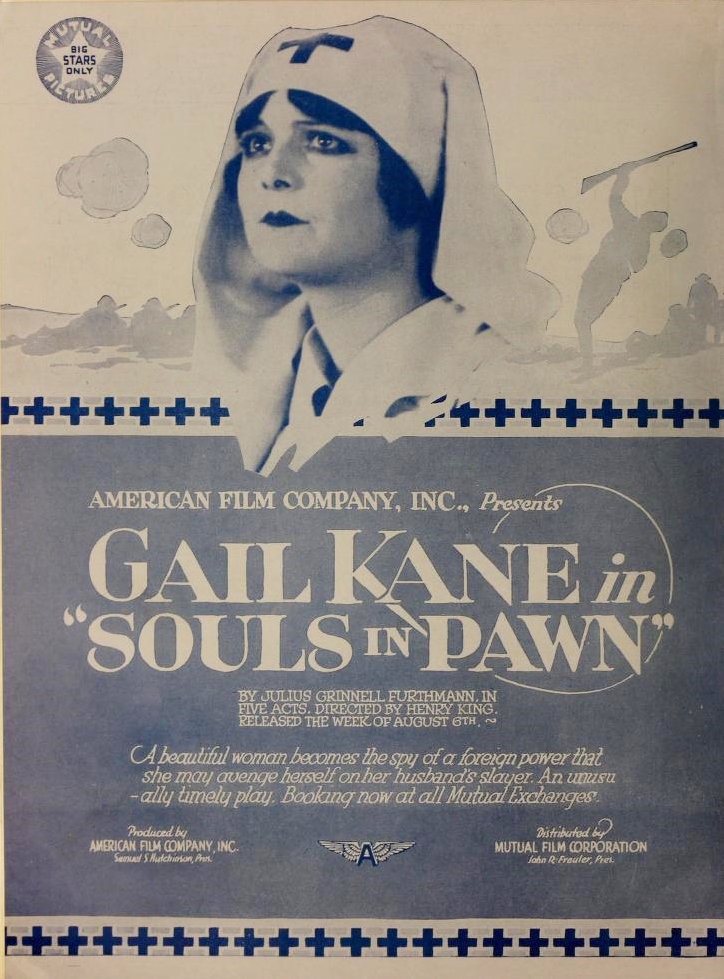
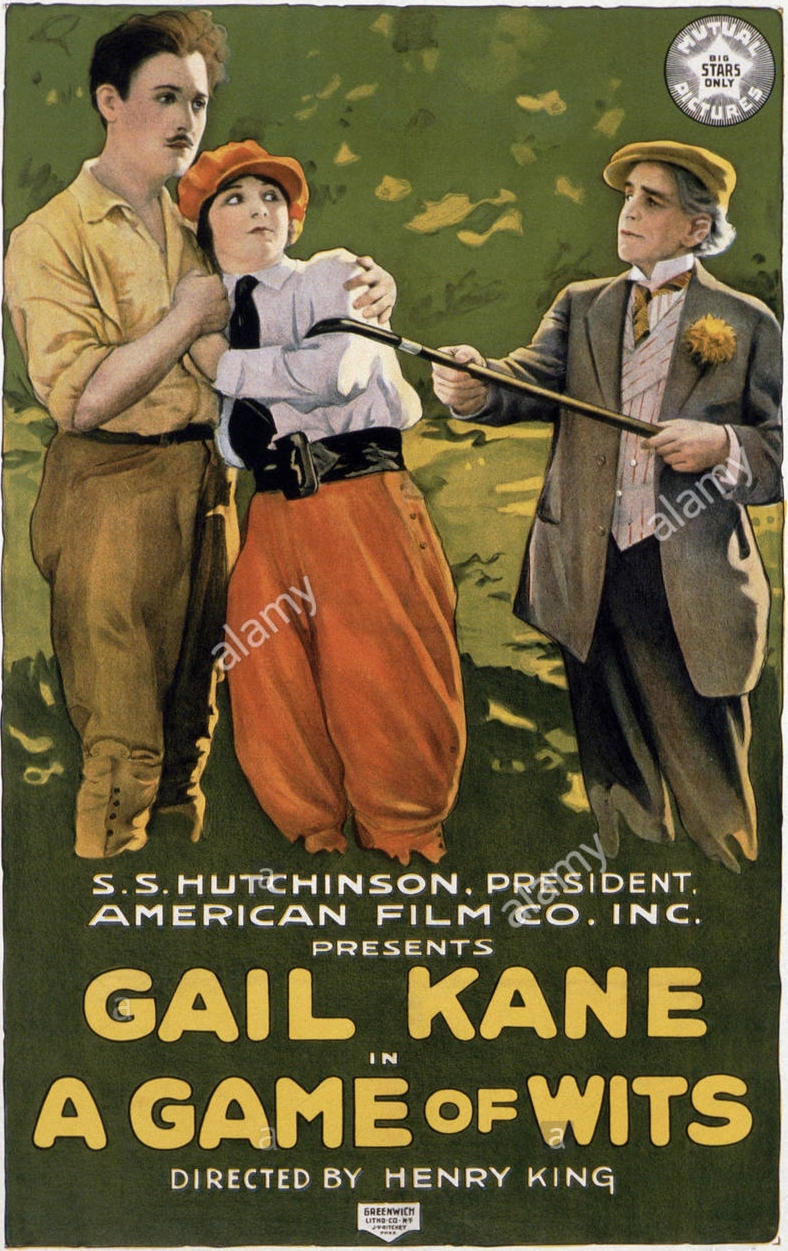
Henry King
Henry King
Community
Log in to comment.
" To traverse the landscape of early American cinema is to frequently encounter works that grapple with the sheer, unadulterated weight of human fragility. The Locked Heart (1918), directed with a nascent yet palpable sensitivity by Henry King, is a quintessential example of the era’s penchant for domestic melodrama elevated to the status of high tragedy. It is a film that does not merely depict grief; it ossifies it into a physical space—the nursery—and then spends its duration me..."
Deep dive into the cult classic
Discover similar cinematic experiences
A Directorial Spotlight on Henry King