
DbcultAccessing Vault...
Recommendations
Senior Film Conservator

Since its 1925 debut, Red Love has maintained a thematic gravity status, the legacy of Red Love is a beacon for those seeking the unconventional. Our criteria for this list were simple: only the most thematic gravity and relevant titles.
The 1925 landscape was forever altered by the arrival of to sustain a sense of mystery that persists after the credits roll.
Thunder Cloud, a member of the Sioux Nation and a college graduate, goes into hiding, believing he has slain a villainous white man named Bill Mosher. Although he steals to survive, Thunder Cloud always leaves money or a promissory note for what he takes. The young Sioux falls in love with Starlight, the half-breed daughter of Sheriff La Verne, and abducts her during an Indian Fair. They are followed to his hideout by Little Antelope, the adopted son of white parents who is now a member of the Indian Police. Thunder Cloud recognizes Little Antelope as his younger brother, but is unable to avoid arrest. At the trial, it is revealed that Mosher is alive and was attempting to frame Thunder Cloud. After he is set free, Starlight quits her teaching job to marry him.
Critics widely regard Red Love as a cult-favorite piece of Drama cinema. Its thematic gravity is frequently cited as its strongest asset, solidifying its place in United States's film legacy.
Based on the unique thematic gravity of Red Love, our vault has identified these titles as the most compelling follow-up experiences for fans of Drama cinema:
Dir: Edgar Lewis
Karl "Curly" Casterline, a wrongfully discharged New York City policeman, finds work on the Midwestern farm of Adolf Bauerle to help the war effort. Curly is attracted to his boss's niece, Mina, but also realizes that Adolf and his cohort, Kurz, plan to blow up a troop train. Curly kills the two saboteurs and saves the train, but he is jailed by the abusive Sheriff Herman Lindig. Although Mina praises Curly for saving the soldiers' lives, he is sentenced to death and is denied a pardon from the governor. After the case attracts national attention, the governor explains that he prolonged Curly's incarceration to draw attention to the danger of German propaganda. Curly marries Mina and is later pardoned by the governor, who enlists him as an officer to protect the state from its enemies. Sheriff Lindig and his German conspirators are convicted and escorted to federal prison by Curly.
View Details
Dir: Bruno Ziener
A fascinating piece of cinema that shares thematic elements.
View Details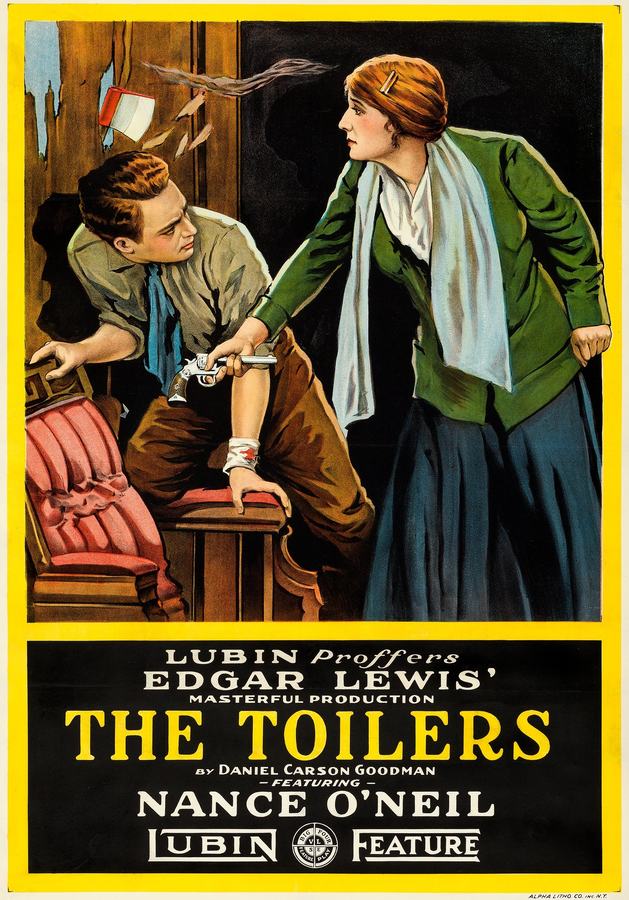
Dir: Edgar Lewis
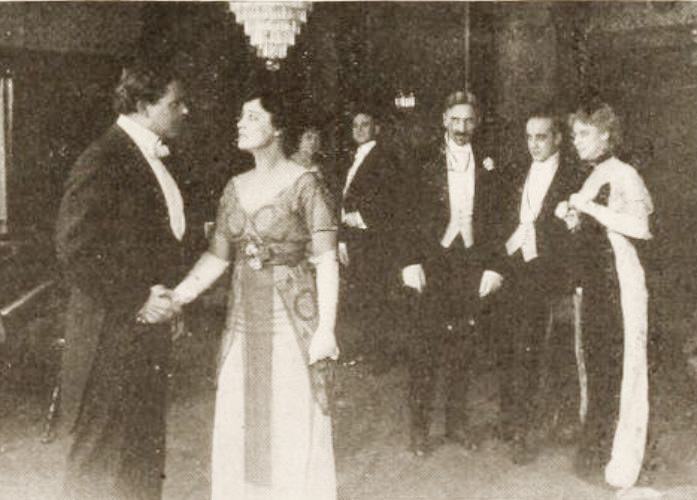
The scene is set in the Pennsylvania petroleum region. Oil worker William Brett has used his scanty hoard of savings to send his daughter Jane to the city to secure a higher education. Completing her course as a trained nurse, Jane visits her old home. Amid the settlement's corroding influence, her brother becomes a thief. Jane's sister Annie falls a prey to the blandishments of a tempter from the city. Fired with indignation against the injustice of affairs, Jane devotes herself to the double mission of avenging and of righting the wrongs of which her family and the community in general have been subjected. Her father is seriously hurt in an accident at work, and his pay is stopped. Jane hastens to the city, determined to make an effort to awaken William Jameson, the millionaire owner of the oil field, to a realization of the wrongs imposed upon the workers. She arrives at a time when the millionaire's son John Jameson, who glimpsed the light of uplift, is vainly pleading with his father to listen to his plans for the betterment of the workers' conditions. Jane is compelled to force her way into the Jameson mansion during the progress of a bal masque given in aid of the Society for Prevention of Cruelty to Animals. She accosts William Jameson in his study, and wild with anger and further maddened by the millionaire's gibes, she tries to kill him and is arrested by detectives. Although she and young Jameson have not met, the latter is instrumental in obtaining her release. Jane goes back to the workers and a secret strike is formed, Jane being the ring-leader. They determine to fire the wells to teach Jameson a lesson. It is at this time that John Jameson comes to the oil wells to investigate conditions. His identity is not known by anyone except the superintendent. Morgan, the ringleader of the workers, is in love with Jane, and on the eve of the firing of the wells he learns of Jameson's identity by breaking into his cottage. The same evening, to save the property, young Jameson goes to Jane, confesses his identity, and pleads with her to help him save the property. Jane is in a quandary. She has fallen in love with the man, whom she believed to be a workman, and he with her. Finally, when she goes to the meeting place of the strikers and pleads with them to hold off, Morgan, who has just broken into Jameson's hut, rushes in, and accuses her of being a traitor. There is a fight. They trample over Jane and rush to the wells. Jane, realizing that they will turn to her unsuspecting lover and try to kill him, drags herself to him and just in time throws herself in front of him as the strikers rush to kill him. However, John Jameson bares himself to the strikers, asks them to listen to him, and proves to them that he is there on their behalf. He then goes to his father and forces him to give in to the strikers, and all ends happily.
View Details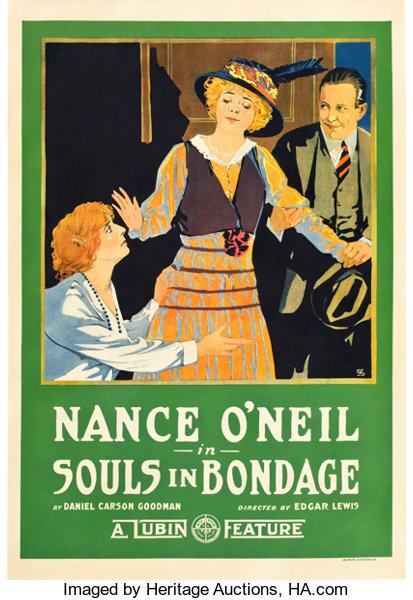
Dir: Edgar Lewis
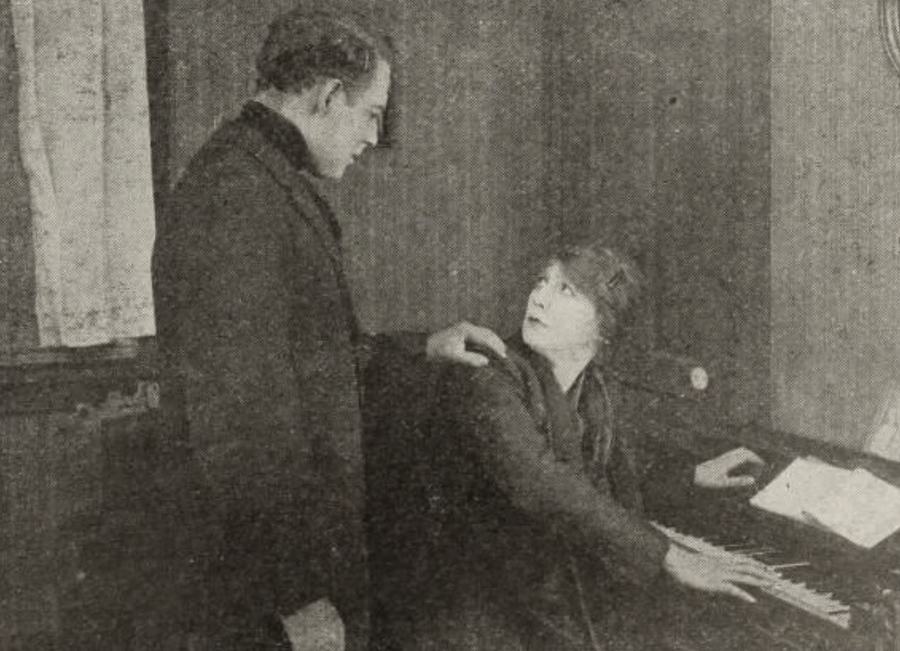
Rosa is looked upon as an outcast, and is always in the shadow of her spoiled younger sister Rita.
View Details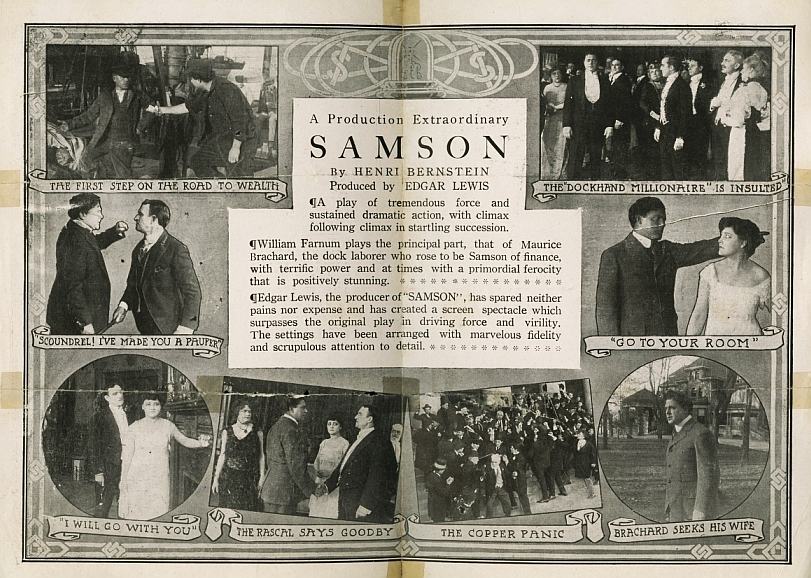
Dir: Edgar Lewis
Murice Brachard, a dock laborer, rises to be a "Samson" of finance with terrific power and a primordial ferocity, which he needs when his wife spurns his devotion, and people he trusts try to pull down the structure of wealth he has erected.
View Details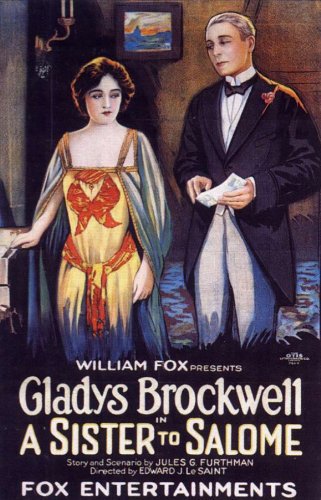
Dir: Edward LeSaint
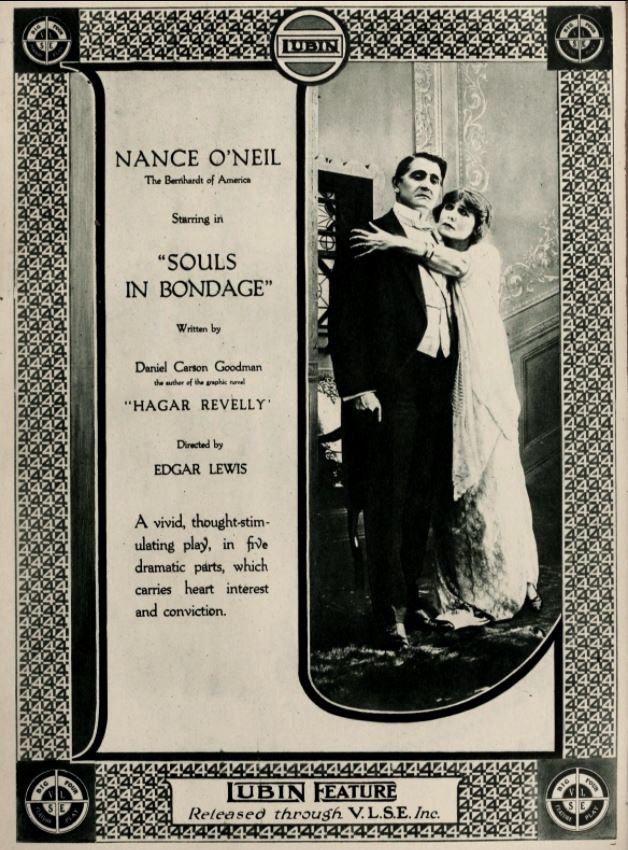
When famous opera singer Elinore Duane undergoes an operation on her throat, she has a series of ether-induced visions. In one, she is transported to ancient Rome where she appears as a much-admired woman in love with Paul, a young heretic, and at odds with Lutor, the high priest. To save her love, she poisons Lutor with her ring. After several other visions which involve variations on this love triangle, Elinore awakens to discover that Lutor is actually her doctor, Sascha Jaccard, and that Paul is the son of a friend who has come to visit the recovering prima donna.
View Details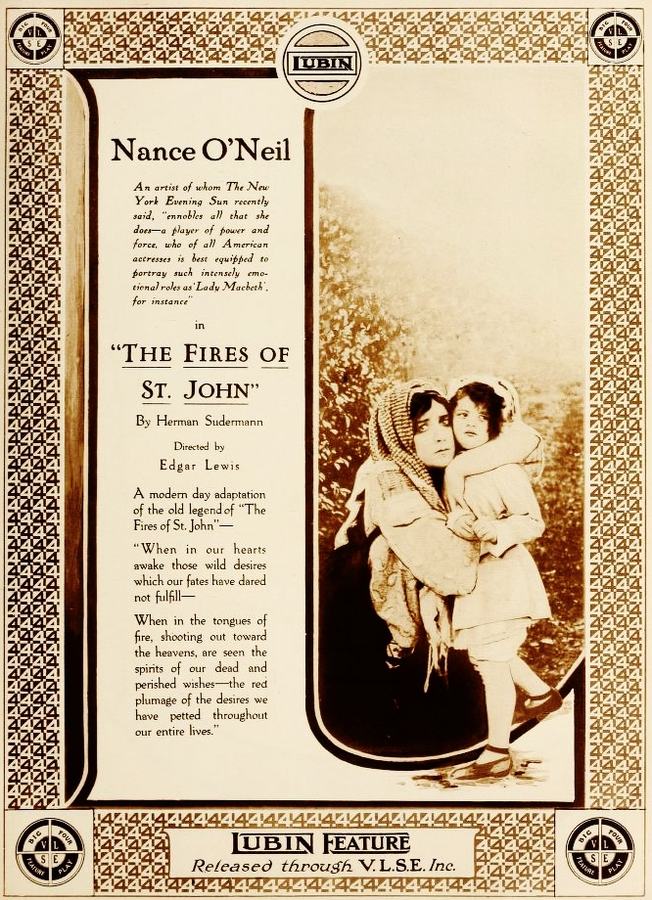
Dir: Edgar Lewis
The picture opens in Pennsylvania 25 years ago, during the winter of terrible drought. Vogel, the village's most prosperous farmer, is called to his only brother's bedside to take charge of his 4-year-old nephew George. On his way home from the suicide's house, Vogel finds an old gypsy woman carrying an infant almost frozen to death. Vogel takes the infant home with him and the next day adopts her with George. The old gypsy is paid a sum of money to give up all claim of the child on condition that she will not interfere in the future. She accepts and departs. Marika and George are known in the town as the calamity children. Three years later, a daughter, Gertrude, is born to Vogel. The family is returning from her christening when the old gypsy woman suddenly seizes Marika and caresses her. The crowd drives off the old woman, the the incident makes an impression on Marika's young mind. Marika and George become childhood sweethearts, and when George is 12, he and Marika plant a little tree in the garden behind the house and call it their sweetheart tree. Seeing this, Vogel chides George for being so sentimentally silly, and orders him to get to work filling the grain bins. George resents Vogel's manner, and Vogel angrily flings out that George's father was a suicide who left Vogelto pay all his debts and bring up his son. George runs away, vowing that he will not return to the village until he can repay Vogel in full. Years pass and Marika and Gertrude are grown to young womanhood. Marika, with the memory of George ever in her heart, learns that he has prospered and is about to return to the village. Vogel, who hears this news, decides that George is the man to marry his daughter Gertrude. George returns, and is hailed with delight by all except Marika, who, actuated by a motive of gratitude because of all Vogel has done for her in the past, stifles the call of her own heart and keeps her love for George locked within her own breast. Later George asks Marika why she avoids him, but she's evasive, and he, in a fit of pique, proposes to Gertrude. When she hears of this, Marika insists upon fitting up the new home which George and his future bride are to occupy in a neighboring village. This necessitates her making frequent trips at night, returning to her home the following day. On one of these trips Marika again meets the old gypsy woman, who seizes her and calls her her daughter. Marika rushes to her home and later, as she hears the family discussing the incident of meeting the gypsy years ago, she realizes for the first time that the old hag is her own mother. It is St. John's Eve, two days before the wedding of George and Gertrude, and Marika is to make her last trip to the couple's new home. The family have retired and George has remained up to keep Marika company until train time. As she realizes that George is soon to go out of her life forever, Marika is unable to restrain the pent-up passion of years, and she begs George to take her in his arms. This action is seen through the window by the old gypsy, who realizes that from now on she can secure money from George to keep the facts of what took place from the public. As the day dawns George begs Marika to let him go to Vogel and tell his love for her, but she, knowing that the shock would kill Gertrude and break her foster parents' hearts, refuses. Later she silently looks on with breaking heart as George and Gertrude are married. During the wedding ceremony the old gypsy enters Vogel's house and is found by the returning guests in the cellar, intoxicated. She is arrested and taken to jail. Marika learns of this and goes at once to her mother, and finds her very ill. She dies in delirium. The next morning Pastor Hoffman, who has always loved Marika, comes to the cell and finds his beloved bending over the body of her mother. He takes her into his arms and she leaves the prison with him.
View Details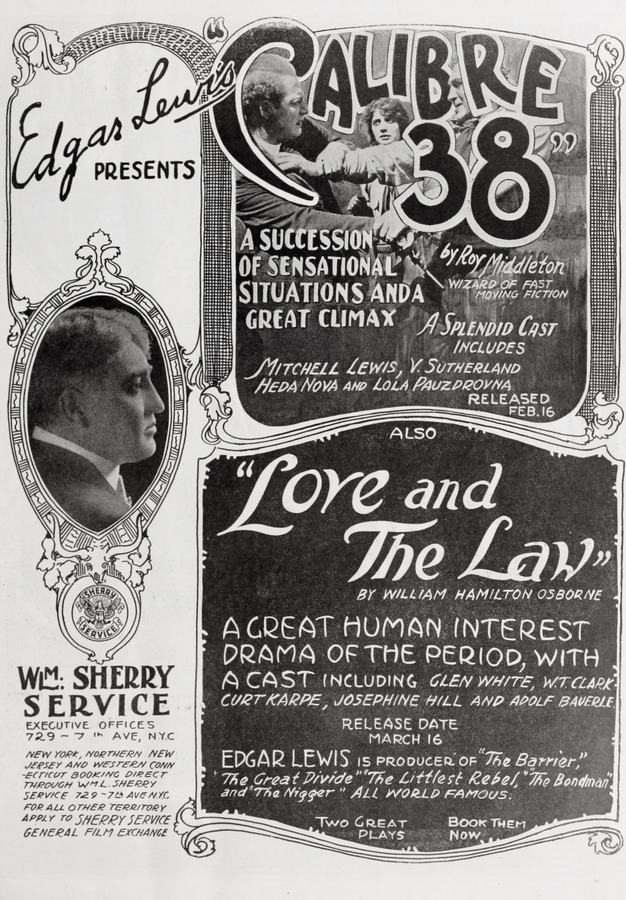
Dir: Edgar Lewis
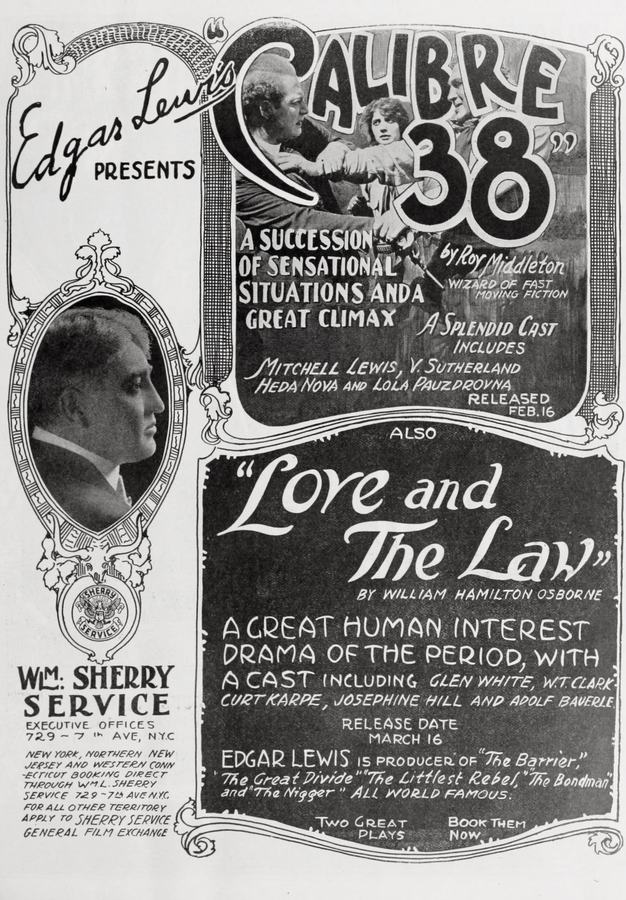
Montana cattleman Austin Brandt is jilted by Rosemary, who elopes with stranger Royce Greer, but he is consoled by his 20-year-old niece Joan. Rosemary later returns to Custer City to run a dance hall with her husband, who mistreats her. Eastern capitalist Robert Barton comes to town with his son Ford to settle a financial misunderstanding with Brandt. After reprimanding his son, Robert Barton is later found dead in his bed. Knowing of their financial argument, Ford believes Brandt is responsible, while Greer and his gang claim that Ford committed the murder. Convinced of his innocence, Ford asks Brandt to help him find the murderer. They discover that Barton was shot with a .38 caliber bullet, and Greer carries such a revolver. Meanwhile Greer's mob storms Brandt's house demanding Ford be taken prisoner. Brandt forces a confession from Greer, who is dragged away. After her husband's death, Rosemary departs and leaves a note explaining her love for Brandt. Joan and Ford find happiness together.
View Details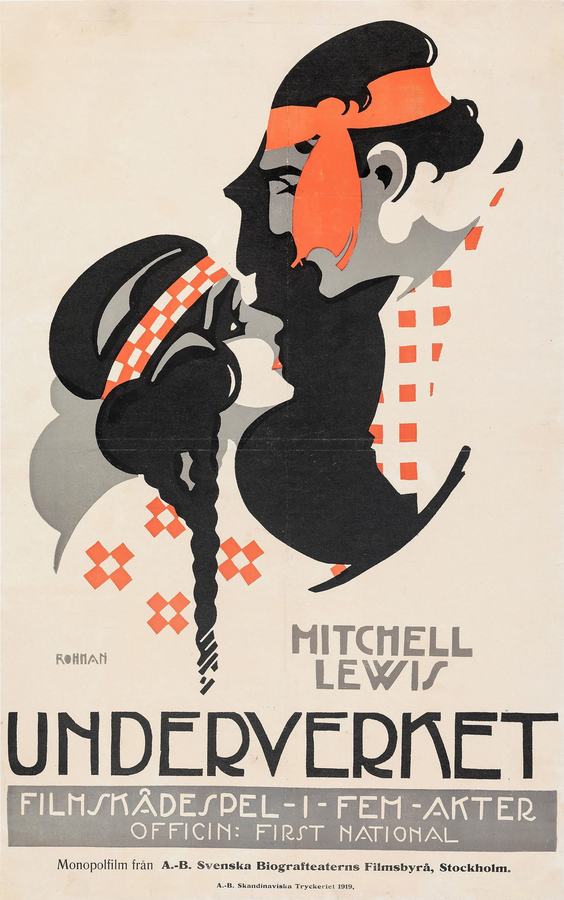
Dir: Edgar Lewis
Dr. Robert Winston loses faith in himself and his religion when his own mother dies under his scalpel. Abandoning his profession, he moves to the Canadian Northwest, where he avoids companionship and drinks constantly. Despite Robert's atheism, he attracts the interest of Jeanette Mercier, the minister's daughter, and under her gentle influence, he is slowly regenerated. In the meantime, an Indian named Lone Deer bids a temporary farewell to his sweetheart Winona, whose father wishes to die among his own people, but when he finds her canoe overturned in the water, he assumes that she has drowned. Later Lone Deer saves Jeanette from Lou Baribeau, the brutal and lecherous company agent, but is seriously wounded in the struggle. Rev. Mercier convinces Robert to operate, and because the procedure proves successful, the doctor regains his faith and marries Jeanette. Winona finally returns to aid in Lone Deer's recovery.
View Details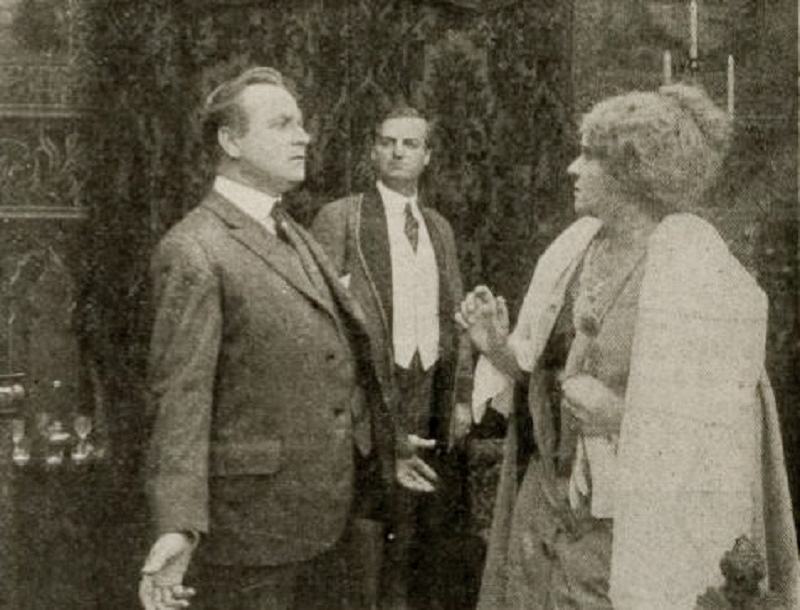
Dir: Edgar Lewis
In order to avoid exposure attendant upon the birth of Harold Gage, the fatherless son of Constance, he, through arrangements made by Lady Staunton, the haughty sister of Constance, is placed under the care of Mr. and Mrs. Marshall, who are paid to rear the boy as their own, cautioned against revealing to him or the outside world his true identity. Mrs. Marshall's real son, in the early years of his life, acquainted with the doubtful parentage of Harold, taunts him. The two engage in a boys' fight, Harold being severely cut on his left arm by a scythe in the hands of his young foster brother, the wound leaving an ugly scar. The lad, sensitive of the treatment of his foster brother, finally migrates to Australia as a stowaway, where, by reason of forced circumstances and his near starvation to death, become a bush-ranger. Because of the rapidity of his operations, and his ability to escape detection and arrest, he, as the unknown bushranger, received the sobriquet of "Capt. Swift." He attempts to hold up a traveler, George Gardner, who is willing to suffer death rather than part with his gold. "Capt. Swift," hesitating to take a human life, compels him to alight and rides away with the wayfarer's mount. Swift, after having robbed the Queensland bank, suffers remorse, and determines to reform. Under the name of William Wilding, being the name of his companion in Australia, who died of starvation and thirst on the desert, he returns to London, where, at an opportune moment, he saves James Seabrook. whose life is in jeopardy by reason of a runaway horse. "Capt. Swift," invited by Seabrook to his home, there meets Mrs. Seabrook, their daughter Mabel and their niece Stella Darbisher. Harry Seabrook. brother of Mabel, a whole-hearted but impetuous young man, takes immediate dislike to Swift, whereas Stella Darbisher, a girl of romantic disposition, admiring the brave spirit inherent in Swift, becomes strongly attached to him. Marshall, the foster brother of Swift, is now employed as butler in the home of the Seabrooks. At a gathering the conversation is directed toward the escapades of one, "Capt. Swift," in Australia, whose name had become almost a household word throughout England. In the course of conversation, George Gardner, who is a friend of the Seabrooks, having returned from Australia, calls at their home, and there identifies Wilding as the notorious "Capt. Swift," and is in turn recognized by Swift, but his identity is not revealed to the others. Mrs. Seabrook recognizes a strong similarity between the man Swift and her boy, given away in adoption to the Marshalls. Her fears are later justified, when, at a dramatic and tense moment, she proves the fact to him. Swift, however, in order not to stigmatize his mother, determines to leave the household of the Seabrooks. Stella Darbisher's infatuation for Swift has progressed to such a point as to cause a strong reciprocal feeling on his part for the girl. The rivalry of Harry Seabrook for the hand of Stella causes a violent quarrel between him and Swift, the consequences of which are avoided by the timely intervention of Gardner. Marshall, eavesdropping during a conversation between Swift and his mother, Mrs. Seabrook, learns of the identity of Swift, and further proves it by a scar on Swift's arm, the result of the wound inflicted by Marshall when the two were boys. With this knowledge Marshall attempts to blackmail Swift, and being repulsed, acquaints the police with his whereabouts. A detective from Australia has arrived in London to apprehend Swift, having traced his movements to that place. Gardner, strongly admiring the manhood of Swift, determining if possible to save him, warns him. Swift, cornered in the home of his mother, rather than suffer arrest, together with the attendant exposure, and the possible revelation of his real identity, and to save the girl he loves and his mother the disgrace that would necessarily follow, jumps out of a window, knowing that the possibility of escape is meager. Marshall, working in league with the detective, is hidden in the shrubbery, and seeing Swift, fires, mortally wounding him, at the same moment that the detective from a window above shoots, the cross shot which strikes Marshall, puts an end to him. The denouement ends without the identity of "Capt. Swift" being revealed to the others.
View DetailsAnalysis relative to Red Love
| Film Title | Atmosphere | Complexity | Similarity |
|---|---|---|---|
| Love and the Law | Surreal | Dense | 91% Match |
| Eva, wo bist du? | Gothic | Dense | 86% Match |
| The Toilers | Surreal | Abstract | 88% Match |
| Souls in Bondage | Ethereal | Dense | 89% Match |
| Samson | Gothic | High | 88% Match |
This guide was algorithmically generated using the cinematic metadata of Edgar Lewis's archive. Last updated: 8/17/2026.
Back to Red Love Details →