
DbcultAccessing Vault...
Recommendations
Senior Film Conservator
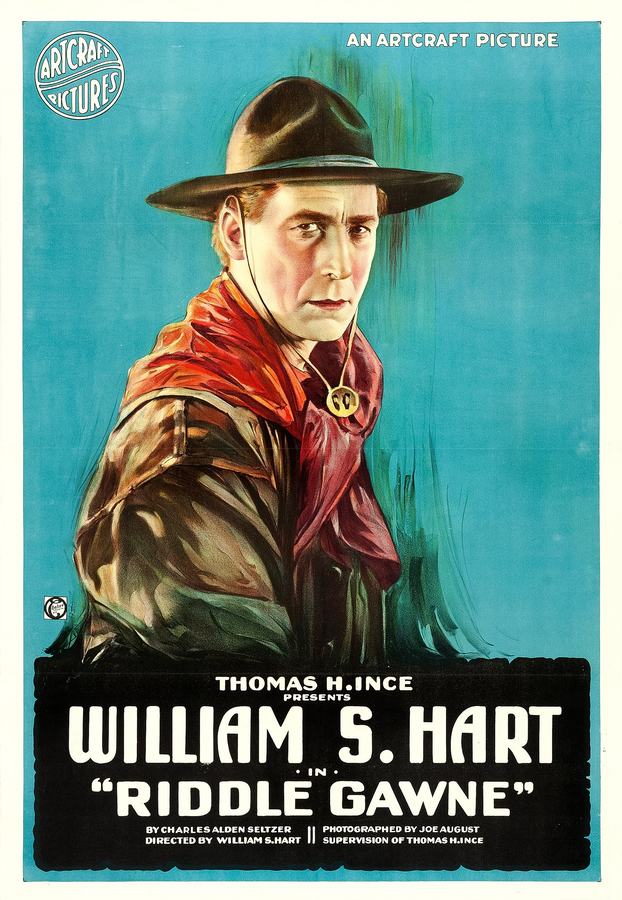
For cinephiles who admire the cult status within Riddle Gawne, the specific cult status of this work is a gateway to a broader cult world. We've prioritized films that capture the 1918 aesthetic with similar precision.
At its core, Riddle Gawne is a study in to create a dialogue between the viewer and the cult status.
Riddle Gawne seeks revenge on the man who stole his wife and killed his brother. Gawne saves Kathleen Harkness from cattle rustler Bozzam and discovers that Bozzam is the man he seeks.
Based on the unique cult status of Riddle Gawne, our vault has identified these titles as the most compelling follow-up experiences for fans of cult cinema:
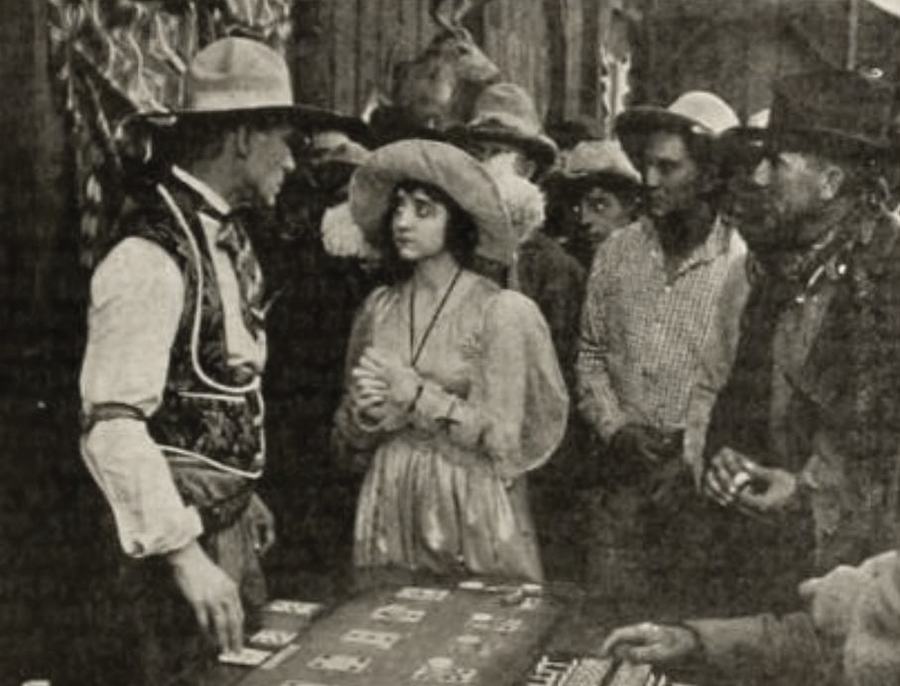
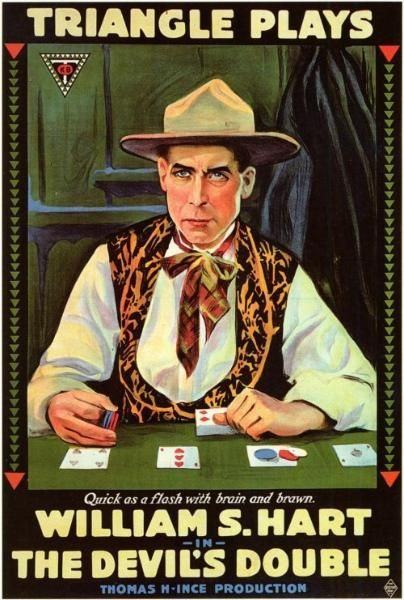
Dir: William S. Hart
Van Dyke Tarleton is an artist. He is absorbed body and soul in his latest creation, "Lucifer, Son of the Morning," but lacks a model to depict the brooding evil, the smoldering, sardonic sin that he has visualized in the spirit's face. Naomi Tarleton, his wife, is a beautiful and gentle creature. Tarleton has an attack which necessitates a sojourn in the desert, and he, with his wife, arrive in Tophet, an Arizona border town, where "Bowie Blake," bad man, witnesses their arrival. Tarleton recognizes in Blake a Lucifer in the flesh, and insists that "Bowie" become his model. His demand is refused. Later Blake becomes enthralled when he sees Naomi. Tarleton witnesses the meeting from a window and determines that his wife shall accomplish what he has failed to do. He sends her to the gambler, telling her to beg Blake to come. She does this, and Blake becomes the model. Tarleton insults his wife continually in Blake's presence to prevent the brooding evil, sardonic hardness, and the grim deadliness in the eyes and face of his model from disappearing. One day Tarleton faints at the canvas and the doctor advises that he be taken to the mountains. The three find an ideal camp, and the painting goes on, Tarleton insulting his wife more and more, until Blake decides to leave them, as he can stand it no more. He hesitates on the road, not willing to leave Naomi alone with Tarleton, and eventually returns to find that "Red" Gleason and Jose Ramirez, two outlaws, have killed the painter and are drawing cards to see who shall possess the woman. He kills them both, and takes Naomi to a cave farther in the mountains. Through an injury, Naomi loses her mind. Blake treats her as a child, until her mind becomes clear. He then tells her that he intends to have her as his own. Naomi exerts her influence, and he fights his battle, and wins over himself, upon which he agrees to take her back to town. They stand where the trail leads to the desert town. She holds her hand out to him: "What can I say?" she cries plaintively; "What is there for you and me to say to each other?" Bowie remarks: "I'm sayin' just this: some day I'm comin' after you." She looks at him and answers softly: "Yes, I think you will do that, but I make no promise, there are things to be done, that time and striving will do. It is in your hands, Bowie." "That's all I ask," he answers. "I'm takin' that chance."
View Details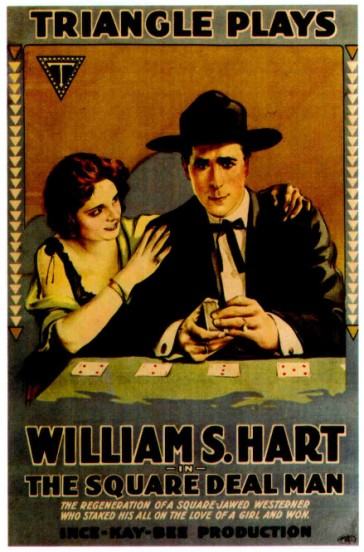
Dir: William S. Hart
Jack o' Diamonds and his partner, Two Spot Hargis, are known as square sports in the desert town of Oxide. Jack gives liberally to all charities, and is surprised when one day a pioneer missionary refuses to take his money as he considers it ill-gotten. About this time Col. Ransome enters Jack's gambling place. The colonel, a big ranch owner, intoxicated and loaded down with money received in a cattle deal, insists on a game for the highest stakes. Jack consents, wins the colonel's money and also a deed to the ranch. In the fight that follows Colonel Ransome is shot by one of his own foremen, Anastacio, who has previously planned to rob his master and hates to see the money get away from him. The onlookers think that Jack killed the colonel, but as there is a general shooting no fuss is made about the matter. Jack becomes disgusted with his present mode of life and quits the gambling game. He takes up the ranch that has been deeded to him by the dead colonel. When Jack and his partner, Two Spot, arrive at the ranch they discover that the colonel has left an only daughter, Virginia Ransome, who is being educated in New York. Jack determines to put the ranch in order and hand it over to the rightful heiress. When things are in shape he writes to Virginia to come west. When Virginia arrives she treats Jack as a hired servant. He still keeps on with the work around the ranch, but is hampered by Virginia's attitude, as this encourages Anastacio and the hands to almost open mutiny. After plotting to dethrone Jack and secure both the ranch and Virginia for himself, Anastacio tells Virginia that Jack Diamond is the murderer of her father. Virginia dismisses Jack and makes Anastacio her foreman. Jack and Two Spot leave the ranch, but determine not to leave "the little lady" to the mercy of Anastacio. Jack dispatches Two Spot to the nearest fort for the rangers and returns in time to rescue Virginia from Anastacio and the rangers arrive in time to clear up the ranch. One of Anastacio's associates tells Virginia that her father was shot by Anastacio and not by Jack. Virginia apologizes to Jack for her past unkindnesses and offers to turn over the ranch to him as rightful owner. Jack will only entertain a proposition that involves a half ownership, and eventually wins Virginia as his wife.
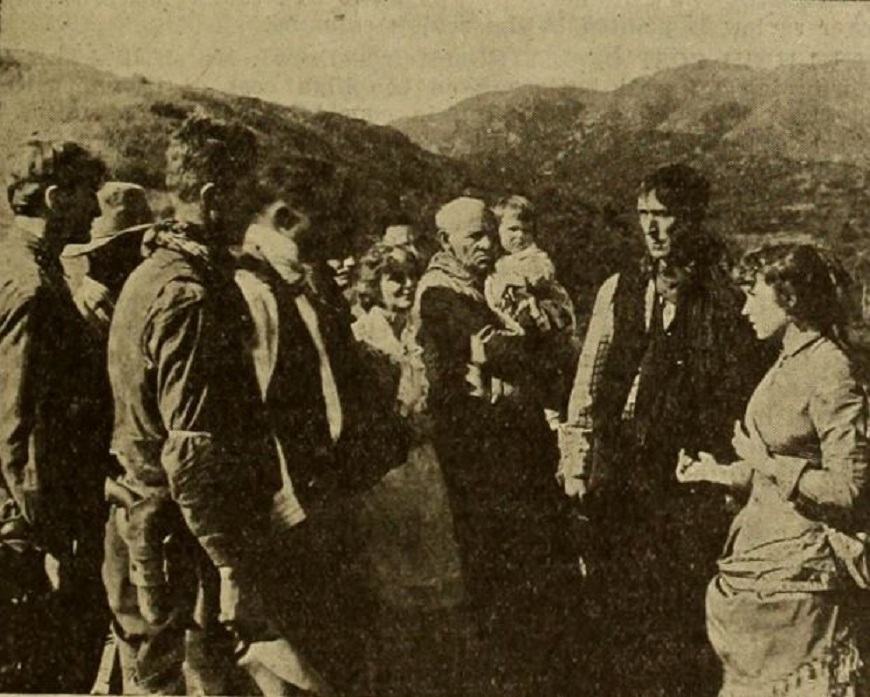
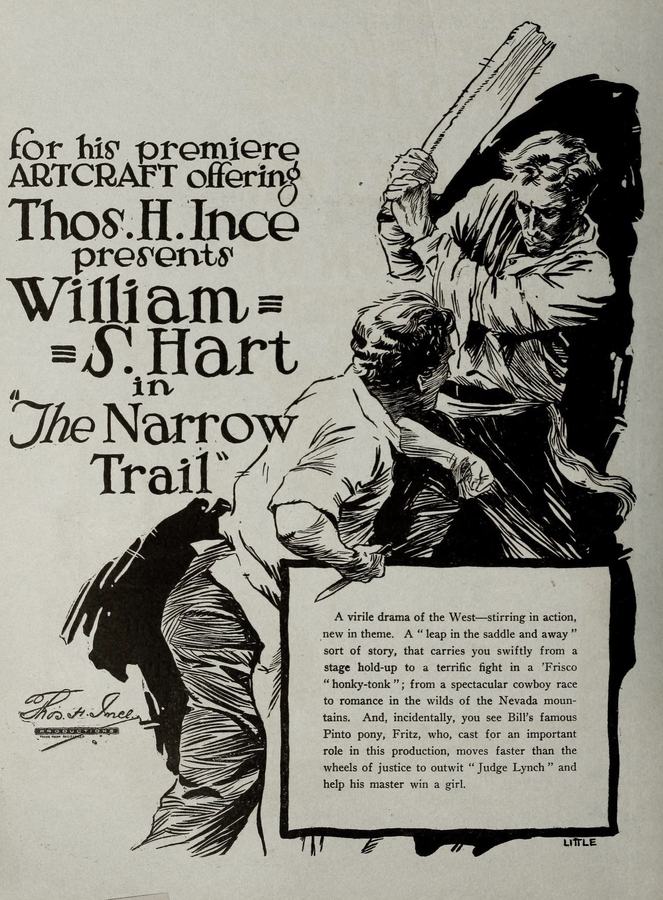
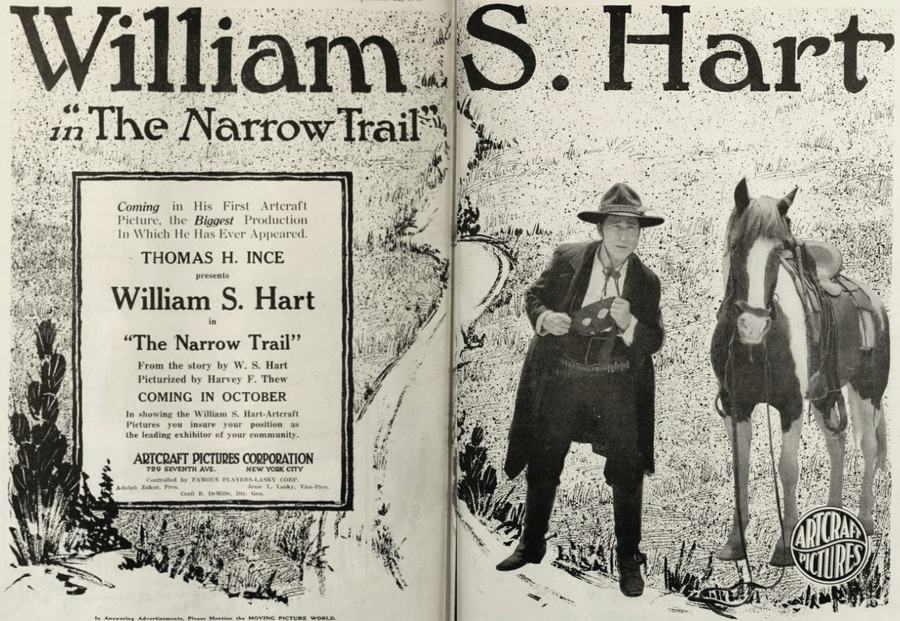
Dir: William S. Hart
Ice Harding, leader of a band of outlaws, covets the pinto leader of a band of wild horses, and after a long chase, ropes and breaks him. Ice and "The King" become fast friends and when the rest of the gang object to the King because his peculiar markings betray their presence, Ice breaks with the gang, determined to play a lone hand rather than give up his horse. But he searches for the girl he loves and finds her a siren on the Barbary Coast instead of the girl he thought she was, and broken hearted, he returns to the mountains. It is the King who ultimately carries him to happiness.
View Details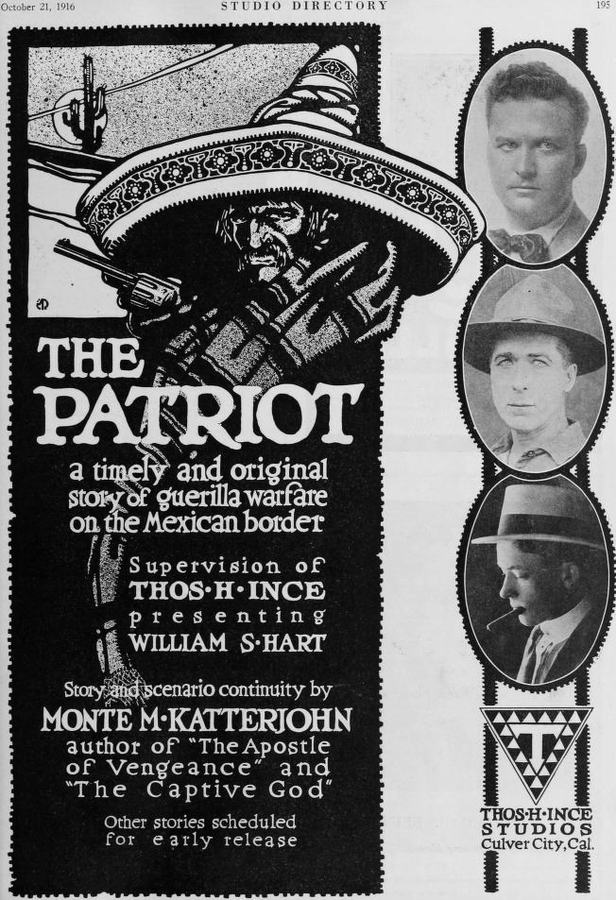
Dir: William S. Hart
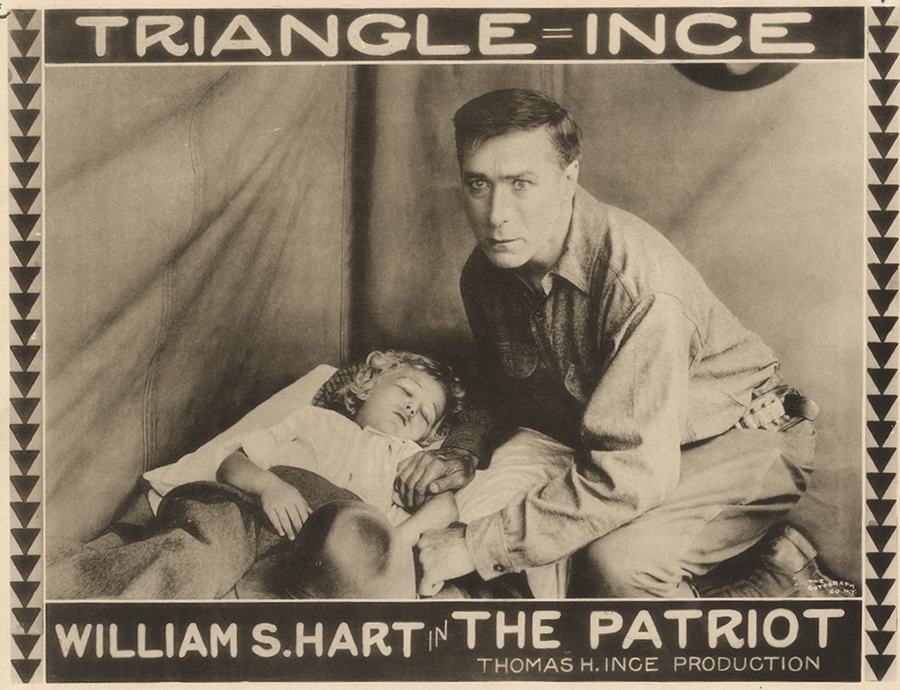
Bob Wiley had staked out a homestead in New Mexico, five miles from the border town of Lawton's Ridge. Wiley was a pioneer, a veteran of the Spanish-American War, and a devout believer in the superiority of his country to any other land on the face of the globe. He lived in a whitewashed cabin, over which the Stars and Stripes forever waved, with his little son, Bobby, and a faithful Indian, Joe Good-Boy. Wiley had lost his wife in the rough pioneer days. When his boy was yet a baby, he chanced on gold in the bed of a stream that ran through his clearing which gave him another incentive to save all he could and make his boy a rich man. While, however, he was drawing out more gold daily and his bank account in Lawton Ridge was growing steadily, a pair of corrupt local politicians, attracted by the wealth of the find, conspired to rob him of his homestead on a technicality. In this they succeeded and Bob Wiley finds himself dispossessed by the agents of a government he has served in its hour of need. He goes to Washington to prove his claim, gets no redress, and returns to find his land preempted and his little boy dead. His heart is filled with bitterness against his own country and he seeks revenge by joining the bandit forces of Pancho Zapilla who is preparing to raid Lawton's Ridge. Entering the village as a spy he tells the colonel in command of the American troops that Zapilla contemplates a raid on a town several miles distant. This information sends the troops off on a false scent and leaves Lawton's Ridge open to an attack by the bandits. But Wiley gradually awakens to the enormity of his offense and by courage and devotion he saves the town, thwarts the bandits, pledges his allegiance to the flag, and becomes once again a loyal, patriotic American.
Dir: William S. Hart
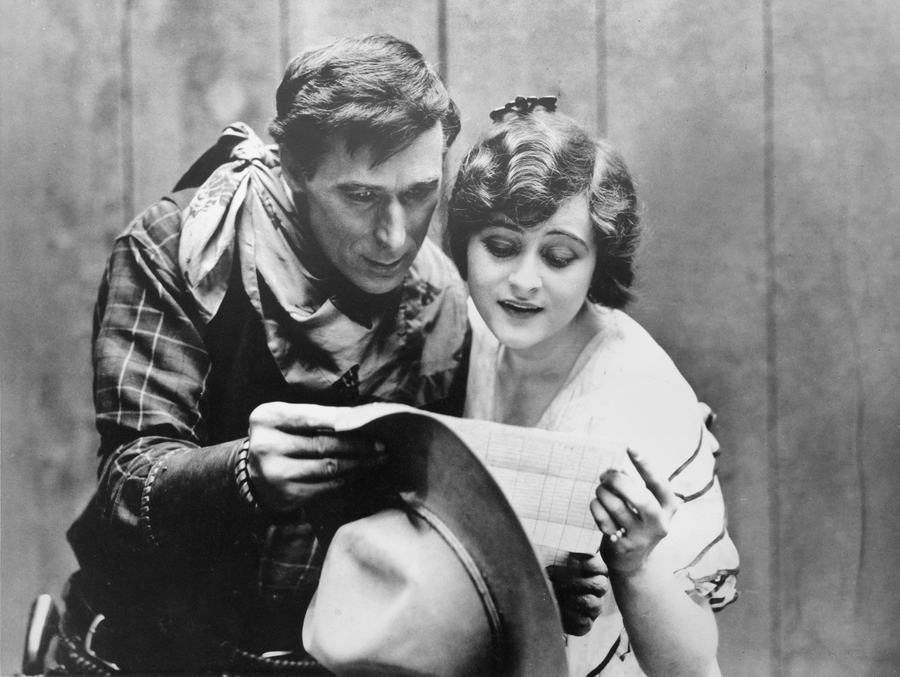
Truthful Tulliver, a Westerner and a journeying newspaperman, followed by Silver Lode Thompson, printer and compositor, arrives in Glory Hole to start a newspaper. He is visited by York Cantrell, an Easterner, whose mining interests keep him in the vicinity. They stand at the office window watching two sisters, Grace and Daisy Burton. The girls are insulted by men hanging around the Forty Rod saloon and dance hall, run by "Deacon" Doyle and secretly owned by York Cantrell. Tulliver rushes to their assistance and incurs the enmity of Doyle. The next day Truthful states, under big headlines, that Doyle must go, and the following morning finds a notice on his door that Doyle will be in the Forty Rod Saloon at ten o'clock, and there is not a pen pusher in Arizona that can run him out of town. Truthful surprises Doyle and his henchmen by coming into the saloon through a rear door, and. from his horse, lassoes and pulls them out into the desert, where he tells them never to return to Glory Hole. That night Truthful is shot at from York Cantrell's room by Doyle, who has returned. Truthful then drives both from town, not knowing that York has wronged Daisy Burton. Daisy confesses to Grace, and Grace finds Truthful, who, misunderstanding, thinks she is the one who cares for Cantrell. He promises to bring him back, and reaches the railroad, intercepts Cantrell, and forces him to return. Then understanding comes. Cantrell wants to marry Daisy and live a new life, and Truthful comprehends his mistake. Grace turns toward him, with her thanks and relief, and sees him watching her with such eloquent eyes that hers fall for a moment. Then she comes to him and with happy faces, hands clasped, they see York Cantrell married to the sister, and as the priest blesses them, Truthful clasps her close.
View Details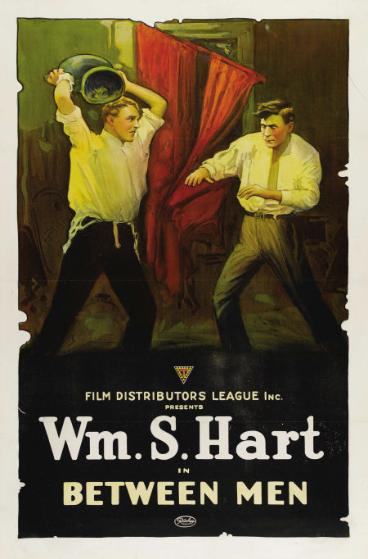
Dir: William S. Hart
Ashley Hampdon, a Wall Street financier, has a daughter named Lina. Gregg Lewiston wants to marry the girl. The father tells him that the girl can please herself. As he does not seem to progress in his love-making, Lewiston puts through a scheme to ruin Hampdon in the market, so that the father will bring pressure to bear on his daughter to marry the suitor as he has lots of money. Hampdon is distracted by his losses. While aimlessly looking over his papers Hampdon comes across a little note signed by a western mining man, Bot White. It is an offer from White to assist Hampdon at any time and in any place, physically or financially. Hampdon had once befriended White and as he would not take anything else in return, White gave him the written offer. Hampdon sends a message to White to come to New York at once. When White appears, Hampdon tells him of his suspicion, that Lewiston injured him through an accomplice who had given him a wrong tip. Lina takes offense at a conversation she hears between Lewiston and White and tells White that she objects to him. He is put up at a club by Hampdon. There Lewiston sends Rankin (the same broker that he used to ruin Lewiston) to White with a tip on the market. White sends for detectives. They connect White's room with that of Lewiston's on a floor above by means of a wire and with the aid of a Dictaphone they overhear Lewiston and Rankin concocting a scheme to ruin White as a friend of Lewiston and a possible rival to Lina's hand. White and Hampdon use this information to make a fortune much to the discomfiture of Lewiston. As his treachery is now revealed, Lewiston is unable to win Lina. He goes to the club and insults White by saying in a loud tone of voice that this is the first case he has known of a man trying to buy a girl. White wants him to fight, but Lewiston excuses himself by remarking that it is a gentlemen's club. Finally Lewiston strikes White for calling him a coward, but spectators separate the men. Lewiston goes to his uptown home and White follows him. There is a fight and White gets the best of it till Lewiston hits White over the head with a bronze vase. Just then John Worth, who is a friend of White's and is half crazed from losses due to the villainy of Lewiston, appears at a window and shoots Lewiston in the arm. White having accomplished his mission, goes to bid his friend, Ashley Hampdon, good-bye. Lina has come to admire White for his loyalty to her father and for his efficiency. He does not seem to understand the change in her and bids her farewell. She, however, gets her father to take her on the same train on which White goes. They meet on the platform of the observation car where the misunderstanding is cleared.
Dir: William S. Hart
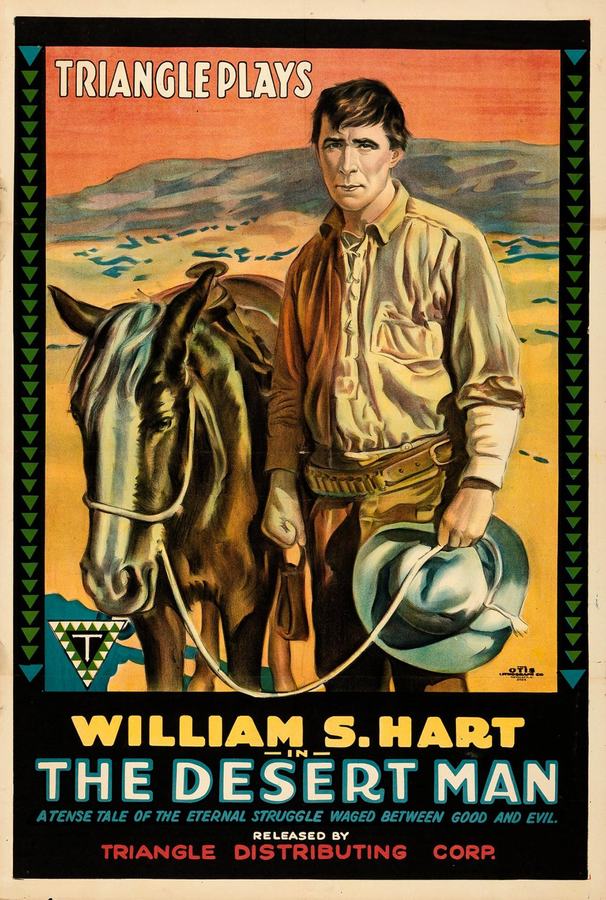
Prospector Jim Alton stumbles upon a dying woman, while traveling across the desert, she implores him to care for her little boy Joey. Jim takes the boy to town, where he encounters Joey's brutal father, Razor Joe, and falls in love with Jennie, a young girl whose father is dying. After running Joe out of town, Jim settles down to make a home for Joey. Jim rides to the neighboring town to bring back Dr. Howard after Jennie's father takes a turn for the worse. Soon after, the old man dies and the doctor convinces Jennie to return to his home and marry him. Upon discovering that the doctor already has a wife in New York, Jennie leaves him, but, too proud to go home, accepts a position in a dance hall. Meanwhile, Razor Joe and his gang kidnap Joey. Jim follows, confronts them with his guns drawn, and rescues the boy. All ends well as Jim and Jennie are reunited and, together with Joey, begin life anew as a family.
View Details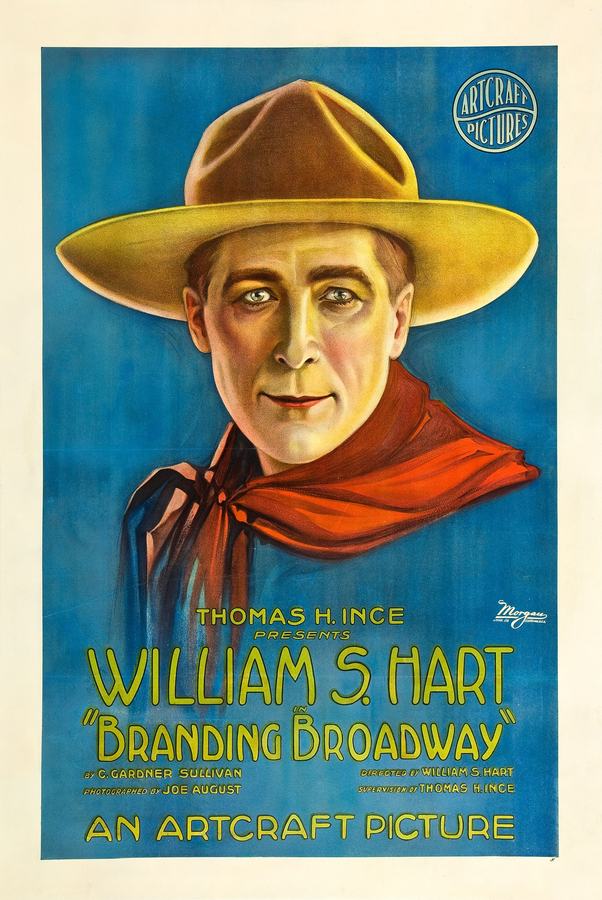
Dir: William S. Hart
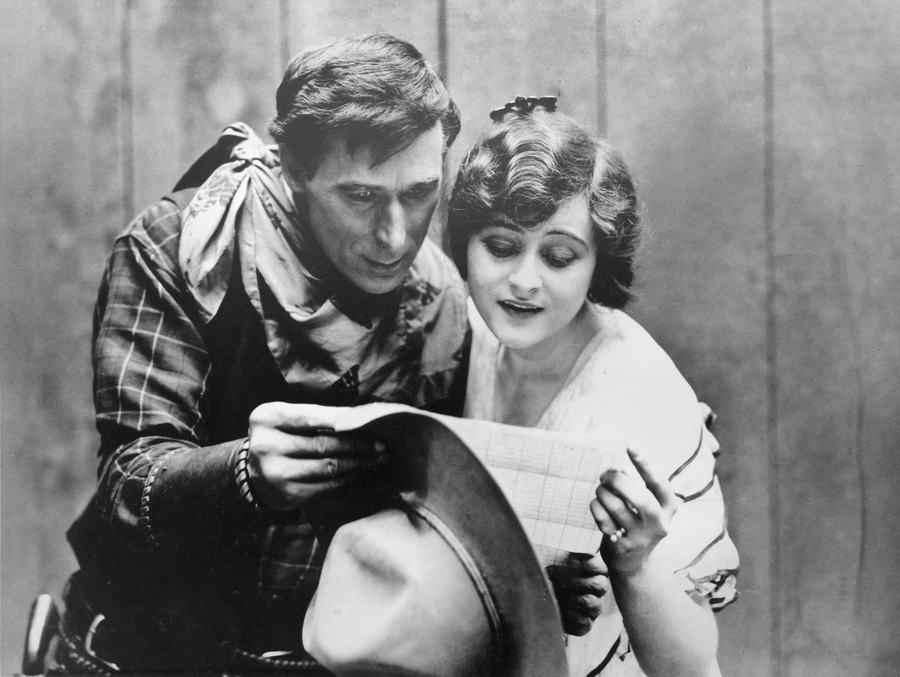
Robert "Bob" Sands a rowdy cowboy, leads his friends in tearing up an Arizona town that has gone distressingly "dry," until members of the Law-and-Order League hog-tie Bob and ship him East on a passenger train. Bob, out for adventure, goes on to New York and becomes the guardian of the wild-tempered Larry Harrington, a millionaire's son. Larry commissions Bob to deliver love letters to waitress Mary Lee, an entanglement forbidden by Harrington, Sr., but Bob falls in love with the girl himself. Mary decides that she prefers cowboys to millionaires, and Bob and Mary wed and return to the West.
Dir: William S. Hart
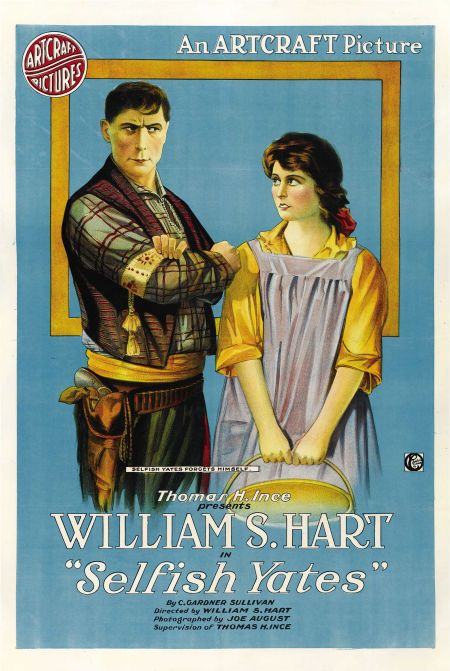
"Selfish" Yates operates a disreputable saloon on the desert's edge in Arizona. Sisters Mary and Betty Adams, who lost their father crossing the desert, arrive in the town of Thirsty Center and appeal to Yates for help and work. Yates is none too helpful, suggesting dance-hall work for Mary. She refuses, instead taking a menial job assisting Yates' cook. Yates is a hard case, but little by little Mary's influence works a renewal of humanity in him, until at last he finds himself tested by crisis.
View Details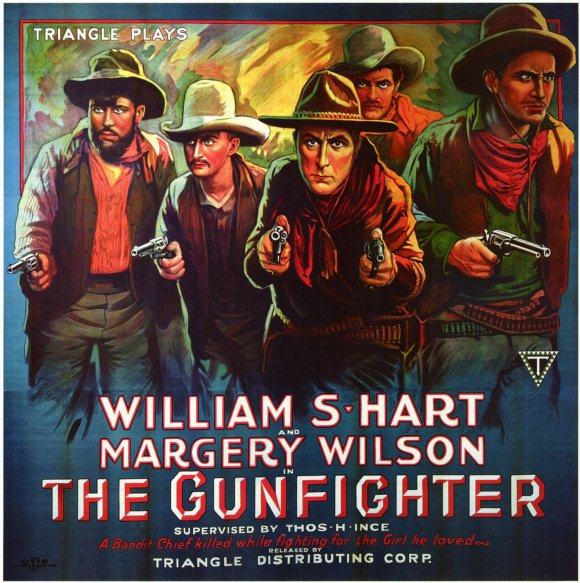
Dir: William S. Hart
Cliff Hudspeth, the leader of a band of outlaws in Arizona, has won his place by the killing of notorious gun-bullies. At their headquarters, in the Gila Mountains, in consultation with "Ace High," his lieutenant, he plans depredations on the neighboring settlements. Although Hudspeth is powerful, their rule is disputed by El Salvador, a half-breed, and his following of desperadoes. Desert Pass is the scene of many conflicts between the contending bands. Rumors of the arrival of miners with gold causes El Salvador to send "Cactus" Fuller, his henchman, to levy tribute by a hold-up, which is successful. Flushed with triumph, he boasts in the "Golden Fleece" saloon of the ignominies to which he would treat Cliff Hudspeth if he ever met him. Hudspeth arrives and makes Cactus, whom he throws out of the saloon, realize that something must be done to retrieve a shattered reputation. Coming out of the saloon, Hudspeth sees Norma Wright, a milliner, standing at the door of her little store, and waves her inside, as he anticipates trouble. The shooting commences and Cactus is defeated. As Hudspeth is preparing to leave town Norma denounces him as a cold-blooded murderer. Stung almost to madness by the girl's accusation, he seizes her and gallops out of town. At his retreat he locks the stupefied girl in a room and seeks to drown the memory of her words with whiskey. The whiskey, and his awakened conscience, bring him to review his life, and, half delirious, he sees his victims pass reproachfully before him. The girl, too, becomes aware of the human side of the man and next morning she brings him around to her way of thinking and extracts a pledge that he will never willingly kill another human being. Soon after there comes from a member of the legislature offer of a pardon and restoration to citizenship if Cliff will undertake to rid Arizona of El Salvador. Hearing of Cliff's new appointment, El Salvador is wild with rage, and burns the town and drags Norma away to the mountains. Cliff Hudspeth rescues her and kills El Salvador, although mortally wounded himself. He places the girl on a horse, which bears her to safety, and passes away consoled that his last killing was in her defense.
View DetailsAnalysis relative to Riddle Gawne
| Film Title | Atmosphere | Complexity | Similarity |
|---|---|---|---|
| The Devil's Double | Ethereal | Linear | 93% Match |
| The Square Deal Man | Gothic | Linear | 97% Match |
| The Narrow Trail | Tense | Abstract | 86% Match |
| The Patriot | Surreal | Layered | 93% Match |
| Truthful Tulliver | Tense | Abstract | 90% Match |
This guide was algorithmically generated using the cinematic metadata of William S. Hart's archive. Last updated: 6/28/2026.
Back to Riddle Gawne Details →