
DbcultAccessing Vault...
Recommendations
Senior Film Conservator
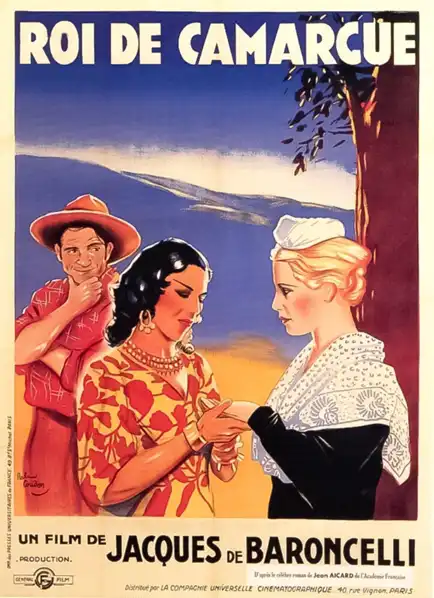
The cult sensibilities displayed in Roi de Camargue are unparalleled, the emotional payoff of the 1935 classic is what fans crave in similar titles. Our criteria for this list were simple: only the most cinematic excellence and relevant titles.
The cultural footprint of Roi de Camargue in France to define the very concept of cinematic excellence in modern film.
The influence of Jacques de Baroncelli in Roi de Camargue can be felt in the way modern cult films handle cinematic excellence. From the specific lighting choices to the pacing, this 1935 release set a high bar for atmospheric immersion.
Based on the unique cinematic excellence of Roi de Camargue, our vault has identified these titles as the most compelling follow-up experiences for fans of cult cinema:
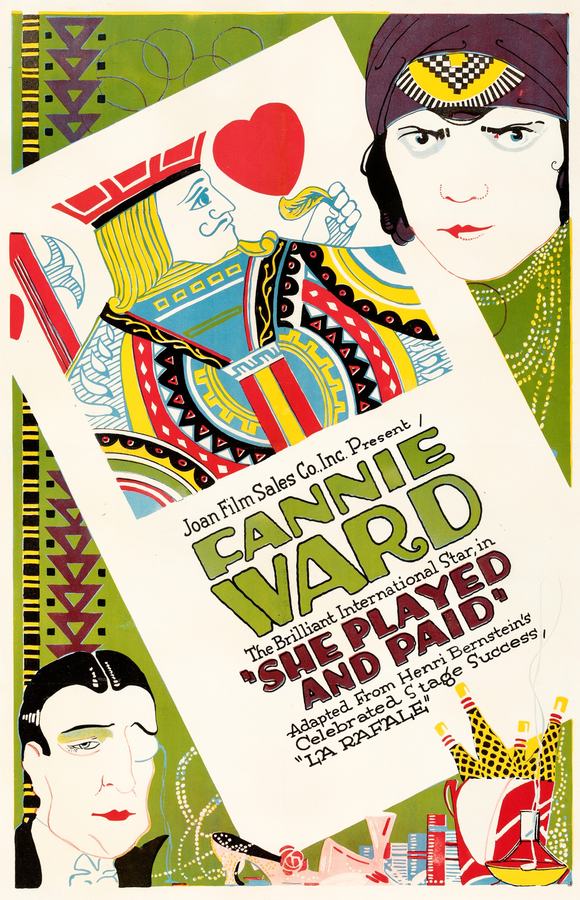
Dir: Jacques de Baroncelli
Madame la Baronne le Bourge has been forced into a marriage of convenience with Baron Le Bourge, while loving Robert de Chaceroy. In despair over her marriage, he gambles wildly, uses Government funds entrusted to his care, and loses all. He then endeavors to recoup the loss by betting on the Baron's horse, but loses there also. The Baronne learns of his distress and suggests the money lender, Bragelin. Chaceroy is unable to raise the funds by any means and sees but one honorable way out of his predicament, that of suicide. The Baronne tries to pawn her jewels, but cannot do so without her husband's consent. She tries to get money from the Baron, but on account of the huge sum involved, he becomes suspicious and in an intense scene, learns of her affair with Chaceroy. In despair she goes to Jean Dupree, a writer of sensational literature, who is infatuated with her. He offers to loan the money on one condition. The Baronne refuses the dishonorable conditions, but finally yields through her love of Chaceroy. She hastens to Chaceroy with the money, but is too late. It was necessary to have the money by six o'clock that evening. Failing, he had committed suicide.
View Details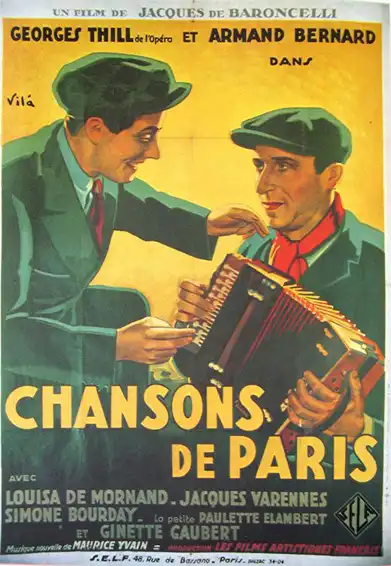
Dir: Jacques de Baroncelli
A street singer becomes the star of the circus but his pal Armand shows him who his real friends are.
View Details
Dir: Jacques de Baroncelli
A fascinating piece of cinema that shares thematic elements.
View Details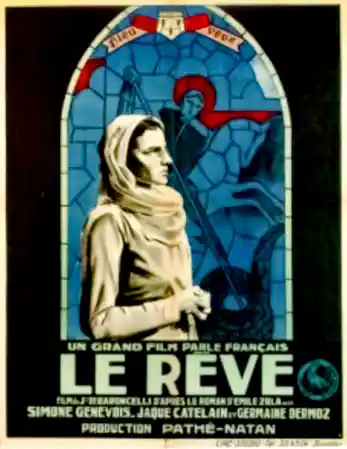
Dir: Jacques de Baroncelli
In the snow as bells toll, a hooded figure makes its way through the streets to a church.It is a small child ,and a woman opening up her window across onto the scene comes out to help and bring the child into her home. Inside, the little girl tries to run out again, but the woman and a man joining her offer a bowl of cafe au lait.As the girl rests her head on the table to sleep she drops a booklet which gives some of her history that she later talks about.She had been beaten and doesn't want to be returned to where she was. Ten years after.Angelique the girl works in a church abbey as an embroiderer with her mother.She talks of the dead returning to life. The scene changes to the exterior of the nearby castle where the family is eating.Angelique's adopted parents tell her about the manor, Hautecoeur, and a legend when people were cured of a plague by the local saint. Angelique sings in the church choir, when the lord of the manor, who is also the bishop, visits. Next we see her washing linen in a river, she has a young admirer who is in the nearby woods.Distracted, she lets the garment slip but he comes to help her retrieve it.He is Felicien and tells her that, as an artist, he has been hired to repair the stained glass church windows. She hangs up the garments to dry. Talking later to her mother, Angelique shares her dream of marrying a rich prince like the one who is the bishop's son .(The manor lord had been heartbroken when the mother died and went into the church.) The mother advises her that would be impossible. Angelique looks in the evening at an illustrated book about a Golden Legend and sees Felicien outside by the window, he comes up to her balcony but she tells him to leave. He will continue to look at her but will not talk to her for a month. After which he returns and says he wants to tell her who he really is.They will meet again tomorrow.She prays. A procession leaves the church, singing the Gloria. Angelique hears another girl identifying Felicien as the son of the manor and embraces her mother in happiness. She meets him later by the river.As bells toll, the mother paces. Felicien tells Angelique he had also been abandoned by his father and had grown up poor, he has just now returned. She talks of their marriage but the mother, doubtful once again, comes out to her and later tells her in the room that the son is destined to marry someone else. Felicien asks his father about marrying Angelique and is refused. The abbey comes to see her mother and Angelique hears them from the stairs as we see their silhouettes. Angelique goes to the church, where she introduces herself to the bishop after he comes to the altar.She begs him about the marriage and calls after him. Angelique is back at the river doing washing with her mother and another woman.Hearing of Felicien's impending marriage to another woman, she lets a garment drift off again, and collapses. The doctor visits and Felicien also comes to see her .She is in weakened condition and can't go with him but her mother comforts her. She is now dying.The abbey visits to bless her as others gather by the bed and the bishop recites the Our Father.After he kisses her forehead she sits up. We see sculptured figures at the church as Angelique and Felicien are finally wed by the bishop and they are led out by a group of children.In one of the film's few close shots, we see the newlyweds kiss. But Angelique's last dream has not yet come true.Until we see a figure representing her spirit ascending, after her immediate death, into the skies.
View Details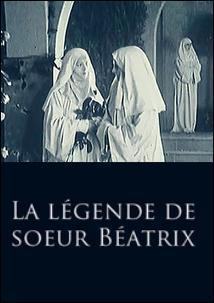
Dir: Jacques de Baroncelli
Young novice Beatrice left the veil to follow a childhood friend. A happy life awaits her, but the count abandons her for the beautiful Nilidor. Desperate, she then leads a life of debauchery, and one day she returns to the convent.
View Details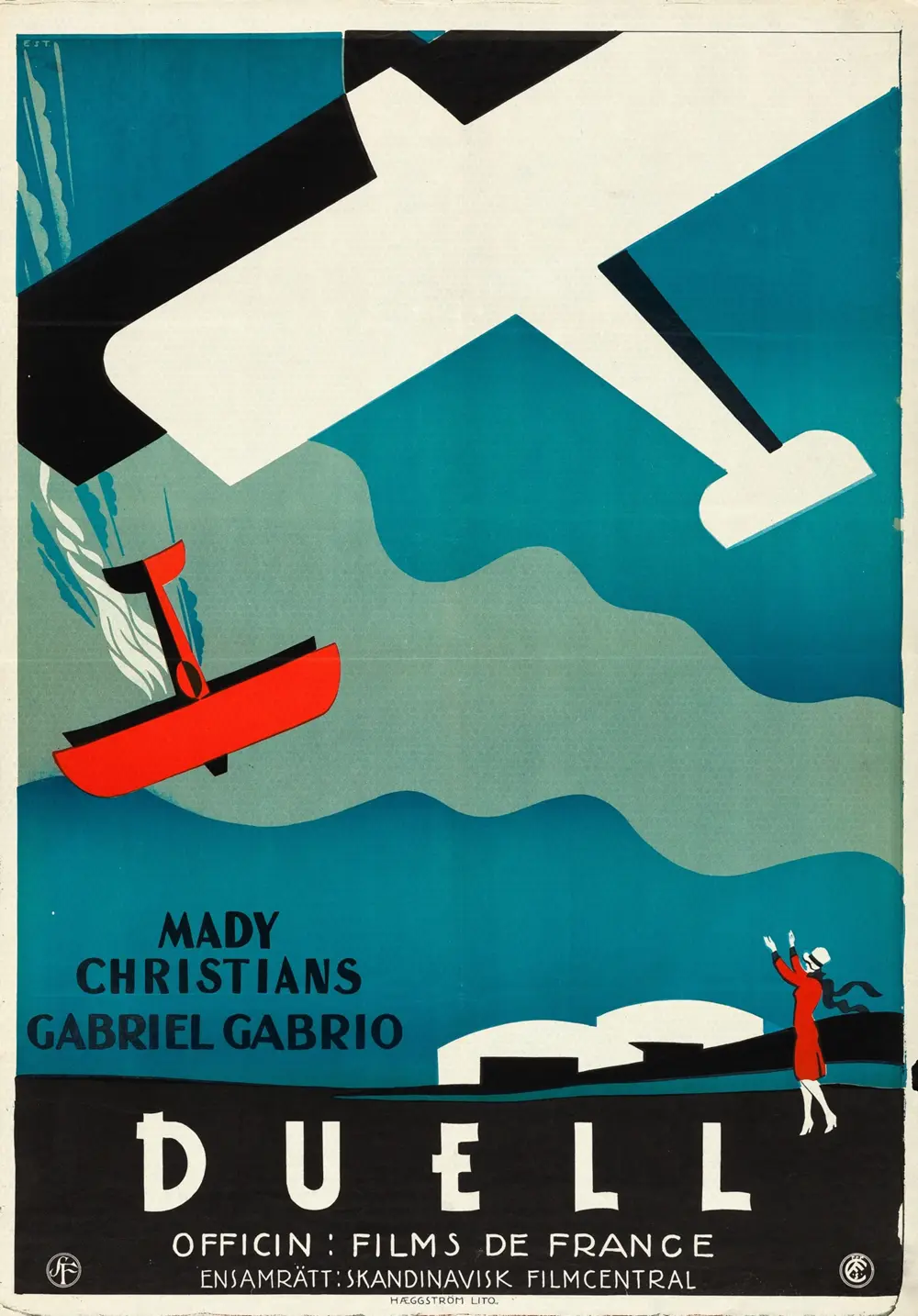
Dir: Jacques de Baroncelli
A fascinating piece of cinema that shares thematic elements.
View Details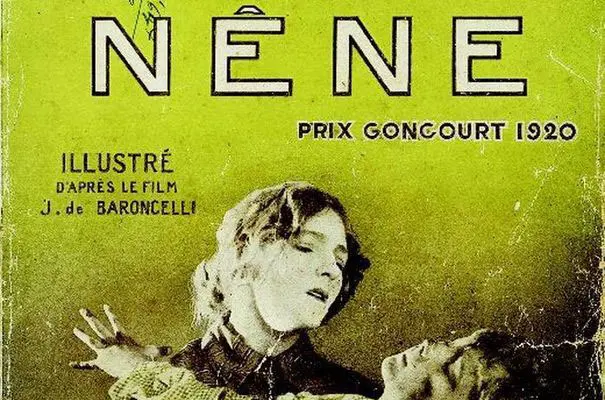
Dir: Jacques de Baroncelli
Michel Corbier, a widower, remarries Madeleine. His children, Lalie and Jo, see her as their second mother and call her Nène.
View Details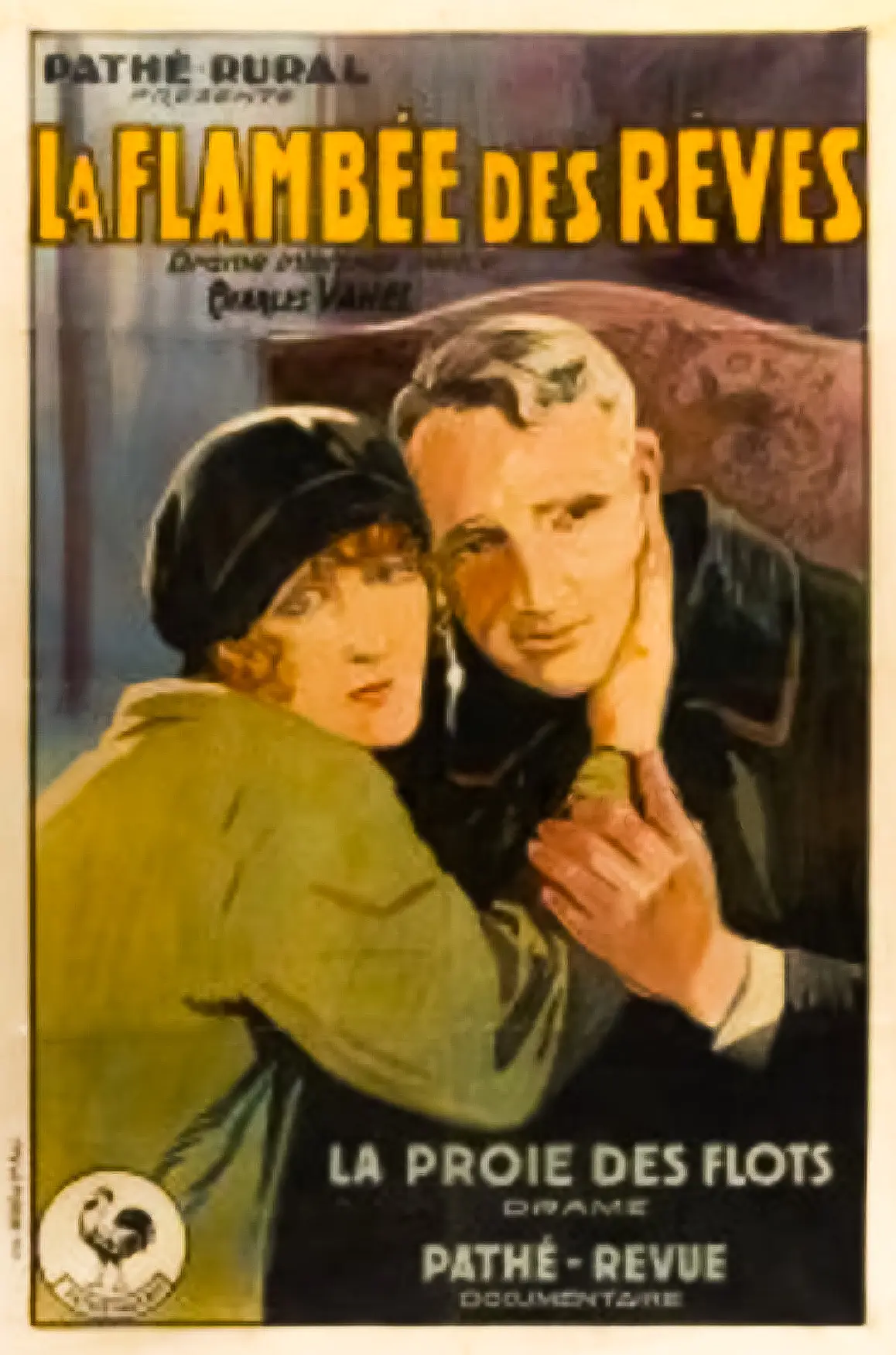
Dir: Jacques de Baroncelli
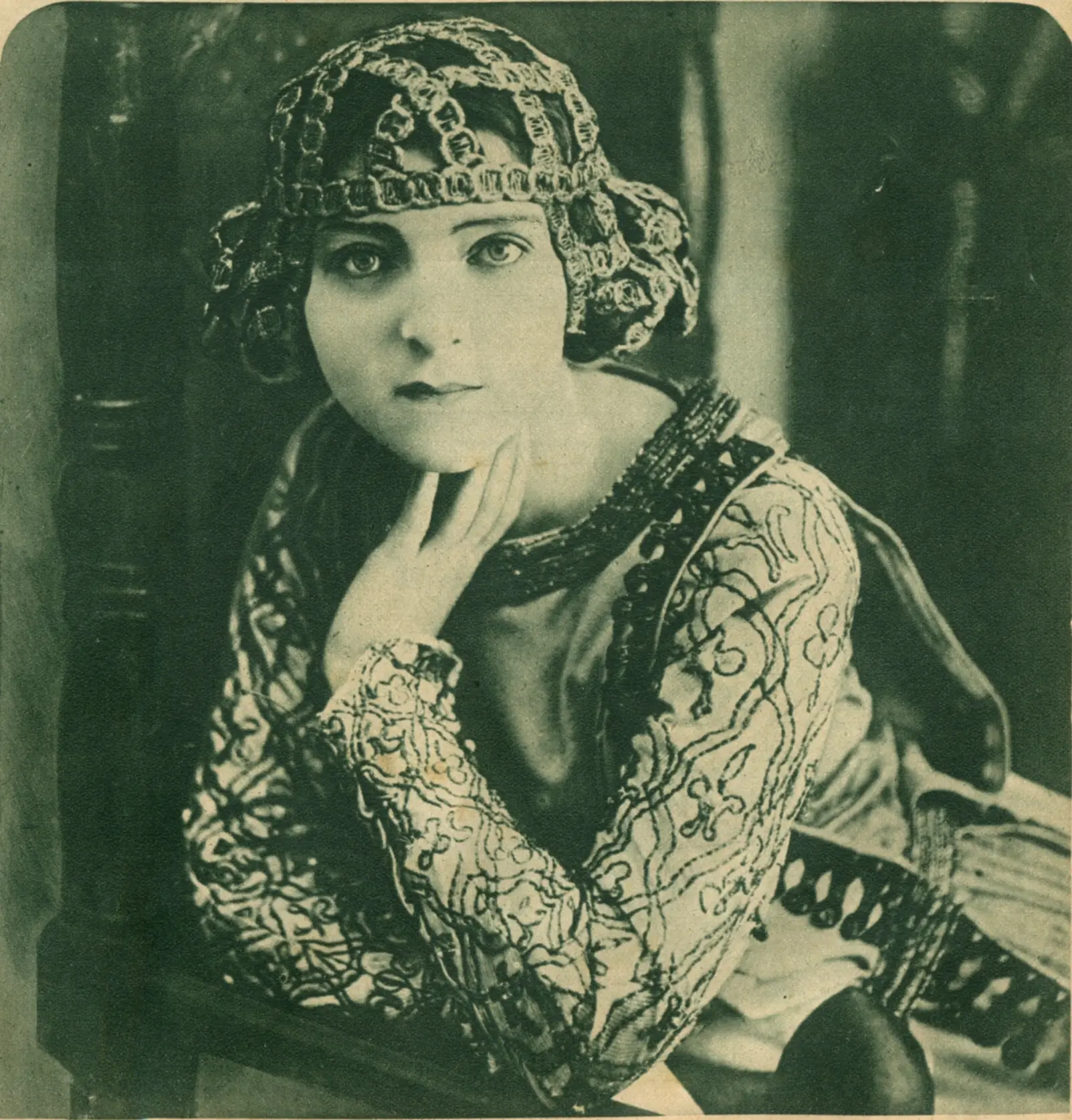
Claire is married to the elderly owner of a brewery. She seeks excitement with her childhood friend René.
View Details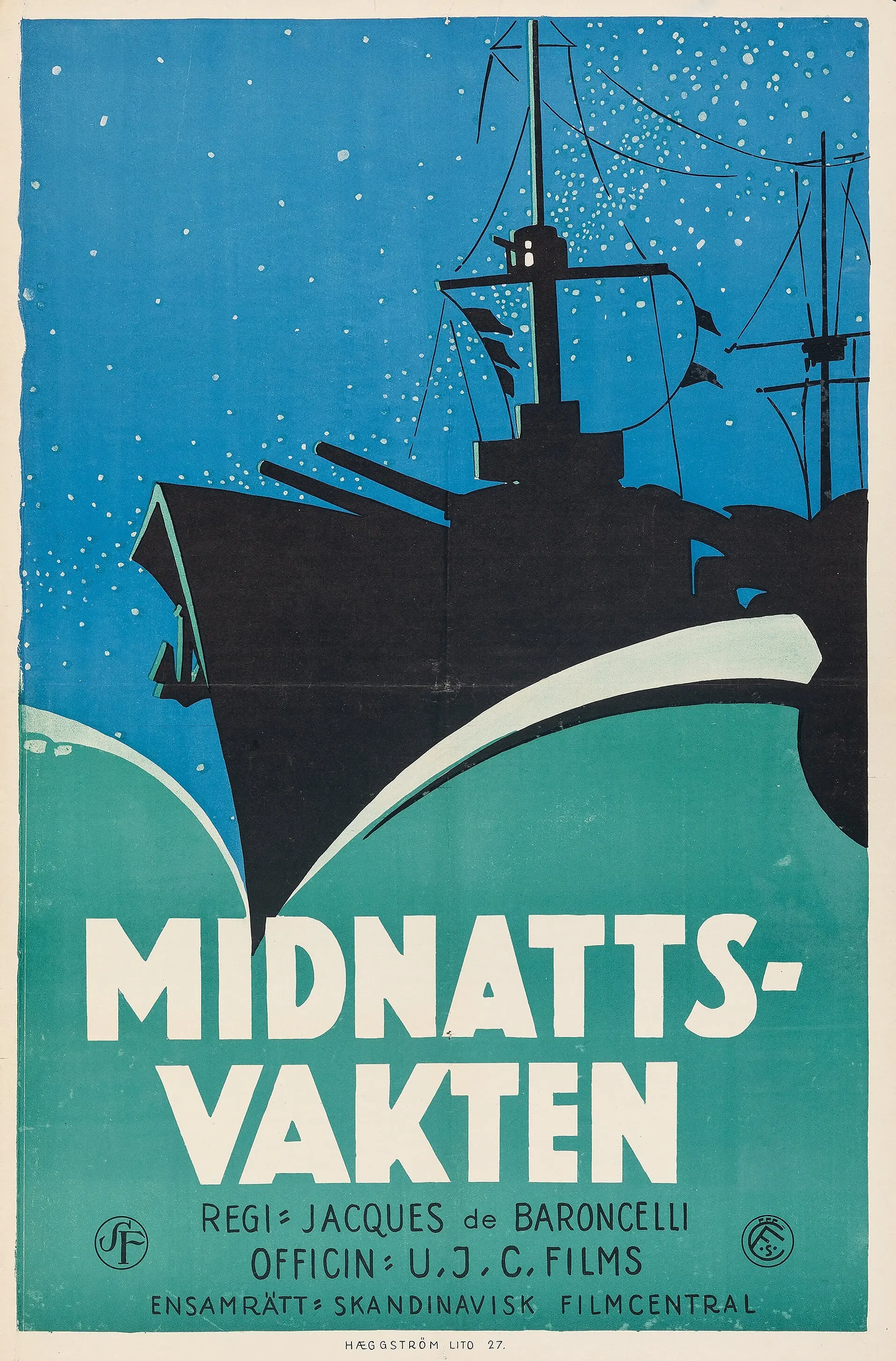
Dir: Jacques de Baroncelli
When the commander of a cruiser ,which sank in a confrontation,is tried for negligence, will the wife speak up in his defense? Unknown to him, she was trapped in the cabin below with her former lover, a subordinate officer.
View Details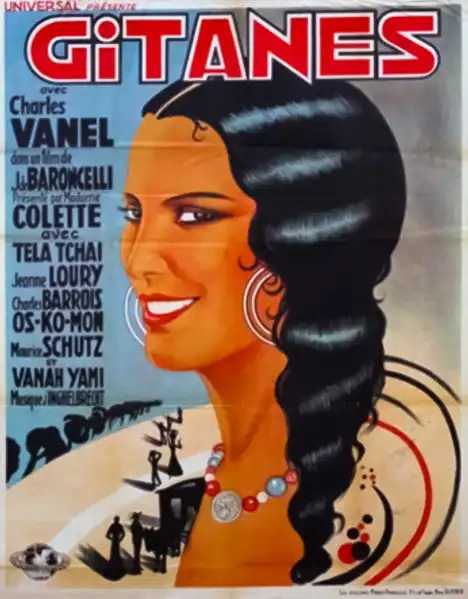
Dir: Jacques de Baroncelli
A fascinating piece of cinema that shares thematic elements.
View DetailsAnalysis relative to Roi de Camargue
| Film Title | Atmosphere | Complexity | Similarity |
|---|---|---|---|
| La rafale | Gritty | Dense | 93% Match |
| Chansons de Paris | Gritty | Abstract | 93% Match |
| La femme du voisin | Ethereal | High | 91% Match |
| Le rêve | Surreal | Dense | 89% Match |
| La légende de soeur Béatrix | Surreal | Linear | 85% Match |
This guide was algorithmically generated using the cinematic metadata of Jacques de Baroncelli's archive. Last updated: 6/27/2026.
Back to Roi de Camargue Details →