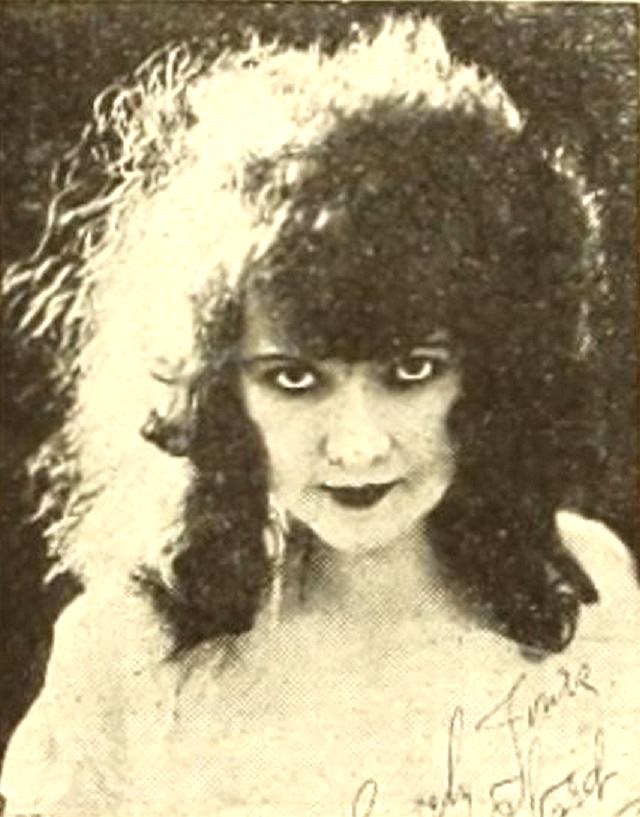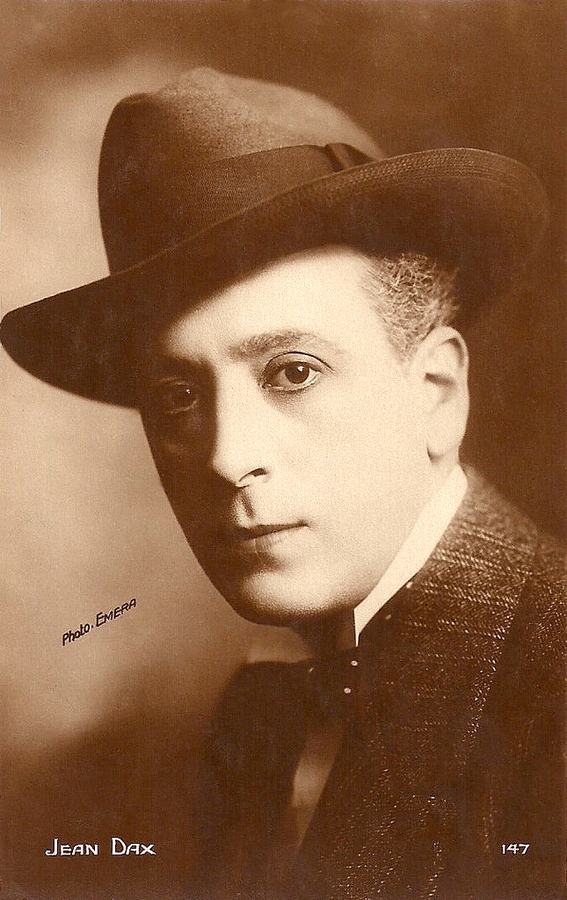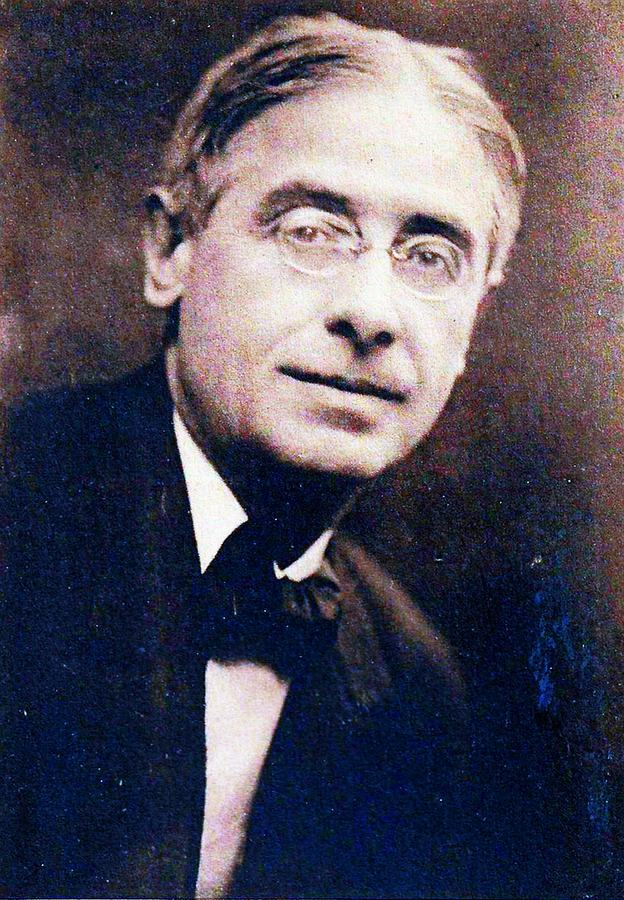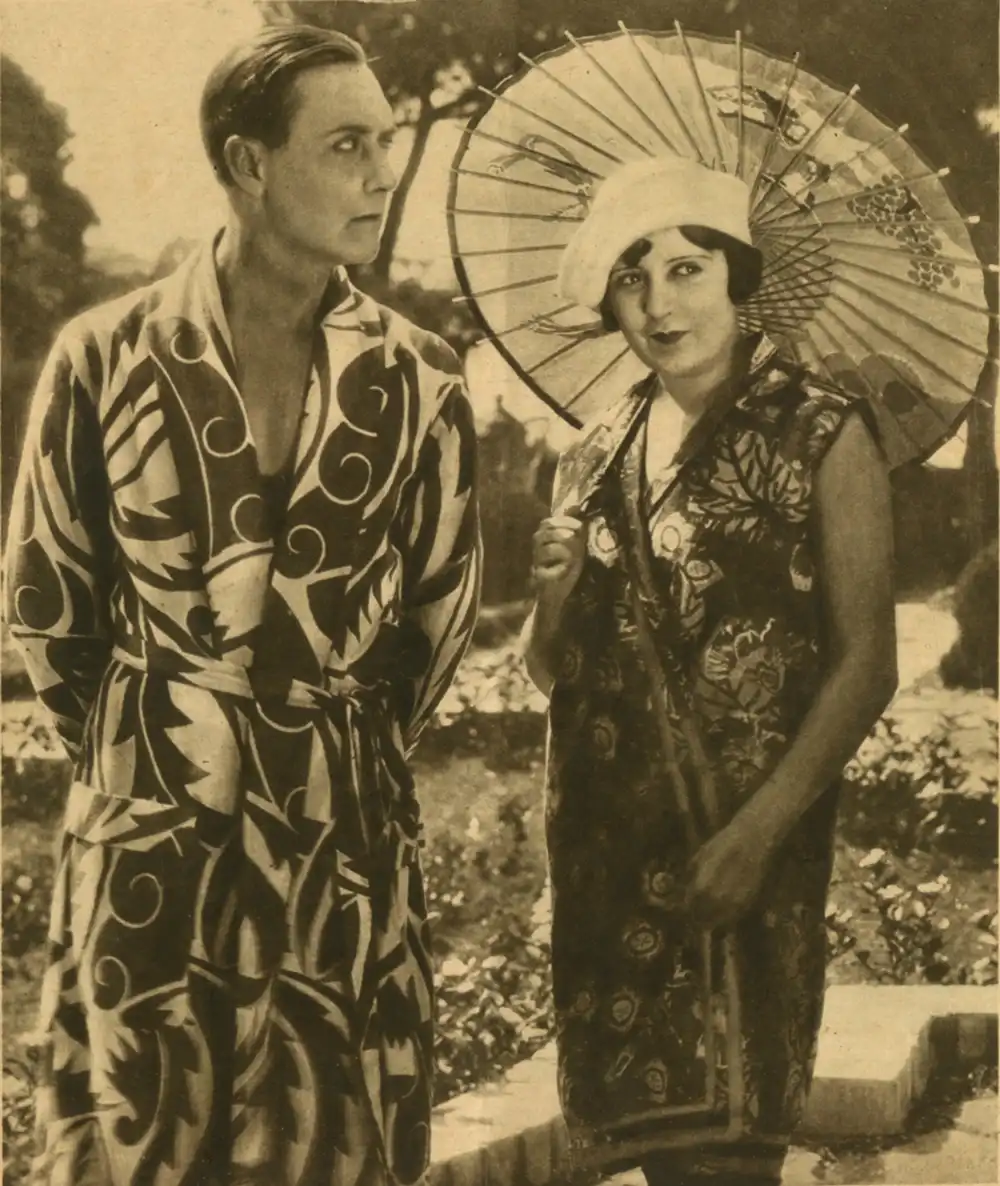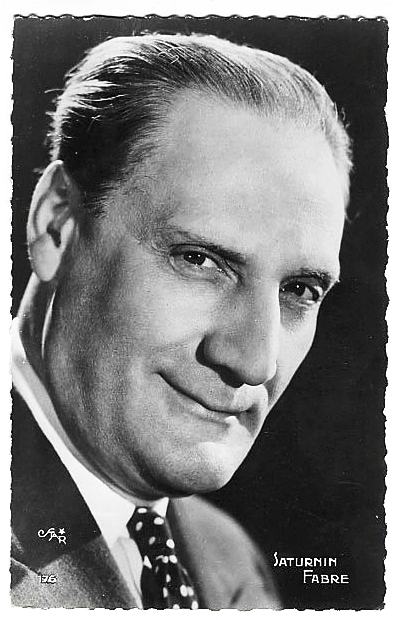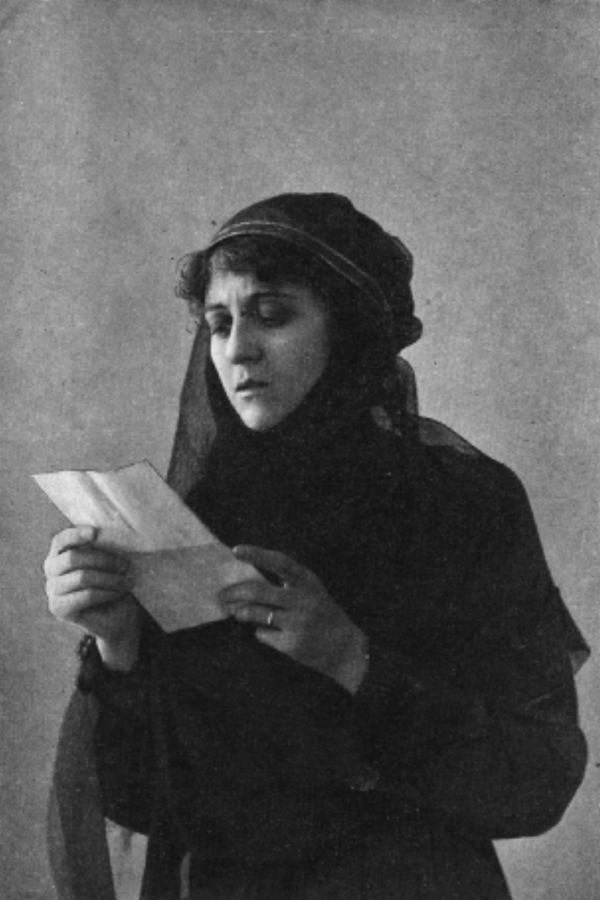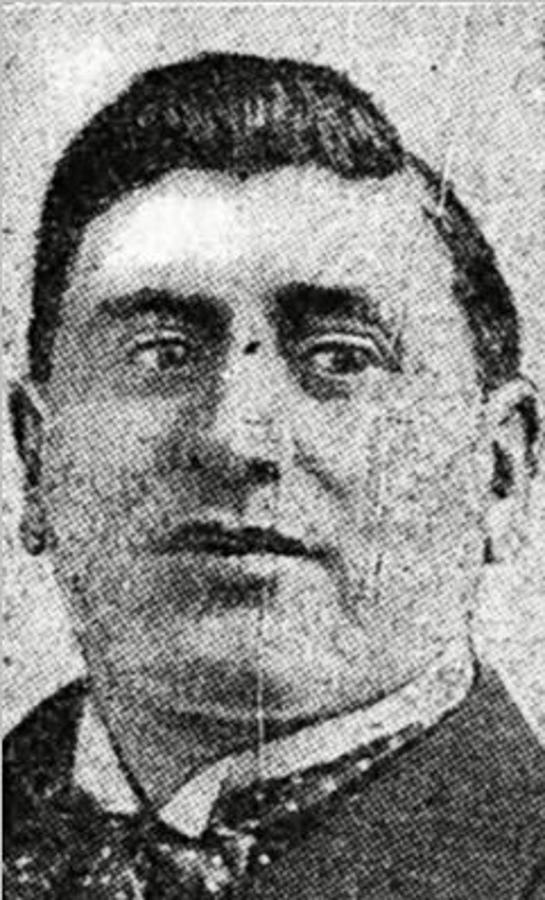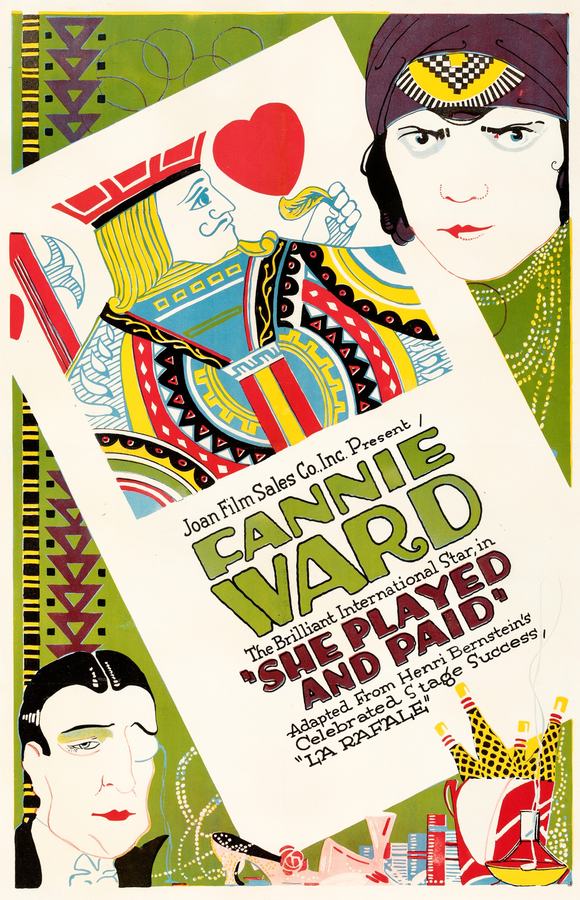
Madame la Baronne le Bourge has been forced into a marriage of convenience with Baron Le Bourge, while loving Robert de Chaceroy. In despair over her marriage, he gambles wildly, uses Government funds entrusted to his care, and loses all.
p{margin:0 0 1.2em} a{color:#0E7490;text-decoration:underline} strong{color:#EAB308} em{color:#C2410C;font-style:normal} blockquote{border-left:3px solid #C2410C;padding-left:1.2em;margin:1.5em 0;font-size:0.95em;letter-spacing:0.4px} h2{color:#EAB308;font-size:1.4em;margin:2em 0 0.6em} h3{color:#0E7490;font-size:1.1...
production_art
Comparing the cinematic DNA and archive impact of two defining moments in cult history.
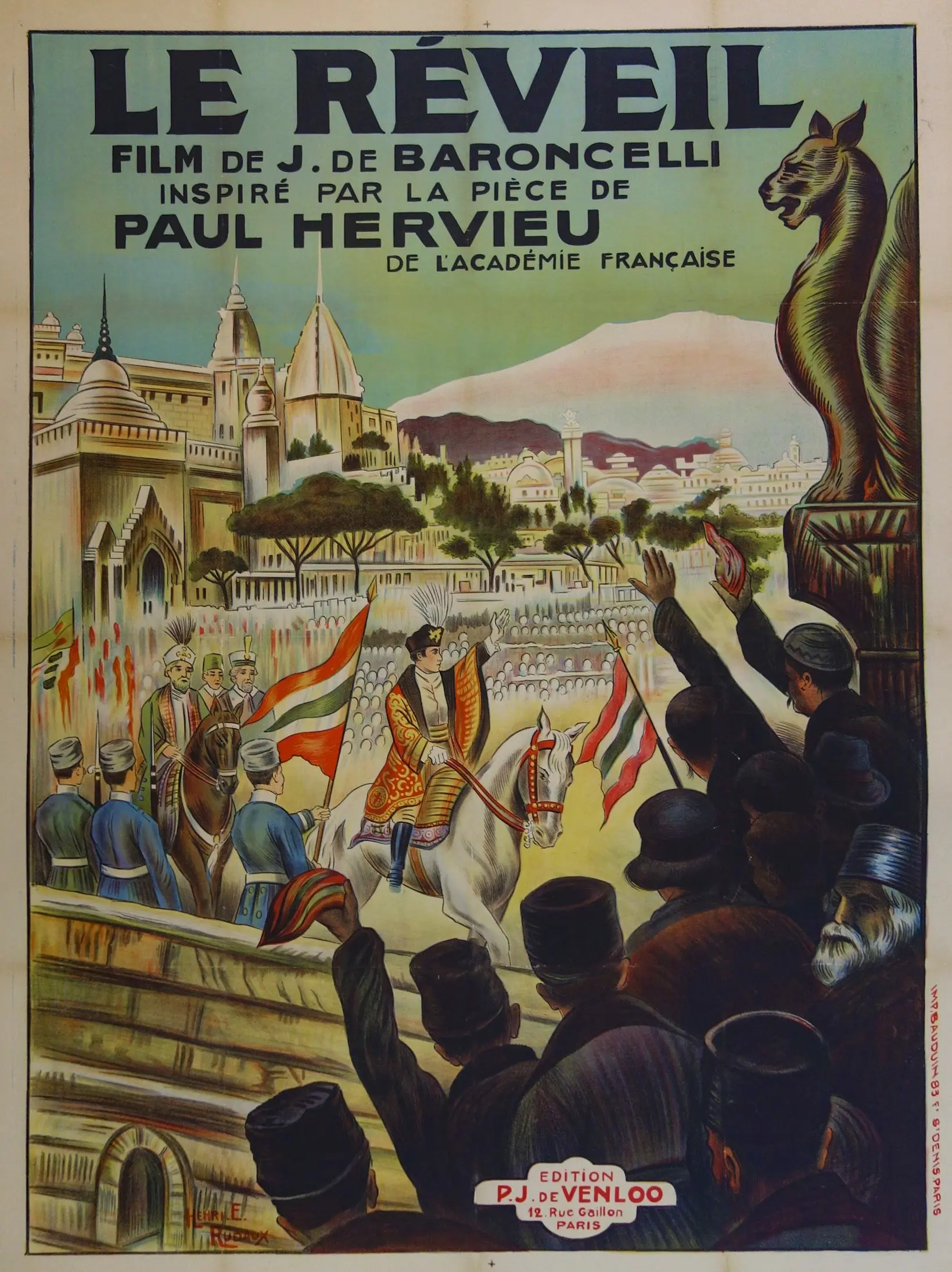
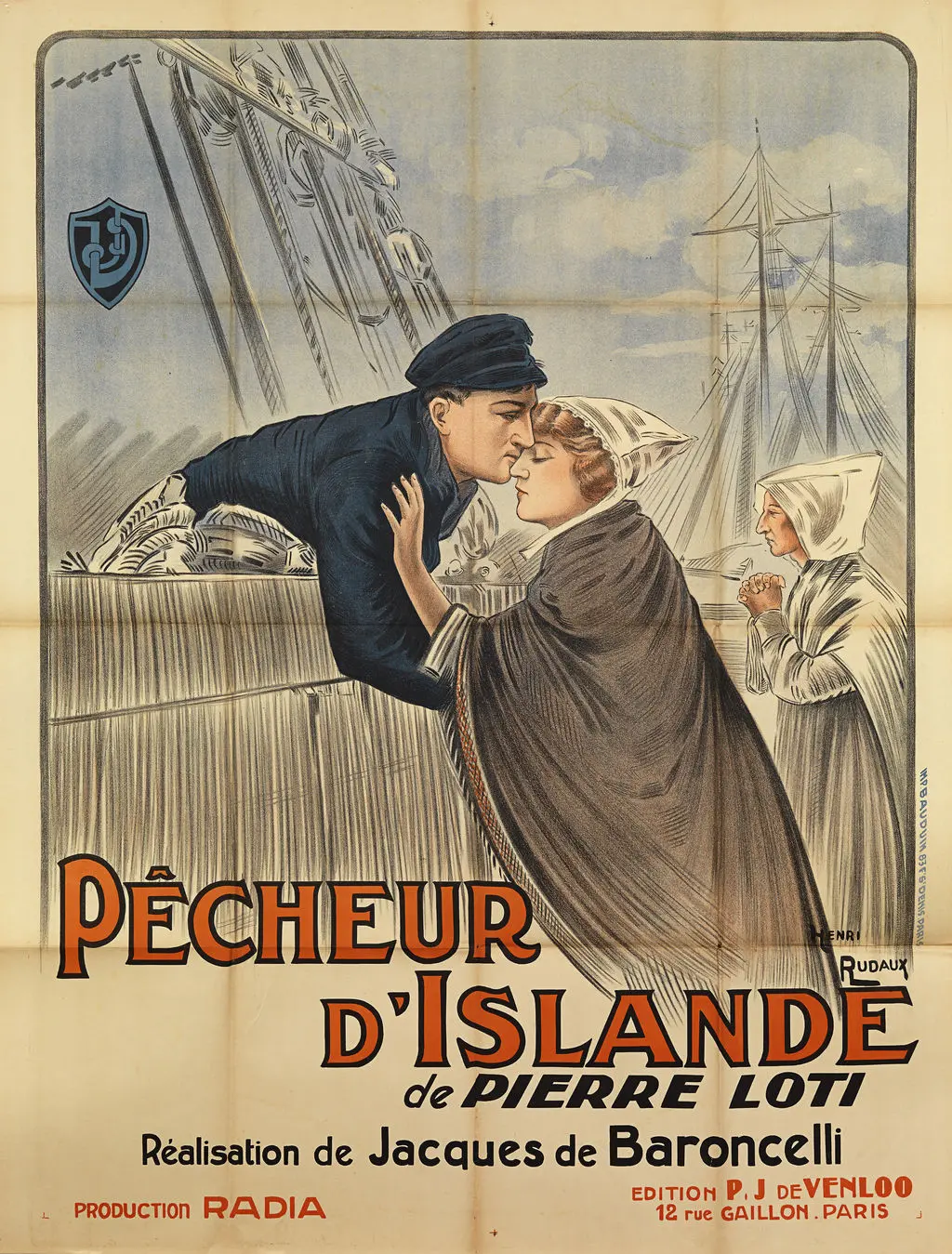
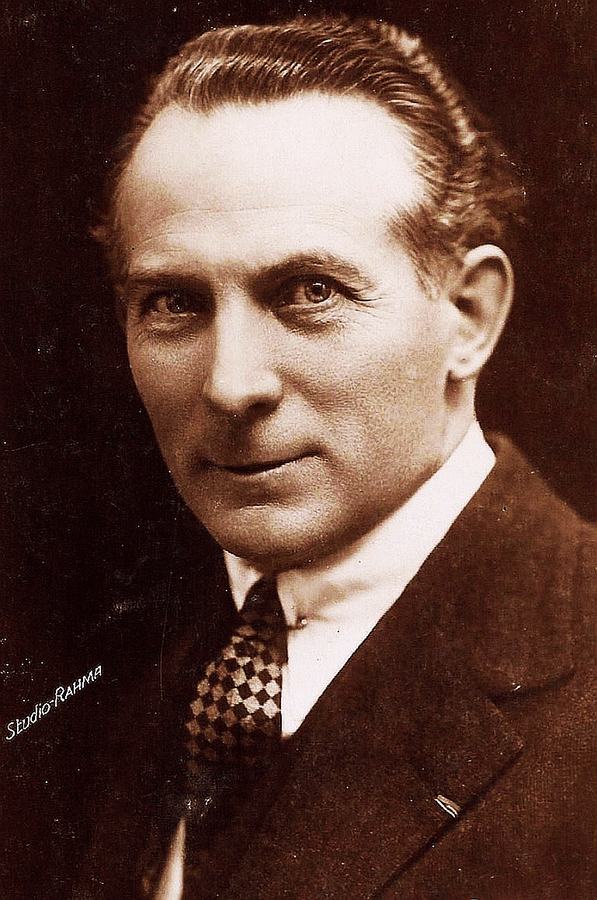
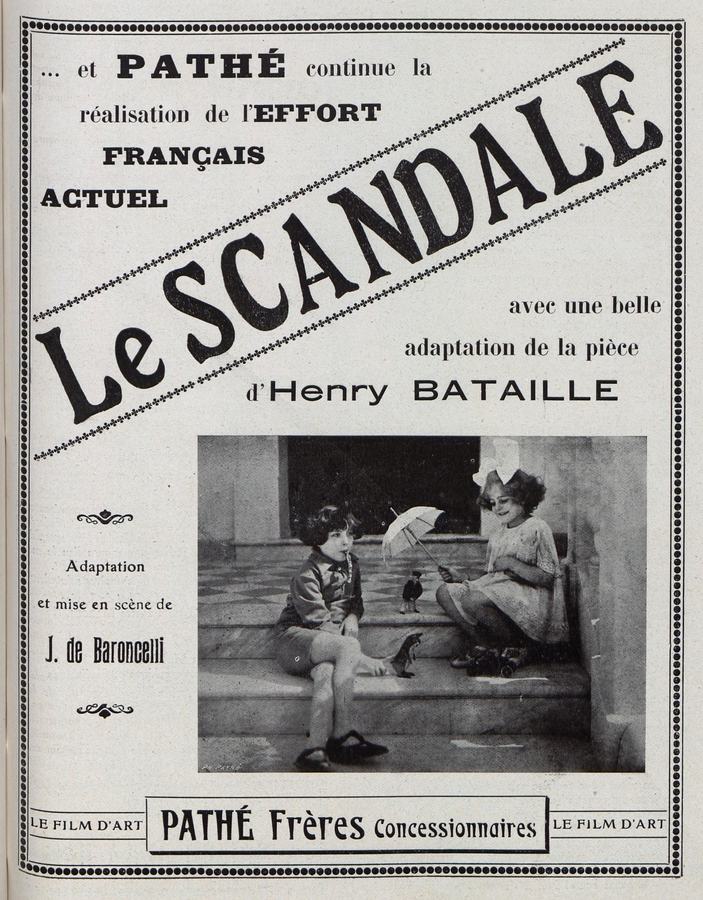
Jacques de Baroncelli
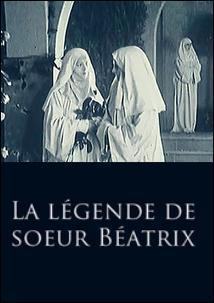
Jacques de Baroncelli
Community
Log in to comment.
" p{margin:0 0 1.2em} a{color:#0E7490;text-decoration:underline} strong{color:#EAB308} em{color:#C2410C;font-style:normal} blockquote{border-left:3px solid #C2410C;padding-left:1.2em;margin:1.5em 0;font-size:0.95em;letter-spacing:0.4px} h2{color:#EAB308;font-size:1.4em;margin:2em 0 0.6em} h3{color:#0E7490;font-size:1.1em;margin:1.5em 0 0.4em} ul{list-style:square inside;margin:0.8em 0 1.4em} li{margin:0 0 0.4em} They say silence amplifies guilt; La rafale wagers the opposite—that silence is gu..."
Henri Bernstein
France
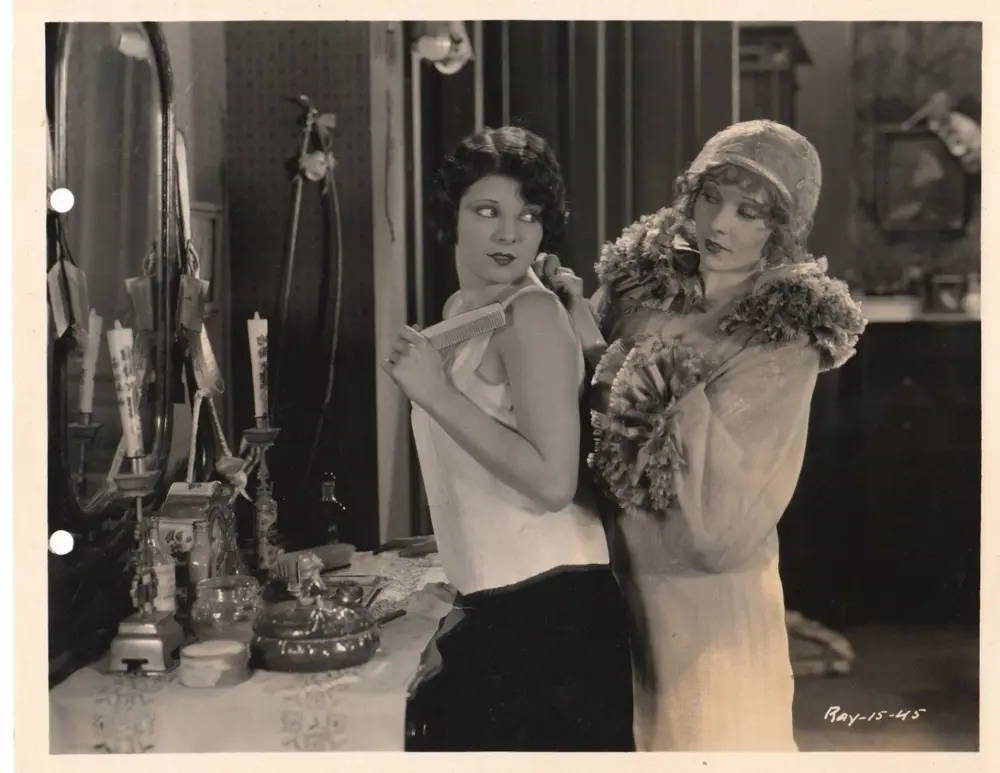
Deep dive into the cult classic
Discover similar cinematic experiences
A Directorial Spotlight on Jacques de Baroncelli