
DbcultAccessing Vault...
Recommendations
Senior Film Conservator
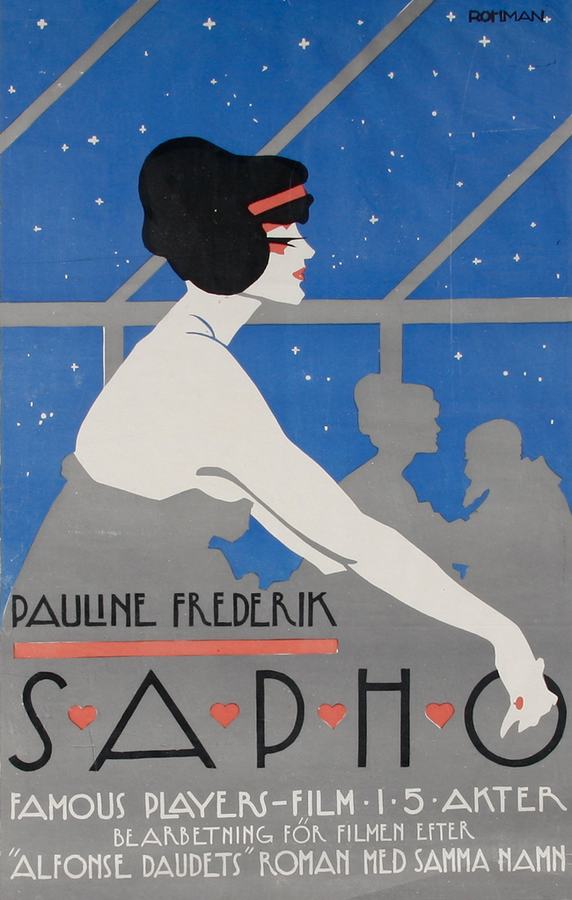
The cinematic DNA of Sapho (1917) is truly one of a kind, finding other movies that capture that same lightning in a bottle is a top priority. We have meticulously scanned our vault to find hidden gems that resonate with this work.
As a pivotal work in United States cinema, Sapho to challenge the status quo through its avant-garde structure.
Sapho, whose real name is Fanny Legrand, is the daughter of poor people, her father being a coachman, and her early home is little more than a hovel in the slums of Paris. She is one of the quaint girl flower-sellers on the streets of Paris, earning a few sous daily, which she is compelled to give toward the support of the family. It was while selling her wares in one of the big restaurants that she is first seen by Caoudal, the famous sculptor, who recognizes her wonderful beauty and persuades her to pose for him. The luxury of his studio awakens in her an unsuspected love for the beautiful things of life. One step leads to another, and it is not long before she becomes the most talked of and sought after model of Paris. She is content to live in this way, reveling in beauty and the admiration of her friends and Caoudal himself, until Dejoie, the poet, moved by her beauty, writes verses to her which make both himself and her still more famous, winning her away from Caoudal. The poet is too old to hold the attention of the young girl, who craves young society and admiration, so when she meets handsome young Flamant, she lightly tells Dejoie that he is "too old" and gains the friendship of the younger man. Flamant is an engraver and finds himself hard put to it to gratify the expensive whims of Sapho, but as he is really very fond of the handsome model, he manages to forge a name and obtain money under false pretenses. His ruse is discovered, and as the gendarmes come to lead him away to prison, Sapho receives an invitation to a ball to take place that very evening. At the ball she appears as "Sapho" and there meets for the first time the student, Jean Gaussin, with whom she falls in love. It is a case of love at first sight on both sides and the two are very happy, and Sapho is learning to express the better side of her nature when Jean is shocked by accidentally learning of her past life. It is the "beginning of the end." Jean finally weds a little country girl, and Sapho, rather than return to her old life, turns Red Cross nurse and consecrates the rest of her life to that noble work.
Critics widely regard Sapho as a cult-favorite piece of cult cinema. Its cinematic excellence is frequently cited as its strongest asset, solidifying its place in United States's film legacy.
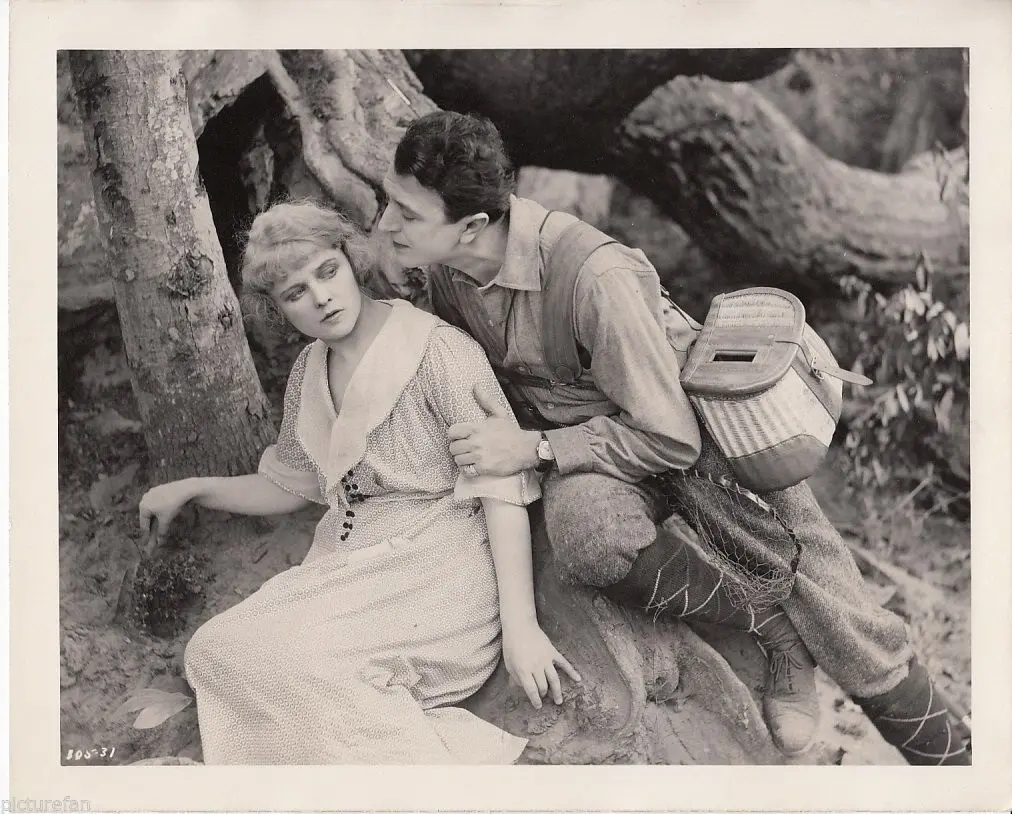
Based on the unique cinematic excellence of Sapho, our vault has identified these titles as the most compelling follow-up experiences for fans of cult cinema:
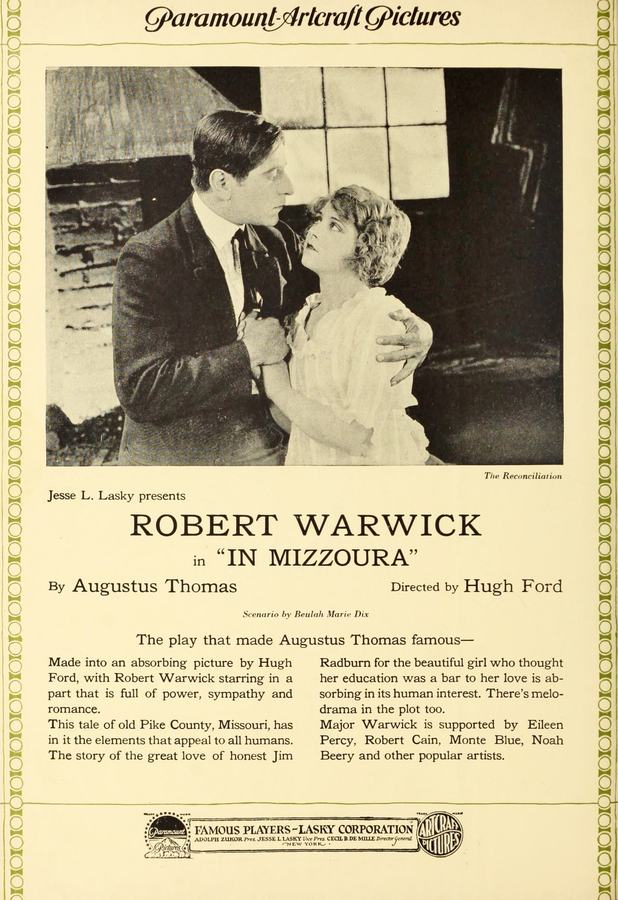
Dir: Hugh Ford
Kate Vernon returns to "Mizzoura," after attending a fashionable seminary and looks down on her former suitor, sheriff Jim Radburn, who, unknown to Kate, paid for her education. When a highwayman robs the train, Sam Fowler, an express messenger, is arrested as being an accomplice. After Kate gently refuses Jim's marriage proposal, she plans to elope with handsome Robert Travers from St. Louis, whom she met at school. When Sam, freed with Jim's help, recognizes Travers as the highwayman, Travers kills a detective and escapes because Jim will not spoil his record of never killing anyone. Travers tells Kate that Jim has framed him, and she hides him. Jim tracks Travers to Kate's house, and although he thinks that the mob should have him, he takes Travers to his own house, to hold him for trial, out of respect for Kate and the law. When the mob prepares to raid Jim's house, Travers is killed trying to escape. After Kate learns that Travers was already married, and that Jim paid for her education, her love for him returns and they marry.
View Details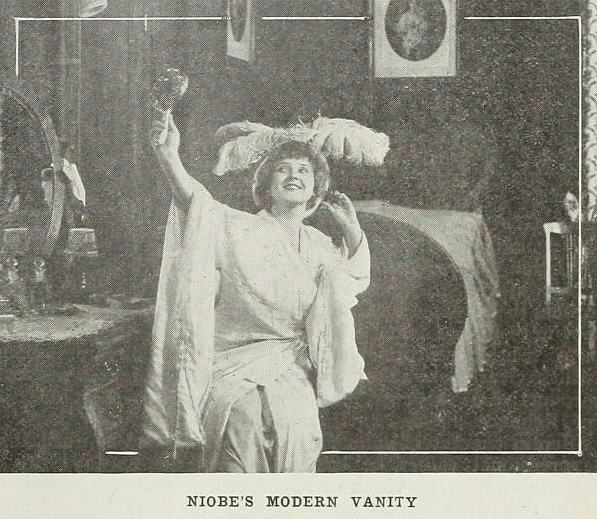
Dir: Hugh Ford
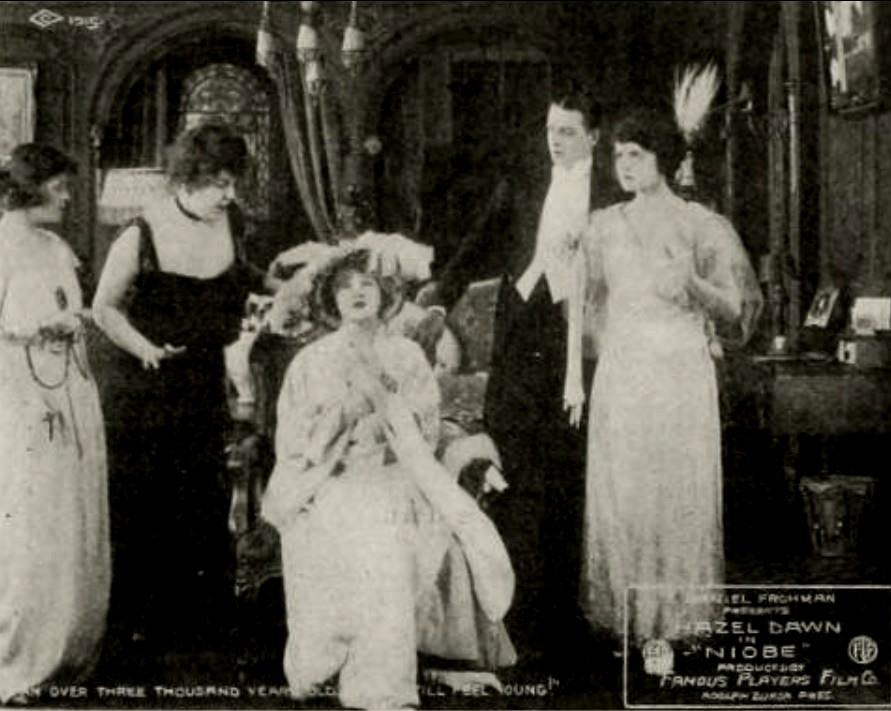
The statue of Niobe comes to life through the dream of a hen-pecked old man.
View Details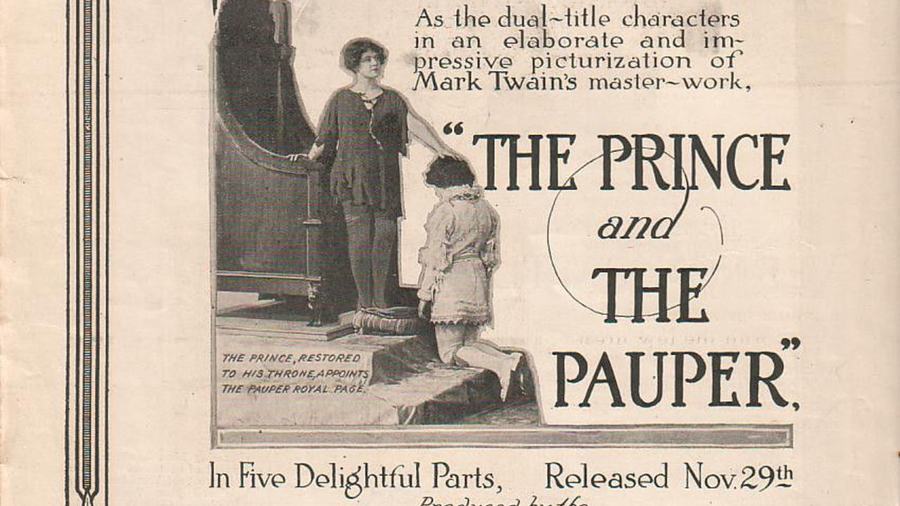
Dir: Hugh Ford
A poor boy named Tom Canty and Edward, the Prince of Wales exchange identities but events force the pair to experience each other's lives as well.
View Details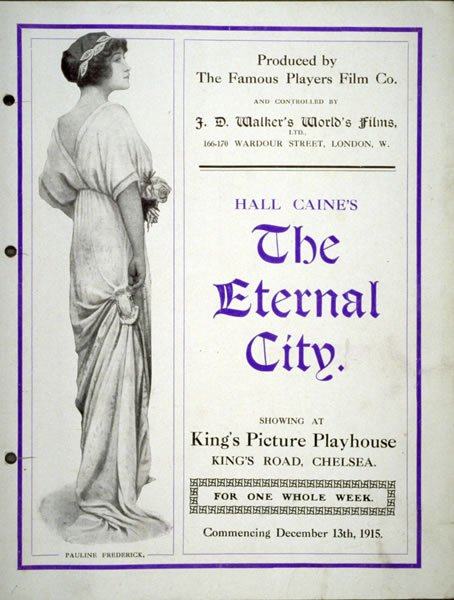
Dir: Hugh Ford
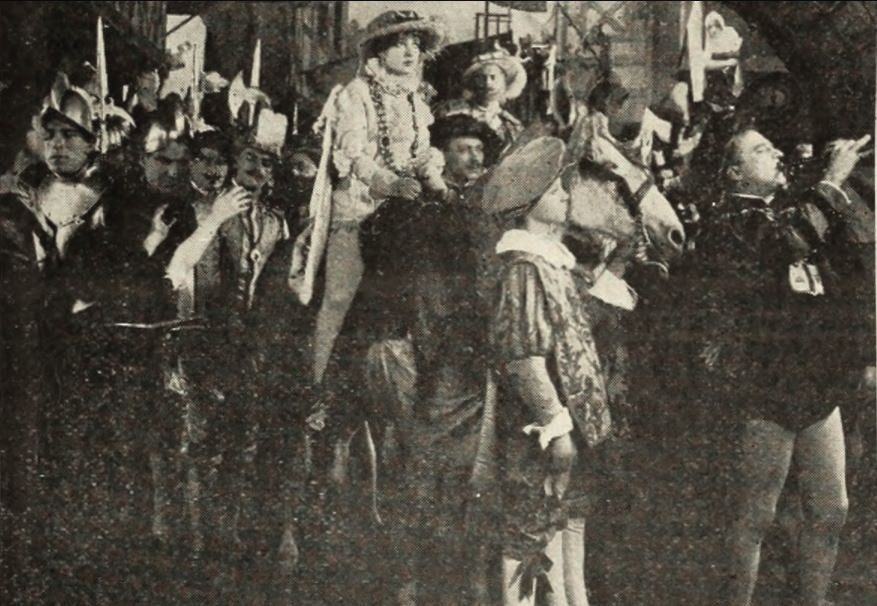
Lost film about the son of a Papal guard who gets involved in Italian politics and incurs the enmity of the corrupt Prime Minister, which leads him to discover the hidden secrets of his family's past - and present.
View Details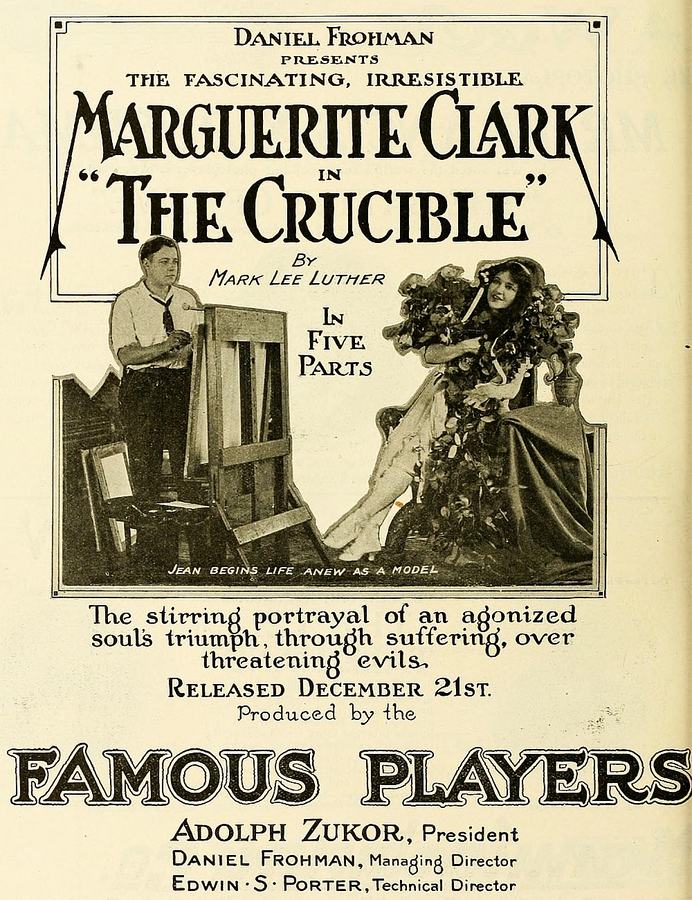
Dir: Hugh Ford
Jean finds the boyish manner in which her late father raised her, is now causing quite a lot of trouble for her, and she ends up in a reformatory. After escaping this prison she meets Craig Atwood, a handsome artist, and now Jean must prove through a series of trials, that she is worthy of his love.
View Details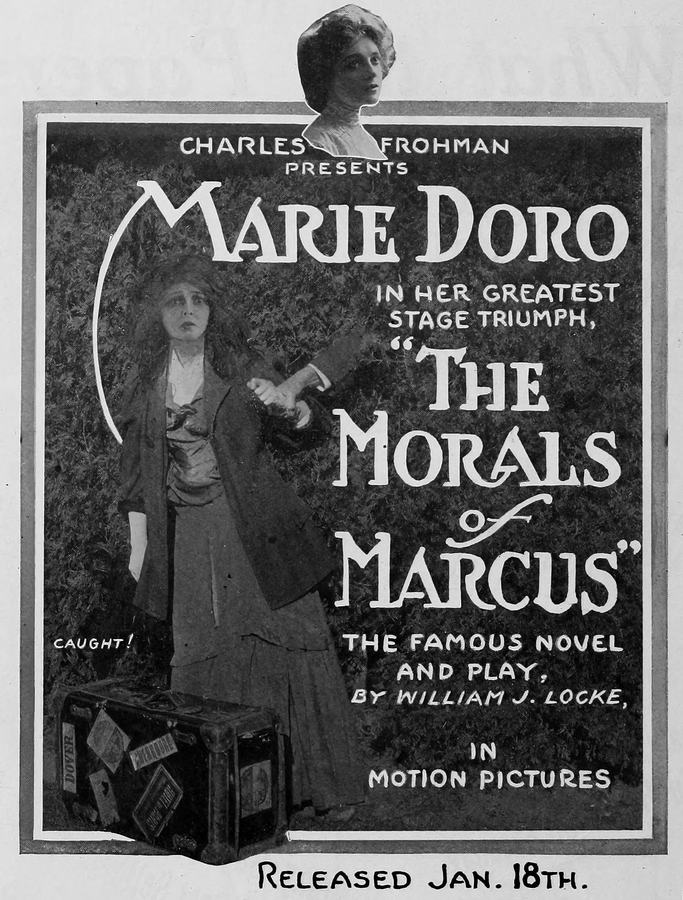
Dir: Hugh Ford
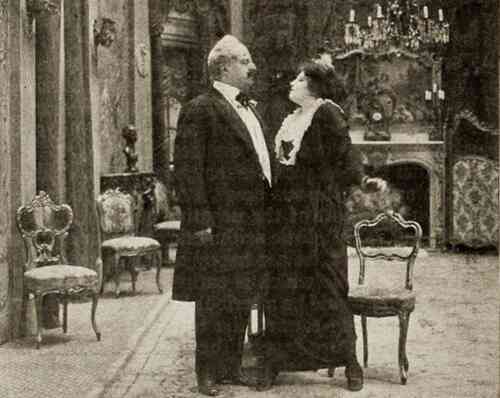
Carlotta grows up in a Turkish harem and upon turning 18 finds out that her foster father plans to sell her to an old Turk. An Englishman helps her escape to Britain, but he is arrested upon their arrival.
View Details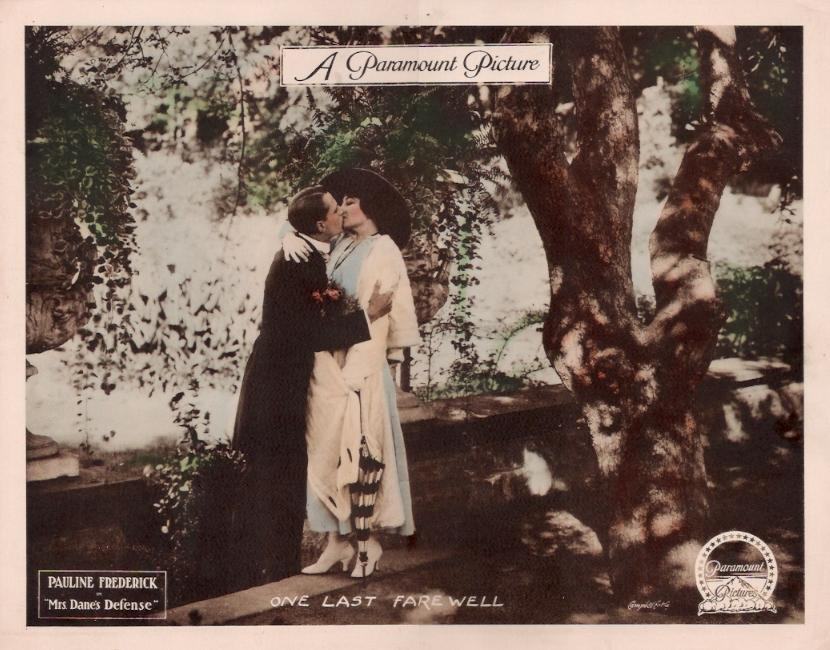
Dir: Hugh Ford
Felicia Hindemarsh is not made to pay the price of her early indiscretions. She pays for supposing that these indiscretions could be hidden, and it is the hiding of her identity behind that of her cousin, Mrs. Dane, which is condemned.
View Details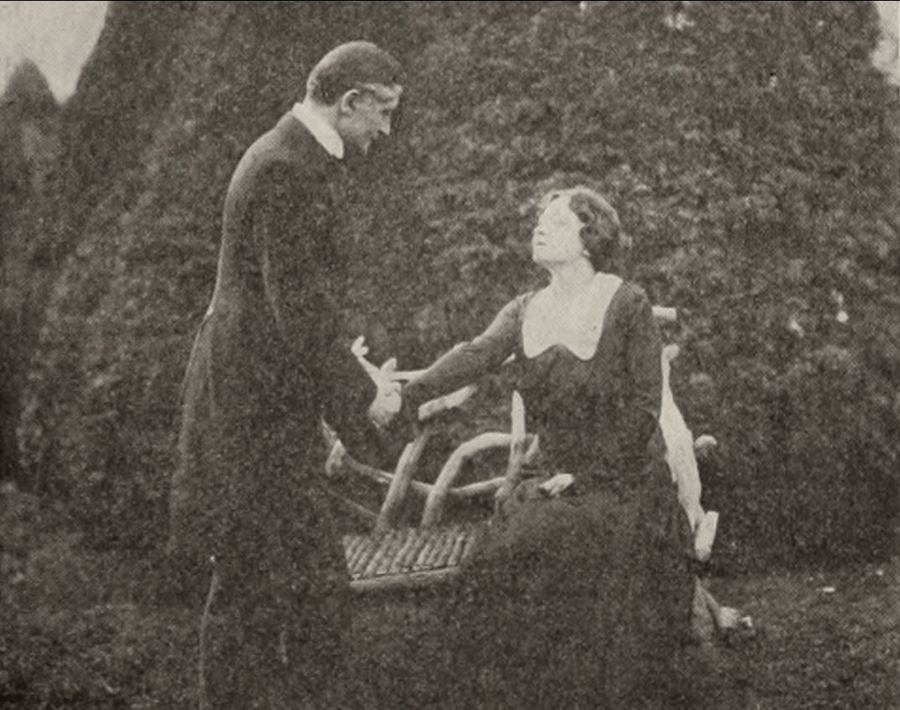
Dir: Hugh Ford
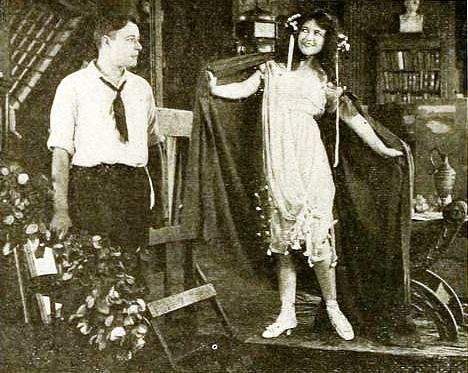
Although she loves humble Ralph Benham, Lydia marries the wealthy Dr. Gilmore at the request of her guardian aunt. After a few years, Gilmore becomes involved with Mrs. Stracey, a family friend, but is discovered and confronted by Mr. Stracey, who is killed by Gilmore during an ensuing fight. To protect her son Ned, Lydia agrees to lie to the authorities about Gilmore's whereabouts and is counseled on her trial testimony by a sympathetic Ralph, who, by coincidence, is the prosecutor in the case. In court, Lydia repeats her protective lies, but her story is thrown into question when her servant testifies that Ralph visited Lydia on the night of the murder. Suspicious, the judge demands that Ned be called to the witness stand, but unable to allow her son to lie under oath, Lydia finally confesses. Faced with a severe sentence, Gilmore commits suicide, and Lydia suffers a nervous breakdown but is cared for tenderly by Ralph and his sister.
View Details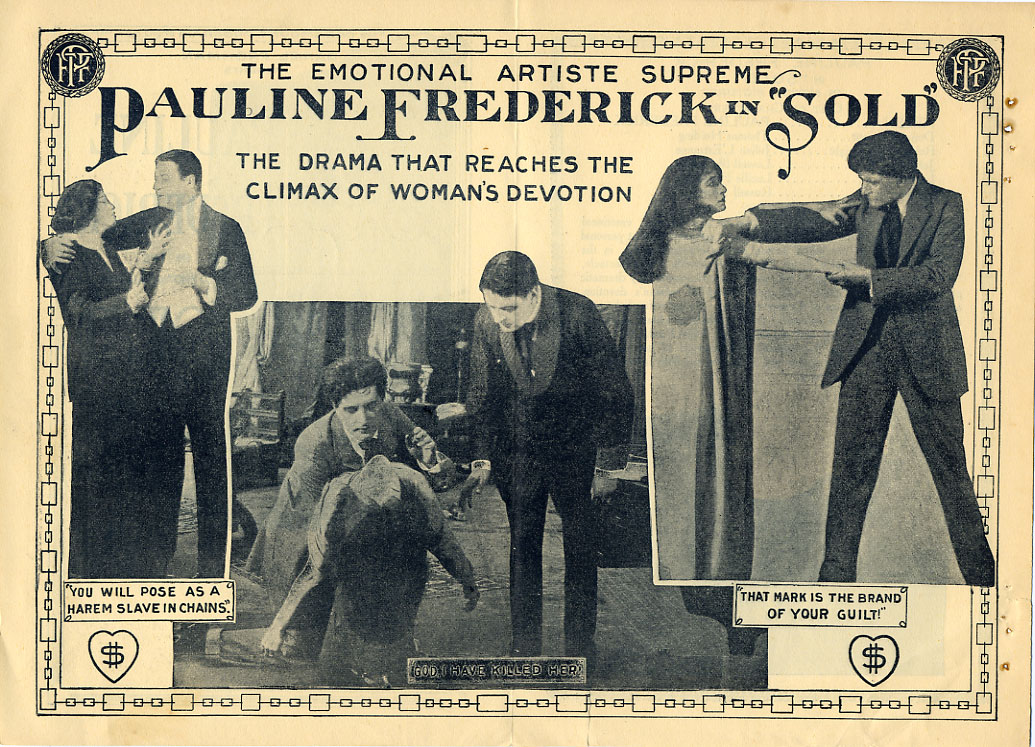
Dir: Hugh Ford
The story is of two artists, one a success and the other, although with far greater ability, lacks the funds with which to make the connections that contribute toward success. Both love the same woman, who selects the poor artist as her husband. Through a long period of stress and financial difficulties she emerges with the determination to aid her husband financially. On a visit from the rich artist to their home, he admires a painting of her husband's for which she had posed in the nude. The rich artist explains that he requires just such a model for the completion of a painting upon which he has been at work, "The Harem Market," and that he would be willing to pay thousands of dollars for her services. Later, the wife, in order to obtain the money with which to assist her husband, visits the rich artist, tells him she was her husband's model, and that she will accept his offer. In time, the husband learns of her act, and entirely misunderstanding her motive, denounces her as a false wife. How his faith in his sacrificing wife is restored, and how the dawn of a new life brightens before them is tenderly unfolded in the photoplay.
View Details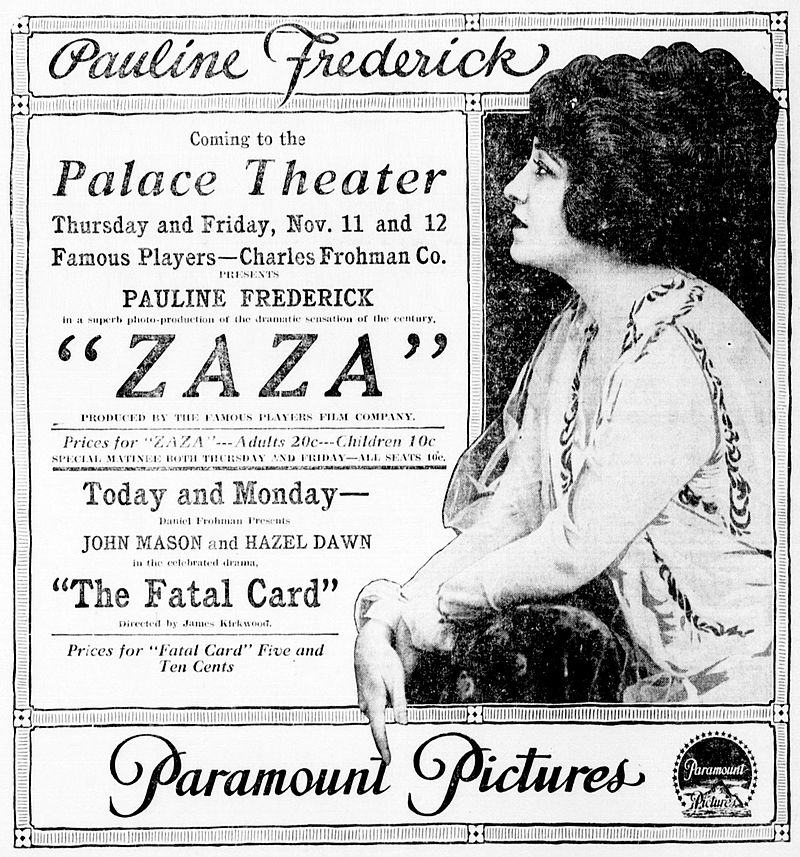
Dir: Hugh Ford
Zaza is a music hall star in Paris. She meets Bernard Dufrene and a flirtation develops into an intense love on her part. She is in despair when she discovers that he already has a wife and child. To visit them and announce herself as the mistress of the husband and father is her first idea, but the charm of the child restrains her. She cannot strike the blow and passes off her visit with an improvised excuse. She dismisses Bernard and returns to the stage, where she gains real fame as a dramatic artist. Once more he seeks her, but again the memory of the child saves her to her better self. Moving Picture World 1915.
View DetailsAnalysis relative to Sapho
| Film Title | Atmosphere | Complexity | Similarity |
|---|---|---|---|
| In Mizzoura | Surreal | Abstract | 90% Match |
| Niobe | Gothic | High | 85% Match |
| The Prince and the Pauper | Gritty | Linear | 89% Match |
| The Eternal City | Gothic | Layered | 91% Match |
| The Crucible | Surreal | Abstract | 85% Match |
This guide was algorithmically generated using the cinematic metadata of Hugh Ford's archive. Last updated: 6/27/2026.
Back to Sapho Details →