
DbcultAccessing Vault...
Recommendations
Senior Film Conservator
The evocative power of Seisaku no tsuma (1924) continues to haunt audiences with its nuanced performance, the artistic provocations of Seisaku no tsuma demand a follow-up of equal intensity. Explore the following titles to broaden your appreciation for Romance excellence.
The visceral impact of Seisaku no tsuma (1924) stems from to transcend the limitations of its 1924 budget and technology.
When a young wife cannot stop or tolerate her husband's return to being a soldier and going to war she instead blinds the man. After being freed from prison she returns home to beg her husband's forgiveness following which she commits suicide by drowning herself. Her husband not only forgives her, but soon afterwards jumps into the water after her as well.
The influence of Minoru Murata in Seisaku no tsuma can be felt in the way modern Romance films handle nuanced performance. From the specific lighting choices to the pacing, this 1924 release set a high bar for atmospheric immersion.
Based on the unique nuanced performance of Seisaku no tsuma, our vault has identified these titles as the most compelling follow-up experiences for fans of Romance cinema:
Dir: Eduardo Notari
A crime drama in the Gennariello-series. The police detective in Naples that is confronted with modern gangsters and crime events.
View Details
Dir: Tod Browning
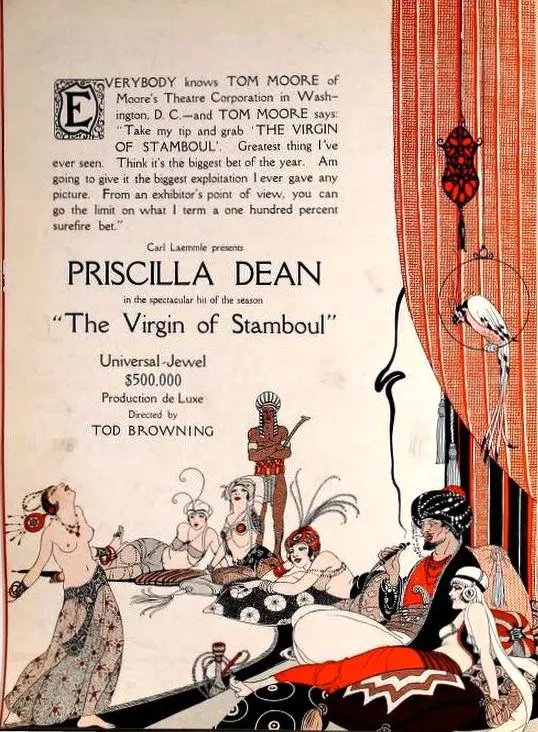
Achmet Bey, a Turkish chieftain, catches one of his many wives in adultery and murders her lover. Throwing aside the cuckolding wife, he abducts his harem an innocent girl. However, a brave American who loves her comes to her rescue.
View Details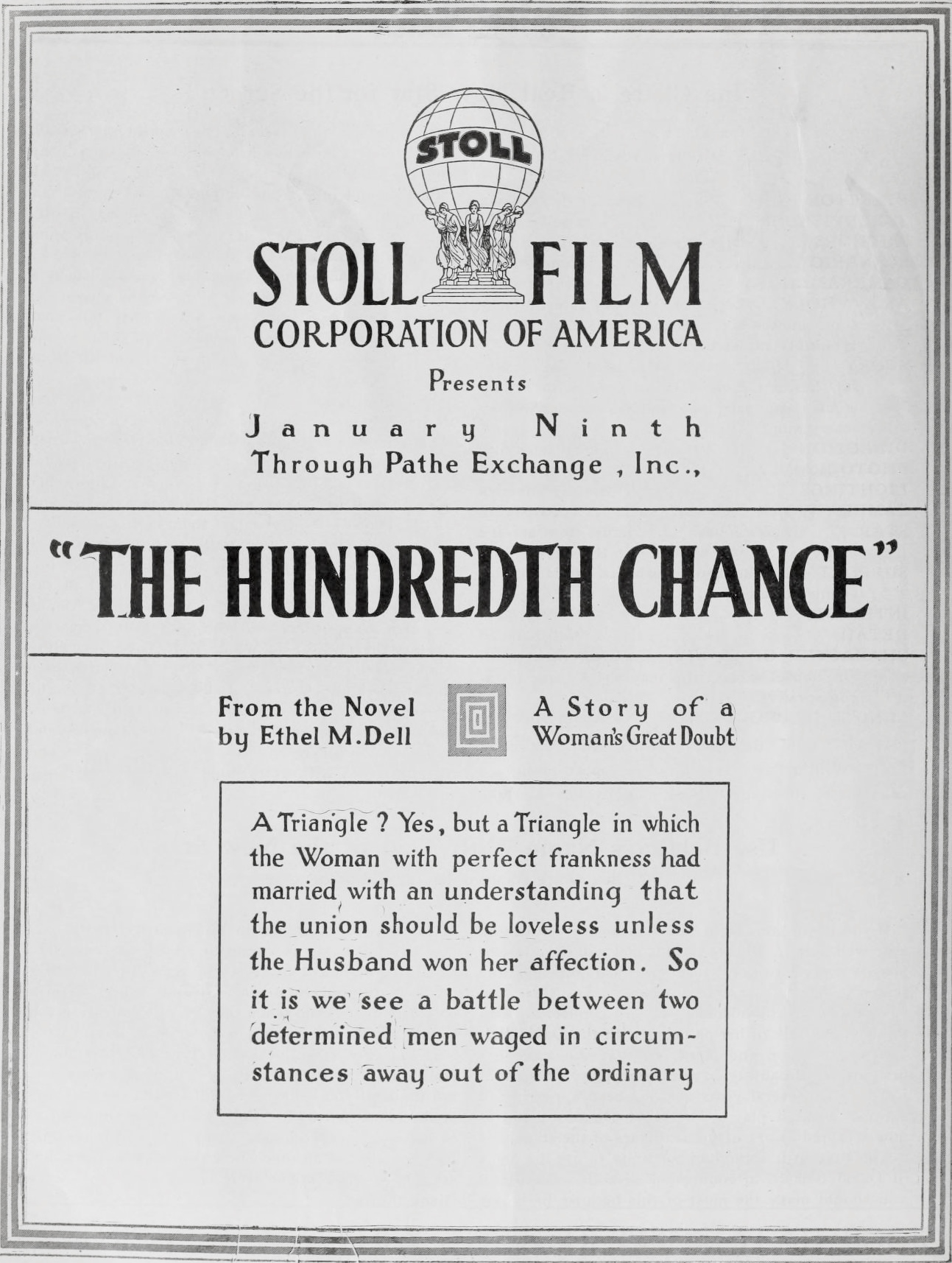
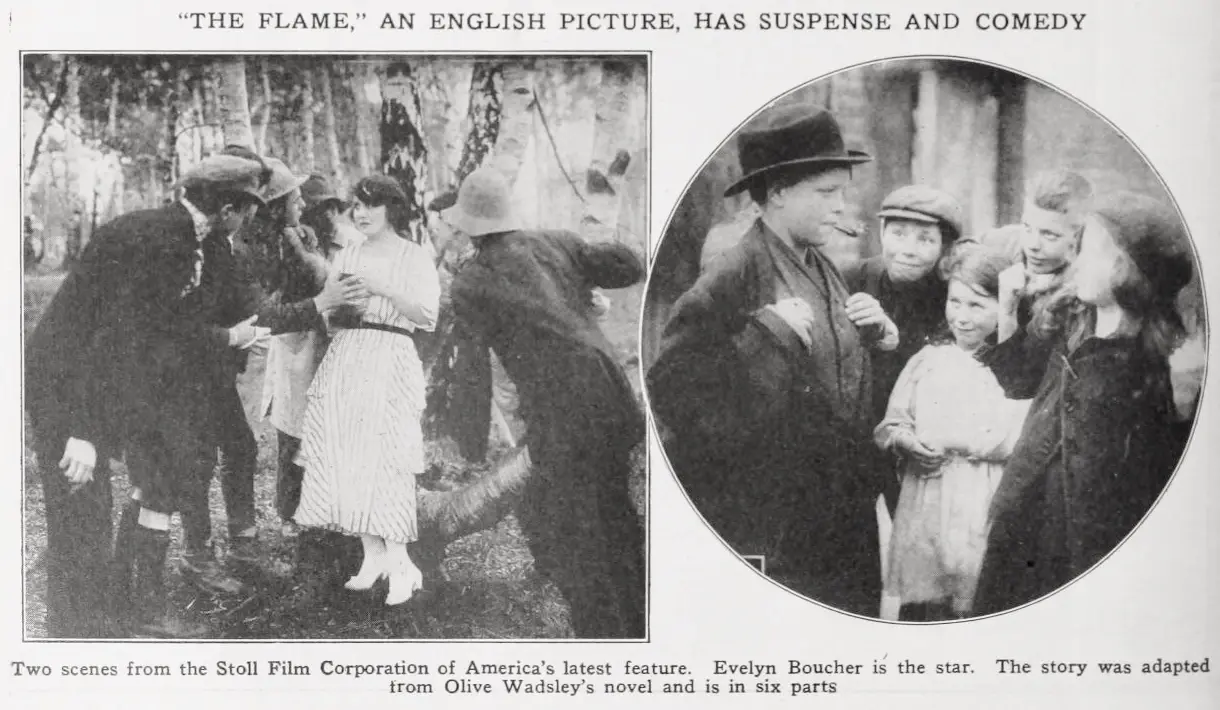
Dir: Maurice Elvey
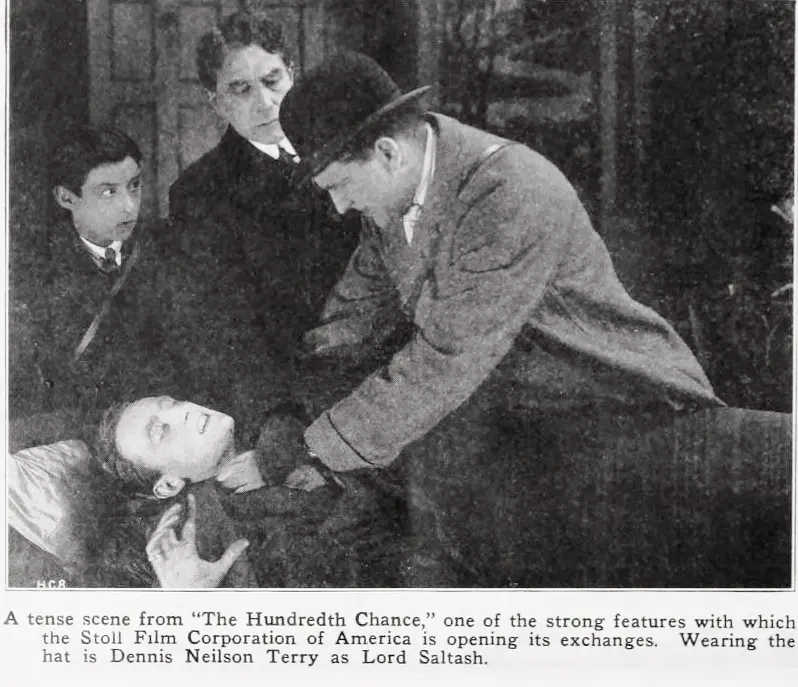
A lady marries a horse trainer but withholds herself until her crippled brother is cured.
View Details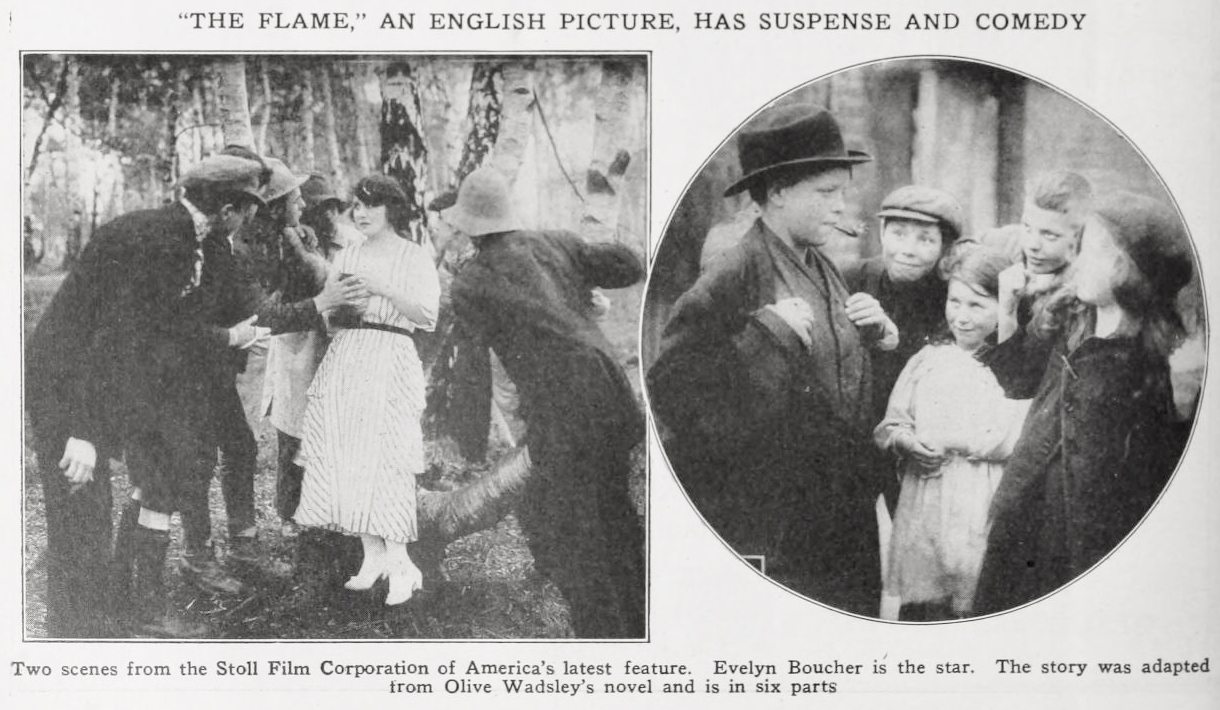
Dir: F. Martin Thornton
In Paris an orphan cartoonist loves a man with a mad wife, who dies in time to prevent her marriage to a jilted Comte.
View Details
Dir: Bruno Ziener
A fascinating piece of cinema that shares thematic elements.
View Details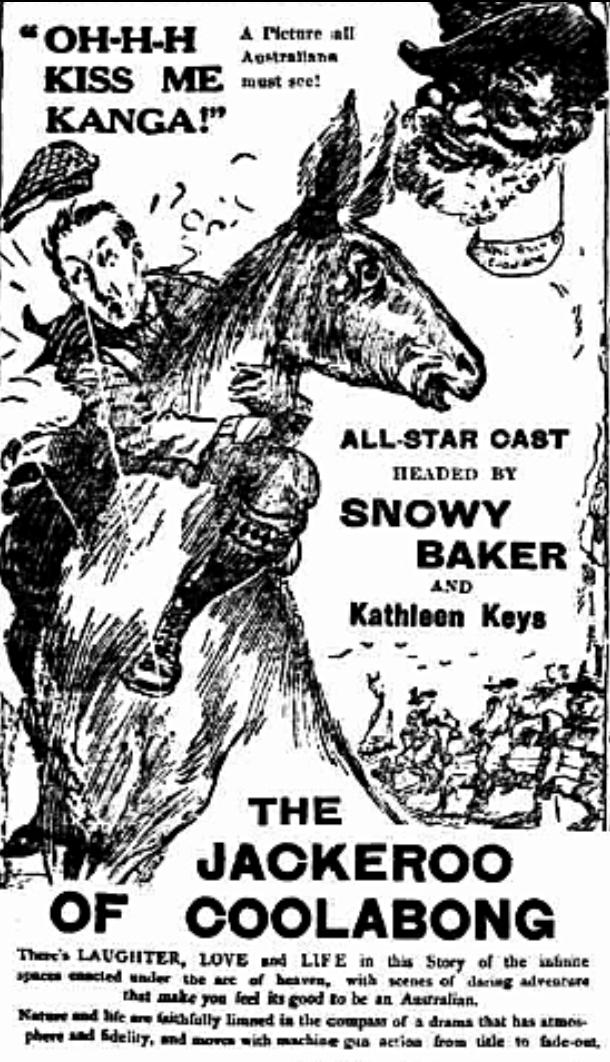
Dir: Wilfred Lucas
Brian O'Farrell (Snowy Baker), is an English 'new chum' who takes a job at an Australian cattle station. He is teased by station hands because of his appearance (including spats and a monocle) but he soon impresses them with his skills at riding and boxing. The station manager, John MacDonald (Wilfred Lucas), takes O'Farrell to Sydney to meet his daughter Edith (Kathleen Key) who is working in the slums. Edith is kidnapped by criminals after witnessing a crime but O'Farrell rescues her. It is later revealed he is the owner of the station.
View Details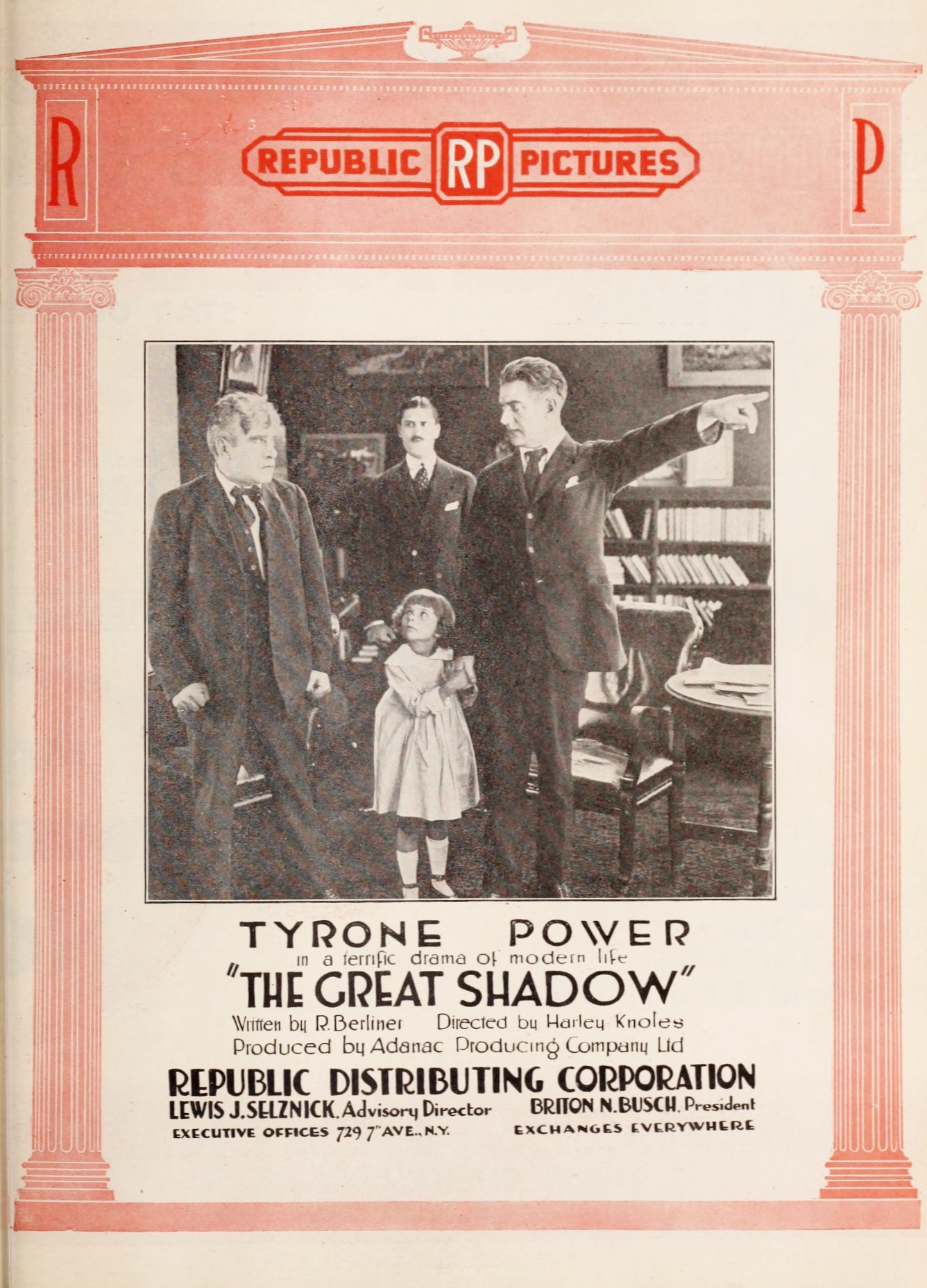
Dir: Harley Knoles
Jim McDonald, the foreman of a shipbuilding plant and head of the labor union, strives to combat the anarchistic propaganda being put forth by Klimoff, the leader of a Bolshevik gang whose goal is to disrupt the country with strikes and anarchy. Despite McDonald's efforts, a strike is called, resulting in chaos. McDonald's child is knocked down by runaway horses abandoned by their striking driver, and dies. Mob scenes take place in America, as well as in Russia. Eventually, the unrest is quelled with an armistice called between Capital and Labor for a year, during which time wages are to be increased to reflect the cost of living, and leaders are to work out a common plan for their mutual advantage. The strikers now realize that they have been pawns of the Bolsheviks and call off the strike, agreeing to the plan.
View Details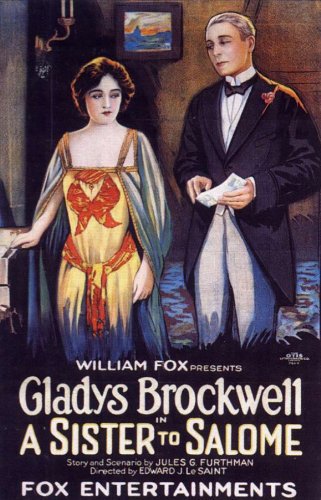
Dir: Edward LeSaint
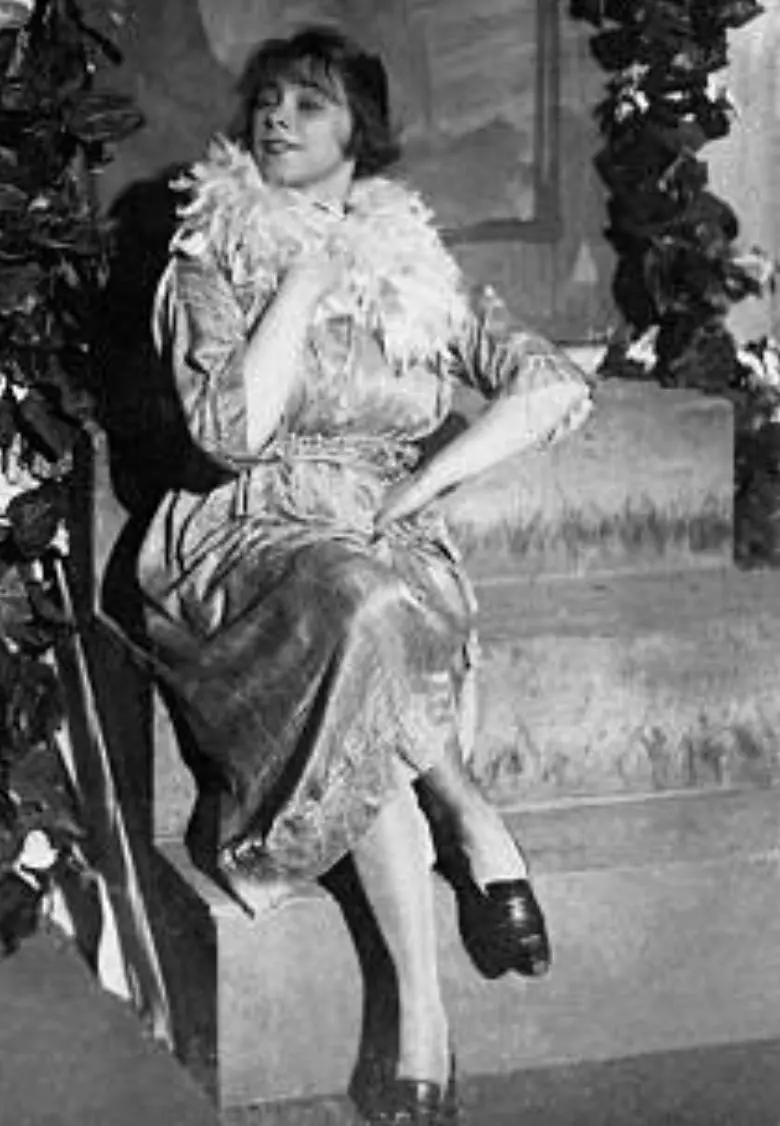
When famous opera singer Elinore Duane undergoes an operation on her throat, she has a series of ether-induced visions. In one, she is transported to ancient Rome where she appears as a much-admired woman in love with Paul, a young heretic, and at odds with Lutor, the high priest. To save her love, she poisons Lutor with her ring. After several other visions which involve variations on this love triangle, Elinore awakens to discover that Lutor is actually her doctor, Sascha Jaccard, and that Paul is the son of a friend who has come to visit the recovering prima donna.
View Details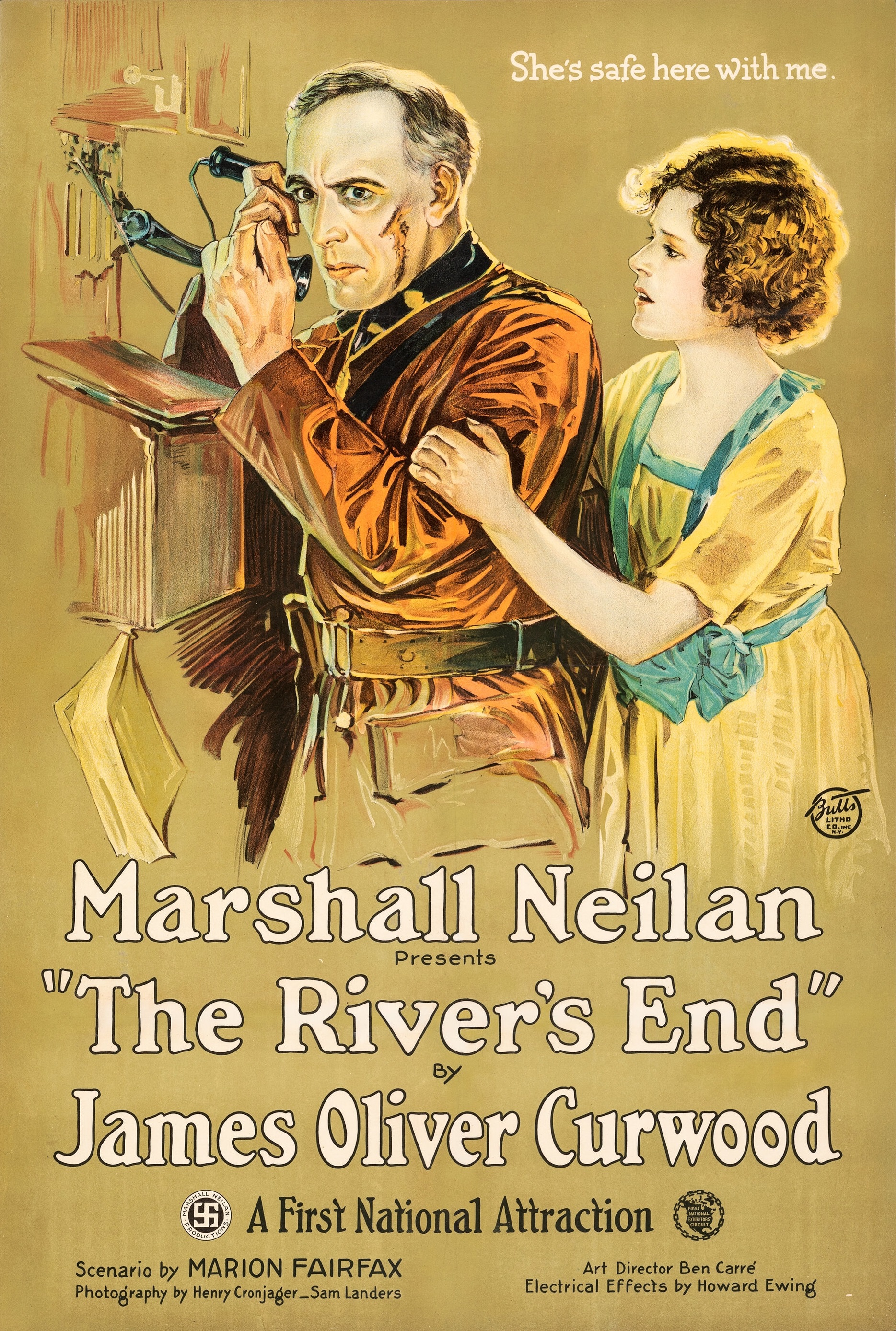
Dir: Victor Heerman
In the gold fields of the Canadian Northwest, a man is falsely accused of a crime and determines that a lookalike is responsible.
View Details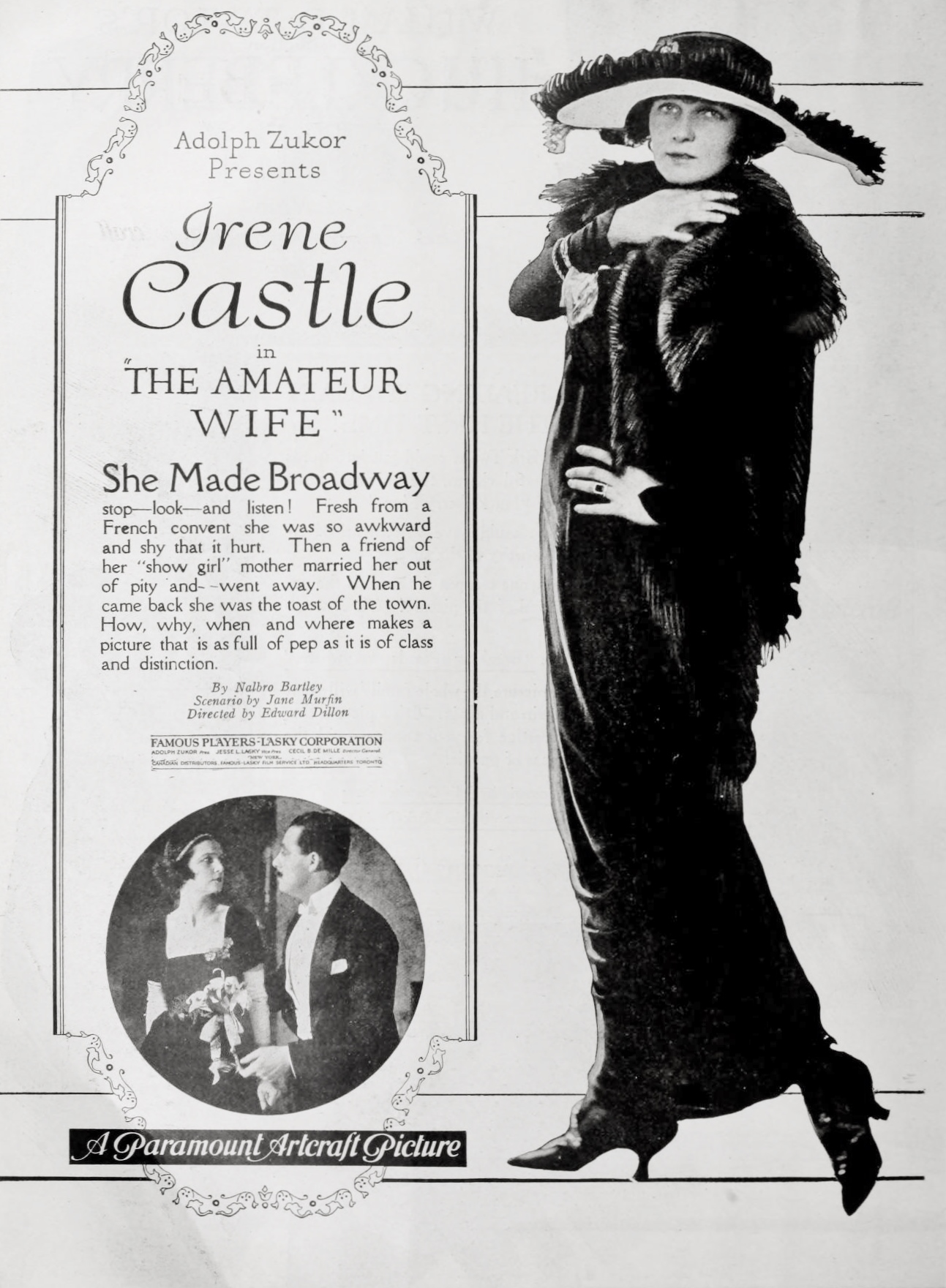
Dir: Edward Dillon
Her education in a French convent school completed, plain Justine Spencer returns to New York. There she is shocked to discover that her mother Dodo is a flamboyant musical comedy actress with many male admirers. Dodo, on the other hand, is dismayed to find Justine priggish and dowdy. One of Dodo's suitors is Billy Ferris, who, in a fit of jealousy, murders her and slays himself. Out of pity, Cosmo Spotiswood, another admirer of Dodo, marries Justine, but soon tires of his platonic marriage and leaves for Europe. Upon his return, Cosmo finds Justine transformed. Under the tutelage of Dodo's maid Loti, she has bobbed her hair and donned fashionable apparel. Thus changed, Justine is surrounded by suitors. Stung by jealousy, Cosmo falls in love with his sophisticated wife.
View DetailsAnalysis relative to Seisaku no tsuma
| Film Title | Atmosphere | Complexity | Similarity |
|---|---|---|---|
| 'A mala nova | Surreal | Layered | 92% Match |
| The Virgin of Stamboul | Gothic | Layered | 97% Match |
| The Hundredth Chance | Gritty | Dense | 87% Match |
| The Flame | Surreal | High | 97% Match |
| Eva, wo bist du? | Gothic | Dense | 86% Match |
This guide was algorithmically generated using the cinematic metadata of Minoru Murata's archive. Last updated: 8/17/2026.
Back to Seisaku no tsuma Details →