
DbcultAccessing Vault...
Recommendations
Senior Film Conservator
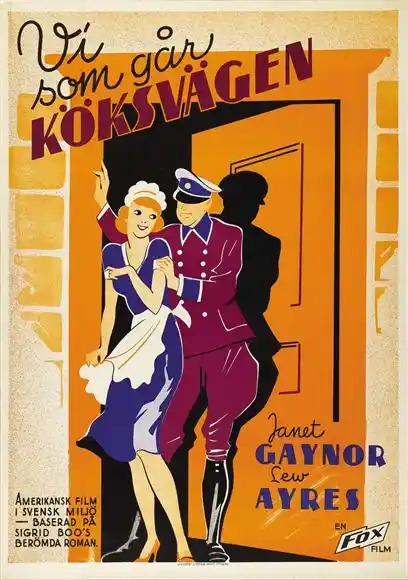
The United States-born brilliance of Servants' Entrance offers a unique unique vision, the juxtaposition of unique vision and narrative makes it a Music outlier. Dive into this collection and find the spiritual successors to Frank Lloyd's vision.
In the Pantheon of Music cinema, Servants' Entrance to elevate Music to the level of high art.
The daughter of a rich man going through financial difficulties takes a job as a maid and falls in love with the chauffeur.
Servants' Entrance was a significant production in United States, showcasing the immense talent of The Four Forks, Frank Dawson, Astrid Allwyn. It continues to be a top recommendation for anyone studying Music history.
Based on the unique unique vision of Servants' Entrance, our vault has identified these titles as the most compelling follow-up experiences for fans of Music cinema:
Dir: Frank Lloyd
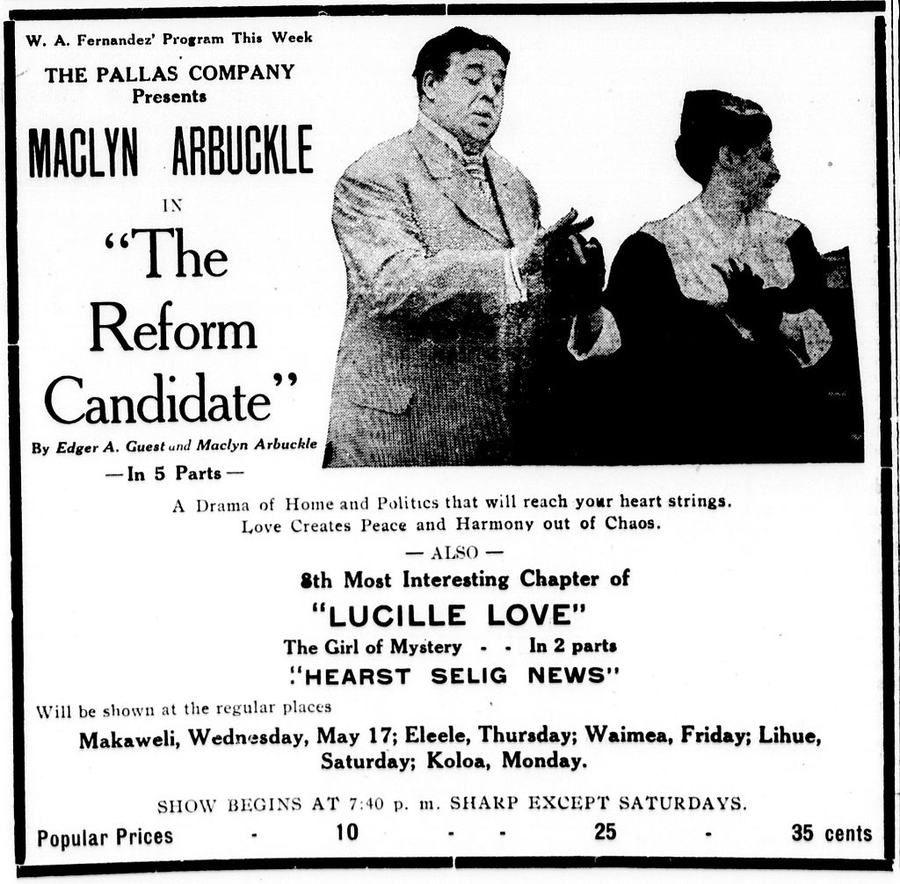
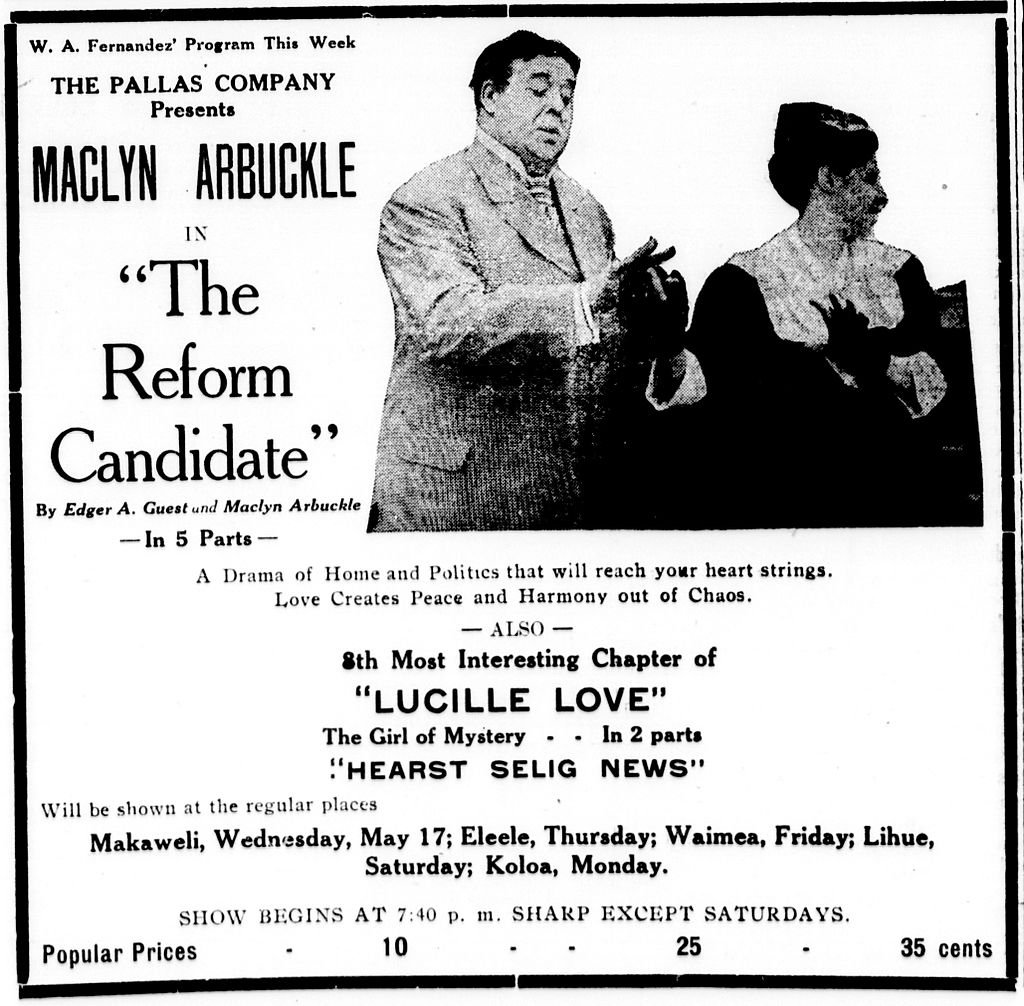
Realizing that his mayoral campaign is in serious trouble, reform candidate Frank Grandell sends his people out to dig up some dirt on Art Hoke, the boss of the city's political machine. Their investigation leads them to Hoke's flunky, nicknamed "Looney Jim". Jim implies that he has some damaging information about Hoke's daughter, but he dies before he can reveal it. Grandell eventually finds out what the "secret" is, however, and must decide whether to use it in his campaign to defeat Hoke's candidate.
View Details
Dir: Frank Lloyd

Florence Brent is the daughter of Bennington Brent, who runs a successful laundry business. Florence's childhood friend, John Oglesby, is a Congressman. When Florence visits her friend, Eleanor Williamson, in Washington D.C., she meets Eleanor's fiancé, who is a Count. The Duke of Buritz, a countryman of the Count, tries to corrupt Oglesby for political reasons. Meanwhile, the Count breaks his engagement to Eleanor, having become enamored of Florence. Oglesby eventually exposes the duplicity of the Count and Duke.
View Details
Dir: Frank Lloyd
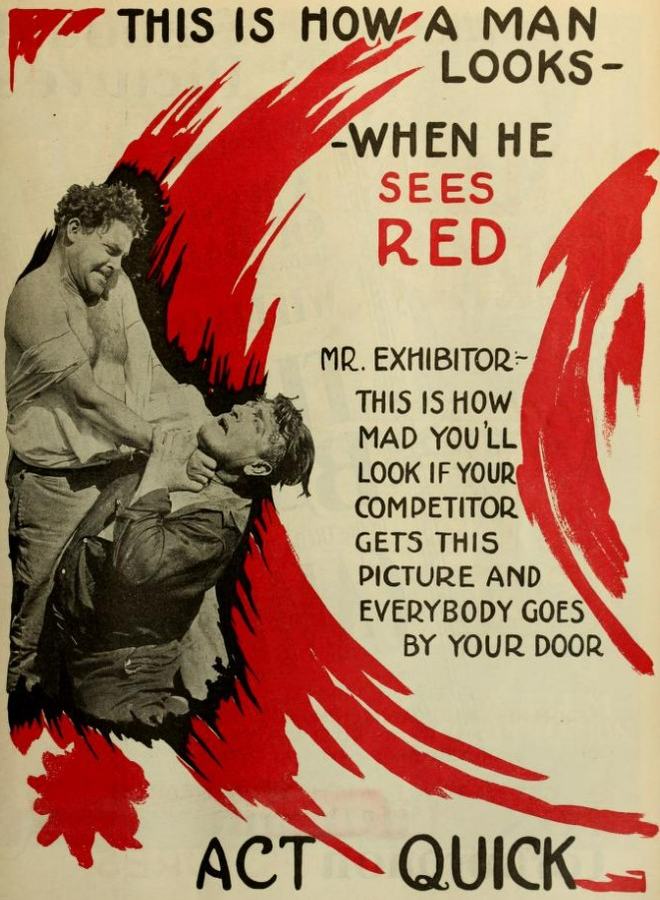
Returning home to find that his sister has died after being abducted and violated by an unscrupulous man, sailor Larry Smith ships out as mate with Captain Sutton. After an altercation with the captain, Larry leaves the ship at a South Sea port where he meets and falls in love with Violet North, a woman of questionable reputation who is the mistress of millionaire Lewis. Larry proposes, but Violet sails with Lewis anyway. Sutton also sets sail, leaving behind inveterate drunk Logan, who informs Larry that Sutton was the man responsible for his sister's death. Sometime later, Lewis' yacht is wrecked and Violet is cast upon an island. Sutton picks her up and tries to sell her to the natives as punishment for resisting his advances, but Larry rescues her and kills Sutton. His sister thus avenged, Larry marries Violet and settles down.
View Details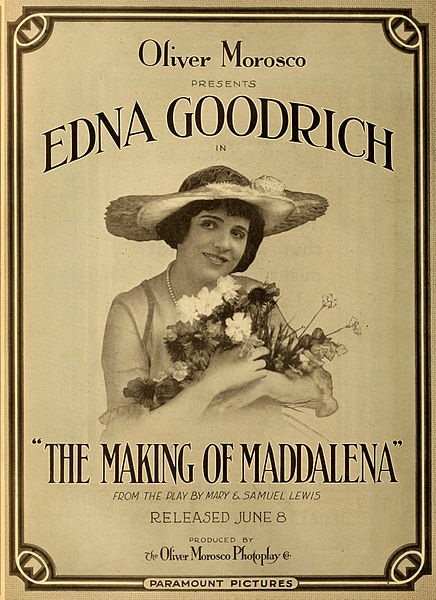
Dir: Frank Lloyd
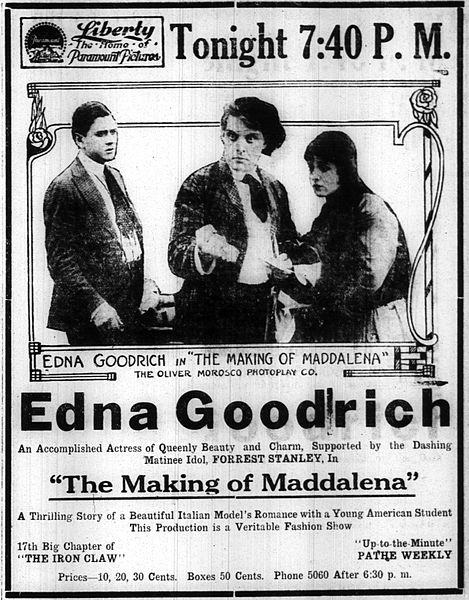
George Hale, a rather good-for-nothing son of wealthy parents, is engaged to marry Marie, a young society girl. She refuses to marry him until he has made good. Young Hale's chum, Augustus Foster, an art student, induces Hale to join him in his studio in Rome. To win the admiration of his sweetheart, Hale accepts his chum's offer and starts his career as an artist. Being of a carefree, happy disposition, he dallies with his work. Here he meets Maddalena, a very beautiful young Italian girl, who poses as his model. Her father, a rough and muchly-dissipated Italian of the poorer class, has abused his daughter most shamefully, using the money she earned selling flowers to buy his drink. Young Hale is greatly attracted to the beautiful Maddalena. One night at the studio, where a number of his friends were celebrating the Fourth of July, in true American fashion, the studio gaily decorated with American flags, bunting of red, white and blue, a letter is received by Hale from the American sweetheart denouncing him and announcing her engagement to Signor Pastorelli, a great artist, who was then living in America. Leaving her home because of her father's abuses, Maddalena seeks refuge in the studio of Hale. In a fit of rage over the news of his sweetheart's betrothal to Sig. Pastorelli, Hale announces to his friends his intentions of marrying his beautiful model, Maddalena. He marries her, a son is born to them. Hale finds the struggle for existence a very difficult one and seeks employment. He becomes ill, loses his position. Hale's father, who has learned of his marriage and illness, decides to go to his son and bring him to America, to his mother, who is grieving for him. This he does, takes his son away until he is well enough to go to America. He would like to take the child, but the mother will not give him up. Maddalena's brutal father, seeing an opportunity to get a few dollars from the elder Hale if he should bring him the child, kidnaps the baby. Grandfather Hale, with his son and grandson, leave for America. Months later, Hale's chum, Augustus Foster and his aunt, Mrs. Wright, go to find young Hale, only to learn from poor little broken-hearted Maddalena of her desertion. Mrs. Wright takes the girl as her companion to Paris. Here she is educated. They finally come to America. Here Maddalena becomes interested in settlement work, meets Dr. Comstock and interests him in her great work among the poor. She becomes a trained nurse, nursing in the homes of these poor people. An epidemic breaks out in the city, a most dreaded disease and one day she learns through the newspaper that her child has been stricken with this disease. She goes to the home of the child's grandfather, acts as nurse to her child. The child becomes very ill, the elder Hale does not recognize the young nurse as his daughter-in-law, and thinking the child is dying, says: "Oh, if the child's mother was only here." Hale, who has been out of the city, has been called home because of the seriousness of his child's illness, comes into the room and recognizes his wife. A reconciliation takes place, the elder Hale recognizes the great change in the girl, sees the noble character, and takes her into his home.
View Details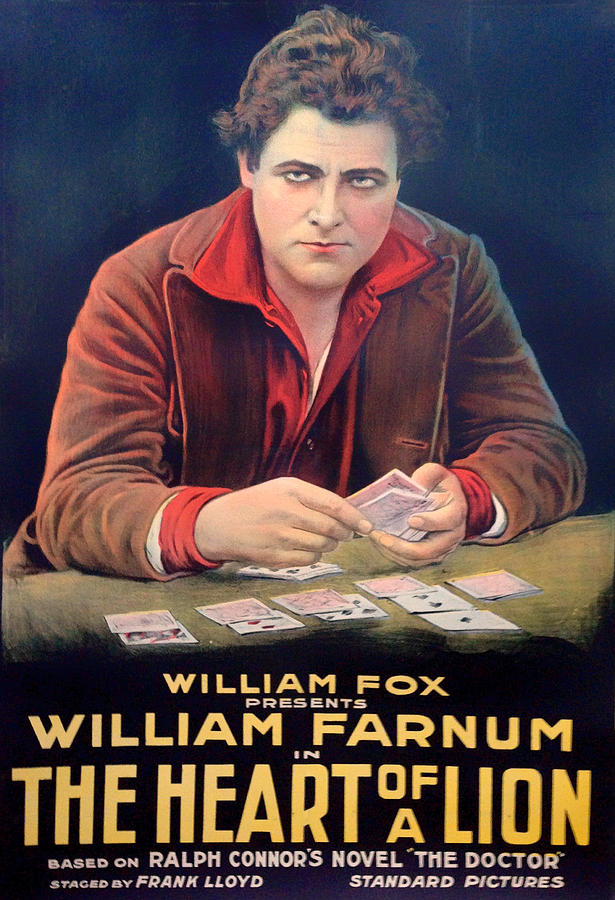
Dir: Frank Lloyd
Barney Kemper works hard on a farm so his younger brother Dick can go to college. However, Dick squanders Barney's money. Margaret Danford, daughter of the village doctor, loves Barney from afar and tries to educate him. A girlfriend of Margaret's comes for a visit and steals Barney's heart. The young girl turns to Dick, and Barney discovers them together. Embittered, Barney goes west to work in a lumber camp. But Dick reforms, and becomes a minister, and is assigned to the lumber camp. Margaret goes along to start a hospital. Tex Daly, leader of the lumbermen, resent Dick and try to frame him with a saloon girl. When Dick is shot by Tex, Barney appears and helps his wounded brother by taking charge of the church. Dick dies, and Barney kills Tex. Barney and Margaret are united.
View Details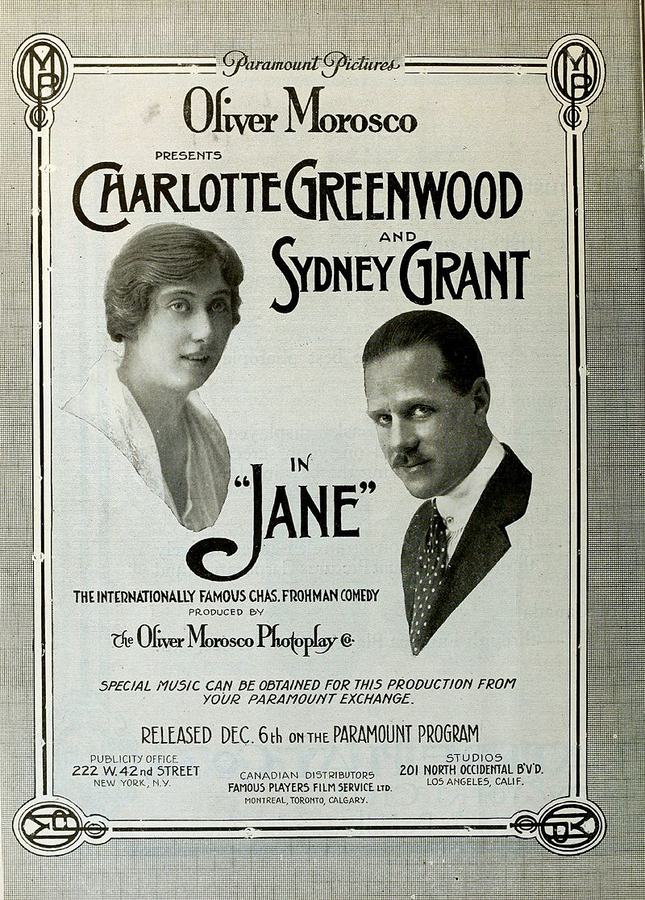
Dir: Frank Lloyd
To obtain an increase in his income from his wealthy uncle, Charles Shackleton must stop his wild bachelor ways and marry. Charles proposes to Lucy Norton, but her father refuses his permission. Undaunted, Charles tells his uncle he has married and receives his increased allowance. A year later the uncle announces an upcoming visit, and Charles begins a frantic search for a temporary wife, offering Jane, the maid, five hundred dollars to play the part of Mrs. Shackleton. Secretly married to William, the butler, Jane undertakes the role without her husband's knowledge, causing him much confusion and jealousy. When the uncle demands to see "the baby," Jane snatches one from an unsuspecting washerwoman, who later catches the uncle with her child and calls the police on him. Further complications lead to Charles' pleading proposal to Lucy and then finally to the truth, which leaves everyone satisfied.
View Details
Dir: Frank Lloyd
Nell, a beautiful mountain girl, is a member of the Serviss family, rivals of the neighboring Rutherford family. Nell is engaged to Jim Serviss, who is the head of their clan, but when, by accident, she meets a stranger who has come to stay with the Rutherfords, they become infatuated. The stranger spends much of his time examining and chipping away at rocks, causing an intense curiosity among the mountaineers, who suspect that he is a "revenuer." When Nell learns that the stranger is searching for radium, she shows him a deposit rich in ore located near the Serviss still. On the night of a big dance, the Serviss still is burned by revenue officers and the mountain people are convinced that the stranger is to blame. Nell rushes to the Rutherford cabin to warn the stranger who is revealed to be Rolf Rutherford. When Jim arrives, Nell saves Rolf's life by telling Jim that she will marry the stranger. Soon after Jim leaves, however, Nell goes after him and admits that it is only he who she loves and that she lied to save him from committing murder.
View Details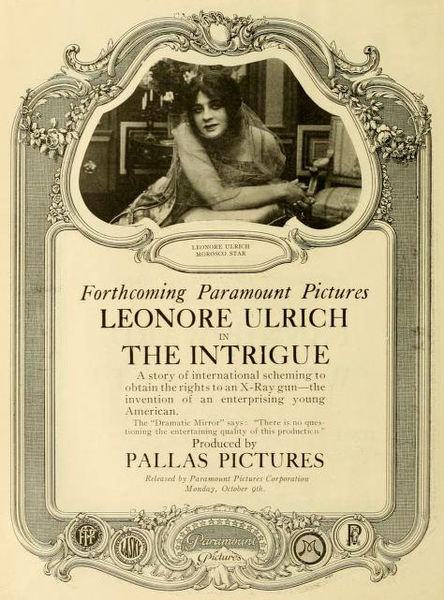
Dir: Frank Lloyd
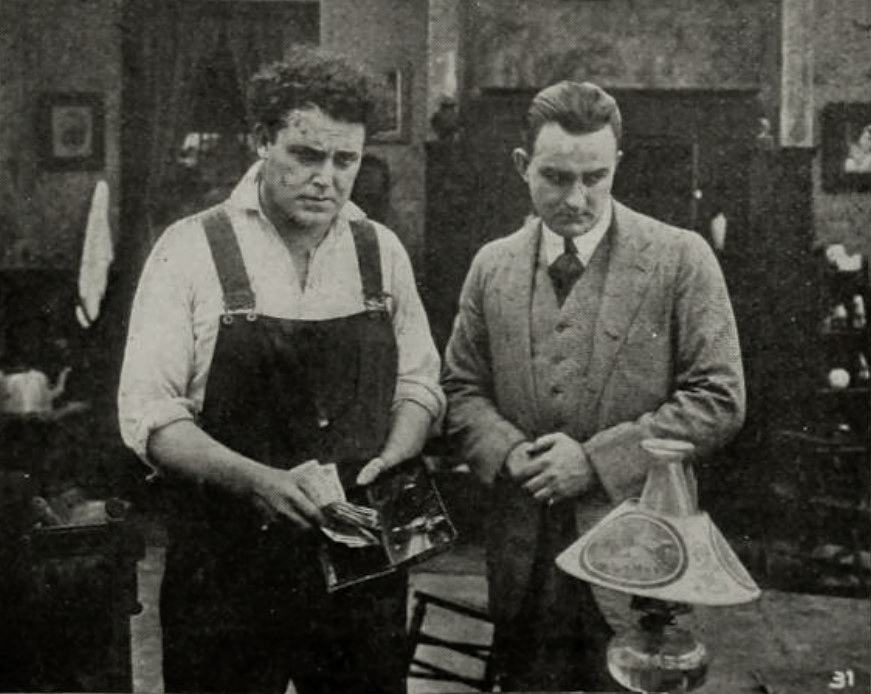
A sci-fi/espionage film in which world powers vie for control of a death ray during World War I.
View Details
Dir: Frank Lloyd
The story tells of the troubles started by the fondness for gaiety of three mature French judges. With an eye to securing his good graces, they enjoy losing an occasional game of whist to their superior, Judge Galipaux. M. Galipaux's life burden is an ambitious wife. An escapade with the leading lady of a theatrical troupe, Mlle. Gobette, lands the three judges on the carpet for a severe reprimand. The offending actress is evicted from the hotel. Like an inspiration, a way out of their predicament comes to one of the offenders. That night on returning from seeing his wife on her train to Paris, M. Galipaux finds his house occupied by a strange but very beautiful woman, who refuses to leave. Unexpectedly M. Gaudet, the handsome and irreproachable Minister of Justice, arrives. He is fascinated by Gobette whom he believes to be Mme. Galipaux. Still posing as Mme. Galipaux, Gobette comes to Paris to call upon him. Scenting a possible scandal, Marius, the head usher, lays a trap. Mlle. Gobette calls and the trap is sprung. From then on events crowd quickly upon poor Gaudet, but through humorous situations and startling perplexities he remains undaunted to emerge triumphant.
View Details
Analysis relative to Servants' Entrance
| Film Title | Atmosphere | Complexity | Similarity |
|---|---|---|---|
| The Reform Candidate | Gritty | Abstract | 97% Match |
| An International Marriage | Ethereal | Linear | 93% Match |
| When a Man Sees Red | Surreal | Linear | 86% Match |
| The Making of Maddalena | Gothic | High | 97% Match |
| The Heart of a Lion | Surreal | Dense | 85% Match |
This guide was algorithmically generated using the cinematic metadata of Frank Lloyd's archive. Last updated: 8/17/2026.
Back to Servants' Entrance Details →