
DbcultAccessing Vault...
Recommendations
Senior Film Conservator
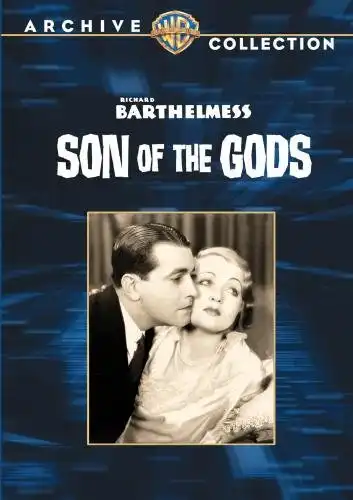
The cinematic DNA of Son of the Gods (1930) is truly one of a kind, the search for similar titles reveals the deep impact of Frank Lloyd's direction. Our cinematic experts have identified several titles that reflect the spirit of 1930.
As a pivotal work in United States cinema, Son of the Gods to capture the existential zeitgeist of 1930.
A Chinese posing as an American goes to Monte Carlo where he falls in love with Alanna, who later goes berserk upon learning his true identity.
The influence of Frank Lloyd in Son of the Gods can be felt in the way modern Drama films handle character-driven intensity. From the specific lighting choices to the pacing, this 1930 release set a high bar for atmospheric immersion.
Based on the unique character-driven intensity of Son of the Gods, our vault has identified these titles as the most compelling follow-up experiences for fans of Drama cinema:
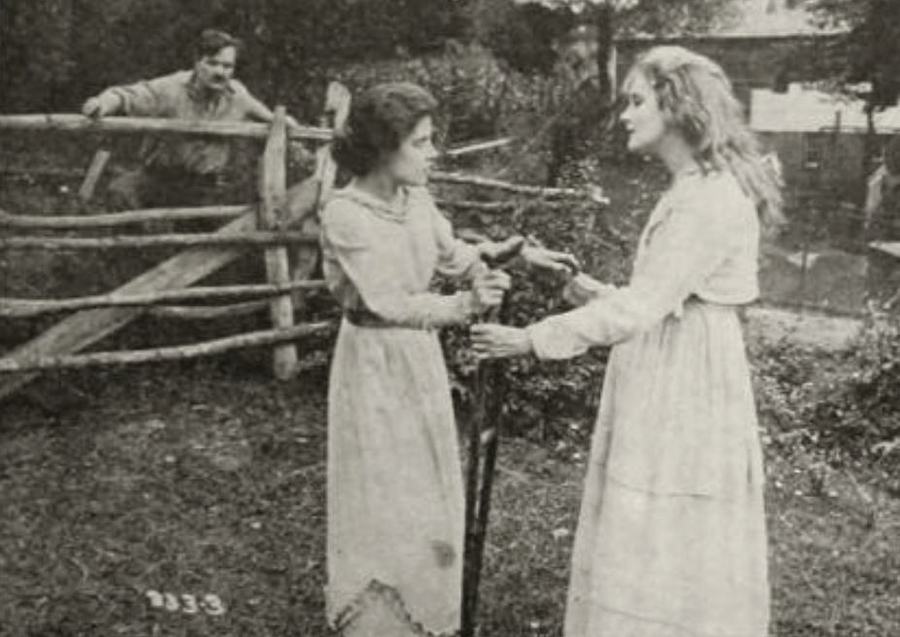
Dir: Frank Lloyd
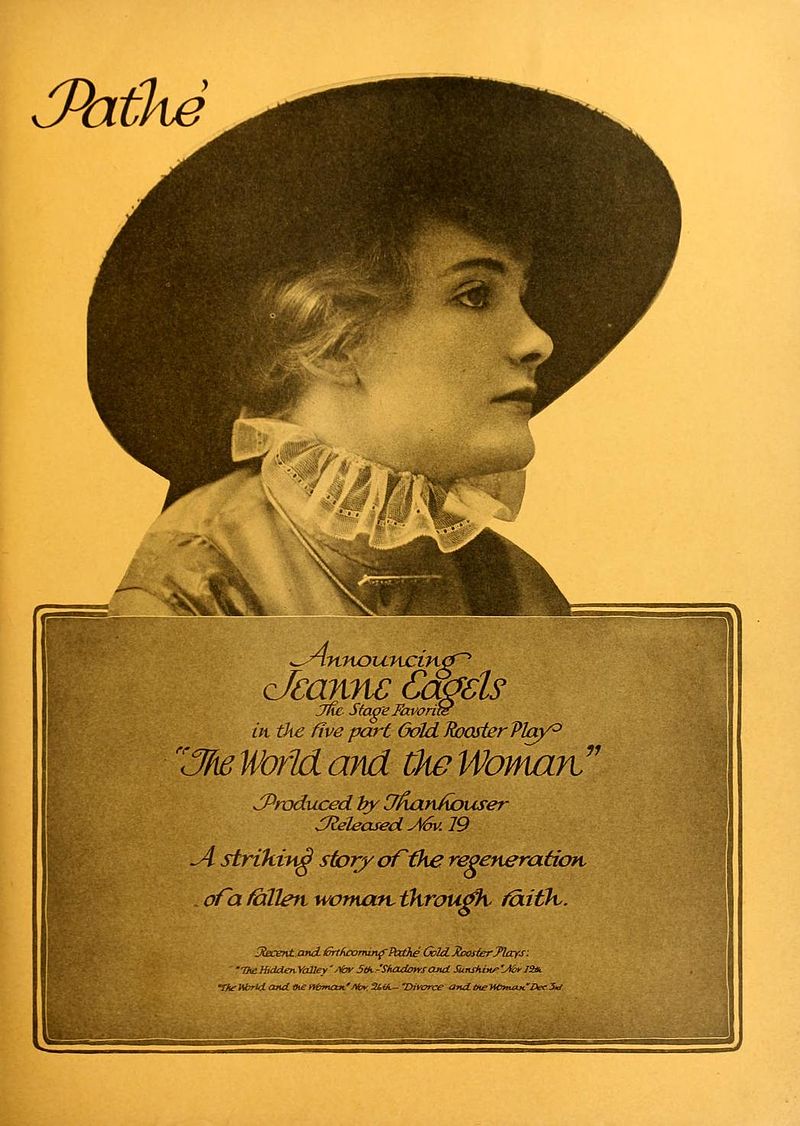
A gay dinner party took place in one of Broadway's showiest restaurants. The host was a bachelor of wealth, and his guests included men of his own station in life, and young girls caught in the whirl of gaiety. The bachelor told the young girls that the keeper of his mountain lodge had advised him by letter that she requires the services of a maid, and he offered the proposition to the girls, but they refused. A face then appeared at the window of the restaurant. It was the face of a woman who had been cast aside. The girls told their host to offer the job to her. Being in a mood to take the advice, he hurried from the restaurant, overtook the derelict, and brought her back with him. The woman was starving and accepted the position in the mountain. Her past life was recalled to her that very night, for one of the guests in the restaurant was the man who had made her what she was. In the Adirondack Mountains the woman found life quiet, but a chance acquaintanceship with a family in the valley marked another change in her life. The family (a man, his wife, and their little daughter) took a liking to the maid and induced her to attend services at the village church. The weeks passed, and then the owner of the lodge arrived from the city with a number of his friends. instead of the forlorn outcast whom he had sent to the mountains he found an attractive woman, but one who would not listen to his advances. Angered by her attitude, her employer tried to force his intentions upon her. She then left the lodge and went to the home of the little family, where she was welcomed. Some days later the little daughter was accidentally injured. The doctor declared that her spine was broken, and despite all his efforts, the child steadily sank. The outcast prayed for Divine help, and as she prayed it seemed to her that she was told to heal the child. Strengthened and transfigured by her religious devotion, she accomplished what the doctor had failed to do. The woman's power soon became known and was as effective with other invalids as it was with her first patient, while at the mountain lodge its worldly owner laughed cynically as he thought how these respectable, narrow-minded people reverenced a woman whom they would despise if they knew her past. From the city the man came who had blighted her life. His friend at the mountain lodge had written him about the woman's new career. He came to sneer, but soon learned to respect and honor her. But one day the woman failed for the first time. A mountaineer brought his wife, a cripple for several years, to be cured. Th« owner of the lodge threatened that he would reveal the outcast's past life. Realizing that he would keep his word, the woman's great faith disappeared. While the assembled people were still discussing the failure of their idol, her former employer told them what this woman had been before she came among them, and they recoiled from her in horror, all of them except the man who had been her first enemy and had now become her friend. He asked her to marry him and she refused, going out into the world alone. The old bitterness did not return to her and she prayed for guidance. It seemed to her that she was told to make the cure which she had failed to achieve, and she set out for the mountaineer's cabin. The mountaineer's wife had been crippled by a racing automobile and that day the owner of the mountain lodge told her husband the name of the man who had driven the car. It was the man who had asked the outcast to marry him. The mountaineer decoyed the guilty man into the mountains, and there a fight took place between the two men. The man from the City was no match for the mountaineer and he was about to be hurled into the chasm when he beheld a sight which caused him to forget his vengeance forever. His wife was walking down the mountain path towards him. And with her was the healer, the woman who had failed. Realization came to him as his wife told him of the great cure, and he thanked the woman whom he had misjudged. Happiness has come to the outcast as the wife of the man who made an outcast.
View Details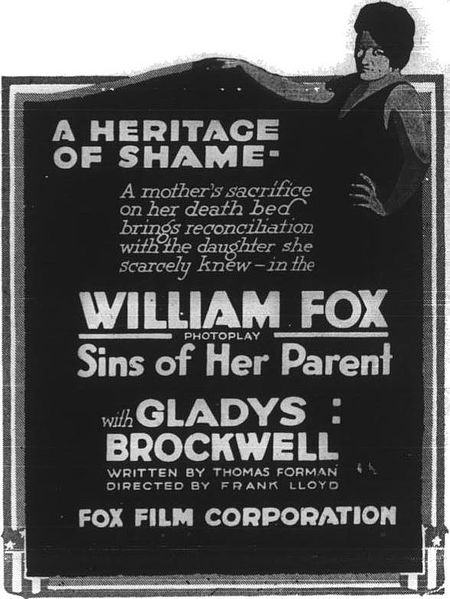
Dir: Frank Lloyd
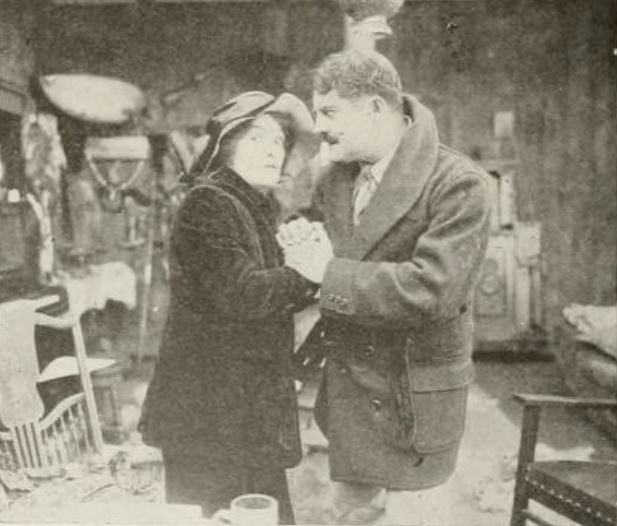
Unhappy with her shotgun marriage to Southern aristocrat Arthur Heatherway, Valerie Marchmont leaves her new husband and, after giving her infant daughter to a Virginia family, goes to Alaska to work in a dance hall. Years later, the daughter, Adrian Gardiner, wants to marry Richard Carver. Richard's father Robert, refuses them to marry because Adrian cannot provide any information about her parents. Following a hunch, Richard goes to Alaska to find the mother Adrian never knew, but just after locating Valerie, he is shot by saloon owner Jim McNeil. When Adrian and Robert go to Alaska to be with Richard during his recuperation, Robert recognizes Valerie as the wife of his old friend Arthur. As a result, he approves of the marriage, but the celebration accompanying the news is cut short when Valerie and Jim kill each other in a fight.
View Details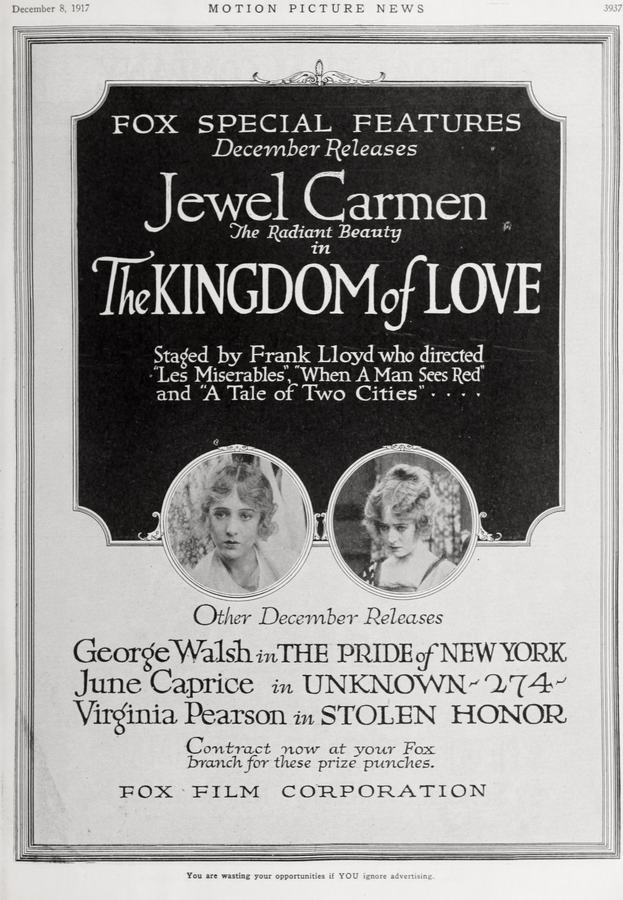
Dir: Frank Lloyd
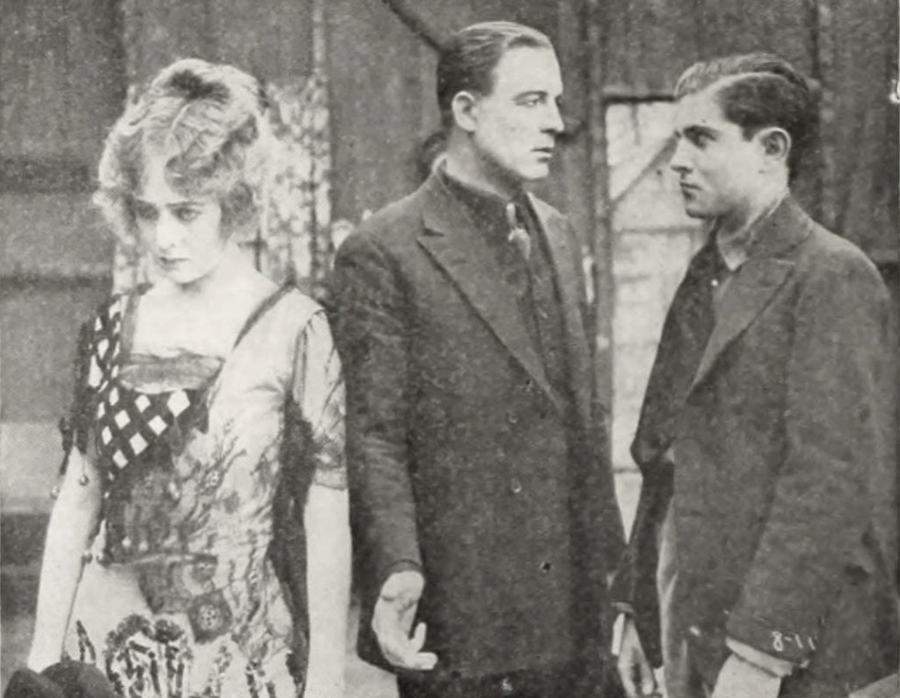
After her parents separate, young Violet Dale's father takes her to Alaska. Although he tries to protect her from the sordidness of life in a lawless town, Violet must resort to working in a dance hall after he is killed after being caught cheating at cards. Despite her circumstances, Violet remains virtuous and earns the respect and admiration of the dance-hall clientele. Frank Carson, a young man who has come to Alaska to seek his fortune, is attracted to Violet and asks her to marry him. When he shows her a portrait of his mother, Violet sees that it is a duplicate of a portrait she has of her own mother. Now realizing that Frank is her own brother, she refuses his proposal but does not tell him why. Some time later, Frank receives word that his mother is seriously ill and needs an expensive operation that she cannot afford. Desperate to help, Violet holds an auction at the dance hall to offer herself to the highest bidder. Rev. David Cromwell, a kind man who is in love with Violet and knows her predicament, makes the winning bid of $6,000, although he does not have the money. Dance-hall owner Buck, who is jealous of David's influence over the community, decides to lend him the money for three months on the condition that if David does not pay, he will belong to Buck for 10 years. David eventually obtains the money and wins Violet's love.
View Details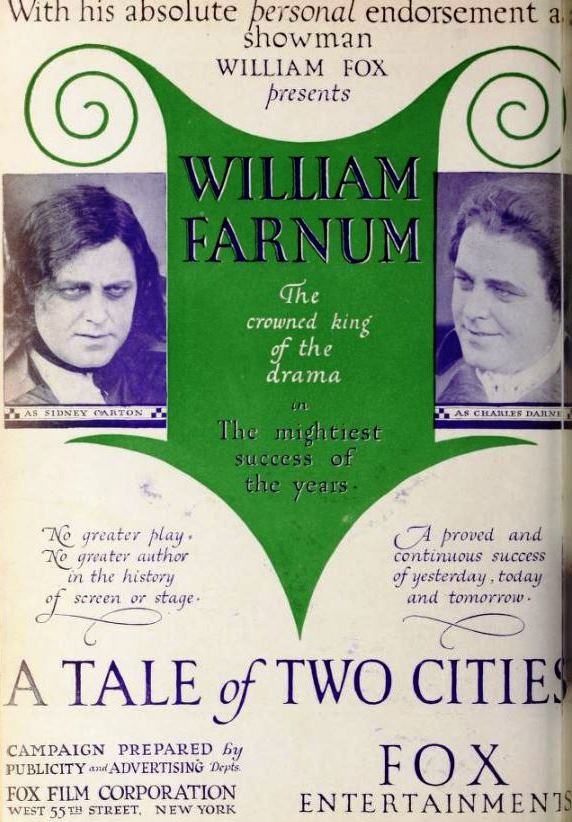
Dir: Frank Lloyd
Alcoholic lawyer Sydney Carton travels to Paris during the Reign of Terror to rescue French aristocrat Charles Darnay, husband of the woman he loves.
View Details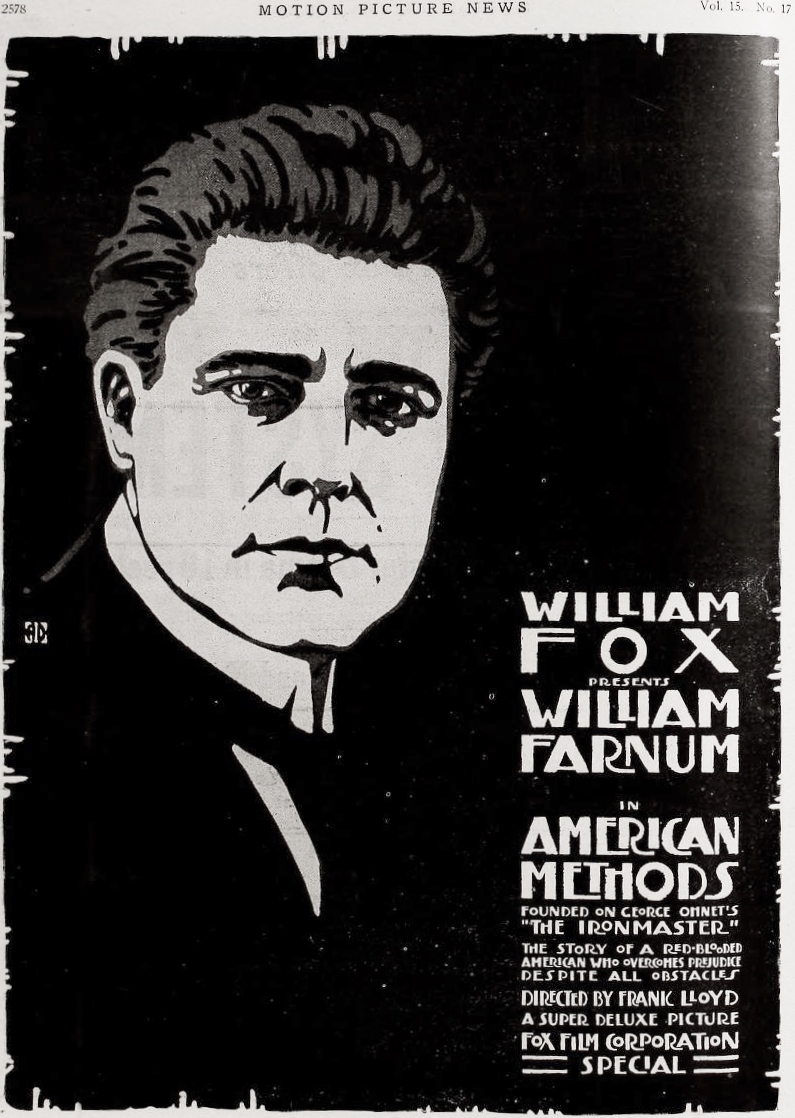
Dir: Frank Lloyd
William Armstrong, an American whose family is from France, inherits an iron mine in France. With his sister Betty, he travels to France to take over the business. In the village near the mine lives Claire, the daughter of a wealthy family, who is engaged to the scheming Duc de Bligny. When Claire's family loses all their money, the Duc dumps her for the daughter of a wealthy manufacturer. Armstrong and his sister find themselves caught up in this intrigue, which becomes more complicated when Armstrong falls for Claire.
View Details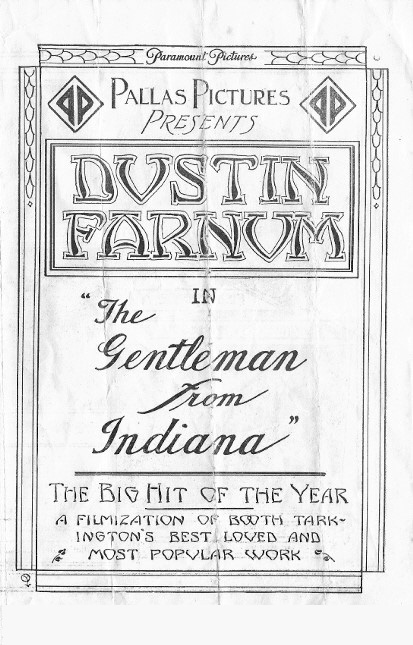
Dir: Frank Lloyd
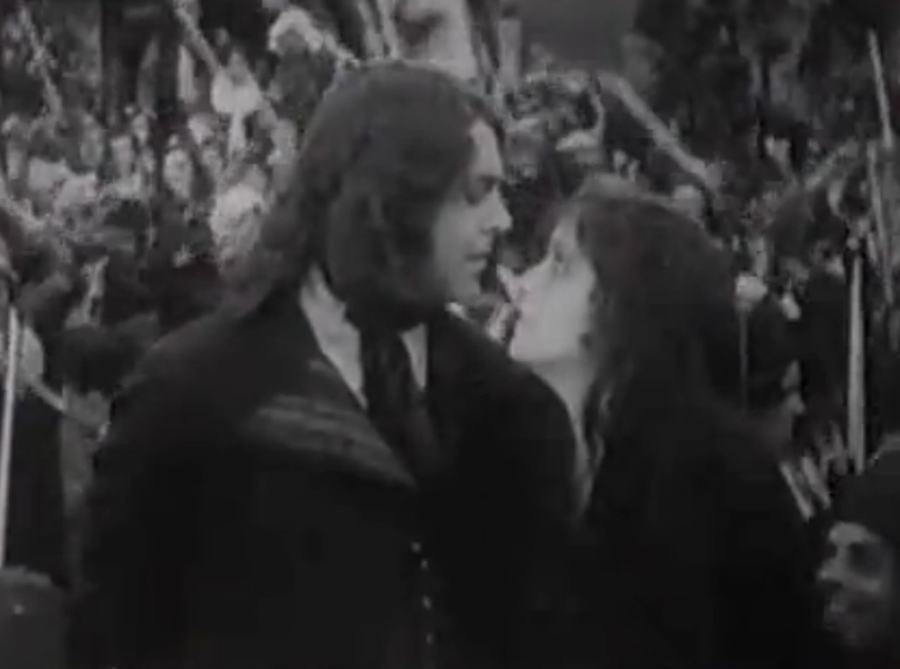
After a spectacular college football career, John Harkless leaves the university to pursue a place in Indiana politics. He buys the failing Plattville Herald and, using the newspaper to expose various illegal activities, sets out to rid the county of all mobsters and corrupt officials. When a traveling circus comes to town, he uncovers a crooked gambling ring and drives away the fleecers. That night, returning from his sweetheart's house, he is badly beaten and left for dead by a gang of men. Believing that John has been murdered, vigilantes gather to avenge his death, but the identity of the perpetrators is in question. The evidence finally points to the White Caps, a band of thugs allied with Rodney McCune, a notorious local politician opposing John in an upcoming Congressional race. Before the angry mob clashes with the White Caps, John is located in a hospital emergency room. While he recovers, his girlfriend, Helen Sherwood, takes over the newspaper and cleverly concocts a way for John to win the election.
View Details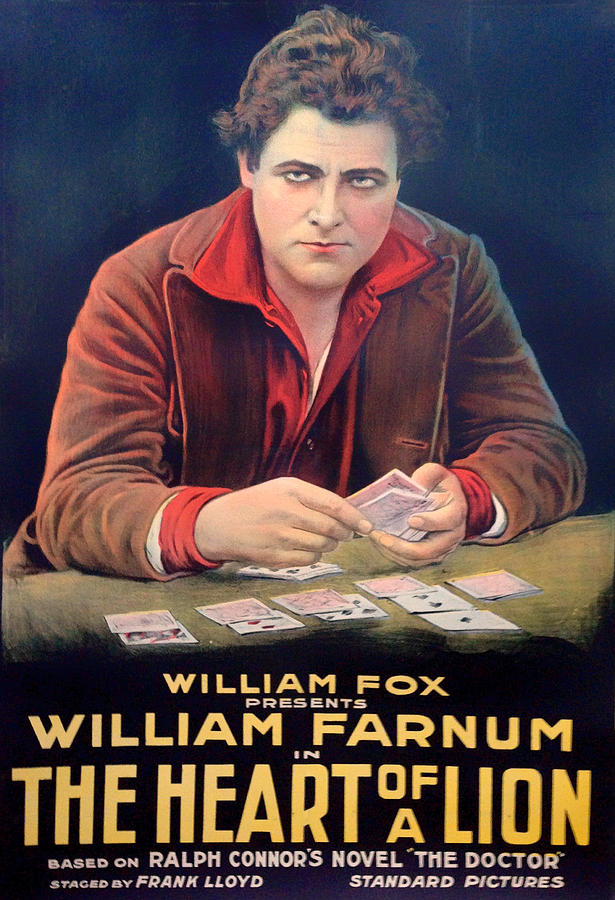
Dir: Frank Lloyd
Barney Kemper works hard on a farm so his younger brother Dick can go to college. However, Dick squanders Barney's money. Margaret Danford, daughter of the village doctor, loves Barney from afar and tries to educate him. A girlfriend of Margaret's comes for a visit and steals Barney's heart. The young girl turns to Dick, and Barney discovers them together. Embittered, Barney goes west to work in a lumber camp. But Dick reforms, and becomes a minister, and is assigned to the lumber camp. Margaret goes along to start a hospital. Tex Daly, leader of the lumbermen, resent Dick and try to frame him with a saloon girl. When Dick is shot by Tex, Barney appears and helps his wounded brother by taking charge of the church. Dick dies, and Barney kills Tex. Barney and Margaret are united.
View Details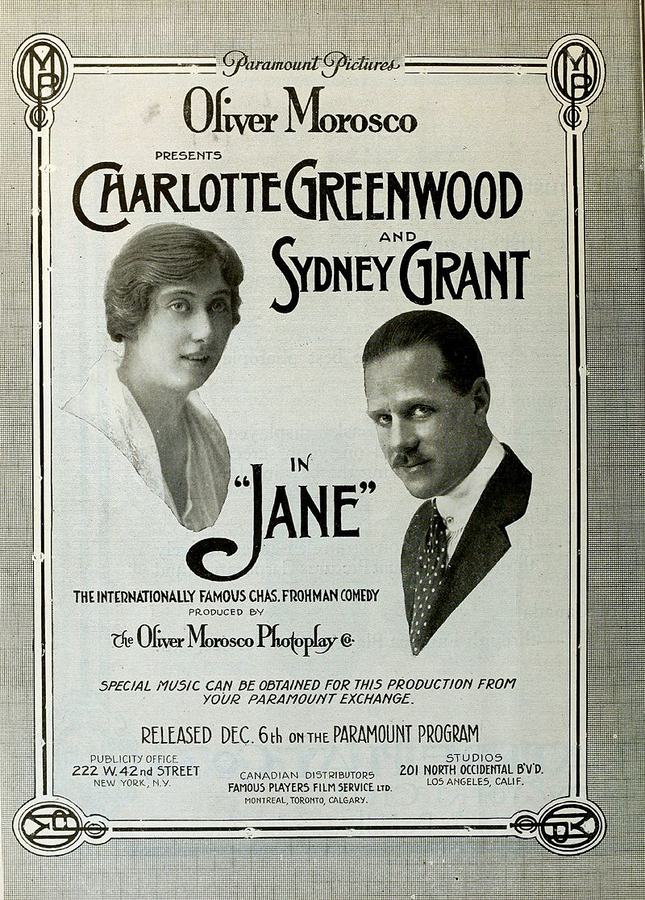
Dir: Frank Lloyd
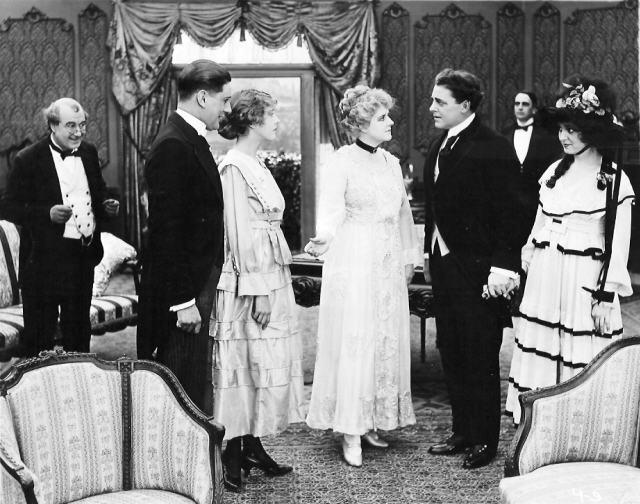
To obtain an increase in his income from his wealthy uncle, Charles Shackleton must stop his wild bachelor ways and marry. Charles proposes to Lucy Norton, but her father refuses his permission. Undaunted, Charles tells his uncle he has married and receives his increased allowance. A year later the uncle announces an upcoming visit, and Charles begins a frantic search for a temporary wife, offering Jane, the maid, five hundred dollars to play the part of Mrs. Shackleton. Secretly married to William, the butler, Jane undertakes the role without her husband's knowledge, causing him much confusion and jealousy. When the uncle demands to see "the baby," Jane snatches one from an unsuspecting washerwoman, who later catches the uncle with her child and calls the police on him. Further complications lead to Charles' pleading proposal to Lucy and then finally to the truth, which leaves everyone satisfied.
View Details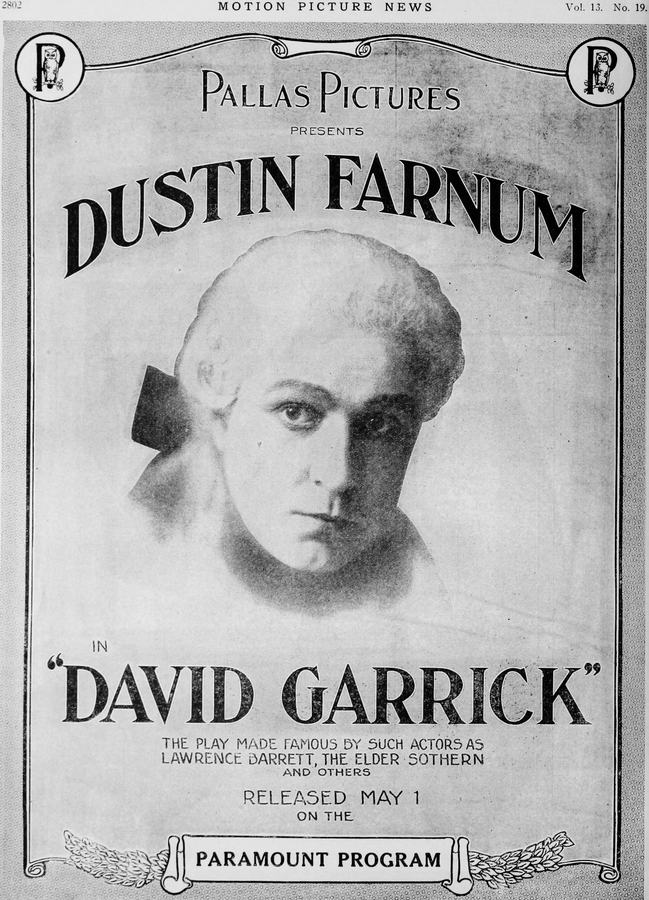
Dir: Frank Lloyd
The true story of the famed British actor David Garrick and his love for Ada Ingot.
View Details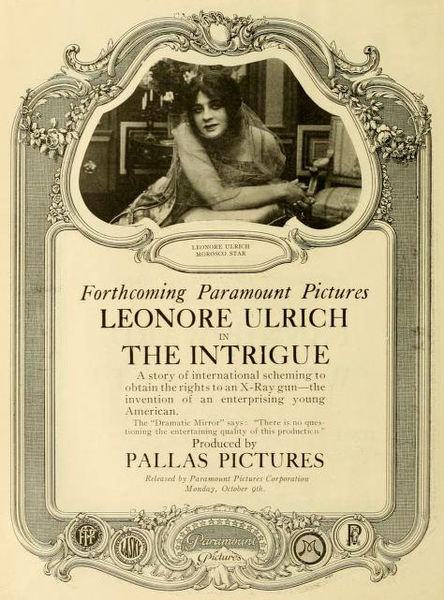
Dir: Frank Lloyd
A sci-fi/espionage film in which world powers vie for control of a death ray during World War I.
View DetailsAnalysis relative to Son of the Gods
| Film Title | Atmosphere | Complexity | Similarity |
|---|---|---|---|
| The World and the Woman | Gritty | Linear | 87% Match |
| Sins of Her Parent | Gritty | Dense | 96% Match |
| The Kingdom of Love | Surreal | Dense | 86% Match |
| A Tale of Two Cities | Surreal | High | 95% Match |
| American Methods | Tense | Abstract | 97% Match |
This guide was algorithmically generated using the cinematic metadata of Frank Lloyd's archive. Last updated: 6/27/2026.
Back to Son of the Gods Details →