
DbcultAccessing Vault...
Recommendations
Senior Film Conservator
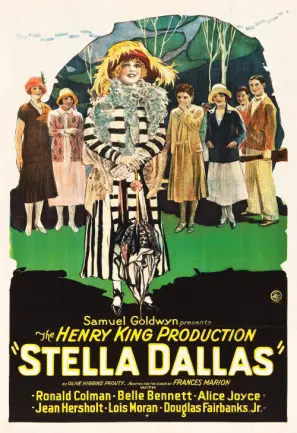
As a cultural touchstone of United States, Stella Dallas resonates with its emotional resonance, its lasting impact ensures that its spirit lives on in modern recommendations. Our archive is rich with titles that mirror the emotional resonance of Henry King.
For many, the first encounter with Stella Dallas is to provoke thought and inspire awe in equal measure.
Small-town girl Stella marries socialite Stephen Dallas, a man with whom she has nothing in common. The whole thing is a failure; after the birth of their daughter Laurel, the Dallases separate and Stephen returns to New York. As Laurel grows into a young woman, Stella realizes that she cannot provide for her properly and sends her to live with Stephen and his new family. Laurel later marries a pleasant upper-class young man as Stella stands in the rain watching the ceremony through a window.
Based on the unique emotional resonance of Stella Dallas, our vault has identified these titles as the most compelling follow-up experiences for fans of Drama cinema:
Dir: Henry King
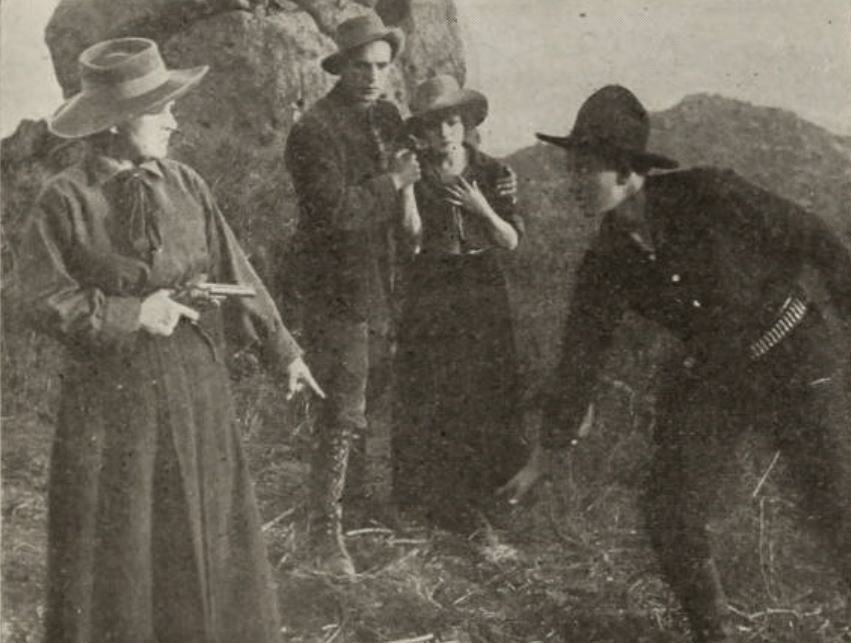
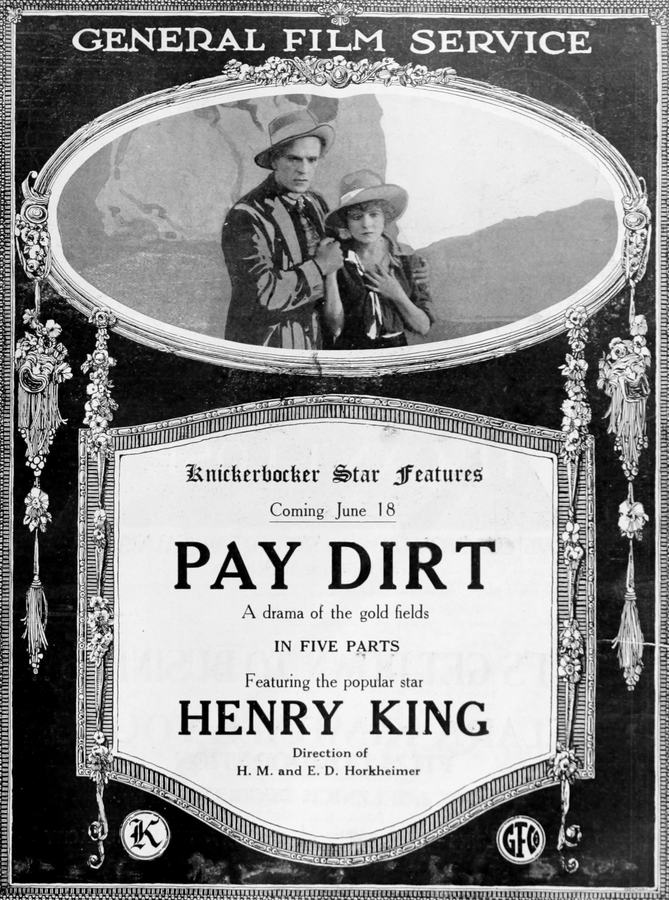
While he digs for gold day by day, "The Easterner," a young miner, gambles by night. A woman of the camps, named Moll, takes an interest in him and tries to break him of the habit that is his ruin. He laughs at her, but after she saves his life he promises to quit playing. Kate Gardner, a girl of the west loves him, and she is turn is loved by Bill Turner, a miner. Turner proves to her that the Easterner loves Doris Wendell, daughter of a wealthy land owner. She, with Moll, is instrumental in saving the Easterner's life when he is about to be lynched by a mob at the command of the jealous Turner. Peter Gardner, her father, covets the Easterner's claim and bribes Dick Weed, the gambling house proprietor, to help him get the claim. They attempt to make him gamble, but he is true to his promise. Later he discovers that Moll is his mother, whose passion for gambling he has inherited. Oby, a half-wit. Haunts the camp. Moll and her son try to live respectably after Doris has broken the engagement because the Easterner refuses to disown his mother. But the passion for gambling proves too strong. Moll rushes out of the house to the Hall of Chance. Her son is inveigled by Weed and Gardner into betting his claim. As he loses, Oby snatches away the tablecloth, jumbling the cards. Gardner, in a rage, strikes him down. His memory returns and he recognizes Gardner as the man who robbed him many years before, and shoots him. Dying, Gardner admits that Kate is Oby's daughter. Reunited with her father, she marries the Easterner.
View Details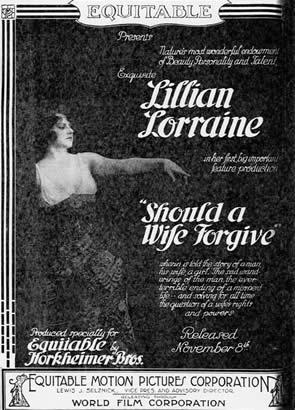
Dir: Henry King
Seductive vamp La Belle ( Lillian Lorraine ) sets out to steal Jack Holmes ( Henry King )away from his loving wife Mary ( Mabel Van Buren ). He foolishly spends every penny on the vamp , leaving his wife almost destitute. La Belle is killed by a jealous suitor and the evidence points to Jack. However, he is given an reprieve by the way of a letter written by La Belle claiming she had intended to commit suicide. Should his wife now forgive him ?.
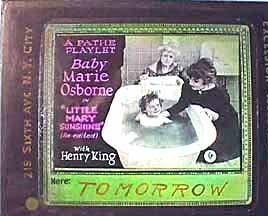
Dir: Henry King
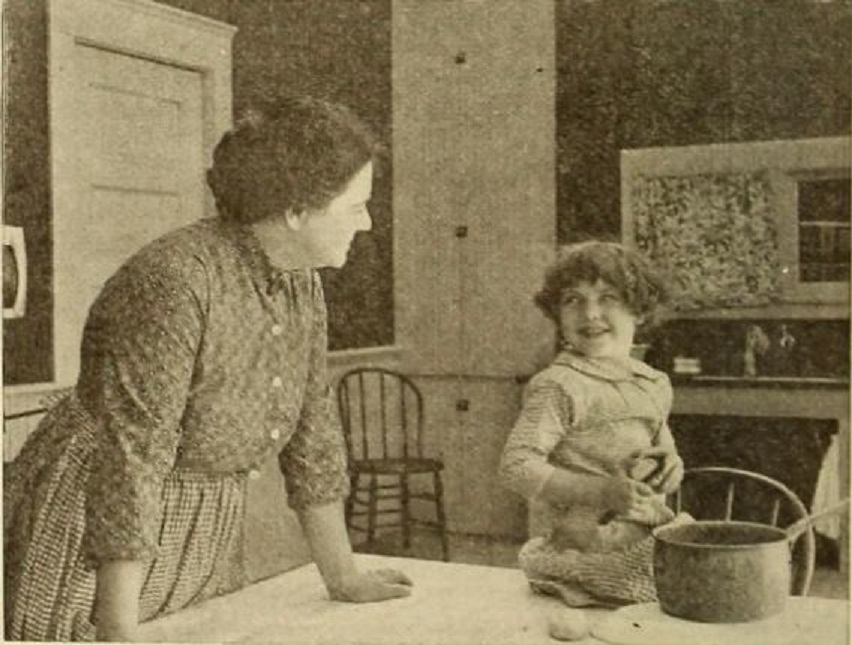
Just after Bob's fiancée breaks off their engagement, he meets young Mary, whose mother has just died, and the two of them comfort each other.
View Details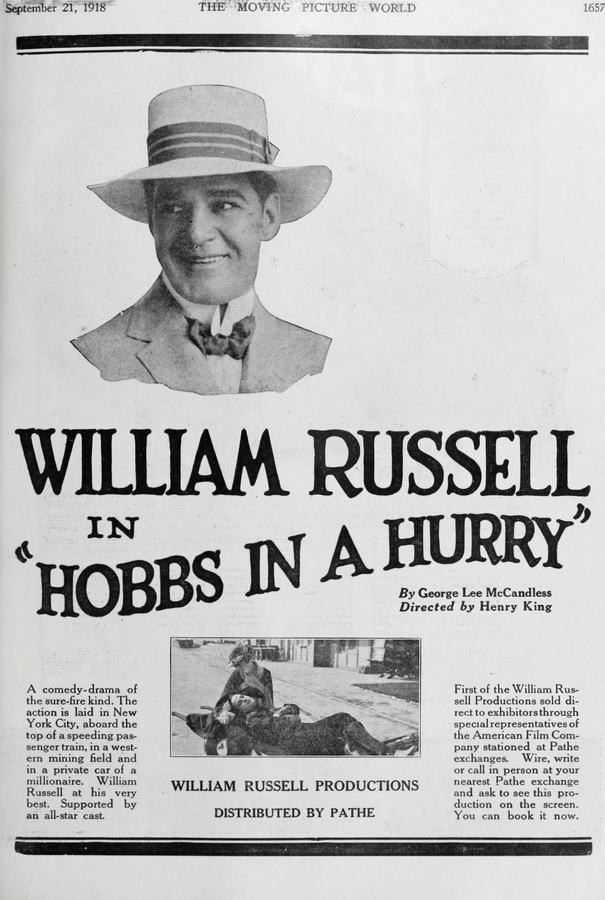
Dir: Henry King
Millionaire J. Warren Hobbs, Sr., sends his lively young son to New Mexico to buy back a mine he previously had thought worthless but since has discovered is rich in tungsten deposits. Lord Willoughby, the mine owner's twin brother, suggests to Hobbs's business rival, Rufus Renshaw, that he buy the mine, after which Willoughby, Renshaw and Renshaw's daughter Helen, the sweetheart of Hobbs, Jr., catch a westbound train. Angered when Helen scorns his advances, Lord Willoughby disguises himself as his brother and sells Renshaw the mine; meanwhile, Hobbs, Jr. purchases it from its real owner, Louis Willoughby. Soon after Renshaw discovers that Lord Willoughby tricked him, Hobbs, Jr. learns that the mine is worthless after all and sells it to Renshaw in return for the old man's permission to marry Helen. Having successfully tricked the whole party, Hobbs and his fiancée make a quick exit.
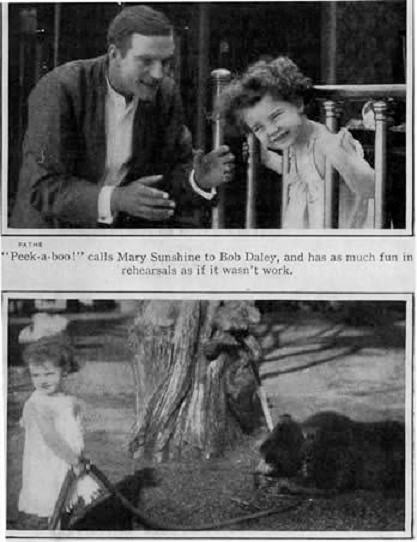
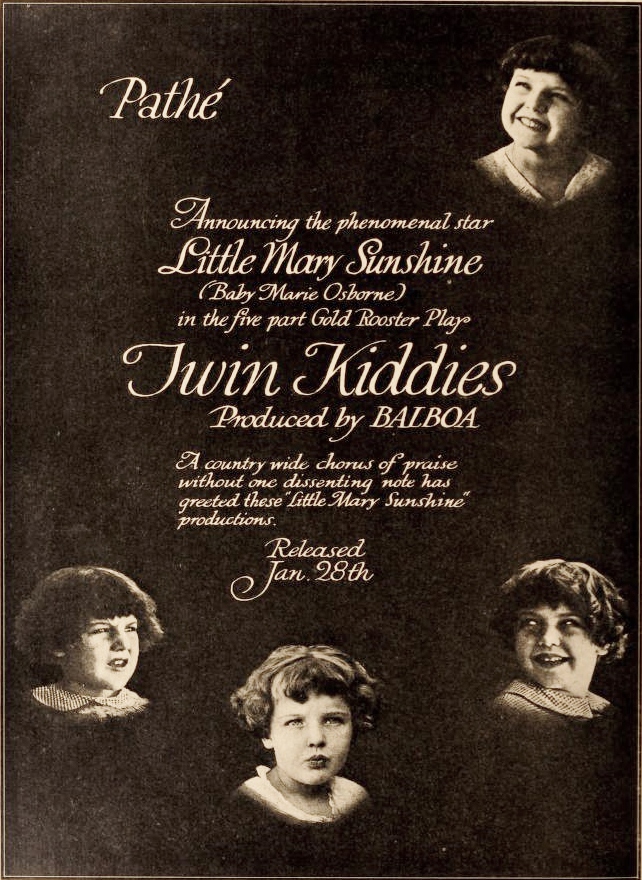
Dir: Henry King
No one seems to understand or love Fay, the little spoiled granddaughter of William Van Loan, a hard-hearted capitalist, but the old family butler, who tells her fairy stories. In Powhatan, a mining town controlled by Van Loan, Bessie, a sweet motherless child of Jasper Hunt, a mine foreman, lives with their housekeeper, Mrs. Flannigan. The mining company raises the price of food stuffs at the only store; the men resent this, and failing to get increased pay, strike. Van Loan refuses to yield and decides to use scab labor. Scenes of violence follow and, compelled to go to Powhatan, Van Loan takes Fay with him. Fay meets and plays with Bessie and for fun they change dresses. Separated, the unusual likeness deceives the Van Loan governess, who supposes Bessie to be Fay and whisks her away. Mrs. Flannigan finds and takes Fay, sick from exposure, to the Hunt home. Business hurriedly recalls Van Loan and mistaken for a changed Fay, Bessie revolutionizes the Van Loan household by her sweetness. Hunt, the real leader of the striking men, is summoned to meet Van Loan. During the unsuccessful arbitration meeting, Bessie comes in to bid her "grandfather" good night and, seeing her father, rushes to his arms. Hunt, busy with the strike, supposes her to be ill at home. They are all dumbfounded. Bessie tells them how she and Fay changed clothes. Looking up the family trees, the likeness of the "twin" kiddies is explained, and, completely won over, Van Loan yields to the men and Hunt is made mine superintendent. Years of dread follow, and just as a report of the other's death reaches him, his foe appears, immensely wealthy and wreaks the vengeance in a spectacular manner.
View Details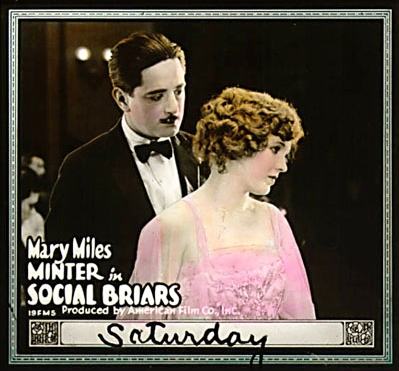
Dir: Henry King
Iris Lee is reared in the small town of Dalton by her deceased mother's friend, Martha Kane; when she reaches adulthood, Martha's son Jim falls in love with her. When she fails to return his affections, Mrs. Kane treats her so coldly that Iris decides to leave the stuffy little village for the metropolis. On her journey, she accepts a ride with Jack Andrews, but after he attempts to kiss her, she leaps from the car and walks the rest of the way. While singing in the choir of a large metropolitan church, she is discovered by Jack's wealthy father Peter, who recommends her as a soloist. Light-opera star Helen Manning, who has helped Iris to cultivate her voice, quarrels with her theatrical manager, and Iris is offered her position. On opening night, Jack bursts into her dressing room and drunkenly offers to take her home. Distressed, Iris returns to the village, but Jack, who remorsefully has given up drinking for a job in his father's firm, follows her to Dalton. Finally convinced of his love, Iris agrees to marry him.
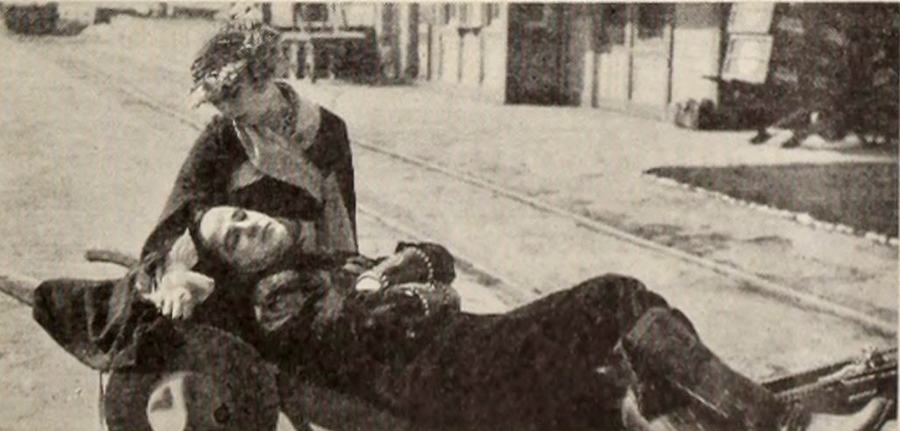
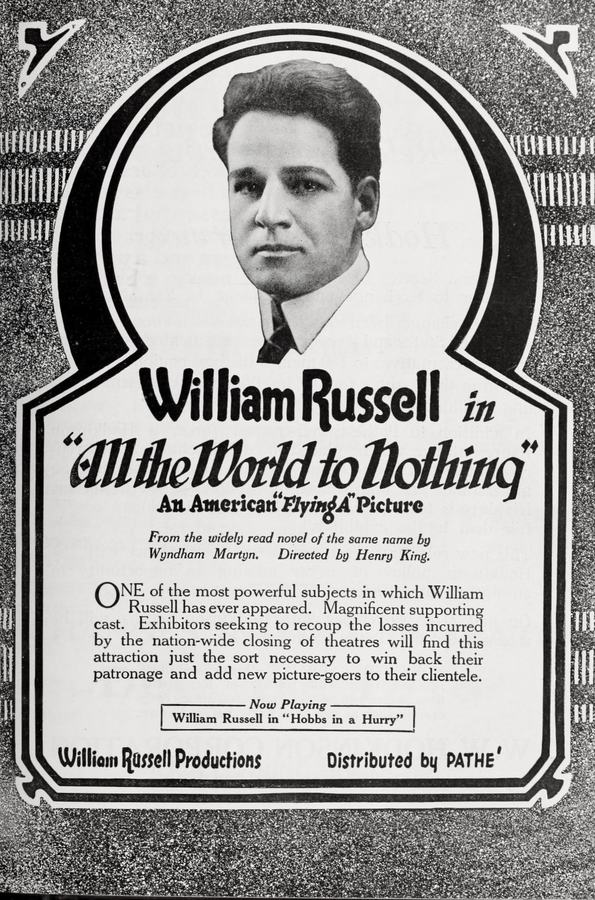
Dir: Henry King
Richard Chester, a bachelor who has lost everything in a poker game, blunders into the apartment of Nora Ellis, who has just inherited a fortune under the stipulation that she marry immediately. Assuming the name Chester Dick, Richard marries Nora and leaves. Unaware of this marriage of convenience, Charles Renalls, Nora's suitor, later assumes that her wealth is the only impediment to their union and conspires to ruin her on the market. Upon learning of his scheme, Richard ruins Charles. Nora falls in love with Richard, not recognizing her benefactor as her husband of an evening. Hoping to spoil Richard's chances with Nora, Charles tells her that Richard is already married and that he carries his wife's picture in his pocket. To her surprise and delight, Nora discovers that the incriminating picture is her own photograph and that Richard is already her husband.
View Details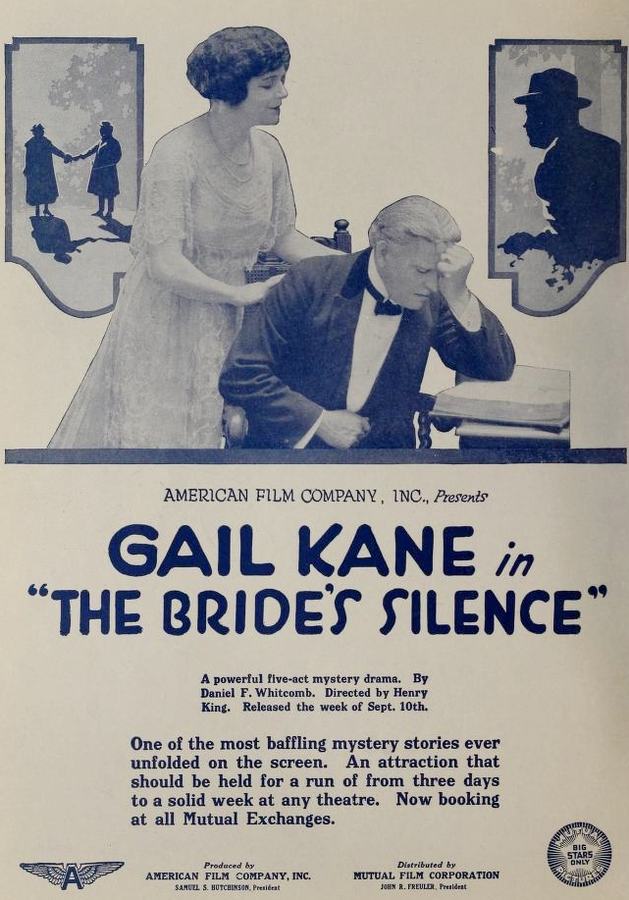
Dir: Henry King
Clutching a dagger, a woman enters a room through velvet portieres and murders Nathan Standish, the scion of a distinguished family. Nathan's sister Sylvia hides the knife, and when the butler Bobbins--whose hatred of Nathan was well-known--is arrested, Sylvia remains silent. To please her father, Sylvia marries the prosecuting attorney Paul Wagner. When she secretly tries to help free Bobbins, detective Bull Ziegler, who believes that Bobbins is innocent, suspects Sylvia. After Sylvia's hysterical speech during sleep leads Wagner to suspect her, she becomes insane. Wagner and her father take her to a mountain retreat where she recovers her sanity without regaining her memory. Just as Ziegler is about to have Sylvia arrested, a telegram arrives informing them that Sylvia's cousin committed suicide and left a note stating that she killed Nathan in revenge for being betrayed by him. Sylvia, who tried to protect the family name, recovers her memory when she learns of the suicide.
Dir: Henry King
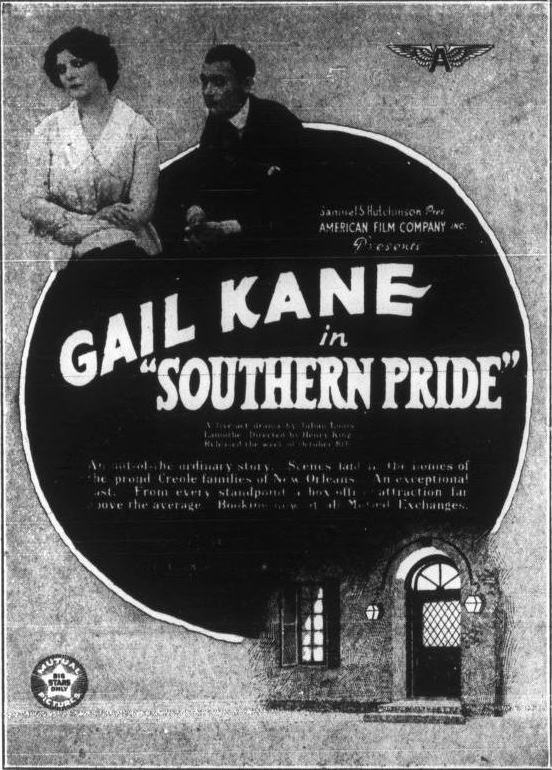
The only remaining members of New Orleans' proud but poor Creole family are Lucie De Montrand, her brother François and their aunt, Tante Jeanne. Two men are in love with Lucie: James Morgan, a wealthy plantation owner whom her aunt wishes her to marry, and the impoverished Robert Orme, whose love Lucie returns. Desperate to win the favor of the town vampire, François gives her the jewels that Gaspar La Roche, an old antique dealer, had earlier given to Lucie. Then, when Lucie fails to wear them as the queen of the Knights of Consus Ball, Gaspar refuses to believe that she is ignorant of their whereabouts. If she marries him, he suggests, she may keep the jewels, but otherwise, she must return them immediately. Lucie learns from Corinne, the cook, that François has taken the gems, whereupon she visits his sweetheart and demands their return. As she walks home, Gaspar insults her, but she is defended by François and Robert. In the confusion, the gun that Gaspar had pointed at François is discharged and the antique dealer is killed. Repentant, François abandons the vampire and assumes his position as the head of the family, while Lucie, through the mediation of Father Moret, finally is allowed to marry Robert.
View Details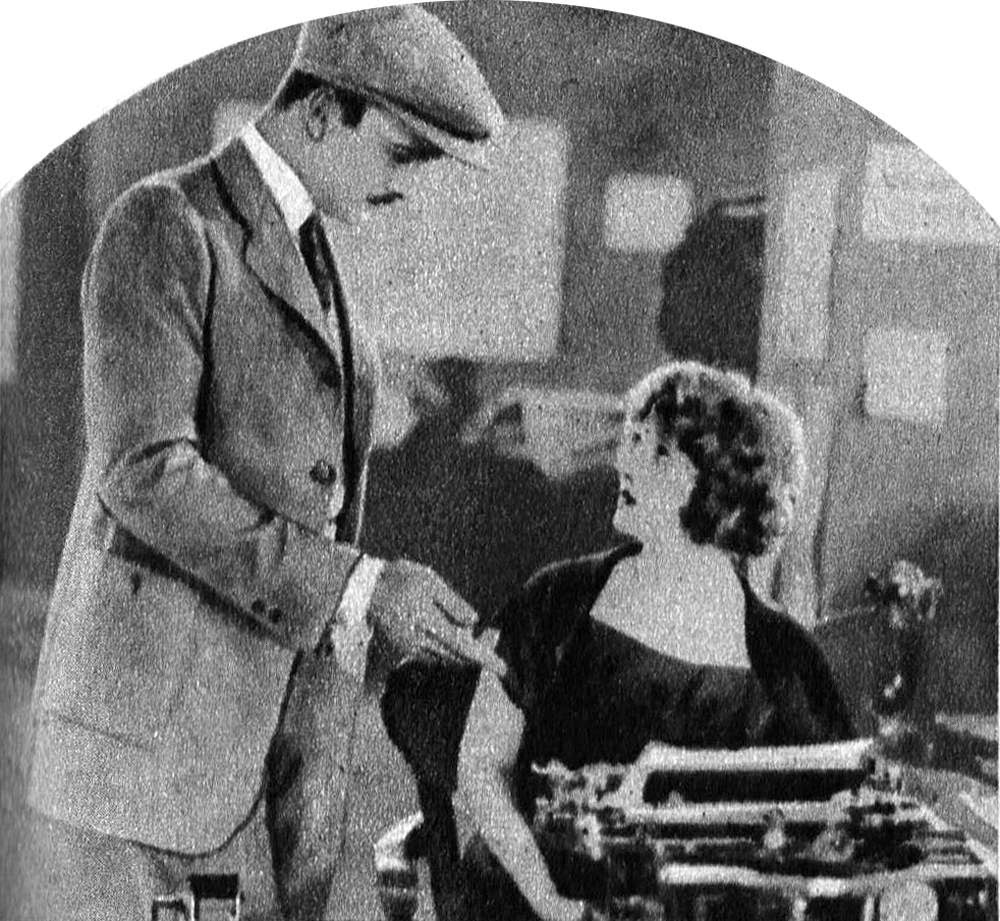
Dir: Henry King
Run out of town when he exposes crooked politician Jarvis McVey in the pages of his newspaper, Burton Grant asks his daughter Sylvia to turn the Daily News over to his dynamic young city editor, Frank Summers. Having inherited her father's journalistic talents, however, Sylvia fires Frank and takes charge of the paper herself, decorating the city room with bows and printing several rather silly "scoops." In the meantime, Frank learns that McVey and the president of the railroad have become involved in a dishonest scheme concerning the city franchise, and when Sylvia hears this, she publishes an extra, stating that McVey should be tarred and feathered. Sylvia's father arrives just in time to prevent the angry townspeople from carrying out her suggestion and then compels McVey to leave town. Grant orders Sylvia to return to school, but she decides to become Mrs. Frank Summers instead.
View DetailsAnalysis relative to Stella Dallas
| Film Title | Atmosphere | Complexity | Similarity |
|---|---|---|---|
| Pay Dirt | Tense | Linear | 92% Match |
| Should a Wife Forgive? | Ethereal | Linear | 92% Match |
| Little Mary Sunshine | Surreal | Layered | 90% Match |
| Hobbs in a Hurry | Gritty | Dense | 97% Match |
| Twin Kiddies | Gothic | Layered | 90% Match |
This guide was algorithmically generated using the cinematic metadata of Henry King's archive. Last updated: 6/18/2026.
Back to Stella Dallas Details →