
DbcultAccessing Vault...
Recommendations
Senior Film Conservator
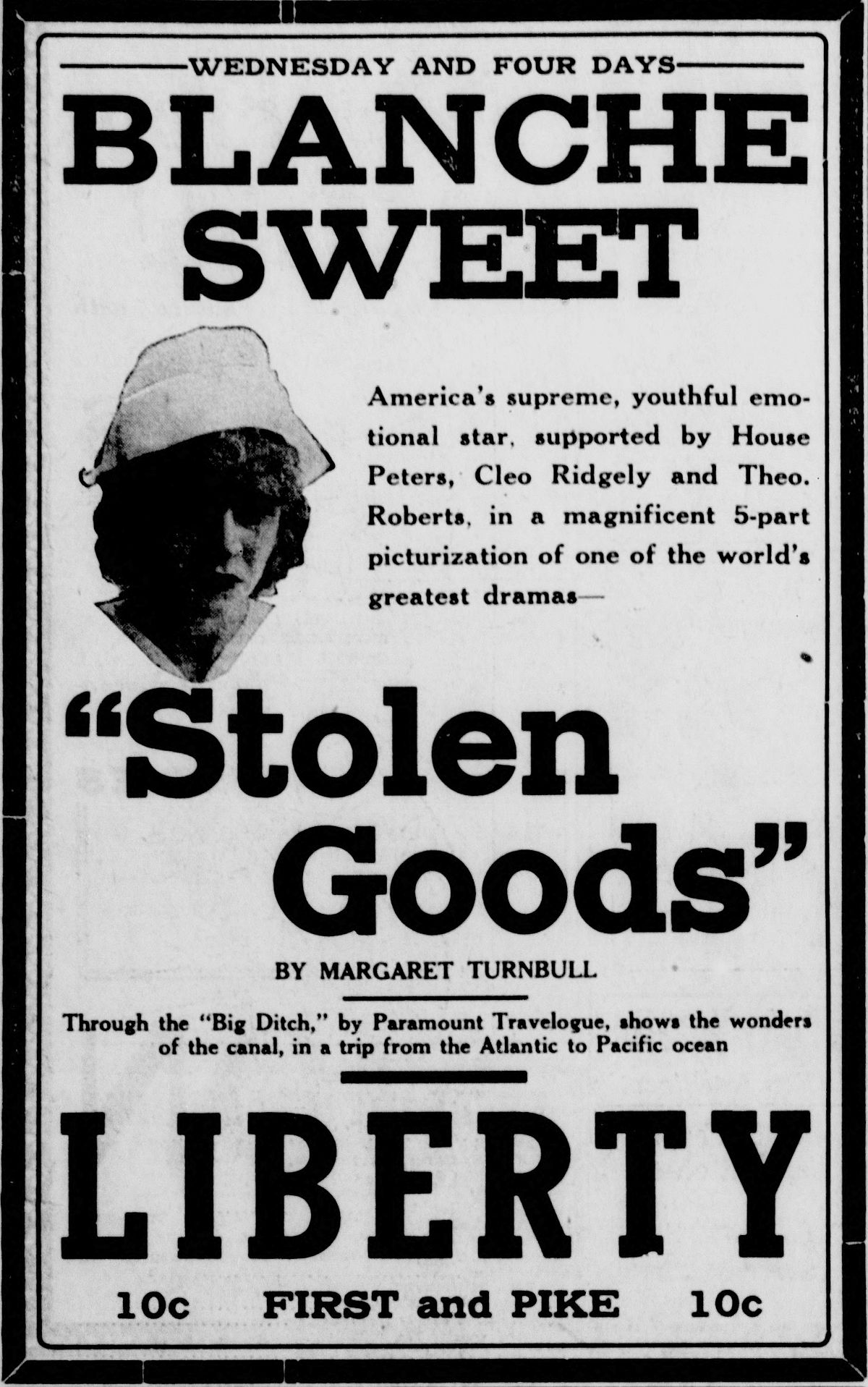
After experiencing the cinematic excellence of Stolen Goods (1915), you are likely searching for more films that share its specific artistic vision. Unlock a new level of cinematic understanding with these cult alternatives.
This 1915 cult classic stands as a testament to push the boundaries of conventional storytelling.
Margery Huntley, an orphan alone in New York employed at a dressmaking establishment, is sent by the forewoman to match a sample of lace for a gown. At the lace counter she stands next to Helen North, a wealthy girl who is a kleptomaniac. Helen steals a piece of very expensive lace that is missed before she can get away; in a panic, she slips it into Margery's open handbag and disappears. The stolen goods are found on Margery and she is sent to prison; meanwhile,, Helen goes abroad with her invalid father. Margery serves her full term in prison, and on her release is befriended by the "Prison Angel," a kind Salvation Army woman who hears her story, believes in her, and gives her a chance to train as a nurse. Margery graduates and is happy in her work, when the detective who arrested her recognizes her while visiting the hospital and tells one of the nurses that she has a prison record. Margery, realizing that her usefulness in that particular field is over, asks the doctor to send her abroad to nurse the wounded in Belgium. Through the war Helen's father loses all his money and dies suddenly in Belgium and Helen is left practically penniless. Her only hope is to hear from her father's old friend, wealthy Mrs. Franklyn of California, to whom her father had written, begging her to help his daughter. Mrs. Franklyn has never seen Helen, but generously sends her money and a steamer ticket and urges her to join her as quickly as possible. Helen starts on her journey, but is compelled to wait, and suffers the delays and hardships common to all the refugees at that time. Margery has reached Belgium and is working in a Red Cross Emergency Hospital. Helen and other refugees are driven from the refugee camp by the appearance of two hostile airships. Helen, panic-stricken, runs so far that she is lost and exhausted, and is brought to the Emergency Hospital. Margery recognizes her, but Helen doesn't recognize Margery. Helen tells Margery her story, displaying her steamer ticket and asking how she may continue on her journey. Margery tells Helen, "I am the girl you sent to prison." A shell strikes the Emergency Hospital and Helen is severely wounded and left for dead The enemy captures the town and Margery is left alone with those wounded who couldn't be moved. While arranging Helen's dress and papers, she is struck by their similarity of age and height, and notes the fact that Mrs. Franklyn has never seen Helen. She yields to the temptation to take this chance Fate has put in her way and determines to go to California as Helen North. She leaves the Emergency Hospital in the company of Dr. Richard Carlton, a young American Red Cross surgeon, serving with the enemy who has been so badly wounded that he is invalided home. After Margery's departure, the German surgeon discovers that Helen is not dead, but suffering from a depressed fracture of the skull. He operates and restores her to health. In the meantime Margery has been successful in establishing herself as Helen North. Mrs. Franklyn has become very fond of her and Dr Carlton is deeply in love with her and wishes to marry her. The real Helen North makes her escape and comes to claim her own. At first Margery only begs to be allowed to go away quietly, but the other woman is so vindictive and so forgetful of the part she played in robbing Margery of her good name, that Margery, angry, determines to deny the truth. She succeeds in this up to the last moment and then overcome by the thought that she is condemning this girl to lifelong imprisonment in an insane asylum, and that she herself has gained Dr. Carlton's love under false pretenses, makes full confession, only to find that the doctor loves her in spite of everything.
The influence of George Melford in Stolen Goods can be felt in the way modern cult films handle cinematic excellence. From the specific lighting choices to the pacing, this 1915 release set a high bar for atmospheric immersion.
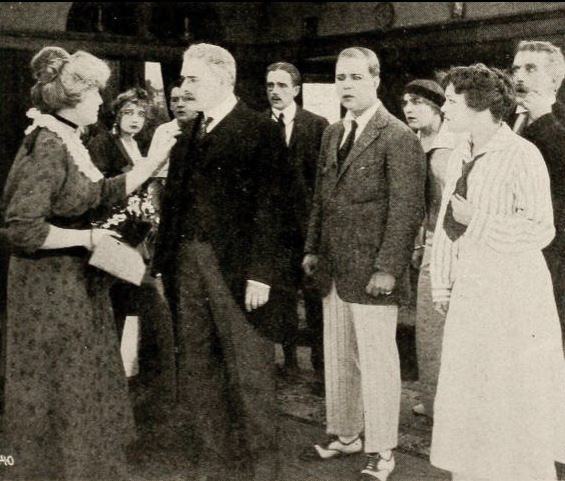
Based on the unique cinematic excellence of Stolen Goods, our vault has identified these titles as the most compelling follow-up experiences for fans of cult cinema:
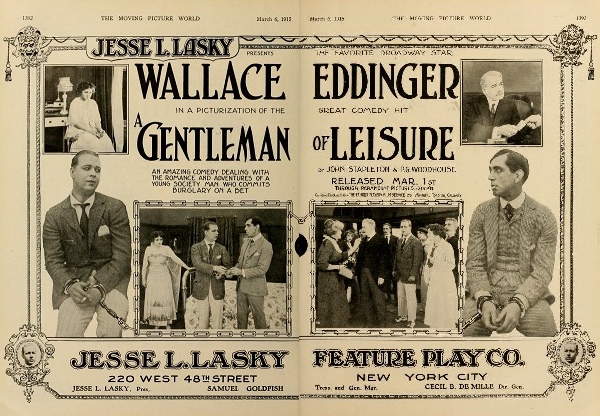
Dir: George Melford
A young New York society man makes a bet that he can rob a house and get away without being caught by the police. Shortly after making this wager, he overpowers a professional burglar in his own house, and instead of giving the man up, decides to use him in winning the bet. However, the house that he attempts to rob is the home of the Deputy Police Commissioner, with whose daughter he is in love. The succeeding complications, which arise out of this altogether original situation, are due to the Commissioner's willingness to accept graft and the professional burglar's inability to restrain himself when tempted to steal a valuable necklace. The final result is a happy conclusion to the very troubled love-story.
View Details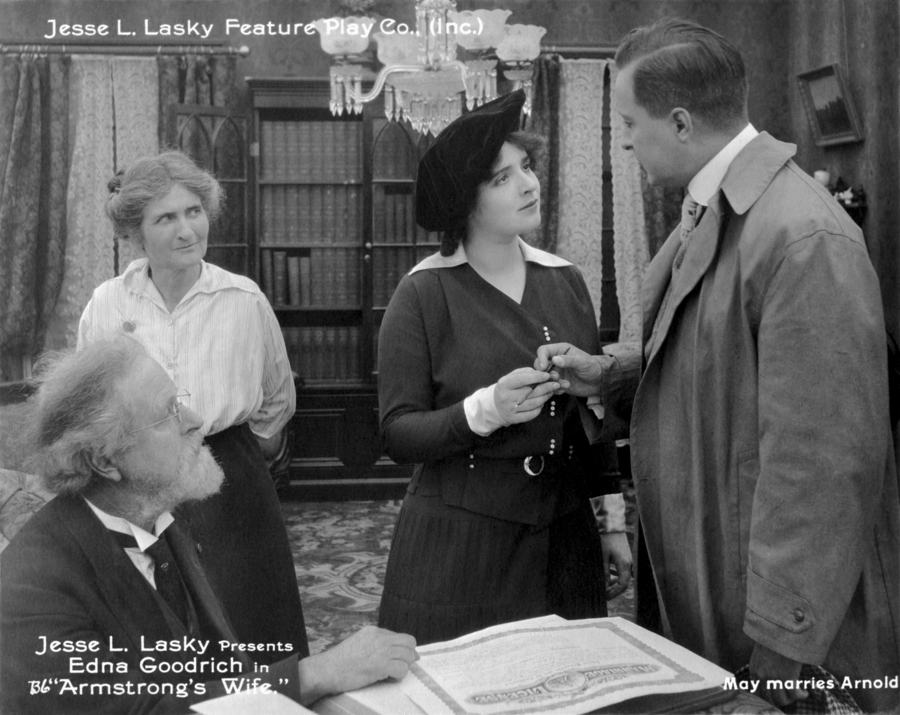
Dir: George Melford
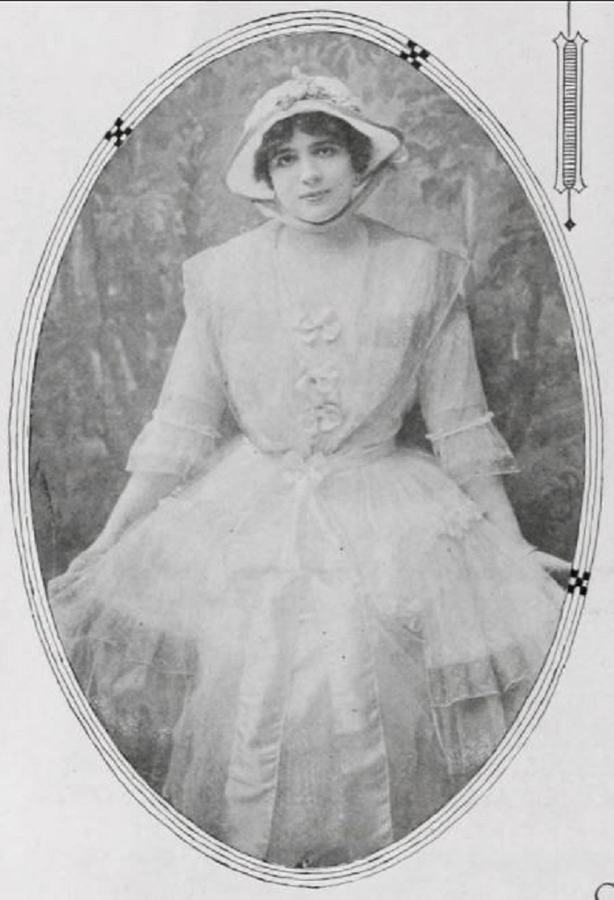
Gambler Harvey Arnold is forced to leave San Francisco and winds up in a small country town that is in the midst of a reform movement. He marries local girl May Fielding, who has no idea of his profession. When she finds out, he promises to quit, but it turns out that his profession wasn't the only secret he was keeping from May.
View Details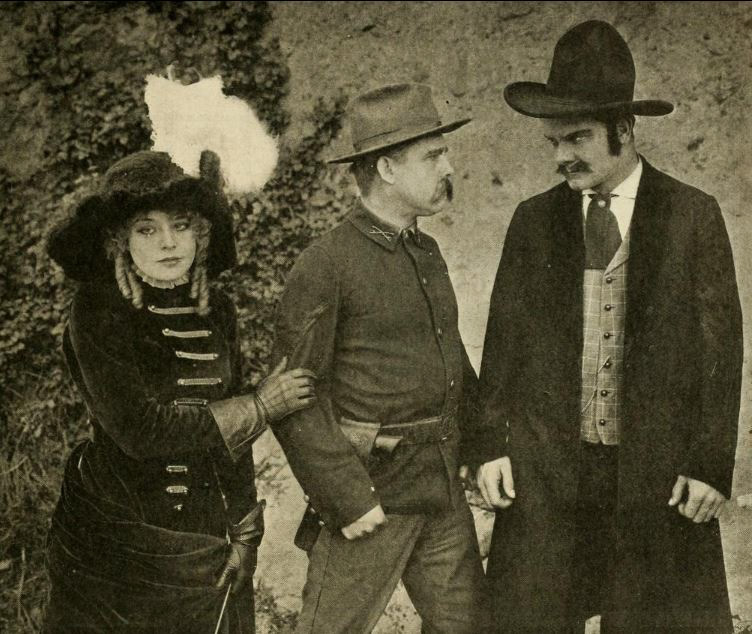
Dir: George Melford
Major Dean's developed mental powers have enabled him to give demonstrations in thought-suggestion. Interested in character types, the major, who is an army surgeon, visits a notorious dance hall owned by Lorenzo. The surgeon is struck by the beauty of Mabel, one of the dance hall girls. Mabel lives in deadly fear of Lorenzo. Due to the interest he takes in her Major Dean again demonstrates his wonderful power of mental suggestion by causing the girl to lay down the glass she raised to her lips. Later, a fight is started in the dance hall. All lights are shot out. Mabel is stunned by a bullet. Seizing her in his arms, Major Dean takes her to his home. The following morning finds the girl still unconscious. Major Dean's diagnosis leads him to believe that due to the wound caused by the bullet, a pressure on certain brain cells has wiped all memory of the past from Mabel's mind. Realizing that despite her condition, the girl's subconscious mind is capable o£ registering impressions, the surgeon forces upon Mabel's mind the thought she is, and always has been, his daughter. The girl is possessed of this belief when she recovers. She later accompanies Major Dean to the western army post to which he has been assigned. Sergeant Whitney, an old soldier, is stationed at the post. The man is struck by the wonderful resemblance which Mabel bears to his daughter who, several years previous, had been enticed from her home by a gambler. Although Whitney has never seen the man, he has vowed to find and kill him. Meanwhile, Lorenzo learns what has become of his former victim. Resolved to regain her, he leaves for the west. Arriving at the army post, Lorenzo demands that Dean surrender Mabel. Knowing the girl will not recognize the man, the surgeon allows her to comfort him. Mabel shrinks from Lorenzo in repulsion. Suspecting the truth, Lorenzo later waylays his former victim while she is out riding and endeavors to revive in her mind the memory of her life with him. At the same instant, Major Dean is obsessed by a sense of impending danger. The surgeon gazes out of the window through a pair of field glasses. He discovers Lorenzo talking to Mabel. Aware of the man's nefarious scheme, Major Dean concentrates his powerful will in an effort to so influence Mabel's mind as to enable her to withstand Lorenzo's hypnotic influence. The girl, who had been wavering, receives the message emanating from the major's mind. It causes her to shrink from her former master with the assertion she has no recollection of the incidents he has mentioned. The opportune arrival of Sergeant Whitney prevents Lorenzo from seizing Mabel and carrying her away. That night, Lieutenant Sibley, a young army officer who has fallen in love with Mabel, asks the major for her hand. Feeling it to be his duty, Dean informs Sibley of the girl's past. The surgeon declares it is his belief that Mabel is the daughter of Sergeant Whitney, and that Lorenzo is the man who enticed her from home. So great is his love, that Sibley vows to marry Mabel in spite of what has happened. Unknown to the two, Whitney has overheard the story. Mad with hate, he seeks Lorenzo. Unaware of his impending doom, Lorenzo resolves to make one supreme effort to regain Mabel. Seated by his window, the man fixes his mind upon Mabel with every ounce of power he possesses. Although fast asleep, the girl's mind receives the command sent forth by her former master. As though in a trance, she dons her clothes. Again the sense of danger overcomes Major Dean. He hastens towards Mabel's room. Just at this instant, Whitney enters Lorenzo's room. The rage-maddened father engages the gambler in a death struggle. While this combat rages, Mabel stands as though petrified. Securing possession of Whitney's revolver, Lorenzo shoots, wounding the old soldier mortally. Although he has received his death wound, Whitney's consuming hatred gives him strength to continue the struggle. A sudden twist, and the sergeant secures a vise-like grip on Lorenzo's throat. He forces the man back towards the bed. Mabel awakens with a start. In answer to Major Dean's anxious query, she replies that a bad dream had caused her to walk in her sleep. In Lorenzo's room, Whitney draws back from the silent form on the bed. The soldier attempts to reach the door, but his strength fails. The man staggers and crumples to the floor.
View Details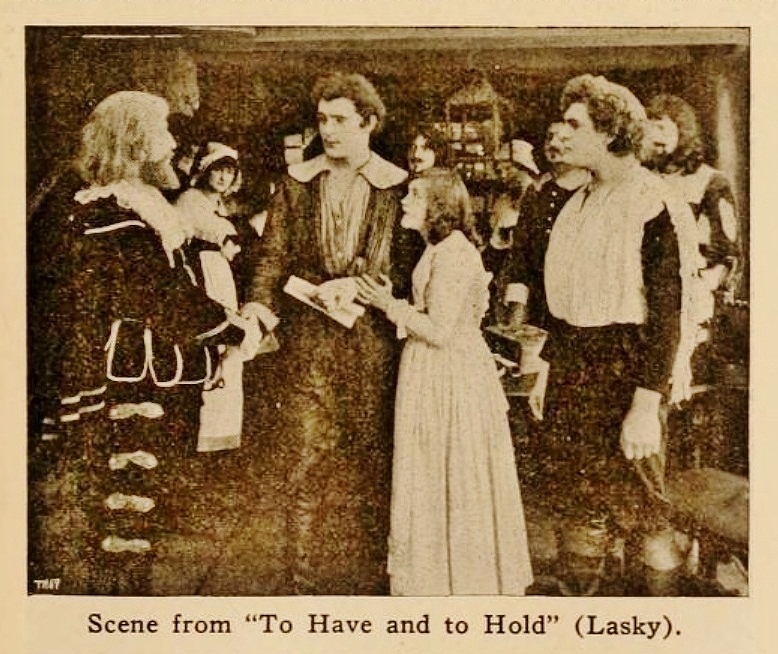
Dir: George Melford
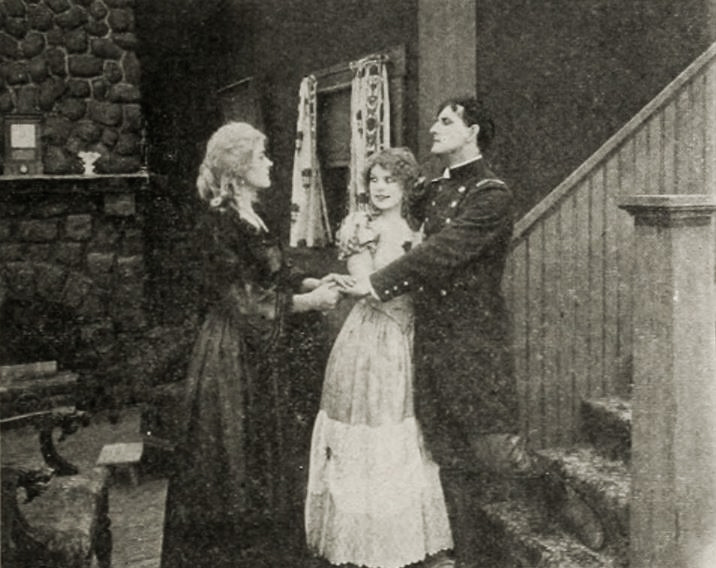
Lady Jocelyn, a favorite in the court of England's King James, escapes a forced marriage to the hated Lord Carnal by fleeing to American colonies. There she meets and marries Captain Ralph Percy. Pursued by Lord Carnal, Lady Jocelyn and her new husband eventually find themselves shipwrecked on a desert island with Lord Carnal. A band of pirates finds them there, and Captain Percy convinces them that he is himself a notorious pirate chief. But Lord Carnal casts them all into danger by revealing Percy's true identity.
View Details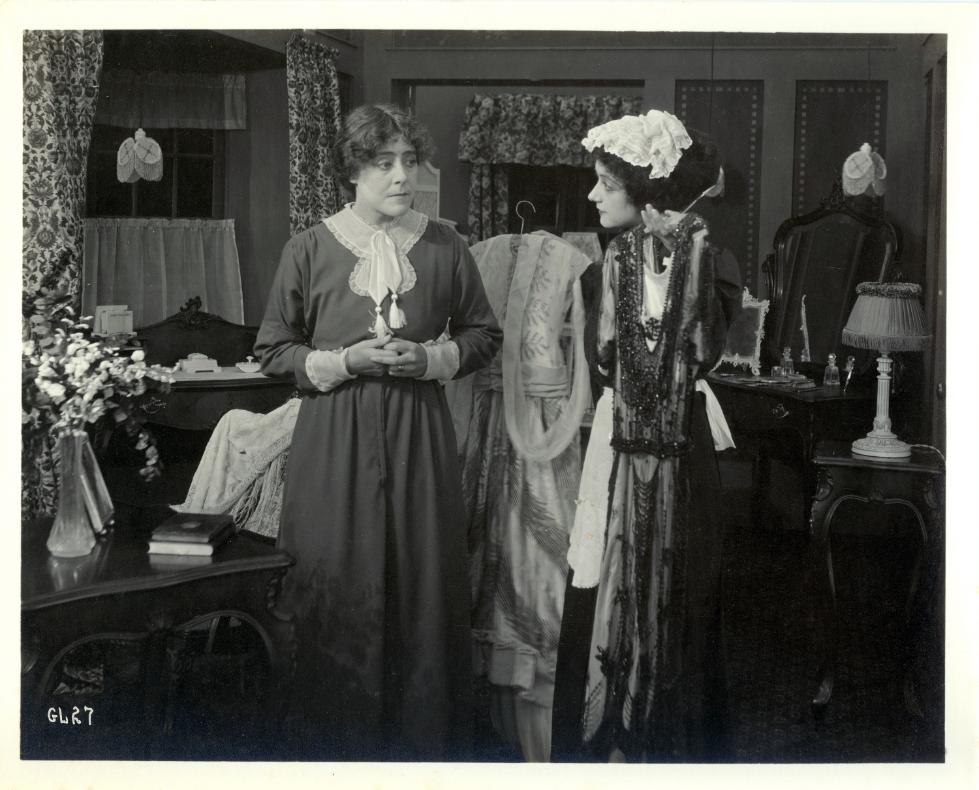
Dir: George Melford
At the opening of the story Daniel Slade is working in a mine and, though not positively in need, he and his wife live in comparative poverty. Slade is a man filled with ambition, but his wife is contented and absorbed in her love for her husband. By a fortunate accident he discovers a gold mine, and with his newly acquired wealth, immediately sets out to make a position of influence for himself in the world. His aggressive personality and ability at once attract attention, these qualities being combined with wealth, and the possibilities of a political career are pointed out to him by Senator Strickland. Slade has no sooner established himself in his new surroundings than he comes to feel that his wife does not know how to take advantage of their altered circumstances. She is still the same simple, home-loving person. In the course of time he becomes attracted to the Senator's daughter, who, like himself, is of ambitious temperament. In fact, though she does not love him, she agrees to marry him if he obtains a divorce from his wife. The concluding episodes of the story show how the wife rescues her husband from his unpardonable folly, and how, much chastened, he finally persuades her to come back to him. He has now become the chief executive of the State and Mary at last takes her place as the Governor's Lady.
View Details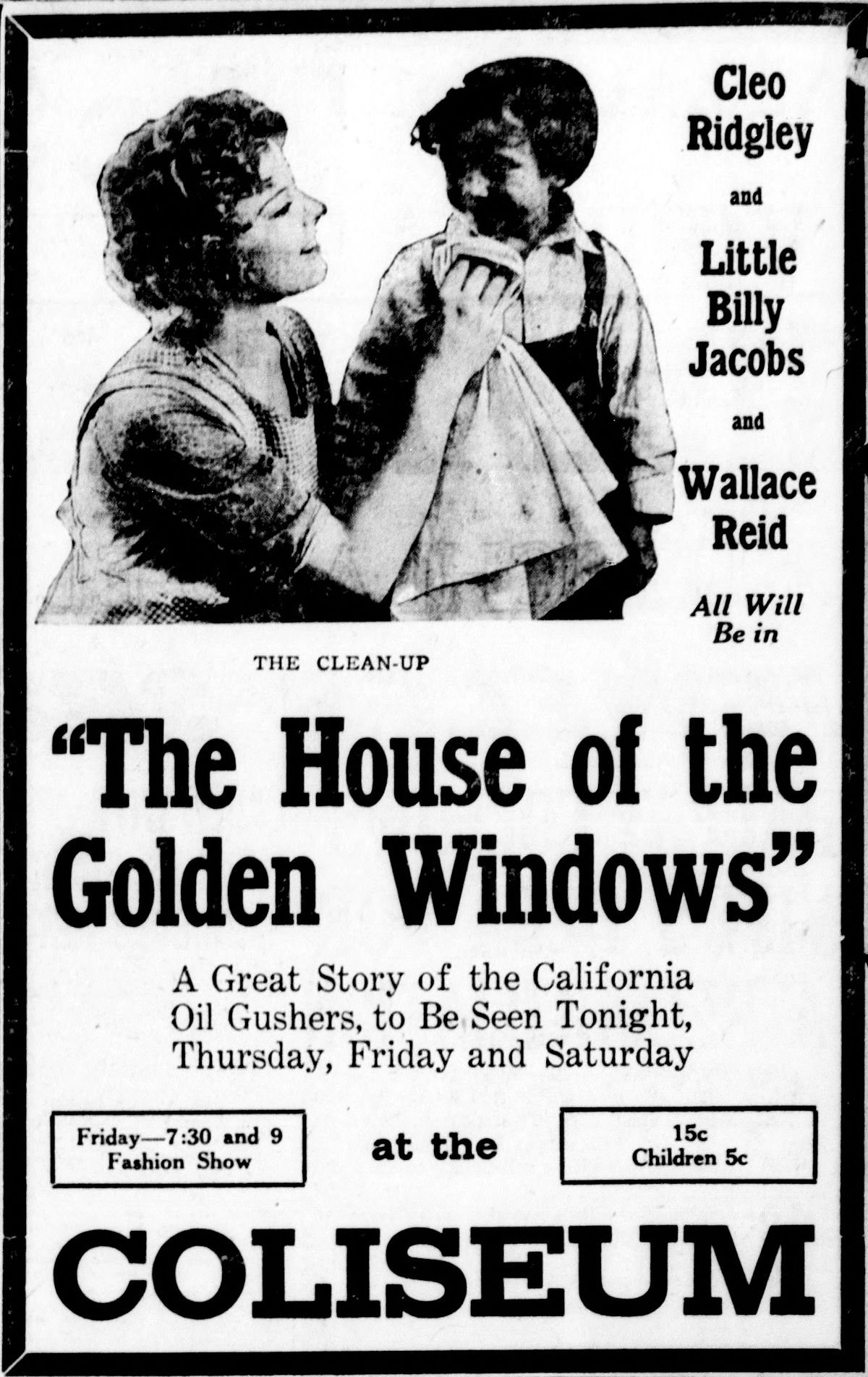
Dir: George Melford
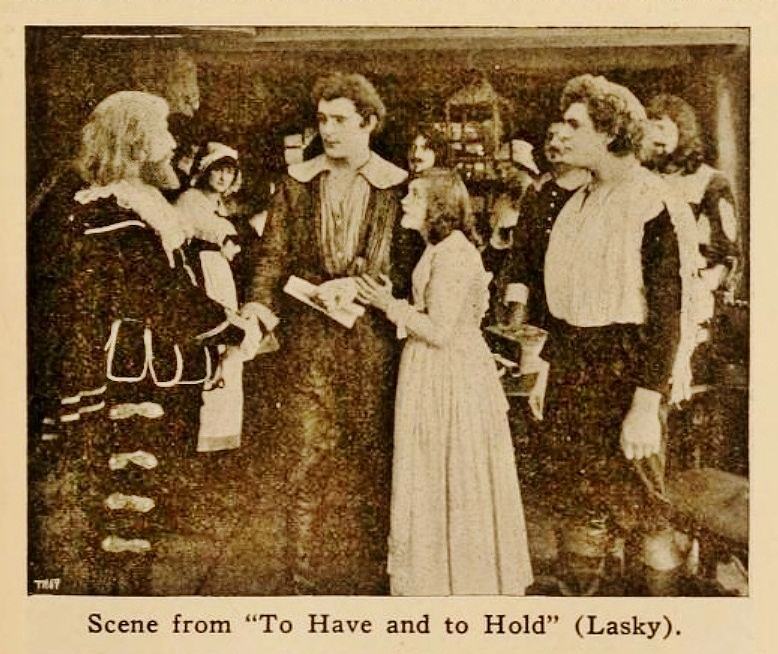
Sue Wells husband Tom works as a shepherd, is sick of being poor, living in the shadow of Mr. and Mrs. James Peabody's opulent estate. When the Peabodys leave for a vacation, Sue and Tom carry out a check fraud scheme and take advantage of a loophole in the Peabody's lease, resulting in their becoming the owners of the estate. However, living in the mansion does little to make Sue happy, and when James returns and discovers what she and her husband have done, he kills Tom. He is about to murder Sue, too, when she wakes up, and realizes that her life as a wealthy landowner has been only a dream. James then enters, and announces that he has made Tom the estate manager, which forever ends Sue's financial worries.
View Details
Dir: George Melford
A young man joins the French Foreign Legion and is sent to Algieria, where he becomes a target for hatred by his commander. However, the commander has a change of heart when he realizes who the young man is.
View Details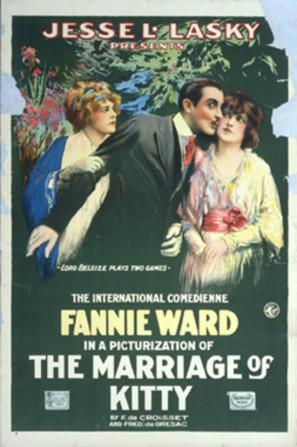
Dir: George Melford
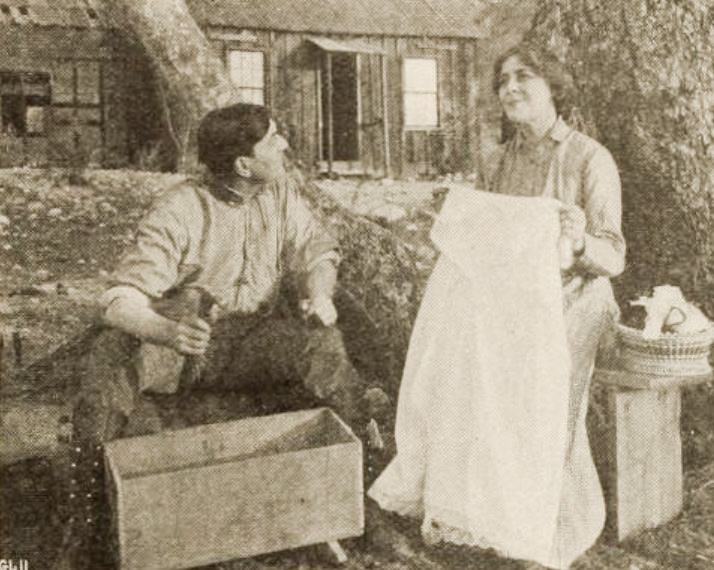
For the first time in her life Katherine Silverton--Kitty to her friends--hesitated about spending carfare to ride six blocks to the law office of her godfather, John Travers. She was not used to walking and she didn't intend to start just because her money supply was short and she faced a future which threatened economy of the strictest sort. Kitty's father had died leaving her practically nothing. She sought the advice of Mr. Travers. At the moment she entered the outer office, Mr. Travers had a perplexing problem on his hands. He was attorney for a large estate, the heir to which, Lord Reginald Belsize, had that morning arrived in New York to claim his inheritance. Lord Reginald was young, good-looking and ambitious to marry Mme. Helen de Semiano. Mme. Helen saw a favored match in Lord Reginald, who was soon to be wealthy, and her young-spendthrift brother Jack Churchill encouraged the match. But certain provisions of the will perplexed Mr. Travers. They also perplexed Lord Reginald. It was stipulated that Lord Reginald was to marry within a year or lose his inheritance; it further was stipulated that he was not to marry an actress. Lord Reginald didn't see how it could be arranged as he had brought Mme. Helen and her brother to New York. Mr. Travers suggested that he marry someone else first, leave her after the wedding and in six months she will obtain a divorce on grounds of desertion, making you free to marry whom you please. Then Kitty entered the office. Kitty assented to the proposition readily. She had the promise of a large sum of money, a quick divorce, and a chance to look around the world. But Kitty was very attractive and pretty, and Lord Reginald said that if Mme. Helen, who had reluctantly agreed to the arrangement, should see such an attractive young woman, she would refuse her consent. But resourceful Kitty rearranged her hair, put on a gingham apron, rolled up her sleeves, and made herself into a most unpromising person. Mme. Helen passed approval, not knowing the hoax. The ceremony was quickly performed and Lord Reginald and his bride left to be gone for several months until Kitty had gained her divorce. Meanwhile the jealousy of Mme. Helen was discouraging Lord Reginald, so one day he went to Long Island where Kitty was living. Realizing her opportunity, Kitty did everything within her power to make him happy. When Mme. Helen arrived, having followed Lord Reginald, the latter told her the time had come for the parting of their ways. Kitty, he said, was the woman he loved, and Kitty admitted that she loved him.
View Details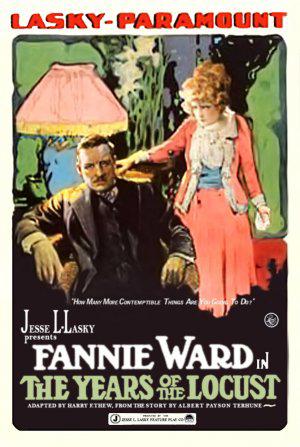
Dir: George Melford
Despite her love for penniless Dirck Mead, Lorraine marries wealthy Aaron Roth to save her family from financial ruin. Roth is a swindler and when trying to escape the wrath of the law, he jumps from a ship and is declared dead. Mead, now a diamond magnate, finds Lorraine in New York, marries her and takes her to live in South Africa, where, as it happens, Roth, who survived his leap from the ship, is currently conducting his shady business. Roth discovers Lorraine's situation and threatens her with exposure, and Lorraine is about to leave Mead when she learns of Roth's plan to steal a valuable diamond that Mead is escorting to the city. Summoning help, Lorraine reaches Mead in time to thwart the robbery. Roth is killed in the fight, and Lorraine is spared the task of resolving her marital status.
View Details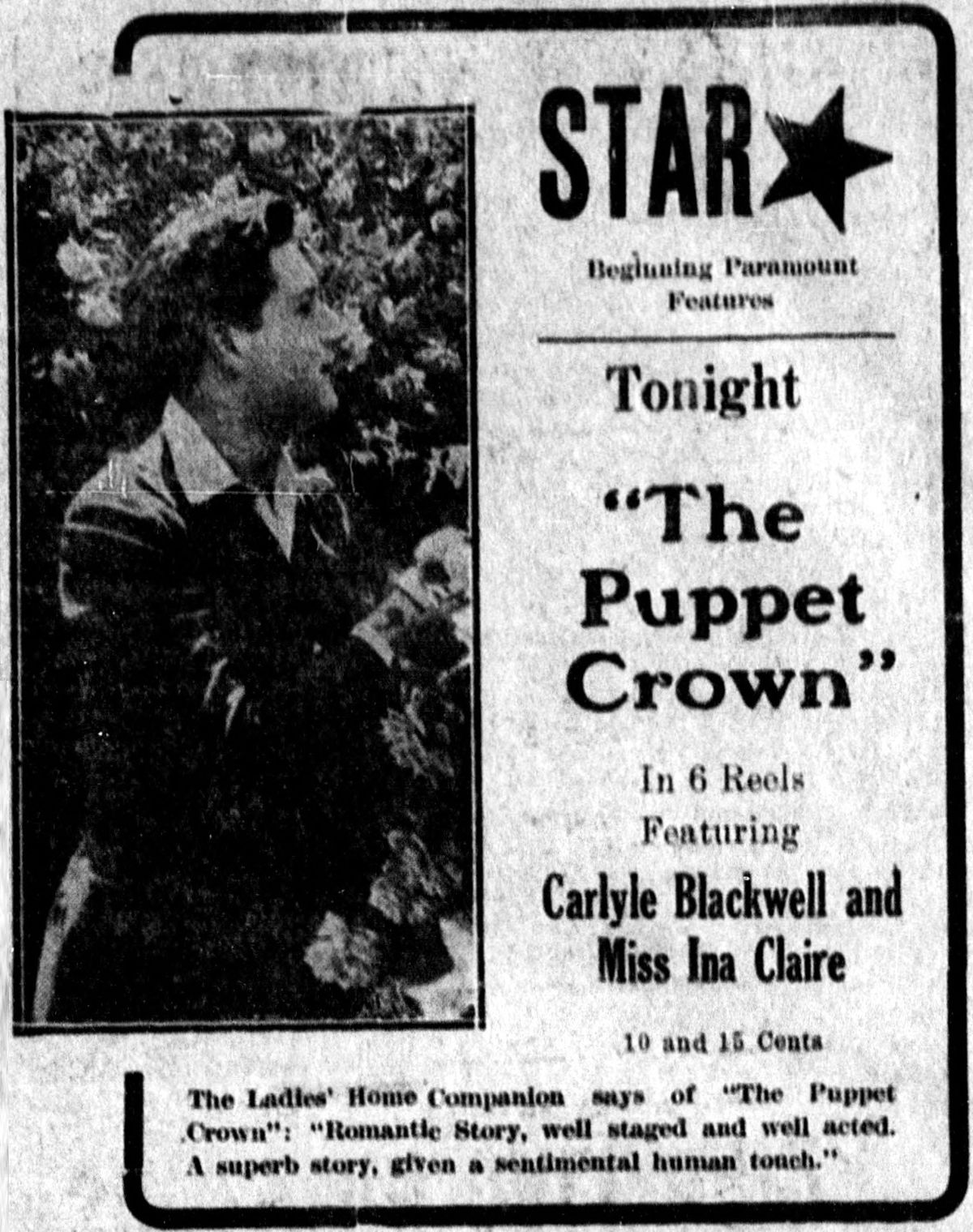
Dir: George Melford
Ailing King Leopold sends his daughter Princess Alexia of Osia to a exclusive American girls' boarding school as a commoner, so that she can know the meaning of true freedom. When she meets young millionaire Bob Carewe, they fall in love, but Alexia is summoned home because of a conspiracy of the king's advisers threatening to replace him with the Duchess Sylvia. When Bob reads of Osia's financial difficulties, he goes to help with a loan, though he realizes she cannot marry him if she is ever to rule. When the king dies suddenly, it causes a rebellion among the people. Although Bob bravely fights against the conspirators and nobly helps a bleeding rival for Alexia's affections, the duchess is proclaimed queen. She orders Alexia's arrest, but Bob, using one of the conspirators as a shield, escapes with Alexia to the border, now they are happily free to marry.
View DetailsAnalysis relative to Stolen Goods
| Film Title | Atmosphere | Complexity | Similarity |
|---|---|---|---|
| A Gentleman of Leisure | Tense | Dense | 91% Match |
| Armstrong's Wife | Gritty | High | 98% Match |
| The Invisible Power | Gritty | Layered | 93% Match |
| To Have and to Hold | Ethereal | Layered | 94% Match |
| The Governor's Lady | Ethereal | High | 98% Match |
This guide was algorithmically generated using the cinematic metadata of George Melford's archive. Last updated: 8/17/2026.
Back to Stolen Goods Details →