
DbcultAccessing Vault...
Recommendations
Senior Film Conservator
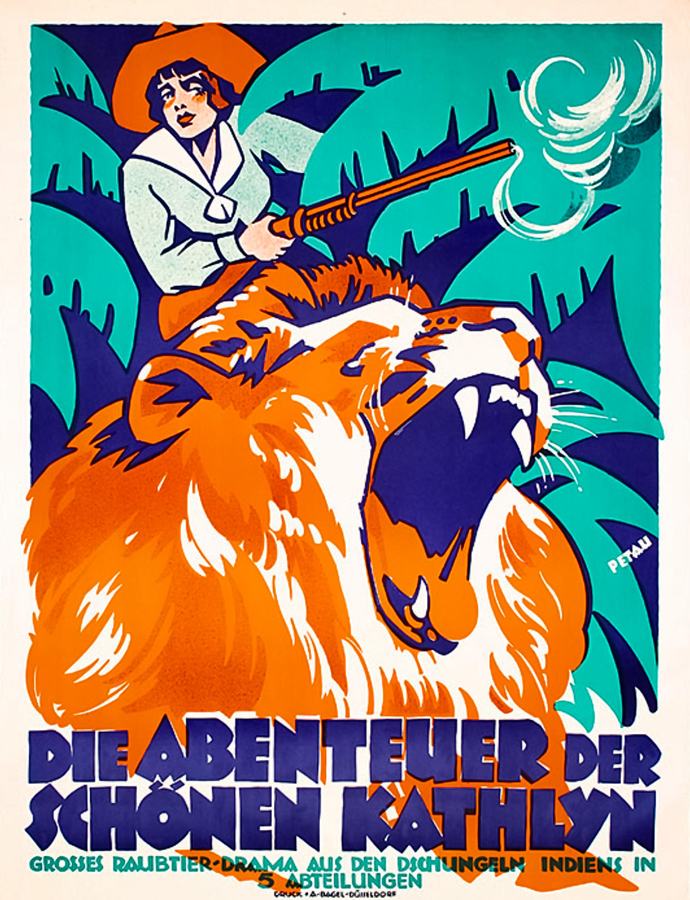
For cinephiles who admire the artistic bravery within The Adventures of Kathlyn, the specific artistic bravery of this work is a gateway to a broader cult world. We've prioritized films that capture the 1916 aesthetic with similar precision.
At its core, The Adventures of Kathlyn is a study in to create a dialogue between the viewer and the artistic bravery.
Feature version of the thirteen episode serial, _Adventures of Kathlyn, The (1913)_, released three years earlier.
The Adventures of Kathlyn was a significant production in United States, bringing a unique perspective to the global stage. It continues to be a top recommendation for anyone studying cult history.
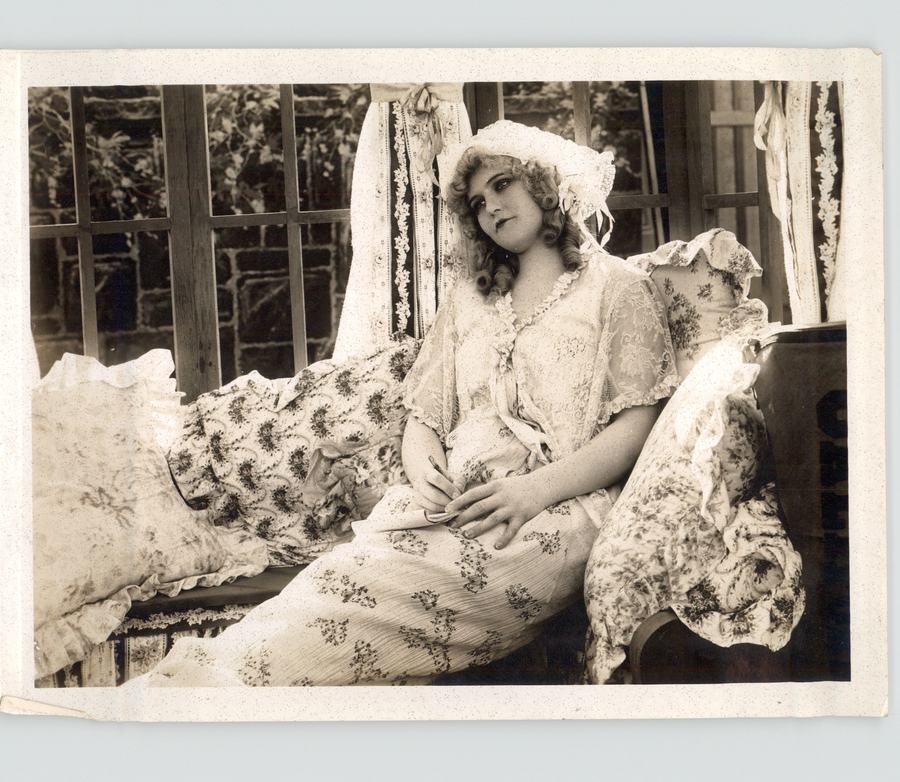
Based on the unique artistic bravery of The Adventures of Kathlyn, our vault has identified these titles as the most compelling follow-up experiences for fans of cult cinema:
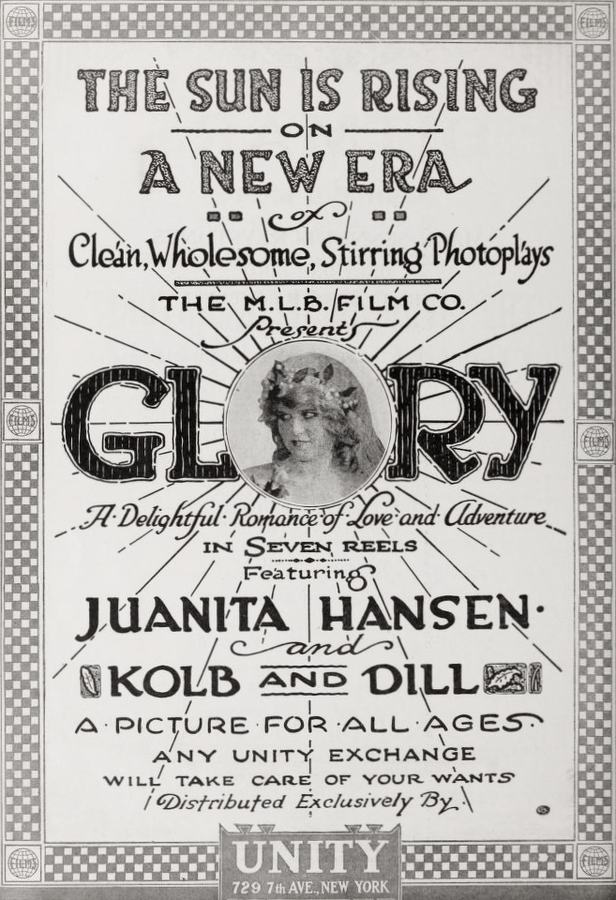
Dir: Francis J. Grandon
The story opens in the office of an oil company. The president received a letter from a friend notifying him there is oil in the town of Glory. He forms a dummy railroad company and sends a representative to Glory to get rights to the property by promising that the dummy company will establish a station at Glory. While getting the rights to the property, the oil representative goes through what he supposes a fake marriage with the postmistress of the village. Time passes and the postmistress leaves the village for a neighboring town, where she gives birth to a child. Unable to support the child, she brings the baby to the village hotel run by two Germans, and, under cover of darkness, leaves the baby there. The baby is adopted by the village, named Glory Glory, and brought up by the two Germans. In the meantime the mother has made her way to the city and drops from exhaustion in front of the president of the oil company's house, when she is picked up and carried in. Upon examination by the doctor he finds the fall has caused her to lose her memory. The president is a widower and upon the woman's recovery decides to have her stay as governess and bring up his young son. Several years pass by and both Glory and the president's son are grown up. They accidentally meet and fall in love. The oil company decides to take possession of the property at Glory and then a fight ensues, the son taking sides with the girl he loves and her people. During the lapse of years the man who put through the original deal for the oil company and who married the postmistress has risen to be a judge. The case is brought before him and he dismissed the charges of the citizens of Glory. The son decides to assist and steals the papers relative to the case. The judge and president of the company finally decide to make restitution. The marriage is found to be legal. The people get the oil property back, and Glory is happy with her sweetheart.
View Details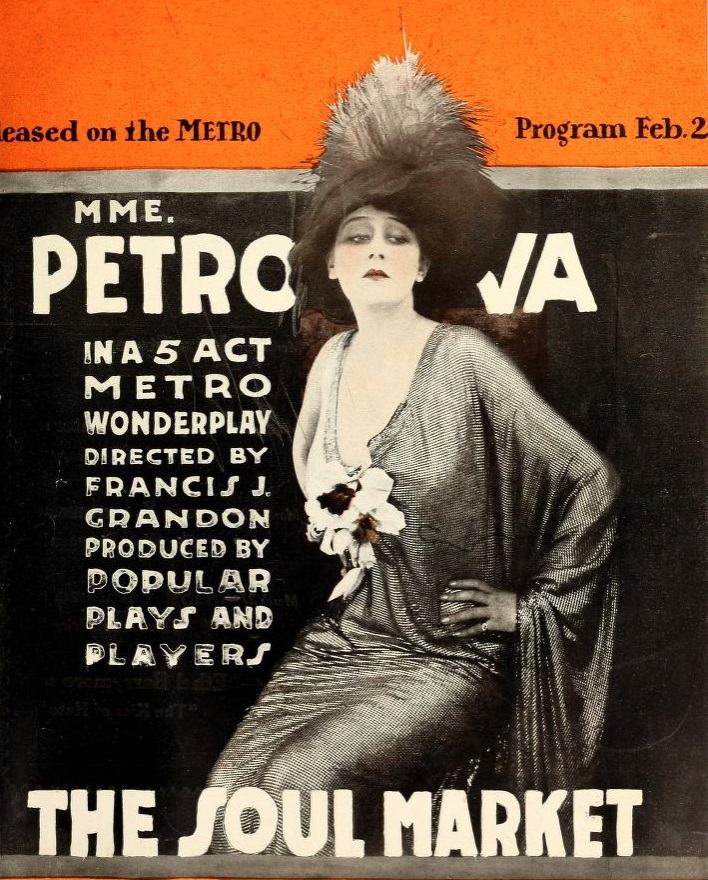
Dir: Francis J. Grandon
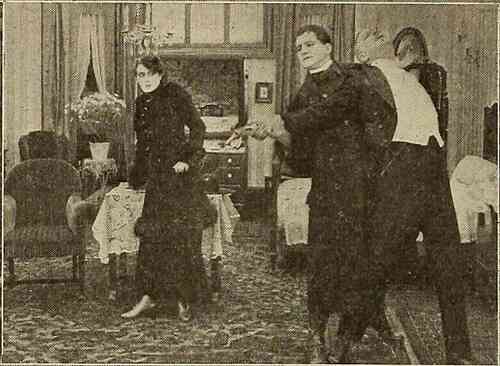
Two passionate suitors pursue actress Elaine Elton Oscar Billings, the head of several large theaters, and millionaire Jack Dexter, whom she has never met. To force her to spend time with him, Jack pretends to be a chauffeur and gets a job with Elaine, who soon feels quite attracted to him. Then, Oscar combines a marriage proposal with a threat, and tells Elaine that she will never work again if she refuses to become his wife. Elaine gives in and marries Oscar, but then murders him because of his numerous affairs, after which she herself dies while trying to escape from the police. Elaine then wakes up, and after realizing that her marriage and the events that followed it were a bad dream, decides that the nightmare may have foretold the future. As a result, she ignores Oscar's threat to her career, and marries her millionaire chauffeur.
View Details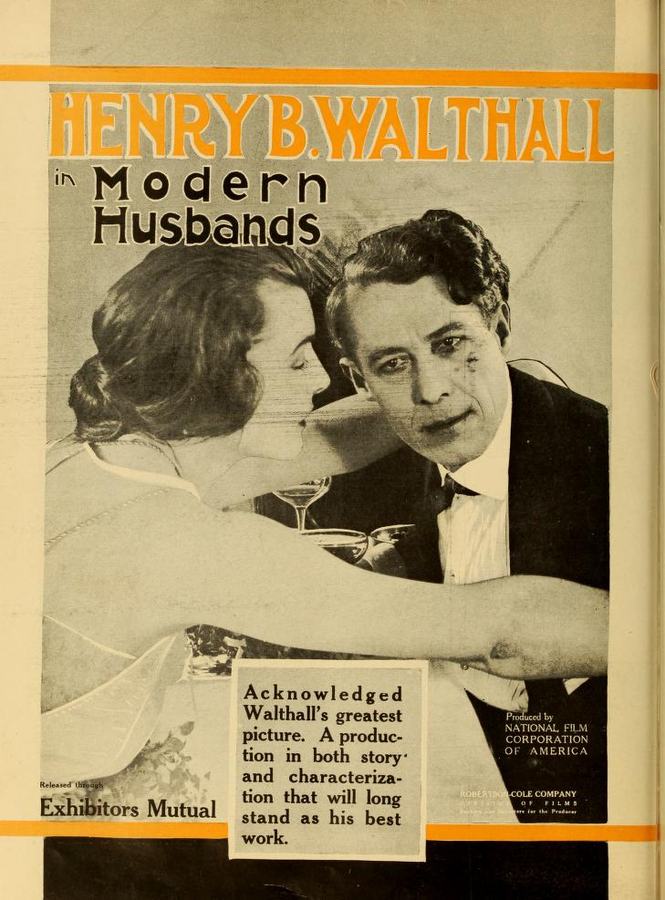
Dir: Francis J. Grandon
When wealthy Wall Street stockbroker Stephen Duane neglects his wife Julia for business, she consorts with philanderer Bert Brockwell. Finding them in an embrace forced by Brockwell, Stephen denounces Julia and leaves. After losing his fortune in the market, Stephen refuses Julia's offer to sell her jewels, and stays away for one year, while she opens a successful millinery store and has a baby. Despondent, Stephen decides to shoot himself, but when he hazily imagines Julia entering and catching his dead body, he drops the gun and decides to renew his life. After Jonathan Cosgrove, a friend, gives him $5,000 and a room in his home, Stephen discovers Brockwell in Mrs. Cosgrove's bedroom, forcing himself on her. Stephen hurls Brockwell through the window and then, to save Mrs. Cosgrove's reputation, allows Jonathan to think that he is the guilty party. After Mrs. Cosgrove discovers that Brockwell is a forger, she confesses to Jonathan, and arranges a meeting between Stephen and his wife and son that ends happily.
View Details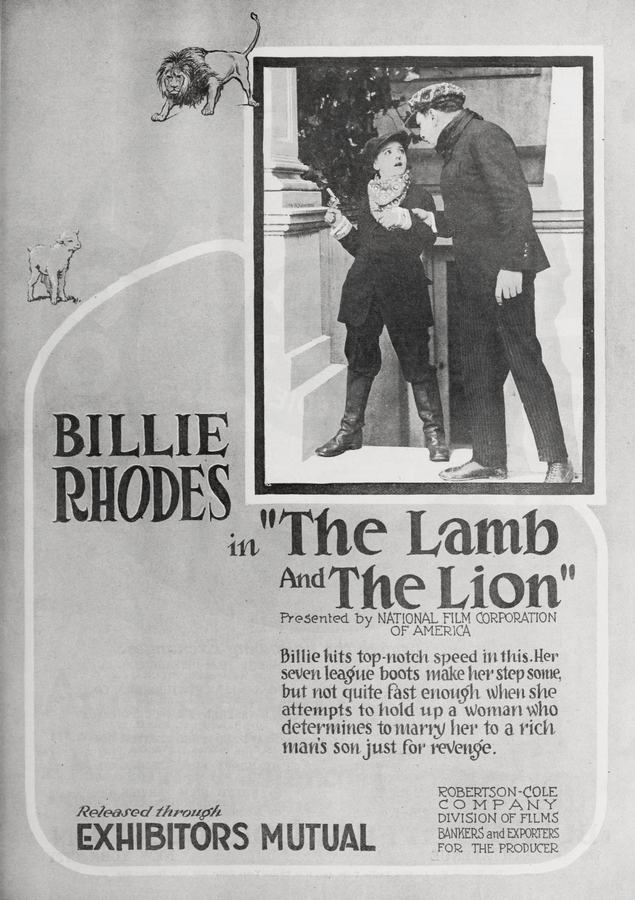
Dir: Francis J. Grandon
A girl known as "Boots," who keeps house for a band of crooks led by her kind guardian, Uncle Ben, called "The Lion," demands that she be allowed to accompany them on a burglary. Dressed in boy's clothes, Boots is caught by Mrs. Kathryn Sylvester, a rich society widow, who, upon learning that Boots is a girl, resolves to avenge herself on James Graham, who refused to marry her stating that he wanted no stain on his lineage. She raises Boots in luxury, and at the proper time, introduces her to Graham's son Donald. After Boots endures an awkward two years of study during which she still frolics with her pet pig, she and Donald fall in love. During their wedding, Mrs. Sylvester announces Boot's past to Graham, but Uncle Ben, now reformed, reveals that Boots is really the daughter of Major Richard Harvey, who is present. The happy couple then resume their wedding.
View Details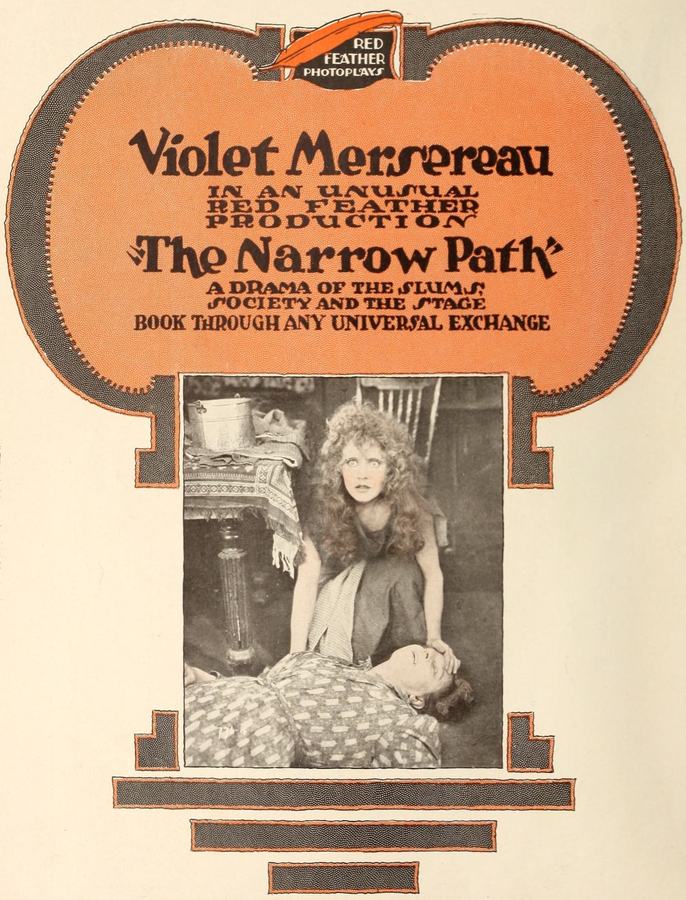
Dir: Francis J. Grandon
Bessie, a girl of the slums, is left an orphan. Her father was a drunkard and during one of his periods of intoxication he killed his wife and then, in trying to escape, was himself killed. Left destitute, Bessie is invited by a couple of youngsters to keep house for them. The two boys earn enough money selling papers to keep up the little establishment and Bessie does the housework. One day as she is playing in the street she is run over by an auto belonging to society lady Mrs. Latham, who feels sorry for her and visits her at the hospital where she is taken. On leaving the hospital Bessie goes to see the wealthy widow, who procures her a position at a modiste's shop. A couple of months later Bessie goes to a cheap dance hall with a friend, where she is noticed by theatrical agent Abrams, who offers her a job as a cabaret dancer and she accepts. While dancing in the cabaret she is noticed by wealthy clubman Shirley Martin, who says that he will make her a great dancer. He introduces her to a manager and all arrangements are made for the Broadway production. Shirley expects a price for his favors, but to his chagrin, he discovers that Bessie is incorruptible. Bessie's debut as a dancer is a success. Mrs. Latham, who has designs on Shirley's money, is jealous of the attentions he is paying the little dancer. She plans to so compromise her that his love will be cured. Accordingly, she invites the two of them on a weekend trip to the country and then, at the last minute, does not go herself. When the two young people arrive at the hotel, they find rooms engaged for Mr. and Mrs. Shirley Martin. When Bessie confesses that she loves him, he tries to force his attentions on her, but she repulses him. Then Shirley realizes that he has acted like a cad and when he asks her to marry him the next day, she agrees. Meanwhile, Mrs. Latham has written a note to Old Man Martin saying that Bessie is trying to ruin his son's life and that if he does not want a scandal, he must go at once to the hotel where they are registered as husband and wife. Martin hurries down and finds them there the next day. He accuses Bessie of having designs on Shirley and forbids the marriage. So Bessie, thinking that perhaps after all, the marriage would not be for the best, agrees to go away. When Shirley finds out what his father has done, he is furious, and says that he will not come home until his father consents to the marriage. But he cannot find Bessie, as she has left without giving anyone her address except old Martin. But at the Martin home, the mother has become ill, and the doctor thinks that the only thing that will save her life is a reunion with her boy. So Mr. Martin hunts up Shirley at the club and persuades him to come home for the sake of his mother, and then he goes to find Bessie. Of course the two are reunited and agree to have the long-delayed wedding take place at once.
View Details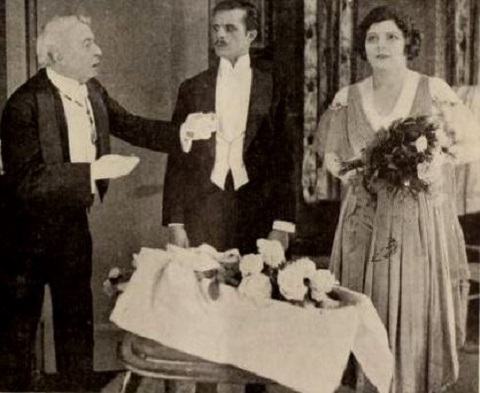
Dir: Francis J. Grandon
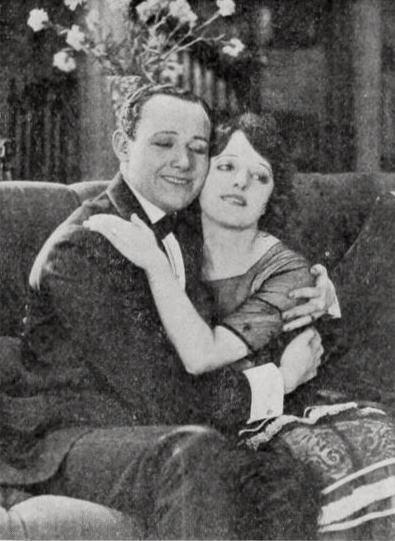
Young Polish American Sonia, whose deceased parents were famous musicians, exasperates her poverty-stricken guardian, Ivan Jandoroff, with her dreams of becoming a great violinist. When his employer, Andrew Hamilton, threatens to lower the wages at his steel mill, Ivan orders Sonia to work in the mill and then pawns her violin. Infuriated, Sonia soon learns that Andrew has purchased the instrument and visits the millionaire's home to demand its return. Upon hearing her play, Andrew offers to finance Sonia's musical education, but following her successful debut, he suggests that she offer herself to him to cancel the debt. Sonia tearfully smashes the violin and then returns to the factory, where she nurses the sick laborers through an epidemic and prevents a strike that would have ruined Andrew. Realizing his injustices to his workers and the woman he loves, Andrew promises to improve conditions at the mill and later proposes to Sonia.
View Details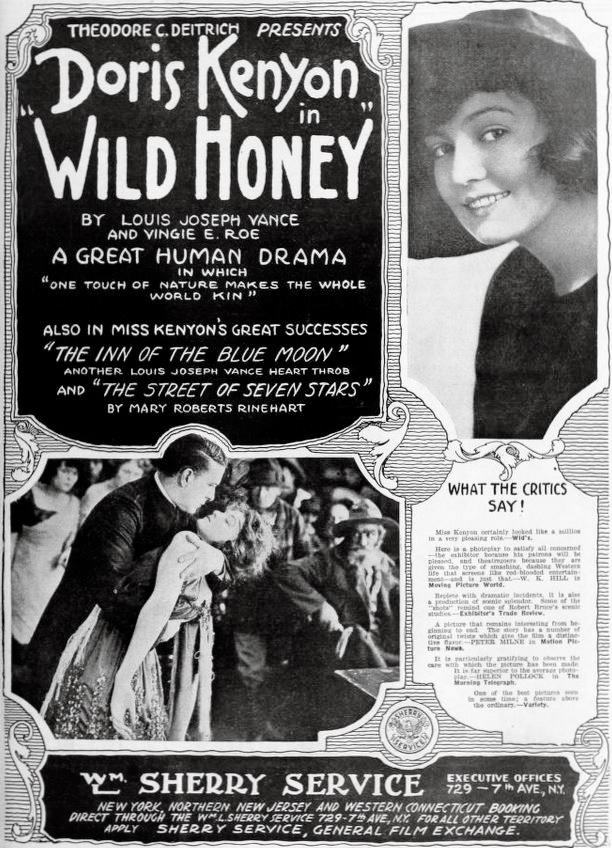
Dir: Francis J. Grandon
Concerned that she will ruin the Rev. David Warwick's career by marrying him, actress Letty Noon accompanies her fiancé to the home of Pastor and Mrs. Holbrook to seek advice. In answer to their question, the old parson narrates the story of young Jim Brown, a minister who resolves to reform the rough miners in a small Western town. His strength and dedication deeply impress the townspeople, but his sermons seem to have little effect on "Wild Honey," a dance hall girl who resents his constant admonitions. Wild Honey secretly loves Rev. Brown, however, and after she impulsively kisses him, he forgets his preaching and thinks only of her. One of Wild Honey's jealous suitors frames the reverend for murder, but she clears his name and, later that night, tells the parson of her love. Hearing her declaration, another rejected suitor attempts to shoot Rev. Brown, but Wild Honey shields him and is seriously wounded. The reverend then takes her to another town, where they happily grow old together.
View Details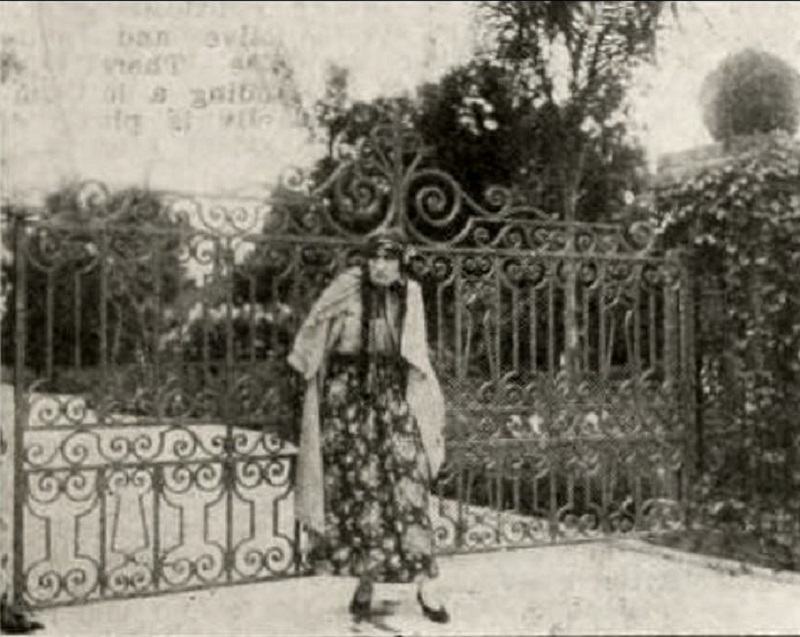
Dir: Francis J. Grandon
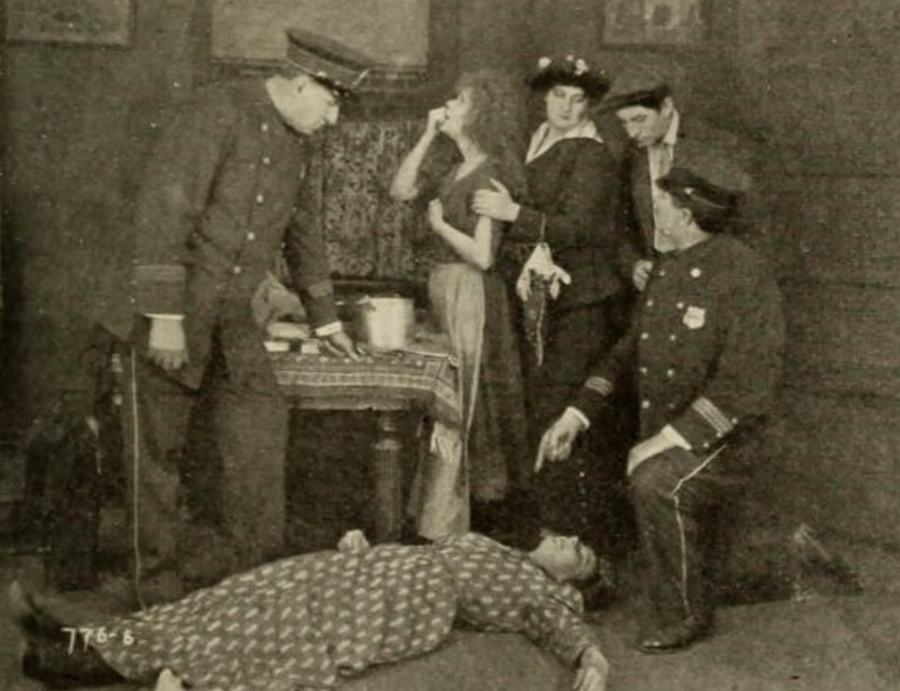
Strathmore, a woman hater, falls in love with "Lady" Vavasour after having reproached his friend, Bertie Errol, for his attentions to Lucille, the little farm girl. Errol, too, has trifled with the Vavasour woman and warns Strathmore that she is thoroughly bad and not really Vavasour's wife at all. They quarrel and fight a duel in which Erroll is killed. He has left a letter to Strathmore, explaining that Lucille, the daughter of exiled but noble Russians, is really his wife though he has kept the marriage secret for fear of offending his family and wealthy uncle. When the news of Errol's death is brought to her, Mrs. Errol dies of shock and Strathmore adopts and rears the daughter of this match who has been named Lucille for her mother. Lord Strathmore drives "Lady" Vavasour from society and completely exposes her, for he holds her responsible for the trouble between himself and Errol. As the years pass, Lucille grows into a beautiful girl, and when the Comte de Valdor proposes for her hand she refuses him, revealing that she loves Strathmore. Because he has killed her father, he hesitates, but in the end he marries her. "Lady" Vavasour, affected by the girl's happiness, foregoes exposing the truth of her father's death.
View Details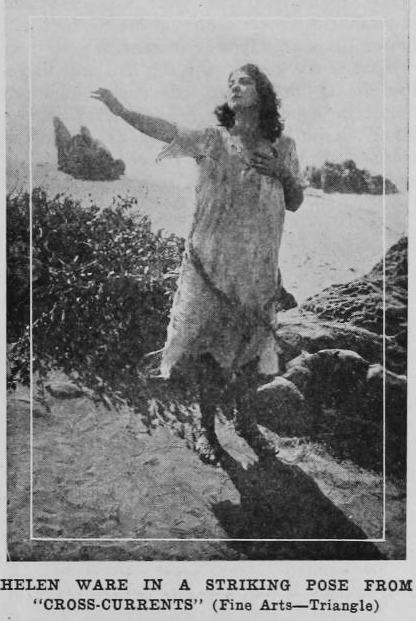
Dir: Francis J. Grandon
Washington, D.C. society belle Elizabeth Crane gives up her fiance, young diplomat Paul Beale, when she learns that her foster sister Flavia also loves him. After Flavia and Paul marry, they join Elizabeth on a yacht belonging to millionaire Silas Randolph, who wants to marry Elizabeth. The yacht catches fire and Elizabeth and Paul swim to a desert isle. Randolph arrives later and fights Paul to get to Elizabeth, but she stabs him to death. As the months pass, Paul and Elizabeth, believing Flavia dead, rediscover their love and live as if they were married; but Flavia, who was saved by a freight steamer, sees a vision of Elizabeth and organizes a search party. When Elizabeth sees Flavia's boat approach, she tells Paul, who says he wants to remain with her. After she convinces Paul that his child has a right to him, Elizabeth walks into the sea and drowns herself so that Flavia will not know of the island romance.
View Details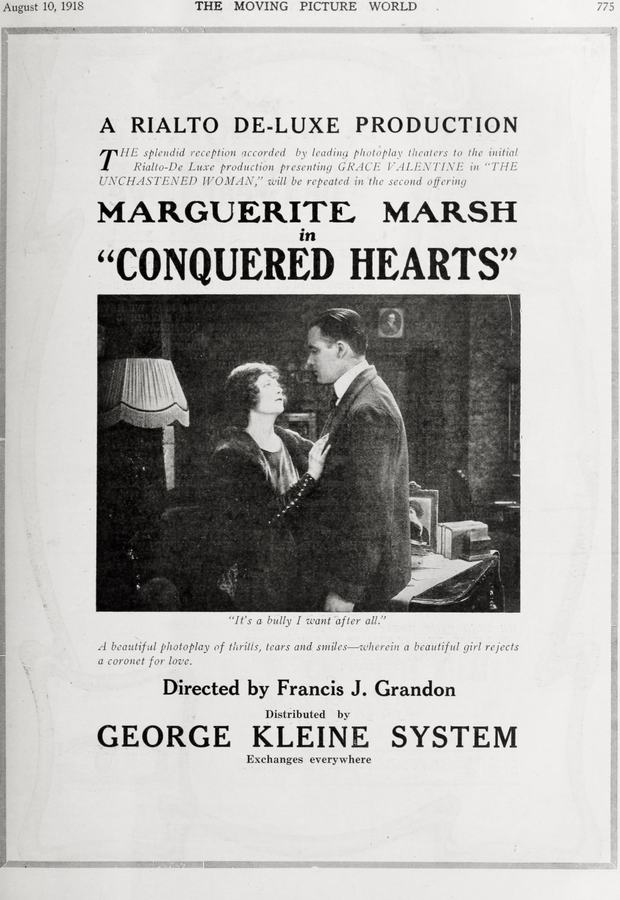
Dir: Francis J. Grandon
Nora, a girl of the lower East Side of New York City, marries a rising ward politician. A child is born. They are happy, but the young politician is running for office against the old ward boss and has to be out every night. The wife becomes jealous of a certain woman. Nora's child dies. Things get worse for her as jealousy and the seeming neglect of her husband increase. She finally leaves him and becomes a model for a noted painter. The husband finds where she is, but makes no attempt to force her to return to him, though he still loves her. One of the artist's friends, a magnate in the motion picture business, promises her a chance. Her rise to stardom is quick. The climax of the story is a struggle between the old love and the new fame. She does not know that the politician has become a first-class lawyer. Finding that the old love and the new fame are not incompatible, she is reunited with her husband.
View DetailsAnalysis relative to The Adventures of Kathlyn
| Film Title | Atmosphere | Complexity | Similarity |
|---|---|---|---|
| Glory | Tense | Linear | 93% Match |
| The Soul Market | Ethereal | Abstract | 96% Match |
| Modern Husbands | Gothic | Abstract | 98% Match |
| The Lamb and the Lion | Tense | Layered | 85% Match |
| The Narrow Path | Gothic | High | 87% Match |
This guide was algorithmically generated using the cinematic metadata of Francis J. Grandon's archive. Last updated: 8/16/2026.
Back to The Adventures of Kathlyn Details →