Summary
In an audacious narrative tapestry woven with corporate malfeasance, forgotten identities, and the inexorable pull of fate, 'Glory' unfurls a saga of profound human drama. The genesis of this intricate plot lies in the avarice of an oil magnate, who, upon learning of untapped riches in the idyllic town of Glory, orchestrates a deceptive scheme. A duplicitous railroad company, a mere fabrication, becomes the instrument of his design, dispatched to secure property rights under false pretenses of infrastructural development. Central to this deception is a representative whose illicit dealings extend to a sham marriage with the town's unsuspecting postmistress. This clandestine union, born of convenience, soon yields an unintended consequence: a child. Adrift and unable to nurture her infant, the postmistress makes the heart-wrenching decision to abandon her baby, christened Glory Glory, into the care of the village's German hotelkeepers. Meanwhile, the mother's own journey takes a turn for the dramatic; a collapse outside the oil company president’s abode leads to a profound amnesia, transforming her into the unwitting governess for his son. Years later, as the orphaned Glory Glory blossoms into womanhood and the president’s son matures, destiny orchestrates their convergence and an undeniable romance. Their burgeoning love finds itself embroiled in a bitter land dispute when the oil company, driven by its original avarice, moves to seize the properties of Glory. The stage is set for a courtroom battle, presided over by none other than the very man who once orchestrated the initial deception and 'married' the postmistress, now a powerful judge. His initial dismissal of the town's claims ignites a fervent defiance, leading the president’s son to an act of desperate larceny to secure crucial documents. Ultimately, the confluence of love, stolen evidence, and a burgeoning conscience compels the judge and the oil magnate to a moment of reckoning, leading to restitution, the validation of a long-forgotten marriage, and the triumph of justice for the resilient people of Glory.
Synopsis
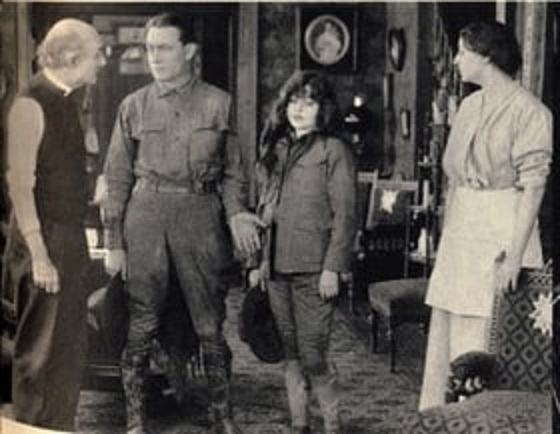
The story opens in the office of an oil company. The president received a letter from a friend notifying him there is oil in the town of Glory. He forms a dummy railroad company and sends a representative to Glory to get rights to the property by promising that the dummy company will establish a station at Glory. While getting the rights to the property, the oil representative goes through what he supposes a fake marriage with the postmistress of the village. Time passes and the postmistress leaves the village for a neighboring town, where she gives birth to a child. Unable to support the child, she brings the baby to the village hotel run by two Germans, and, under cover of darkness, leaves the baby there. The baby is adopted by the village, named Glory Glory, and brought up by the two Germans. In the meantime the mother has made her way to the city and drops from exhaustion in front of the president of the oil company's house, when she is picked up and carried in. Upon examination by the doctor he finds the fall has caused her to lose her memory. The president is a widower and upon the woman's recovery decides to have her stay as governess and bring up his young son. Several years pass by and both Glory and the president's son are grown up. They accidentally meet and fall in love. The oil company decides to take possession of the property at Glory and then a fight ensues, the son taking sides with the girl he loves and her people. During the lapse of years the man who put through the original deal for the oil company and who married the postmistress has risen to be a judge. The case is brought before him and he dismissed the charges of the citizens of Glory. The son decides to assist and steals the papers relative to the case. The judge and president of the company finally decide to make restitution. The marriage is found to be legal. The people get the oil property back, and Glory is happy with her sweetheart.
Review Excerpt
"
Stepping into the world of 'Glory' is akin to unearthing a forgotten relic, a silent film that, despite its age, reverberates with themes startlingly contemporary. It's a narrative that peels back the veneer of progress to expose the raw, enduring human struggles against avarice, deceit, and the capricious hand of fate. From its opening frames, the film plunges us into a labyrinthine plot orchestrated by an oil company president whose moral compass is conspicuously absent. His disc..."