
DbcultAccessing Vault...
Recommendations
Senior Film Conservator
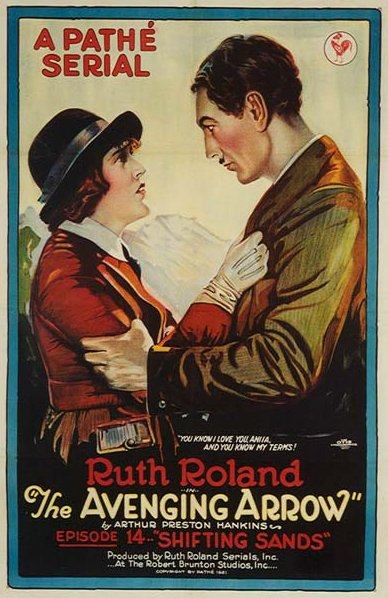
Looking back at the 1921 milestone that is The Avenging Arrow, the specific stylistic flair of this work is a gateway to a broader Romance world. Our archive is rich with titles that mirror the stylistic flair of William J. Bauman.
As William J. Bauman's most celebrated work, it defines to create a dialogue between the viewer and the stylistic flair.
A young woman tries to find out the reason behind why all of her female ancestors have been killed before they reach their 21st birthday.
The Avenging Arrow was a significant production in United States, showcasing the immense talent of Edward Hearn, Ruth Roland, James Robert Chandler. It continues to be a top recommendation for anyone studying Romance history.
Based on the unique stylistic flair of The Avenging Arrow, our vault has identified these titles as the most compelling follow-up experiences for fans of Romance cinema:
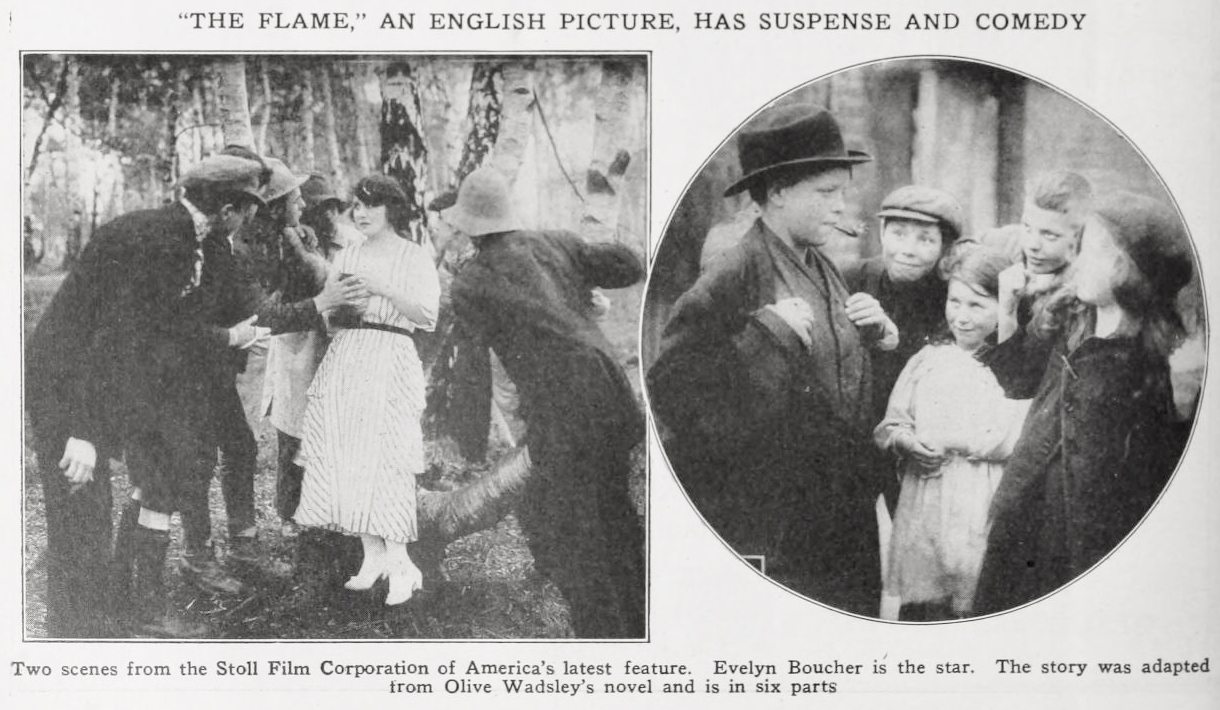
Dir: F. Martin Thornton
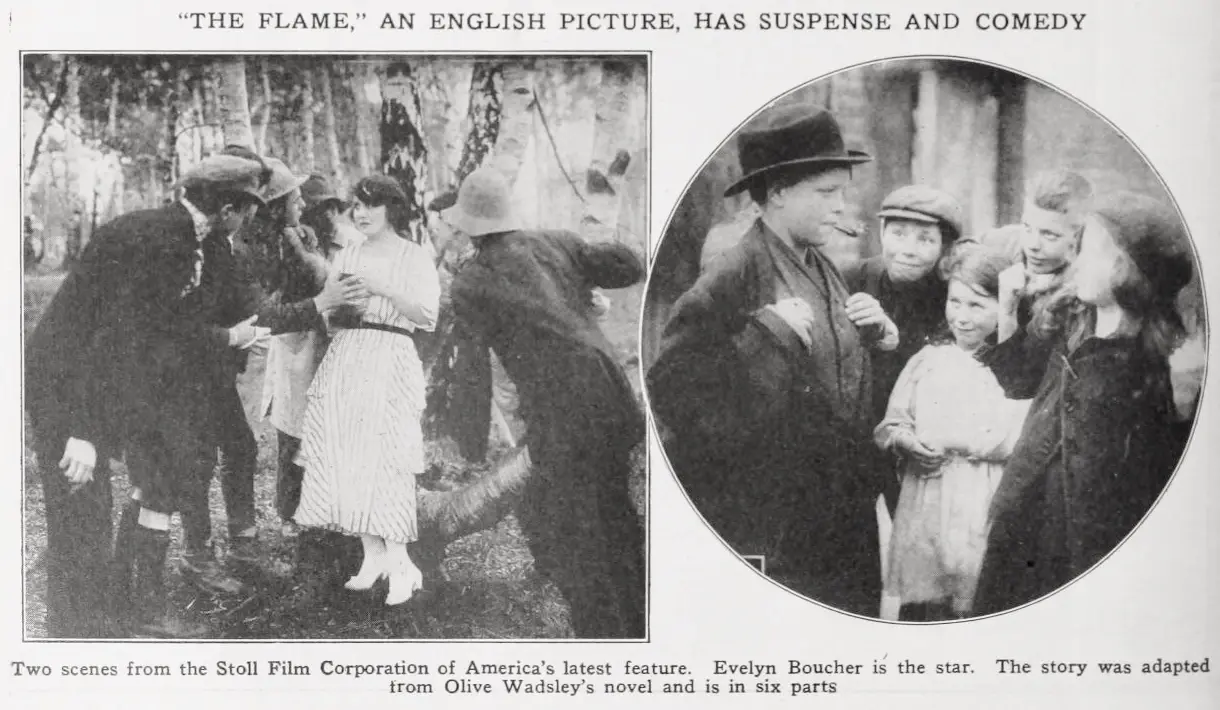
In Paris an orphan cartoonist loves a man with a mad wife, who dies in time to prevent her marriage to a jilted Comte.
View Details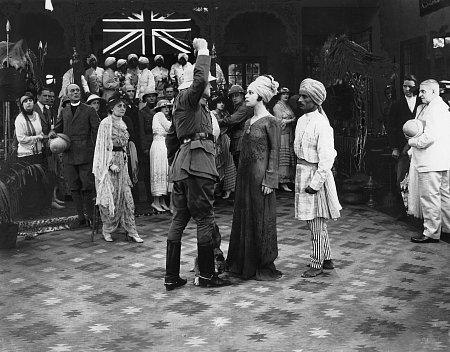
Dir: Herbert Blaché

French dancer Sigrid, diagnosed with a weak heart, is ordered by her doctor never to dance again. But when her dancing skills are needed by her lover's father to help quell a native uprising on the East Indian frontier, she determines to dance whatever the cost.
View Details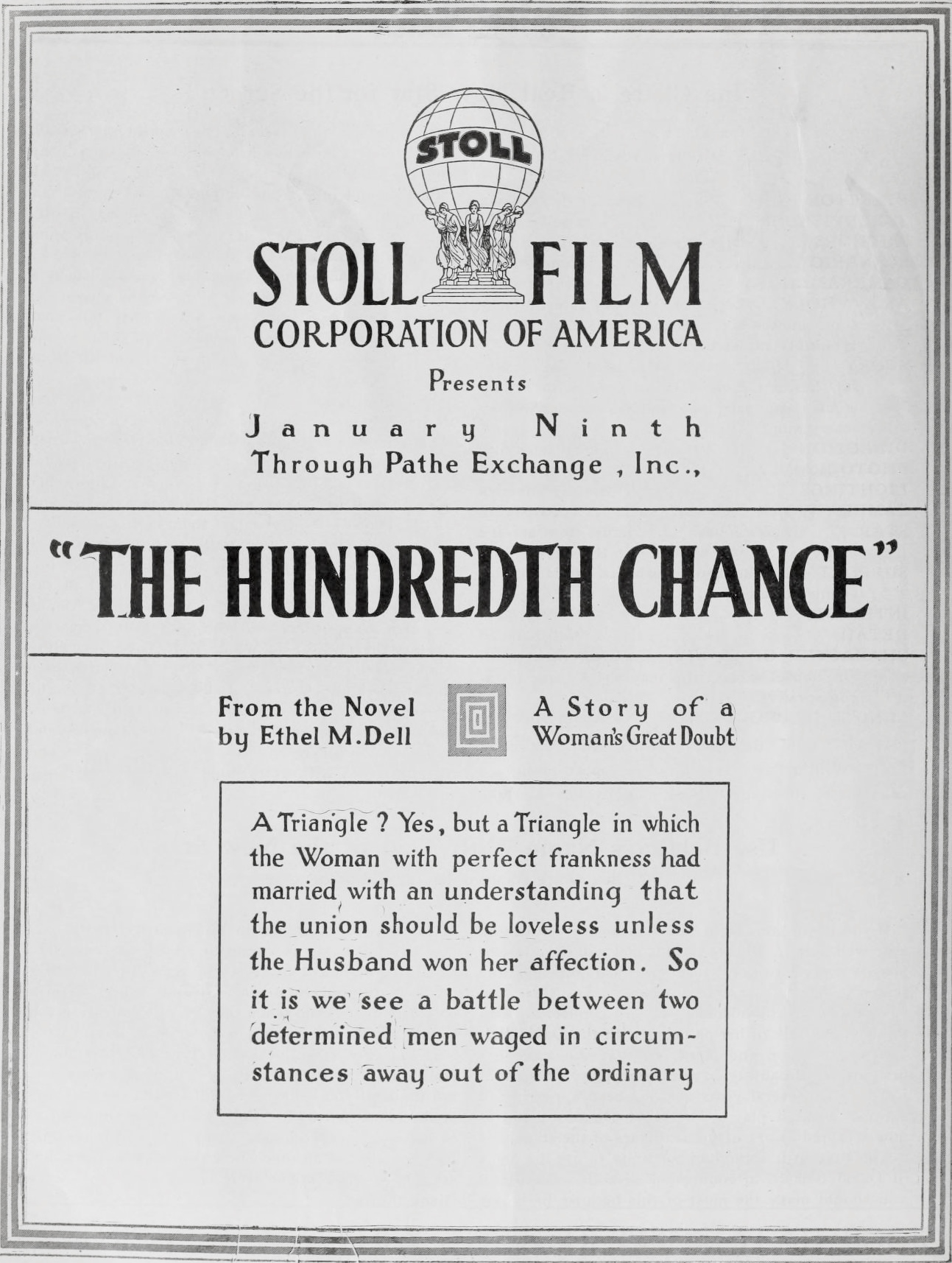
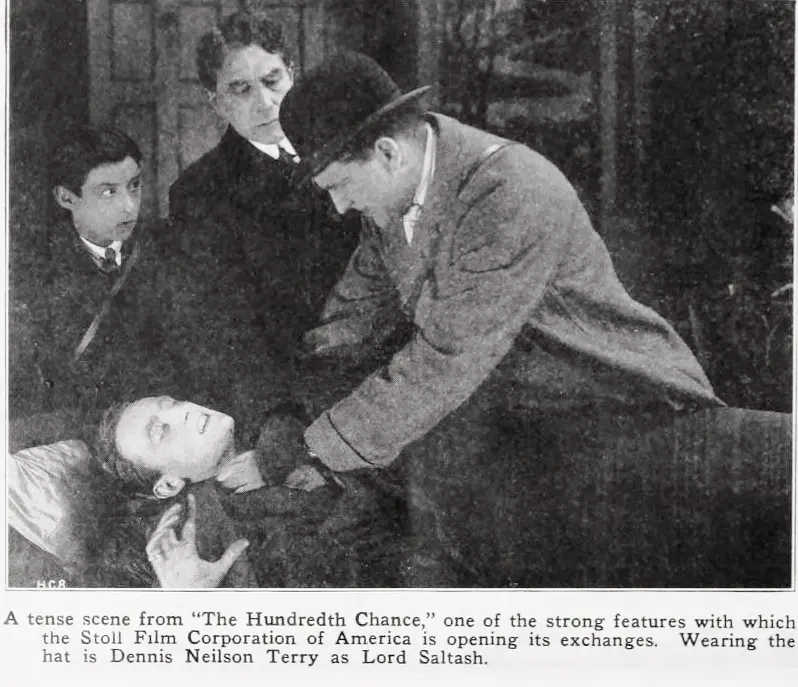
Dir: Maurice Elvey
A lady marries a horse trainer but withholds herself until her crippled brother is cured.
View Details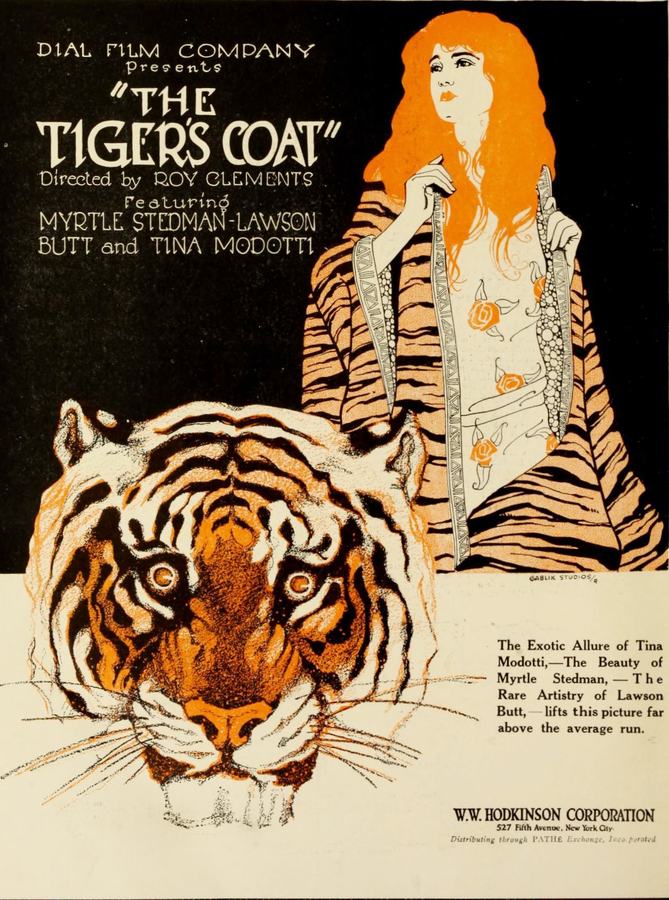
Dir: Roy Clements
A man agrees to marry the daughter of a deceased friend - who is, in fact, being impersonated by the servant girl of the daughter, who has also already died.
View Details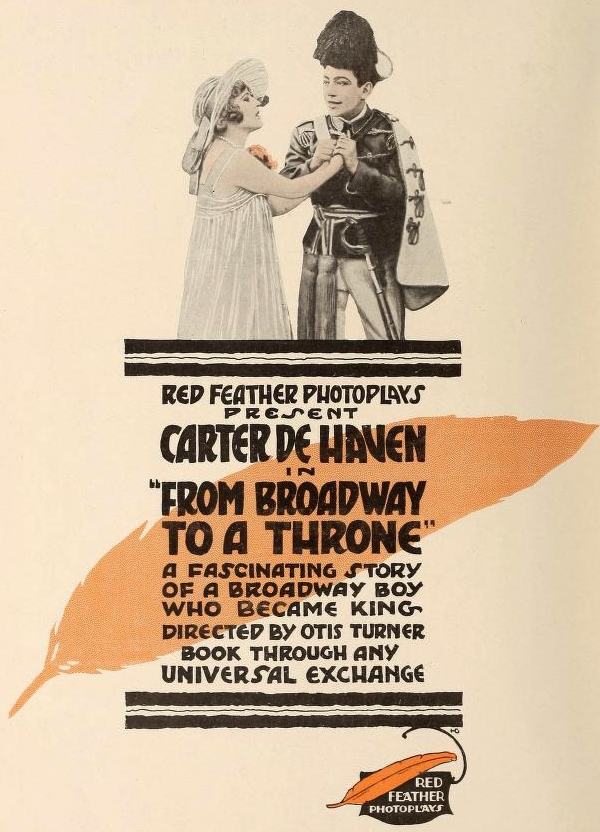
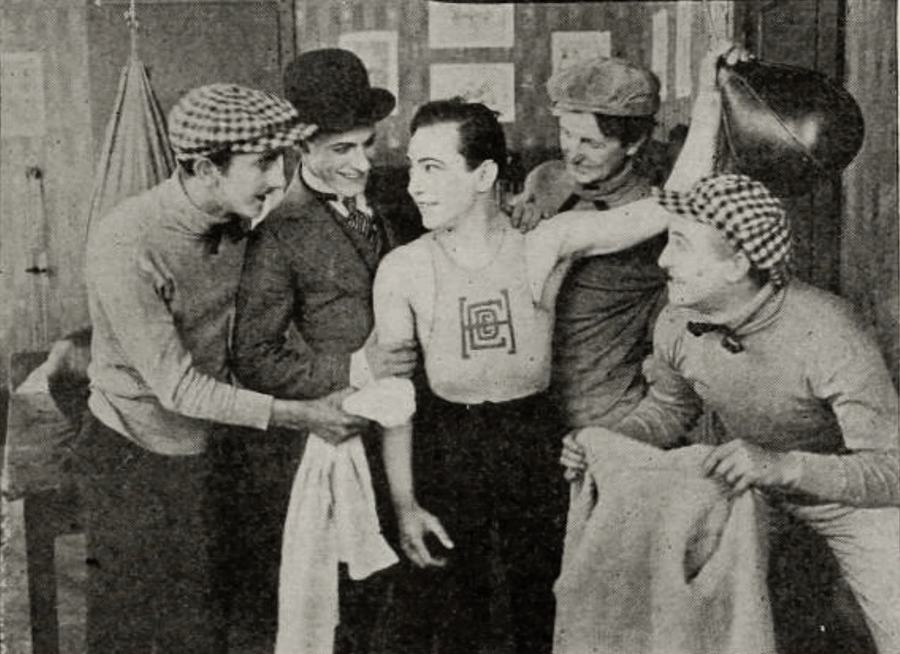
Dir: William J. Bauman
"Battling" Jimmie, a fighter and a dreamer preparing to meet "Killer" Briggs in the prize ring. It is the chance of Jimmie's life, because the winner of the fight is schedule to meet the champion. It is not merely the glory Jimmie is after, but a purse as well, for if he wins the fight he will be in a position to marry Bess. On the afternoon before the fight, "Silent" Billie, a newspaper reporter without a job, presents Jimmie with a lucky coin which has the general appearance of a royal emblem of some art. The emblem was given to Billie by his foster father, Herman Marlex, and eccentric old musician and writer. Marlex catches Jimmie wearing the emblem and he tells Jimmie that the emblem is the key to a throne. He goes on to tell Jimmie a wild story of how twenty years before he kidnapped the heir apparent to the kingdom of Magonia and brought him to this country. He tells Jimmie that Billie is the kidnapped prince. Jimmie is impressed by all this until the arrival of Billie, who tells Jimmie that the story is Marlex's hallucination. The fight is held that night as schedule. In the second round Jimmie receives a blow that knocks him unconscious. As the referee begins to count him out, Jimmie dreams that he loses the fight and returns home. He writes a letter to Bess telling her that he is now broke and that he intends leaving New York and stay away until he makes good. The room of old Marlex is just across the hallway from Jimmie's room. Jimmie hears a noise in Marlex's room. He goes into the hallway and listens. It appears to him that the three emissaries from the King of Magonia are in Marlex's room and are demanding of Marlex that he place the kidnapped prince in their hands. When Marlex learns that the emissaries intent to rob him of the reward he refuses to inform them of the prince's whereabouts. The emissaries bind and gag Marlex and throw him into a closet. Jimmie breaks into the room at this juncture. The emissaries see the emblem upon his sweater front and take him to be the king. He arrives in the Kingdom of Magonia, and tries to explain to King Felix that he is not the prince. The king will not believe him. The arrival of the alleged prince throws Heldone, pretender to the throne, out of favor. Haldone organizes a conspiracy which ripens into a revolt against the king. In the meanwhile Bess is hired by Princess Iona of Magonia, who is visiting the United States. She accompanies her to Europe. The princess meets Billie and convinces him that he is the real prince. Thereupon the princess, Billie, Bess and Marlex leave for Magonia. They arrive at about the time when the revolt breaks. No sooner is their amazement at seeing Jimmie upon the throne over than the revolutionists break into the palace. There is a terrific fight and Jimmie is knocked senseless from a blow from a sword. Jimmie's consciousness returns and he finds himself in the prize ring. He has just been counted out. Right then and there he decides to accede to Bess' request to go into vaudeville with her. They plan to get married at once.
View Details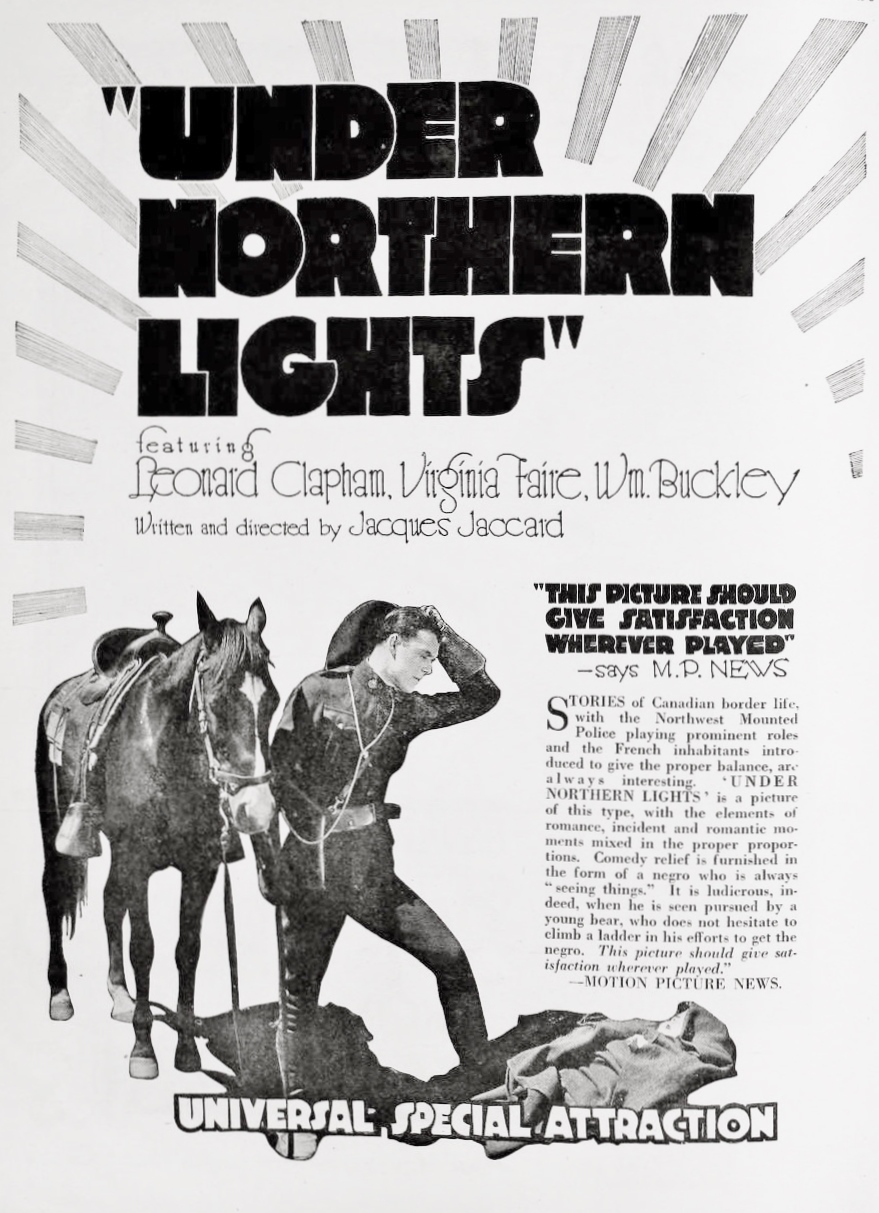
Dir: Jacques Jaccard
Douglas MacLeod of the Royal North West Mounted Police is in love with Suzanne Foucharde, who has adopted an abandoned Indian baby, the illegitimate child of Louis La Rocque and Na Fa Kowa. When La Rocque insinuates that the baby is Suzanne's, her brother Henry defends his sister's honor and kills the villain. In spite of his love for Suzanne, it is Douglas' duty to arrest Henry. He does so, but later allows him to escape, taking the bullet himself that was fired after Henry by Constable Burke. Meanwhile, the dead body of Na Fa Kowa is found, accompanied by a note proving that the Indian was the baby's mother. In the spring, when Douglas recovers from his wounds, he and Suzanne are married.
View Details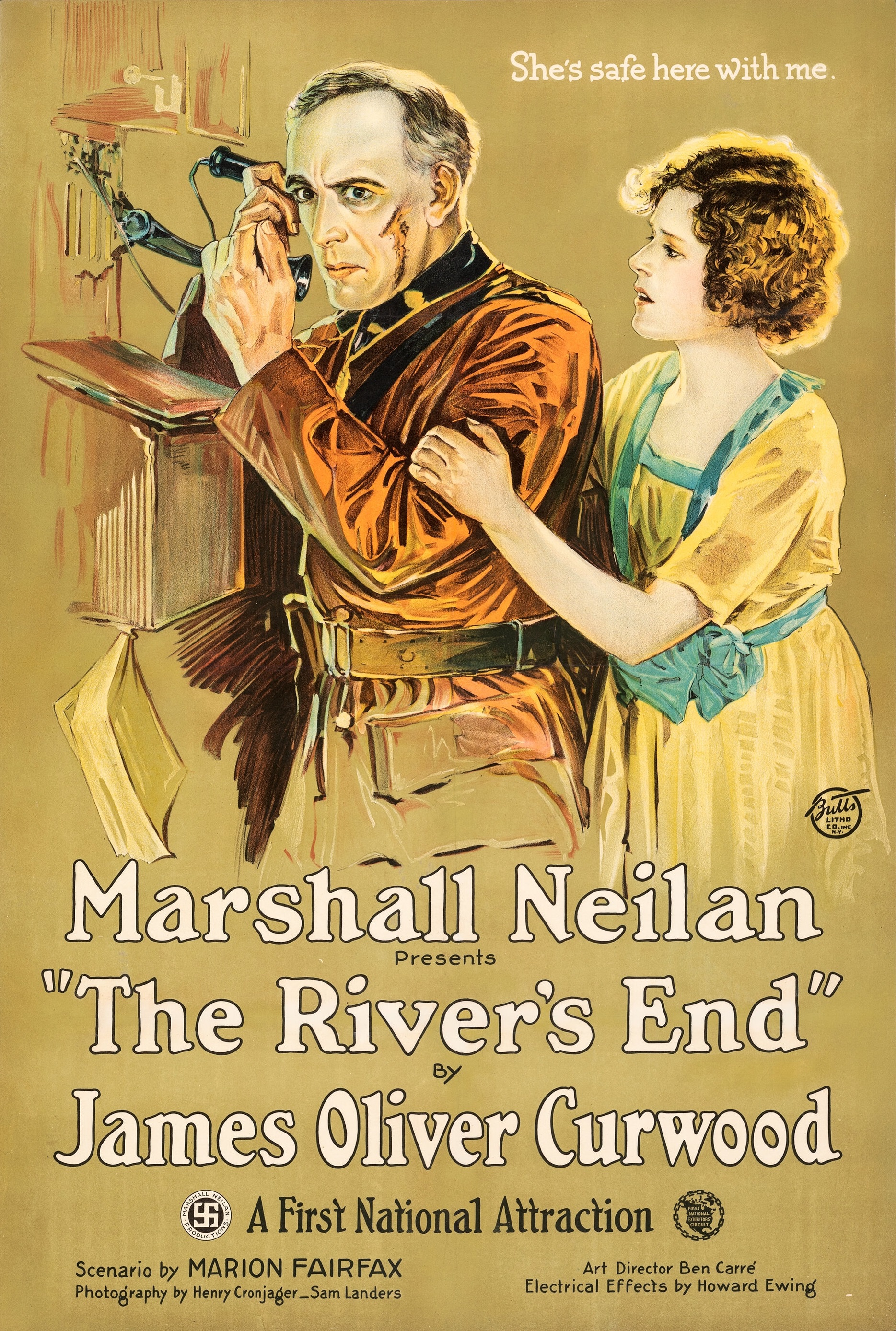
Dir: Victor Heerman
In the gold fields of the Canadian Northwest, a man is falsely accused of a crime and determines that a lookalike is responsible.
View Details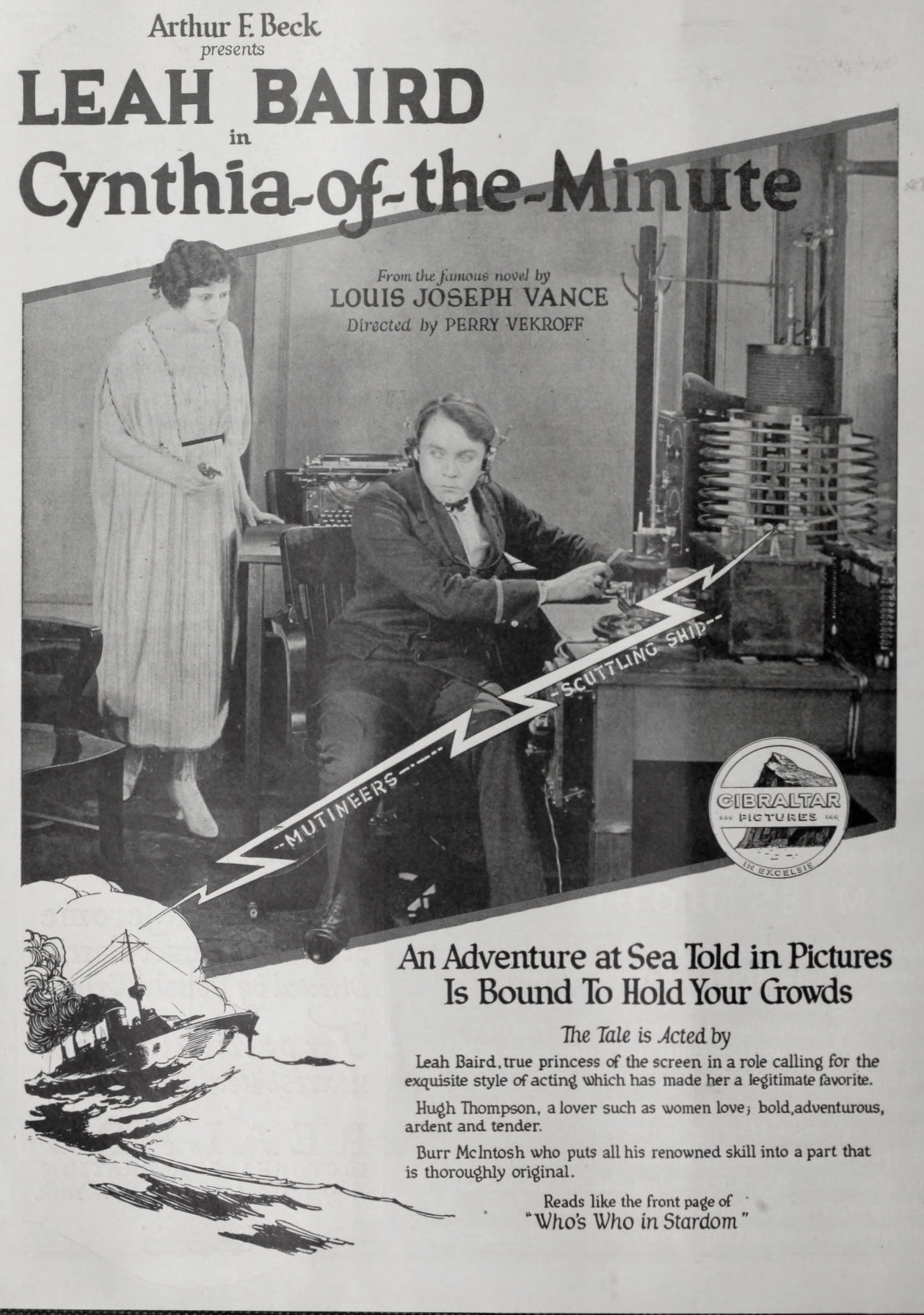
Dir: Perry N. Vekroff
While in New York seeking work, Cynthia, a young English girl, meets Bruce Crittenden and George Rhode who introduce her to Madame Savarin, a wealthy woman seeking a companion for a sea voyage. She hires Cynthia, and while at sea, Cynthia discovers that Bruce is the ship's purser. Cynthia's father was a famous wireless expert who taught her how to read code, which enables her to overhear a plot to sink the ship and steal Mrs. Savarin's jewels. Soon after, the crew mutinies, and while Rhode and Bruce fight the crew, Cynthia sounds the alarm. As he is attempting to foil the jewel thieves, Bruce falls overboard, and Cynthia swims to his rescue with the jewels strapped to her back. They are rescued by a government patrol boat and taken back to New York where Cynthia and Bruce are married.
View Details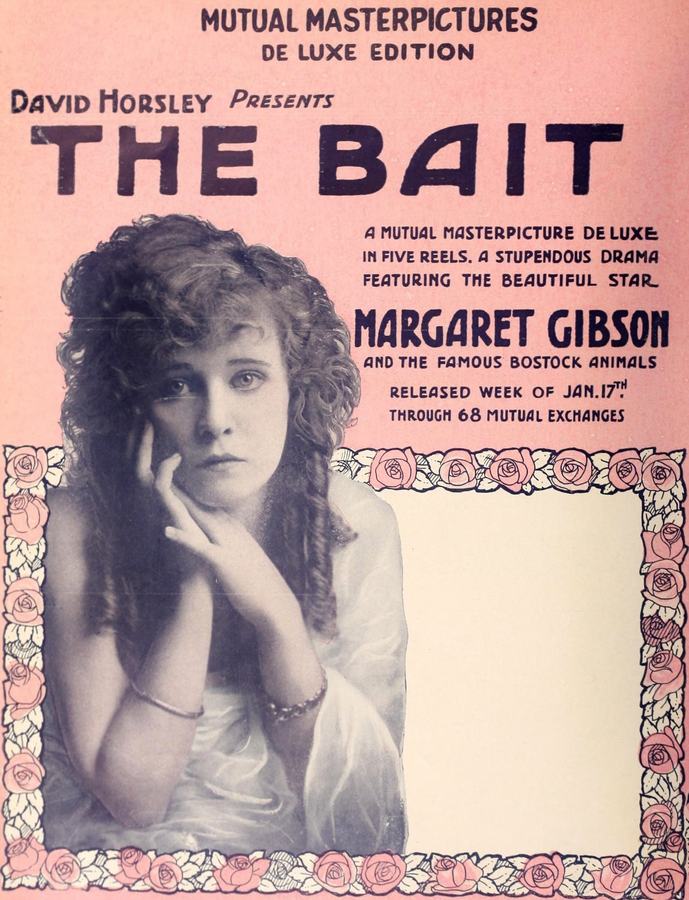
Dir: William J. Bauman
Symbolisms: "The Trap." Scene 1: A bear trap on the ground; a man's hand enters the picture from above, presses down the jaws, shows how they work, and as they spring back into place his hand begins to scatter the leaves over the trap. Scene 2: Close-up of a saloon doorway, showing the swing doors opening in and springing back to place. The movement is the same as the bear trap. "The Bait." Scene 3: A bear trap is shown on the ground covered with leaves. A man's hand enters from above with a leg of meat. He holds it above the trap for a moment then lays it gently on the trap. Scene 4: The saloon swing doors are again drawn back by unseen bands and as they open just wide enough to make a panel in center of picture "Margot, the bait," is shown sitting on the edge of a table, and talking and laughing to unseen people. "The Game." Scene 5: Close-up is shown of rocky background. A puma is shown coming from behind the rocks with a snarl. Scene 6: Close-up of exterior of barroom doors. Camera shows Ed Mitchell, the stranger, halt intoxicated and a man's hand on his shoulder trying to lead him into the barroom. He registers disinclination, laughs in maudlin manner. Man's hand urges him in. Camera then shows Tom, the gambler, with his arms reaching out toward Mitchell; he opens doors and gently pushes Mitchell through. The story opens in a symbolic vein: the bait, the game, the trap. The analogy is drawn between the catching of big game with the usual bait in the trap, and the luring of big game with the bait of lovely but pathetic Margot, victim of a low man whom she believes to be her husband, and who has her in his power through a hold upon her father. The bait is sent into the saloon to fleece "the stranger" with the big roll. He discovers the game, the trap and the bait and a shooting tray takes place. Tom, the gambler, is badly wounded, and his partner in the game, "Old Bill," is slightly injured. Margot, believing Tom dead, escapes with her father. The scene then switches to the big trapping vicinity of which Bruce Powell, the trapper is the big man. He is shown trapping pumas. "Old Bill" and Margot make their way across country. A trap has been laid for game and "Old Bill," stumbling with exhaustion and illness, falls into it. Margot's screams attract Powell, who hurries to the scene. He carries the old man to his cabin where he expires after confessing to Margot that Tom was not her husband. The trapper soon learns to love the girl. Four months later they are happily married when the vultures, headed by Tom, arrive in the community, having exhausted the old fields. The wages have been dissipated and the next check being belated the trappers mutter and rebel against Powell, the paymaster, holding him responsible. Powell draws his own earnings from the bank and by announcing that the money is forthcoming stems the tide of rebellion. The father of Greta, the child of a neighbor, cared for by Margot, spends his hours in the saloon gambling and drinking. Margot, with Greta, goes to the saloon to get the derelict and is discovered by Tom. He follows her to her cabin. Powell has placed his money in his home for safekeeping. Tom makes Margot give him the money while Powell is absent. Arriving home he discovers his loss and attributes the crime to some outsider. The men, hearing of it, are calmed by the arrival of the belated payroll. Meantime, Tom fleeces the trappers of their remaining wages. Powell comes to the saloon and announces that the men are to be paid. Tom recognizes the purse of Margot, which Powell carries, and makes reflections upon Margot's character. Powell threatens to kill him if he finds he lies. In the meantime the trappers have left the bunk house for the paying station. Tom steals the money which the trappers have pooled from their earnings, leaving the big knife of Powell to deflect the blame. Tom then goes to Powell's cabin and demands that Margot turn over the money to him. She promises to meet him later with the money. Mitchell, the stranger, who also comes to the community, overhears the conversation. Margot meets Tom. The scene is witnessed by Powell from the distance. Margot leads Tom to a trap, killing him. The trappers, receiving no money and finding their fund stolen, suspect Powell through finding his knife. They hurry to string him up and find him lifting the dead Tom from the trap. Mitchell suggests that they search the body of Tom. The stolen money is found. Mitchell then looks at the fainting Margot and the stricken trapper. He leads the mob away from the scene, saying that the settlement is between these two souls. Powell's arm goes around Margot in love and protection and they go toward their cabin.
View Details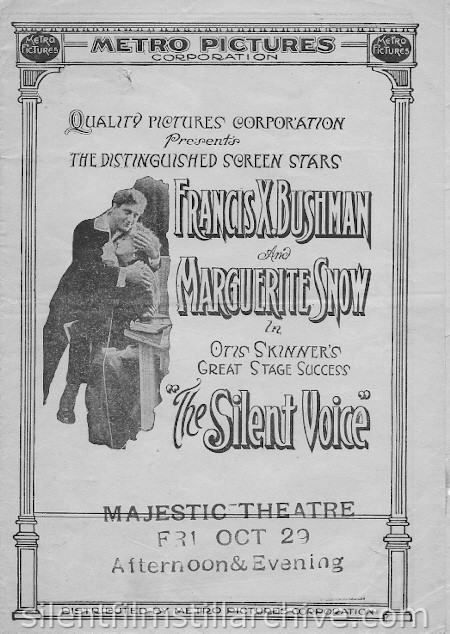
Dir: William J. Bauman
Franklyn Starr, a talented and wealthy young musician, suffers a double misfortune in the sudden loss of his hearing and in the death of his Mother to whom he is deeply attached. He loses his generous, joyous nature and transforms into a gloomy and despondent misanthrope. Sensitive about his deafness, he retires to an isolated home in the country, his sole companion being his faithful servant, and lives the life of a hermit. Wandering in the woods, he is unable to hear the workmen's warning cries and is injured in an explosion, Marjorie Blair, a young society woman, riding nearby, comes to his rescue and aid. Upon his recovery, he and Marjorie have fallen in love and are married. Just when their future looks the brightest, Bobby Delorme, a relative of Starr's, takes advantage of a past innocent flirtation with Marjorie, and creates a situation in which Starr believes that Marjorie has been unfaithful to him. He again becomes embittered.
View DetailsAnalysis relative to The Avenging Arrow
| Film Title | Atmosphere | Complexity | Similarity |
|---|---|---|---|
| The Flame | Surreal | High | 97% Match |
| Stronger Than Death | Ethereal | Layered | 85% Match |
| The Hundredth Chance | Gritty | Dense | 87% Match |
| The Tiger's Coat | Gothic | Abstract | 88% Match |
| From Broadway to a Throne | Surreal | Linear | 89% Match |
This guide was algorithmically generated using the cinematic metadata of William J. Bauman's archive. Last updated: 6/27/2026.
Back to The Avenging Arrow Details →