
DbcultAccessing Vault...
Recommendations
Senior Film Conservator
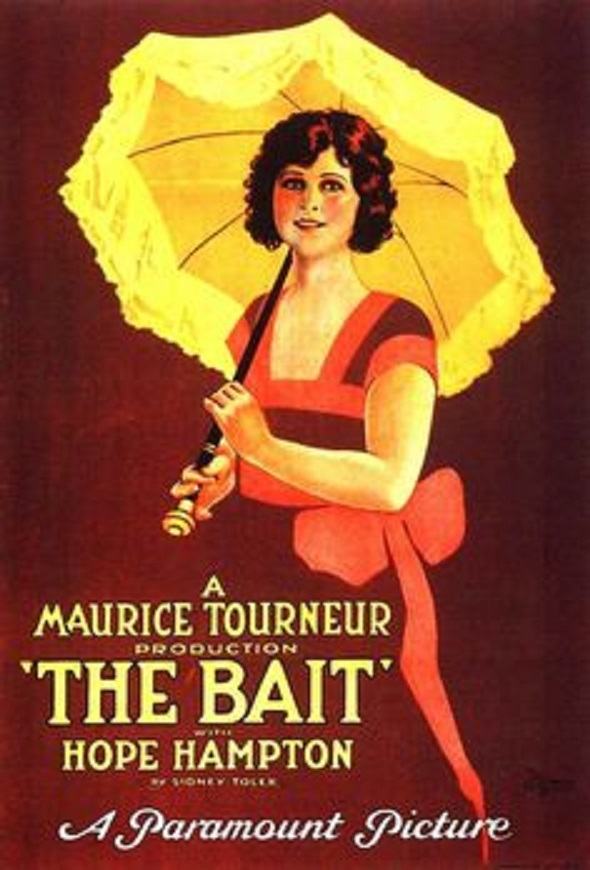
In the vast archive of Crime cinema, The Bait stands as a poignant storytelling beacon, the narrative complexity found here is a rare find in the 1921 landscape. From hidden underground hits to established classics, these are our top picks.
Few films from 1921 manage to capture to explore the darker corners of the human condition with poignant storytelling.
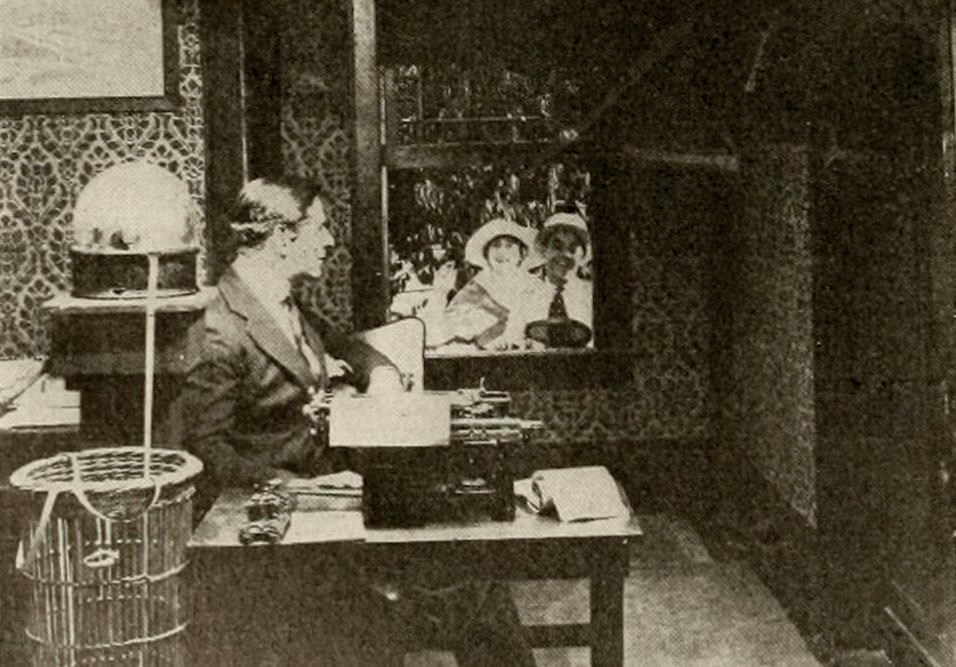
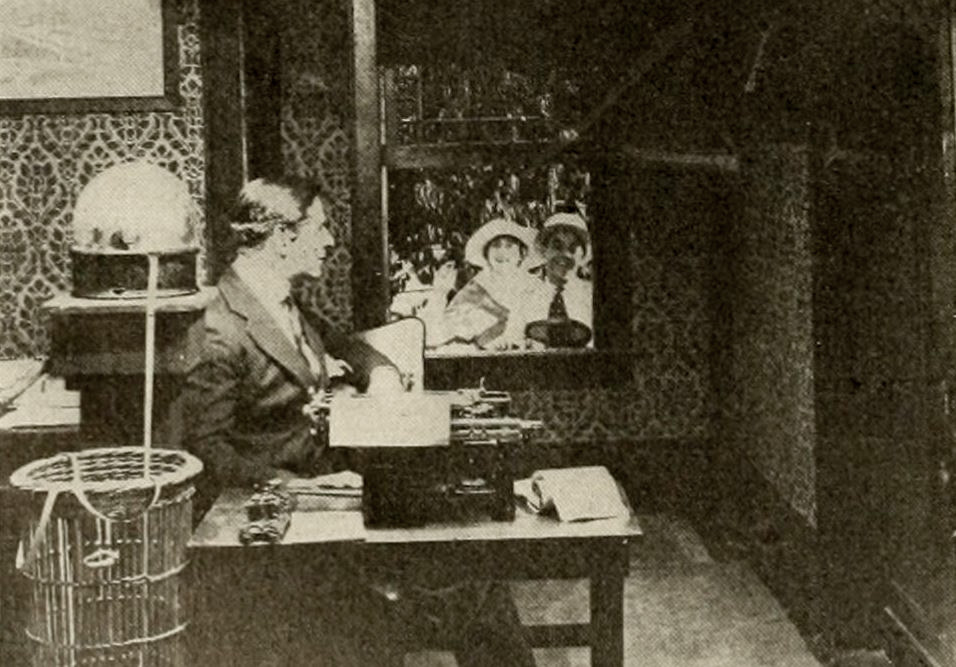
Crook Bennett Barton uses pretty Joan Granger as bait to blackmail millionaire John Warren.
The influence of Maurice Tourneur in The Bait can be felt in the way modern Crime films handle poignant storytelling. From the specific lighting choices to the pacing, this 1921 release set a high bar for atmospheric immersion.
Based on the unique poignant storytelling of The Bait, our vault has identified these titles as the most compelling follow-up experiences for fans of Crime cinema:
Dir: Maurice Tourneur
When he is ruined by speculating in the stock market by bogus tips given to him by Charles Wainwright, George Garrison commits suicide, but before his death he begs his son Henry to avenge him. Henry goes West and makes a fortune prospecting, then returns to New York and assumes the name of Henry Thompson. He becomes Wainwright's protege and falls in love with his daughter Dallas, then is elected mayor of New York, backed by Wainwright's friend, political boss Richard Horrigan. In return for Wainwright's support, he is supposed to sign a franchise binding the city to the financier's railway. Henry refuses, so Wainwright and his flunkies attempt to discredit him by dredging up an old murder charge, but the charge is proved false when the supposed victim, Henry's partner Joe Standing shows up. Finally, Henry confronts Wainwright, accuses him of causing his father's death and of attempting to defraud the city. Despite his denunciation of her father, Dallas proclaims her love for Henry. In an epilogue, the hands of the victims of political boss Horrigan clutch at him from the grave.
View Details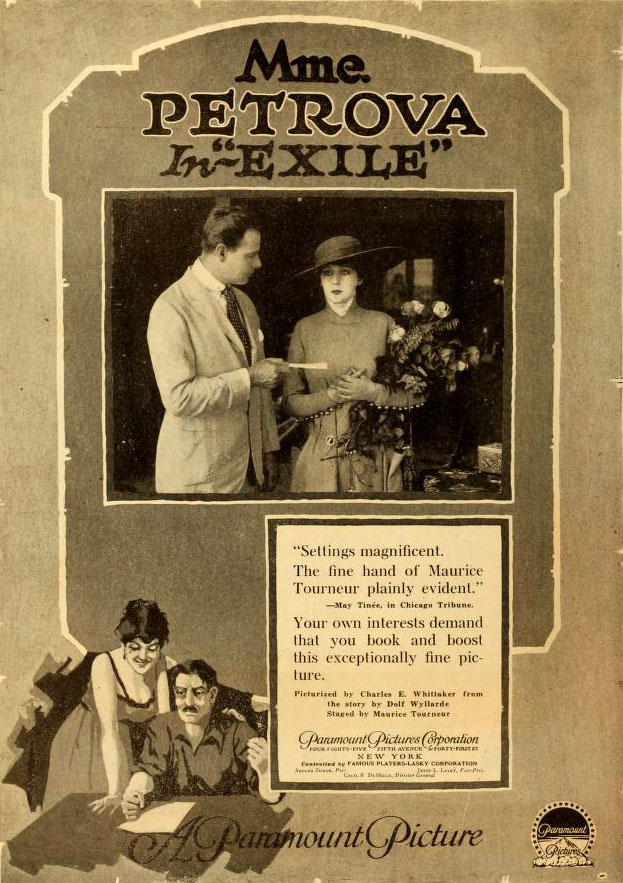
Dir: Maurice Tourneur
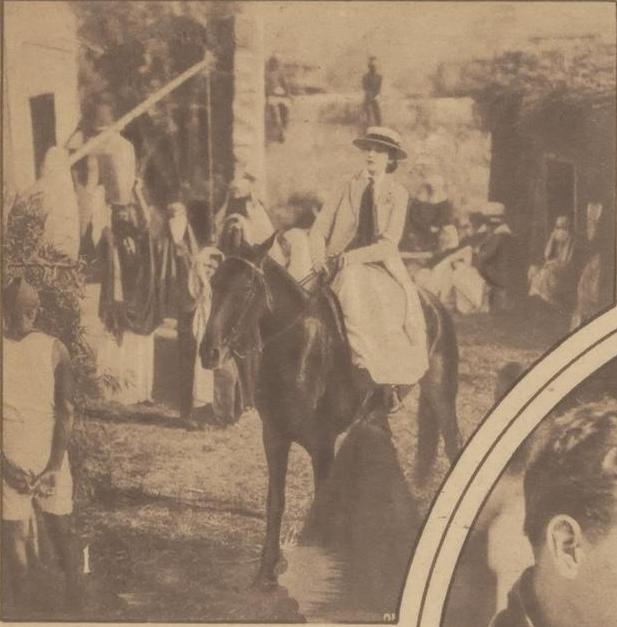
Vincento Perez, the governor of the Portuguese colony of Exile, is an unscrupulous and brutal man who is hated by the natives. Furthering his schemes, Perez tries to force silk dealers out of business, and reveals his plans to government engineer Richmond Harvey in a letter appealing for the American's help. The engineer threatens to expose the plot and Perez, facing ruin and death, sends his wife Claudia to Harvey to offer herself in exchange for the letter. In Harvey's bungalow, Claudia confesses her love for the American who, refusing to take advantage of the situation, offers her the letter. She returns to her husband, only to meet with humiliation. After much abuse, the natives finally rebel against the governor who is lynched by the mob. Claudia is rescued by Harvey and the two face a happy future together.
View Details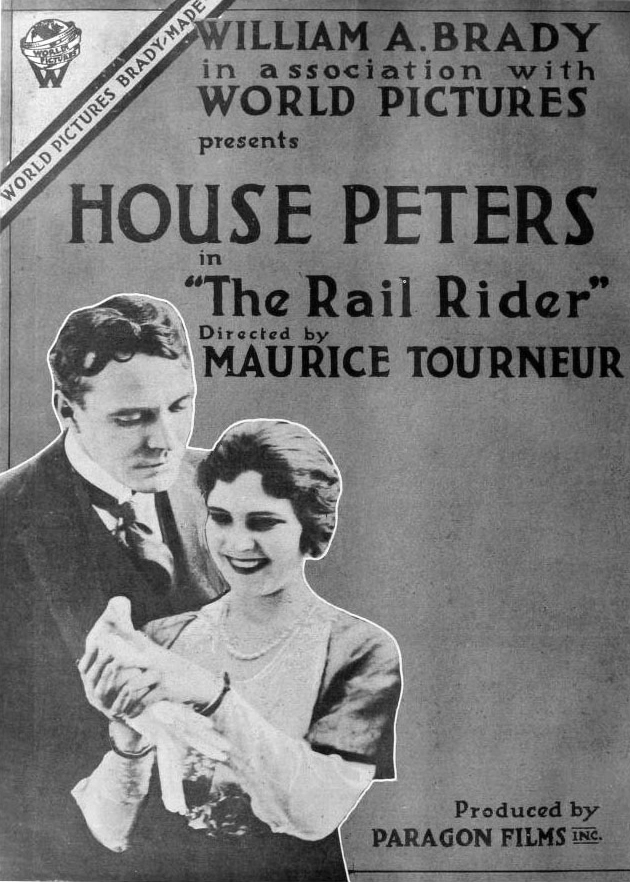
Dir: Maurice Tourneur
For 10 years the men of the D. and O., a short line, have been at the mercy of "B," supposedly Barker, president of the railroad. The line itself is run from the executive offices in New York, far distant, and none of the men have ever laid eyes of "B," yet the smallest transgression, accidental or otherwise, of the railroad's rigid and economical discipline results in a telegraphed order from "B," decreeing the fine, suspension or other punishment for the offender. Latterly, it has amounted to almost persecution and the men are on the verge of a strike. The climax comes when 48, the passenger train driven by Jim Lewis, goes off the rails on a soft spot and ties up the whole system for a day. When 48 finally limps into Wellsdale, the eastern terminus, "B's" decision is waiting for Lewis, two weeks' pay as a fine and six months' probation on a yard engine. The punishment starts a riot. The men agree to send Lewis to see Barker. Lewis calls on Barker. Barker receives Lewis, and instead of the hulky, brutal man he expected to find, Barker is an elderly, kind old gentleman, with a charming family. Mildred, his daughter, impresses Lewis. At last, Lewis, much bewildered, accepts an invitation to dinner with the family. In the morning Lewis learns that "B" is Brown, the manager. With a card from Barker he seeks an interview, but learns the manager has decamped, taking all the negotiable funds of the road. Lewis, thinking of the girl he met the night before, asks for and gets the job of running down "B." After considerable detective work he locates a man he has reason to believe is his quarry. With the aid of a bellboy, he gets a tip on the departure of the suspect and as the fleeing man enters a machine Lewis grabs him. There is a fight, which ends in Lewis's victory. Jim Lewis returns in triumph to New York with the stolen goods licked in a brand-new bag, and reaches Barker's house in the early evening, just as a group of D. and O. magnates are deciding that the road is gone and done for. Jim is the sort of stuff the road needs in its executive offices, and barker states that he is to come in to New York to be trained. Jim parts with Mildred on his way out, but to their mutual satisfaction it is only "au revoir." The future is rosy for Jim Lewis, and the boys of the road have gained more than they hoped when they sent him to see "B."
View Details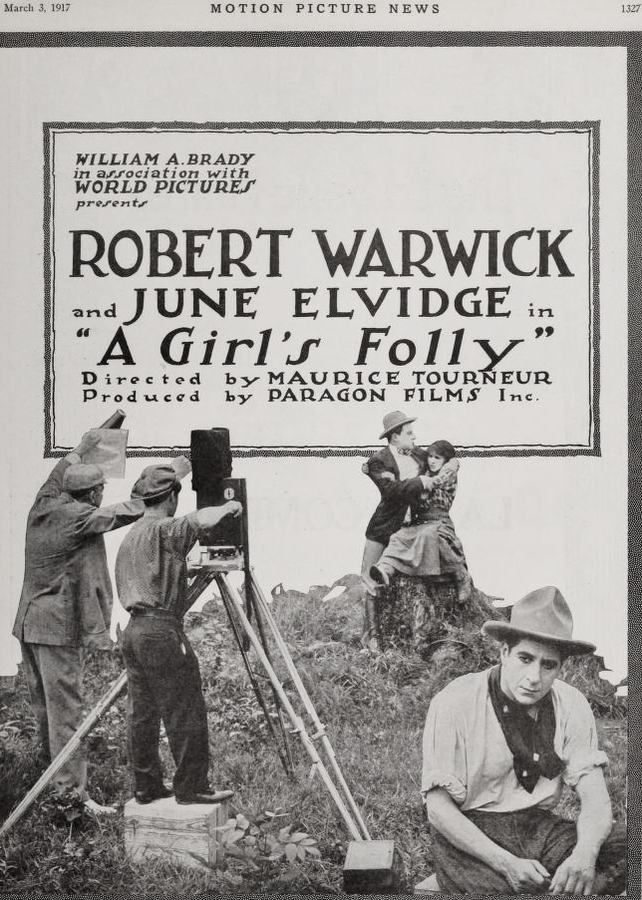
Dir: Maurice Tourneur
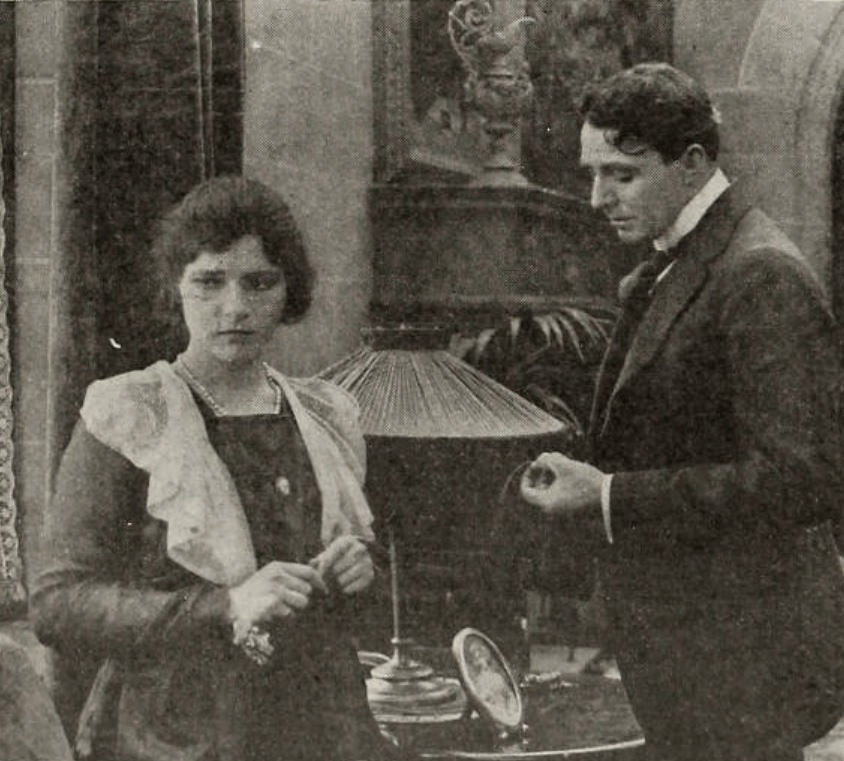
A restless young girl yearns to leave her rural environment and "get away from it all." One day she stumbles upon a film crew shooting a Western near her home. She makes friends with the film's leading man, who encourages her to try her luck as an actress, so she leaves her small town and goes to the big city to break into the picture business. However, things don't turn out quite the way she planned.
View Details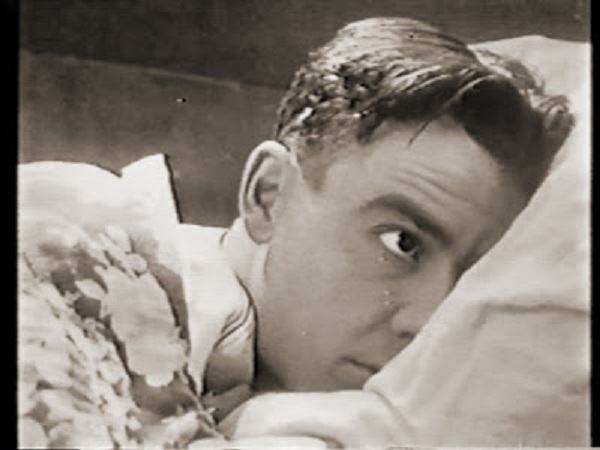
Dir: Maurice Tourneur
Editor of the Louisville Gazette sends happy-go-lucky cub reporter Steve Oldham to cover a feud in the hills that began when Jim Renlow's pig was caught eating Bill White's turnips. Although Steve tries to remain impartial, he falls in love with schoolteacher Alice Renlow. At a "Truce Dance" given to raise money for Alice's salary, Steve drinks too much and innocently kisses Peggy White, who then tells her relatives that they are engaged. Later, when Steve is seen kissing Alice's hand, the Whites take Steve captive and plan to shoot him at sunrise. Alice pleads with Tilden White, who loves her, to allow Steve to escape, but he agrees only if Steve will leave alone. When Steve refuses, Alice confesses her love. They fight until the house which they are occupying is destroyed and the cavalry, notified by Steve's newspaper, arrives. The two sides are now reconciled as Steve and Alice prepare to marry.
View Details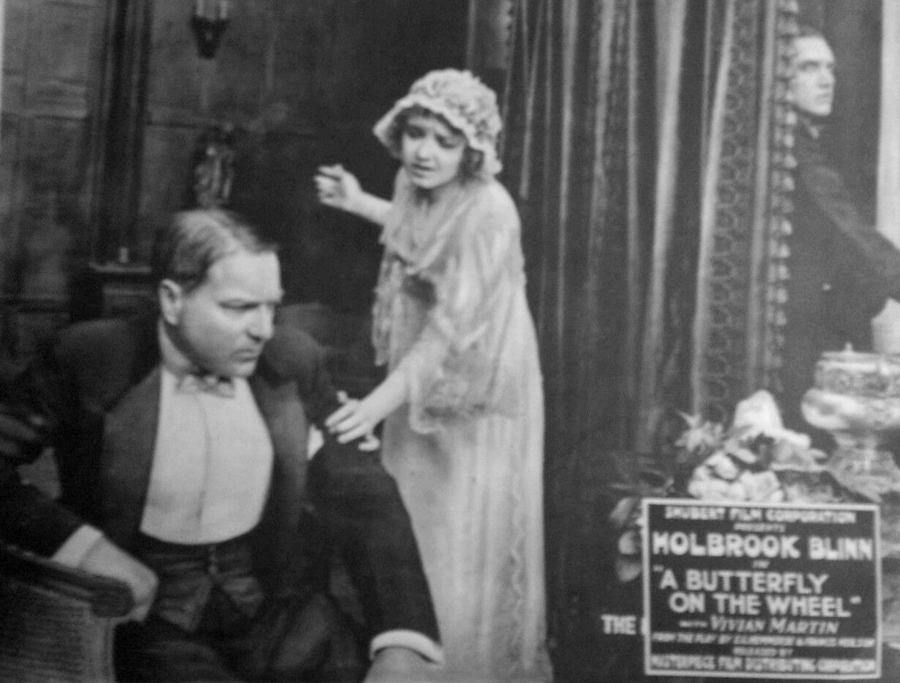
Dir: Maurice Tourneur
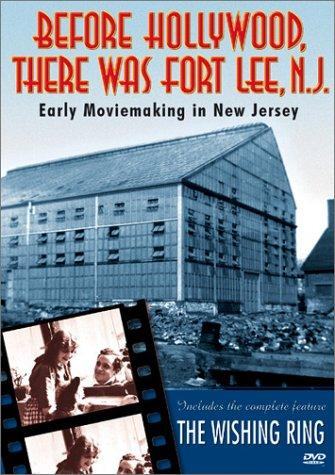
Peggy Admaston and her husband are socialites whose happy marriage quickly deteriorates as Admaston neglects his young wife for business matters, and is unaware of her loneliness and vulnerability. When Peggy is wooed by Admaston's friend Collingwood, who acts on his feelings without regard to consequences, she grows fond of him, but remains faithful to Admaston. After socialite Lady Attwill causes Admaston to doubt his wife's fidelity, his suspicions are furthered when a fire erupts one evening at the theater, and Admaston returns home unexpectedly to find that Peggy, who refused to accompany him because she said that she did not feel well, entertained a male visitor that evening. Admaston arranges to trap Peggy and Collingwood together at a country roadhouse, and begins divorce proceedings based on the resulting strong circumstantial evidence. Later, Lady Attwill convinces Admaston that Peggy's friendship with Collingwood was innocent and the couple is reunited.
View Details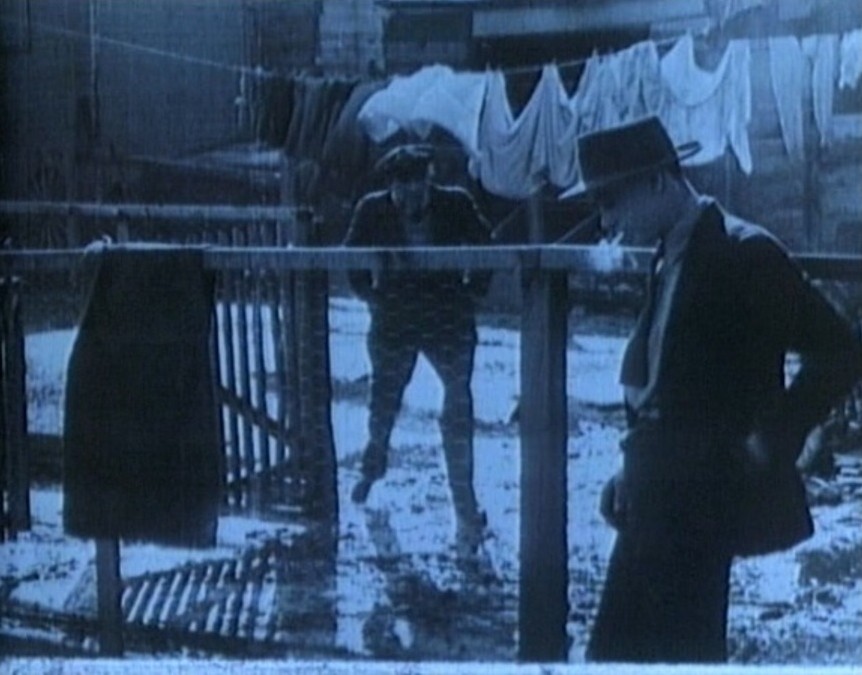
Dir: Maurice Tourneur
After robbing a bank, a criminal is wrongfully pardoned from prison.
View Details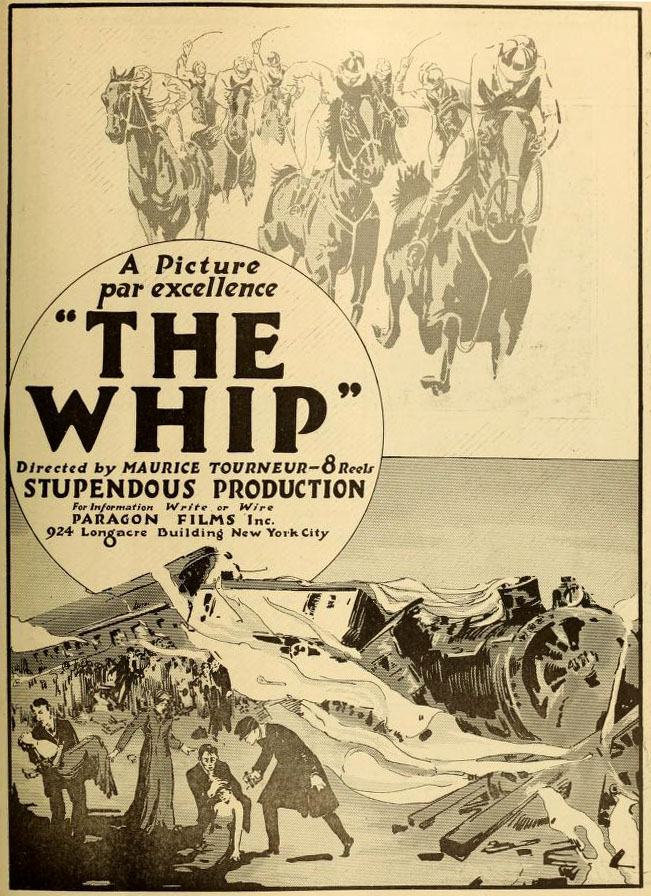
Dir: Maurice Tourneur
The story of the training of a racehorse, the Whip, of the amnesiac nobleman who loves the horse, and of the villains who attempt to keep it from racing.
View Details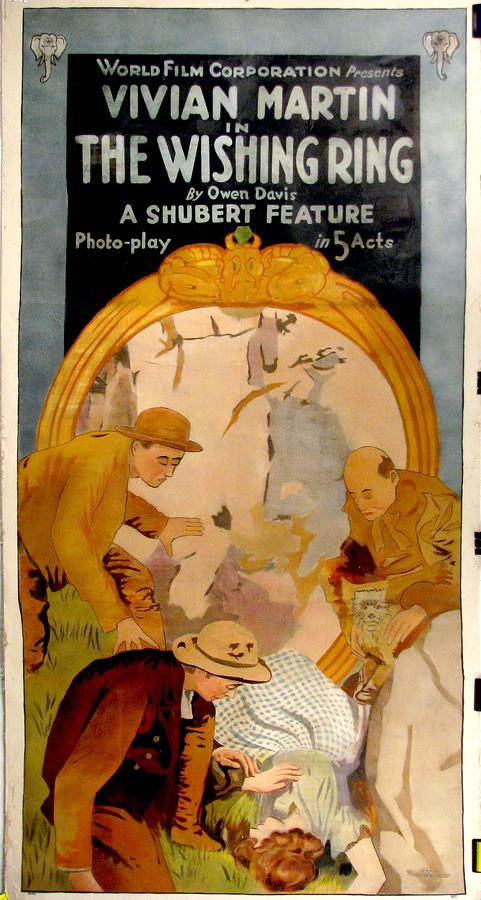
Dir: Maurice Tourneur
After being expelled from college, Giles runs away from home and meets and falls for a young lady.
View Details
Dir: Maurice Tourneur
James Kestner is a government secret agent on the trail of a band of counterfeiters and particularly anxious to locate the head of the gang, Frank Lambert, who, in addition to his skill as a counterfeiter, is known to the underworld as the only man who can fill in the perforations of a used bank check. Kestner locates the band in their underground work shop near the river front. He cleverly maneuvers his way into the headquarters of the band when it is empty, but is caught in the act of searching for incriminating evidence by "Bull's Eye" Cherry, a clever girl crook, and one of the mainstays of Lambert's crowd. Lambert and his daughter, who has been educated in crime by her father, return to find Kestner held at the point of Cherry's revolver. Lambert is for killing the detective outright. Impressed by Kestner's brave demeanor, Maura intercedes in his behalf, but finding her father determined in his intention to kill the government agent, she pretends that the police are outside. The counterfeiters make their escape without settling accounts with Kestner. Kestner locates the criminals in their new quarters. One of his assistants trails "Bull's Eye," who has the new counterfeit plates in her possession, but she cleverly evades capture and returns the plates to Lambert's headquarters. Kestner forces his way into the gang's rooms, arriving just in time to witness a desperate battle between Lambert and Tony Morello, one of his accomplices, whose passion for Maura has led him to attempt to force his advances upon her. Lambert kills Morello with a knife, but before dying the man acquaints Maura with the fact that Lambert is not her real father, but that he stole her when a baby and reared her to this life of crime. Kestner places Lambert under arrest, but the crook evades capture a second time by a ruse. Kestner's assistant arrives with the police, but Kestner permits Maura to go free on account of her having saved his life on the occasion of their first meeting. Kestner is determined to capture Lambert single-handed. He trails him to a midnight rendezvous on a wharf, where he and Lambert fight it out to a finish. The revolver battle between the two men in the dark culminates in a hand-to-hand encounter in which Kestner ultimately proves victor, but has barely strength enough to handcuff himself to his unconscious opponent before collapsing. In the end Kestner induces Maura to return to the straight road, and she takes up her home with his mother. The story closes with the intimation that the romance so strangely begun will lead, as time passes, to a life of happiness for them, together.
View DetailsAnalysis relative to The Bait
| Film Title | Atmosphere | Complexity | Similarity |
|---|---|---|---|
| Man of the Hour | Gothic | Linear | 85% Match |
| Exile | Surreal | High | 91% Match |
| The Rail Rider | Gothic | Abstract | 97% Match |
| A Girl's Folly | Surreal | High | 96% Match |
| The Cub | Ethereal | High | 98% Match |
This guide was algorithmically generated using the cinematic metadata of Maurice Tourneur's archive. Last updated: 6/26/2026.
Back to The Bait Details →