
DbcultAccessing Vault...
Recommendations
Senior Film Conservator
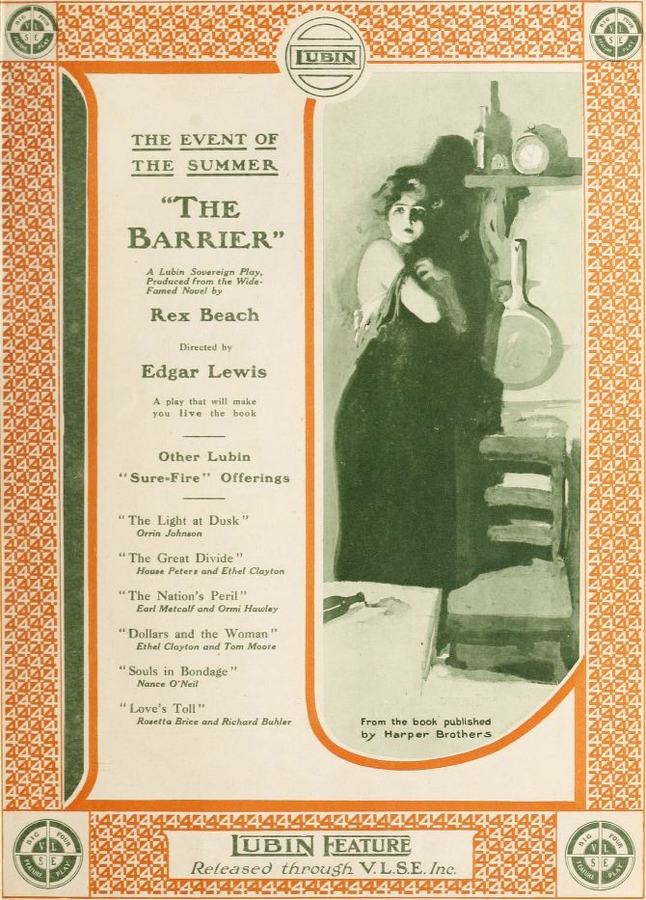
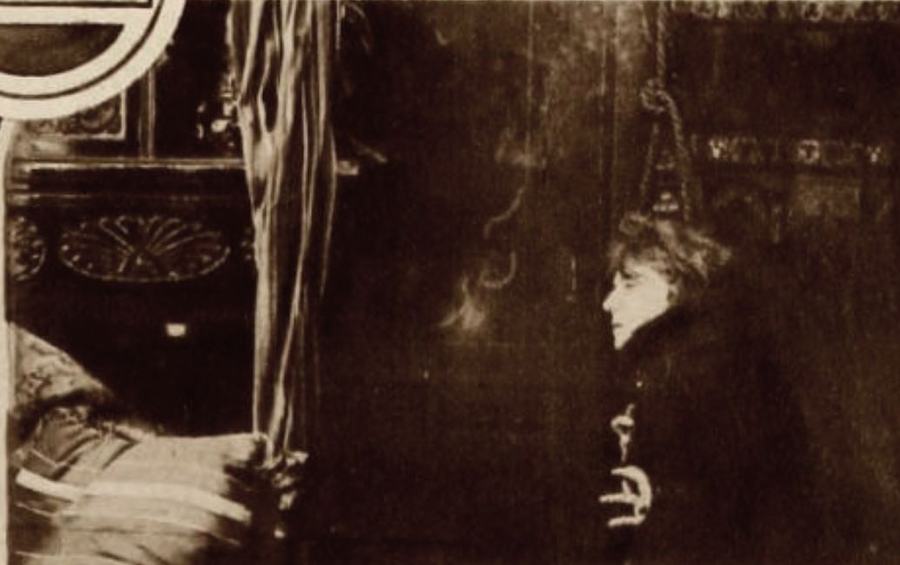
The United States-born brilliance of The Barrier offers a unique stylistic flair, the juxtaposition of stylistic flair and narrative makes it a cult outlier. Dive into this collection and find the spiritual successors to Edgar Lewis's vision.
In the Pantheon of cult cinema, The Barrier to elevate cult to the level of high art.
A barrier stands between Lt. Meade Burrell and Necia, the woman he loves. That barrier is the fact that she's a "half-breed"--half-Indian and half-white, with an Indian mother and John Gale, a white trader, for a father. Although he has proposed marriage to Necia, she releases him from it when she realizes the damage that marrying a half-breed would do to him personally and professionally. One day a man arrives in town with information that could solve everyone's problems.
Based on the unique stylistic flair of The Barrier, our vault has identified these titles as the most compelling follow-up experiences for fans of cult cinema:
Dir: Edgar Lewis
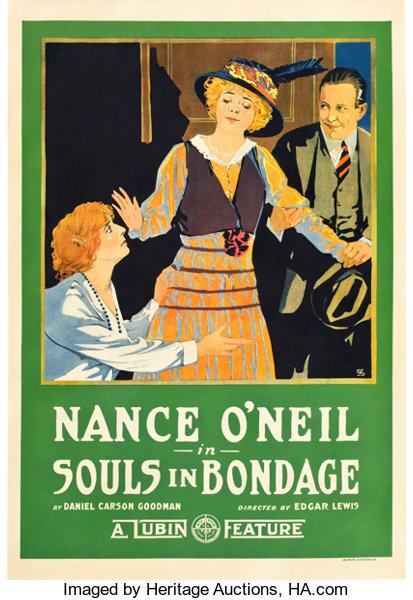
Rosa is looked upon as an outcast, and is always in the shadow of her spoiled younger sister Rita.
View Details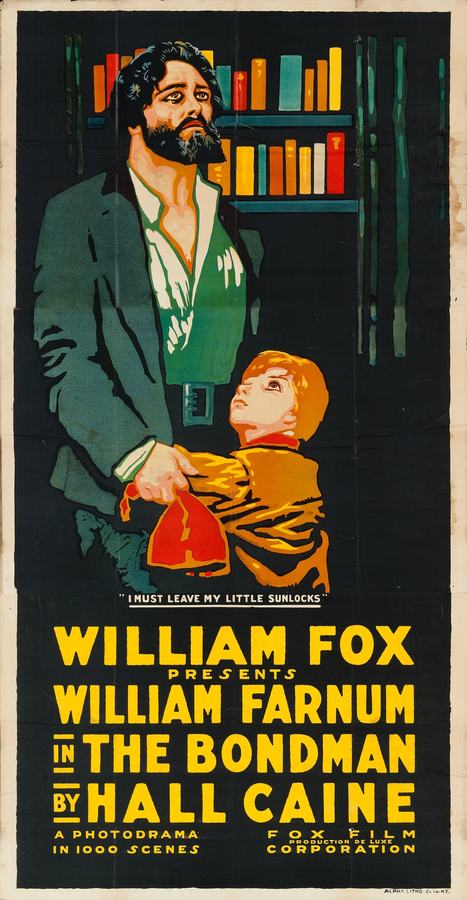
Dir: Edgar Lewis
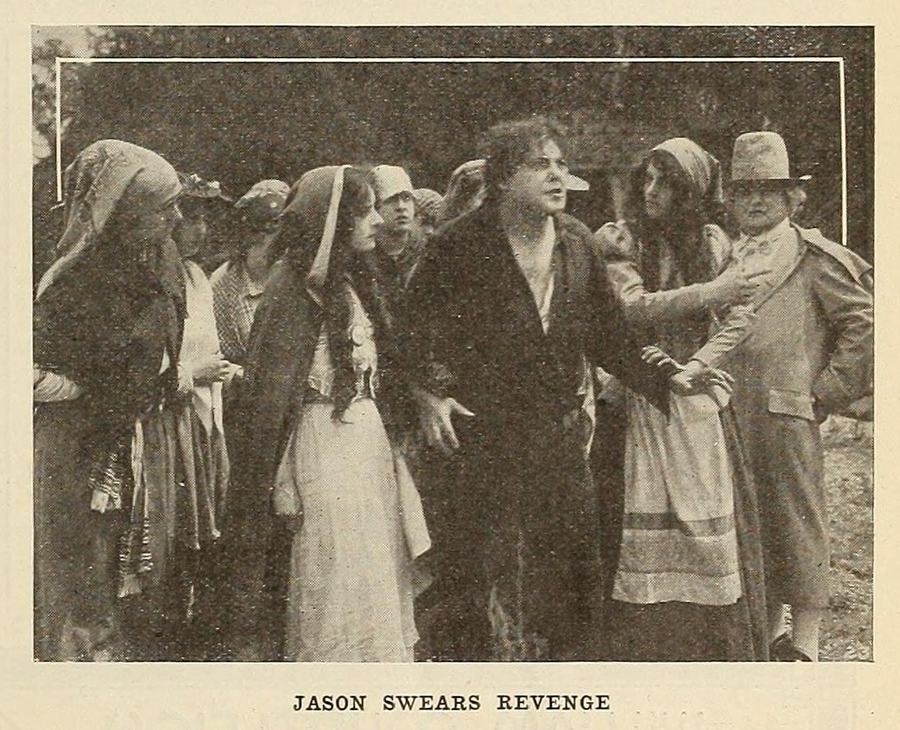
Stephen Orry is an Icelandic vagabond. Rachel, the daughter of the governor of the province, is attracted to him. Her father, who is against the relationship, drives her from home, and she marries Orry. But she cannot make a man out of Orry, who runs off to sea. Rachel supports herself and her son Jason, while Orry begins a new life on the Isle of Man. He marries Liza Killey and they have a son named Sunlocks. When Liza mistreats Sunlocks, Orry takes him away to the governor of the Isle for safekeeping. After Rachel dies, Jason sets out for revenge against his father. His half-brother Sunlocks sets out for Iceland to find Rachel and Jason to make reparations, while Jason comes to the Isle of Man. While there, Jason saves his father from drowning, and after his father dies from a natural death, he turns his desire for revenge against Sunlocks. But when Sunlocks becomes a political prisoner, Jason forgoes his revenge and dies in place of Sunlocks.
Dir: Edgar Lewis
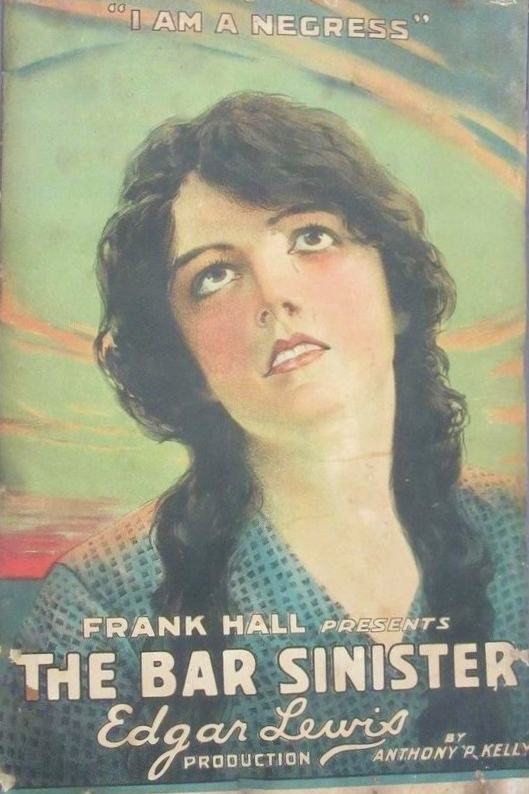
Stolen when a baby by a mulatto woman, who becomes a half-crazed witch, and raises her to beautiful womanhood with the belief that she is her own daughter, Belle cannot bring herself to mix with her race and accept the attentions of a noble character in the person of Ben Swift, in whose veins the blood of the red, white and black races are mixed. A handsome white stranger. Page Warren, from the North, who believes her a white girl, falls in love with her. She returns his love while at the same time hiding the fact that she is the negro witch, Lindy's, daughter. Page incurs the hatred of the bad element among the blacks, while failing to appreciate that there is also a good element among whom are men and women as noble as any of his white companions. He incurs the hatred of Ben Swift, who misinterpreted his attentions to Belle, and resents the mixing of the races, not knowing that Belle has not disclosed her identity to Page. The attacking of Page by a gang of bad blacks, following his fight with one of their leaders, his rescue by Ben Swift, who has learned of Belle's love for the white man. the discovery by Page that Belle is a mulatto, the sensational disclosure of the fact that she is the last daughter of a prominent Southern family, the death of Ben Swift while defending Page and Belle from an enraged mob and the beautiful handling of the subject of the spiritual equality of men makes "The Bar Sinister" an intensely interesting drama with a powerful appeal to all classes.
View Details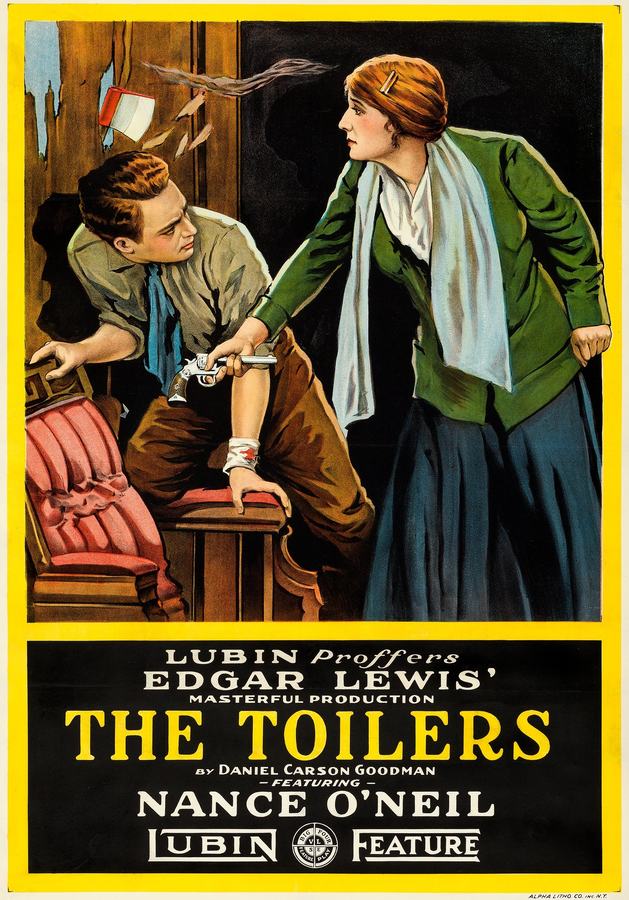
Dir: Edgar Lewis
The scene is set in the Pennsylvania petroleum region. Oil worker William Brett has used his scanty hoard of savings to send his daughter Jane to the city to secure a higher education. Completing her course as a trained nurse, Jane visits her old home. Amid the settlement's corroding influence, her brother becomes a thief. Jane's sister Annie falls a prey to the blandishments of a tempter from the city. Fired with indignation against the injustice of affairs, Jane devotes herself to the double mission of avenging and of righting the wrongs of which her family and the community in general have been subjected. Her father is seriously hurt in an accident at work, and his pay is stopped. Jane hastens to the city, determined to make an effort to awaken William Jameson, the millionaire owner of the oil field, to a realization of the wrongs imposed upon the workers. She arrives at a time when the millionaire's son John Jameson, who glimpsed the light of uplift, is vainly pleading with his father to listen to his plans for the betterment of the workers' conditions. Jane is compelled to force her way into the Jameson mansion during the progress of a bal masque given in aid of the Society for Prevention of Cruelty to Animals. She accosts William Jameson in his study, and wild with anger and further maddened by the millionaire's gibes, she tries to kill him and is arrested by detectives. Although she and young Jameson have not met, the latter is instrumental in obtaining her release. Jane goes back to the workers and a secret strike is formed, Jane being the ring-leader. They determine to fire the wells to teach Jameson a lesson. It is at this time that John Jameson comes to the oil wells to investigate conditions. His identity is not known by anyone except the superintendent. Morgan, the ringleader of the workers, is in love with Jane, and on the eve of the firing of the wells he learns of Jameson's identity by breaking into his cottage. The same evening, to save the property, young Jameson goes to Jane, confesses his identity, and pleads with her to help him save the property. Jane is in a quandary. She has fallen in love with the man, whom she believed to be a workman, and he with her. Finally, when she goes to the meeting place of the strikers and pleads with them to hold off, Morgan, who has just broken into Jameson's hut, rushes in, and accuses her of being a traitor. There is a fight. They trample over Jane and rush to the wells. Jane, realizing that they will turn to her unsuspecting lover and try to kill him, drags herself to him and just in time throws herself in front of him as the strikers rush to kill him. However, John Jameson bares himself to the strikers, asks them to listen to him, and proves to them that he is there on their behalf. He then goes to his father and forces him to give in to the strikers, and all ends happily.
Dir: Edgar Lewis
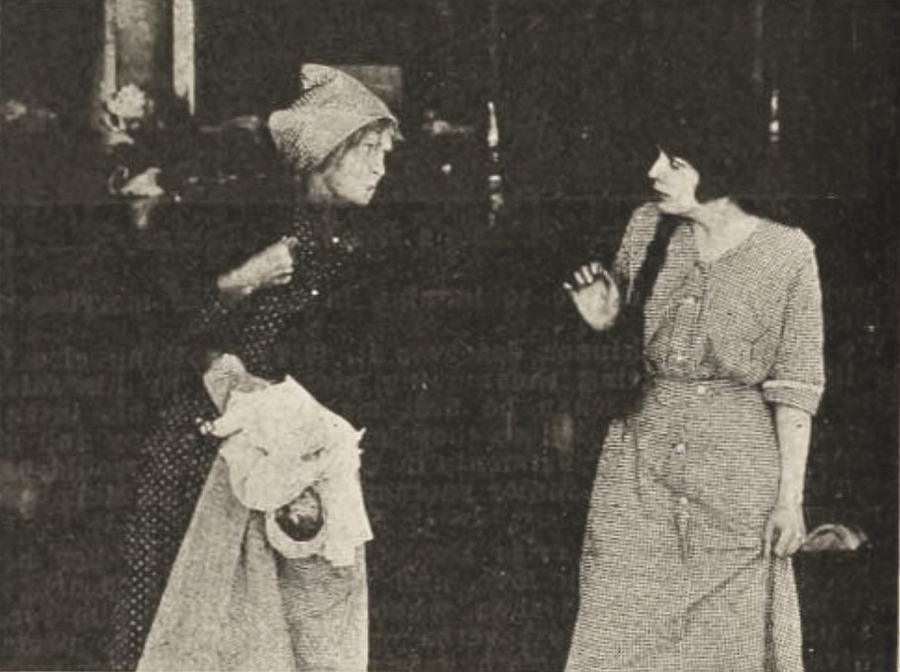
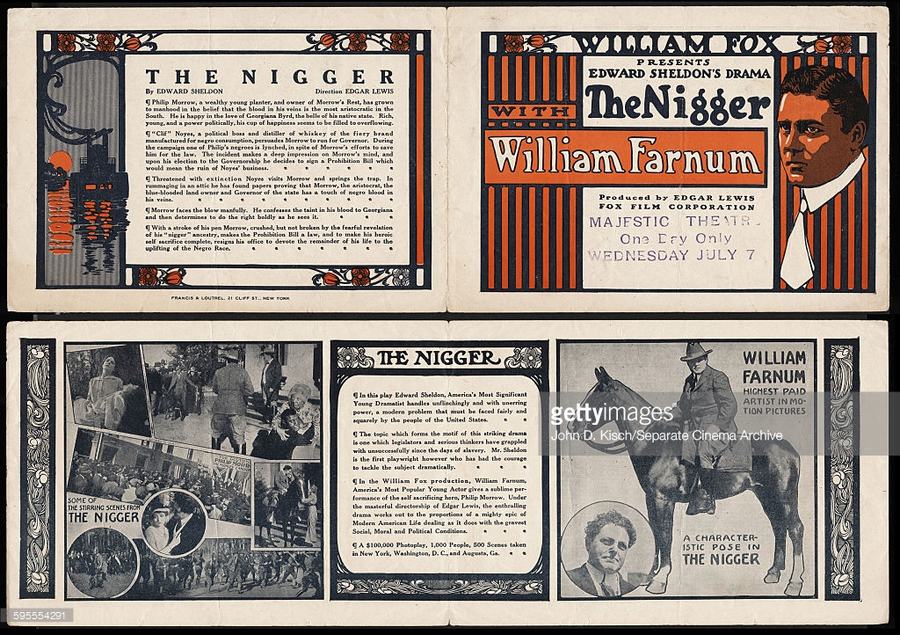
Philip Morrow grows to manhood in the belief that the blood in his veins is the most aristocratic in the South. "Clif" Noyes, a distiller of whiskey of the fiery brand manufactured for consumption, persuades Morrow to run for Governor. Upon his election to the Governorship he decides to sign a Prohibition Bill which means the ruin of Noyes' business. Noyes visits Morrow. He has found papers proving that Morrow has blood in him. Morrow, undaunted, makes the Prohibition Bill a law, and resigns his office and sacrifices his love to devote his life to the uplift of the Negro.
View Details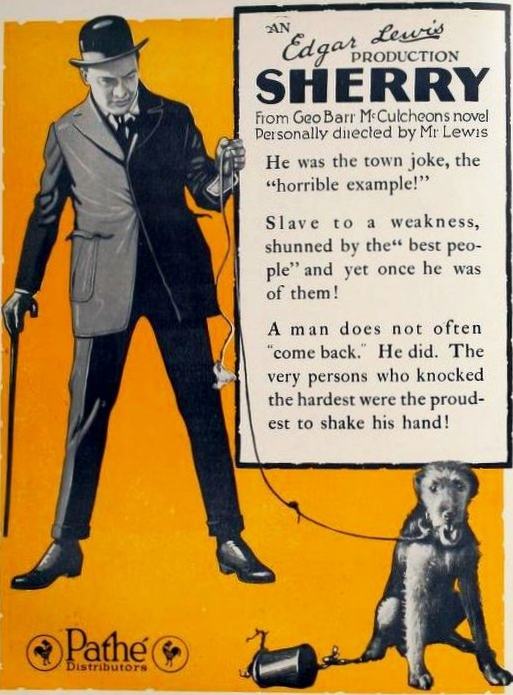
Dir: Edgar Lewis
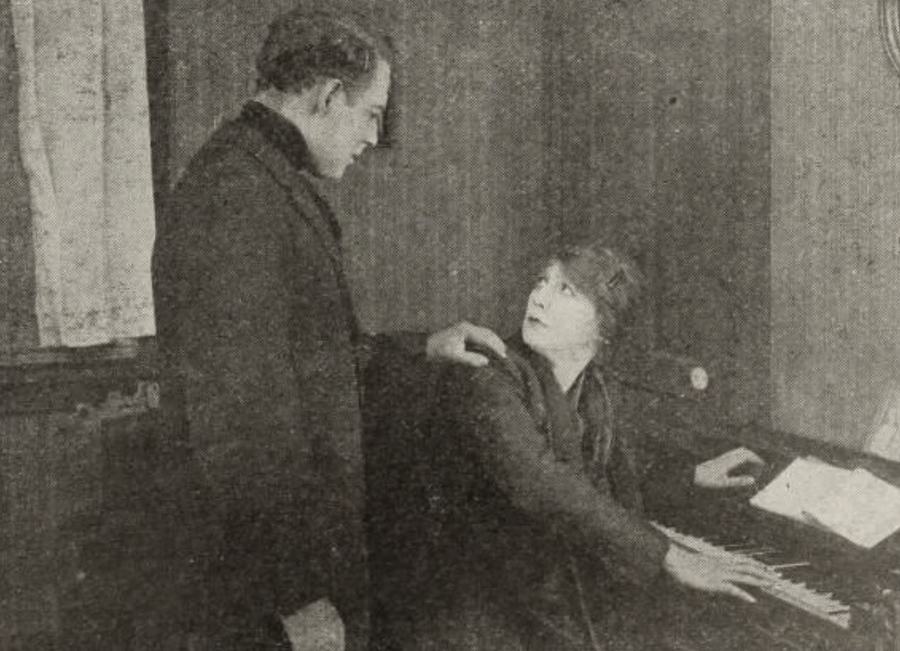
After Sheridan Redpath, known as Sherry, squanders the last of his inheritance on drink, he plucks up his courage and decides to go to work. Employed as a bodyguard by Andrew Gilman, the richest man in town, Sherry is on duty one night when he discovers burglars ransacking the neighboring Compton residence. Entering the house, he captures two men, one of whom proves to be Gilman's stepson. Subsequently, the two rogues break jail and are pursued by the sheriff's posse, of which Sherry is a member. Gilman's stepson takes refuge in his mother's apartments, and in the ensuing gunfire, both son and mother are killed. Sherry then becomes a power in the Gilman business and, once again solvent and sober, marries his sweetheart, Morna O'Brien.
Dir: Edgar Lewis
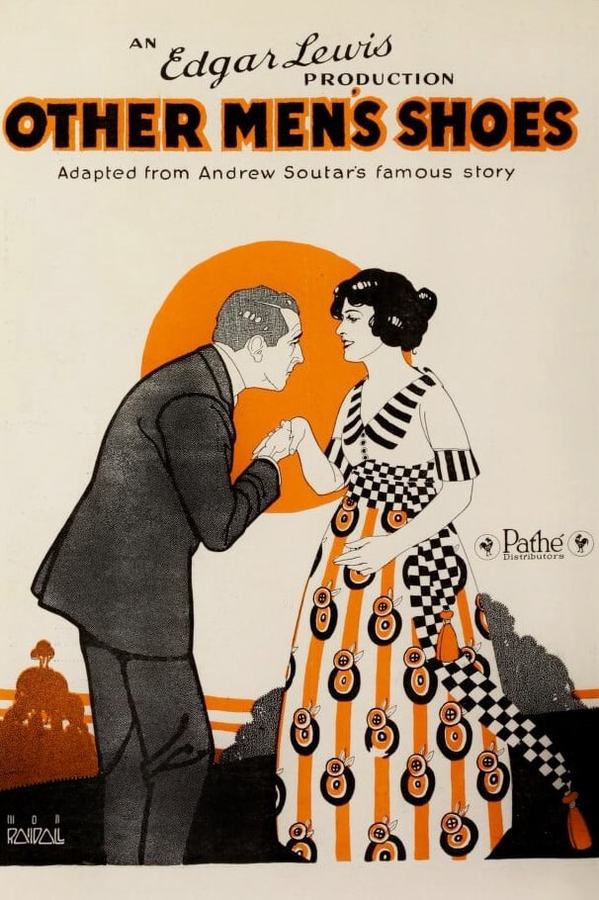
Stephen Browning, a minister in a small city, is unable to cope with the strong opposition in his parish, which is fostered and led by Raphael Creeke, his rival for the love of Irene Manton. Meanwhile, James, Stephen's brother, is released from prison after serving a term for borrowing money to lend to a friend's sick wife and child, and upon hearing of his brother's tribulations decides to act as the minister's substitute. After Stephen goes to a neighboring farm to recuperate from a nervous breakdown, James assumes his brother's identity, inspires the confidence of the congregation, discovers Creeke's conniving and wins Irene's love. With the help of a blackmailer, Creeke attempts to expose James's record, but his scheme backfires when the minister wins the support of his congregation by admitting his true identity. Stephen is murdered by Jacob Dreener, one of Creeke's accomplices, who mistakes the minister for his brother. James is then left to occupy his brother's shoes permanently, bringing Creeke to justice and winning Irene for his wife.
View Details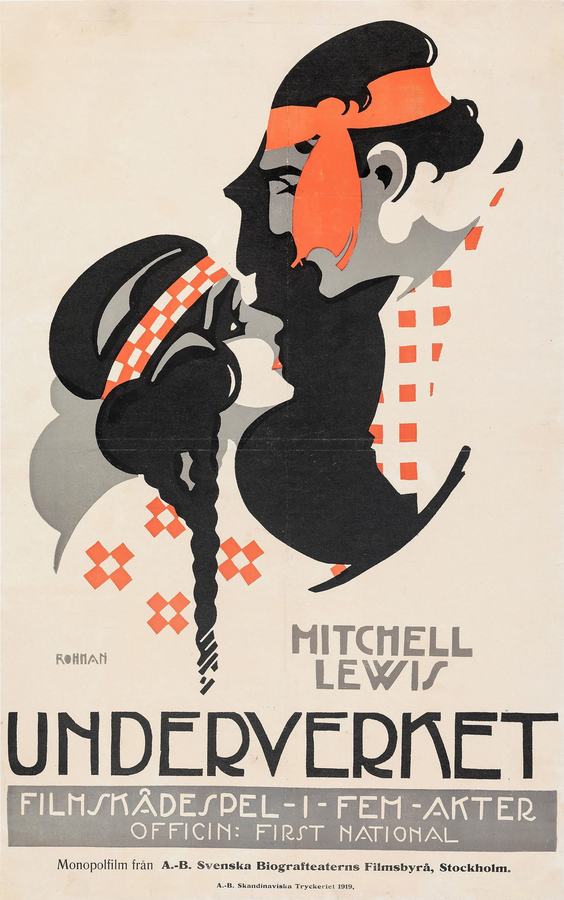
Dir: Edgar Lewis
Dr. Robert Winston loses faith in himself and his religion when his own mother dies under his scalpel. Abandoning his profession, he moves to the Canadian Northwest, where he avoids companionship and drinks constantly. Despite Robert's atheism, he attracts the interest of Jeanette Mercier, the minister's daughter, and under her gentle influence, he is slowly regenerated. In the meantime, an Indian named Lone Deer bids a temporary farewell to his sweetheart Winona, whose father wishes to die among his own people, but when he finds her canoe overturned in the water, he assumes that she has drowned. Later Lone Deer saves Jeanette from Lou Baribeau, the brutal and lecherous company agent, but is seriously wounded in the struggle. Rev. Mercier convinces Robert to operate, and because the procedure proves successful, the doctor regains his faith and marries Jeanette. Winona finally returns to aid in Lone Deer's recovery.
Dir: Edgar Lewis
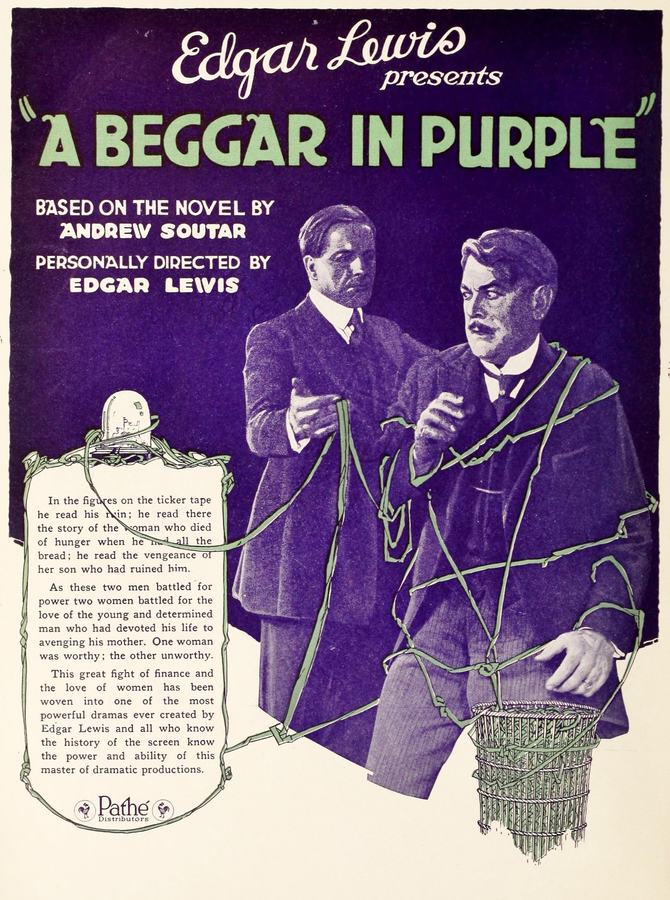
Poverty-stricken John Hargrave is forced to beg employment from rich mill owner Roger Winton in order to save his sick mother's life. Winton refuses to help, and when Hargrave's mother dies, he swears revenge. Eighteen years pass and Hargrave is now owner of a large paper mill, in competition with Winton. Hargrave and Winton's son, Roger Jr., are also rivals for the same woman, Irene Foster, who desires Winton's love but Hargrave's money. Winton, Sr., in an attempted takeover of Hargrave's stock, bribes labor agitators to create turmoil in Hargrave's plant. Hargrave discovers the plot, foils the scheme and discovers Irene's disloyalty. Although stricken with blindness because of the agitation in his life, Hargrave finds true love with his secretary, Margaret Carlisle. Once his sight is restored, he marries Margaret.
View Details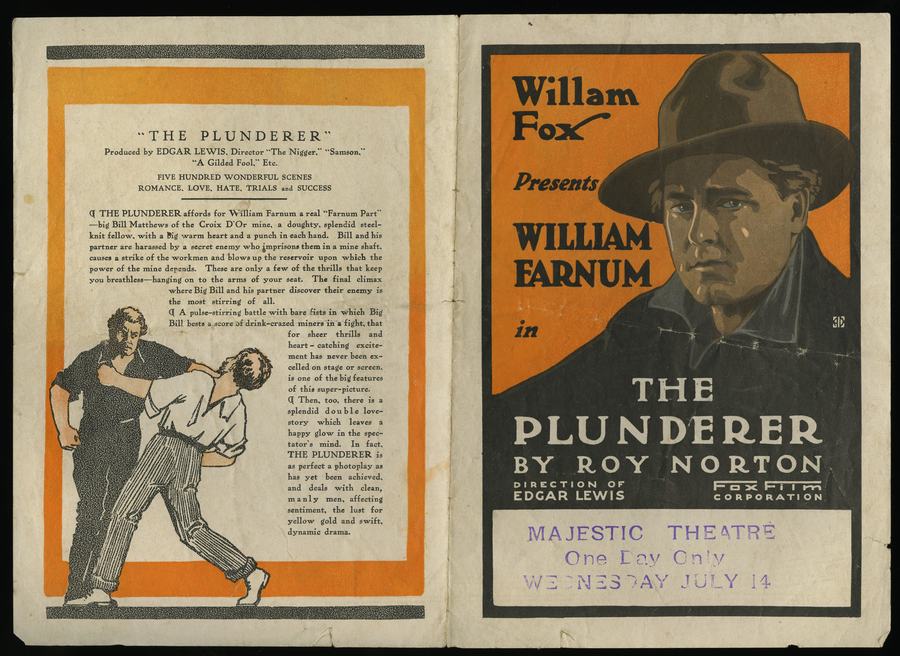
Dir: Edgar Lewis
Bill Matthews and his partner, owners of the "Croix D'or mine, are beset on all sides dues to the schemes of a trusted colleague who plots to take their mine away from them, and leaves no under-handed method un-attempted in the process.
View DetailsAnalysis relative to The Barrier
| Film Title | Atmosphere | Complexity | Similarity |
|---|---|---|---|
| Souls in Bondage | Ethereal | Dense | 89% Match |
| The Bondman | Ethereal | High | 91% Match |
| The Bar Sinister | Gritty | Dense | 91% Match |
| The Toilers | Surreal | Abstract | 88% Match |
| The Governor | Gritty | High | 86% Match |
This guide was algorithmically generated using the cinematic metadata of Edgar Lewis's archive. Last updated: 8/16/2026.
Back to The Barrier Details →