
DbcultAccessing Vault...
Recommendations
Senior Film Conservator

Exploring the stylistic flair in The Black Box is a journey into United States cinema, the thematic layers of this 1915 classic invite a wider exploration of the genre. If the cast impressed you, these next recommendations will too.
With Otis Turner at the helm, The Black Box became to reinvent the tropes of cult cinema for a global audience.
With the help of futuristic technical inventions, a private detective investigates a bizarre murder case involving mysterious messages delivered in a small black box by the killer.
Based on the unique stylistic flair of The Black Box, our vault has identified these titles as the most compelling follow-up experiences for fans of cult cinema:

Dir: Otis Turner
A fascinating piece of cinema that shares thematic elements.
View Details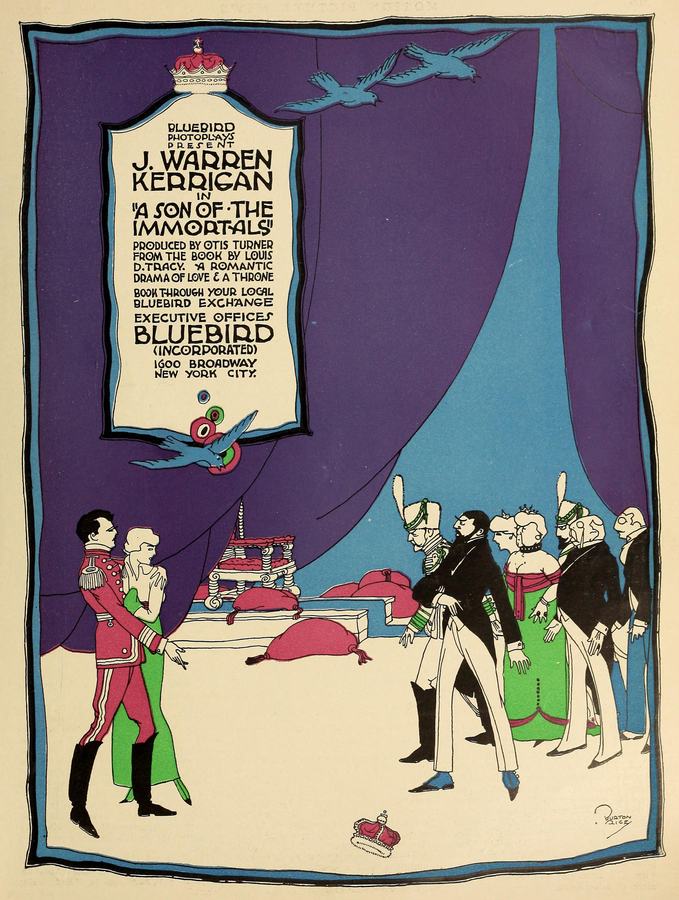
Dir: Otis Turner
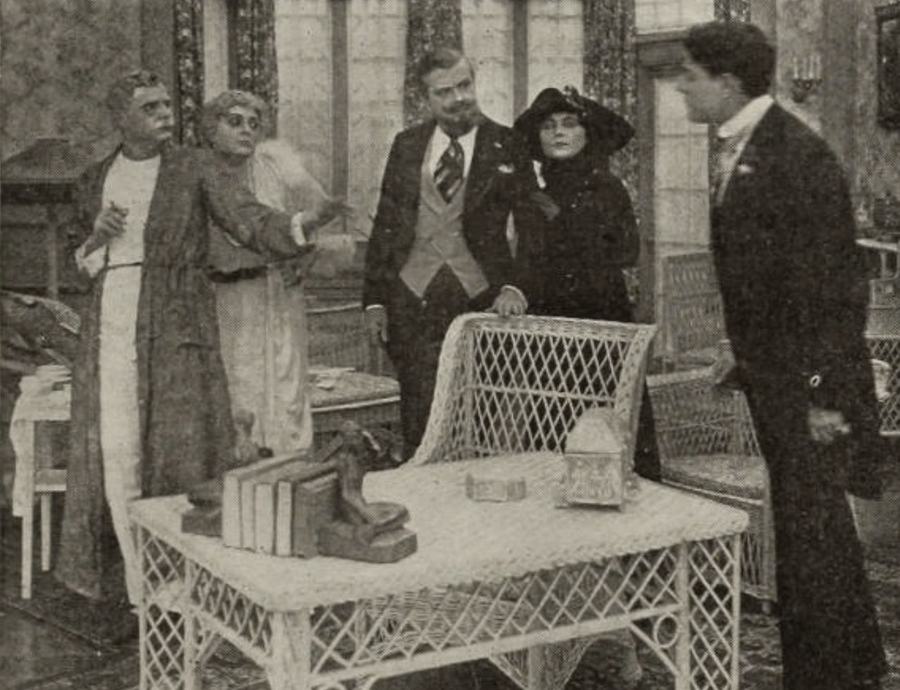
General Stampoff takes control in Kosnovia, and to insure his position as the country's strong man, he installs Prince Alexis Delgrade, the idle son of Prince Michael, as the titular ruler. Alexis surprises everyone, however, and shocks the reactionary Stampoff, by instituting a series of democratic reforms. However, his public success cannot make up for his personal problems, as Alexis is unable to marry his sweetheart, Joan Cameron, because she was born in America and thus could not reign as queen. Then, Alexis discovers that his mother came from Indiana, thereby making him as much an American as a Kosnovian, and also invalidating his claim to the throne. As a result, he abdicates and marries Joan, while Michael, vowing to maintain his son's democratic policies, takes over as king.

Dir: Otis Turner
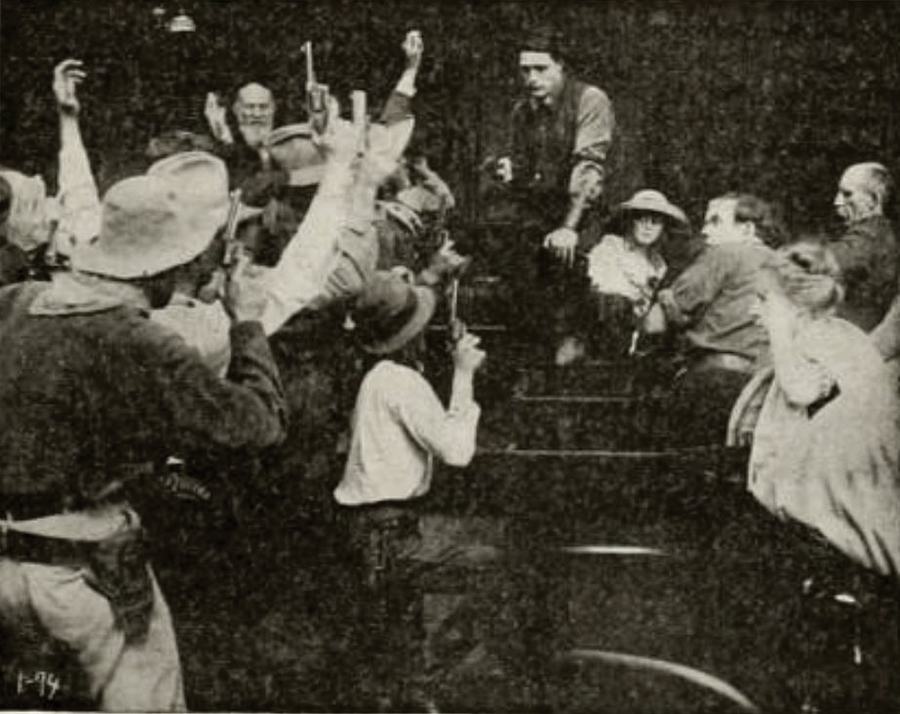
Tired of the life of a gunfighter, Lish Henley settles down in the quiet California town of Peaceful Hill. The town, however, doesn't live up to its name, and it's not long before Lish finds himself the unofficial "mediator" of the town, which is being terrorized by various outlaw gangs. Lish has his own style of "mediating", however--he keeps killing members of rival gangs until they agree to holster their guns and leave the town alone. However, one day Big Bill, an old enemy of Lish's, shows up in town with his gang, looking for payback.
View Details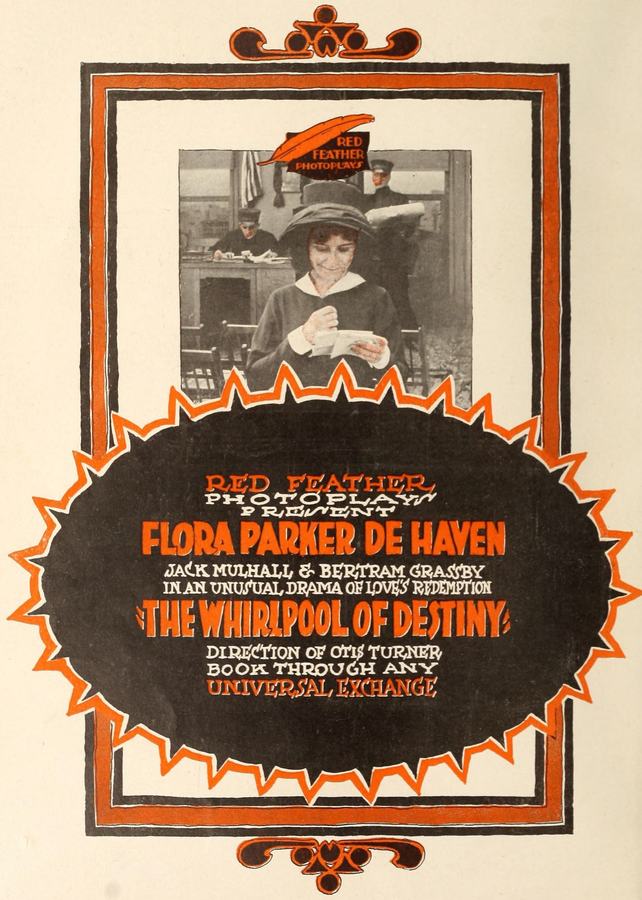
Dir: Otis Turner
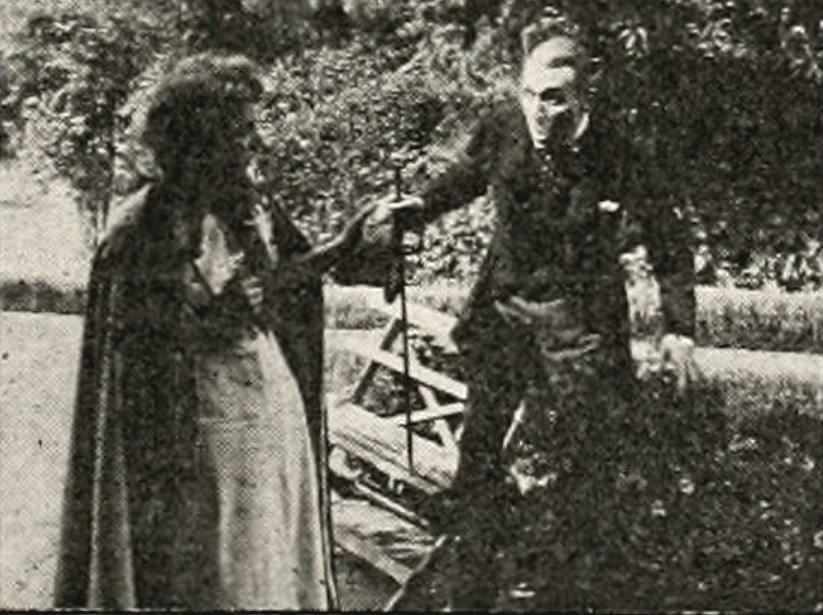
Young and wild, George Bell lives with his rancher father, Thomas Bell, in Paradise Valley, California. When George sells his father's favorite horse, Mr. Bell turns him out, and George becomes a grain salesman in St. Louis. Meanwhile, Polly Martin lives with her father Bill, an ex-businessman who has sunk to day-labor because of his addiction to alcohol. Bill frequently abuses Polly, and when he falls to his death from a high girder, Polly becomes a nurse in the Salvation Army in St. Louis. George falls in love with Polly after he saves her from the advances of a drunk, but she will not marry him because of his wild past. Instead, she applies for a job in Paradise Valley as a nurse, where she renders aid to Thomas Bell, who has broken his leg. She nurses him back to health at his ranch, and he grows fond of her. Eventually, George learns that Polly is in Paradise Valley and follows her to the ranch. When Thomas discovers that his son loves Polly, he sacrifices his love for George's happiness, and all live together as a family.
Dir: Otis Turner
Reverend Eric Norton leaves his position in a fashionable New York congregation to preach in a poor mining town, against the wishes of his wife Cecelia. Disputes rage about the safety of the mines, which have been closed under pressure, but in spite of threats from powerful miner "Bull" Morgan, Eric uses his influence with the owner to reopen the mines. Bored with her drab life, Cecelia deserts her infant son and runs off to Paris with former lover Richard Allen, who eventually leaves her. Penitent, Cecelia decides to return home only to find that her husband, believing her dead after reading about her apparent suicide in a newspaper, has married Edith Jackson, his ward. Bull Morgan attempts to blow up the mines but is buried in the explosion instead. Sneaking into her home for a last look at her son, Cecelia accidentally sets the house on fire. After a brave rescue of the baby, Cecelia begs Eric's forgiveness, then dies.
View Details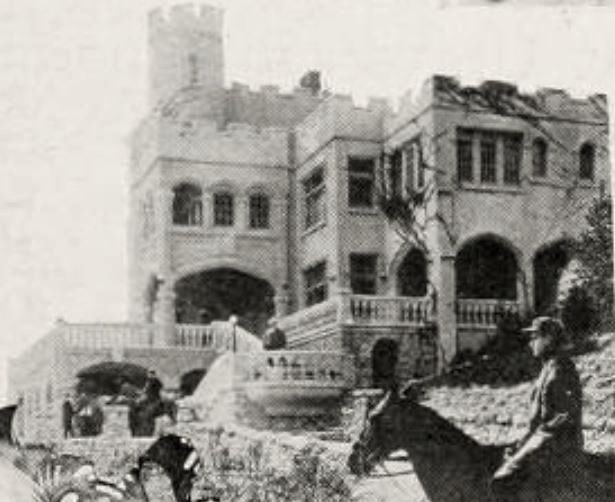
Dir: Otis Turner
Newly wealthy Isidore Lechat lives in a castle in the south of France. He believes that business is the most important thing in life, but manages to stay attached to his children, although he believes that his wife's slovenly appearance detracts from his social position, so he doesn't let her go out in public. He begins an affair with Celeste, an acquaintance of his wastrel son Xavier. He believes that this may be the beginning of a new cycle of personal and business triumphs for him, but soon matters begin to take unexpected turns.
Dir: Otis Turner
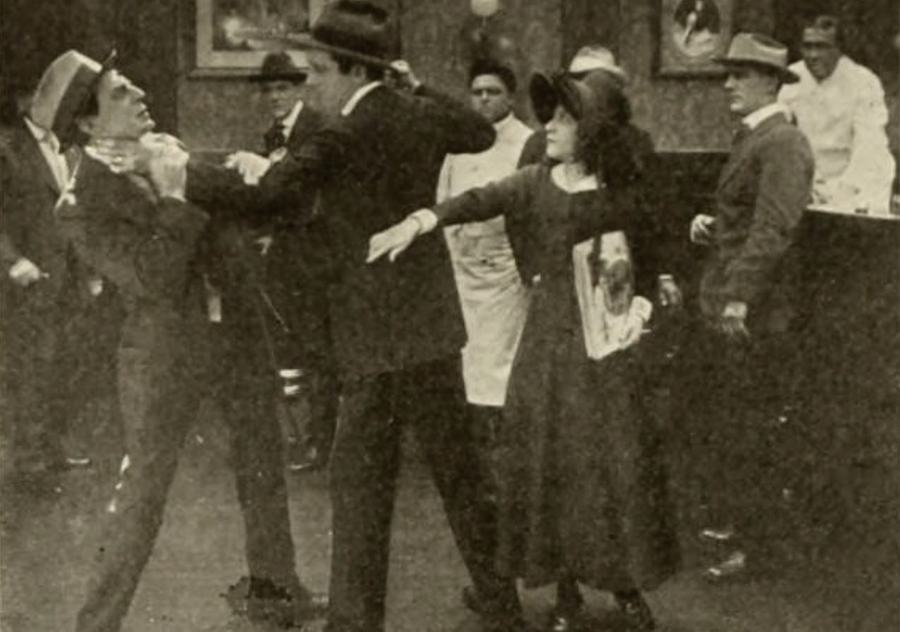
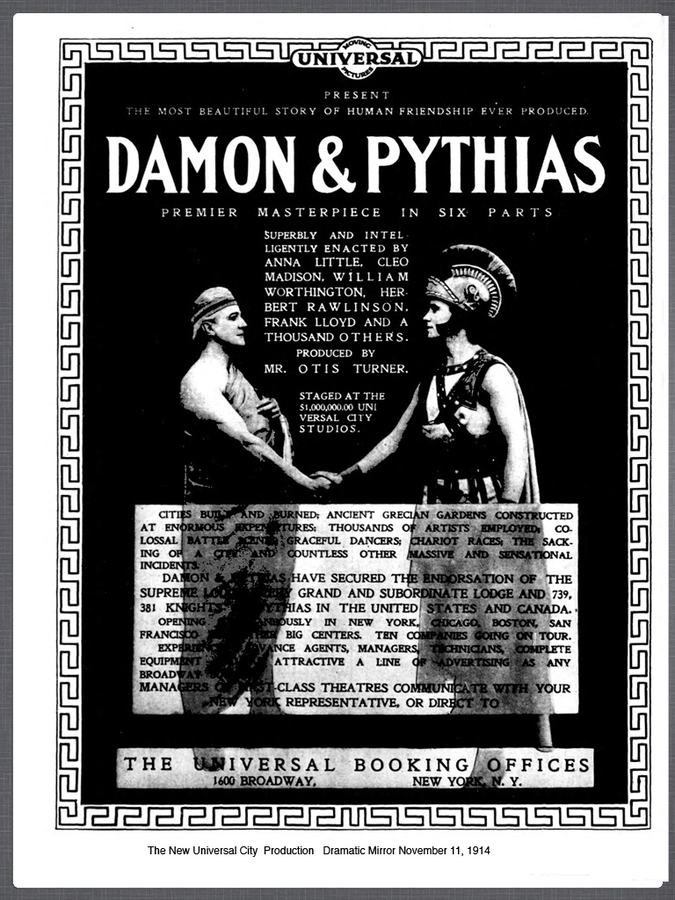
After a prologue which shows several aerial views of the Acropolis, the story begins. The friendship of Damon, the senator, and Pythias, the soldier, is famous in Ancient Syracuse. Because the general Dionysius is infatuated with Calanthe, Pythias' sweetheart, he sends the soldier to fight the Carthaginians at the Battle of Agrigentum. Pythias returns in triumph, and then angers Dionysius even further when he defeats Aristle, the general's favorite, in a chariot race. During the wedding ceremony for Pythias and Calanthe, Dionysius has himself proclaimed sovereign while Damon is absent from the Senate. Shocked, Damon attempts to assassinate Dionysius, but he fails and is sentenced to death. In order for Damon to say goodbye to his wife and son, Pythias leaves Calanthe and takes his friend's place in prison, offering to die in Damon's place if he does not return. Despite several tests of the strength of their friendship, they remain loyal to each other and so impress Dionysius that he allows them both Free.
View Details
Dir: Otis Turner
The tale is that of a curious expedition to a pearl lagoon off the South Sea Islands in search of untold treasures. The members of the party are a newspaper reporter, a degenerate Australian, who is literally seeped in gin, and a cunning Chinese, who supplies the money to fit out the vessel. When they arrive at the island, they find only a girl, Leila, who was shipwrecked with her father long before. Leila is so glad to see white men again that she eagerly shows them a bag of beautiful pearls brought up from the ocean bed by her father, who disappeared shortly afterward. The pearls are so tempting to the Australian and the Chinese that they form a combination against Leila and the reporter, Bruce Chalmers, when the latter refuses to aid them in robbing the girl. The struggle which follows for the possession of the pearls and the lagoon is very realistic.
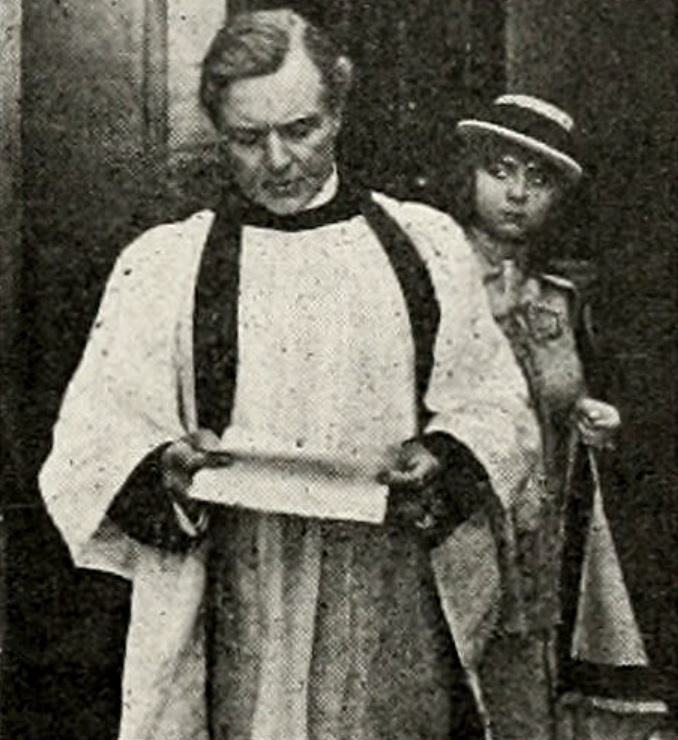

Dir: Otis Turner
Luke Simms is an honest politician: He is as charitable as he is honest and his greatest pleasure is found in giving excursions to the poor little ones of the slums. The nomination for mayor is refused by Franz Hargraves, on the score that he believes he would be expected to sign away the people's rights in favor of the Electric Company. Simms is nominated and finally elected, after declaring himself in favor of the people. Richard Sears, the leader of the corruptionists, presents a fraudulent bill to the mayor, who refuses to sign it. Sears then decides to get the ordinance passed by working on Simms' weak spot. Calling upon the mayor, Sears learns how the former's sweetheart was killed in trying to avoid running down a child while she was riding in an auto with him. Believing that he has found the mayor's weakness, that of his love of children; Sears returns home and tells his mistress, Florida Everett, that she must get acquainted with Simms and eventually marry him. Florida, a good woman at heart, longs for a decent, wholesome existence, and Sears tells her this is her chance to get it. Plans are laid to entrap Simms. The scheme works and Florida and Simms are married, and are living happily. Meanwhile Sears' stenographer, Nell, whom he has betrayed, gives birth to a child which dies a few days later. Under the assumption that he has now got the honest mayor in his power, Sears again presents the crooked ordinance, but again Simms refuses to sign it. The corruptionist then commands Florida to induce her husband to honor the measure, but she begs to be left alone. Sears threatens to expose her and she tries to get her husband to sign the bill, but he refuses. Learning of her failure, Sears sends her a telegram to meet him that night at Ardsleigh Towers, and signs it Ned Harter, who is secretary to the mayor and brother of Nell, the betrayed girl. Florida finds herself trapped, and she is kept there all night. When the mayor again refuses to sign the bill, Sears threatens to expose his wife. The corruptionist tells the mayor to find out where his wife spent the preceding night. Angered, Simms questions Florida closely, and in her anguish and fear, she begs him not to go to Sears. This decides him and he departs with vengeance in his heart. In the meantime Nell has returned to her brother. Ned drags the truth from her. He steals into Sears' home and, finding a revolver in a table drawer, extracts the cartridges and replaces the weapon, determined that his victim shall not have even a dog's chance. He secretes himself behind a curtain and hears Sears entering, and is about to shoot when the maid comes in. Simms calls and informs Sears to keep his wife's name out of their affairs. A fight starts, and just as Sears is about to stab Simms, who has the empty revolver pointed at the crook and who pulls the trigger, Ned fires unseen by the others and Sears is killed. Simms thinks he has killed him, and giving away to his grief, tries to revive Sears, and does not see the youth steal from the curtain, grab up the empty revolver and leave. Simms is arrested and indicted for murder in the first degree. Against his command, Florida takes the stand and bares her life. She relates how Sears deceived her when she was young and innocent, and of her continued bad life until she met her husband. The jury releases Simms, who, horrified at the thought of being a murderer, resolves to part from his wife, whom he reverences more than before. He does not consider himself worthy of her. Officer Ryan, ambitious for promotion, and suspecting Ned knows more than has been brought out, follows him and learns enough to make him suspicious. Simms has returned home and is preparing to leave. Officer Ryan follows Ned to Simms' house. Ned becomes alarmed and takes to the roof. Just as Simms is leaving, Ned rushes in, wounded and bleeding from the revolver of his pursuer, and confesses that he killed Sears. Ned dies and Florida and Luke are reunited.
View Details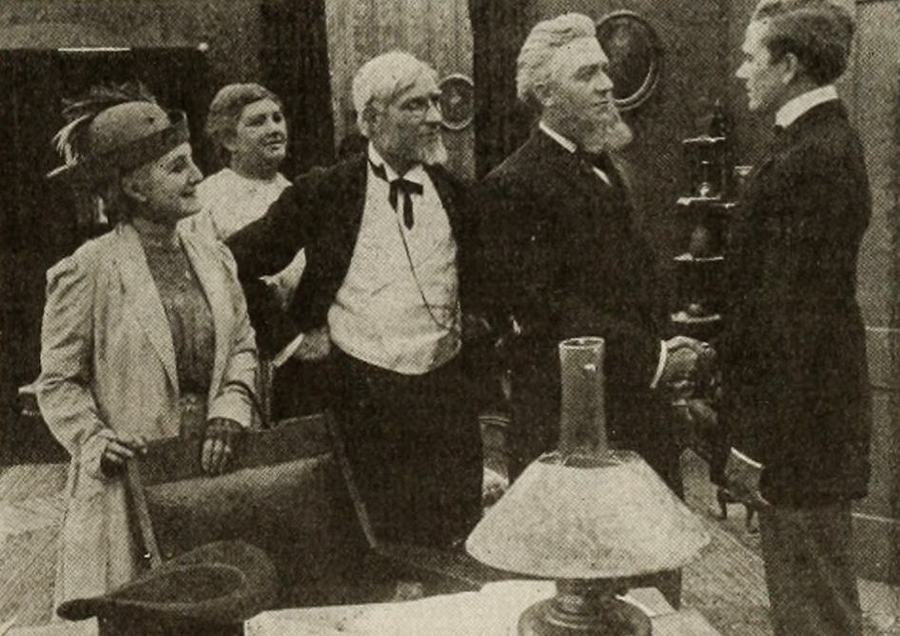
Dir: Otis Turner
When the story opens Sylvia Lacey has been left an orphan. Her shiftless father, Sam Lacey, of artistic, but weak nature, left her without money. Her mother had died ten years before. The girl writes to her only remaining relatives, an aunt, Miss Martha Lacey, and her mother's brother. In his youth the Judge, Calvin Trent, wanted to marry Miss Martha, but they quarreled. When Sylvia's letter arrives, announcing that she will be in Boston the next day, both uncle and aunt are nonplussed. Neither wants the responsibility. Miss Martha finally decides to go and the Judge sends his young partner, John Dunham, in his place. Miss Martha waits with the young lawyer in the hotel parlor. Plainly she speaks her mind to John about the inconveniences of the girl's coming. Sylvia is already in the room and hears. She promptly refuses any aid from either relatives. Miss Martha is sorry, but it is too late. Dunham, however, goes back to the girl and forces her to accept a loan (of judge's money.) Back in the village, Miss Martha and the Judge both remember a cousin of the Judge's who manages the Judge's main farm. "Thinkright" is sent for and his white hair and kindly eyes soon win the girl to visit him. "Thinkright" once loved Sylvia's mother and is naturally drawn toward the girl. As she and "Thinkright" reach the Mill Farm near Portland, she sees the deserted old Tide Mill with all its shutters closed. Imaginative, she says then and always after, that the old mill is sorrowing and only love can open the shutters. Edna Derwent, a rich Boston girl, who owns a cottage on a nearby island, is a friend and disciple of "Thinkright's." He has taught her to be patient with the false social life which means so much to her mother. Each summer she comes to Hawk Island with Miss Lacey as chaperon. Sylvia becomes jealous of Edna and all her beauty, charm and wealth. "Thinkright" stops this trend of thought in the girl and after several severe tussles, turns her thoughts into the right road. She struggles bravely. Her uncle, penitent, arrives and promptly falls in love with this niece he has never seen before. She forgives him. The next day Miss Lacey arrives at Hawk Island with Edna. This forgiveness is harder, but Sylvia, strong in her new right thinking, manages it. She is invited to the Derwent cottage for a visit. John Dunham, an old friend of Edna's, comes for a visit and his fancy is quickly taken with the imaginative Sylvia whom he rescued in Boston the month before. Sylvia has a strong talent for painting. She has done some things with pencil, but longs for paint. She has no money and is too proud to ask any of her relatives. In her heart she adores John Dunham, but has held herself coldly toward him because she thought that he and Edna were engaged. Suddenly she discovers that he loves her. In her embarrassment she drops her book of sketches and "Thinkright'' finds pieces of brown paper covered with drawings, all showing much power and talent. Edna leagues Judge Trent in a plan, and Sylvia learns that she is to have lessons in painting. The winter passes. Sylvia is making rapid strides in her profession under Edna's special wing in Boston. Summer comes and she goes to the Mill Farm again for a visit. Walking alone on the edge of the basin, she sees the shutters of the Tide Mill have opened and the windows are gleaming brightly. Just then John Dunham appears and asks her to go with him to the Tide Mill. It is open. The first floor is vacant and so is the second. He asks her to go clear to the top and there she finds a luxuriantly appointed artist's studio. "Love opened the shutters," says John, "I bought the Mill and furnished this for my bride." The old story is told and the shutters of life open wide for the girl who learned to think right.
View DetailsAnalysis relative to The Black Box
| Film Title | Atmosphere | Complexity | Similarity |
|---|---|---|---|
| High Finance | Ethereal | Layered | 95% Match |
| A Son of the Immortals | Tense | Linear | 93% Match |
| The Mediator | Gritty | High | 91% Match |
| The Whirlpool of Destiny | Gothic | Abstract | 93% Match |
| The Scarlet Sin | Gritty | Layered | 93% Match |
This guide was algorithmically generated using the cinematic metadata of Otis Turner's archive. Last updated: 6/25/2026.
Back to The Black Box Details →