Summary
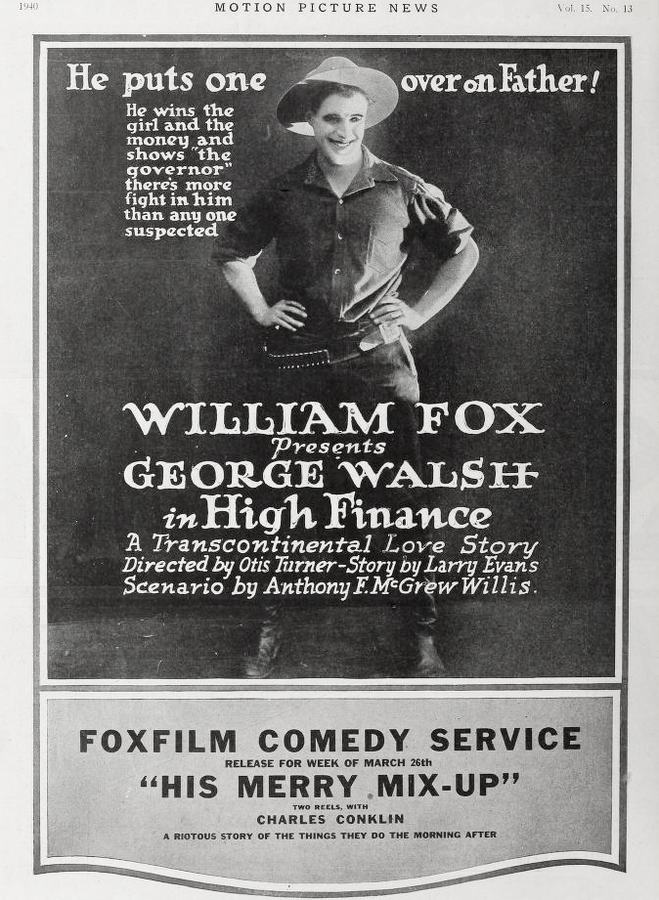
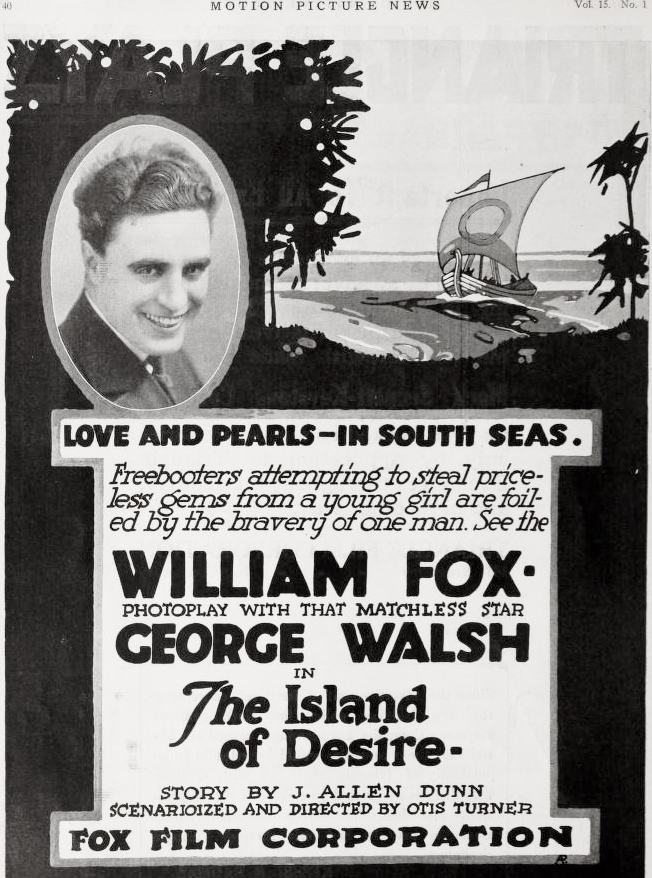
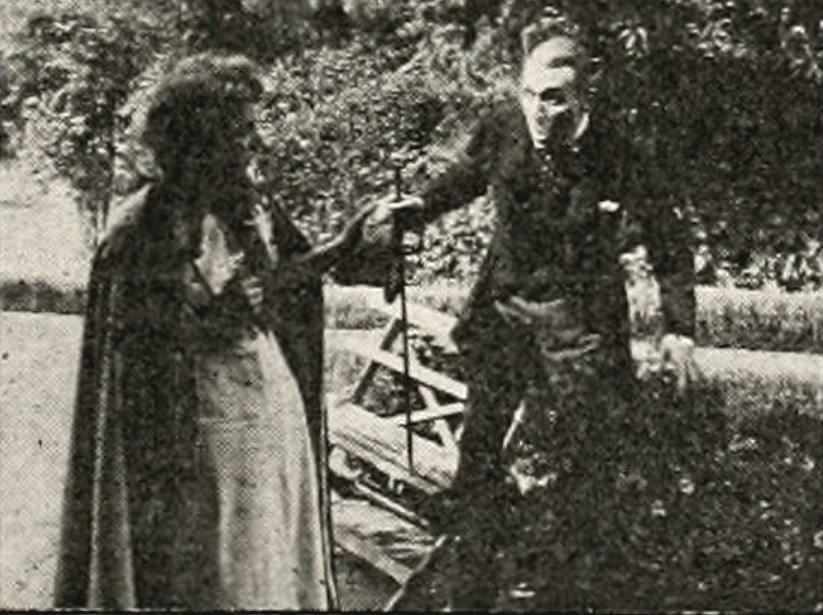
In the vertiginous canyons of Wall Street, 1917’s High Finance detonates like a stick of dynamite stuffed inside a silk purse. George Walsh’s steely-eyed broker, Grant Carson, rockets from war-room chalkboards to mahogany-paneled boardrooms where every handshake is a loaded revolver. Charles Clary’s reptilian magnate, Silas G. Thorne, slithers through ticker-tape shadows, orchestrating a railway merger that will derail a thousand clerks’ futures while his private ticker sings a metallic lullaby of zeros. Doris Pawn’s sculptural Irene Thorne—equal parts marble muse and mercenary—wears pearls like handcuffs, trading her society smile for telegrams of ruin. William Marr’s ruined patriarch, Ezra Craig, staggers through snow-blinded streets clutching worthless scrip, a Lear in spats, howling at a moon that looks suspiciously like a silver dollar. Herschel Mayall’s bullish banker, Amos Keene, paces his cathedral-sized office, inhaling cigar smoke as if it were incense offered to the golden calf. Meanwhile, Rosita Marstini’s contessa-turned-boardroom-spy drifts through ballrooms in mourning veils, secreting love letters that double as margin-call warrants. The plot corkscrews from ticker-tape skirmishes to a midnight train wreck lit only by magnesium flashbulbs: Thorne corners copper, Carson corners Thorne, Irene corners both, and the market corners the human soul. Futures collapse faster than champagne flutes on marble; matrimony becomes collateral; a single forged signature ricochets through clearing-houses until the closing bell tolls like a requiem. In the final reel, Walsh strides across an exchange floor strewn with buy-orders like fallen leaves, pockets a check hefty enough to ransom a cathedral, yet hesitates—discovering the price is a heart already pledged to the woman who betrayed him. Curtains drop on a freeze-frame tableau: Irene’s gloved hand brushing Carson’s blood-smeared cuff, the word “Sold” superimposed over their lips, the audience left to wonder whether love or liquidity has the last laugh.
Review Excerpt
"
img{border:2px solid #EAB308;}a{color:#0E7490;text-decoration:none;}a:hover{color:#C2410C;}
The flicker of a 1917 projector is, by now, a ghost we’ve mostly exorcised from cultural memory—yet when High Finance ignites the frame, the stock-ticker of history punches straight through a century of dust. You feel the heat of klieg lights on celluloid collars, smell the beeswax polish of fictive boardrooms, and hear the clatter of telegraph keys spelling out destinies in Morse. More than a curio, th..."