
DbcultAccessing Vault...
Recommendations
Senior Film Conservator
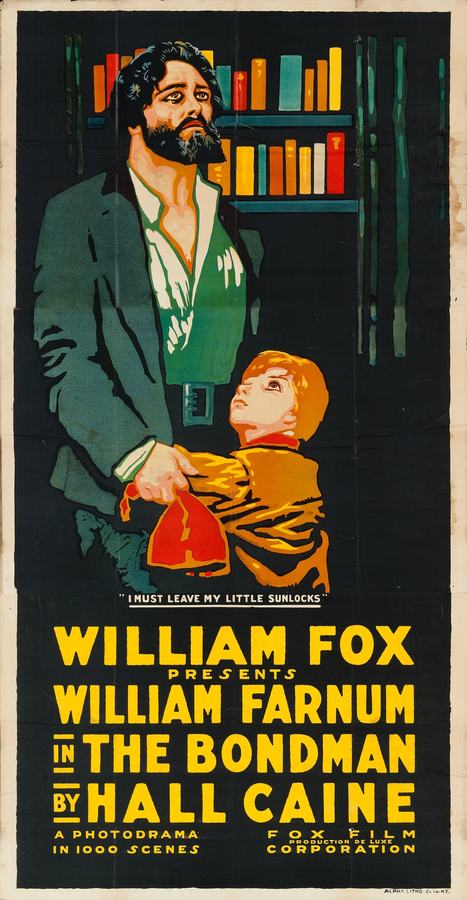
Looking back at the 1916 milestone that is The Bondman, the specific unique vision of this work is a gateway to a broader cult world. Our archive is rich with titles that mirror the unique vision of Edgar Lewis.
As Edgar Lewis's most celebrated work, it defines to create a dialogue between the viewer and the unique vision.
Stephen Orry is an Icelandic vagabond. Rachel, the daughter of the governor of the province, is attracted to him. Her father, who is against the relationship, drives her from home, and she marries Orry. But she cannot make a man out of Orry, who runs off to sea. Rachel supports herself and her son Jason, while Orry begins a new life on the Isle of Man. He marries Liza Killey and they have a son named Sunlocks. When Liza mistreats Sunlocks, Orry takes him away to the governor of the Isle for safekeeping. After Rachel dies, Jason sets out for revenge against his father. His half-brother Sunlocks sets out for Iceland to find Rachel and Jason to make reparations, while Jason comes to the Isle of Man. While there, Jason saves his father from drowning, and after his father dies from a natural death, he turns his desire for revenge against Sunlocks. But when Sunlocks becomes a political prisoner, Jason forgoes his revenge and dies in place of Sunlocks.
Based on the unique unique vision of The Bondman, our vault has identified these titles as the most compelling follow-up experiences for fans of cult cinema:
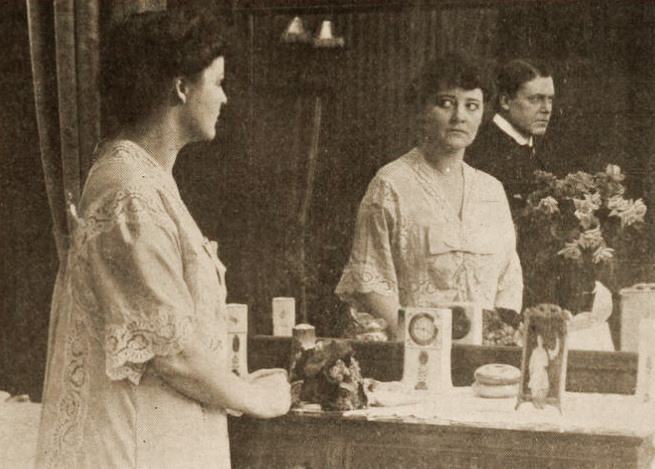
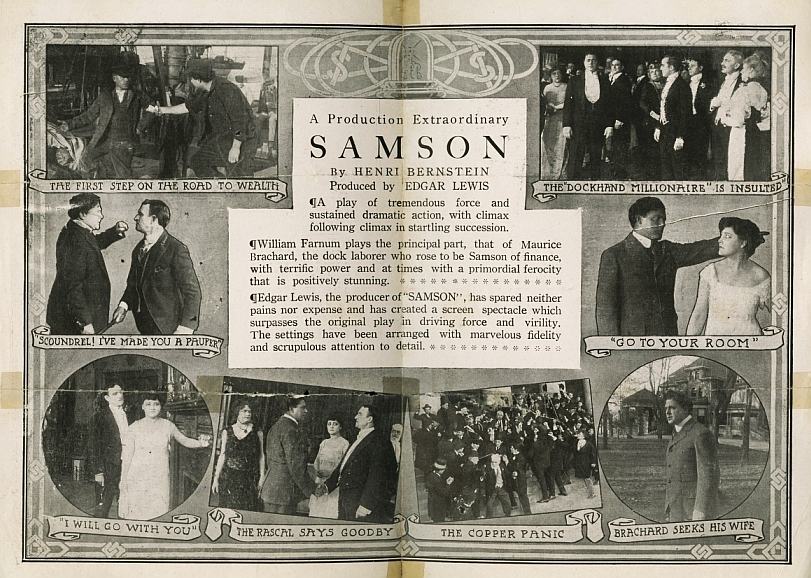
Dir: Edgar Lewis
Murice Brachard, a dock laborer, rises to be a "Samson" of finance with terrific power and a primordial ferocity, which he needs when his wife spurns his devotion, and people he trusts try to pull down the structure of wealth he has erected.
View Details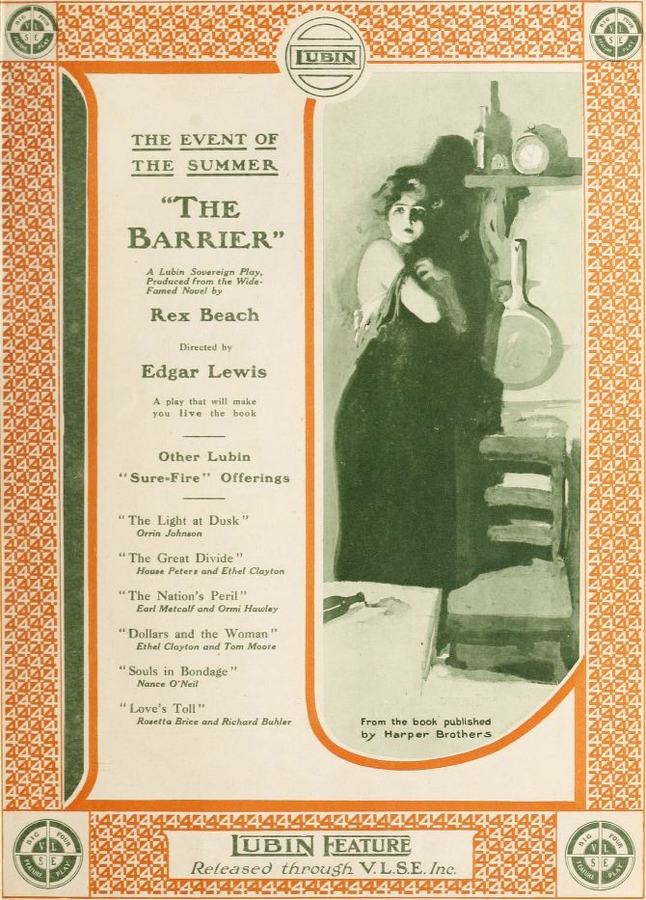
Dir: Edgar Lewis
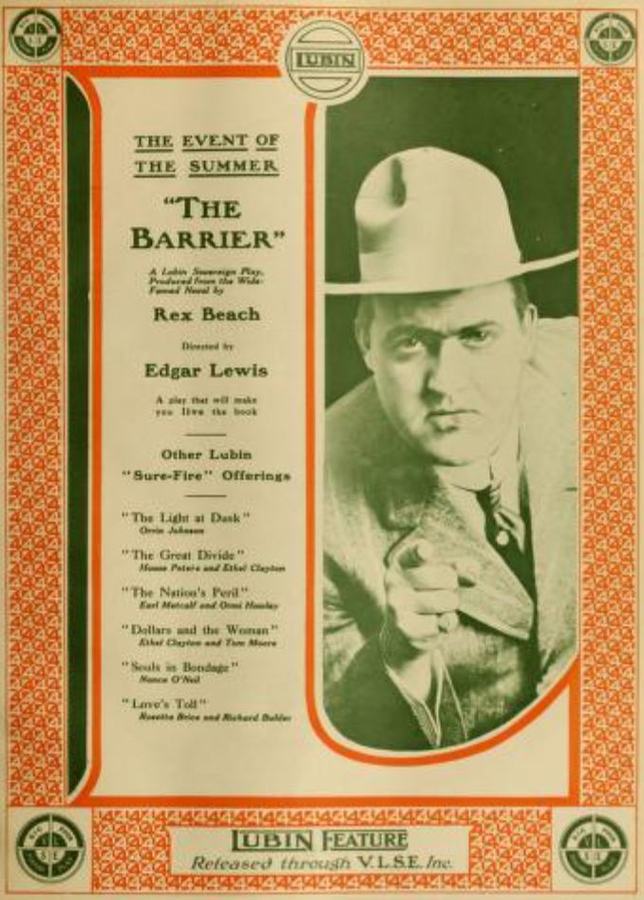
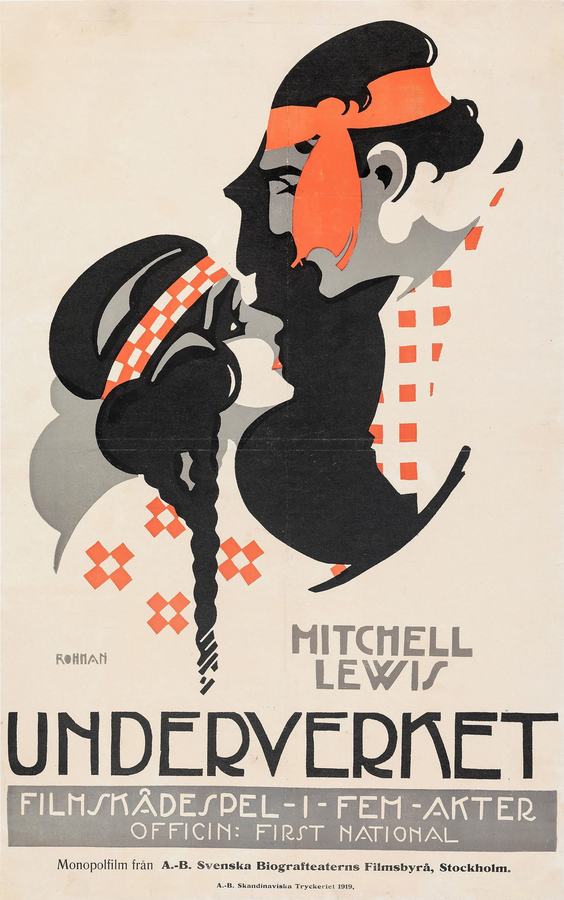
A barrier stands between Lt. Meade Burrell and Necia, the woman he loves. That barrier is the fact that she's a "half-breed"--half-Indian and half-white, with an Indian mother and John Gale, a white trader, for a father. Although he has proposed marriage to Necia, she releases him from it when she realizes the damage that marrying a half-breed would do to him personally and professionally. One day a man arrives in town with information that could solve everyone's problems.
Dir: Edgar Lewis
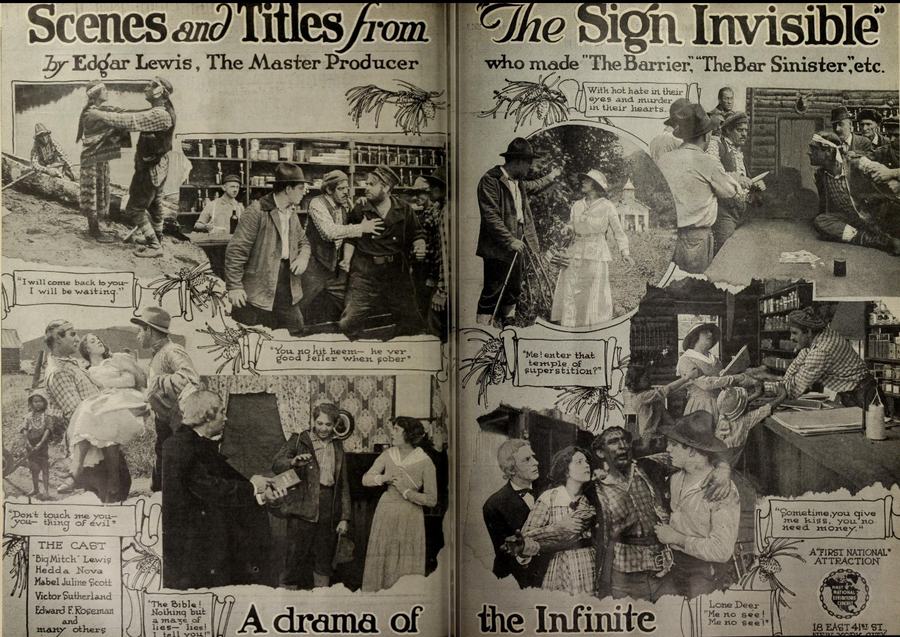
Dr. Robert Winston loses faith in himself and his religion when his own mother dies under his scalpel. Abandoning his profession, he moves to the Canadian Northwest, where he avoids companionship and drinks constantly. Despite Robert's atheism, he attracts the interest of Jeanette Mercier, the minister's daughter, and under her gentle influence, he is slowly regenerated. In the meantime, an Indian named Lone Deer bids a temporary farewell to his sweetheart Winona, whose father wishes to die among his own people, but when he finds her canoe overturned in the water, he assumes that she has drowned. Later Lone Deer saves Jeanette from Lou Baribeau, the brutal and lecherous company agent, but is seriously wounded in the struggle. Rev. Mercier convinces Robert to operate, and because the procedure proves successful, the doctor regains his faith and marries Jeanette. Winona finally returns to aid in Lone Deer's recovery.
View Details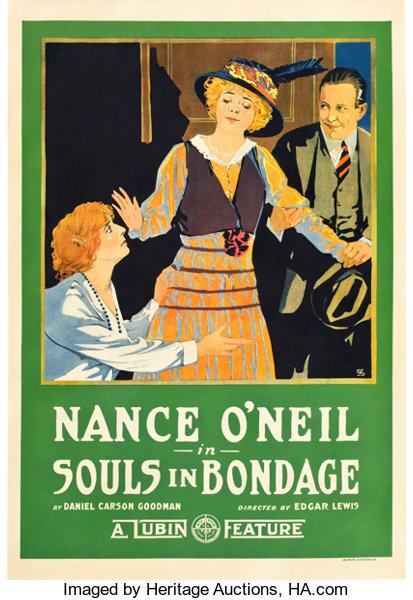
Dir: Edgar Lewis
Rosa is looked upon as an outcast, and is always in the shadow of her spoiled younger sister Rita.
Dir: Edgar Lewis
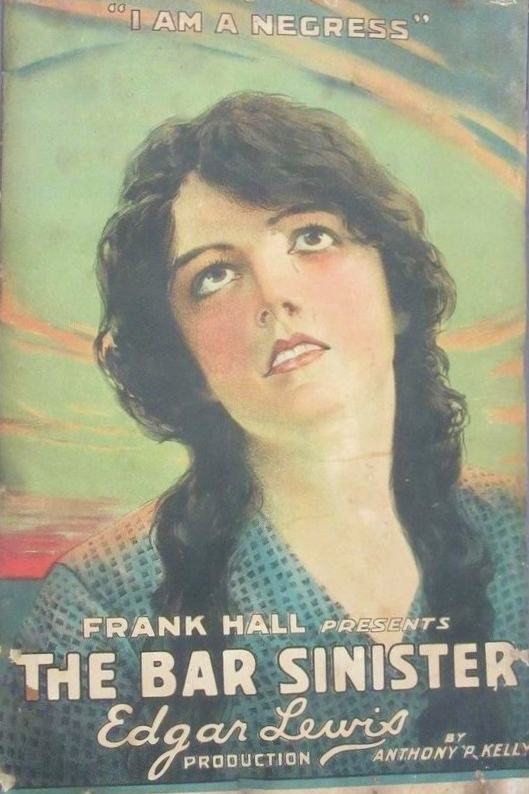
Stolen when a baby by a mulatto woman, who becomes a half-crazed witch, and raises her to beautiful womanhood with the belief that she is her own daughter, Belle cannot bring herself to mix with her race and accept the attentions of a noble character in the person of Ben Swift, in whose veins the blood of the red, white and black races are mixed. A handsome white stranger. Page Warren, from the North, who believes her a white girl, falls in love with her. She returns his love while at the same time hiding the fact that she is the negro witch, Lindy's, daughter. Page incurs the hatred of the bad element among the blacks, while failing to appreciate that there is also a good element among whom are men and women as noble as any of his white companions. He incurs the hatred of Ben Swift, who misinterpreted his attentions to Belle, and resents the mixing of the races, not knowing that Belle has not disclosed her identity to Page. The attacking of Page by a gang of bad blacks, following his fight with one of their leaders, his rescue by Ben Swift, who has learned of Belle's love for the white man. the discovery by Page that Belle is a mulatto, the sensational disclosure of the fact that she is the last daughter of a prominent Southern family, the death of Ben Swift while defending Page and Belle from an enraged mob and the beautiful handling of the subject of the spiritual equality of men makes "The Bar Sinister" an intensely interesting drama with a powerful appeal to all classes.
View Details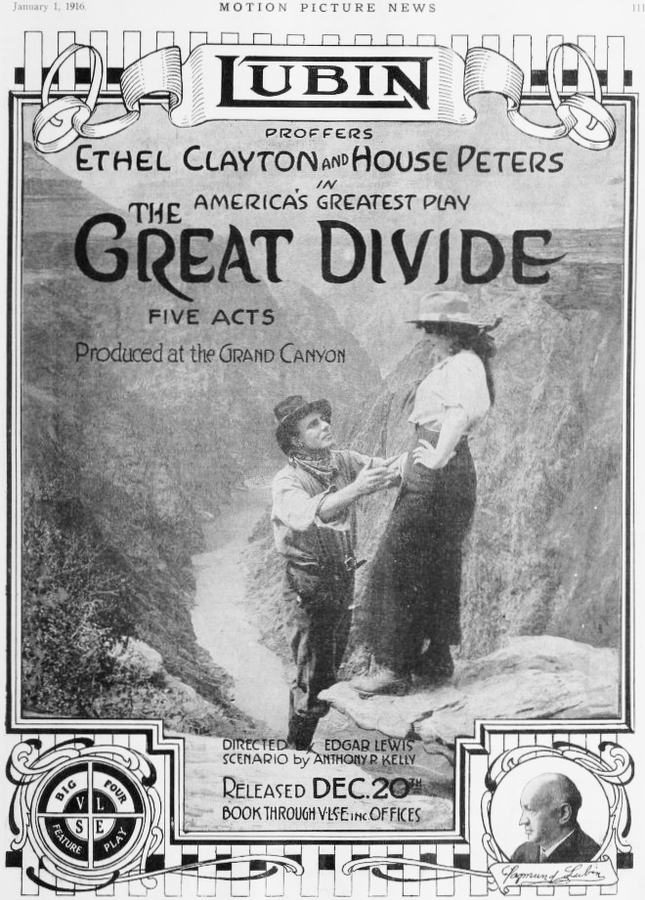
Dir: Edgar Lewis
The Jordans, Phil and Ruth, accompanied by Philip's wife, Polly, and Dr. Winthrop Newbury, a suitor for Ruth's hand, bid old Mrs. Jordan good-bye at the station of Milford Corners, Mass., and depart for the west, to work over some unredeemed desert land, which was left to the Jordans by their dead father. Arriving in the west, they take up their work, but it proves anything but a success. On the brink of the Great Divide lives Stephen Ghent, an untamed and untrained man of the west, and on account of his manner is respected by the habitués of Miller's saloon and dance hall in the town, which he and two of his acquaintances in the persons of Pedro, a half-breed Mexican, and Dutch, a brutal type of the west, frequent. Polly tires of western life and jumps at the chance to take a trip to Frisco. Philip drives her down to the station that night. On an adjoining ranch a cowpuncher is seriously hurt and a boy is dispatched for Dr. Newbury. After cautioning Ruth to retire early, the doctor takes his leave. Stephen Ghent, Pedro, and Dutch are down in the town drinking. They afterward depart and start up the Coldwater Trail, which runs alongside of the Jordan home. As they pass the dimly lighted cabin, they see a woman standing in the doorway. Cautiously approaching the door, they enter the cabin and Ruth is overpowered. Dutch and Ghent fight a duel for her in which Dutch is killed. Pedro is bought off by Ghent with a string of nuggets, and Ruth belongs to him. In the man of the woods, Ruth recognizes the ideal man she desires for a helpmate. Ruth agrees to marry Ghent and live as his wife in name only until he has changed his character. Ghent agrees and they are married. Ghent then brings her to his cabin. As day by day goes by, Ruth begins to see other qualities in her husband and also to believe in him. One night, however, Ghent filled with a desire for her and goaded on by the whiskey that is in him breaks his promise. Ruth denounces him for his actions and tells him that not until he has purged himself through suffering will she ever believe in him again. She also tells him that she is going to earn enough money to buy back the string of nuggets from Pedro, with which he managed to get her into his power. Some time later Ruth departs for town to sell her last blanket. She has been weaving Navajo blankets in order to raise the necessary amount to buy back the nuggets. In the meantime the Jordans become disgusted and prepare to go back east. While waiting at the station they find Ruth, who has just completed the sale of her blanket. They see her start up the trail and follow her on foot. Ruth buys back the string of nuggets from Pedro, but she has not time to turn it over to Ghent upon her arrival at the cabin before she is overtaken by the others. It is her desire to have them believe she is happy and refuses to go back east with them. She introduces Ghent to them just as they are ready to catch the train. Ghent, unable to understand her changed attitude, starts to thank her. She tells him that circumstances forced her to act as she did, but that she is now able to buy back her freedom from him. Ghent is stunned, and at first refuses to let her go, but when she tells him of the life that is to come and that it is their duty to protect its happiness through a mother's love, he finally releases her from her promise, and Ruth, with the sense of newfound freedom, starts down the trail to overtake the others before it is too late. Ghent's attention as he looks after her is suddenly attracted to a bit of trembling earth on the mountainside. He realizes the great danger that Ruth is in and starts down the trail to rescue her. He is just in time and has thrown her to one side when the landslide comes upon him and carries him into the valley below. The rumbling sound has caused the others to look back. A reunion takes place over the injured Ghent. He is brought to the cabin, where he recovers under the care and attention of Dr. Newbury and Ruth. Ruth tells him that he has purged himself through his suffering and once more the couple start out in life upon a happier basis.
Dir: Edgar Lewis
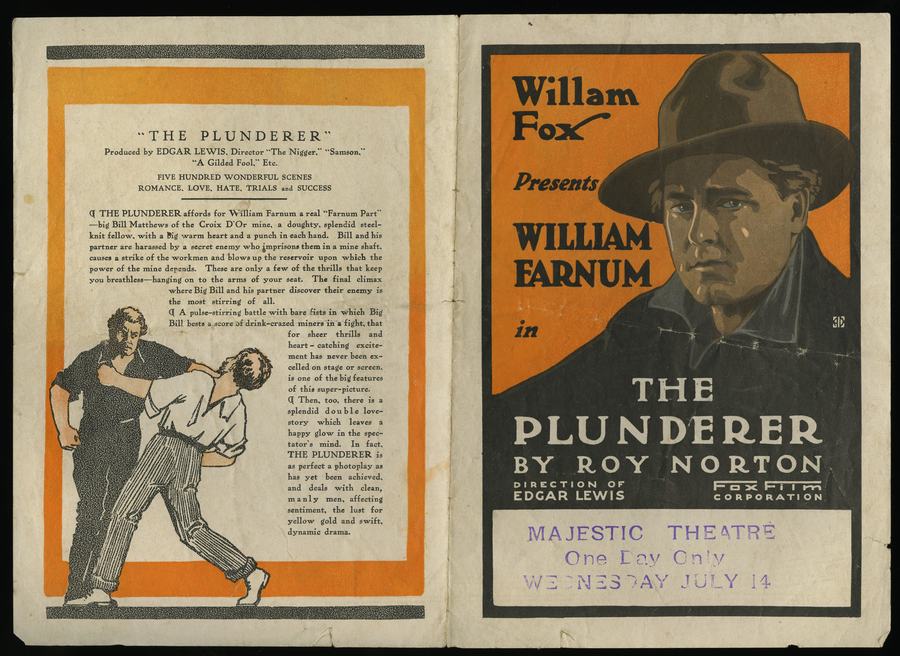
Bill Matthews and his partner, owners of the "Croix D'or mine, are beset on all sides dues to the schemes of a trusted colleague who plots to take their mine away from them, and leaves no under-handed method un-attempted in the process.
View Details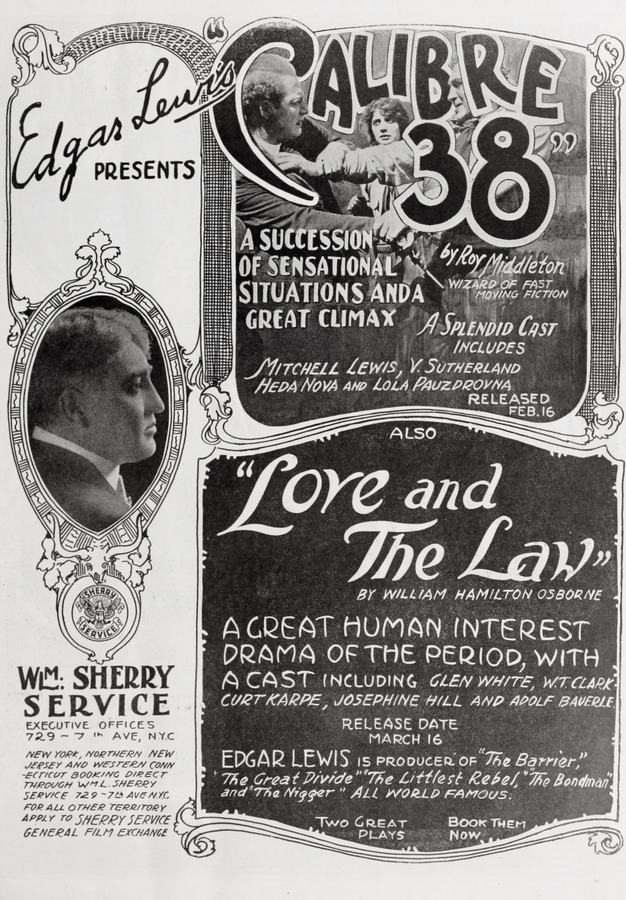
Dir: Edgar Lewis
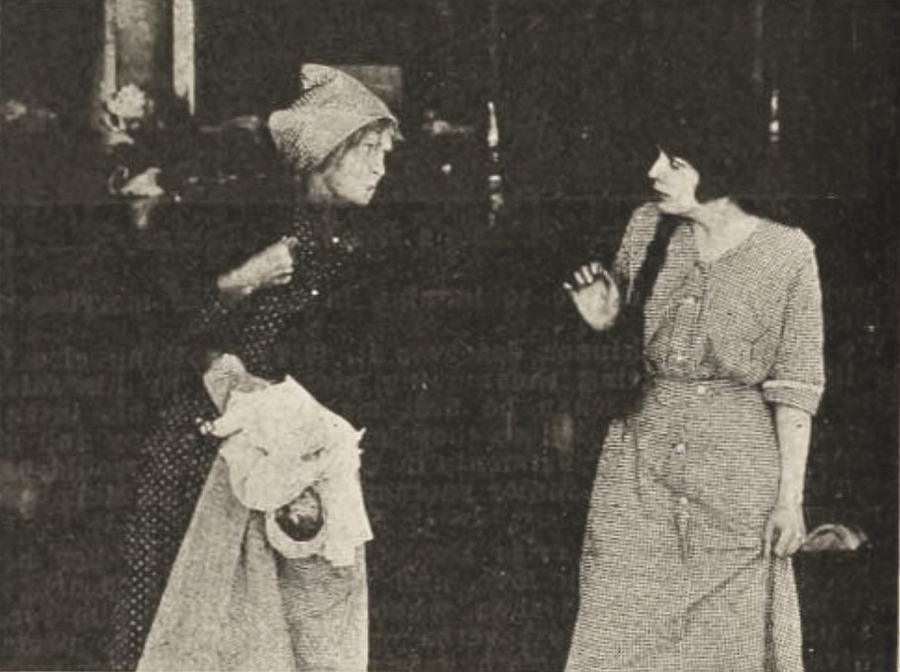
Montana cattleman Austin Brandt is jilted by Rosemary, who elopes with stranger Royce Greer, but he is consoled by his 20-year-old niece Joan. Rosemary later returns to Custer City to run a dance hall with her husband, who mistreats her. Eastern capitalist Robert Barton comes to town with his son Ford to settle a financial misunderstanding with Brandt. After reprimanding his son, Robert Barton is later found dead in his bed. Knowing of their financial argument, Ford believes Brandt is responsible, while Greer and his gang claim that Ford committed the murder. Convinced of his innocence, Ford asks Brandt to help him find the murderer. They discover that Barton was shot with a .38 caliber bullet, and Greer carries such a revolver. Meanwhile Greer's mob storms Brandt's house demanding Ford be taken prisoner. Brandt forces a confession from Greer, who is dragged away. After her husband's death, Rosemary departs and leaves a note explaining her love for Brandt. Joan and Ford find happiness together.
Dir: Edgar Lewis
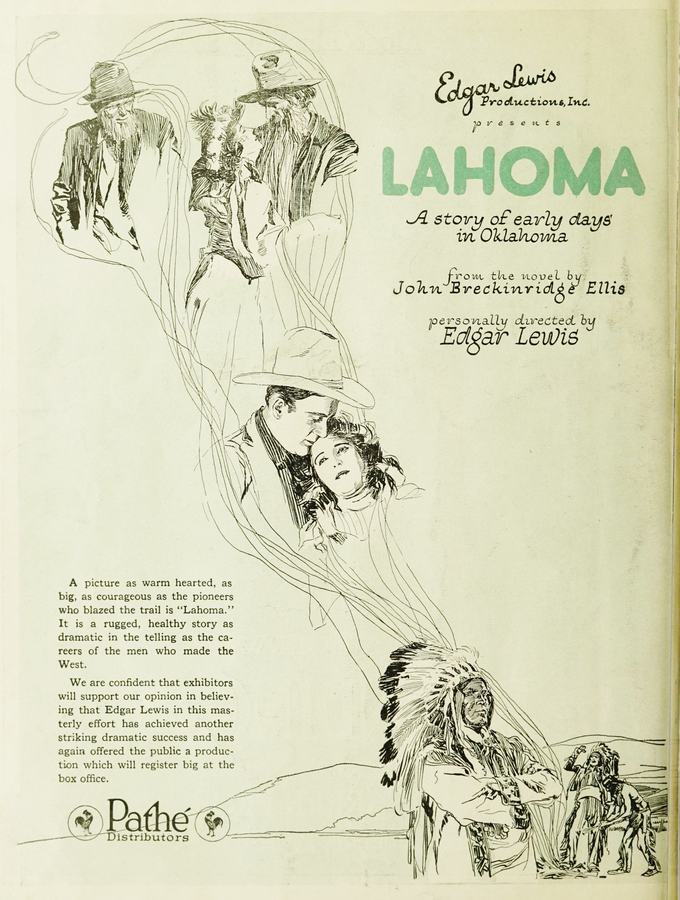
In Oklahoma, kindhearted outlaw Brick Willock rescues little Lahoma Gledware and her father Henry from certain death at the hands of his outlaw band. In the course of the rescue, he kills Kansas Kimball, the brother of the outlaws' leader Red Kimball, who vows vengeance against Brick. Brick renounces his life of crime, and after Gledware relinquishes custody of his daughter to marry an Indian princess, the old cowboy gives refuge to the little girl, raising her with the help of neighbor Bill Atkins. Years later Easterner Will Compton comes to Oklahoma to homestead, meets Lahoma and falls in love with her, but is forced to leave by Brick. While visiting Kansas City, Lahoma overhears Kimball plotting to kill Brick by swearing out a phony warrant for his arrest, but she foils his plan. Outwitted, Kimball takes revenge into his own hands and shoots Brick, only to fall in his tracks from Brick's own gun as the old outlaw breathes his last breath. Will returns to console Lahoma and the couple are married.
View Details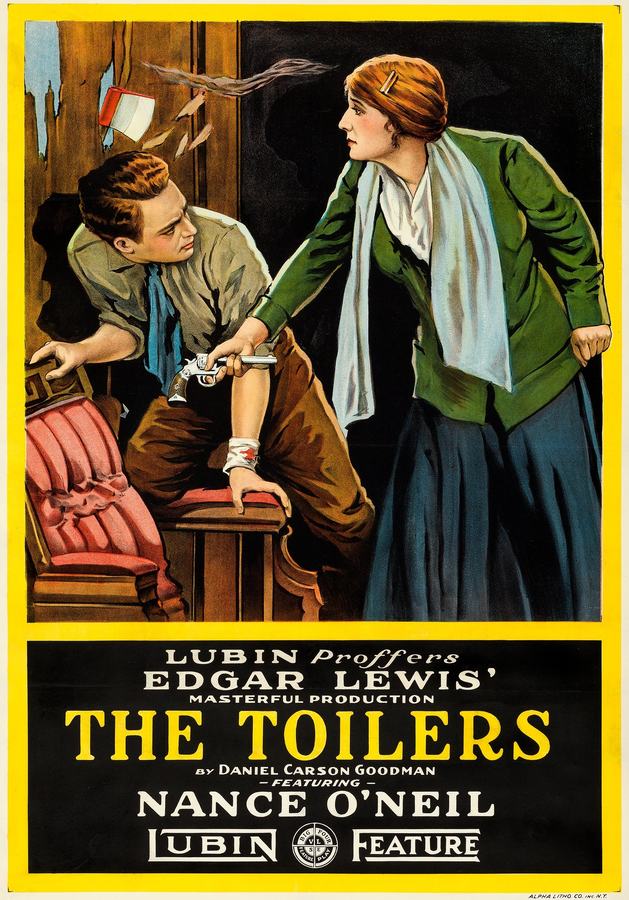
Dir: Edgar Lewis
The scene is set in the Pennsylvania petroleum region. Oil worker William Brett has used his scanty hoard of savings to send his daughter Jane to the city to secure a higher education. Completing her course as a trained nurse, Jane visits her old home. Amid the settlement's corroding influence, her brother becomes a thief. Jane's sister Annie falls a prey to the blandishments of a tempter from the city. Fired with indignation against the injustice of affairs, Jane devotes herself to the double mission of avenging and of righting the wrongs of which her family and the community in general have been subjected. Her father is seriously hurt in an accident at work, and his pay is stopped. Jane hastens to the city, determined to make an effort to awaken William Jameson, the millionaire owner of the oil field, to a realization of the wrongs imposed upon the workers. She arrives at a time when the millionaire's son John Jameson, who glimpsed the light of uplift, is vainly pleading with his father to listen to his plans for the betterment of the workers' conditions. Jane is compelled to force her way into the Jameson mansion during the progress of a bal masque given in aid of the Society for Prevention of Cruelty to Animals. She accosts William Jameson in his study, and wild with anger and further maddened by the millionaire's gibes, she tries to kill him and is arrested by detectives. Although she and young Jameson have not met, the latter is instrumental in obtaining her release. Jane goes back to the workers and a secret strike is formed, Jane being the ring-leader. They determine to fire the wells to teach Jameson a lesson. It is at this time that John Jameson comes to the oil wells to investigate conditions. His identity is not known by anyone except the superintendent. Morgan, the ringleader of the workers, is in love with Jane, and on the eve of the firing of the wells he learns of Jameson's identity by breaking into his cottage. The same evening, to save the property, young Jameson goes to Jane, confesses his identity, and pleads with her to help him save the property. Jane is in a quandary. She has fallen in love with the man, whom she believed to be a workman, and he with her. Finally, when she goes to the meeting place of the strikers and pleads with them to hold off, Morgan, who has just broken into Jameson's hut, rushes in, and accuses her of being a traitor. There is a fight. They trample over Jane and rush to the wells. Jane, realizing that they will turn to her unsuspecting lover and try to kill him, drags herself to him and just in time throws herself in front of him as the strikers rush to kill him. However, John Jameson bares himself to the strikers, asks them to listen to him, and proves to them that he is there on their behalf. He then goes to his father and forces him to give in to the strikers, and all ends happily.
View DetailsAnalysis relative to The Bondman
| Film Title | Atmosphere | Complexity | Similarity |
|---|---|---|---|
| Samson | Gothic | High | 88% Match |
| The Barrier | Ethereal | Layered | 95% Match |
| The Sign Invisible | Ethereal | Abstract | 85% Match |
| Souls in Bondage | Ethereal | Dense | 89% Match |
| The Bar Sinister | Gritty | Dense | 91% Match |
This guide was algorithmically generated using the cinematic metadata of Edgar Lewis's archive. Last updated: 8/17/2026.
Back to The Bondman Details →