
DbcultAccessing Vault...
Recommendations
Senior Film Conservator
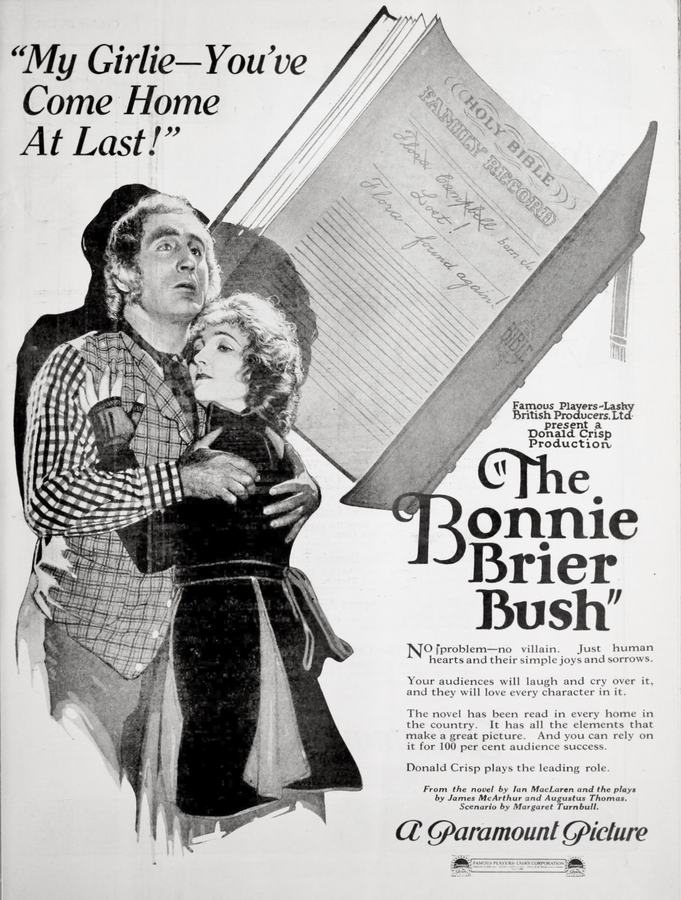
Looking back at the 1921 milestone that is The Bonnie Brier Bush, the specific character-driven intensity of this work is a gateway to a broader Drama world. Our archive is rich with titles that mirror the character-driven intensity of Donald Crisp.
As Donald Crisp's most celebrated work, it defines to create a dialogue between the viewer and the character-driven intensity.
A Lord's son is engaged to his rich ward, but prefers a peasant.
Based on the unique character-driven intensity of The Bonnie Brier Bush, our vault has identified these titles as the most compelling follow-up experiences for fans of Drama cinema:
Dir: Donald Crisp
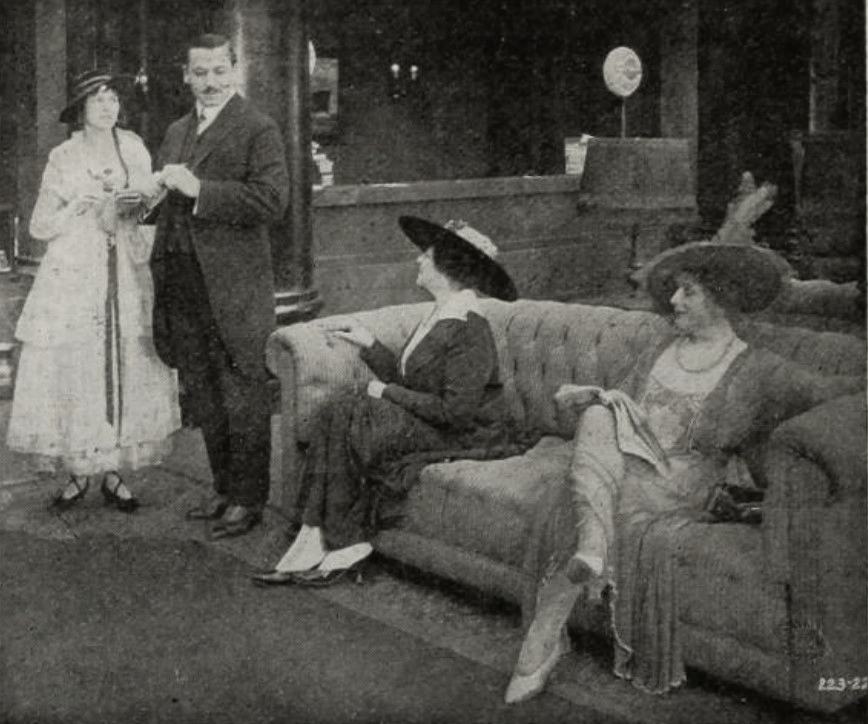
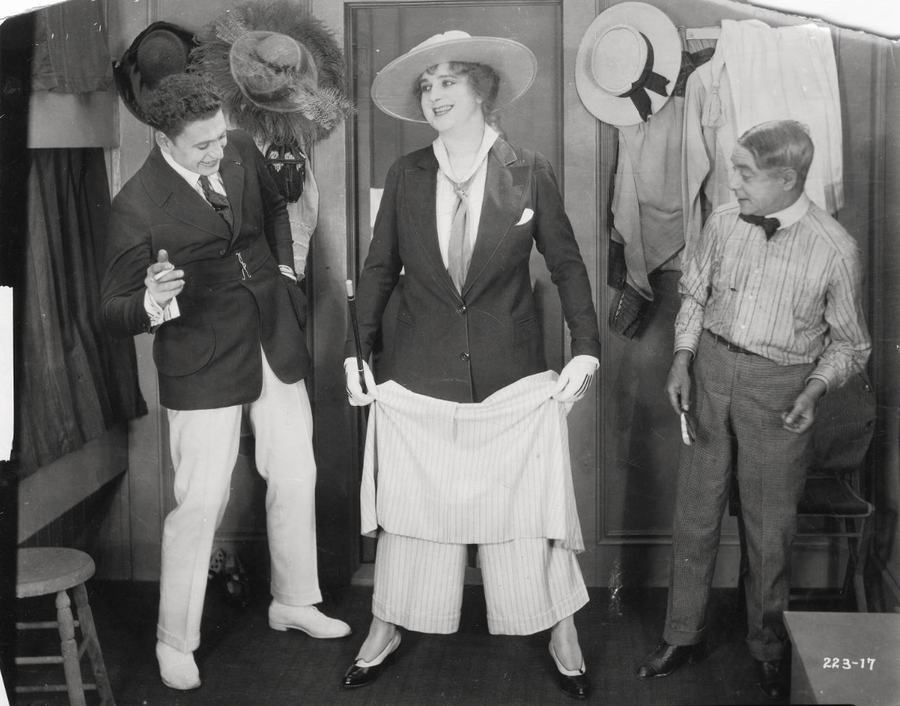
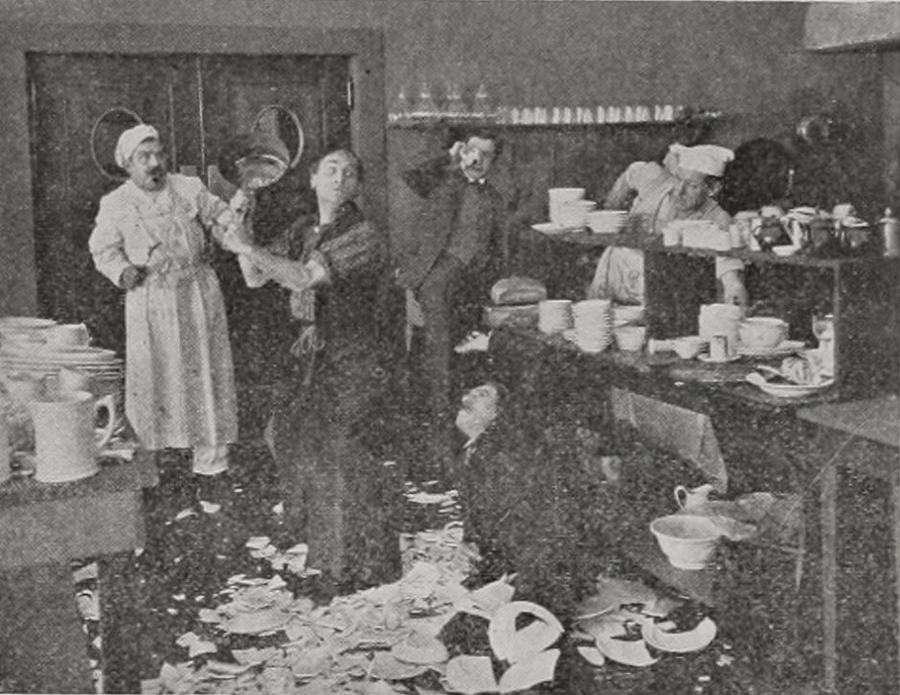
Newspaper publisher Temple Trask, who answers the "Letters to the Lovelorn" column under the nom-de-plume "Mrs. Carfax," becomes the hit of his college reunion when he revives his female impersonation act. Returning home, Temple meets Billy Wise, another college friend, who wagers one hundred dollars that Temple will not go into a restaurant dressed as a woman. He takes the dare, then sees Helen Scott in the restaurant and, although he is a cynic who does not like women because he knows too much about them, he falls in love. When he notices that Adrian Graw, a crook whom Temple knew when he was a cub reporter, is after Helen's fortune, Temple, impersonating Mrs. Carfax, accompanies Helen and her grandmother, Mrs. Keyes, aboard a steamer to protect them. On the voyage, Helen becomes good friends with Mrs. Carfax and falls in love with Temple. After Mrs. Carfax punches Graw during a struggle for Mrs. Keyes bonds, the police arrest Graw and his accomplice, Rena Varsey. Helen, astonished when Temple removes his wig, falls joyfully into his arms.
View Details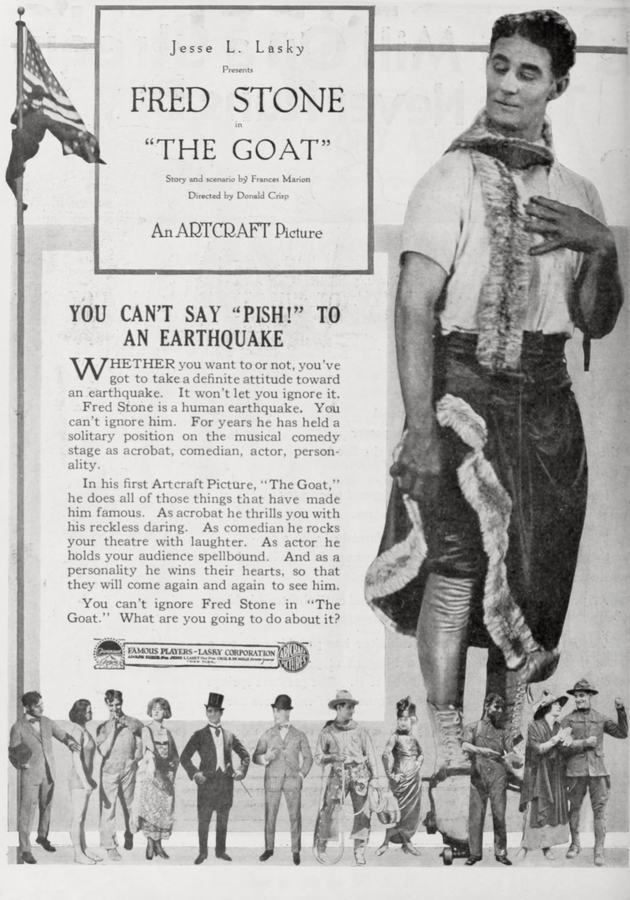
Dir: Donald Crisp
Chuck McCarthy, an intrepid young ironworker, longs to become an actor, despite the protests of his girl, Molly O'Connors, and his family. In dashing up the frame of a building to catch actress Bijou Lamour's runaway pet monkey, he attracts the attention of the studio managers, who make him a stuntman. For a time Charles is happy executing life-risking feats and strutting around in new clothes, although the company laughs at him behind his back. When leading man Marmaduke X. Caruthers refuses to perform a particularly dangerous stunt in a war film, Chuck doubles for him and is seriously injured. The studio manager, who recognizes in the incident an opportunity to promote his star, quickly wraps Marmaduke in bandages and sends him to the hospital, while Chuck is secretly removed through the back door. The next day, the Filmcraft Company sends Chuck a check for $1,000 to keep quiet about the accident. He and Molly use the money on their honeymoon to Niagara Falls.
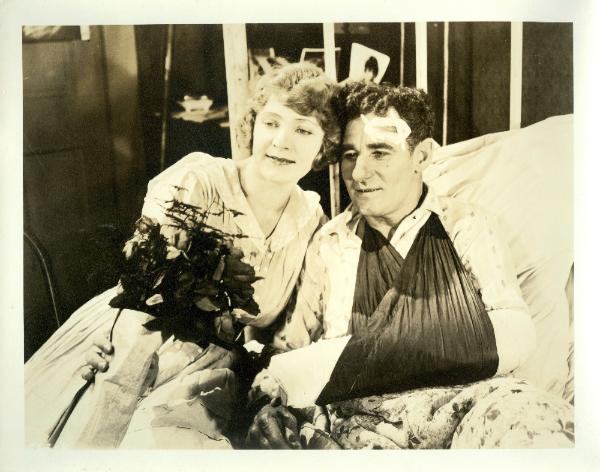
Dir: Donald Crisp
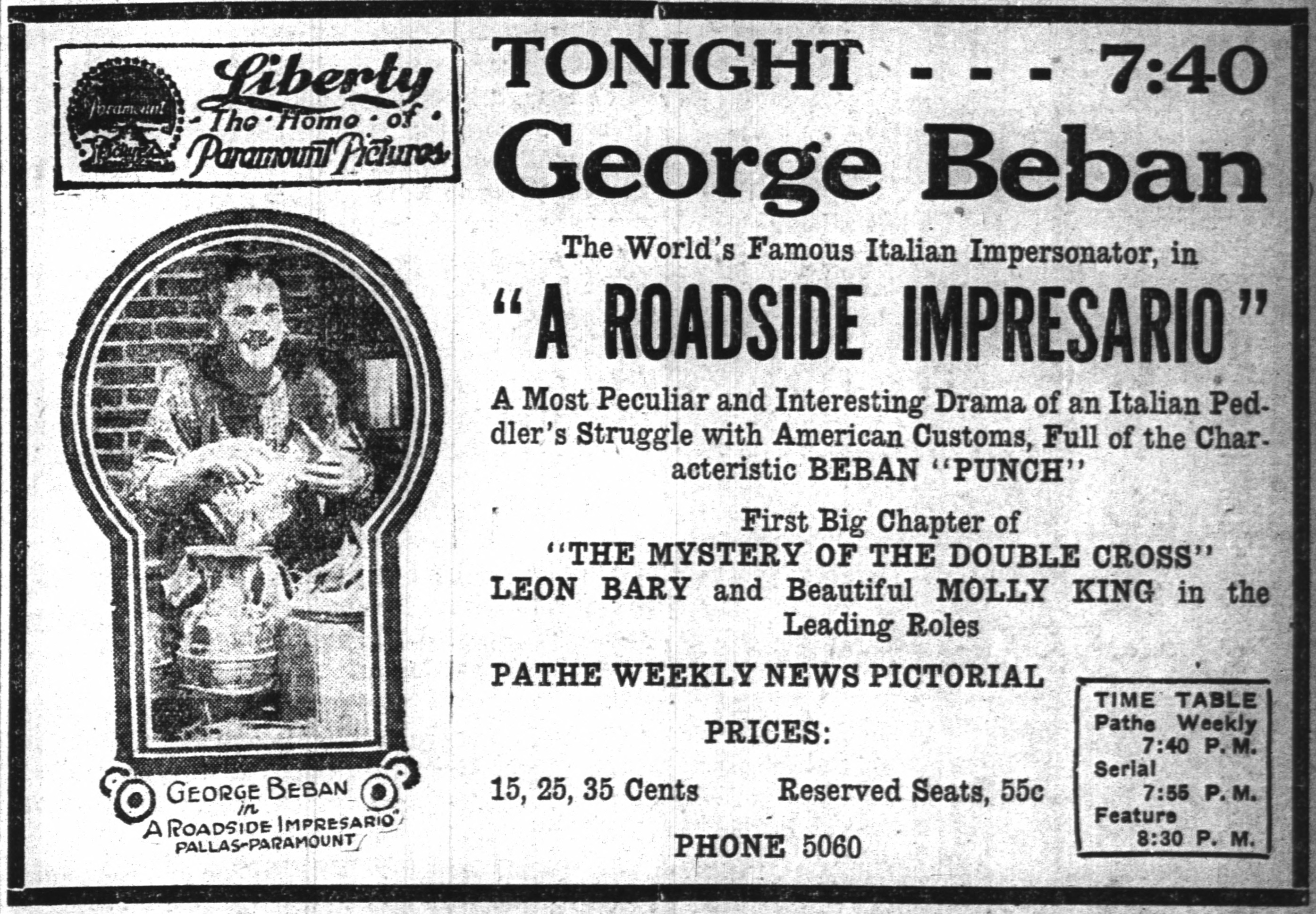
Giuseppe Franchini lives with his little daughter Francesca and pet bear Bruno on the Italian coast. One day, Giuseppe sees a shipwrecked man offshore and swims to his rescue, but in doing so, he is carried out to sea. Upon his return, he finds that his wife has died of shock at the news of his drowning, and the stranger has taken away the little girl. Years later, Giuseppe travels to America with Bruno where they are arrested for invading an apiary on the Vandergrift estate. Giuseppe is befriended by Vandergrift's daughter Adelaide, but Bruno is sent to jail for his crimes. To pay Bruno's fine, Giuseppe takes a job in a roadhouse owned by John Slade. Here, he learns of Slade's plans to smear Adelaide's fiancé, Craig Winton, the reform candidate for mayor. Giuseppe presents proof of Slade's corruption to Adelaide, who turns it over to her father. When Giuseppe meets Vandergrift, he recognizes him as the man he rescued, but, realizing that Adelaide is happy in her life, he leaves town without letting her know that he is her real father.
View Details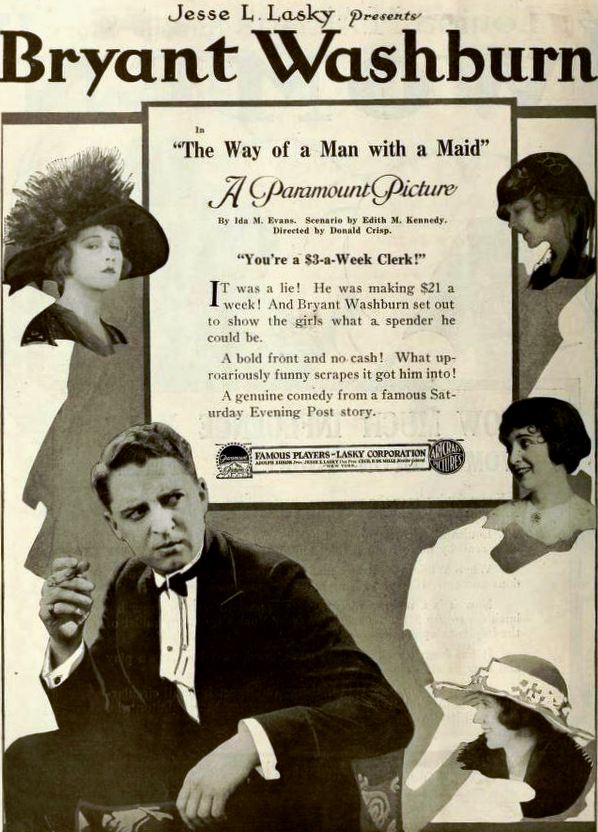
Dir: Donald Crisp
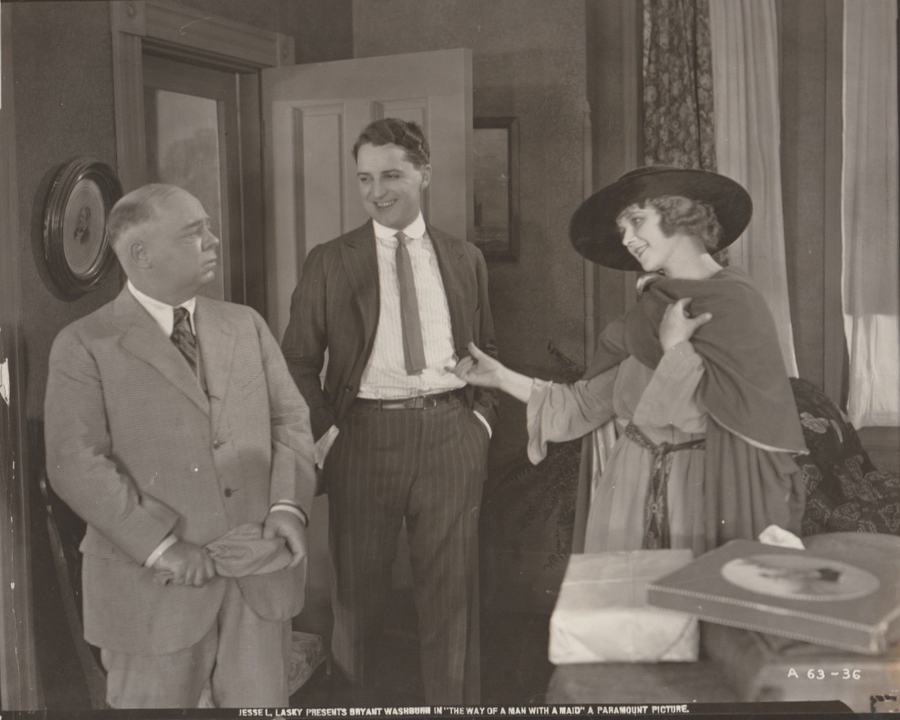
When shipping clerk Arthur McArney falls in love with pretty stenographer Elsa Owenson, he finds himself in stiff competition with a fat but wealthy broker named Sankey. Elsa's expensive tastes lead Arthur to spend a week's salary on an evening's entertainment, part with his watch to pay their taxicab fare, and borrow money from his friends to buy her extravagant gifts. Finally, Arthur is forced to take on odd jobs and night duty, which so impresses his employer, Hallet, that he gives the clerk a small raise. After Arthur spends $200 on the proper attire to wear to a lavish Halloween party, Hallet calls him to the office that evening, and Elsa attends the affair with Sankey. To reward his employee's dedication, Hallet promotes Arthur to the post of branch manager. Elsa accepts Arthur's marriage proposal with the promise that she will henceforth economize.
Dir: Donald Crisp
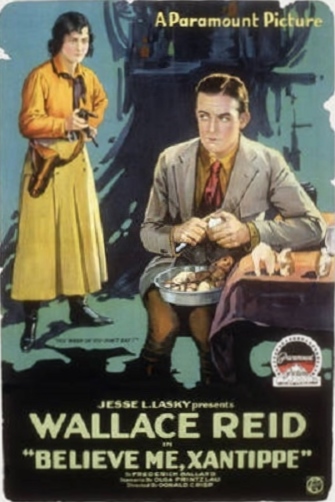
George MacFarland, a wealthy young man who loves adventure, bets his friends Thornton Brown and Arthur Sole $20,000 that he can commit a crime and elude the police for a year. After he forges a check, George heads West and does escape arrest for nearly a year, despite the proliferation of police circulars bearing his name and his favorite expression, "Believe me, Xantippe." In a Colorado hunting lodge, he meets Sheriff Kamman's pretty daughter Dolly, who recognizes and tries to arrest him. According to the terms of the bet, however, he must be captured by a genuine officer of the law, which Dolly is not. With the stroke of midnight, the year elapses and George wins the bet as well as the sheriff's daughter.
View Details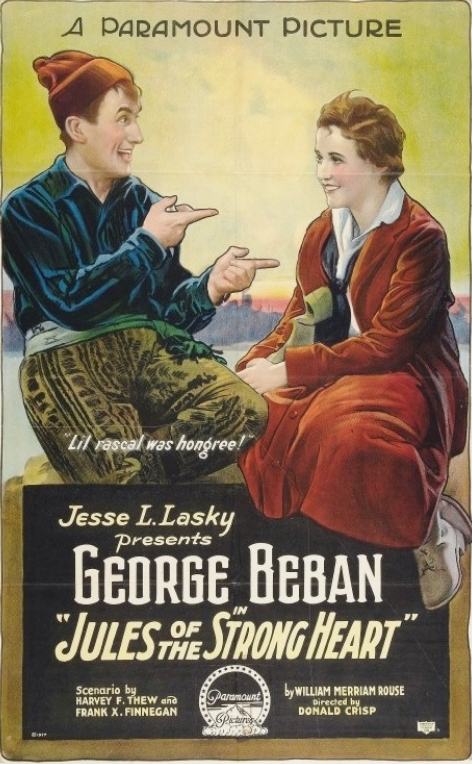
Dir: Donald Crisp
Jules Lemaire, a happy-go-lucky French-Canadian lumberman, arrives at the Nemo lumber camp carrying a baby. His love for the child wins him the respect of Joy Farnsworth, the daughter of the camp's foreman, but this arouses the jealousy of Big Jim Burgess, the camp bully. Burgess incites the men to strike when the delivery of their paychecks is delayed because of a storm, whereupon Jules offers to cross the river and retrieve the payroll. Burgess volunteers to accompany Jules, but after their departure, he ties the lumberman up and attempts to torture him into giving up the order of delivery for the money. In the meantime, a stranger appears at the camp and tells Joy that Jules had been caring for his child while he was in England. Joy and the stranger rescue Jules and turn Burgess over to the foreman, after which Joy proposes to the French-Canadian.
Dir: Donald Crisp
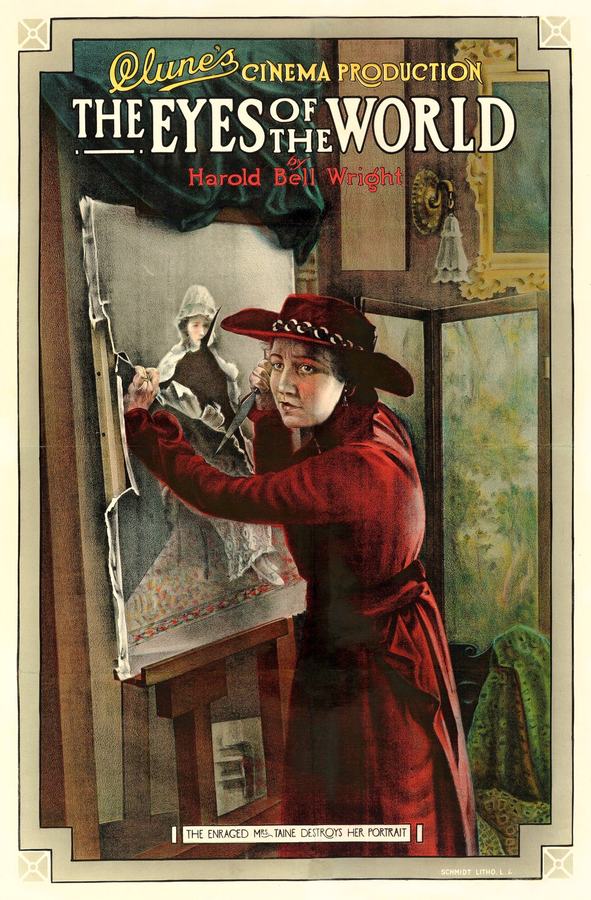
Prologue: Conrad LaGrange proposes marriage to Mary Gibson. She refuses him and marries Aaron King and they welcome son Aaron King, Jr. John Willard, who does not approve of the intimacy between his sister Myra, and James Rutledge, provokes a quarrel with Rutledge. Thinking he has killed him, Willard goes West. A baby is born to Myra, who does not know that Rutledge has a wife. Mrs. Rutledge learns of it. Crazed with jealousy, she seeks Myra, throws acid in her face, marring her for life; then commits suicide. With Myra's permission, Rutledge takes the baby to raise with his son, James Rutlidge, Jr., and shares his wealth equally between them. Myra refuses his offers of money, and writes to John Willard, her brother, asking for help. In California, he holds up a mail stage to get money for her fare West. Willard is arrested. Myra, ignorant of this, goes to Graymont, California. Not finding her brother, she wanders into the mountains and to the home of Mr. and Mrs. Andres, who take her in. She is like a mother to Sybil, Andres' only child. Years pass. Aaron King, in financial difficulties and disgrace, dies. LaGrange, who has prospered, pays some of Mrs. King's debts and again asks her to marry him. She refuses, saying her life belongs to her boy. Mrs. King, sacrifices all to keep Aaron, her son, now a young man, in a Paris art school. Graduating with high honors, he receives word that his mother is ill, and rushes home in time to see her die. The Story: Twenty-five years have elapsed. Aaron King, Jr. leaves for the West. On the same train are Gertrude Taine; her husband Edward Taine, a wreck many years her senior; and Mrs. Taine's stepdaughter Louise Taine. They are met by James Rutledge, Jr. Myra, who now lives in Fairlands, recognizes Mrs. Taine and Rutledge. King becomes acquainted with LaGrange. Friendship springs up between the pair. King is commissioned to paint Mrs. Taine's portrait. He and LaGrange take a cottage next, to Sybil and Myra. Rutledge annoys Sybil with his attentions. King and LaGrange meet Sybil. Mrs. Taine becomes infatuated with King. John Willard (now known as John Marston) escapes from prison. He meets Rutledge, who befriends him and bides him in a mountain cabin. Mrs. Taine is pleased with the portrait. As King contrasts Sybil with Mrs. Taine, he sees the latter as a designing soul in a beautiful body. Refusing to let her have the portrait, he asks her to pose again. Thinking she has infatuated King, she consents. He also paints Sybil's portrait. Mrs. Taine gives a reception in honor of King and LaGrange. She tries to influence King by causing Sybil to play her violin as one of the paid performers. Mr. Taine collapses in the midst of a speech and is carried off, dying. Mrs. Taine, visiting King's studio, finds him absent. Sybil comes in. Mrs. Taine, bringing in the fact that Sybil was up in the mountains with Myra while LaGrange and King were on a camping trip in the mountains, convinces Sybil that the world thinks she is the artist's mistress. Sybil stops long enough to write a note for Myra, and then rides away. Myra tells King of Sybil's disappearance. He follows her, and enlists the aid of Brian Oakley, the forest ranger. Rutlidge learns of Sybil's departure. By threatening Marston with exposure, he forces him to kidnap Sybil. Marston takes her to a cabin. Oakley, King and a posse of men search the mountains for her. King goes to Granite Peak, but Rutledge gets there first. Rutledge makes the proposition that they throw down their guns and fight it out. As Rutledge is about to throw King over the cliff. Marston appears with Sybil, who begs him to save King. He shoots Rutledge, who topples over the cliff. Then Marston disappears. King and Sybil go back to town. Sybil has discovered that she loves King and that he loves her. Mrs. Taine goes to the studio. She sees herself on the canvas as King sees her, and flies into a rage. She threatens to blast King's career and to ruin Sybil's reputation. LaGrange, overhearing, brings Myra in and has her tell her story. As Mrs. Taine listens, she bares her shoulder, showing a scar which identifies her as Myra's daughter. LaGrange threatens if she ever speaks ill of Sybil or King to publish the story broadcast Mrs. Taine retreats. Later, Sybil, learning from LaGrange that King has completed his masterpiece, goes to the studio. King takes her in his arms.
View Details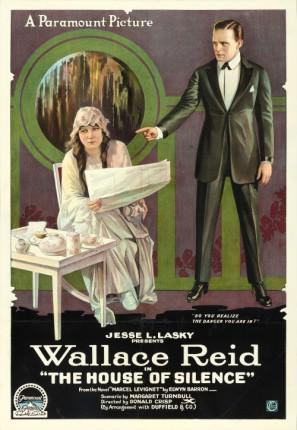
Dir: Donald Crisp
A young woman, disheveled and greatly distressed, stops criminologist Marcel Levington on the street and begs him to find a doctor for a man who is dying inside a nearby house of ill repute. Marcel and his friend, Dr. Rogers, enter the house and find the man, a prominent lawyer, dead, his heart pierced by a hatpin that the doctor recognizes as the one he recently gave his daughter Toinette. Rogers announces that the man has died of heart failure, returns home and demands an explanation from his daughter, who explains that she was lured into the house and attacked by the man. Realizing that Toinette killed the lawyer to defend her honor, Rogers and Marcel agree to protect her. Marcel retrieves Toinette's pocketbook from the proprietor of the house, Mrs. Clifton, who had planned to blackmail the girl, and then returns to Toinette, with whom he has fallen in love.
Dir: Donald Crisp
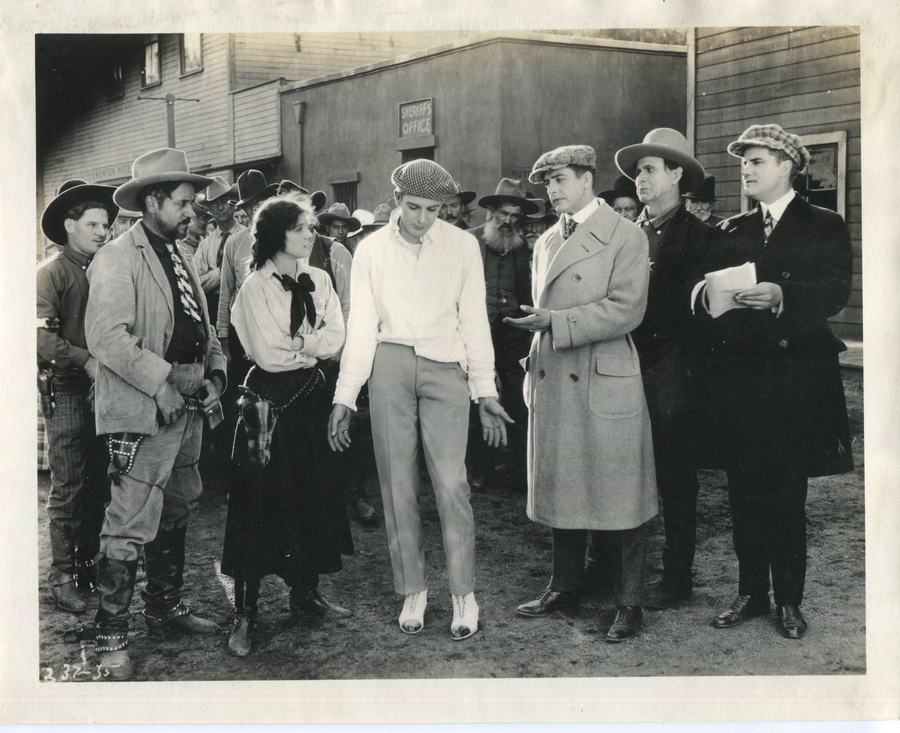
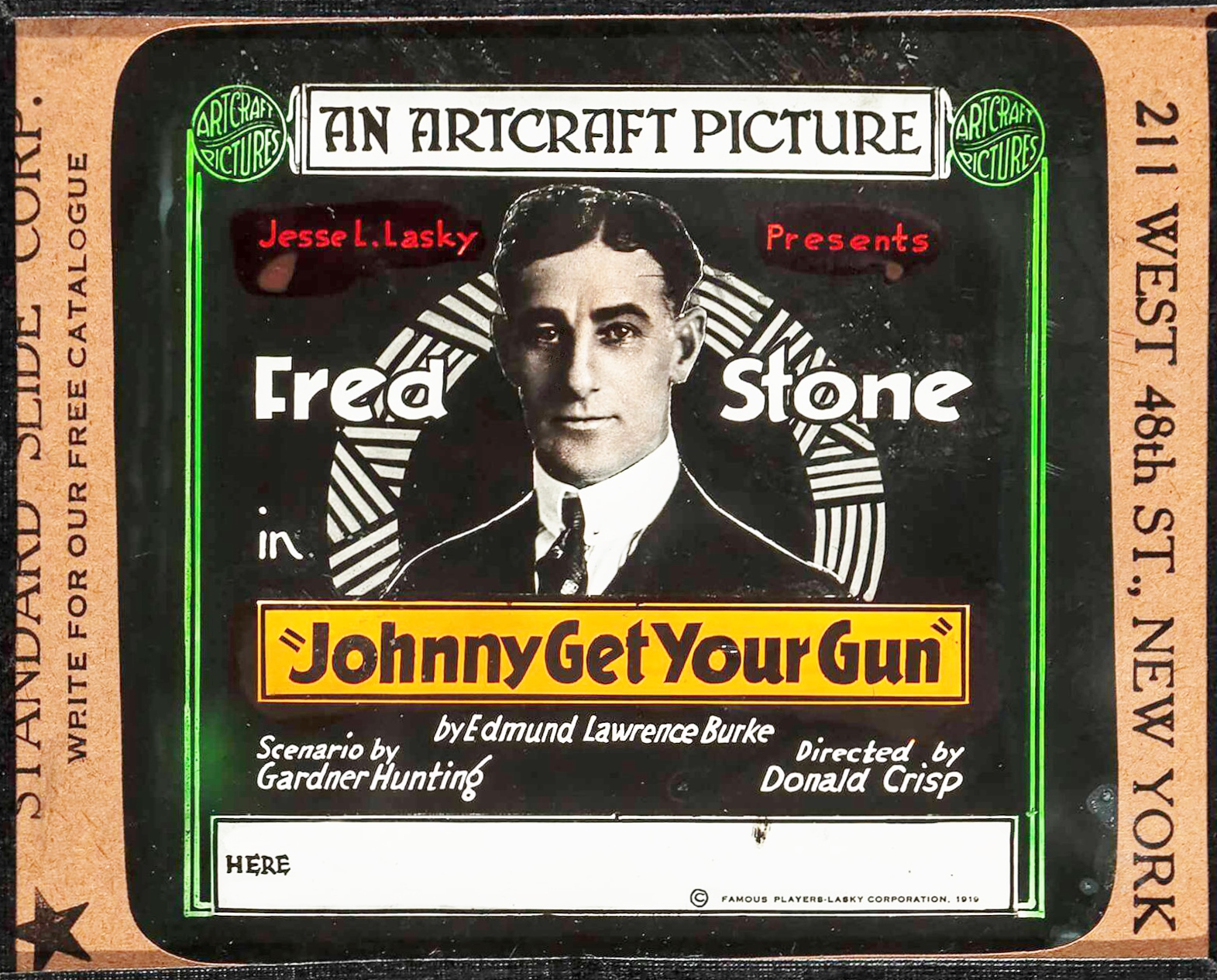
While Bill Burnham is jailed for drunkenly shooting up the town, he receives a letter saying that his father has died, his sister Janet is about to marry a worthless count, and the family fortune is in danger. Unable to leave, he convinces his friend, Johnny Wiggins, a motion picture cowboy, to go to his home in Palm Beach, which Bill left as a boy, and impersonate him. Although Johnny's Western manner irritates Janet and her aunt, they put up with him because Bill's sanction for Janet's marriage is needed for her to receive her inheritance. When the count discovers that Johnny is not Bill, he tries to elope with Janet, but is prevented when Johnny lassoes him from his moving automobile. After Johnny forces crooked broker Milton C. Milton, at gunpoint, to make restitution for the losses Janet suffered through Milton's bad stock investments, Johnny marries Ruth, the maid, and leaves, promising that when Bill returns, things will get livelier.
View Details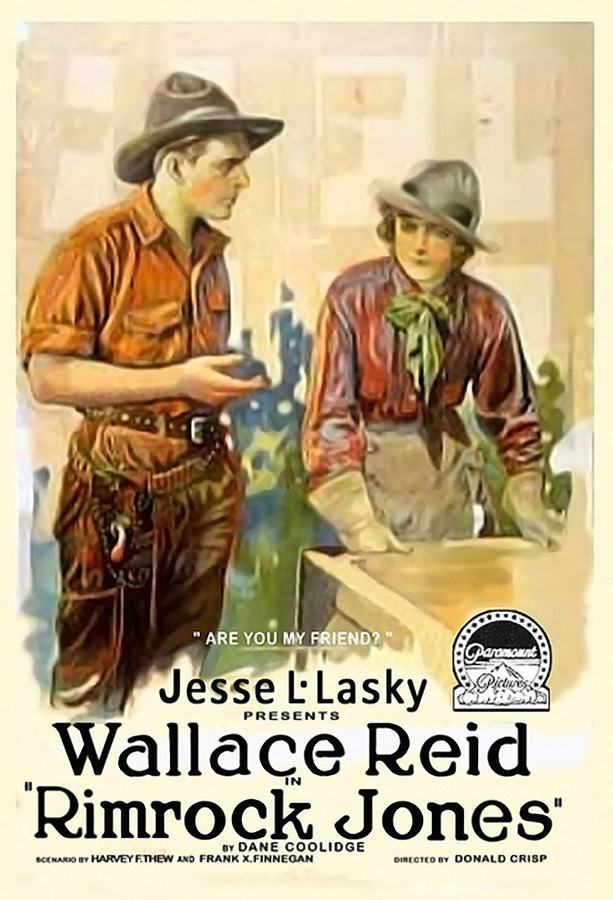
Dir: Donald Crisp
In the mining town of Gunsight, an unscrupulous lawyer named Andrew McBain applies the obscure "Apex Law" to trick Rimrock Jones out of his newly discovered copper mine. Undaunted, the reckless young prospector locates an even richer mine. Having no money to develop the Tecolote, Rimrock borrows $2,000 from stenographer Mary Fortune, who, when the mine proves its worth, decides to retain a vote on the board rather than take back her loan. Plagued by deafness, Mary travels to New York to consult a specialist, followed by Rimrock, who now loves her. Stoddard, a Wall Street financier who has designs on Rimrock's mine, hires a vamp named Hazel Hardesty to detain Rimrock in the East, but Mary returns to Gunsight in time to prevent Stoddard from taking control of the Tecolote. Rimrock reappears to save Mary from Stoddard's gang, after which he locks the loyal Mary in an embrace.
View DetailsAnalysis relative to The Bonnie Brier Bush
| Film Title | Atmosphere | Complexity | Similarity |
|---|---|---|---|
| The Clever Mrs. Carfax | Surreal | Layered | 98% Match |
| The Goat | Ethereal | Layered | 97% Match |
| A Roadside Impresario | Tense | Linear | 97% Match |
| The Way of a Man with a Maid | Tense | Linear | 89% Match |
| Believe Me, Xantippe | Gritty | Dense | 93% Match |
This guide was algorithmically generated using the cinematic metadata of Donald Crisp's archive. Last updated: 6/27/2026.
Back to The Bonnie Brier Bush Details →