
DbcultAccessing Vault...
Recommendations
Senior Film Conservator
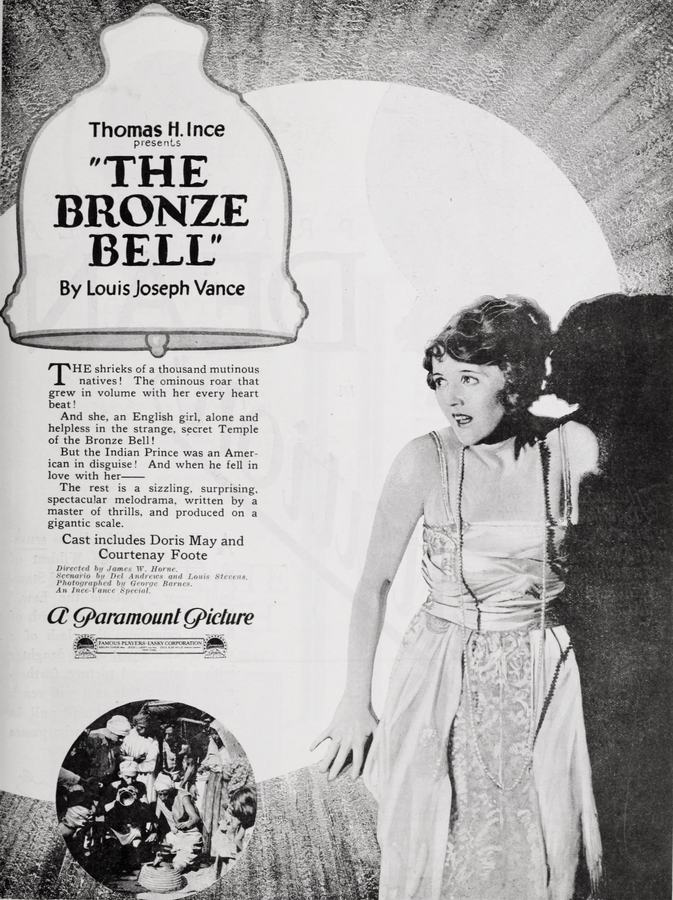
In the vast archive of Drama cinema, The Bronze Bell stands as a thematic gravity beacon, the narrative complexity found here is a rare find in the 1921 landscape. From hidden underground hits to established classics, these are our top picks.
Few films from 1921 manage to capture to explore the darker corners of the human condition with thematic gravity.
In the 1850s, a young prince in India promises his dying father he will lead a revolt against the English colonial masters of India. However, since he is half-European himself, he can't bring himself to do it and flees to America, to live in obscurity. He finds, however, that he can't outrun his obligations, and he soon meets a messenger sent from India to remind him of the promise he made to his father. Complications ensue.
The influence of James W. Horne in The Bronze Bell can be felt in the way modern Drama films handle thematic gravity. From the specific lighting choices to the pacing, this 1921 release set a high bar for atmospheric immersion.
Based on the unique thematic gravity of The Bronze Bell, our vault has identified these titles as the most compelling follow-up experiences for fans of Drama cinema:
Dir: Bruno Ziener
A fascinating piece of cinema that shares thematic elements.
View Details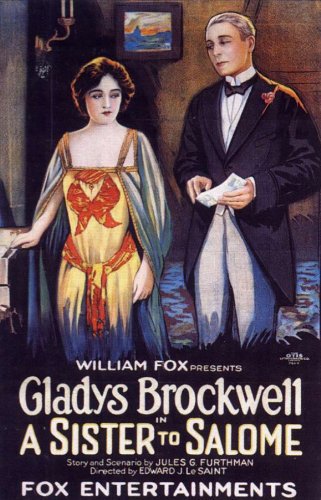
Dir: Edward LeSaint
When famous opera singer Elinore Duane undergoes an operation on her throat, she has a series of ether-induced visions. In one, she is transported to ancient Rome where she appears as a much-admired woman in love with Paul, a young heretic, and at odds with Lutor, the high priest. To save her love, she poisons Lutor with her ring. After several other visions which involve variations on this love triangle, Elinore awakens to discover that Lutor is actually her doctor, Sascha Jaccard, and that Paul is the son of a friend who has come to visit the recovering prima donna.
View Details
Dir: Robert N. Bradbury
A simple country girl, brutally mistreated by her stepfather, awakens first the sympathy, then the love, of The Boy. The Spider, who lusts after The Girl, makes a bargain with the stepfather and takes her to the city where, kept prisoner, she is soon broken in health and spirit. Cast out and near death, she is taken in by The Boy. Following the demise of The Spider, The Boy takes her to church, where he prays, and after many hours she is restored to health.
View Details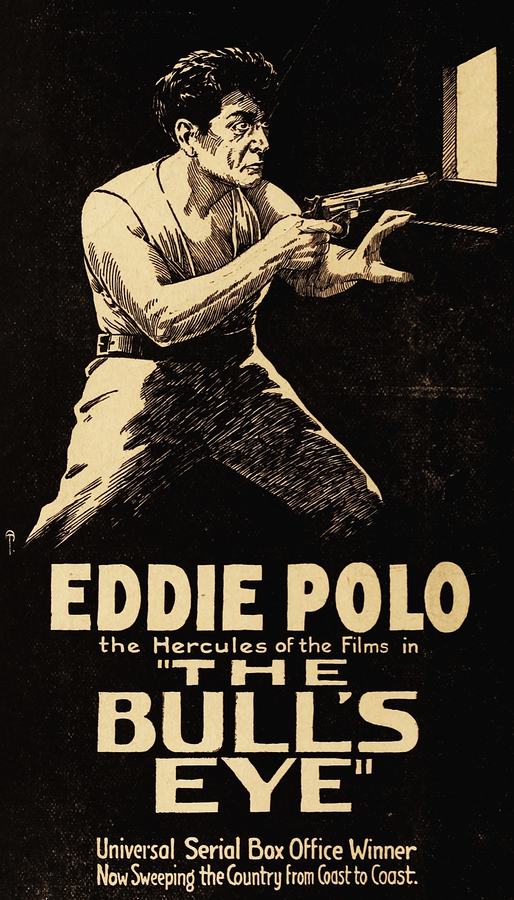
Dir: James W. Horne
A fascinating piece of cinema that shares thematic elements.
View Details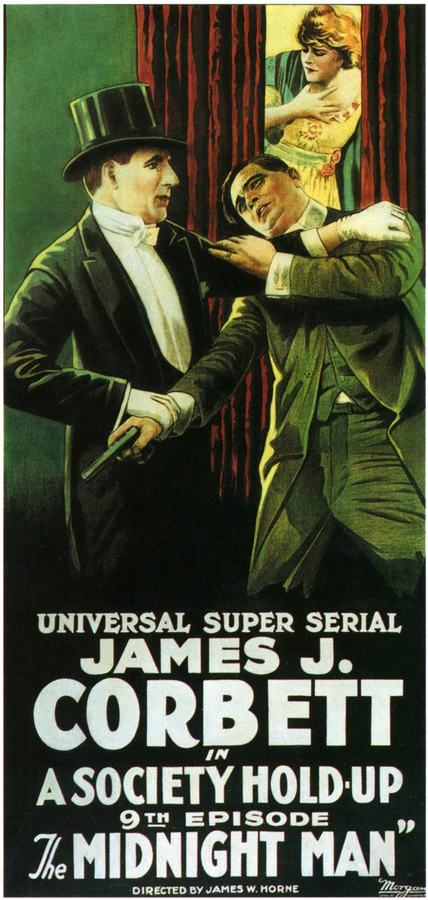
Dir: James W. Horne
Young clubman Bob Gilmore is called by telephone to his home, where his parents are giving him a birthday party. He overhears one of the male guests make a slurring remark about his mother's appearance, and punishes him right there, throwing the entire gathering into an uproar. Later in the evening he assumes guilt for a check which had actually forged by his foster father, in order to save the mother's feelings, but obtains a written confession from the guilty man for future use if necessary. Learning that he had been adopted from a foundling asylum in infancy, Bob decides to go to New York to see if he cannot learn his real name, which he understands begins with "Mor." He disguises himself and enters many homes, attired in evening clothes, and is soon known to the police as "The Midnight Man." In the meantime he has come into contact with members of the White Circle gang, and has many close physical encounters with them.
View Details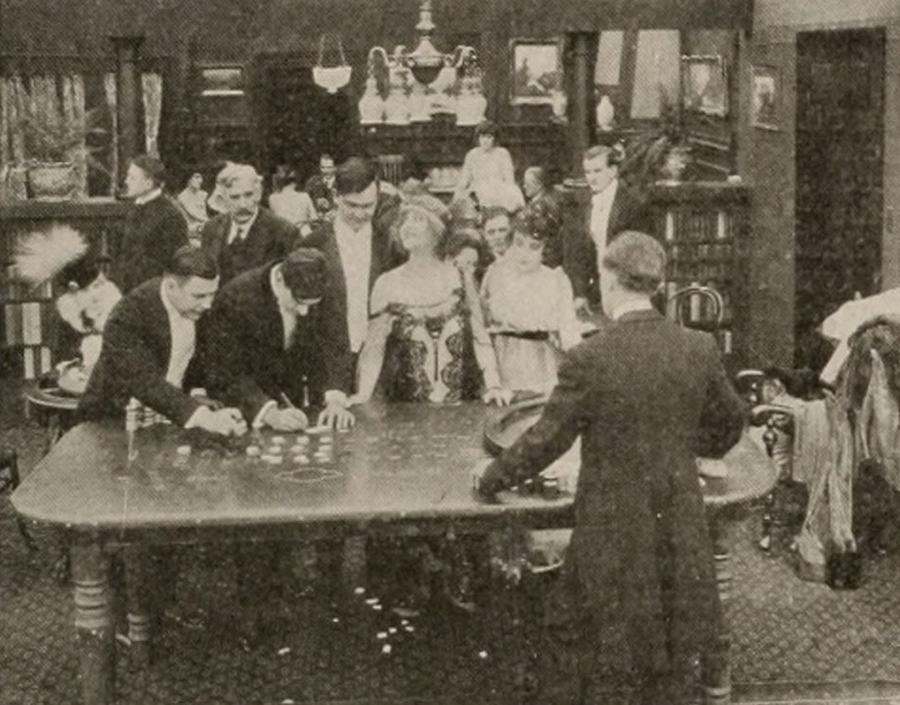
Dir: James W. Horne
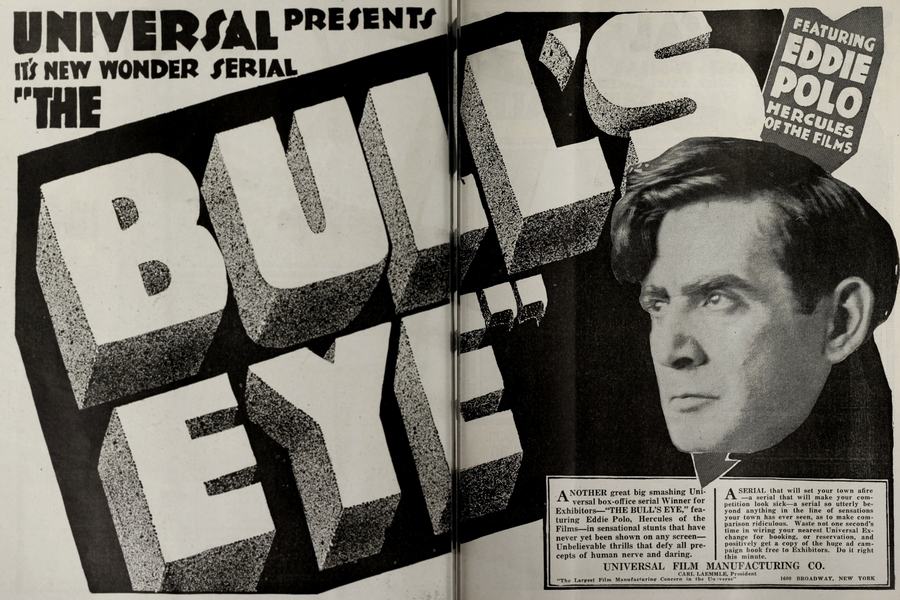
Two women finally tire of being taken advantage of by men, and vow that they will stop these cads from preying on helpless young girls.
View Details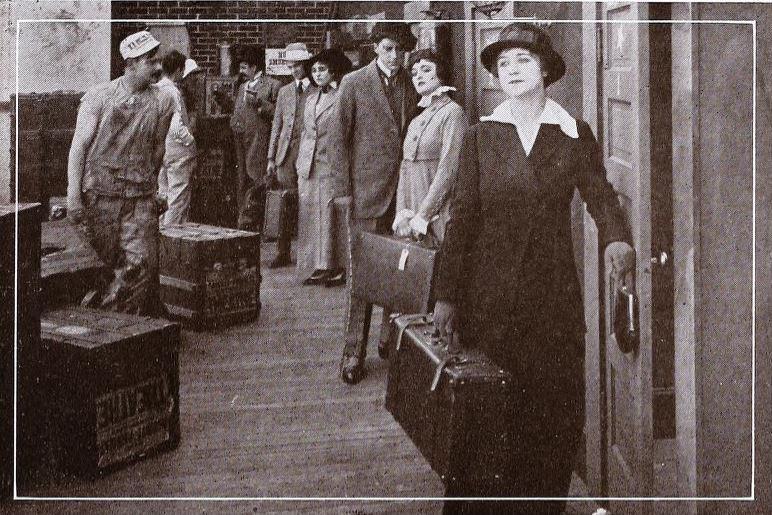
Dir: James W. Horne
Adam, the proprietor of a country hotel, loses his heart to Nell, a soubrette. Unknown to the old man, the girl and his son Jack were formerly sweethearts, but had quarreled because of her refusal to leave the stage. Knowing of Adam's love for Nell, Mason, the leading man, and Eppstein, the manager, induce him to finance the show. This is on its last legs. The members of the company stop at Adam's hotel while in Preston and thus Nell meets Jack again. Upon her refusal to give up the stage, Jack angrily leaves her. When the show departs early next morning, Adam goes with it. Nell is fascinated by Mason and the latter plays her against Clara, who also fancies she loves him. Nell does not know that it is Adam's money which is backing the show. When she does discover the manner in which the old man is being fleeced, she promptly declares her intention of quitting the company. The conspirators vainly plead with the girl. Desperate, Mason and Eppstein kidnap Adam and wire Jack in the old man's name asking him to telegraph $600. His suspicions aroused, Jack determines to investigate. In the meantime, Nell has discovered Adam's predicament. Securing assistance, she rescues him just as Jack arrives. In gratitude, Adam advances enough money to send all the members, with the exception of the plotters, home. Nell, sick of the stage, returns to Preston with Jack and his father. The latter learns of their love affair, and concealing his own love, gives them his blessing.
View Details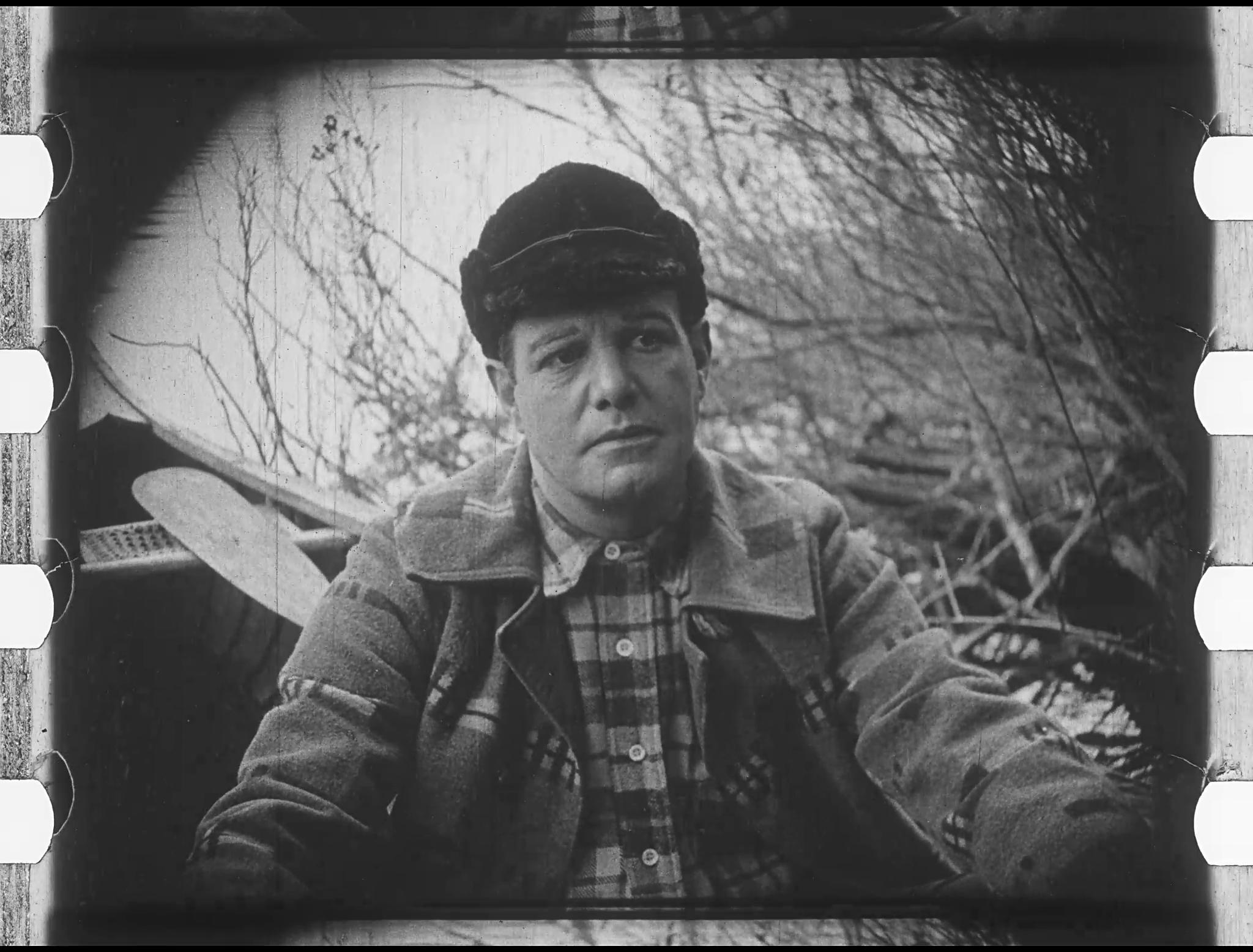
Dir: Edgar Jones
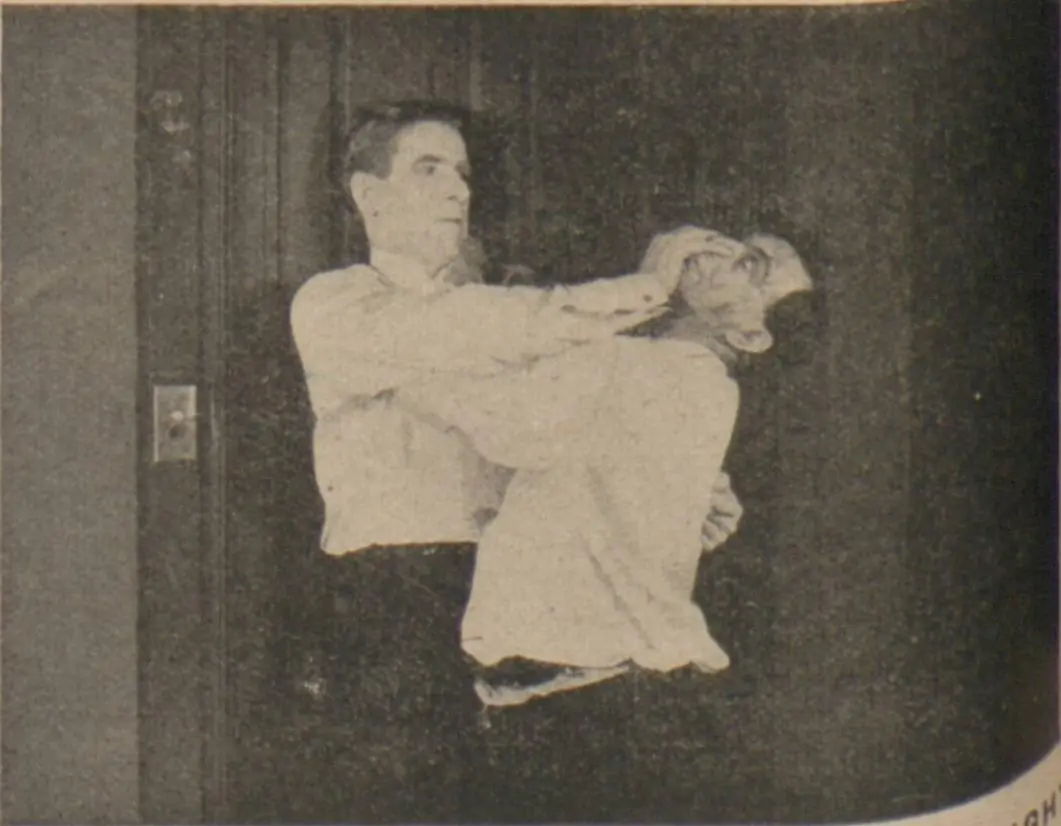
A mail-order bride arrives at a Maine lumber camp but doesn't like her prospective husband.
View Details
Dir: Maurice Elvey
A lady marries a horse trainer but withholds herself until her crippled brother is cured.
View Details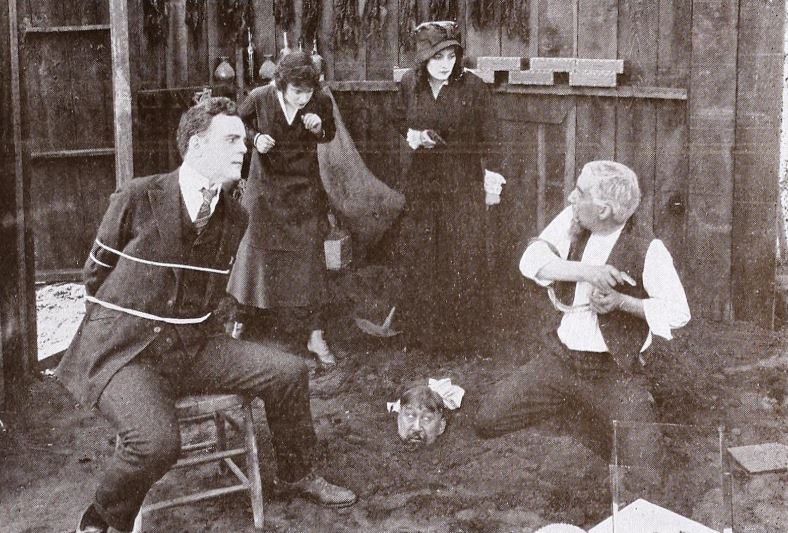
Dir: James W. Horne
A series of remarkable attempts are made upon the life of Don Louis, who is stopping at the Grand Hotel. About to retire, he finds a cobra coiled in his bed. Later, a strangler's cord swishes through the air and encircles the Spaniard's neck. The man escapes death by a miracle. The third attempt occurs when a huge chandelier suspended directly above the table at which Don Louis sits, crashes down. Unnerved, the Spaniard begs Hilton, one of the hotel detectives, to spend the night with him. A few hours later, Hilton is found bound and gagged. He tells of a mysterious visitor who overpowered him and kidnapped Don Louis. No trace of the culprit and his victim can be found. Renee, daughter of Valdez, the cigarmaker who supplies the hotel with his wares, informs Hilton that her father has disappeared. The sympathetic detective accompanies the girl home. The two hear strange noises in the curing house back of the cottage. Investigating, Hilton comes upon Valdez and Don Louis. The latter is buried neck deep in the ground. Hilton, attempting to interfere, is overpowered by Valdez, who appears insane. The man informs him that years before, Don Louis had him kidnapped, after which the scoundrel stole his wife. The woman later died in want. From the hour he learned the truth, the wronged man lived only for revenge. His story told, Valdez kneels beside the don's head and slowly shoves a cobra toward the man's face. Frances Ballou, summoned by Renee, arrives just in time to save the don's life. Hilton tells her the story while liberating Don Louis. The terrible ordeal has revealed to the latter the depths of his infamy and he slinks away. Her heart touched. Frances resolves to keep the matter from the police.
View DetailsAnalysis relative to The Bronze Bell
| Film Title | Atmosphere | Complexity | Similarity |
|---|---|---|---|
| Eva, wo bist du? | Gothic | Dense | 86% Match |
| A Sister to Salome | Gothic | High | 88% Match |
| Into the Light | Gothic | Abstract | 89% Match |
| The Bull's Eye | Surreal | High | 90% Match |
| The Midnight Man | Gothic | Layered | 90% Match |
This guide was algorithmically generated using the cinematic metadata of James W. Horne's archive. Last updated: 8/17/2026.
Back to The Bronze Bell Details →