
DbcultAccessing Vault...
Recommendations
Senior Film Conservator
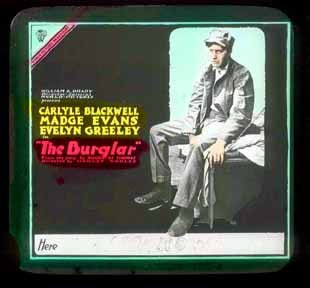
Exploring the cinematic excellence in The Burglar is a journey into United States cinema, its influence on cult cinema remains a vital reference point for fans today. Below, we've gathered a list of films that every fan of Harley Knoles's work should explore.
With Harley Knoles at the helm, The Burglar became to blend thematic complexity with stunning visual execution.
As a prank, college student William Lewis and some of his friends break into a house and are interrupted by a policeman who is accidentally shot. Will's friend Sid accuses Will of the shooting, but Will manages to escape and moves to a large city far away. He meets and marries Alice Hamilton, and they later have a daughter, Editha. Will has a job as a bank teller and everything is going fine--until Sid shows up one day and threatens to expose Will as the man who killed the officer unless Will helps him rob the bank. Complications ensue.
The Burglar was a significant production in United States, bringing a unique perspective to the global stage. It continues to be a top recommendation for anyone studying cult history.
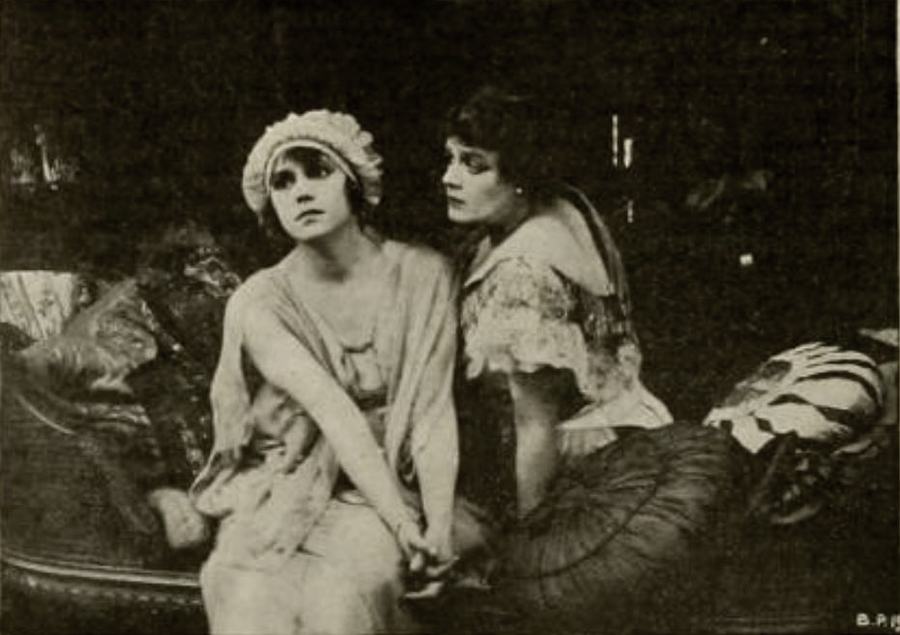
Based on the unique cinematic excellence of The Burglar, our vault has identified these titles as the most compelling follow-up experiences for fans of cult cinema:
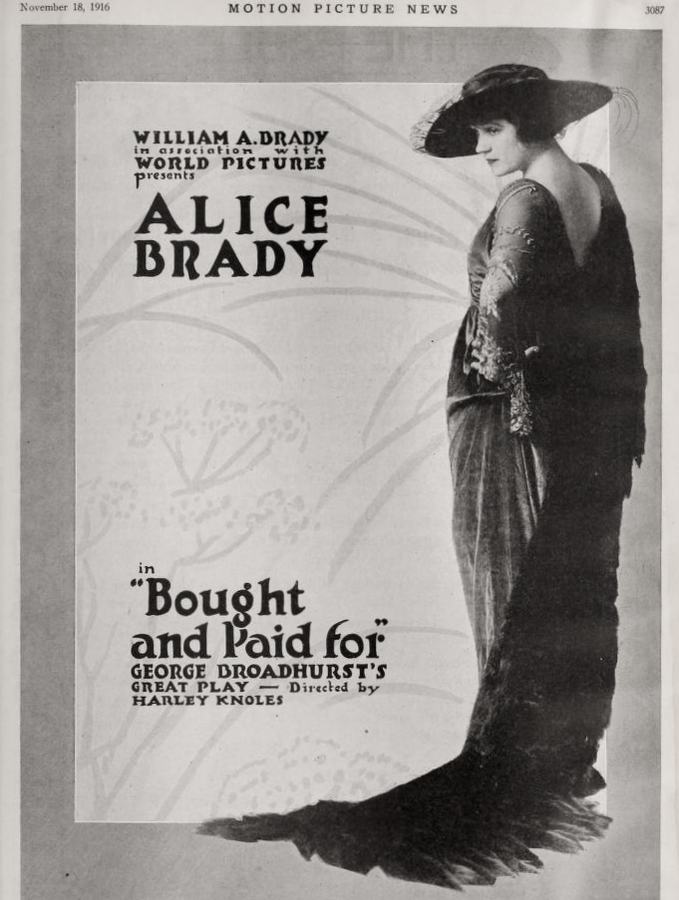
Dir: Harley Knoles
A social-climbing young woman marries Robert, a rich alcoholic, for his money. Although basically a good man, when drunk Robert treats her as if she's just one more thing he owns, and not his wife. Realizing her mistake, she leaves him. Her brother-in-law believes that the two of them actually do love each other, and sets out to bring them back together.
View Details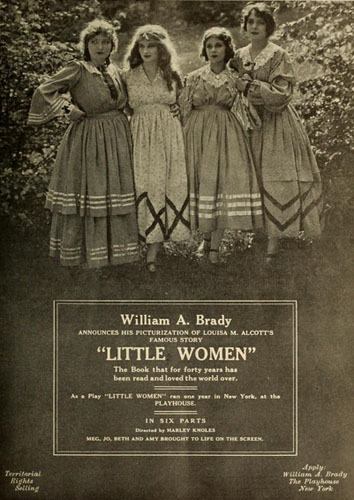
Dir: Harley Knoles
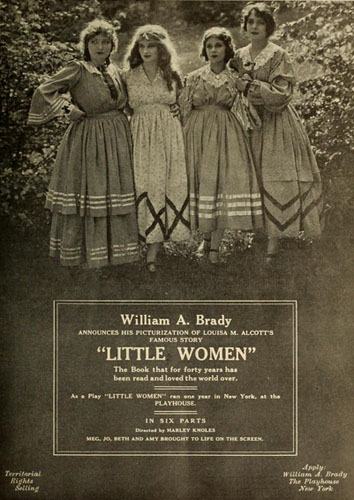
Jo March and her sisters Meg, Beth, and Amy live in a happy family in Concord, Massachusetts. Jo yearns to be a writer, and through the course of the years, finds much within her own family to write about.
View Details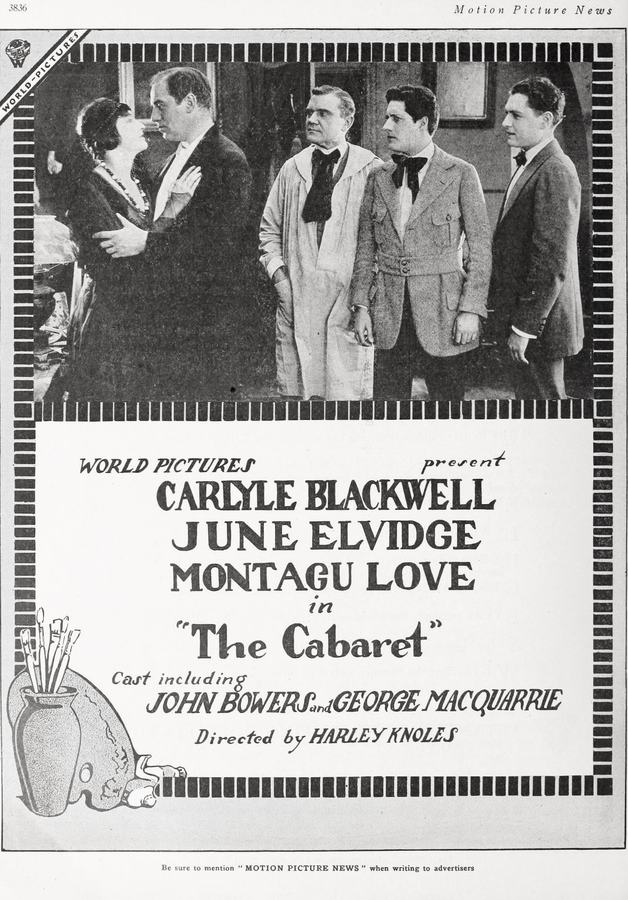
Dir: Harley Knoles
Helene, who dances in a Greenwich Village cabaret accompanied on the violin by her grandfather, loses her job after his death. She then is hired as a portrait model by four artists--Jaffrey Darrel, Ned Lorrimer, Dick Turner and Stanley Sargent--all of whom become fascinated with her. Helene leaves the Village when Ned's jealousy disrupts the camaraderie of the quartet and becomes a stage star. Meanwhile, all of the artists have attained success except Jaffrey, who refuses to taint his art with commercialism. Helene, learning of Jaffrey's failure, visits him in the Village and accepts his marriage proposal.
View Details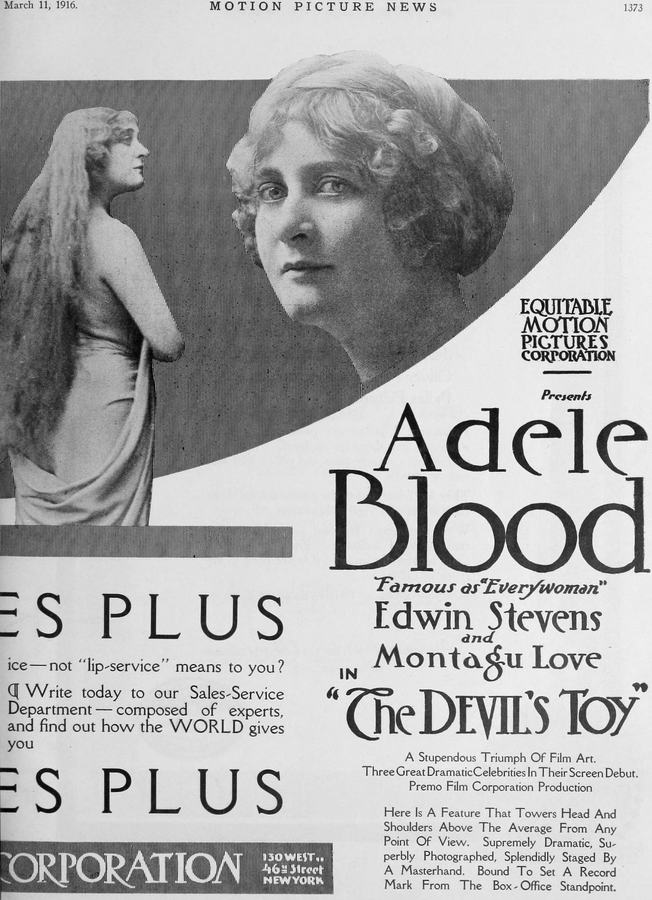
Dir: Harley Knoles
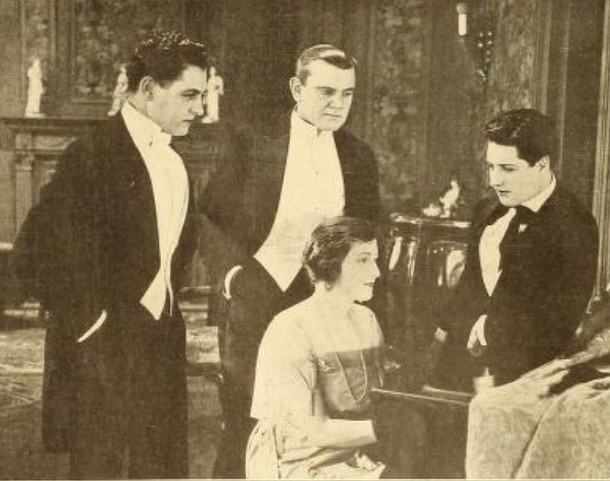
When untalented artist Wilfred Barsley is eager for success, he sells his soul to the devil, who first has him kill his uncle for an inheritance. Then, the devil instructs him to commit the sickly, struggling artist Paul La France to a sanitarium and exhibit Paul's paintings as his own. After doing so, Wilfred becomes an overnight modern master, while Paul, during his convalescence, loses his memory and also his sweetheart, Helen Danver, who does not know that he has been hospitalized. Then, when Helen sees one of Wilfred's paintings and recognizes it as Paul's, she bluffs an interest in the fake artist to get information about the real one. After she succeeds, she goes to Paul, and the sight of her restores his memory. Meanwhile, having returned to the vault where he had stashed his uncle's body, Wilfred dies when the door slams shut on him.
View Details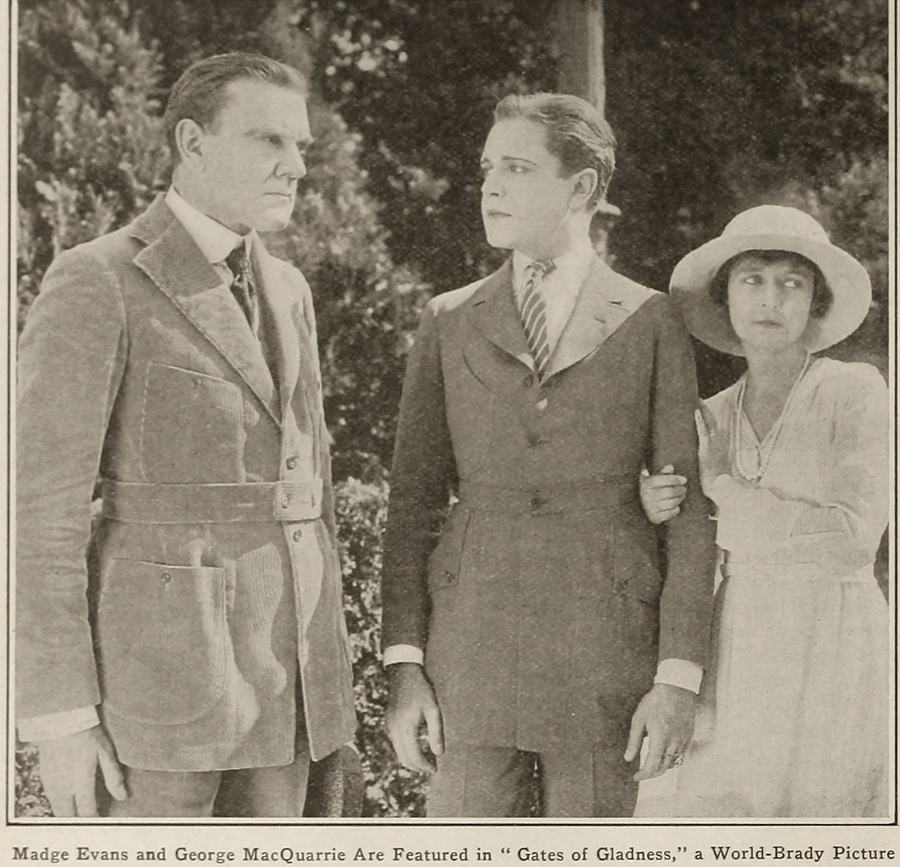
Dir: Harley Knoles
Myron Leeds and his brother Roger are both in love with Mary, but when Myron wins her, his father disowns him. While Myron struggles as an artist to support his wife and little daughter Beth, Roger marries and settles into his father's sumptuous estate. Roger's maid Norah, concerned when the death of his little boy causes him and his wife to shut themselves off from all society, invites Beth to visit the estate posing as her niece. Beth endears herself to the couple, but Myron, driven to desperation by his poverty and his wife's ill health, decides to rob the estate. Roger hears that someone is breaking in, but in attempting to shoot the intruder, he wounds Beth instead. As a result of this unhappy incident, Roger resolves to share his fortune with his brother, and the family is reunited.
View Details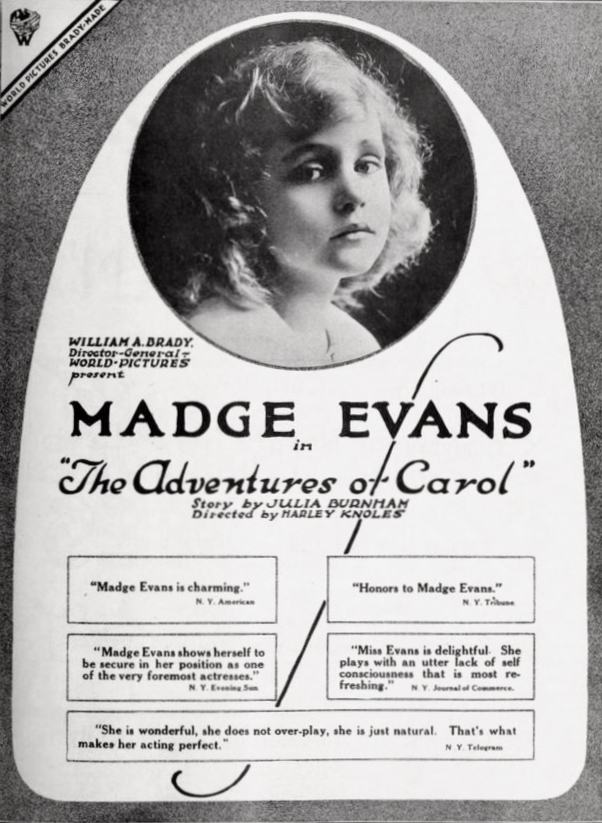
Dir: Harley Knoles
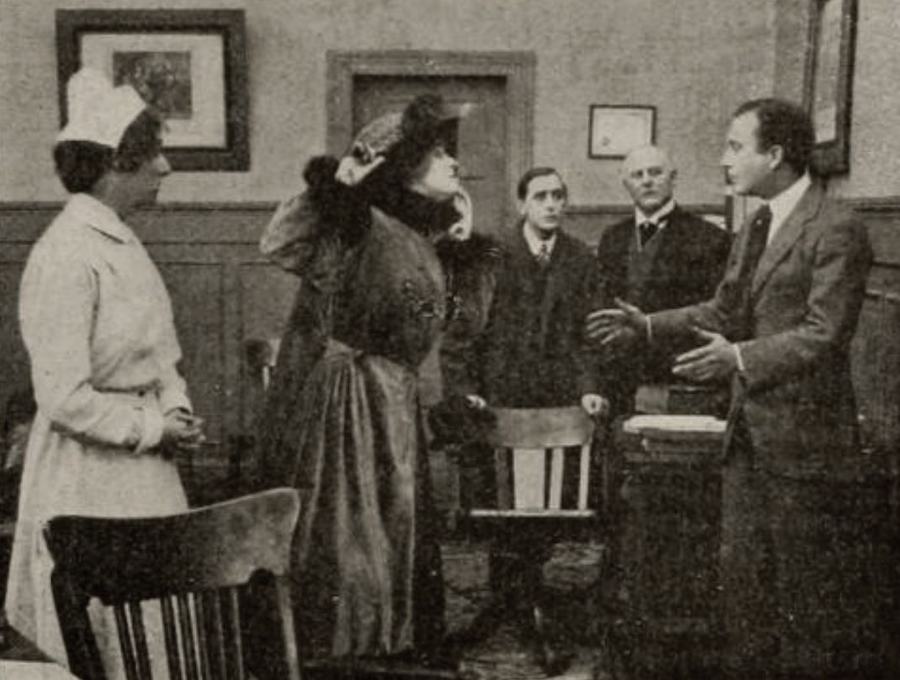
Little Carol Montgomery's father, a navy commander, discovers a spy in the house, he earnestly counsels the family not to answer questions regarding themselves. Later, while attempting to follow her mother, Carol becomes lost on the subway, and, taking her father's words to heart, refuses to tell a police officer who she is. Eluding the officer, Carol falls asleep in a tenement hallway where she is found by Beppo, an organ grinder who decides to add her to his show. They travel south, where, becoming separated from Beppo, Carol seeks refuge at the Fairfax plantation. Mrs. Fairfax, estranged from her husband because he had disowned their daughter years earlier when she eloped without his permission, refuses to speak to anyone. However, under Carol's winning influence, the Fairfaxes are reconciled and send for their long-lost daughter, who turns out to be Carol's mother.
View Details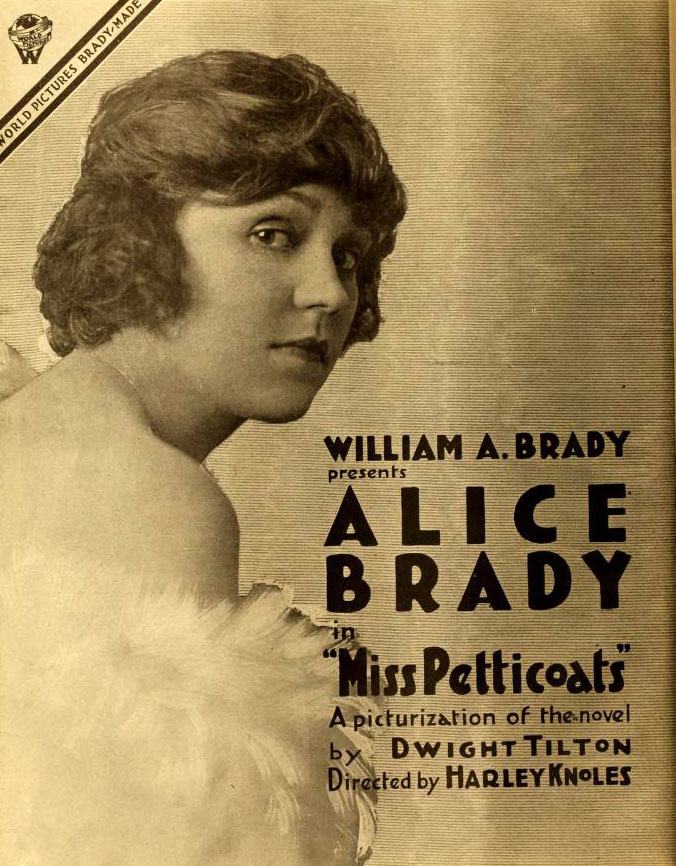
Dir: Harley Knoles
Agatha, called "Miss Petticoats," is daughter of a French nobleman and an American woman, lives with her grandfather, Captain Joel Stewart, since the death of her mother years before. Knowing nothing of her royal heritage, Agatha gladly takes a job as secretary to the wealthy Sarah Copeland, whose nephew, Guy Hamilton, immediately begins pursuing the new employee. Jealous of Agatha, one of Guy's former sweethearts, Mrs. Worth Courtleigh, starts spreading rumors about her, and when Joel hears a particularly scandalous one, he dies of shock. Taking Agatha away from all the gossip, Sarah sails with her to Europe, where Agatha finally learns about her bloodline, and also discovers that she is the heiress to a fortune. Then, when she and Sarah return home, Agatha forgives all the people who believed the rumors, and marries the Reverend Ralph Harding, who was always certain of her innocence.
View Details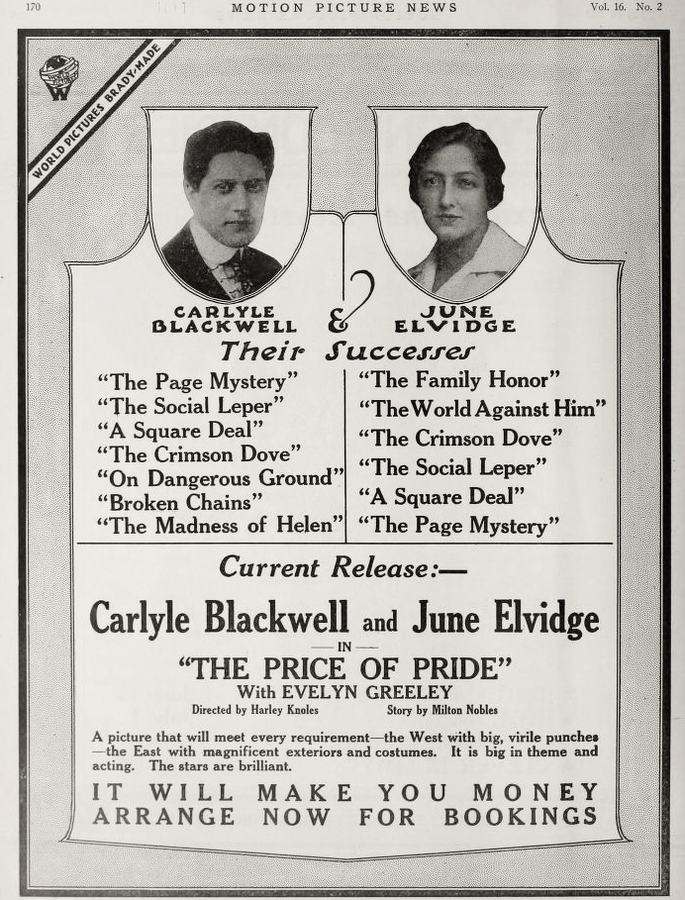
Dir: Harley Knoles
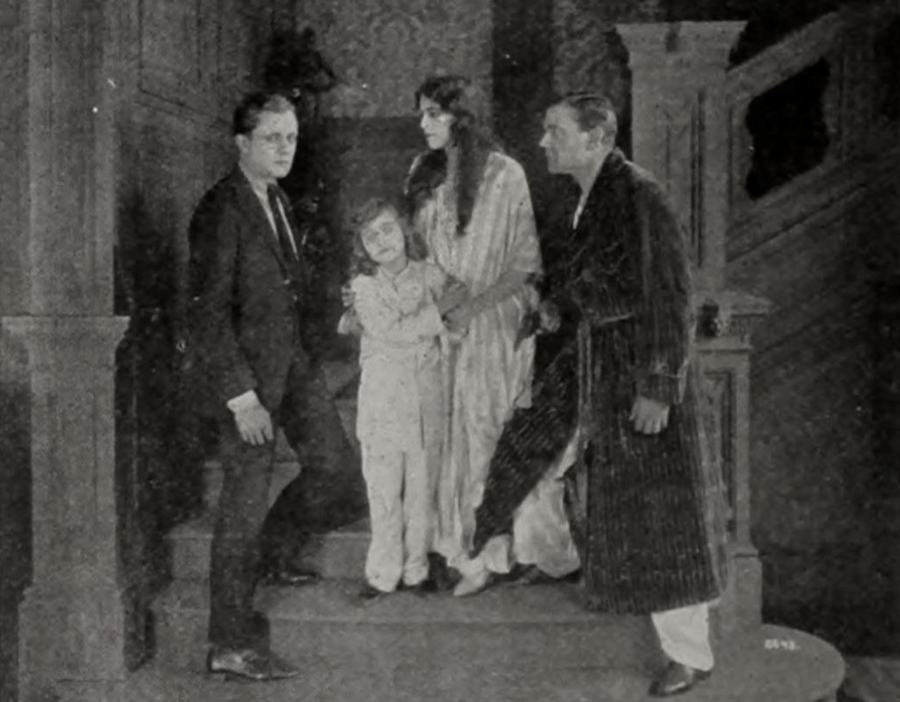
On her son David's second birthday, Madge Black witnesses her best chum Nan Westland, kissing her husband Jeffrey Arnold Black, a successful lawyer, and orders Nan from the house. Angered, Jeffrey does not explain that it is his money that maintains their home--not her father's, as she believes. Jeffrey leaves his wife and son. On board a westbound train, Jeffrey meets Nan. She explains that she has been compromised, and that she is going away to hide. Touched by her apparent sorrow, Jeffrey tells her that, though he doesn't love her, he will try to protect her. In love with him, Nan is willing to accept him on any terms. A year later a son is born to Nan and Jeffrey. She pleads with him to divorce Madge and marry her for the sake of their son William's name, but he will not hear of it. Ben Richardson, Jeffrey's client, is a frequent visitor at their home. Richardson's sincerity eventually wins Nan; goaded by Jeffrey's indifference, she leaves him and their son to become Richardson's wife. Twenty years later David Black has developed into a splendid specimen of manhood, while his half-brother William has become the leader of a lawless band. David goes West to take charge of a mining plant. Happily married, Ben Richardson and Nan have become owners of Chanceland, a gambling-house in Colorado. "Rodeo," as William Arnold is known, goes to Chanceland to try his luck, but he loses all his money. He sees Nan in the music room adjoining, and eager to make an impression on her, he saunters in. When Nan asks his name, he says they call him "Rodeo the bandit." His real name, William Arnold, son of Jeffrey Arnold, from whom he had run away at 14. Never knew his mother; he guesses he'd better be going or he'd get sentimental. Not revealing her identity, Nan presses a ring into his hand, and tells him to come to her if he should be in trouble. Believing that he has surely "caught" the Queen, he strolls out. In the same town, his half-brother, David Black, is working on his mining schemes. In the doorway of Chanceland, "Rodeo" passes David Black, and both are struck by their remarkable resemblance to each other. David receives a telegram from his fiancée Kathleen May, asking him to meet her at the train which is to arrive the next morning. That night Rodeo and his men hold up the train. While Rodeo is relieving the passengers of their valuables, the conductor leaps on him, and the bandanna which concealed the bandit's features, is torn away, revealing him to Kathleen, who believes that he is David. The bandit effects a getaway. When David comes for Kathleen the next day, she snubs him and walks past him. Ben Richardson's servant sees Rodeo and his men dividing the plunder and reports to Richardson. The latter intimates to Nan that the young fellow she was interested in is suspected of a number of crimes. She realizes that her son is in danger. Disconsolate, David tries to find solace in Chanceland, where he is arrested on the charge of robbing the mails and holding up the train. Deciding on a bold stroke, Rodeo goes to see Nan. She discloses herself as his mother and pleads with him to be careful, for as soon as the prisoner proves an alibi, the sheriff will be after Rodeo. Hearing Richardson, she pushes her son into her bedroom. Richardson, suspecting that Nan is hiding her lover, dashes into the room and fires at Rodeo, who is taken to court where David is being tried for the bandit's crimes. Nan confesses to Richardson that Rodeo is her son, and hastens to court. Also in the courtroom are Kathleen and Madge, David's mother. The presiding judge is Jeffrey Arnold Black, father of the prisoner. When Rodeo is brought in, a dramatic scene ensues, during which the two half-brothers face each other. Nan embraces her wayward son, while he bewails the fact that he had found his mother only to lose her, and draws his last breath after vindicating David. A tender reconciliation follows among Madge, Jeffrey, and their son David. Richardson seeks and obtains Nan's forgiveness for his suspicions of her. David and Kathleen embrace, then discuss their hopes of a little cottage for two.
View Details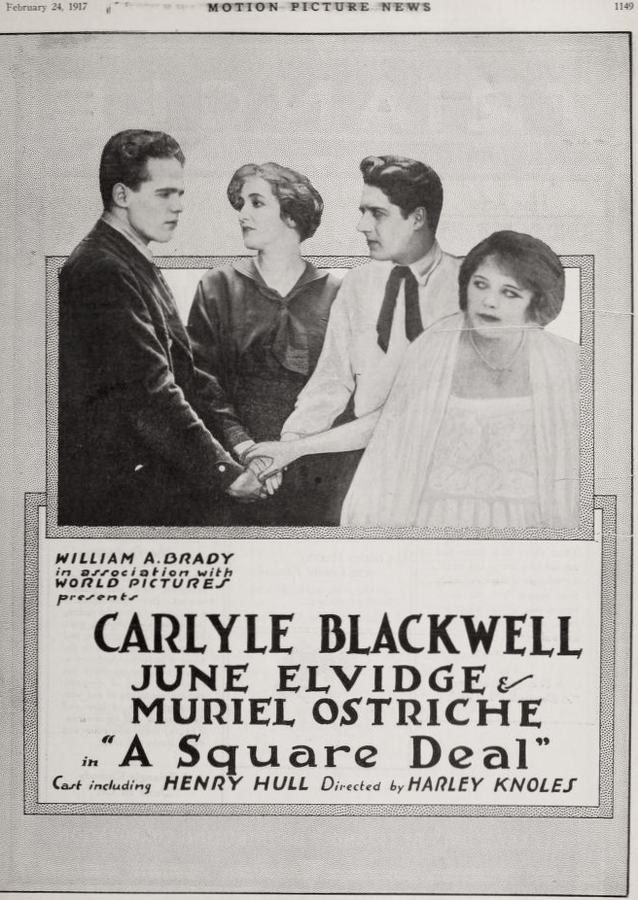
Dir: Harley Knoles
Hugh Eltinge, a struggling artist, and Mark Dunbar, a genius of the pen, whom the world has as yet failed to reward, live together in MacDougal Alley. Across the hall is Doris Golden, a reporter on the Evening Star, who enthuses over the work of both. Mark's novel is sold and Hugh and Doris see a new Mark. Mark begs Hugh to allow him to stake him until his pictures sell, but pleasure in his new clothes and new popularity dwindle as he sees his old friends will not profit by them. A happy idea strikes him and he buys all of Hugh's paintings on exhibition at a local dealer, requesting that his name be not mentioned. Mark rejoices with Hugh when he comes home to tell the news. Then the two decide Doris must also share with them, and together they go to a lawyer, and arrange to persuade him to send a letter to Doris saying her uncle in San Francisco has died leaving her a thousand dollars. In another section of the City Mrs. Trailes and her daughter, Ruby, scheme to ensnare a wealthy husband for the girl. Mark's reputation has impressed them. He is invited to attend a meeting of their Literary Club and the girl is given instructions to attract him. Mark meets the young society girl. Hugh and Doris, she is reporting the meeting, are also there and to them evidences of Mark's awakening infatuation are pitifully clear. Mark sees Ruby often. At a ladies' swimming club he is the guest of her mother. At a sign from her mother Ruby pretends to be drowning and Mark jumps in to her rescue. The friendship thus engendered ripens into love and it is not long before they are married. But early in his wedded life Mark begins to feel the pangs of disillusion. Ruby is pettish and extravagant and when he remonstrates with her, she breaks into tirades of scolding that drive him to silence. Doris discovers her uncle is alive, and, perplexed, goes to the lawyer, who tells her all. She writes to Mark, enclosing a check for the whole amount she has left and promising to send the balance as soon as she can. His wife intercepts the letter and accuses him of infidelity. Her true vulgarity asserts itself and he goes to the little studio. Ruby follows and finds him with Doris and another scene is enacted. Mark begs Hugh to look after Doris, then leaves. Hugh leaves a letter for Doris and a note in which he asks her not to read the letter before she has found happiness. Hugh tells a newspaper reporter with whom he is acquainted that he has inherited a fortune from his grandfather, and the account is printed in the evening paper. Ruby and her mother remember he is a friend of Mark's and ask him to call. Soon a closer intimacy than friendship develops and Mark comes home one evening to find Ruby in his friend's arms. Disillusioned, his last ideal, friendship, completely shattered, Mark hurries away. After the divorce, he seeks Doris and the two become engaged. She remembers the letter and opens it. Herein Hugh has outlined his plans, the story of the fortune was a hoax, wherewith to entrap Ruby. For the sake of friendship he had sacrificed himself to bring happiness to the two he loved. Mark telephones to him and when he comes the old feeling of happiness and love fills once more the little studio in MacDougal Alley.
View Details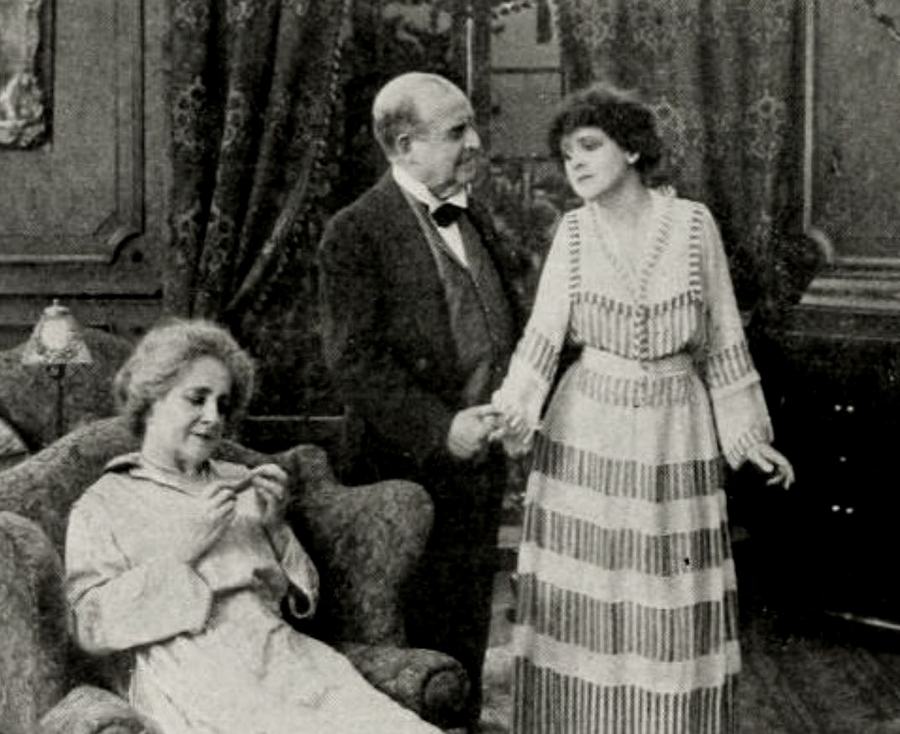
Dir: Harley Knoles
James Rallston has married a rich widow who is an invalid with a daughter, Jean. Being in financial difficulties, he plans to get control of his wife's fortune. A woman doctor, Miss Lane, attends Mrs. Rallston and by drugging her reduces her to such a condition of physical impotency that no difficulty is found, by the aid of an unscrupulous keeper of a sanitarium. Dr. Garside, to secure an order for commitment and deprive her of liberty. Fifteen years pass. Rallston lives in magnificent style on his wife's money. He believes her to be dying. Miss Lane hopes to marry Rallston when Mrs. Rallston dies, but instead of dying, she recovers her health and is perfectly sane. Meanwhile, Rallston speculates heavily and loses his daughter's fortune. He tries to persuade the girl to marry an old friend Bigelow, to whom he appeals for help in recovering his fortune. Bigelow suspects Rallston of deception, as well as dishonesty, and is unwilling to believe that Mrs. Rallston is either dead or insane. Bigelow forces up the price of a stock and recovers Jean's fortune for her. Then he disguises himself and, obtaining admission to the sanitarium, rescues Mrs. Rallston. The keeper of the sanitarium, Dr. Garside, takes to flight, and Rallston is killed in an automobile accident. Miss Lane confesses her crime. Mother and daughter are reunited and the girl marries the man of her choice.
View DetailsAnalysis relative to The Burglar
| Film Title | Atmosphere | Complexity | Similarity |
|---|---|---|---|
| Bought and Paid For | Gritty | Dense | 96% Match |
| Little Women | Gritty | Layered | 93% Match |
| The Cabaret | Tense | Dense | 96% Match |
| The Devil's Toy | Gritty | Layered | 96% Match |
| The Gates of Gladness | Ethereal | Linear | 86% Match |
This guide was algorithmically generated using the cinematic metadata of Harley Knoles's archive. Last updated: 8/16/2026.
Back to The Burglar Details →