
DbcultAccessing Vault...
Recommendations
Senior Film Conservator
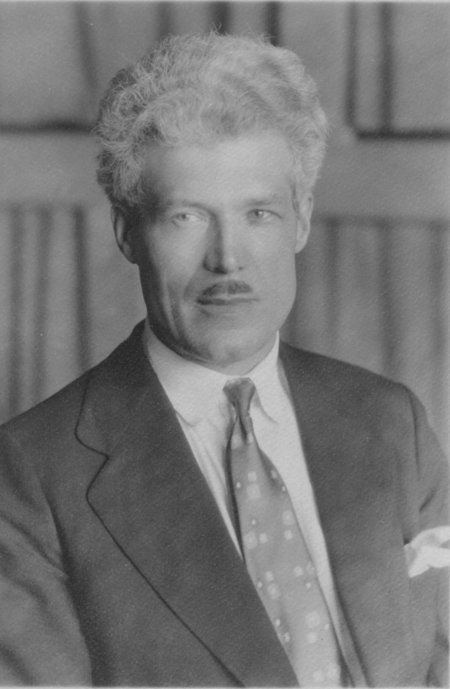
Delving into the atmospheric depths of The Burglar and the Lady reveals a master at work, the artistic provocations of The Burglar and the Lady demand a follow-up of equal intensity. These hand-selected movies are designed to satiate your craving for cult quality.
The enduring power of The Burglar and the Lady lies in to transcend the limitations of its 1914 budget and technology.
A gentleman burglar is a detective, which acts as a shield to his more shady pastime.
The influence of Herbert Blaché in The Burglar and the Lady can be felt in the way modern cult films handle cinematic excellence. From the specific lighting choices to the pacing, this 1914 release set a high bar for atmospheric immersion.
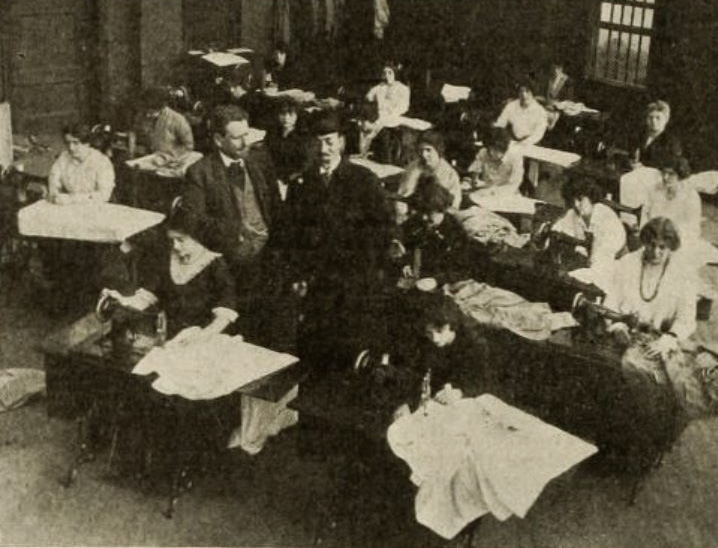
Based on the unique cinematic excellence of The Burglar and the Lady, our vault has identified these titles as the most compelling follow-up experiences for fans of cult cinema:
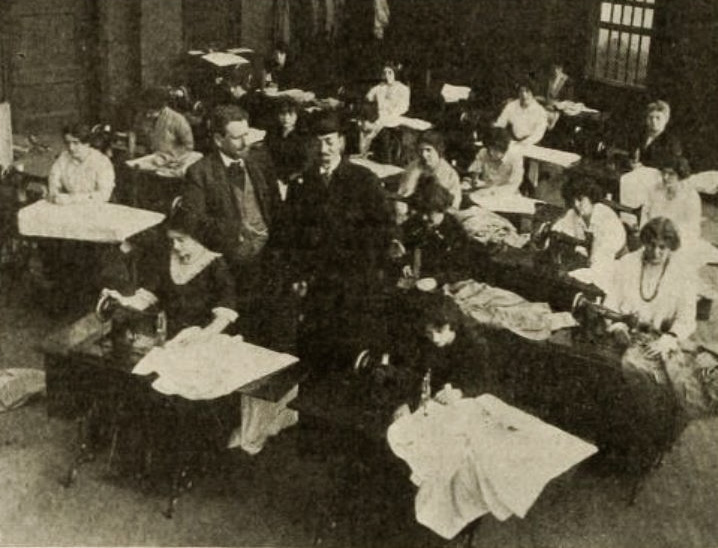
Dir: Herbert Blaché
Satan decides to ruin the innocence of ambitious Everygirl, who has a beautiful voice and wishes to pursue a career singing in opera. He thus assumes human form and follows her in order to make sure that she accepts his terms.
View Details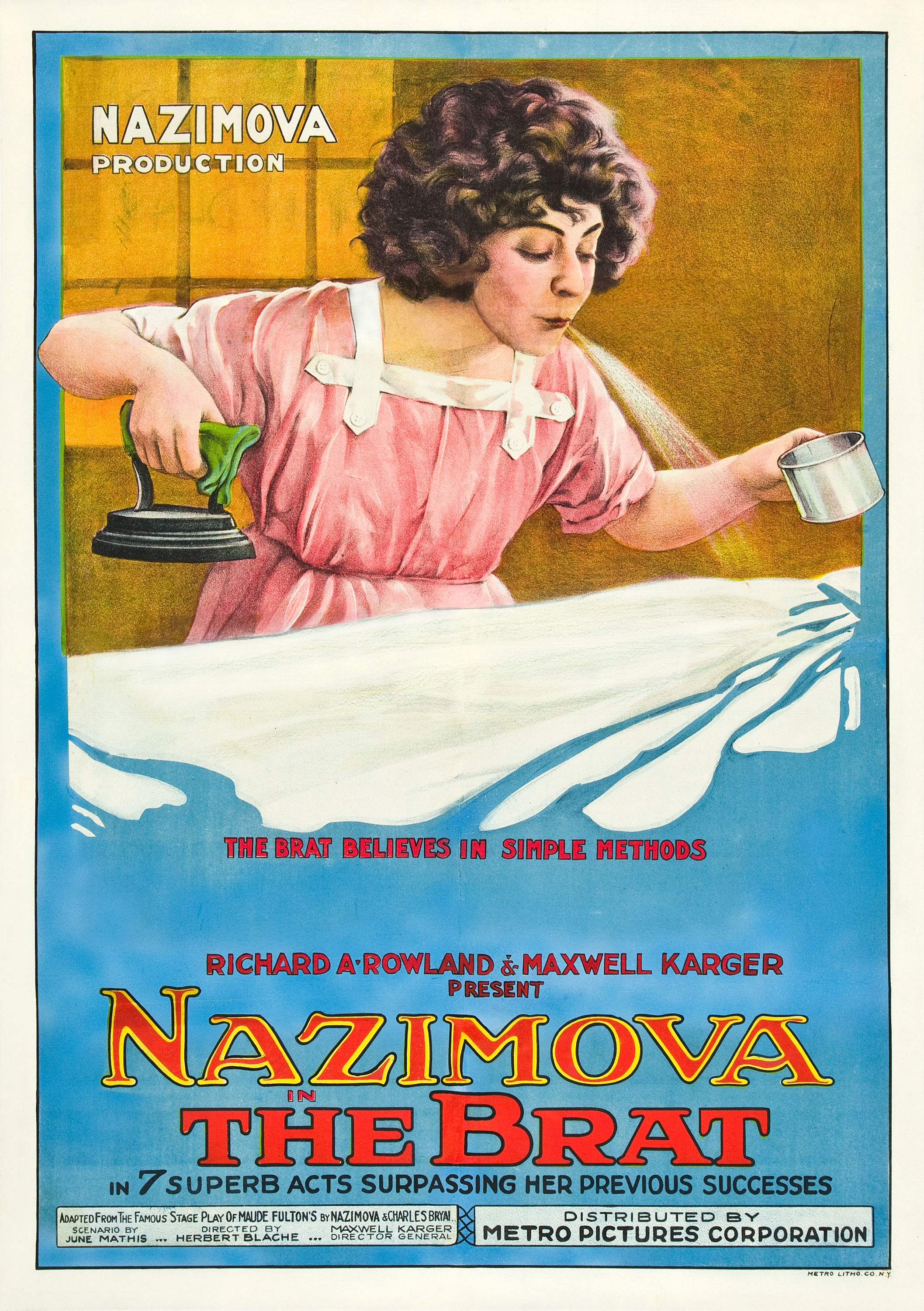
Dir: Herbert Blaché
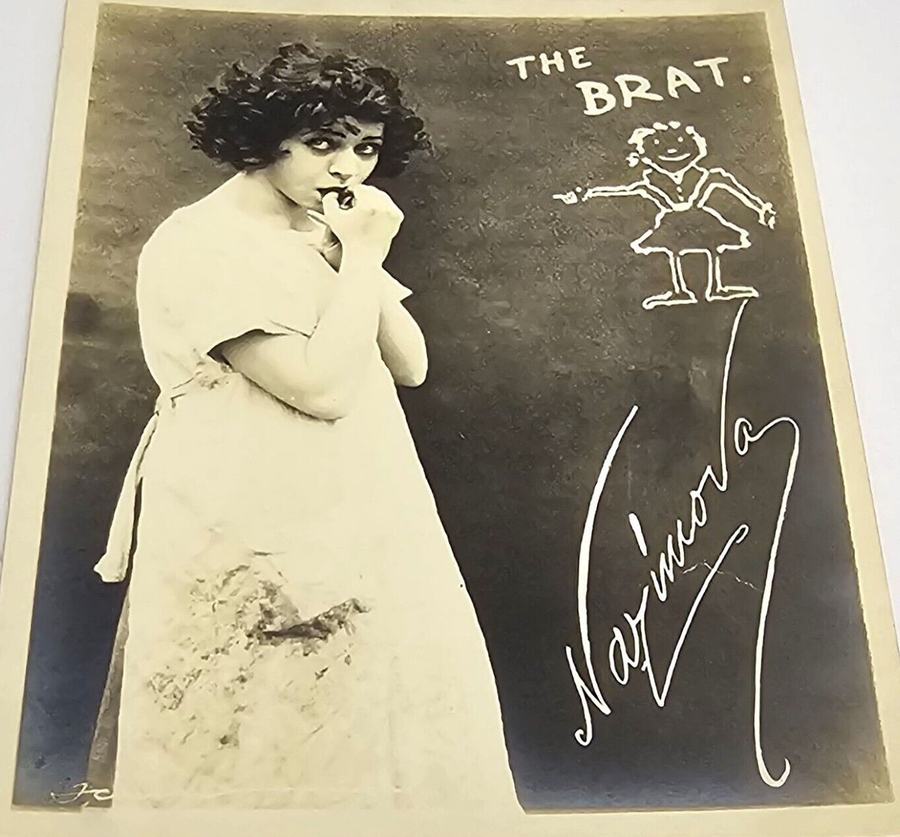
An unkempt chorus girl is arrested on a minor charge. In court, she is spotted by a novelist who is looking for someone of her type on whom to model a character in a book he is writing. He takes her into his home where she is looked down upon by his snobbish family. But the girl brings something to the family unlike anything they have known before.
View Details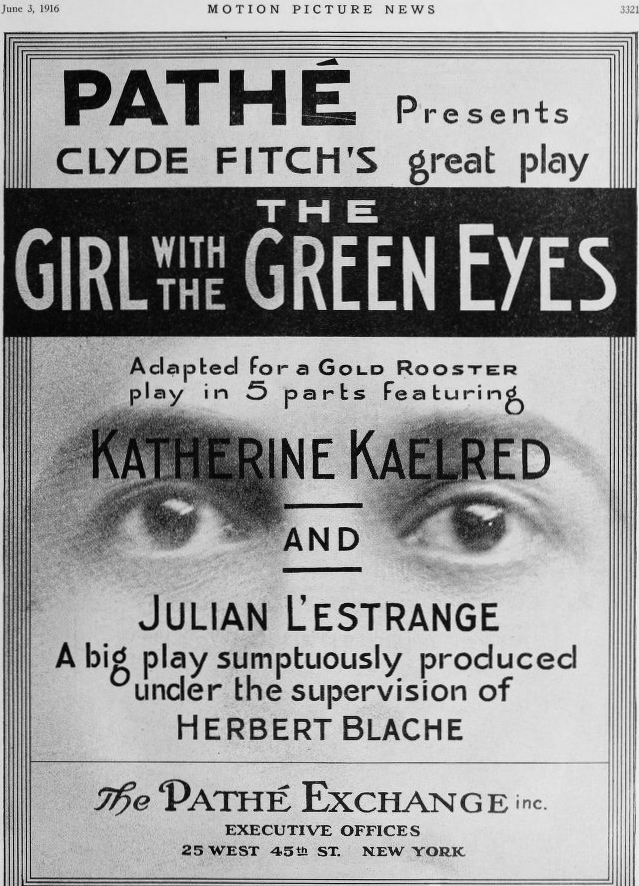
Dir: Herbert Blaché
Strolling through the park one evening, Travers comes upon a woman about to throw herself in the lake. It is his sister. She tells him she was betrayed by a man who is her son's father, and she is about to end it all because she is no longer able to endure her destitution. Travers soothes her and promises to take care of her and her son. He furnishes an apartment for them and makes frequent calls there. On one of them he is seen and recognized by Mansfield, a clubman of his, who is infatuated with Mrs. Travers and uses this suspicious, though unconfirmed, incident to try to persuade her to give him her love. Mrs. Travers, made credulous by her insane jealousy of her husband, slightly encourages Mansfield, who, with the bravado of his sort, boasts at the club of his affair with her. Travers hears of this and is uncontrollable. He sends for his sister to come to his dressing room in the theatre, and Mansfield, hearing of it, brings Mrs. Travers to surprise him. Here is the big scene of the play wherein Travers demands of Mansfield an explanation of his conduct, and Travers' sister recognizes Mansfield as the man who deserted her. Travers attempts to kill Mansfield, who is saved by the police. Then Mrs. Travers, learning the identity of "the other woman," and ridden by remorse for the jealousy that has made her doubt her husband and lose his love, attempts to poison herself. She is saved, however, and reunited to her husband by a love whose constant light outshines the occasional flashes from her "green eyes."
View Details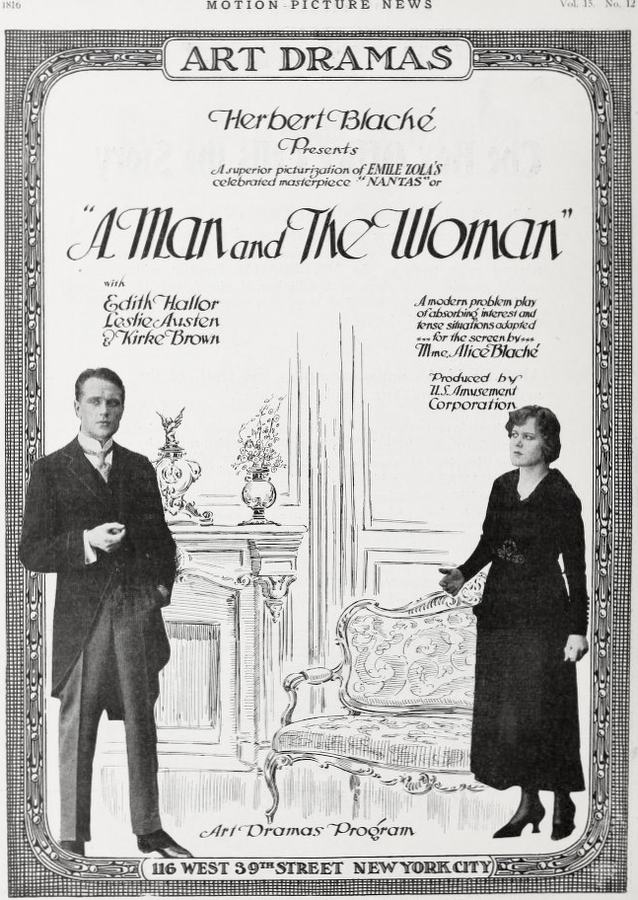
Dir: Herbert Blaché
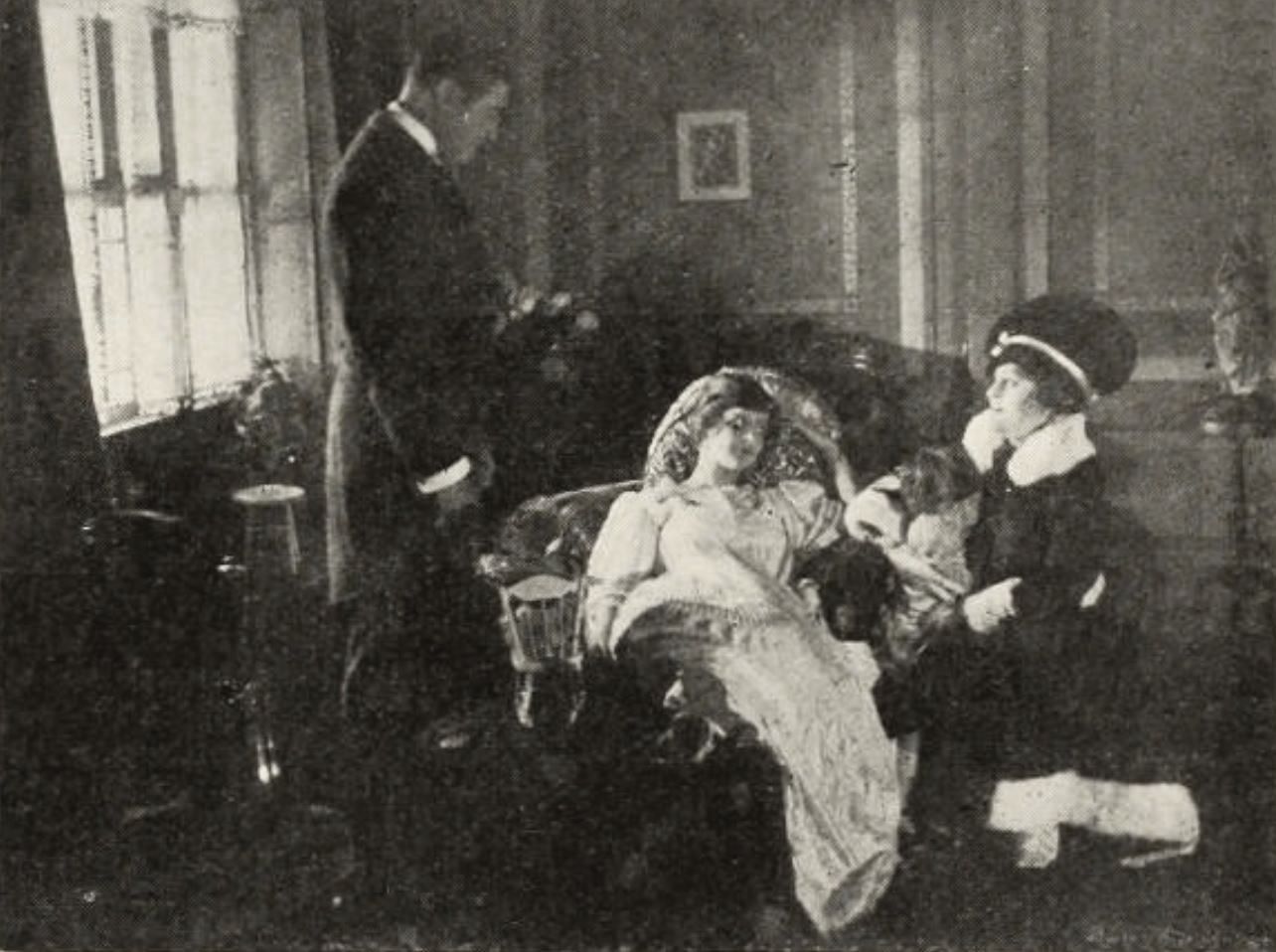
A fascinating piece of cinema that shares thematic elements.
View Details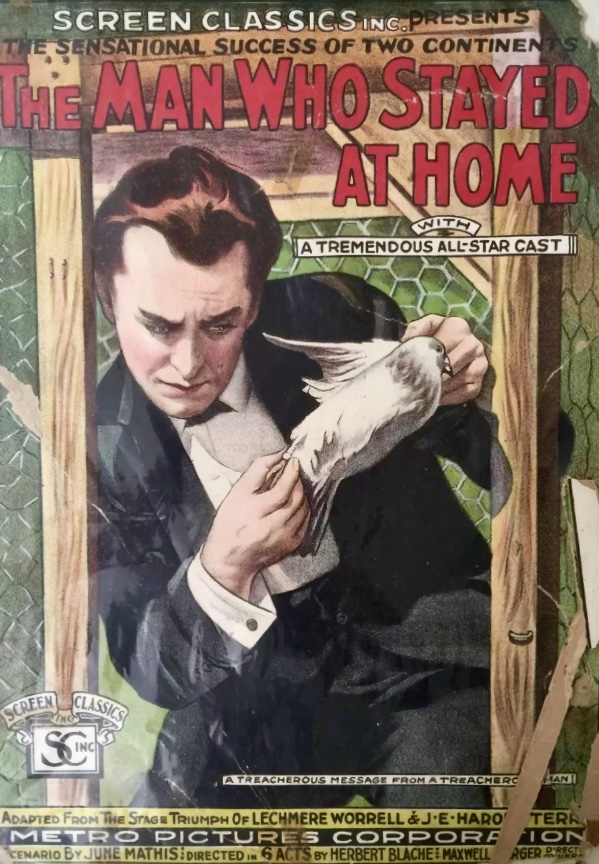
Dir: Herbert Blaché
In a Virginia resort town in August 1918, Christopher Brent is viewed as a slacker because he refuses to enlist. Secretly, Christopher is observing German spies who are passing information about coastal fortifications for invasion preparations. Seeing Christopher consort with Mrs. Miriam Lee, also from the secret service, his fiancee Molly Preston, who had been bothered by the talk about him, becomes jealous. When Molly's brother Norman discovers a German code book in Mrs. Lee's possession, Christopher, who obtained the book when he destroyed the wireless of the chief spy, Carl Sanderson, who also loves Molly, is suspected of aiding the Germans. After Christopher saves a hotel when the spies ignite a bomb to signal a U-boat, captures a list of enemy spies, kills several spies, and with the help of a U.S. destroyer, sinks the U-boat, he is honored by the town. Molly then asks to be forgiven.
View Details
Dir: Herbert Blaché
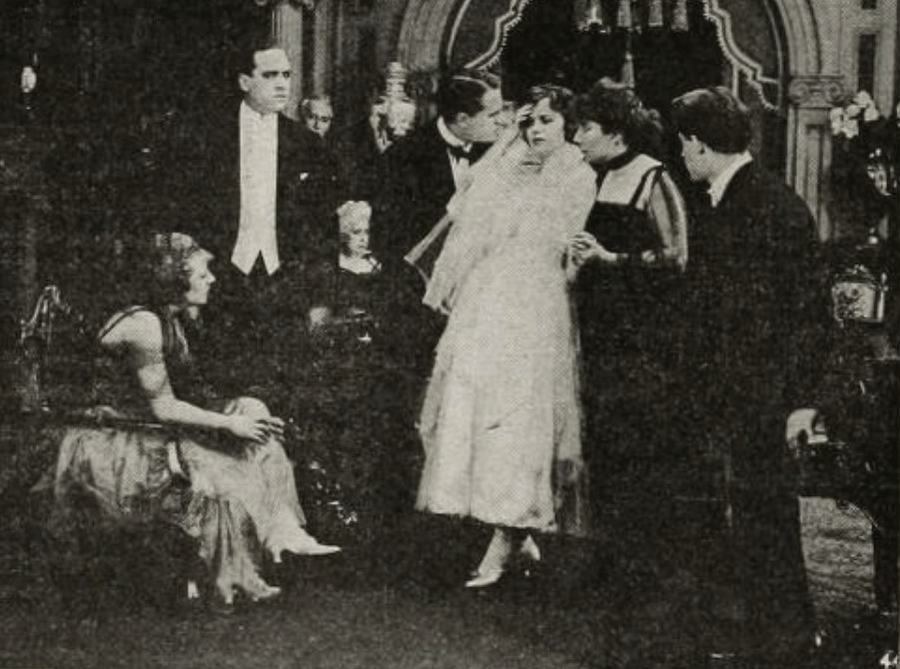
An old woman in Frederick, Maryland during the U.S. Civil War displays her American flag in defiance of the armies of Confederate general Thomas J. Jackson. Based on the folk tale that grew from the poem by John Greenleaf Whittier.
View Details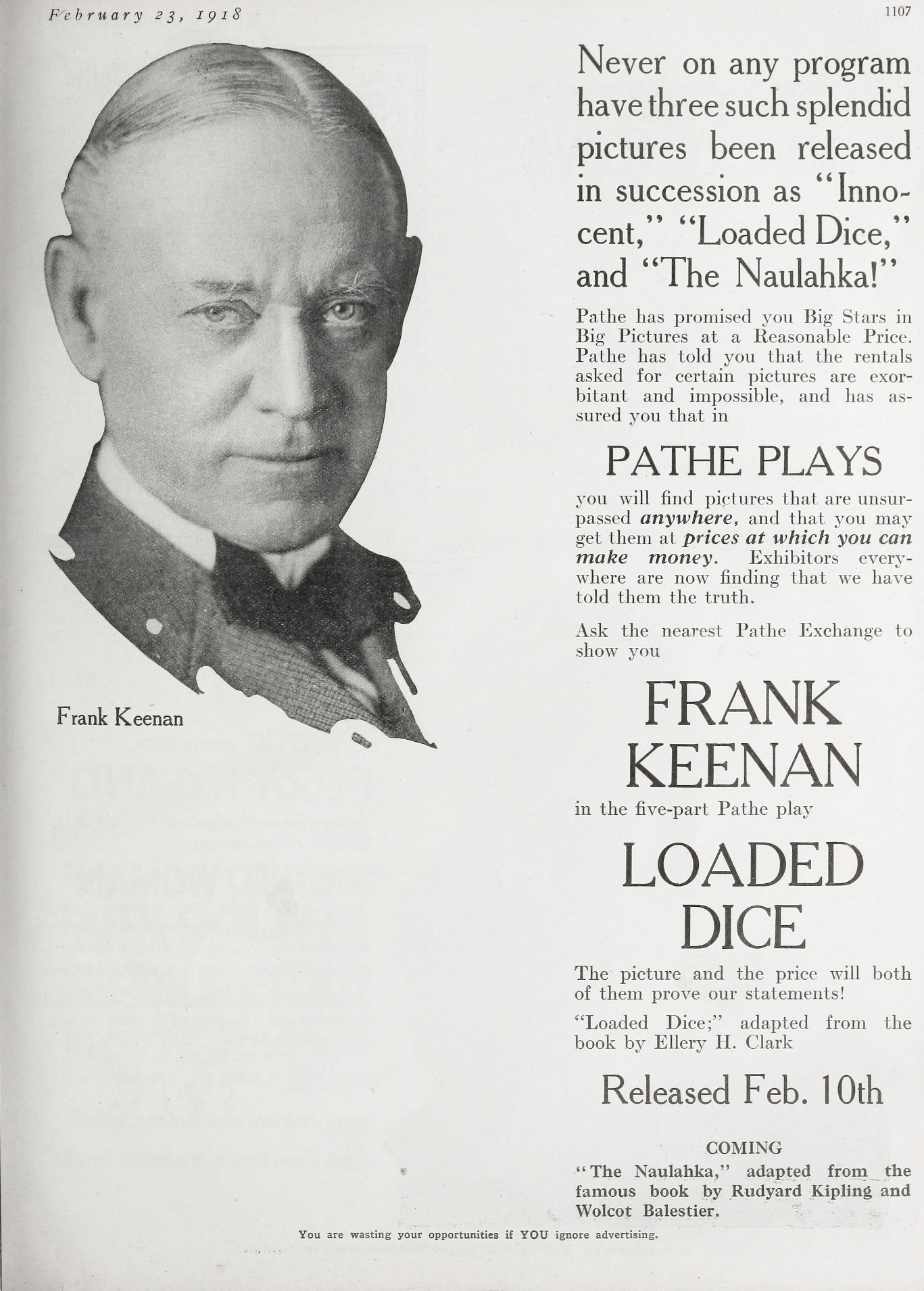
Dir: Herbert Blaché
A crooked promoter commits two murders in his efforts to gain wealth and influence. He is shot on the night of his election as governor and repents of his crimes on his deathbed.
View Details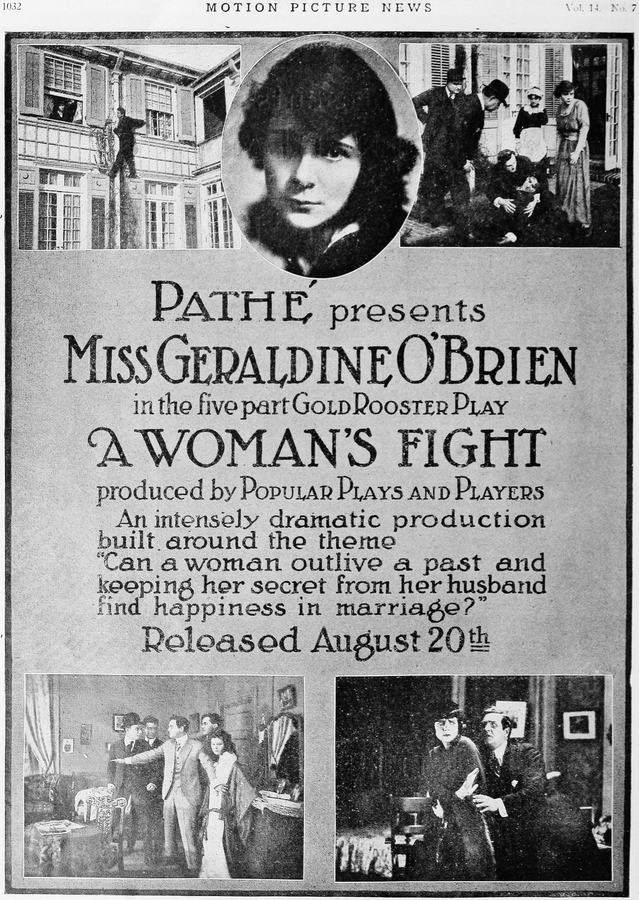
Dir: Herbert Blaché
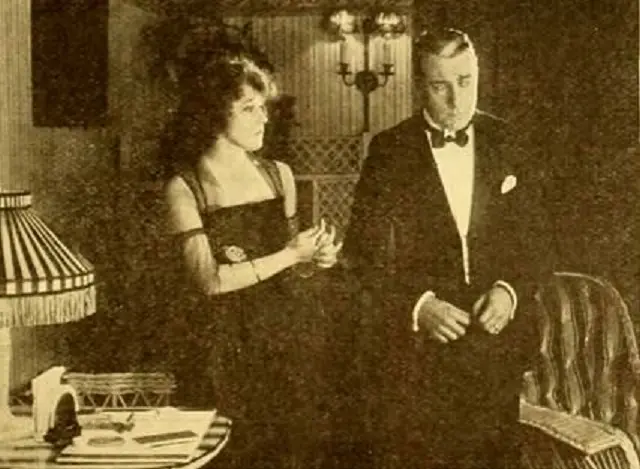
A fascinating piece of cinema that shares thematic elements.
View Details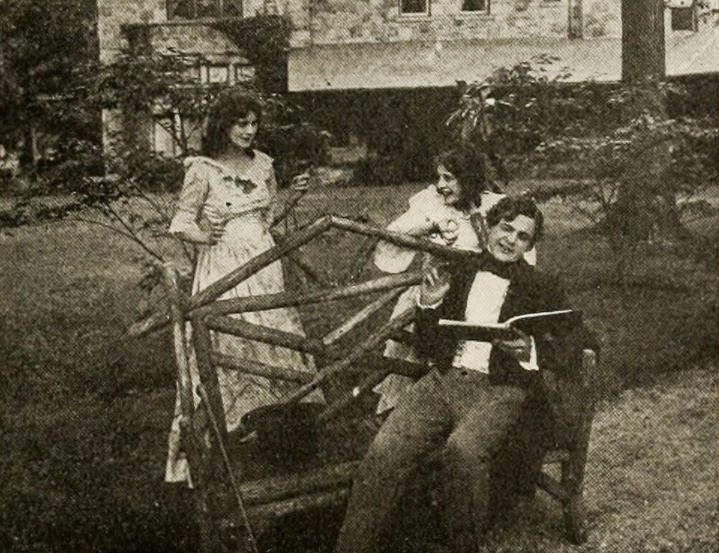
Dir: Herbert Blaché
An opium-addicted choirmaster develops an obsession for a beautiful young girl and will not stop short of murder in order to have her.
View Details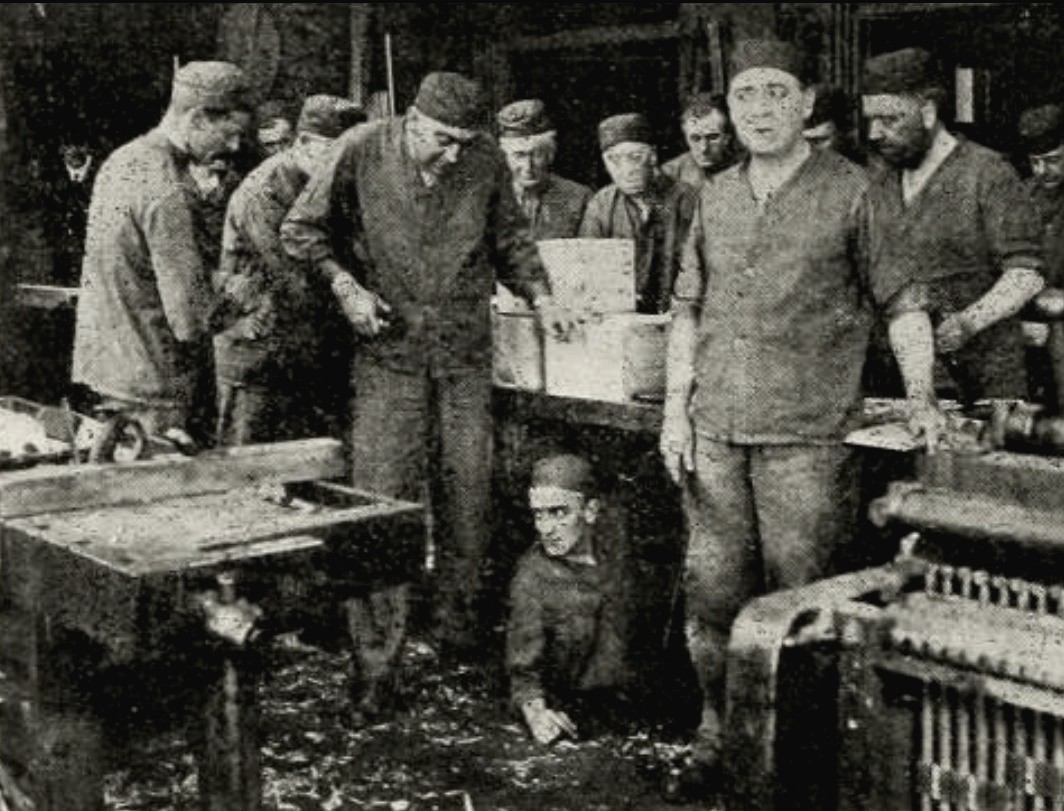
Analysis relative to The Burglar and the Lady
| Film Title | Atmosphere | Complexity | Similarity |
|---|---|---|---|
| The Temptations of Satan | Gothic | Abstract | 90% Match |
| The Brat | Gritty | Abstract | 95% Match |
| The Girl with the Green Eyes | Gritty | High | 94% Match |
| A Man and the Woman | Gritty | Linear | 93% Match |
| The Man Who Stayed at Home | Ethereal | Abstract | 92% Match |
This guide was algorithmically generated using the cinematic metadata of Herbert Blaché's archive. Last updated: 6/20/2026.
Back to The Burglar and the Lady Details →