
Film History
The Nitrate Hallucination: Why Early Cinema’s Silent Surrealism is the True Ancestor of the Midnight Movie
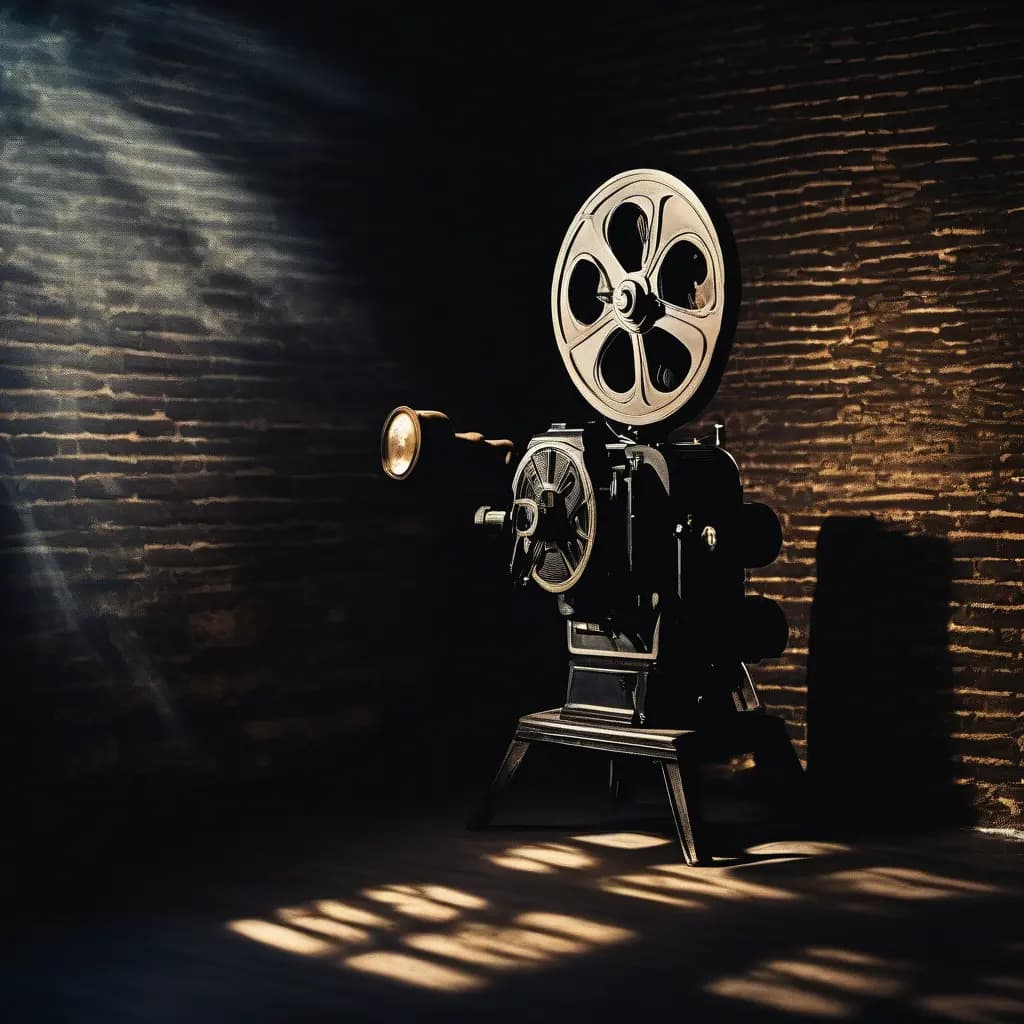
“Before the midnight movie became a counter-culture staple, the silent era was already forging a language of dream-logic and visual transgression that still haunts our screens.”
There is a specific, feverish frequency found only in the decaying frames of early nitrate film. It is a flicker that exists somewhere between a waking dream and a chemical seizure. When we talk about cult cinema today, we often point to the neon-soaked 1970s or the VHS-grime of the 1980s, but the true DNA of the 'midnight movie'—that sense of being an initiate into a secret, unsettling world—was actually written in the flickering shadows of the 1910s and 20s. Long before David Lynch or Alejandro Jodorowsky, the silent era was experimenting with a form of narrative anarchy and visual surrealism that bypassed the rational mind and went straight for the lizard brain.
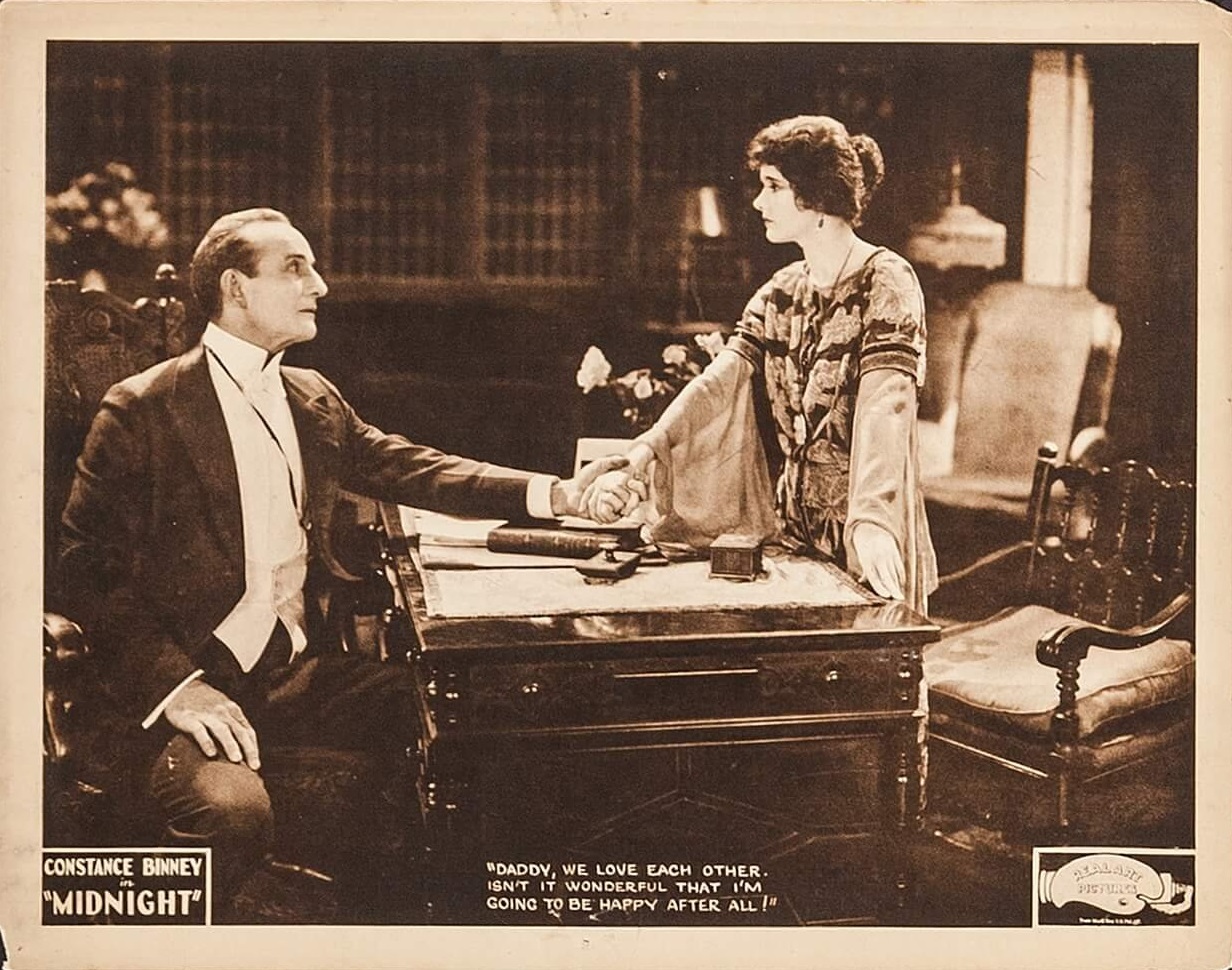
To watch a film like Prince Pistachio is to witness the birth of the absurd. In it, a plumber hunts for a gas leak with a lighted candle—an act of suicidal stupidity that results in an explosion, launching the protagonist into a dream-state where he becomes royalty in a distant province. This isn't just slapstick; it is a structural precursor to the 'trip' movies of the psychedelic era. It establishes a logic where the physical world is merely a fragile shell, easily shattered by a single match, leading to a landscape where identity is fluid and the rules of reality are suspended. This is the bedrock of what we now define as cult: the rejection of the mundane in favor of the transcendentally strange.
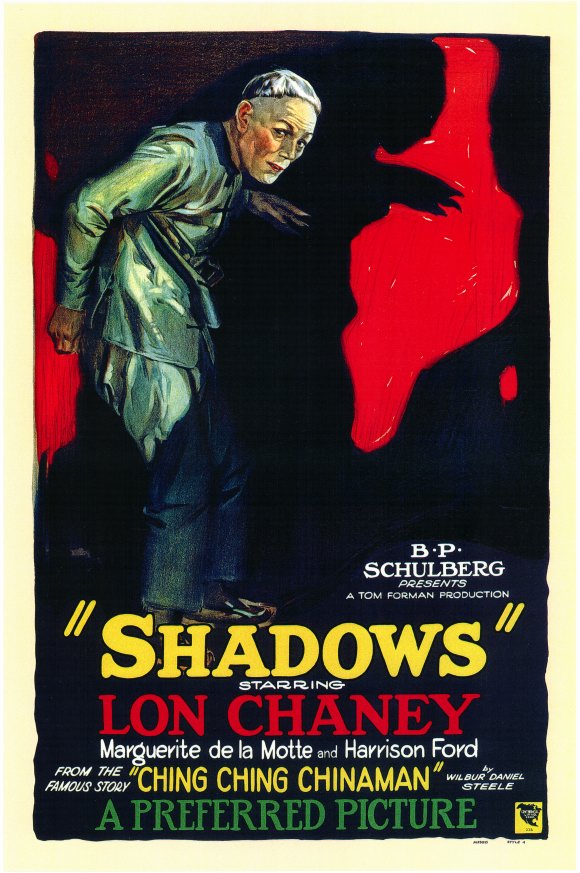
The Uncanny Valley of the 1910s: Masks, Monsters, and Misfits
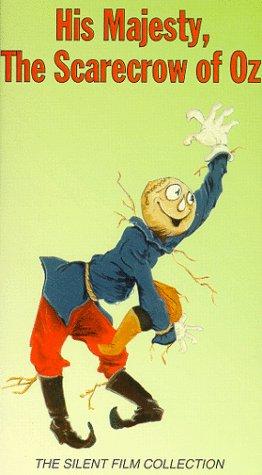
One of the most potent elements of the silent era's cult appeal is its proximity to the 'uncanny valley.' The makeup and costuming of the era, restricted by the technical limitations of orthochromatic film, often resulted in visuals that were unintentionally terrifying. Take His Majesty, the Scarecrow of Oz (1914). While intended for families, the burlap-masked Scarecrow and the jagged, ritualistic movements of the cast feel more like a folk-horror nightmare than a whimsical fairytale. The witch Mombi, with her exaggerated gestures and the harsh, high-contrast lighting of the era, creates a visual texture that feels 'wrong' in the most compelling way possible.

This aesthetic 'wrongness' is exactly what draws modern cult audiences to the fringes of film history. We are looking for the rupture in the polished surface of commercial entertainment. In the silent era, these ruptures were everywhere. The lack of synchronized sound forced a reliance on hyper-expressive physicality and symbolic imagery, creating a cinematic language that felt more like a tarot reading than a traditional story. This is evident in the Life and Passion of Christ, a film that functioned less as a narrative and more as a series of living icons—a visual liturgy that demanded a level of devotional focus that mirrors the way modern fans obsess over every frame of a 'holy' cult text.
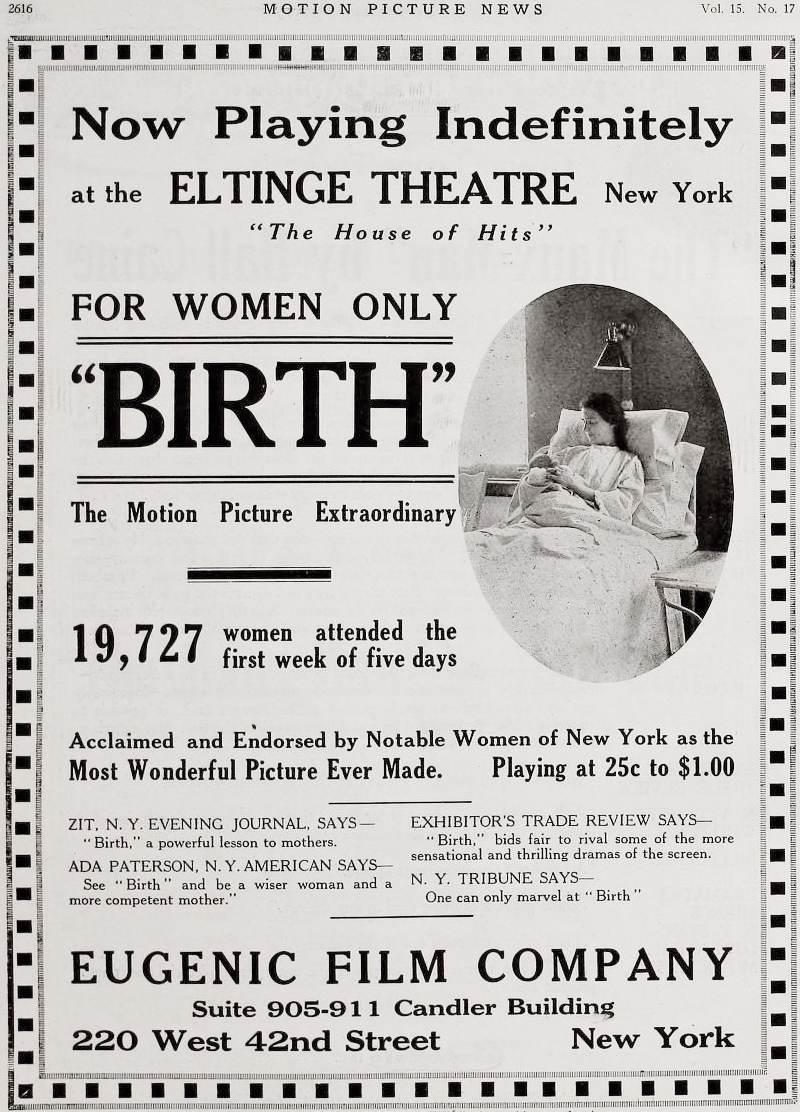
The Geography of Dislocation: From Mexico to the Moon
Early cinema excelled at the 'fish out of water' narrative, but it often pushed these stories into the realm of the psychological. In The Lotus Eater (1921), we see a man crash his airship into an island of 'completely happy people.' It’s a premise that predates the counter-culture’s obsession with utopian communes and psychedelic escapism. The island represents a liminal space—a recurring trope in cult cinema where the protagonist (and by extension, the audience) is stripped of their societal baggage and forced to confront a new, often bewildering, social order.
Similarly, the 'borderland' narratives of the era, such as The Woman Next Door or The Return of Draw Egan, used the rugged landscapes of Mexico or the New Mexico territory as a backdrop for moral ambiguity. William S. Hart’s portrayal of 'Draw' Egan—a notorious bandit who becomes a lawman—introduces the 'reformed outlaw' archetype that would later become a staple of anti-hero cinema. These films weren't just Westerns; they were explorations of the fringe, focusing on characters who lived at the edge of the law and the edge of civilization. For the cult enthusiast, these characters are the original 'outsiders,' the ancestors of the punks, drifters, and rebels that would dominate the midnight screens of the 70s.
The Silent Voice: Sensory Deprivation as Style
The very nature of silent film is a form of sensory deprivation. By removing the voice, the medium amplifies the gaze. In a film like The Silent Voice (1915), where a musician loses his hearing, the film’s own silence becomes a meta-commentary on the protagonist’s condition. This kind of formal experimentation is what elevates a standard drama into the realm of the 'deep dive.' It forces the viewer to engage with the screen on a more tactile, intuitive level.
- The use of intertitles as rhythmic punctuation rather than just dialogue.
- Hand-tinted sequences that shift the emotional palette of a scene with sudden, jarring colors.
- The hyper-stylized acting of performers like Douglas Fairbanks in The Thief of Bagdad, which feels more like a ballet than a drama.
Exploitation and the Ethics of the Early Screen
If you look closely at the 'B-movies' of the 1910s, you’ll find the roots of exploitation cinema. Films like The Edge of the Law (1917) featured a 'school for crooks,' a concept that wouldn't feel out of place in a 1970s grindhouse flick. The fascination with the 'underworld'—the pickpockets, the swindlers, and the 'Spider' (a girl disguised as a boy to commit crimes)—shows that early audiences had a hunger for the transgressive. They wanted to see the parts of society that were usually hidden behind the lace curtains of Victorian morality.
The silent era didn't just tell stories; it built monuments to the subconscious. Every flickering frame was an invitation to leave the rational world behind and enter a space where the logic of the dream was the only law.
Even the 'moral' tales of the time often veered into the grotesque. In The Deceiver, the pursuit of ambition leads to a literal and figurative destruction of the self. The visual metaphors used to depict this moral decay were often stark and haunting, utilizing the deep shadows and jagged compositions that would later define German Expressionism and, eventually, American Film Noir. This is where the 'cult of the image' begins—the realization that a single, powerful shot can convey more than ten pages of dialogue.
The Enduring Ghost of Nitrate
Why does this matter to the modern film obsessives at Dbcult? Because we are currently living in an era of hyper-clarity. Digital 4K resolution has stripped away the mystery of the image. Everything is visible, everything is explained. But the silent era remains a vast, uncharted territory of shadows and missing reels. To be a fan of silent cult cinema is to be an archaeologist of the ephemeral. We are looking for films like Moon Madness or The Tiger Band—works that exist on the edge of oblivion, known only through fragments or crumbling archives.
The 'midnight' aspect of these films isn't about the time they are screened, but the state of mind they induce. They require us to lean in, to fill the silence with our own anxieties and desires. When we watch a plumber blow himself up in Prince Pistachio, we aren't just laughing at an old gag; we are connecting with a century-old impulse to disrupt the order of things. We are witnessing the first sparks of a fire that would eventually burn through the 20th century, fueled by the same nitrate-infused madness that makes cult cinema the most vital, dangerous, and beautiful corner of the art form.
Ultimately, the silent era is not a museum piece. It is a living, breathing hallucination. It is the raw, unrefined material of our collective cinematic subconscious. By revisiting these 'misfit' reels, we aren't just looking back at history; we are looking into a mirror. We see our own obsession with the strange, the transgressive, and the beautiful. The midnight movie didn't start in a theater in the 1970s—it started the moment the first hand-cranked camera captured a dream on a strip of flammable plastic.
Community
Comments
Log in to comment.
Loading comments…