
DbcultAccessing Vault...
Recommendations
Senior Film Conservator
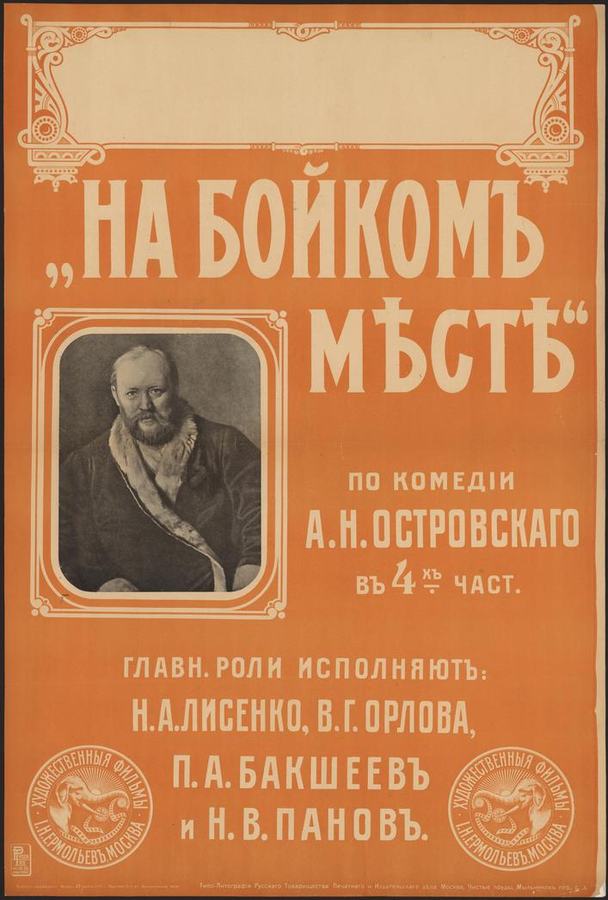
Looking back at the 1916 milestone that is The Busy Inn, the cinematic shorthand used by Cheslav Sabinsky is both ancient and revolutionary. Dive into this collection and find the spiritual successors to Cheslav Sabinsky's vision.
As Cheslav Sabinsky's most celebrated work, it defines to articulate the unspoken anxieties of Russian Federation's 1916 era.
Dissatisfied with the profits of his gambling house, the Busy Inn, Bessyne resorts to robbery at night. Eugenia, his wife, who does her share in extorting money from those who visit the Inn, persuades her husband to force Anna, his sister, who has been reluctant up to now, to take part in the scheme. As a result of her participation Anna falls in love with Prince Myloff, one of the frequenters of the Inn, and with whom Eugenia is also fascinated, and in revenge, Eugenia poisons the mind of the prince against Anna. Disheartened, Anna drinks what she believes is poison, and, feeling that she is dying, summons the prince, who has called at the Inn, and assures him that she really loves him. Convinced, the prince has Anna taken to his home for treatment, and declares that their betrothal will be announced at once. But Bessyne relieves the tension by revealing that what Anna drank was only a sleeping potion.
The Busy Inn was a significant production in Russian Federation, bringing a unique perspective to the global stage. It continues to be a top recommendation for anyone studying cult history.
Based on the unique unique vision of The Busy Inn, our vault has identified these titles as the most compelling follow-up experiences for fans of cult cinema:
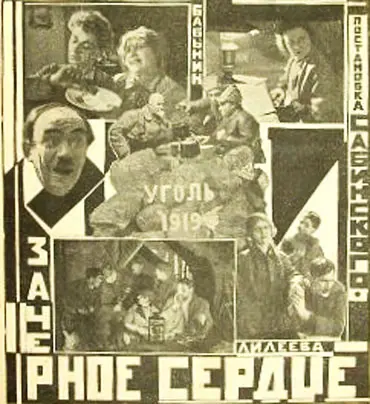
Dir: Cheslav Sabinsky
On the class struggle of the Donetsk workers and White Guards.
View Details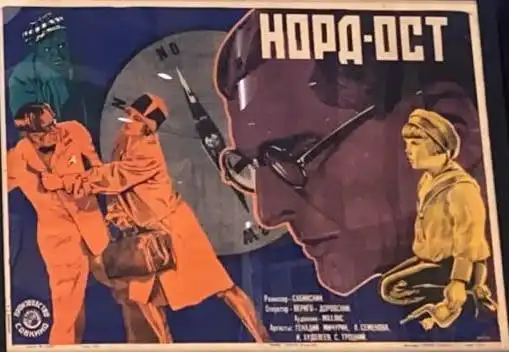
Dir: Cheslav Sabinsky
A fascinating piece of cinema that shares thematic elements.
View Details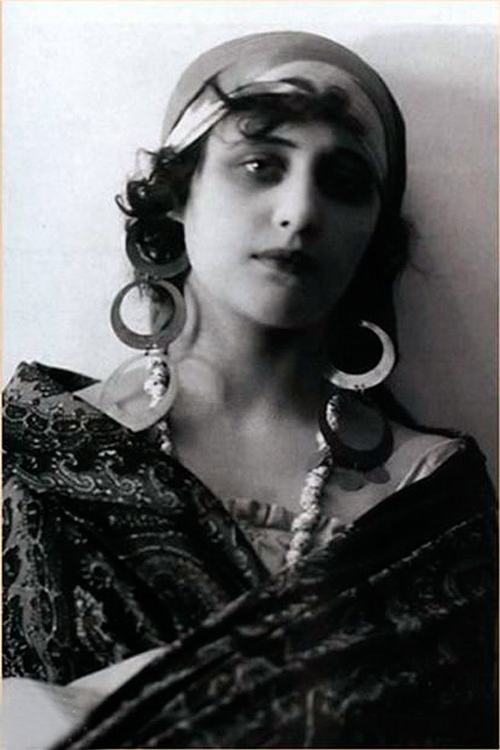
Dir: Cheslav Sabinsky
Fedor Protasov is tormented by the thought that his wife Liza never really made a clear choice between him and Victor Karenin, a more conventional rival for her hand. He wants to kill himself, but doesn't have the nerve. Running away from his life, he falls in with Gypsies, and into a sexual relationship with a Gypsy singer Mascha. Meanwhile, his wife Liza, presuming him dead, marries the other man, Victor.
View Details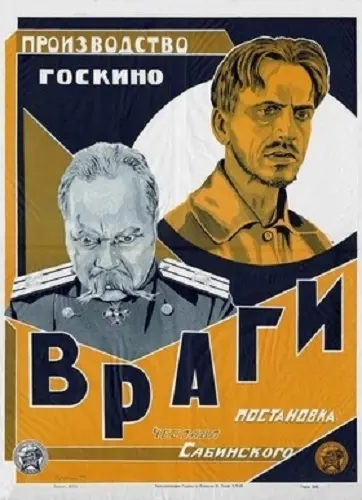
Dir: Cheslav Sabinsky
Colonel Levchenko's family is in trouble: his son is a revolutionary. Having witnessed his father humiliate the lower ranks, the son has turned to the socialists. The father, without hesitation, turns his son over to the gendarmes.
View Details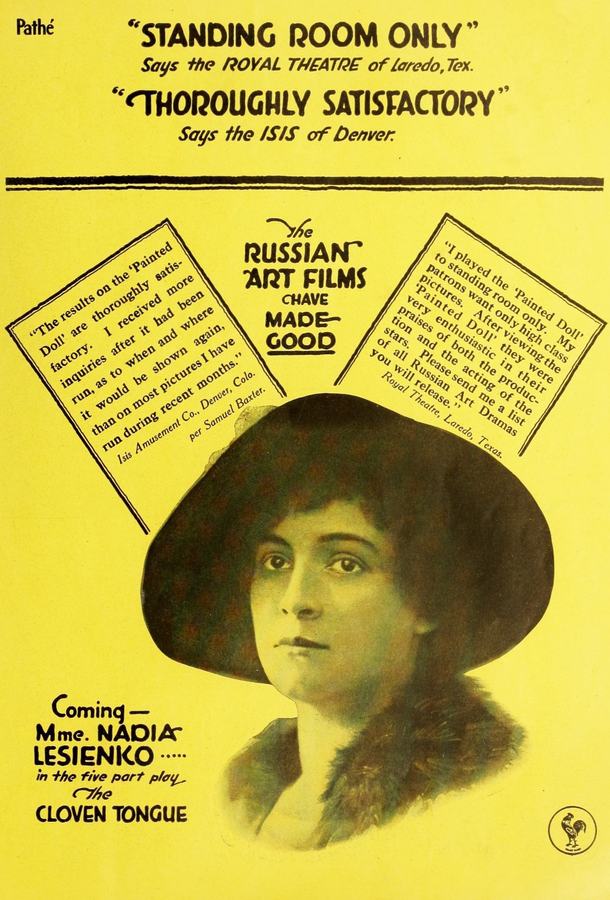
Dir: Cheslav Sabinsky
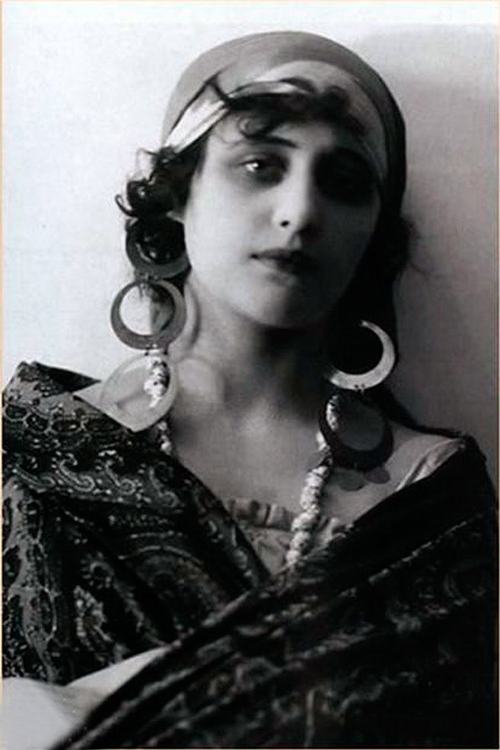
Nicolai Orloff, a horse dealer, is swayed in the management of all his affairs by his selfish mistress, Glasha. His daughter Sonia, returning from school, discovers the other woman strangely antagonistic toward her, particularly when she meets and falls in love with Prince Alexis. Desiring the prince herself, Glasha prevails upon Orloff to forbid his daughter continuing her romance with him. Later, Glasha disappears and the prince is accused of murdering her. It develops in the end, however, that she was killed by enraged peasant women who objected to the harsh treatment accorded them by Orloff, who they knew was influenced by Glasha.
View Details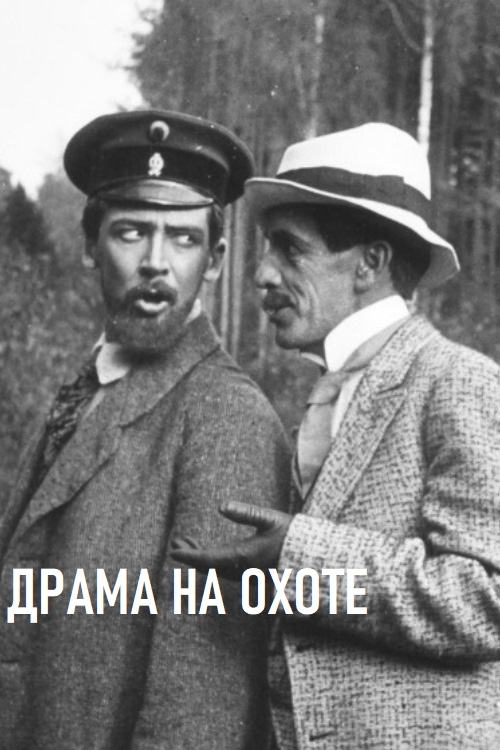
Dir: Cheslav Sabinsky
An adaptation of novel "The Shooting Party" by Anton Chekhov.
View Details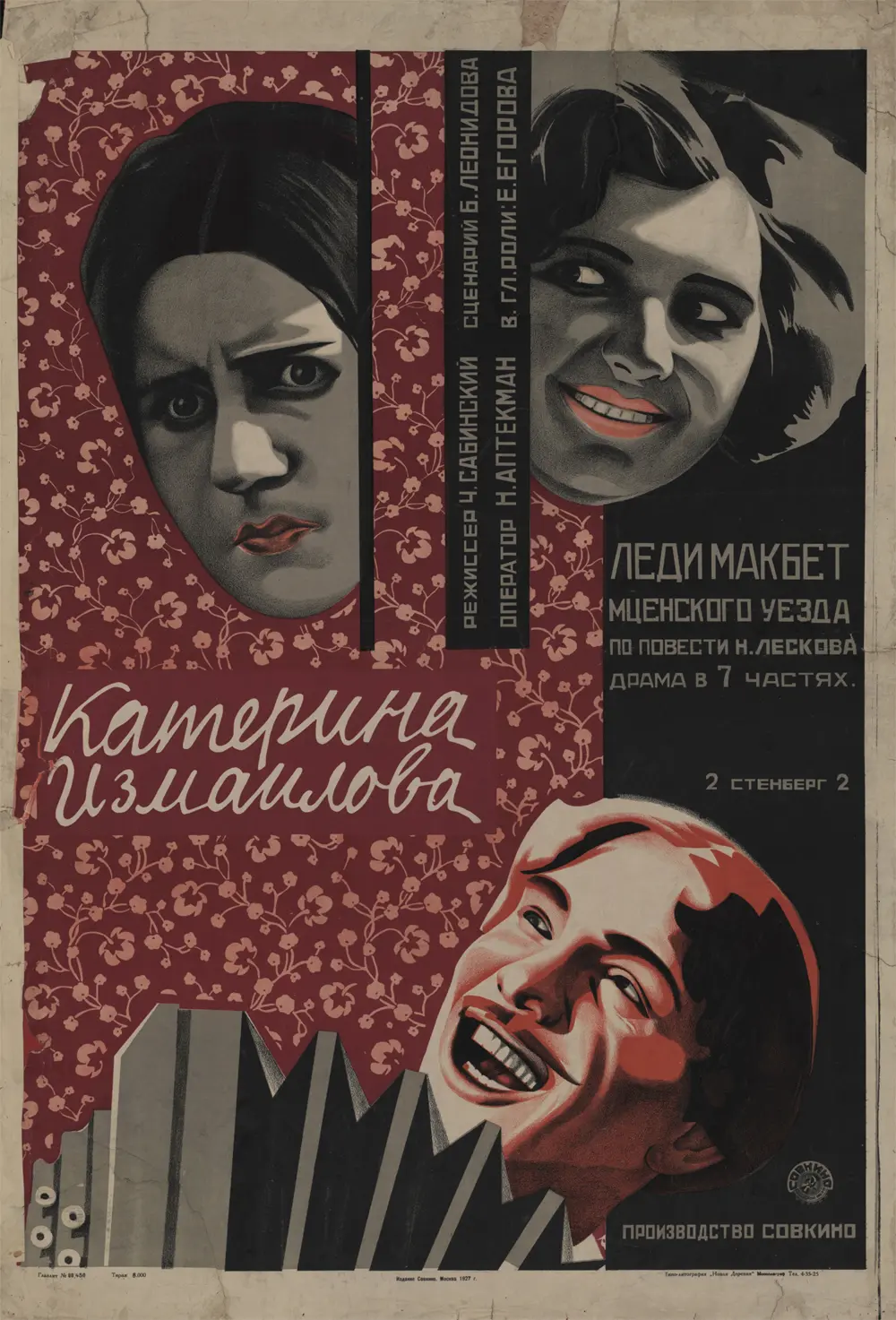
Dir: Cheslav Sabinsky
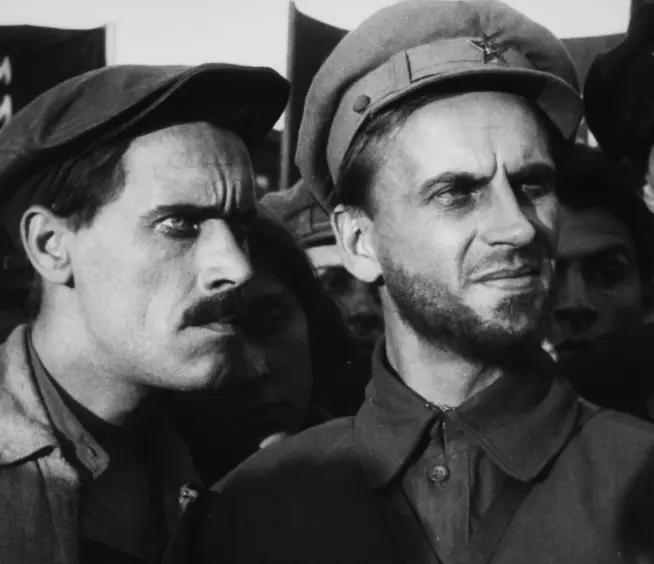
Katerina murders her husband and her father-in-law. She and her new beau are both sent to Siberia, where the lover almost immediately takes up with a younger woman.
View Details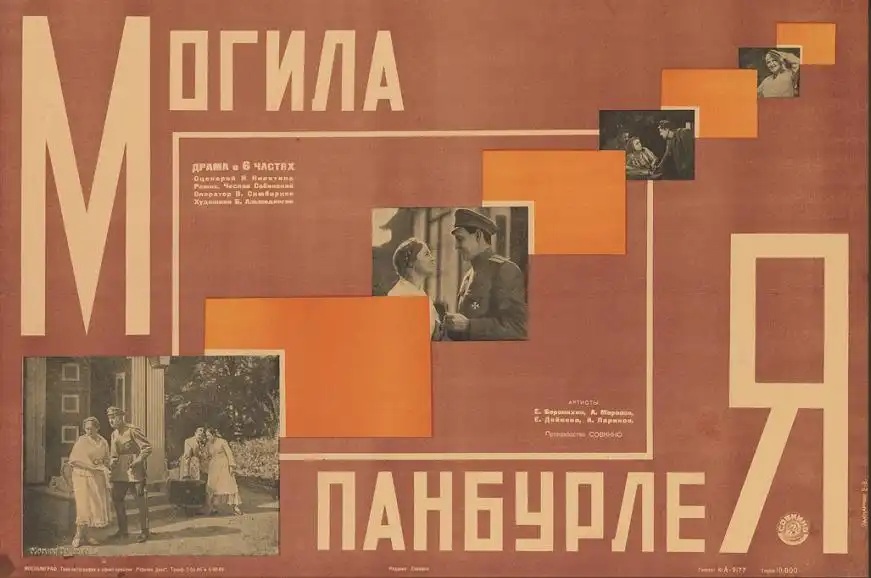
Dir: Cheslav Sabinsky
A fascinating piece of cinema that shares thematic elements.
View Details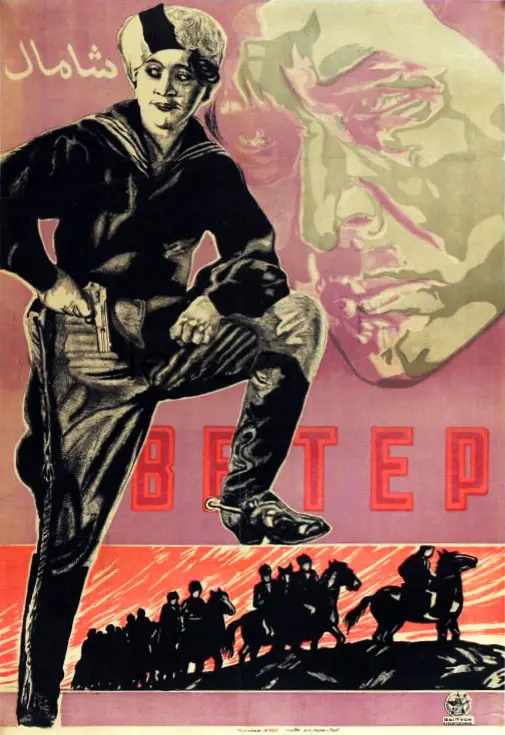
Dir: Cheslav Sabinsky
During the Civil War following the Bolshevik Revolution, a Red cavalry officer is warned by a staffer from headquarters about his dangerous attraction to the female leader of a band of Cossacks, a violent woman who is aroused by killing.
View DetailsAnalysis relative to The Busy Inn
| Film Title | Atmosphere | Complexity | Similarity |
|---|---|---|---|
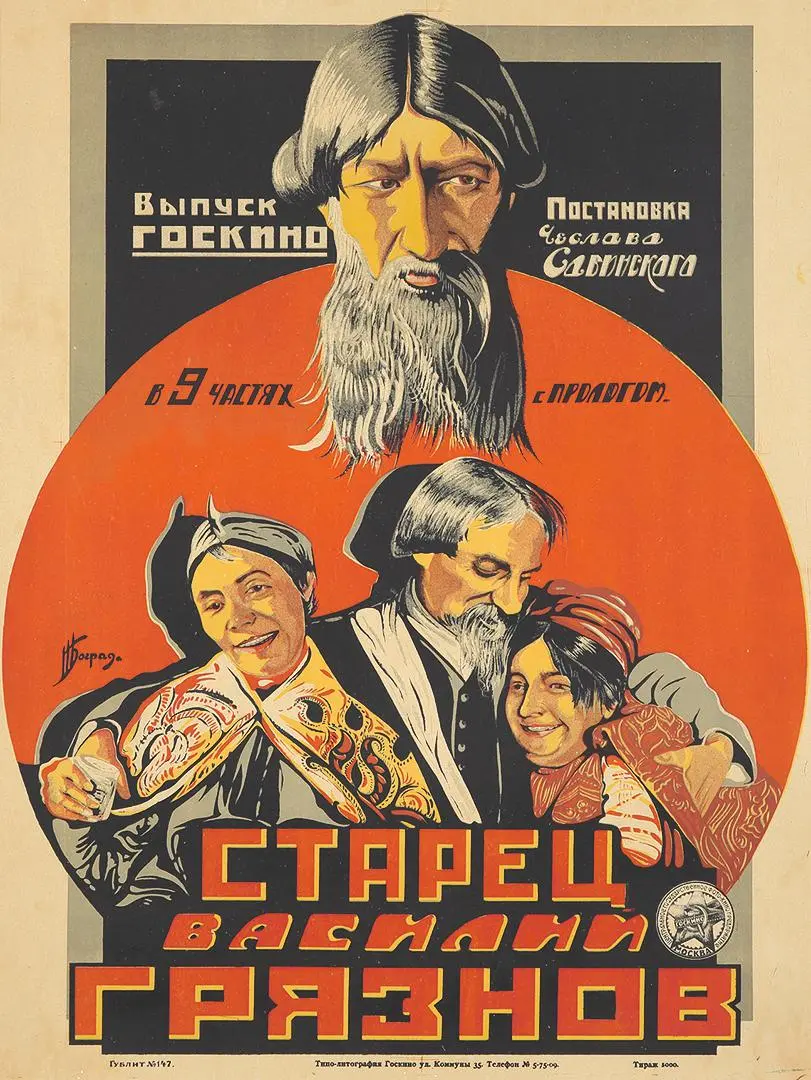
| Starets Vasiliy Gryaznov | Tense | Abstract | 87% Match |
| Za chornoye serdtse | Ethereal | Dense | 90% Match |
| Nord-Ost | Gothic | Dense | 90% Match |
| Zhivoy trup | Tense | Dense | 87% Match |
| Vragi | Tense | Linear | 85% Match |
This guide was algorithmically generated using the cinematic metadata of Cheslav Sabinsky's archive. Last updated: 6/22/2026.
Back to The Busy Inn Details →