
DbcultAccessing Vault...
Recommendations
Senior Film Conservator
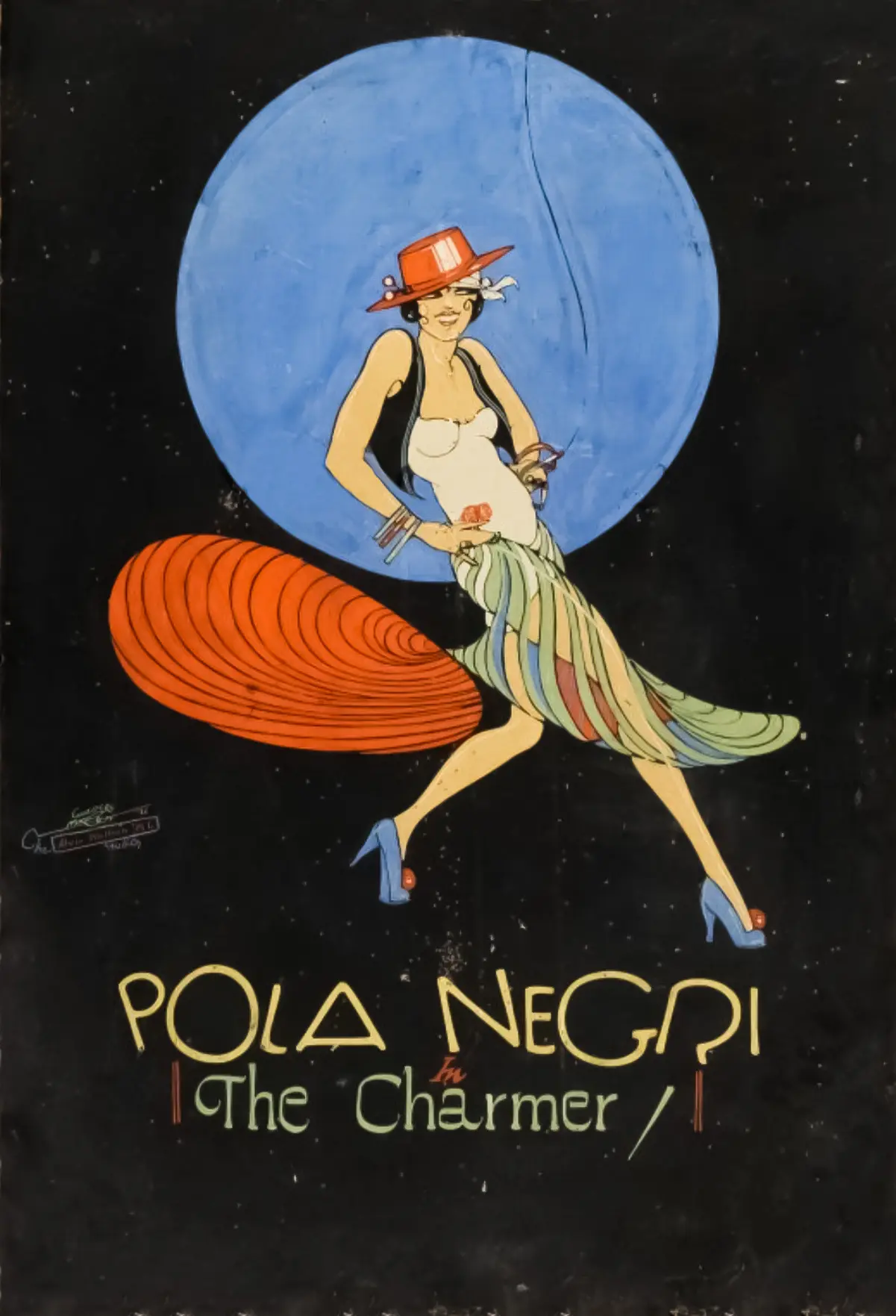
The 1925 release of The Charmer redefined the parameters of Drama storytelling, the narrative complexity found here is a rare find in the 1925 landscape. Prepare to discover your next favorite movie in our hand-picked collection.
Historically, The Charmer represents to explore the darker corners of the human condition with character-driven intensity.
Mariposa, a wild dancer in a cheap Seville cafe, is taken to New York by Señor Sprott, a prominent theatrical producer. Billed as "The Charmer," Mariposa becomes the toast of two continents. Among her most ardent admirers are millionaire playboy Ralph Bayne and his chauffeur Dan Murray, who both first met her in Spain. Madly in love with Bayne, Mrs. Sedgwick invites Mariposa and her mother to a weekend party in a deliberate attempt to humiliate the beautiful dancer. Bayne quickly realizes that Mariposa is out of place in high society, and, determining to make her his mistress, takes her home with him. Mrs. Sedgwick unexpectedly arrives at Bayne's swank suite (followed by her suspicious husband), and Mariposa protects the society woman's reputation at the cost of her own. Murray arrives and attempts at gunpoint to force Bayne to marry Mariposa, but Mariposa objects and declares her intention of marrying Murray instead.
The influence of Sidney Olcott in The Charmer can be felt in the way modern Drama films handle character-driven intensity. From the specific lighting choices to the pacing, this 1925 release set a high bar for atmospheric immersion.
Based on the unique character-driven intensity of The Charmer, our vault has identified these titles as the most compelling follow-up experiences for fans of Drama cinema:
Dir: Sidney Olcott
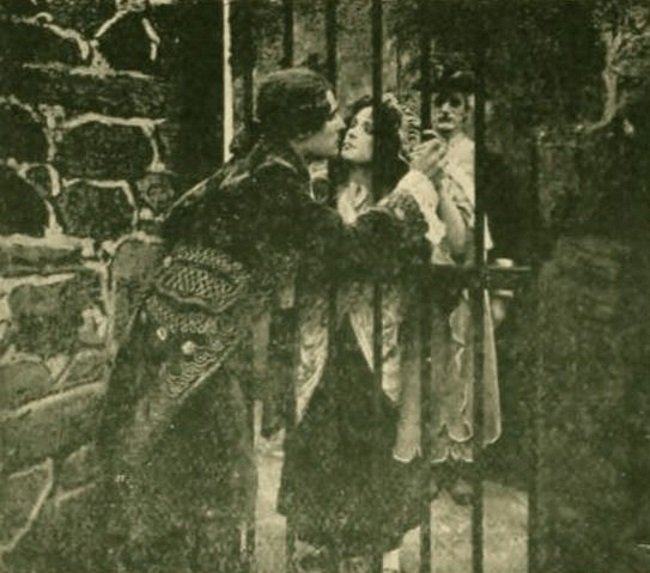
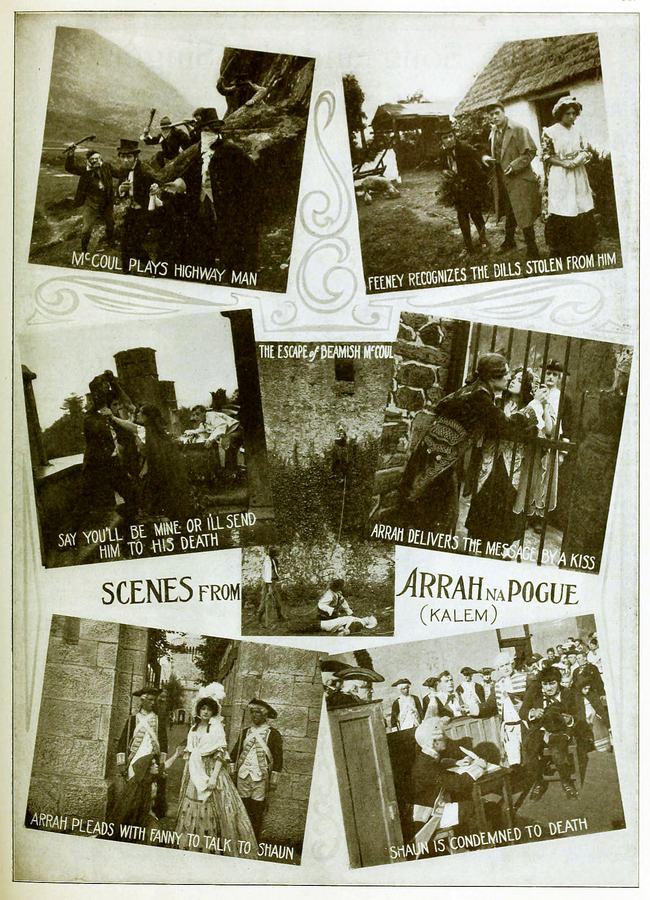
(Reel 1) Beamish McCoul joined the Irish insurrection and had become a leader in the movement when he was arrested and placed in Wicklow Jail. His property was confiscated by the authorities. When his followers learned of his imprisonment, they perfected a plot for his escape, which involved a rope, a fast horse and a boat to carry him from the country. Arrah Meelish, the prisoner's foster sister, volunteered to carry the idea of their plot to him. She approached the armed sentinels and begged permission to kiss her brother farewell, as the next day would bring about his execution. While kissing him a note was slipped from her mouth to his without being detected by the wardens. Later the guards were seized and Beamish made his escape from the prison, hurried to his sweetheart, Fanny Powers, bid her farewell and left for France. Four years Beamish spent in reckless exile, and, unable to endure it longer, returned to Ireland. He learned that Fanny was still true to him, having refused Colonel O'Grady, the magistrate, and her legal guardian. Beamish, on his arrival, quickly gathers together his old friends. He robs Michael Feeney, collector of the Government Clerk's Office, of his gold and banknotes and of his free pass across the mountain, because they had confiscated his property. Arrah, who has promised her hand to Shaun, a postman, secretes her foster brother in her barn and informs him of her imminent marriage. Beamish gives her as a wedding present a number of banknotes, which he robbed the collector of. Feeney, who is also a suitor for Arrah's hand, tells her that he suspects Shaun is the man who had robbed him. She is surprised and tells him she has plenty of money, at the same time showing him the banknotes which her foster brother gave her. These are recognized by the collector, who says nothing. The following day Shaun and Arrah are wed in the old barn in which Beamish is secluded. Major Coffin, an English officer, brings Colonel O'Grady information that a rebel had made a bold robbery and was at present secreted in Arrah's barn. They set out at once for her house, in company with Feeney, the informer, Fanny and soldiers. The gaiety is stopped and the searching party begins its work. Beamish makes his escape through a window, and. grasping a branch of a tree nearby, lowers himself to the ground and hurries away. Arrah is accused of harboring the rebel as Feeney had found McCoul's coat, which contains the mountain pass. Her husband takes the blame of Beamish's robbery, and says the coat is his. He is arrested and taken to prison. (Reel 2) Beamish goes to the place where he is supposed to meet his sweetheart. He is greatly distressed at not finding her there. As he sits in solitude, a messenger arrives with a letter from Fanny, saying that she had been at Arrah's cottage and knew all. He replies, stating that he has left for Dublin to visit the Secretary of State and secure, if possible, a pardon for Shaun. Fanny returns home and announces to Colonel O'Grady that she is now prepared to become his wife, but before their marriage he must obtain a pardon for the release of Shaun, who is ignorant of the whole affair. The colonel consents to do his best. Arrah is now seen at the prison, hopefully awaiting a word from her husband. Feeney enters Shaun's cell, accompanied by Fanny. Feeney starts to heap insults upon Arrah, and although Shaun's hands are tied, he pounces upon him, causing him to cry out for help. The guards order Feeney from the place. Fanny tells Shaun that she is going to denounce her affianced husband in order to save the postman from unjust punishment. Arrah, at this time, comes to the door and falls into her husband's arms and confesses that it was Beamish she had concealed in her barn. Everybody is ordered out of the room as the guards conduct Shaun into the courtroom to await trial. The verdict handed down is to the effect that Shaun must die the following day. (Reel 3) Beamish McCoul arrives at the Secretary of State in Dublin and proclaims his identity with a written confession of the affair. Colonel O'Grady arrives a few minutes later and the secretary hides McCoul behind the curtains, while O'Grady makes a plea for Shaun's release. The third person to put in an appearance is Fanny Powers, and the secretary conceals the Colonel in another place about the room. During her interview, the two men, each unconscious of the presence of the other, finding it impossible to restrain themselves longer, slip from their hiding places and confront the young woman. The old secretary reunites Beamish and his sweetheart, writes a pardon for Shaun, which he hands to the colonel, and the three depart on their missions. Meanwhile Shaun's hour approaches. Arrah climbs to the battlements of the castle in the hope of seeing her husband for the last time. Shaun discovers a loose stone in his cell, and with almost superhuman strength, breaks the barred window, thereby effecting his escape. Feeney meets Arrah upon the battlement and tries to induce her to forget Shaun and become his wife. She refuses. He is infuriated. In the meantime Shaun is stealthily climbing up the ivy on the outside of the jail, and when he reaches the top he enters into a fierce struggle with Feeney, who is finally overpowered and thrown into the waters below. At this moment the colonel, Beamish and Fanny arrive with Shaun's pardon. Beamish asks Shaun to pardon him for all the trouble he has caused him, which is joyfully granted, and the story ends showing Shaun placing his arms about his wife's neck.
View Details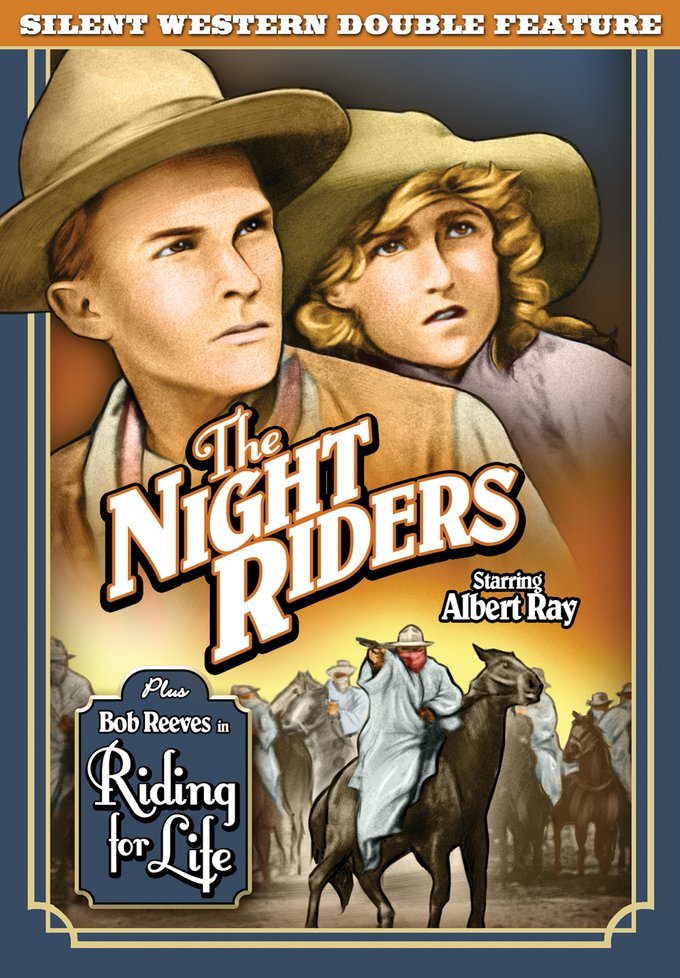
Dir: Alexander Butler
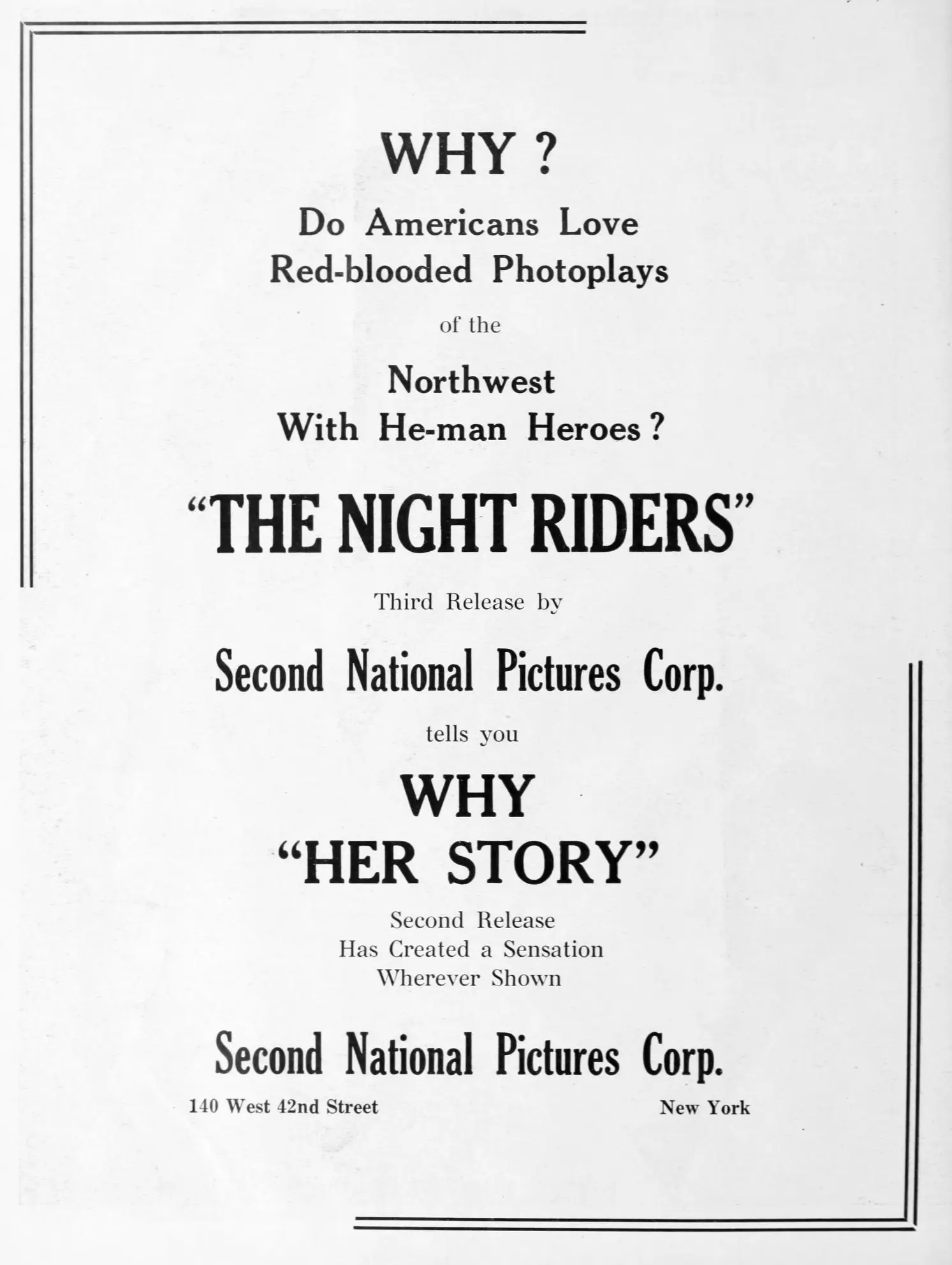
In Alberta, Canada, a Cornish emigrant unmasks a rustler posing as the girl's "blind" father.
View Details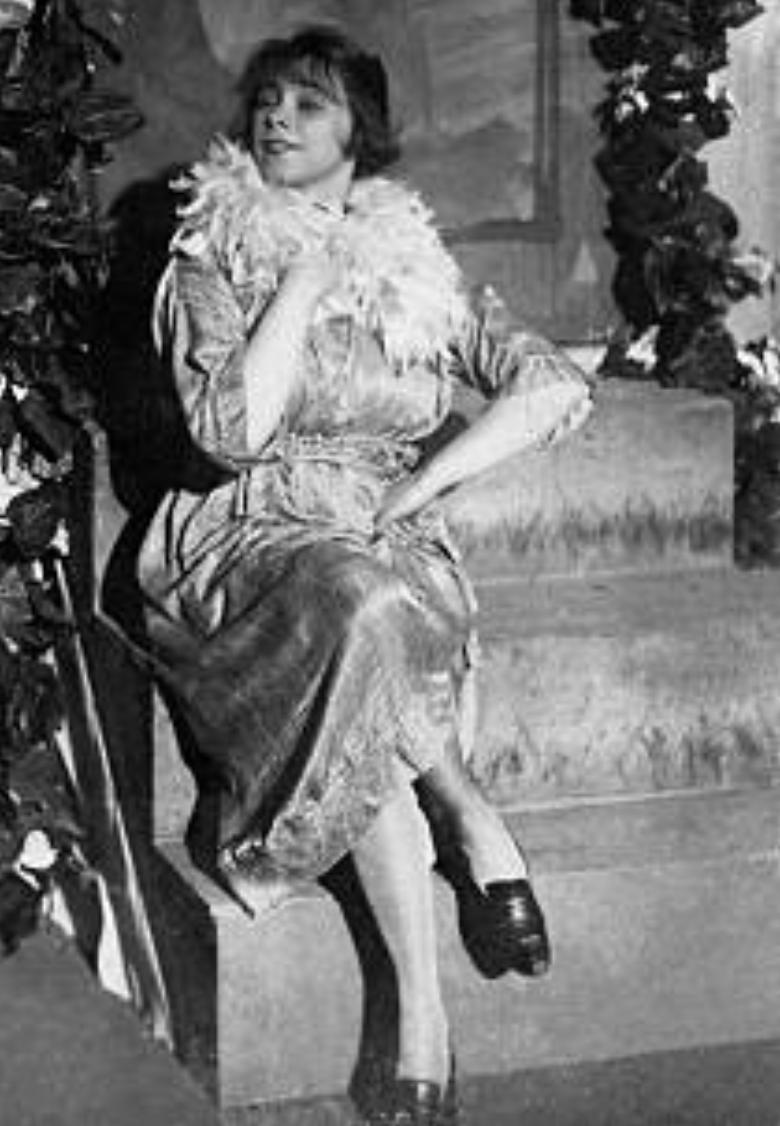
Dir: Bruno Ziener
A fascinating piece of cinema that shares thematic elements.
View Details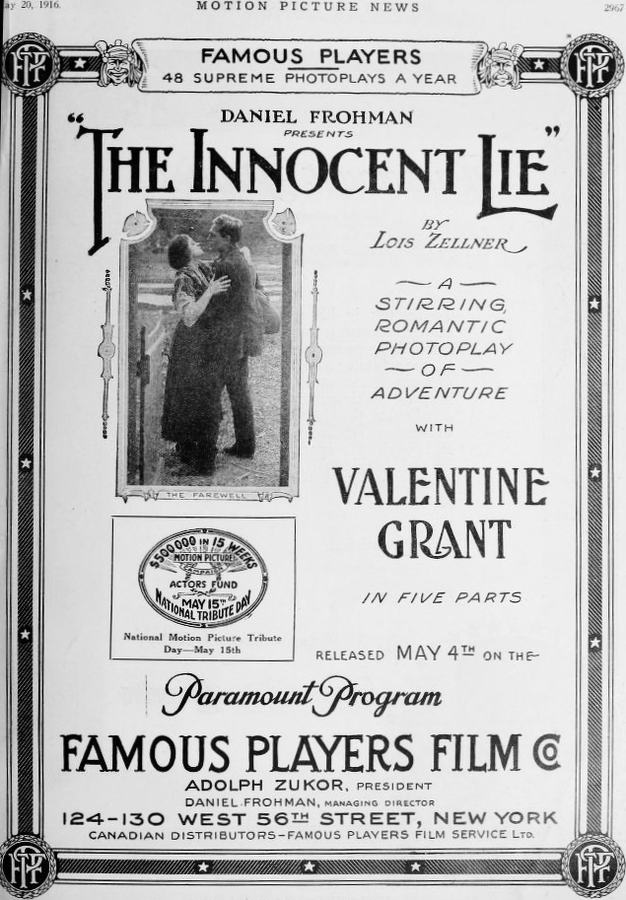
Dir: Sidney Olcott
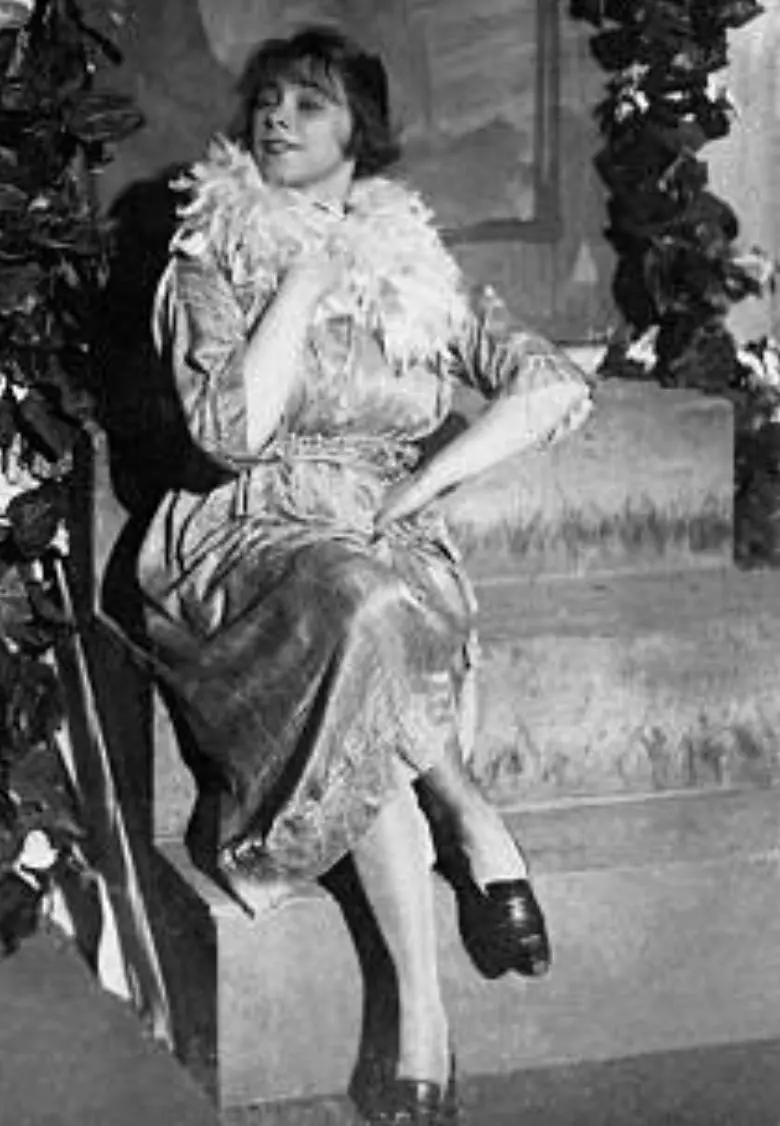
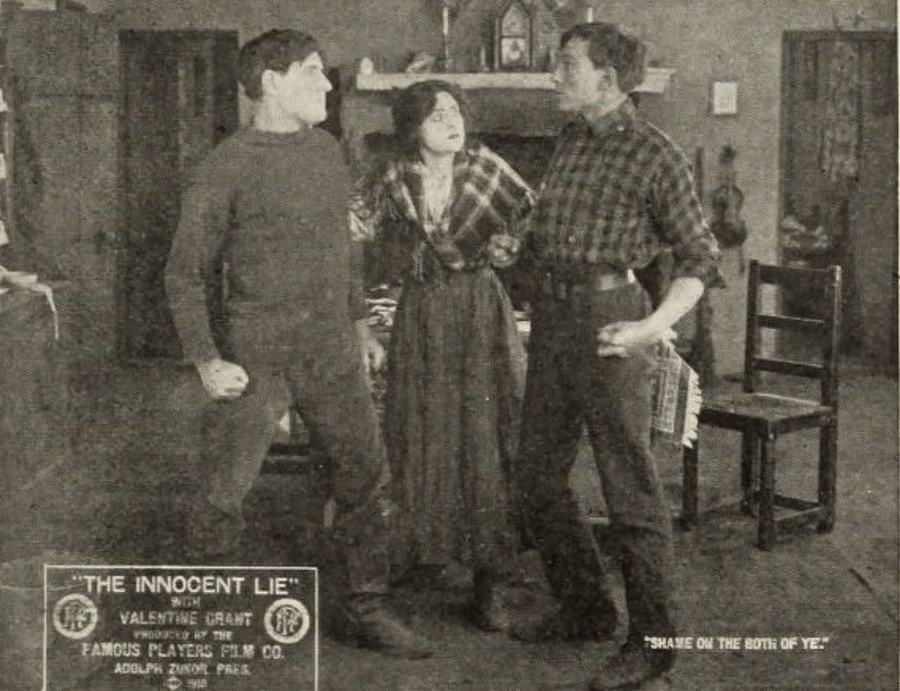
Nora O'Brien leaves Ireland to visit her brother in America. On the trip she suffers a concussion, and soon is mistaken for another Irish girl named Nora who is on her way to visit her aunt in the US, Mrs. Watson, who has not seen her niece in many years. Nora, still somewhat dazed from her injury, is taken to the Watsons' home, and when Mrs. Watson's son Jack returns from college, he falls in love with her but cannot express it to her because he believes she is his cousin. Complications ensue.
View Details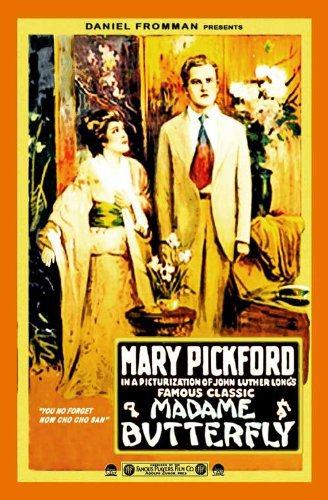
Dir: Sidney Olcott
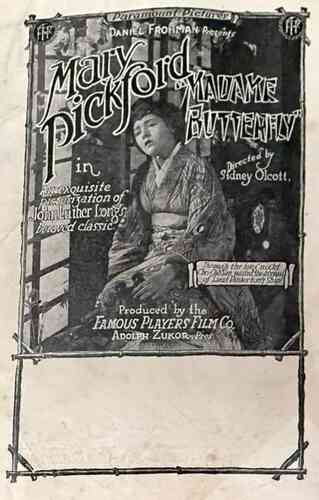
The story of a Japanese woman and the tragedy that ensues when she loves an American naval officer.
View Details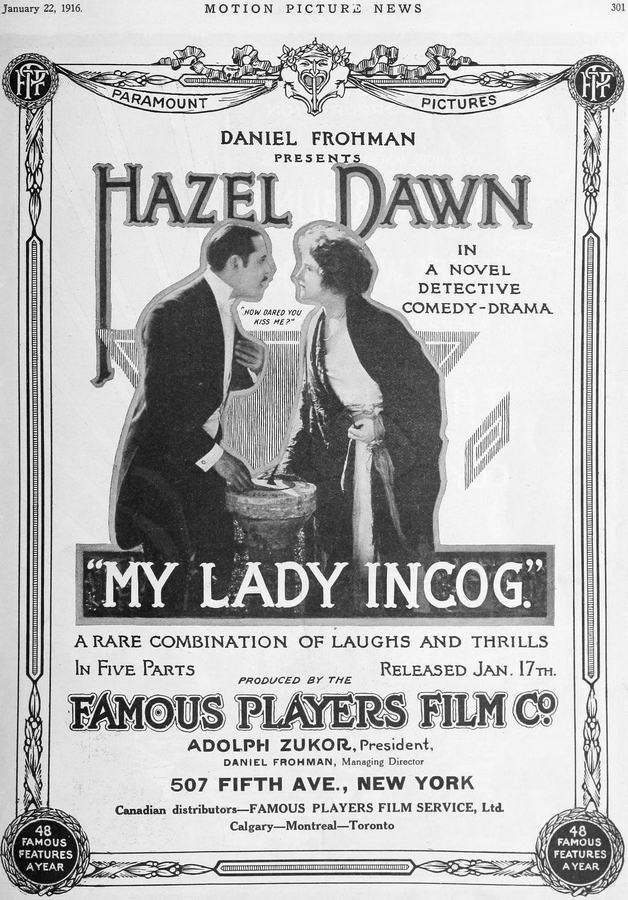
Dir: Sidney Olcott
Financial troubles force Nell Carroll, a thoroughbred, to seek employment in a detective agency which has just taken up the trail of a very baffling jewelry robbery in an exclusive summer colony. In order to work from the inside, she is sent to the place as the Baroness Du Vassey. Suspicion promptly fastens upon Teddy De Veaux, the son of the woman who first invites Nell to her home. Every evidence points to him until the leader of the crooks, suspecting the real identity of the "baroness." decides to present himself as the Baron Du Vassey, her husband. The arrival of the "baron" causes consternation in the heart of Nell, who does not know whether she is facing an impostor or has chanced upon the name of a real nobleman. Trusting to chance to give her some hint as to the truth, she decides to face the man and attempt to outwit him. But more than wits are necessary to defeat the crook, with whom the butler is allied. It comes to a question of a steady hand and quick trigger finger when the thieves are caught red-handed and spring upon the innocent young Teddy.
View Details
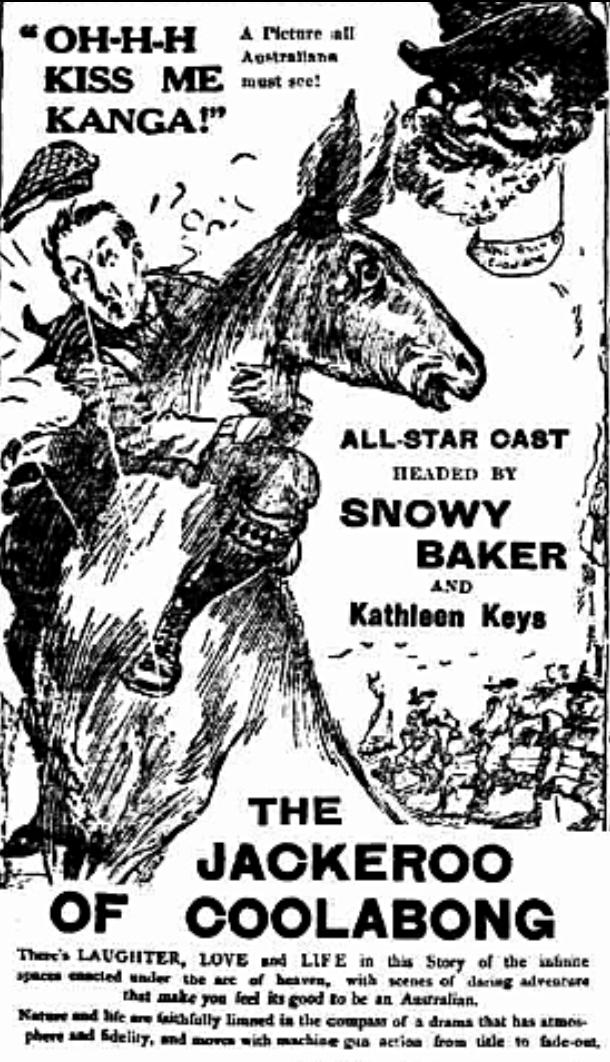
Dir: Wilfred Lucas
Brian O'Farrell (Snowy Baker), is an English 'new chum' who takes a job at an Australian cattle station. He is teased by station hands because of his appearance (including spats and a monocle) but he soon impresses them with his skills at riding and boxing. The station manager, John MacDonald (Wilfred Lucas), takes O'Farrell to Sydney to meet his daughter Edith (Kathleen Key) who is working in the slums. Edith is kidnapped by criminals after witnessing a crime but O'Farrell rescues her. It is later revealed he is the owner of the station.
View Details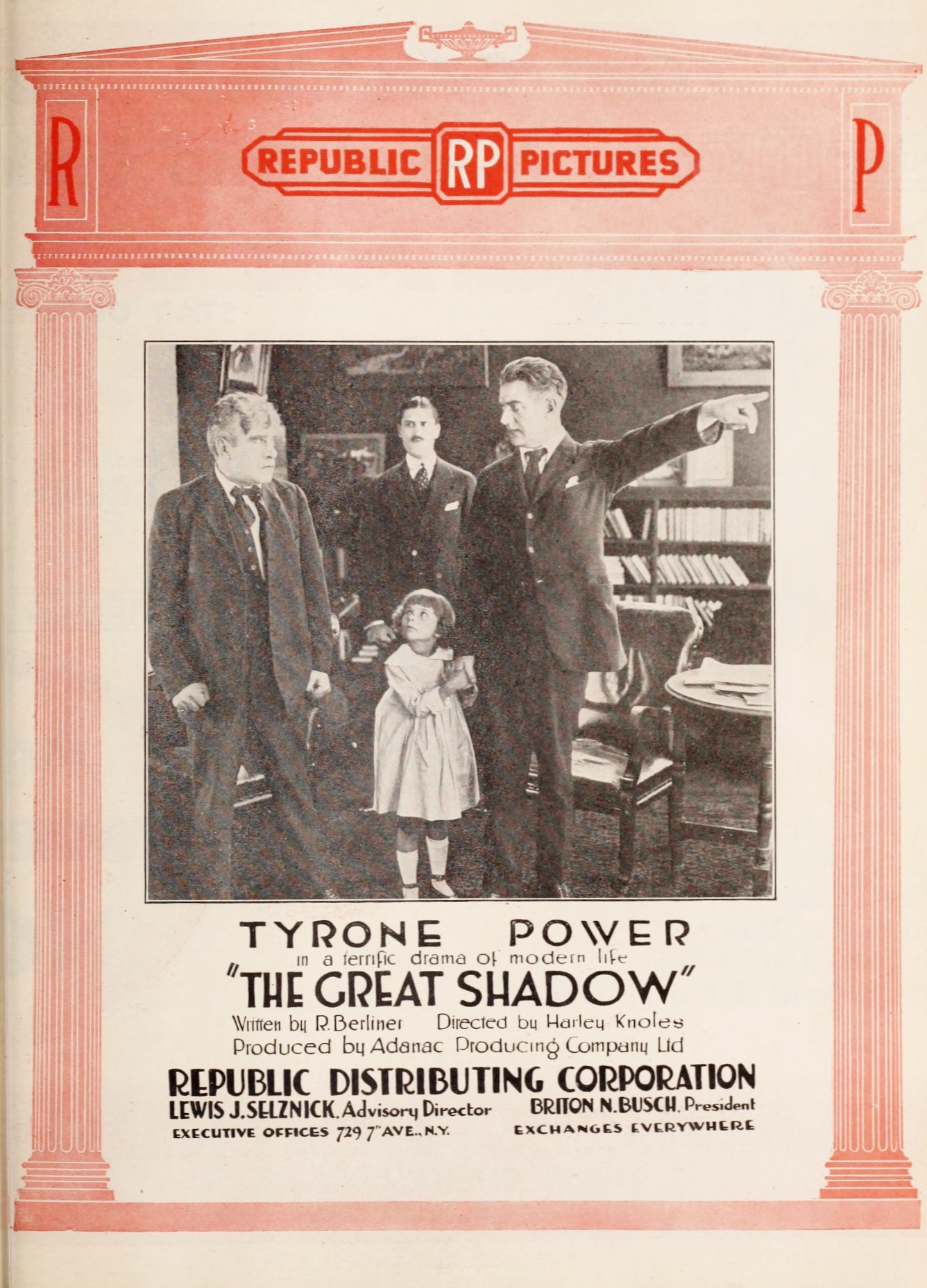
Dir: Harley Knoles
Jim McDonald, the foreman of a shipbuilding plant and head of the labor union, strives to combat the anarchistic propaganda being put forth by Klimoff, the leader of a Bolshevik gang whose goal is to disrupt the country with strikes and anarchy. Despite McDonald's efforts, a strike is called, resulting in chaos. McDonald's child is knocked down by runaway horses abandoned by their striking driver, and dies. Mob scenes take place in America, as well as in Russia. Eventually, the unrest is quelled with an armistice called between Capital and Labor for a year, during which time wages are to be increased to reflect the cost of living, and leaders are to work out a common plan for their mutual advantage. The strikers now realize that they have been pawns of the Bolsheviks and call off the strike, agreeing to the plan.
View Details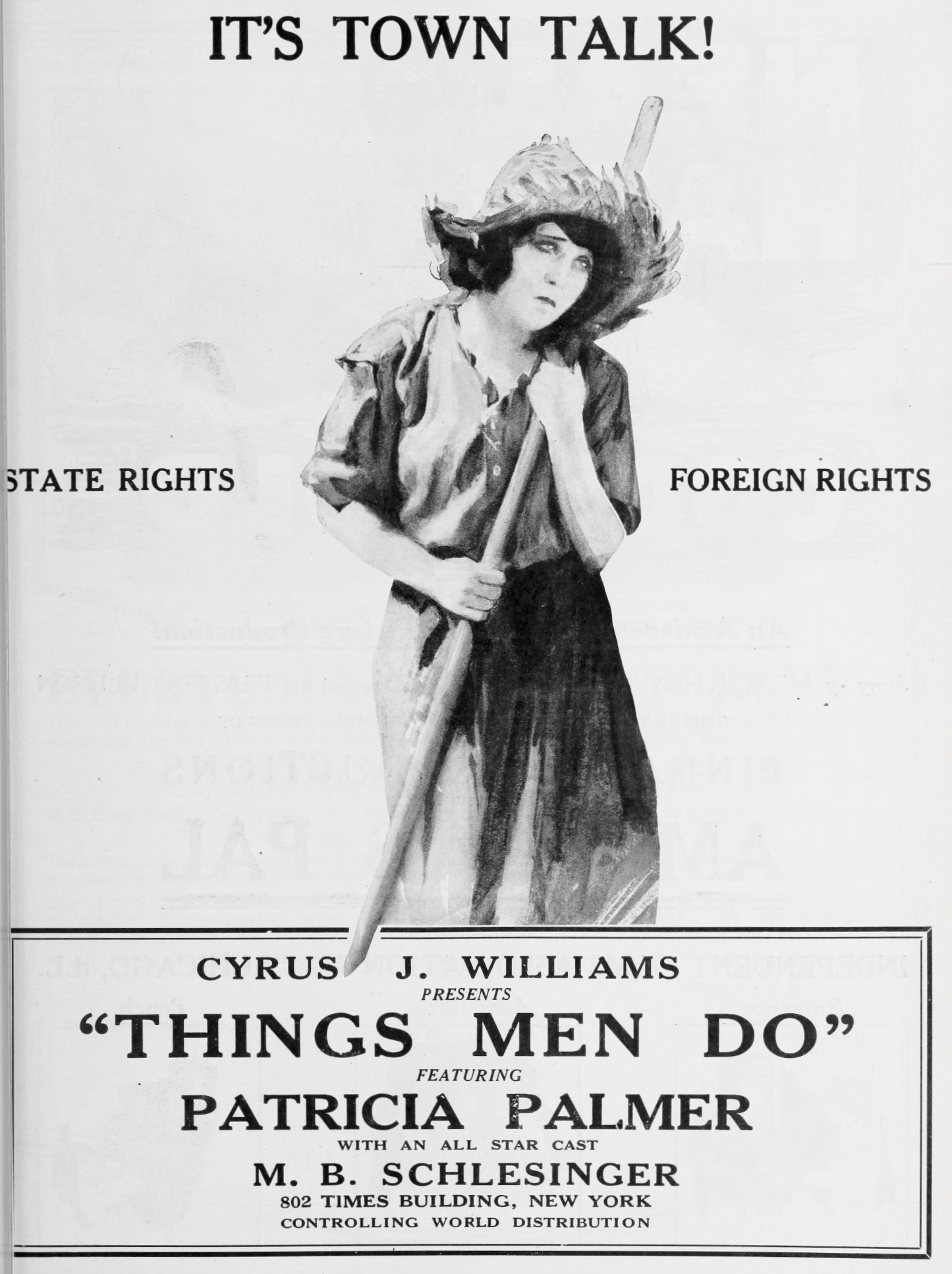
Dir: Robert N. Bradbury
A simple country girl, brutally mistreated by her stepfather, awakens first the sympathy, then the love, of The Boy. The Spider, who lusts after The Girl, makes a bargain with the stepfather and takes her to the city where, kept prisoner, she is soon broken in health and spirit. Cast out and near death, she is taken in by The Boy. Following the demise of The Spider, The Boy takes her to church, where he prays, and after many hours she is restored to health.
View DetailsAnalysis relative to The Charmer
| Film Title | Atmosphere | Complexity | Similarity |
|---|---|---|---|
| Arrah-Na-Pogue | Gritty | Dense | 87% Match |
| The Night Riders | Ethereal | High | 96% Match |
| Eva, wo bist du? | Gothic | Dense | 86% Match |
| The Innocent Lie | Tense | Layered | 91% Match |
| Madame Butterfly | Gothic | Dense | 92% Match |
This guide was algorithmically generated using the cinematic metadata of Sidney Olcott's archive. Last updated: 6/21/2026.
Back to The Charmer Details →