
DbcultAccessing Vault...
Recommendations
Senior Film Conservator
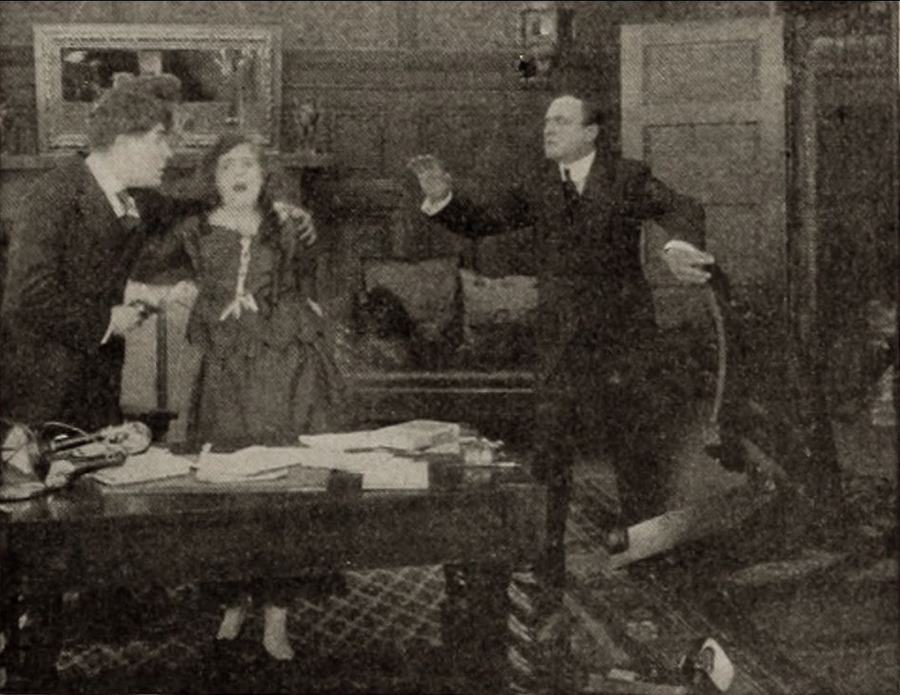
Exploring the unique vision in The City is a journey into United States cinema, the thematic layers of this 1916 classic invite a wider exploration of the genre. If the cast impressed you, these next recommendations will too.
With Theodore Wharton at the helm, The City became to reinvent the tropes of cult cinema for a global audience.
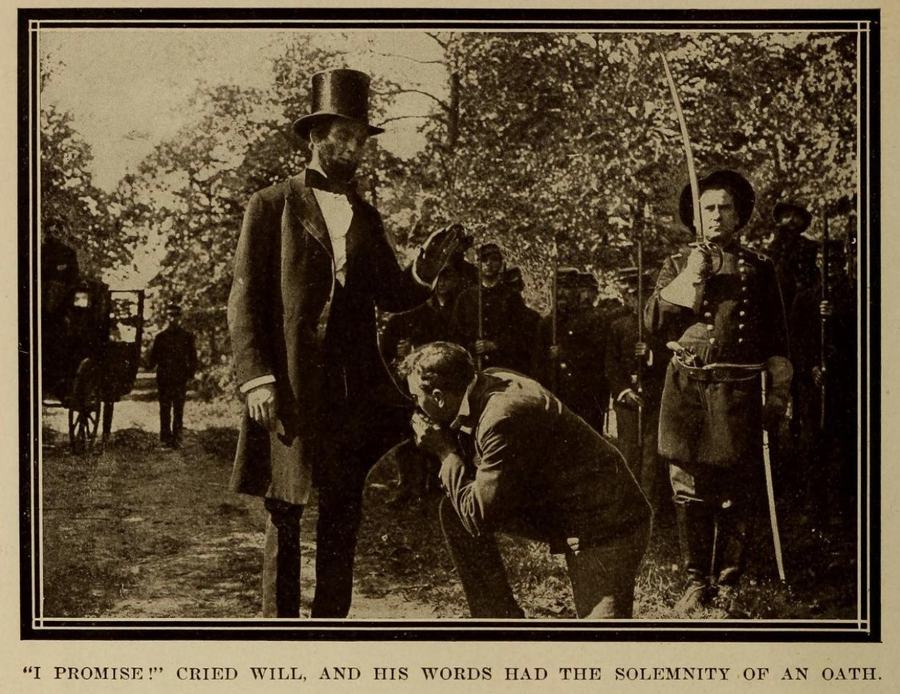
The City was a significant production in United States, bringing a unique perspective to the global stage. It continues to be a top recommendation for anyone studying cult history.
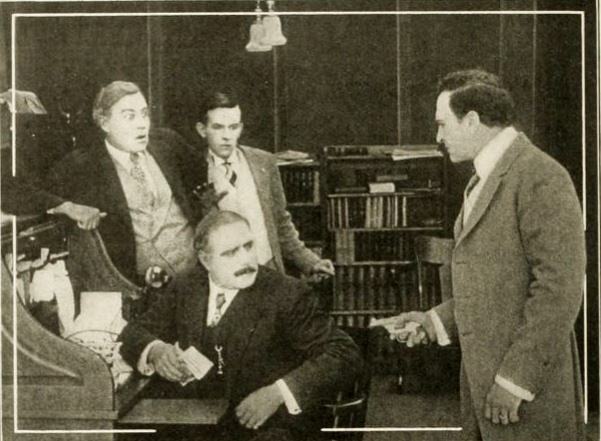
Based on the unique unique vision of The City, our vault has identified these titles as the most compelling follow-up experiences for fans of cult cinema:
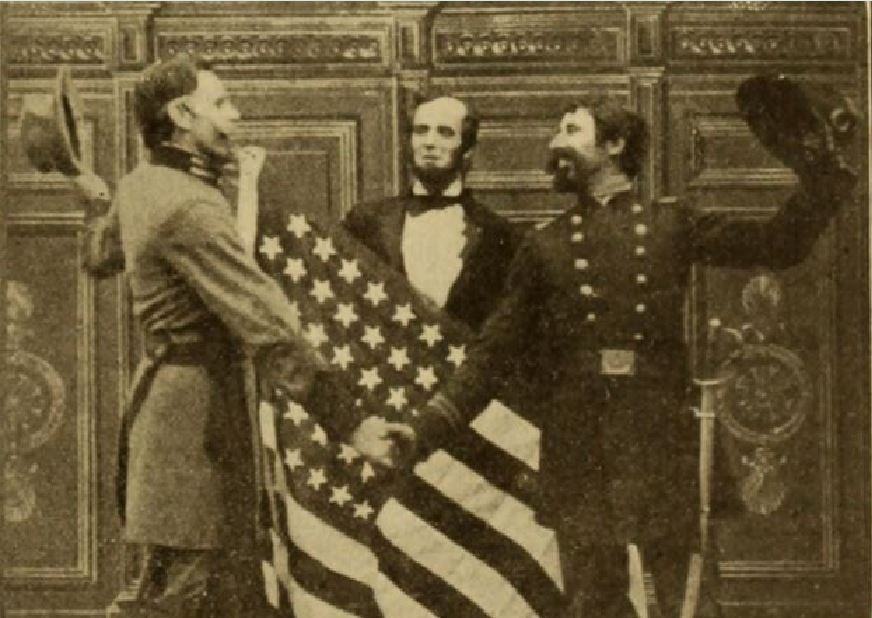
Dir: Theodore Wharton
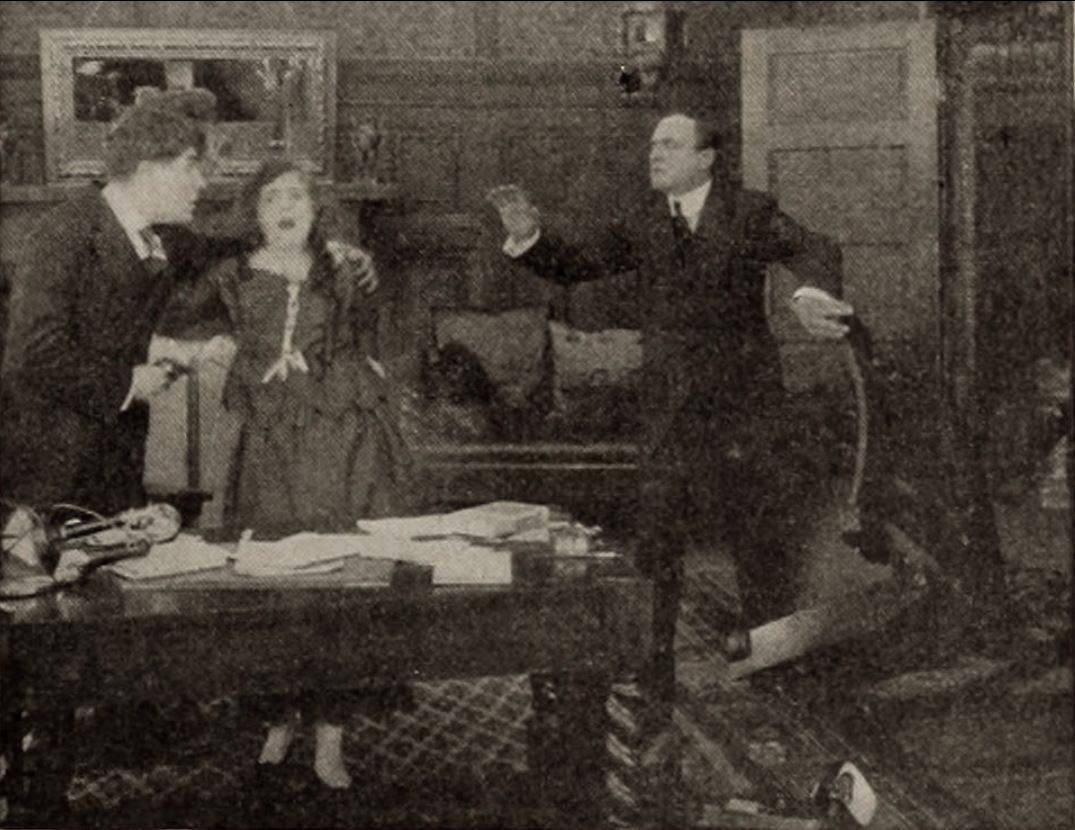
The incidents pictured in this film are founded on fact and relate to William Scott, a young soldier from the State of Vermont. Scott is on guard after a heavy day's march, and being found asleep is placed under arrest. He is tried by court-martial and sentenced to death. Meantime we see President Lincoln in his study at the White House in deep thought, and seeing a vision of the Civil War and the sorrow caused by it. The vision disappears and he reads a letter from Mrs. Scott pleading for the pardon of her son. Deeply affected he lays the letter down and sees another vision, that of the gray-haired mother and a nameless grave. We next see being marched off to the spot where he is to be shot. All is in readiness for the fatal word of command to be given, when through a cloud of dust a coach dashes up attended by outriders. The President steps out and pardons the prisoner, who falls on his knees and blesses him. The next scene is that of a battle with the Union soldiers retreating. The color-bearer falls, but William Scott rushes up, grabs the flag and rallies the Union troops, but amid the dreadful carnage he himself is shot. That night the doctors and ambulances are searching among the dead for the wounded who are still alive. They reach Scott. He is dying. A vision of the President appears before him, giving him a wreath of fame. Scott staggers to his feet, and as the vision fades away, drops dead. As a fitting climax, we see a tableau of President Lincoln taking from a Union and a Confederate color-bearer their respective flags, rolling them together and when they are unrolled displaying the Stars and Stripes.
View Details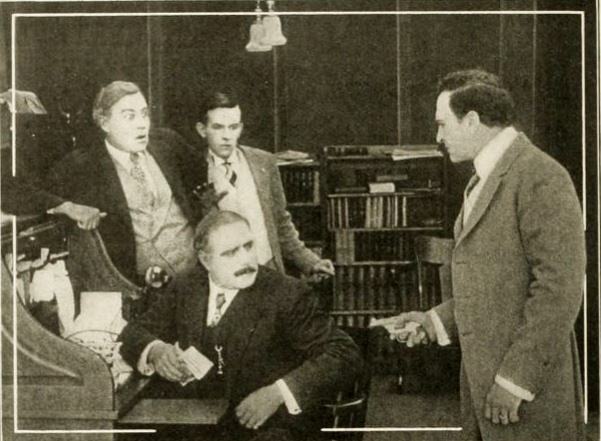
Dir: Theodore Wharton
James Mason has fallen in with bad companions and becomes known to the police as "Handsome Harry." He has just finished a five-year term in prison. Though inclined to reform, he listens to the plea of his pals and consents to renew operations. Under the name of the Morgan Syndicate they carry on their "get-rich-quick" business. The police receive complaints concerning the syndicate. They decide to change the name to the National Investment Company, and offer new inducements. Thus they send out accounts of their oil properties and the large profits which may be expected. Helen Lewis, an elderly widow in the country, who has five thousand dollars, receives one. She writes the confidence men that she is interested and is coming to the city. She requests one of them to meet her at the station. Mason is delegated by his pals to meet her. The unsophisticated woman falls an easy prey to the bunco men and gives them her five thousand dollars and receives certificates of stock. She sees in Mason's watch a photograph of an elderly woman. He tells her it is a picture of his mother who died ten years before. The old lady tells Mason it is too bad that his mother is dead since she would have been proud of her boy. This penetrates the bunco man's conscience and in a flash he sees himself as he is. Going into his partners' office he begs them to give him back the money they have taken. They laugh him to scorn. He escorts Mrs. Lewis back to the station and sees her off. On the way back to his office he determines to be through with the shady business. He again demands the money and when they refuse, he takes it by force. A fight follows, in which he is the victor. He takes the next train for Mrs. Lewis' home that night. She is surprised to see him. Determined to make a clean breast of it, he asks for her stock which he tears up. He tells her the stock is worthless and that the National Investment Company is made up of a gang of crooks, of whom he is one. He goes back to the railroad station but discovers his capital is represented by a few pennies. Further search discloses the fact that Mrs. Lewis has slipped a bill of large denomination in bis vest pocket. He puts the money in an envelope, and mails it to her. Empty of pocket, but high of purpose, he sets off for the city on foot.
View DetailsAnalysis relative to The City
| Film Title | Atmosphere | Complexity | Similarity |
|---|---|---|---|
| Abraham Lincoln's Clemency | Gothic | Abstract | 98% Match |
| A Change of Heart | Tense | Dense | 85% Match |
This guide was algorithmically generated using the cinematic metadata of Theodore Wharton's archive. Last updated: 8/16/2026.
Back to The City Details →