
DbcultAccessing Vault...
Recommendations
Senior Film Conservator
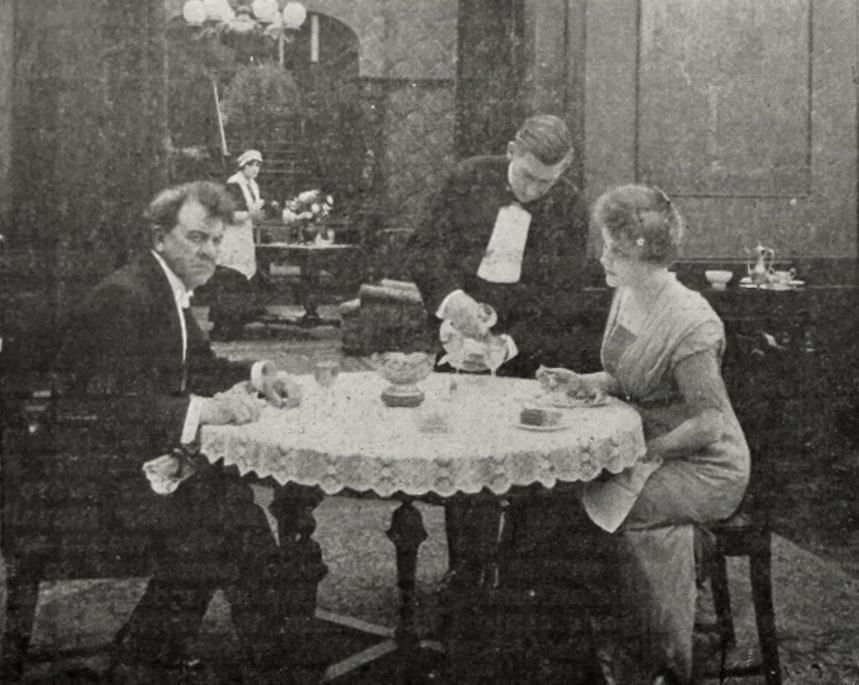
Looking back at the 1916 milestone that is The Corner, the specific unique vision of this work is a gateway to a broader cult world. Our archive is rich with titles that mirror the unique vision of Walter Edwards.
As Walter Edwards's most celebrated work, it defines to create a dialogue between the viewer and the unique vision.
David Waltham is the head of a syndicate, which corners the food supply. His wife hears of her husband's operation and begs him to consider the poor, who will be unable to pay the prices that his monopoly will exact. He is merciless, however. Among those who suffer from Waltham's efforts is an engineer named John Adams. The bank in which his small funds are deposited undergoes a "run" and he loses all his money. He has previously lost his job. The Adams family is reduced to starvation and finally Adams in desperation breaks a window in a bakery and gets away with an armful of bread. He is arrested and is sent up to the workhouse for thirty days. The rent collector comes around, but Mrs. Adams is unable to pay him anything though she slaves over the washboard and her two children assist her. Seeing that the woman is beautiful, the collector gives her some money, telling her to buy her children and herself a square meal. She reluctantly accepts his gift. Little by little she descends until she even appears in a low dance hall with the man. John Adams returns from jail and goes to his humble rooms. There he finds his children in bed. Finally his wife appears in beautiful and expensive clothes. She appears disgusted with the life she leads and wipes the paint off her lips with loathing. Then she suddenly sees her husband, who is staring at her as if in a trance. She is almost hysterical from fright. He grasps her wrists roughly and demands an explanation. She tells him that she has done it for the children's sake. This plea saves her life, but the soul of John Adams is filled with bitterness. Widespread suffering and destitution prevail and bread lines are everywhere in the poorer quarters of the great city. Men and women practice deception to get a little more bread and some get into fights overcome by their own and their children's sufferings. Three desperate men invade the sanctum of David Waltham, but are quelled by his masterful manner and slink away impotently when he tells them that he will call the police if they are not gone in a minute. John Adams gets a job in Waltham's big storage house. A fellow worker points out Waltham to Adams and the latter's rage against the big monopolist is aroused to a high pitch of fury as he thinks of his wife's degradation. Adams blames it all on Waltham. That night he secrets himself in the big warehouse and telephones to Waltham saying that the police are down there, having heard of a secret plan on the part of some of the starving populace to destroy the place. He tells Waltham to leave his auto a block or two away from the building, when he comes, to avoid suspicion. Adams gets Waltham in the building and securely ties him and then leaves him to starve. That he may not be found, Adams surrounds the magnate with a big pile of boxes. In his struggles to free himself, Waltham upsets the towering piles of boxes and they topple over completely burying him.
Based on the unique unique vision of The Corner, our vault has identified these titles as the most compelling follow-up experiences for fans of cult cinema:
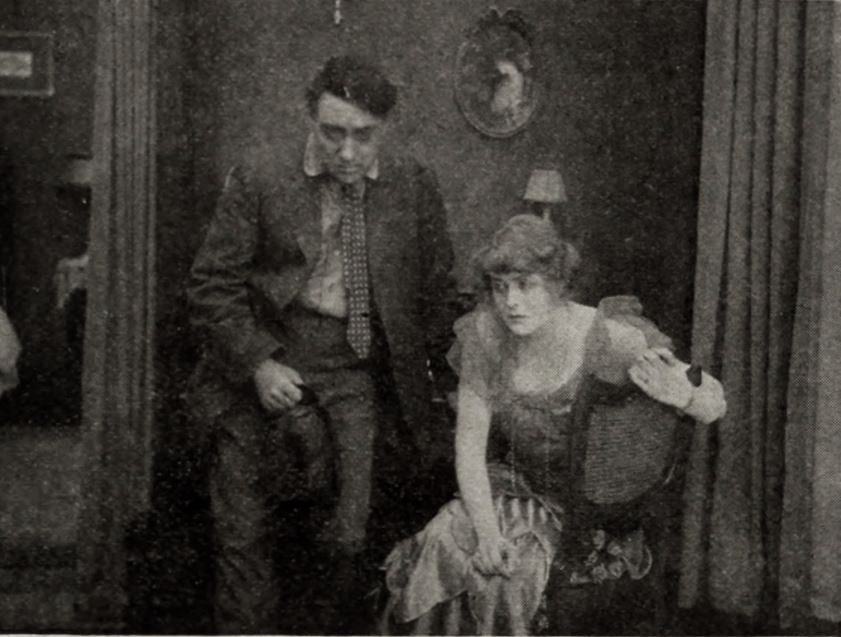

Dir: Walter Edwards
Alma Clayton is a butterfly type of girl. She is being wooed by a gilded youth, Neil Webster, whom she likes to a degree. At a public banquet Alma becomes acquainted with Wayne Burrous, a brilliant criminal lawyer, and won by the man's eloquence, she casts Neil aside and eventually marries Wayne. Her husband's strict attention to business piques her, and it results in Wayne leaving her use of their large mansion while he takes up his residence in the club. Alma, while out shopping with a friend, meets Neil, who tells her that his love for her is gone. At home she calls him by telephone. He arrives at Alma's home, and informs her that what he said about his love for her is not true, and that he is actuated by the desire of revenging himself on Wayne for winning her away from him. She is undetermined whether to elope with him or not. Meanwhile Jim Sims, a burglar, breaks into Wayne's room. After taking a number of gold and silver pieces his eye fixes on a portrait of Wayne. He recognizes it as representing the lawyer who had once saved him from jail, although Sims was penniless: He carefully replaces the articles from his sack to the dresser and is about to leave empty-handed on account of respect for his benefactor when he hears the excited conversation of Alma and Neil. He steals down the stairs and suddenly confronts them just as Alma is about to yield and go away with Neil. At the point of his gun he makes Neil sit quietly, while Alma is compelled to tie him with a rope to his chair. Then Sims makes the woman go upstairs to Wayne's room, where he shows her the picture of her husband and tells her of his saving Sims from jail. The burglar insists that such a man could not be the brute that she thinks him. He is so forceful in the presentation of the claims of Wayne and of the penalty that she would have to pay if she should break the laws of society that the woman is won over. Then Neil manages to drag himself, still securely bound to the chair, over to a telephone. He gets the receiver off the hook with his teeth and calls the police. On their arrival Neil is released. Alma hides the burglar and tells the officers that the burglar escaped through a window. When they are gone she rejects Neil. Neil goes out the back door, is mistaken for the burglar and is badly beaten up by an officer. Alma gives the burglar the picture of her husband as a souvenir of gratitude for his aid in setting her right. She then calls up her husband, and on his return there is a happy reconciliation.
View Details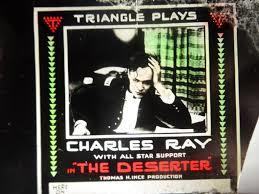
Dir: Walter Edwards
Parker, an Army lieutenant at a Western outpost, falls in love with Barbara Taylor, daughter of his commanding officer. But when Barbara rejects him, Parker fights with another soldier and deserts. An Indian attack gives him a chance to redeem himself.
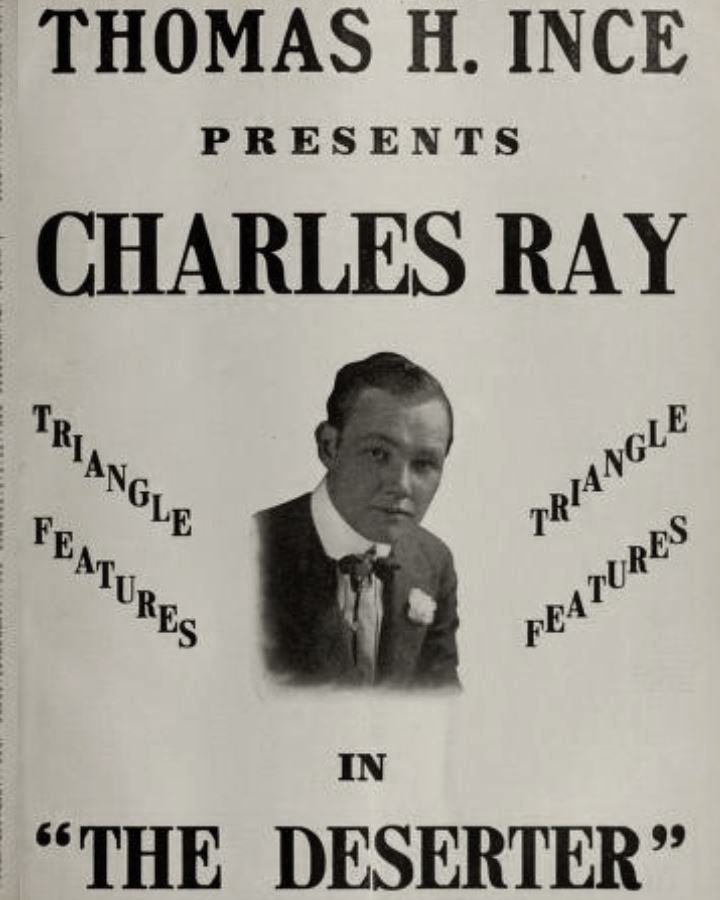
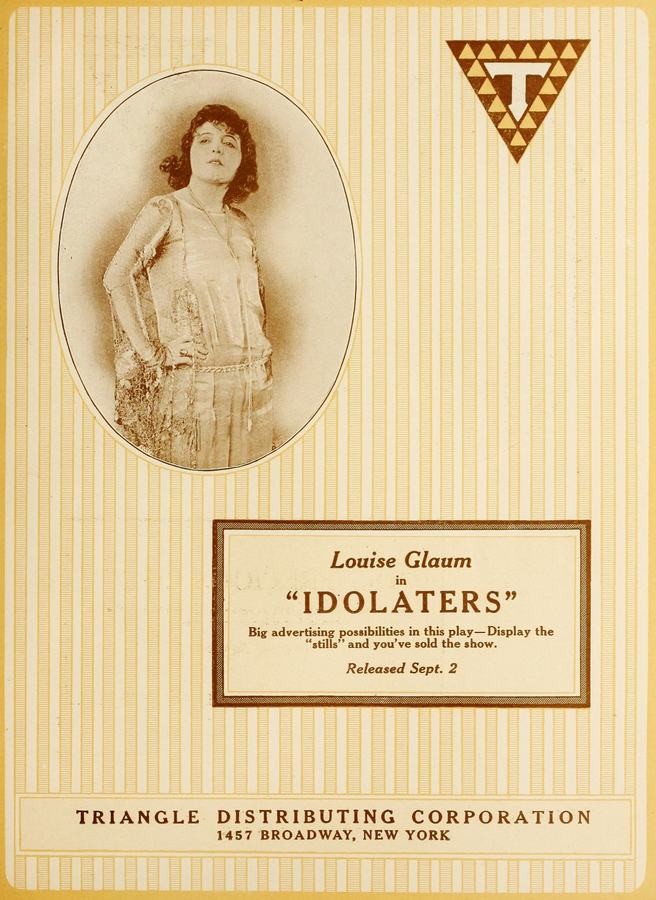
Dir: Walter Edwards
When playwright Curtis de Forest Ralston becomes enamored of actress Viola Strathmore, who is to appear in his play "Vanity," Viola induces him to change certain parts and give her more lines. Curtis, who is not as talented as he thinks he is, fails at his job but is saved by his wife Anita, a former actress who has forsaken her career for marriage. Anita and her old manager, Bruce Winthrope, fashion the play to suit Viola, and "Vanity" becomes a huge success. The play's triumph enlarges Curtis's ego even further, and he deserts Anita for Viola. When the play's financial backer discovers the illicit relationship between the star and author, however, he withdraws his funds and the play closes. Still in love with Viola, Curtis attempts to continue their affair, but she kills him because she blames him for her downfall. Fearful of the police, Viola takes refuge in a tenement, and when they track her down, Viola's faithful Egyptian servant Borul slays his employer rather than let her perish at the hands of the law.
View Details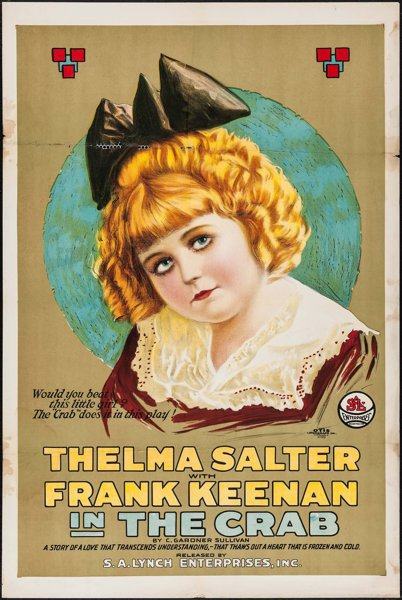
Dir: Walter Edwards
Foster Borrum is the wealthiest man in the town of Norwalk. He practically owns everything. He has won his position by merciless grinding and is regarded by the villagers with fear and contempt. A stern man, with only one softening influence in his life, his wife, whom he idolizes. The wife dies and Borrum turns on the world with added bitterness and hatred. He is living a life of dreary isolation when one day a visitor steps off the train at the station, a little girl; also alone in the world; who has been tagged to her destination in the search of a relative who has long since disappeared. The villagers are too poor to adopt the child. In a cynical mood Borrum takes possession of the girl. Ivy Marten, and installs her in his home. Ivy, aching for sympathy, meets with no response from the austere man, whose treatment of her borders on brutality. Exaggerated reports of this reach the authorities, and Borrum is haled before them. Ivy, who loves the old man in spite of his coldness, is the prime witness for the defense and her loyal support of her guardian wins the day. A change comes over the attitude of Borrum towards the child and the world in general and with a softened heart he strives to make life happier for the orphan and for the hitherto despised inhabitants of the poverty stricken village.
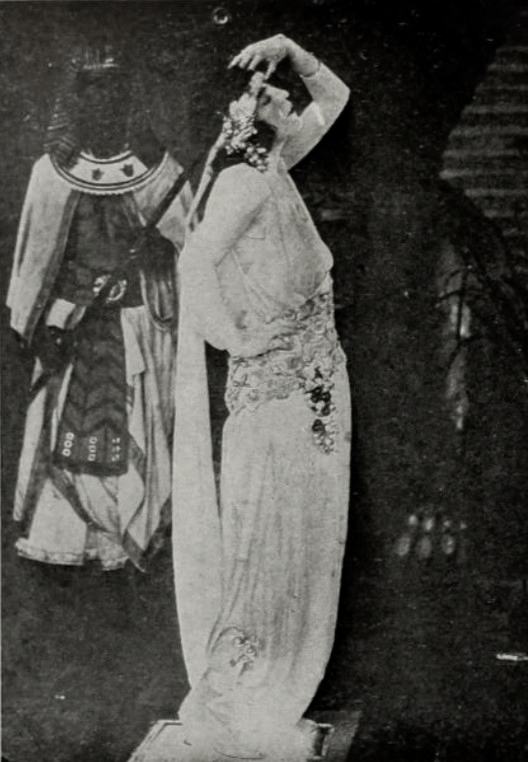
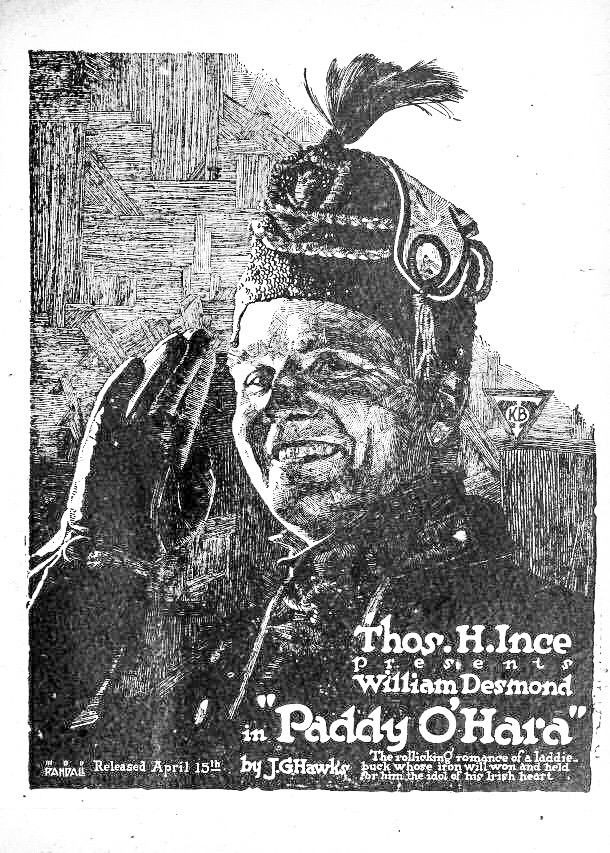
Dir: Walter Edwards
Paddy O'Hara is the star reporter on the London Blade. Rumors of impending warfare between two Balkan principalities reach London, and Paddy is dispatched to the seat of action. Before leaving he comes across the photograph of a military officer. Count Ivan of Darbaya, and his niece, the Lady Maryska. Two weeks later Paddy reaches Tarozza, the seaport capital of Ideria, and finds that the army there is preparing to invade Darbaya. While waiting at Tarozza he forms the acquaintance of a Captain Raoul du Plessis, of the Iderian Huzzars. Raoul is charged with an important mission to Darbaya, and carries on his person documents to be delivered at headquarters. In order to obtain these and delay the Captain's departure, a spy insults him and forces a duel. Du Plessis, who chooses Paddy secretly transfer the documents to Paddy, who leave Tarozza disguised in the uniform of Captain Raoul. Although the spies are hot on his trail, Paddy reaches a castle perched high on the cliffs of Darbaya. The castle is deserted, as its men folk are fighting in the valley and its women have been sent away to a place of safety. One inmate alone is left, the Lady Maryska, the girl of his dreams. Maryska sees in Paddy an intruder in the hated uniform of Ideria and treats him with scorn. At the time of the meeting the Iderians are sweeping all before them, and Colonel Ivan retreats to the castle. The Colonel's one anxiety is to get his niece away from the danger zone. As the castle is about to fall into the hands of the enemy, the only way to escape is to place her in the care of Paddy. By a slight alteration, the passport is made to read Patrick O'Hara and wife. Circumstances make it imperative for Paddy to go through the marriage ceremony with Maryska, who only consents on the condition that she is to be freed from the marital yoke as soon as they reach safety. Passing through innumerable adventures and hardships the couple at last gain the frontier. Paddy sends his dispatch to the Blade and while dictating to the operator leaves Maryska asleep under shelter. The message sent, he returns just in time to see Maryska seized and borne away in an aeroplane by emissaries of the enemy. Paddy returns to London. When all hope is lost, he receives a summons to a foreign embassy, where a proposition is made to him to relinquish his wife in order that she may wed a great personage. He is assured that a divorce can easily be arranged and is offered a handsome monetary bribe and other considerations. O'Hara refuses the proposition, and his refusal is overheard by Maryska, who is hiding in the council chamber. Maryska has learned to love the gallant Irishman during the stormy days of battle and flight, and convinces him that the hurried wedding in the Balkans will stand good for all time.
View Details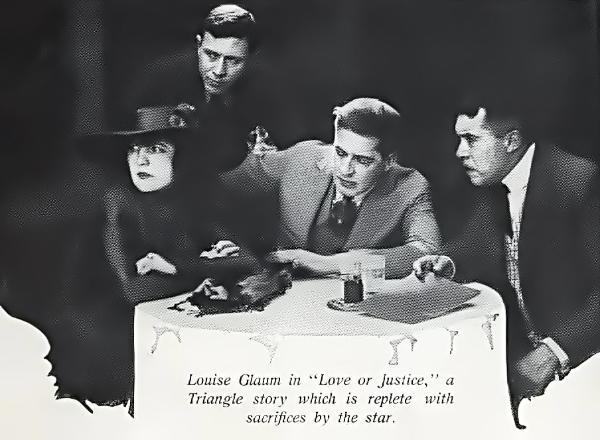
Dir: Walter Edwards
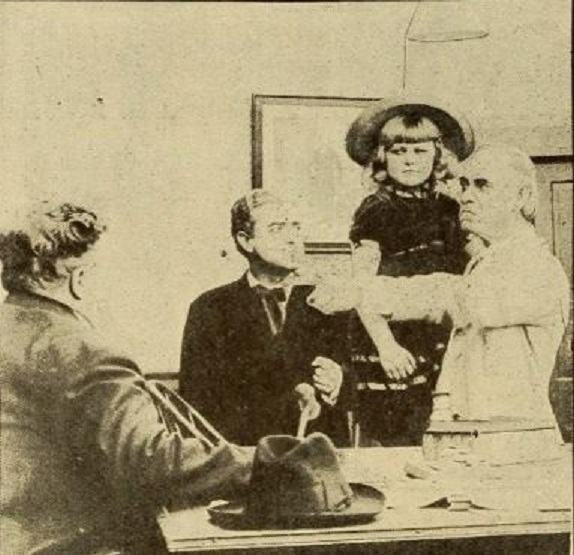
Promising young lawyer Jack Dunn becomes a victim of drugs and loses his standing in the legal world. He passes his idle hours in the slums where he meets underworld figure Nan Bishop, whose influence helps to make a man out of Dunn; with her help he breaks his dependence on drugs and is successful in obtaining a position as a criminal lawyer. Years later, they meet again in a courtroom: Nan has been falsely accused of murder and Dunn is the prosecuting attorney. Learning that Dunn's professional future depends on his winning the case, Nan pleads guilty, but at the last minute, the real criminal is discovered and Nan is cleared of the crime. She then accepts Dunn's offer of marriage and together they look forward to a happy future.
Dir: Walter Edwards
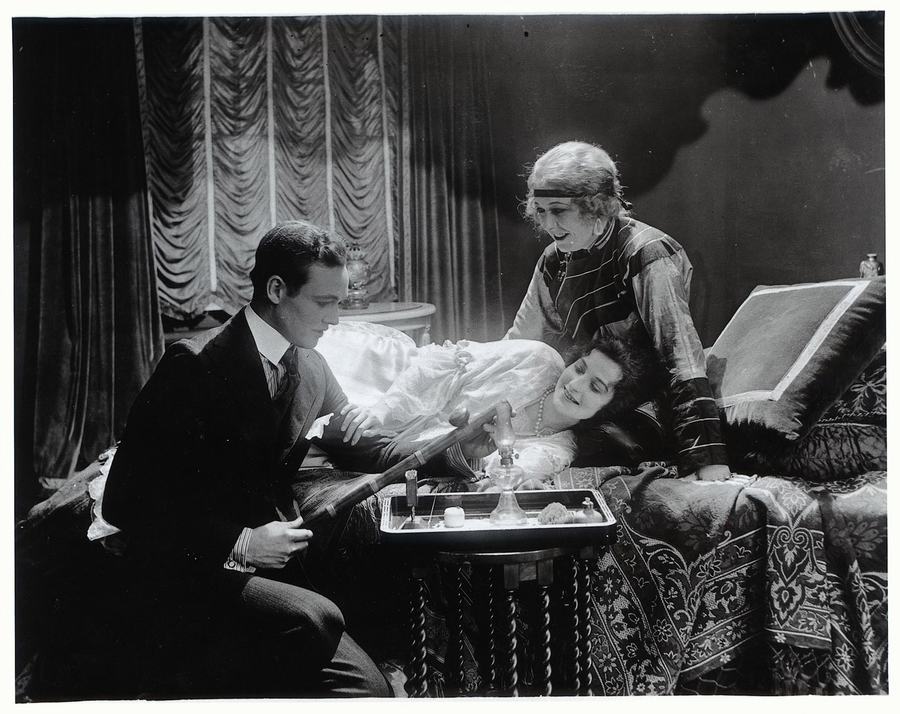
Wealthy John Steele has a handsome young son, Frank, on whom he pins his hopes. But riches lead Frank not into social standing and duty, but into depravity, drug-addiction, criminal activity, and finally to tragedy.
View Details
Dir: Walter Edwards
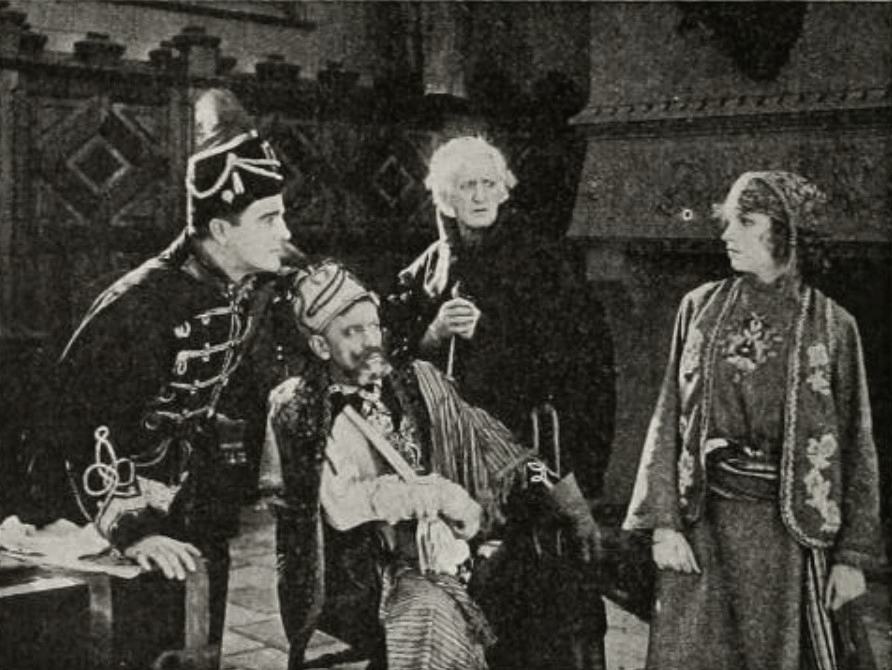
A Pair of Silk Stockings is a 1918 American silent marital comedy film starring Constance Talmadge and Harrison Ford. It was directed by Walter Edwards and produced and distributed by Select Pictures Corporation. The film is based on a 1914 Broadway play of the same name.

Dir: Walter Edwards
After her family dies in the jungle, Ollante is raised by Brazilian Indians, and, from her rugged lifestyle, she grows into a woman of uncommon strength and courage. Then, she rescues Ridgeway Webb, an explorer lost in the wilderness, and he soon discovers, through papers left on Ollante by her parents, that she is worth a fortune. As a result, the unscrupulous Ridgeway starts courting Ollante, and after she has fallen in love with him, he marries her and brings her to New York. At a society party, however, which Ridgeway turns into a drunken orgy, Ollante hears her husband boast of his cunning in catching a millionaire for a wife. Suddenly aware of his motives, Ollante takes off her American high society outfit, puts on her jungle costume, and strangles Ridgeway.
View Details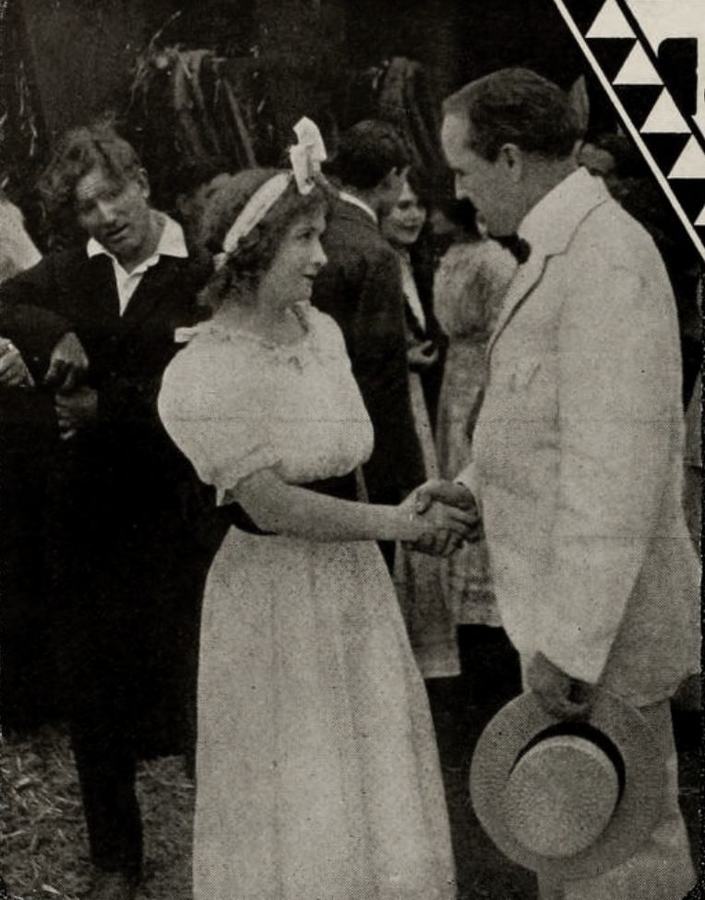
Dir: Walter Edwards
After building a financial empire, Frederick Mallery feels chained to his wife Winnie, who stood by him during the years of poverty. As a result, he offers Warren Woods, a down-and-out former playboy, $50,000 to seduce Winnie, so that he will have an excuse for a divorce. Warren works hard at his job, but instead of weakening Winnie's devotion to Frederick, he himself falls in love with her. Needing the money, however, he boasts to Frederick of having seduced Winnie. Suddenly, Frederick becomes jealous, and after calling off the deal with Warren, he goes to Winnie and tells her that he loves her.
View DetailsAnalysis relative to The Corner
| Film Title | Atmosphere | Complexity | Similarity |
|---|---|---|---|
| The Edge of the Abyss | Tense | Dense | 88% Match |
| The Deserter | Surreal | Dense | 98% Match |
| Idolators | Surreal | Linear | 93% Match |
| The Crab | Surreal | Dense | 98% Match |
| Paddy O'Hara | Surreal | Linear | 90% Match |
This guide was algorithmically generated using the cinematic metadata of Walter Edwards's archive. Last updated: 6/23/2026.
Back to The Corner Details →