
DbcultAccessing Vault...
Recommendations
Senior Film Conservator
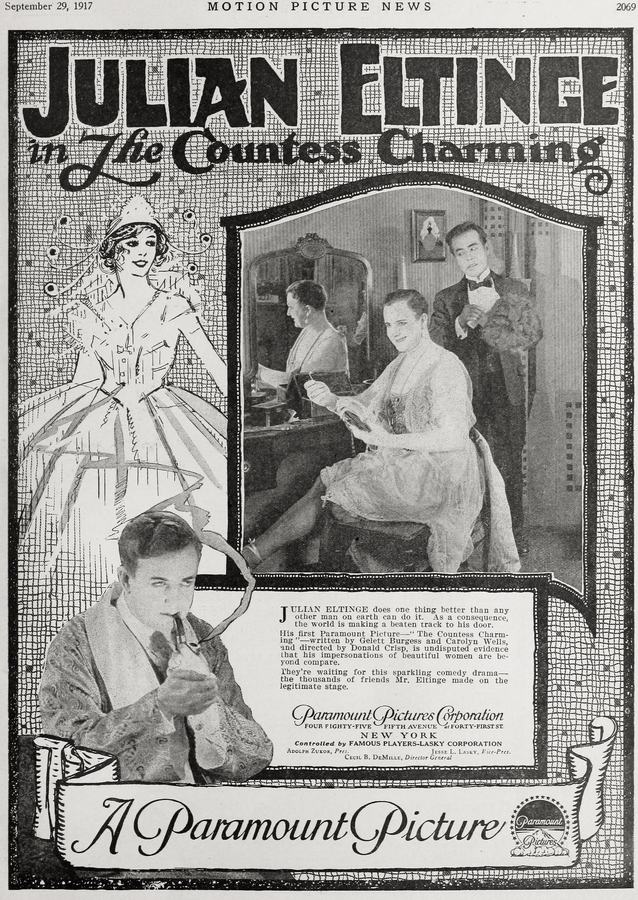
The cinematic DNA of The Countess Charming (1917) is truly one of a kind, the search for similar titles reveals the deep impact of Donald Crisp's direction. Our cinematic experts have identified several titles that reflect the spirit of 1917.
As a pivotal work in United States cinema, The Countess Charming to capture the existential zeitgeist of 1917.
Wealthy young bachelor Stanley Jordan attends a Red Cross Benefit at the country club, where he meets and falls in love with Betty Lovering and unwittingly offends social leader Mrs. Vandergraft. Discovering that the Vandergrafts have initiated a campaign to ostracize him from the club, Jordan, incensed, decides to get even: he disguises himself as a Russian Countess and returns to the club, where he is wined and dined. As a member of society, he is welcomed into the homes of the rich, where he proceeds to steal their valuables and donate them to the Red Cross Fund. The series of thefts alarms the neighborhood, and a detective is hired. Just as the detective is closing in on the Countess, it is announced that the Russian has been a victim of assault and is lying on her deathbed. Betty, concerned, calls on the Countess, only to discover that she is none other than Stanley Jordan, the man she loves.
The influence of Donald Crisp in The Countess Charming can be felt in the way modern cult films handle artistic bravery. From the specific lighting choices to the pacing, this 1917 release set a high bar for atmospheric immersion.
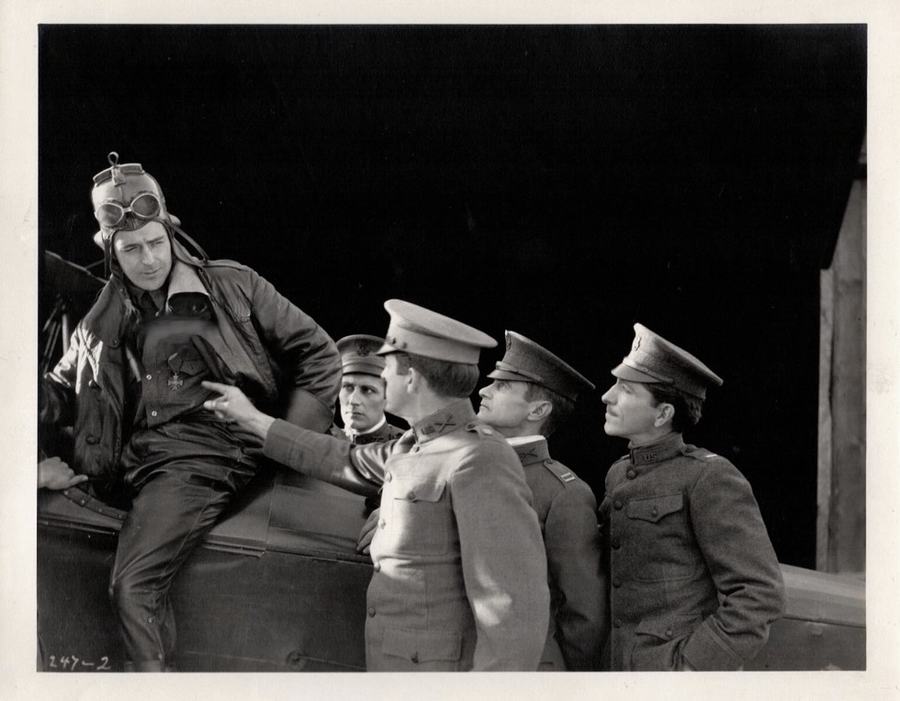
Based on the unique artistic bravery of The Countess Charming, our vault has identified these titles as the most compelling follow-up experiences for fans of cult cinema:
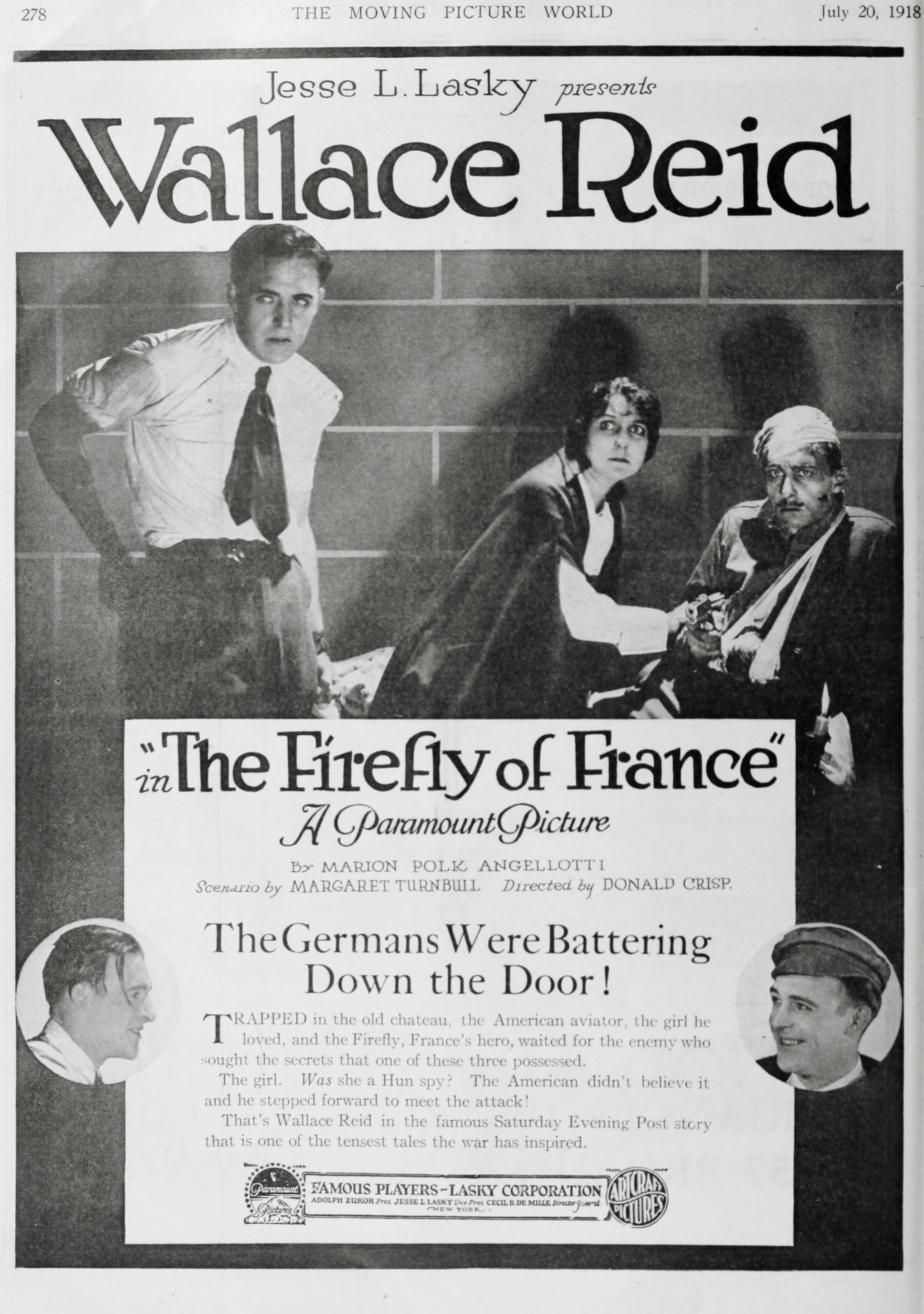
Dir: Donald Crisp
The Firefly of France, a famed Allied airman in the First World War, is lost while transporting valuable plans, and it is feared that he and the plans are now in the hands of the Germans. A member of the Lafayette Escadrille endeavors to find the Firefly and the plans, but encounters a mysterious girl and several German spies who want the same thing.
View Details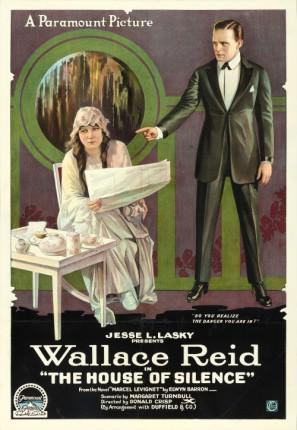
Dir: Donald Crisp
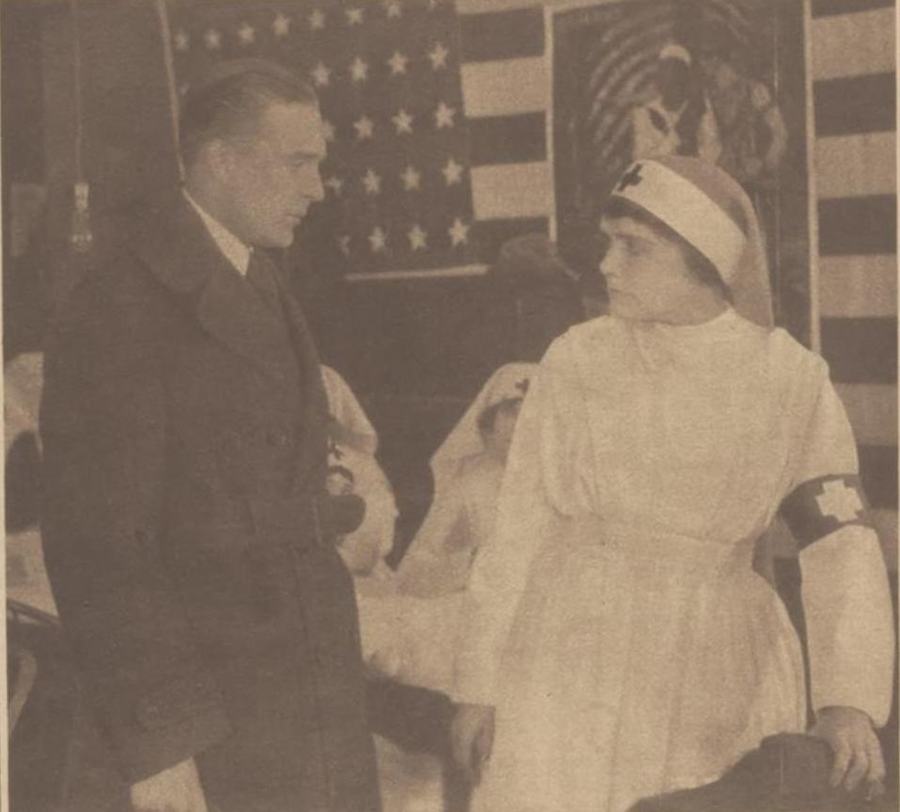
A young woman, disheveled and greatly distressed, stops criminologist Marcel Levington on the street and begs him to find a doctor for a man who is dying inside a nearby house of ill repute. Marcel and his friend, Dr. Rogers, enter the house and find the man, a prominent lawyer, dead, his heart pierced by a hatpin that the doctor recognizes as the one he recently gave his daughter Toinette. Rogers announces that the man has died of heart failure, returns home and demands an explanation from his daughter, who explains that she was lured into the house and attacked by the man. Realizing that Toinette killed the lawyer to defend her honor, Rogers and Marcel agree to protect her. Marcel retrieves Toinette's pocketbook from the proprietor of the house, Mrs. Clifton, who had planned to blackmail the girl, and then returns to Toinette, with whom he has fallen in love.
View Details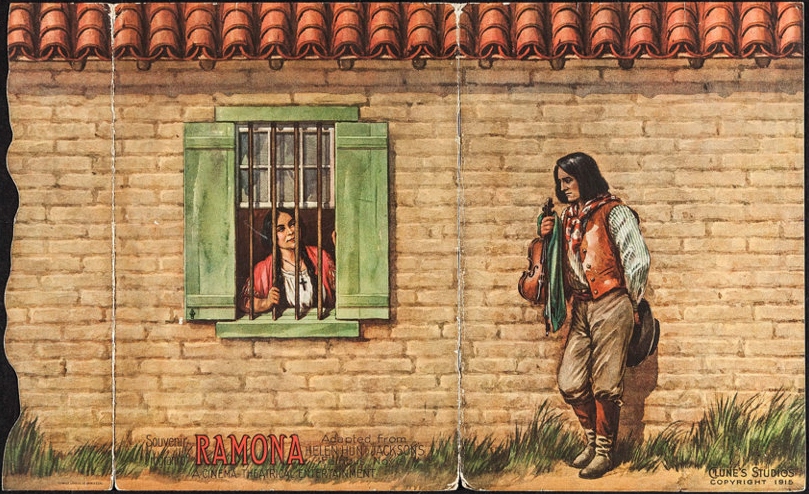
Dir: Donald Crisp
On the estate of Senora Moreno in Southern California, the senora's adopted daughter Ramona lives. She falls in love with Alessandro, an Indian of noble heritage. When her adoptive mother forbids their marriage, Ramona Alessandro elope, only to find bigotry, misfortune, and finally tragedy wherever they turn.
View Details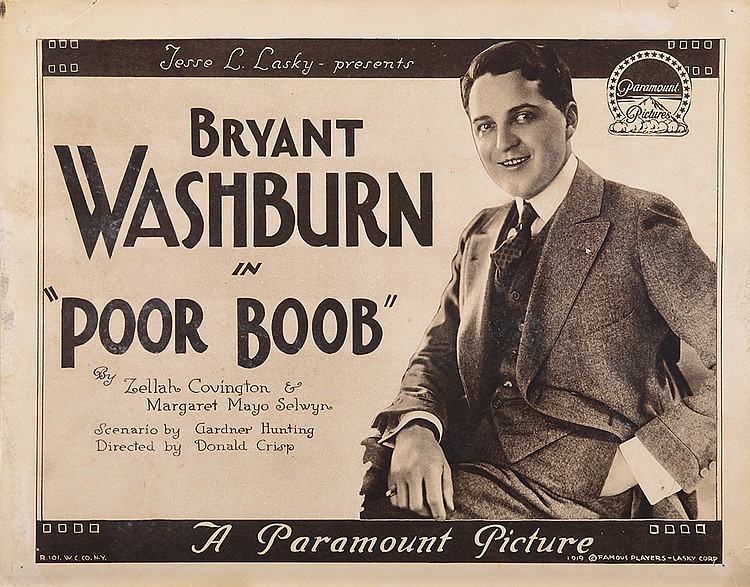
Dir: Donald Crisp
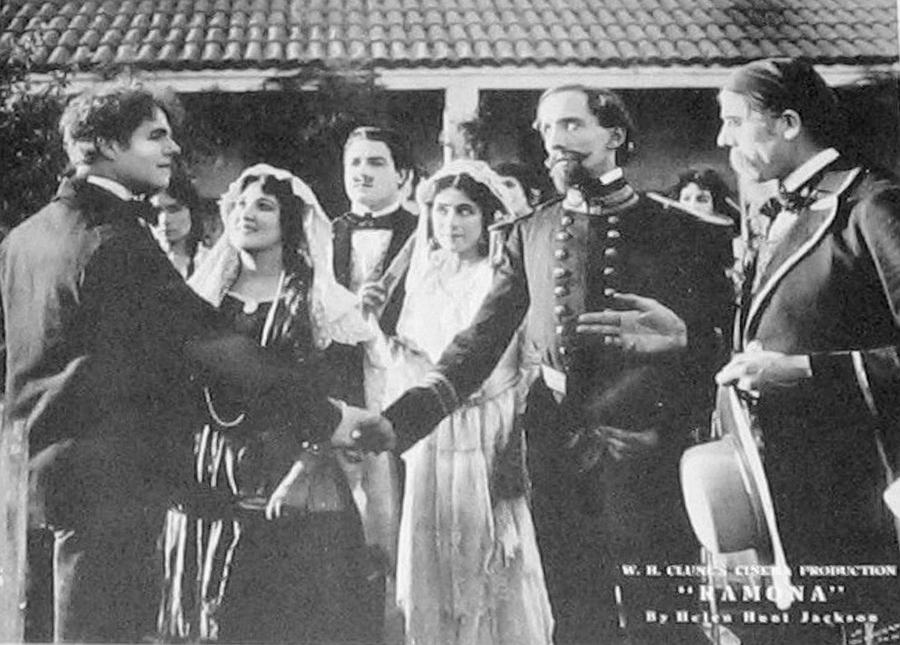
Self-effacing Simpson Hightower leaves his small village after he loses his father's canning factory to Stephen Douglas, who also wins Simpson's plump girlfriend Tiny. Simpson then goes to work in a New York provisions office along with stenographer Hope and office boy Jimmy. Hope and Jimmy scheme to introduce Simpson as a silent partner when the Danish consul proposes a large contract. After a series of errors, Simpson is discharged and persuaded by his friends to return to his home town posing as a successful businessman accompanied by his secretary "Pep" and valet Jimmy. With their help, Simpson manages to get the Danish contract and buy his factory back. He also outgrows his love for Tiny, who has gained even more weight, and recognizes his love for "Pep."
View Details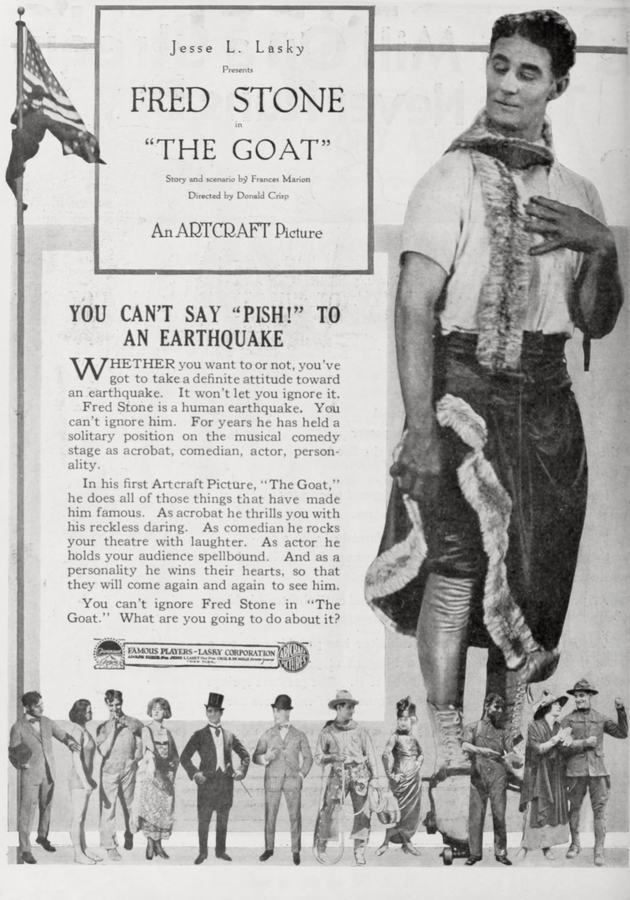
Dir: Donald Crisp
Chuck McCarthy, an intrepid young ironworker, longs to become an actor, despite the protests of his girl, Molly O'Connors, and his family. In dashing up the frame of a building to catch actress Bijou Lamour's runaway pet monkey, he attracts the attention of the studio managers, who make him a stuntman. For a time Charles is happy executing life-risking feats and strutting around in new clothes, although the company laughs at him behind his back. When leading man Marmaduke X. Caruthers refuses to perform a particularly dangerous stunt in a war film, Chuck doubles for him and is seriously injured. The studio manager, who recognizes in the incident an opportunity to promote his star, quickly wraps Marmaduke in bandages and sends him to the hospital, while Chuck is secretly removed through the back door. The next day, the Filmcraft Company sends Chuck a check for $1,000 to keep quiet about the accident. He and Molly use the money on their honeymoon to Niagara Falls.
View Details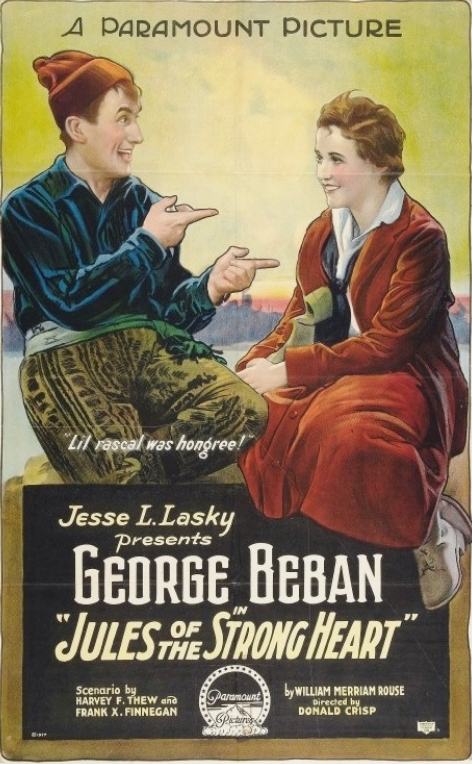
Dir: Donald Crisp
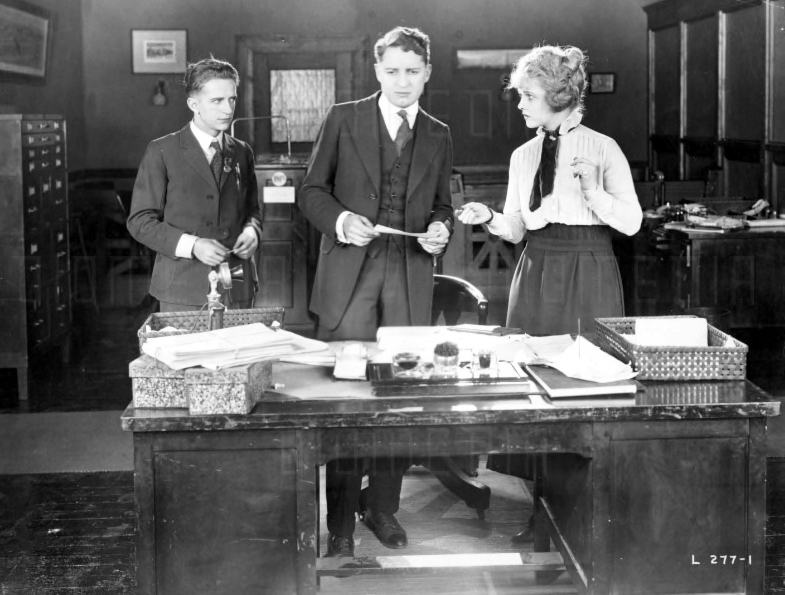
Jules Lemaire, a happy-go-lucky French-Canadian lumberman, arrives at the Nemo lumber camp carrying a baby. His love for the child wins him the respect of Joy Farnsworth, the daughter of the camp's foreman, but this arouses the jealousy of Big Jim Burgess, the camp bully. Burgess incites the men to strike when the delivery of their paychecks is delayed because of a storm, whereupon Jules offers to cross the river and retrieve the payroll. Burgess volunteers to accompany Jules, but after their departure, he ties the lumberman up and attempts to torture him into giving up the order of delivery for the money. In the meantime, a stranger appears at the camp and tells Joy that Jules had been caring for his child while he was in England. Joy and the stranger rescue Jules and turn Burgess over to the foreman, after which Joy proposes to the French-Canadian.
View Details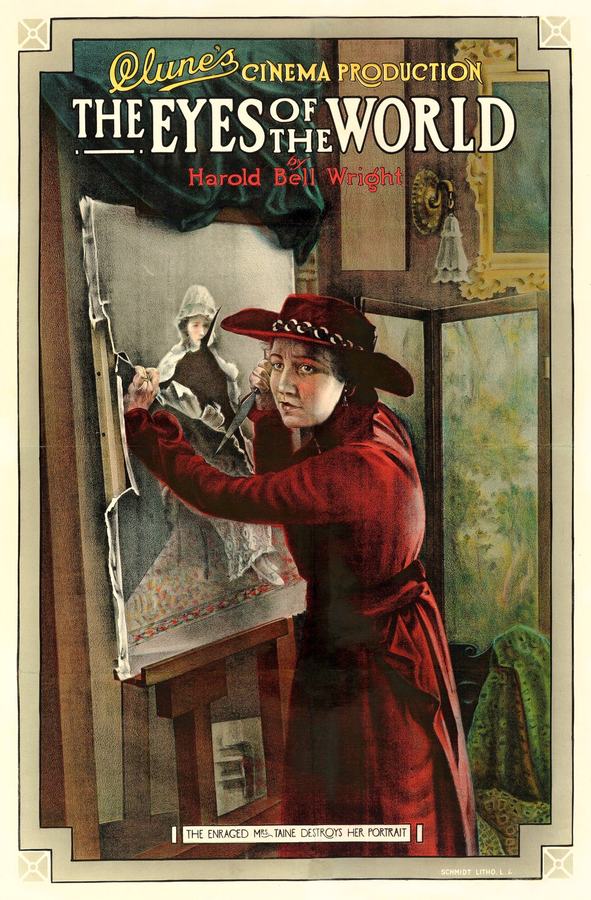
Dir: Donald Crisp
Prologue: Conrad LaGrange proposes marriage to Mary Gibson. She refuses him and marries Aaron King and they welcome son Aaron King, Jr. John Willard, who does not approve of the intimacy between his sister Myra, and James Rutledge, provokes a quarrel with Rutledge. Thinking he has killed him, Willard goes West. A baby is born to Myra, who does not know that Rutledge has a wife. Mrs. Rutledge learns of it. Crazed with jealousy, she seeks Myra, throws acid in her face, marring her for life; then commits suicide. With Myra's permission, Rutledge takes the baby to raise with his son, James Rutlidge, Jr., and shares his wealth equally between them. Myra refuses his offers of money, and writes to John Willard, her brother, asking for help. In California, he holds up a mail stage to get money for her fare West. Willard is arrested. Myra, ignorant of this, goes to Graymont, California. Not finding her brother, she wanders into the mountains and to the home of Mr. and Mrs. Andres, who take her in. She is like a mother to Sybil, Andres' only child. Years pass. Aaron King, in financial difficulties and disgrace, dies. LaGrange, who has prospered, pays some of Mrs. King's debts and again asks her to marry him. She refuses, saying her life belongs to her boy. Mrs. King, sacrifices all to keep Aaron, her son, now a young man, in a Paris art school. Graduating with high honors, he receives word that his mother is ill, and rushes home in time to see her die. The Story: Twenty-five years have elapsed. Aaron King, Jr. leaves for the West. On the same train are Gertrude Taine; her husband Edward Taine, a wreck many years her senior; and Mrs. Taine's stepdaughter Louise Taine. They are met by James Rutledge, Jr. Myra, who now lives in Fairlands, recognizes Mrs. Taine and Rutledge. King becomes acquainted with LaGrange. Friendship springs up between the pair. King is commissioned to paint Mrs. Taine's portrait. He and LaGrange take a cottage next, to Sybil and Myra. Rutledge annoys Sybil with his attentions. King and LaGrange meet Sybil. Mrs. Taine becomes infatuated with King. John Willard (now known as John Marston) escapes from prison. He meets Rutledge, who befriends him and bides him in a mountain cabin. Mrs. Taine is pleased with the portrait. As King contrasts Sybil with Mrs. Taine, he sees the latter as a designing soul in a beautiful body. Refusing to let her have the portrait, he asks her to pose again. Thinking she has infatuated King, she consents. He also paints Sybil's portrait. Mrs. Taine gives a reception in honor of King and LaGrange. She tries to influence King by causing Sybil to play her violin as one of the paid performers. Mr. Taine collapses in the midst of a speech and is carried off, dying. Mrs. Taine, visiting King's studio, finds him absent. Sybil comes in. Mrs. Taine, bringing in the fact that Sybil was up in the mountains with Myra while LaGrange and King were on a camping trip in the mountains, convinces Sybil that the world thinks she is the artist's mistress. Sybil stops long enough to write a note for Myra, and then rides away. Myra tells King of Sybil's disappearance. He follows her, and enlists the aid of Brian Oakley, the forest ranger. Rutlidge learns of Sybil's departure. By threatening Marston with exposure, he forces him to kidnap Sybil. Marston takes her to a cabin. Oakley, King and a posse of men search the mountains for her. King goes to Granite Peak, but Rutledge gets there first. Rutledge makes the proposition that they throw down their guns and fight it out. As Rutledge is about to throw King over the cliff. Marston appears with Sybil, who begs him to save King. He shoots Rutledge, who topples over the cliff. Then Marston disappears. King and Sybil go back to town. Sybil has discovered that she loves King and that he loves her. Mrs. Taine goes to the studio. She sees herself on the canvas as King sees her, and flies into a rage. She threatens to blast King's career and to ruin Sybil's reputation. LaGrange, overhearing, brings Myra in and has her tell her story. As Mrs. Taine listens, she bares her shoulder, showing a scar which identifies her as Myra's daughter. LaGrange threatens if she ever speaks ill of Sybil or King to publish the story broadcast Mrs. Taine retreats. Later, Sybil, learning from LaGrange that King has completed his masterpiece, goes to the studio. King takes her in his arms.
View Details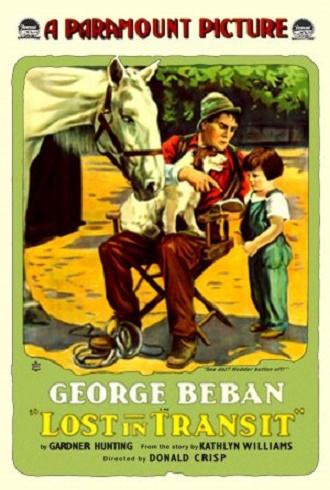
Dir: Donald Crisp
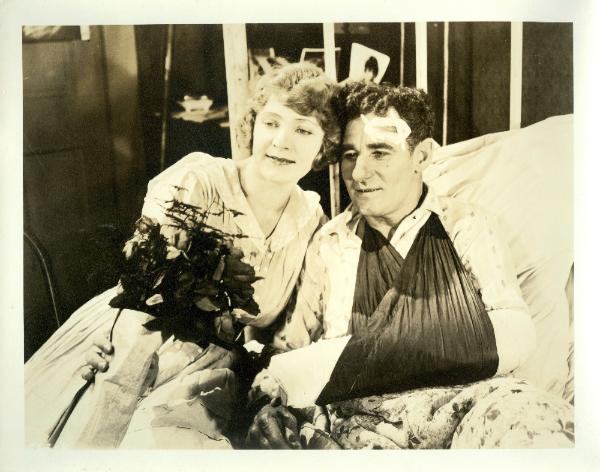
Mr. Kendall, a wealthy man who had sent his infant son to a home after the death of his mother at birth, decides that it is time for his son to come home. On his carriage ride to the father he has never seen, however, the boy mysteriously disappears. At the same time, a woman deposits a little boy on the cart of Italian junk man Niccolo Darini, and then disappears. Niccolo becomes strongly attached to the waif, and although his neighbors advise him to take the child to the police, he refuses. Kendall posts a reward notice in the paper for the return of his son, and when Niccolo's rival for the hand of the beautiful Nita Lapi reads the notice, he tells the police of Niccolo's ward. Niccolo is forced to give up his little charge, which breaks his heart. However, the Kendall's rightful heir is found when a beggar, run over by a car, confesses on his death bed that the child with him is really the Kendall boy. Niccolo's beloved ward is then returned to him, along with a check from Kendall for $5,000 dollars. Niccolo's happiness is made complete when Nita agrees to marry him.
View Details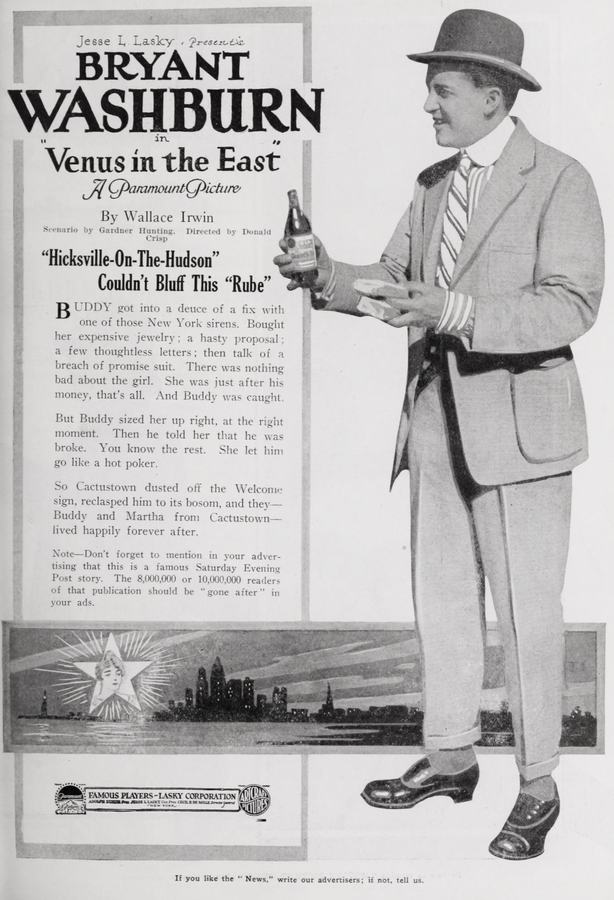
Dir: Donald Crisp
Buddy McNair is so enchanted by the newspaper photos of New York society beauty Mrs. Pat Dyvenot that he decides to leave Colorado with his newly inherited fortune, travel to New York, and win her heart. On the train, some gamblers, apparently aided by a pretty girl named Martha, cheat Buddy out of a large sum, and in New York, his lack of eastern polish makes him appear foolish.
View Details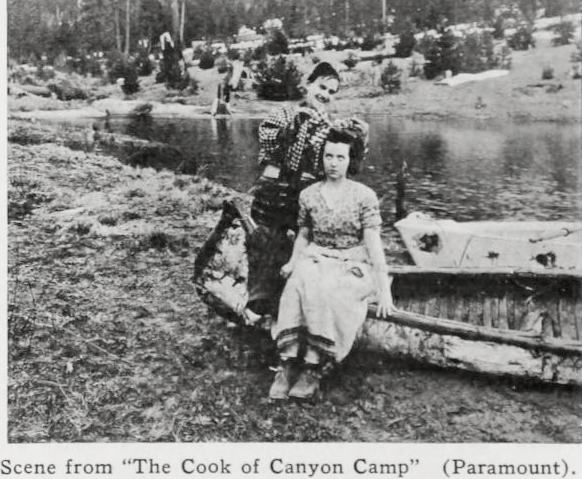
Dir: Donald Crisp
The most popular man in the lumber camp near Quebec is Jean, the cook, whose flapjacks are celebrated for their delectability. Jean's compassionate nature is aroused when a dejected stranger known as Silent Jack comes to the camp. Discovering Jack crying one day, Jean learns that his wife has left him. To reunite the couple, Jean pretends that he too is married and induces Jack to write an affectionate letter from him which he then presents to Mrs. Jack. The ruse reconciles the couple, but distresses Jean's sweetheart Marie when she learns that Jean already has a wife. Jean finally explains everything satisfactorily to Marie, and after the two are married, they leave for the city to open a flapjack palace financed by the grateful Jack.
View DetailsAnalysis relative to The Countess Charming
| Film Title | Atmosphere | Complexity | Similarity |
|---|---|---|---|
| The Firefly of France | Gothic | Abstract | 85% Match |
| The House of Silence | Gritty | Layered | 96% Match |
| Ramona | Ethereal | Layered | 86% Match |
| The Poor Boob | Gothic | Abstract | 85% Match |
| The Goat | Ethereal | Layered | 97% Match |
This guide was algorithmically generated using the cinematic metadata of Donald Crisp's archive. Last updated: 6/20/2026.
Back to The Countess Charming Details →