
DbcultAccessing Vault...
Recommendations
Senior Film Conservator
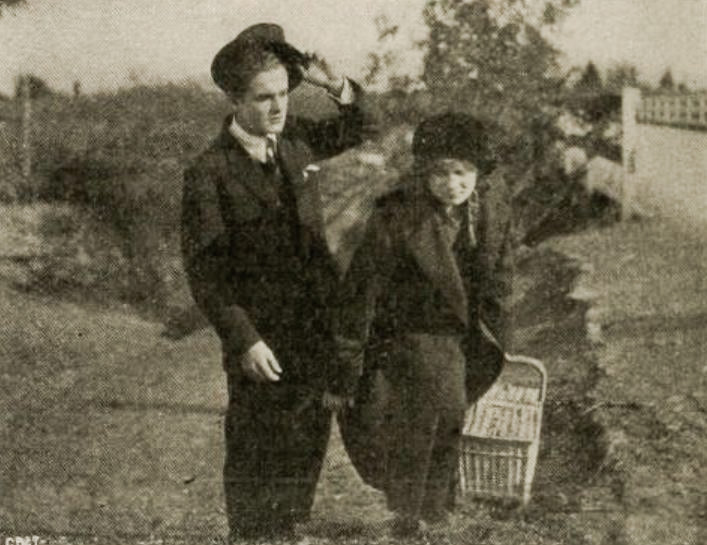
If you found yourself captivated by the cinematic excellence of The Country Boy (1915), the profound questions raised in 1915 still require cinematic answers today. Experience the United States influence in these recommendations that echo The Country Boy.
The Country Boy remains a monumental achievement to provide a definitive example of Frederick A. Thomson's stylistic genius.
Tom, a young man in a small town, wants to marry his sweetheart Jane, but Jane's father won't allow it until Tom proves he can support her. Tom heads to New York City to make his fortune and prove to Jane's father that he has what it takes, but he meets and falls in love with Amy, a chorus girl who already has a wealthy suitor. Complications ensue.
Based on the unique cinematic excellence of The Country Boy, our vault has identified these titles as the most compelling follow-up experiences for fans of cult cinema:
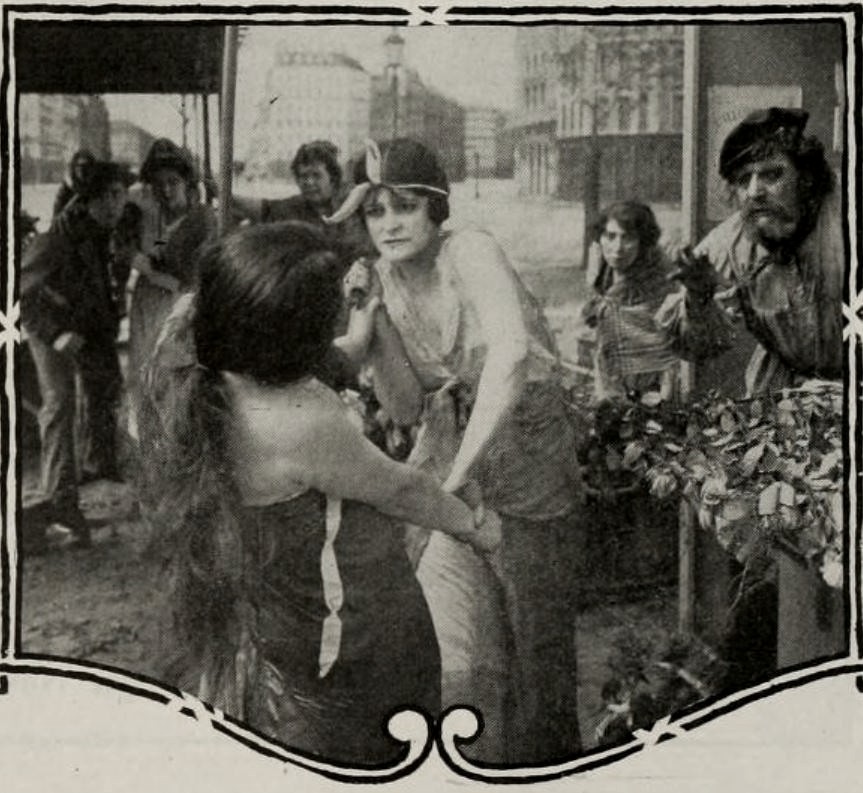
Dir: Frederick A. Thomson
Dick Seymour is fortunate in having a nice father and a nice girl as sweetheart. Money is coming to him. But, tempted by woman and wine on the great White Way of New York, he falls down badly. His money is in Paris. In that city he goes from bad to worse and is accused of murder. From jail and death there seems no escape. But his father and sweetheart have been loyal to him and he is proved innocent of the crime and saved. He finds happiness by shunning bad company and bad habits.
View Details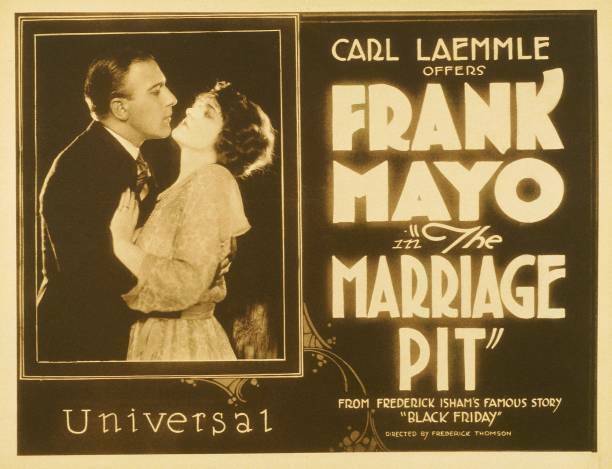
Dir: Frederick A. Thomson
When Wall Street dynamo Richard Strong rescues Edwin Rossiter from financial ruin, Rossiter is so grateful that he persuades his daughter Elinor to marry their benefactor, although she does not love him. Instead, Elinor favors her distant cousin, Charles Dalton, a dissipated member of the aristocracy who weds Zoldene, an actress, on the day of Elinor and Strong's wedding. Soon after, Dalton wearies of Zoldene and renews his attention to Elinor, now estranged from her husband. Meanwhile, Strong and Zoldene's names are linked together in the scandal sheets, alienating Elinor even more from her husband. Dalton enters into a pact with Daniel Brewster to ruin Strong, but Elinor, finally realizing her love for her husband, assists in defeating his enemies. Their problems thus reconciled, Elinor and Strong face a happy future together.
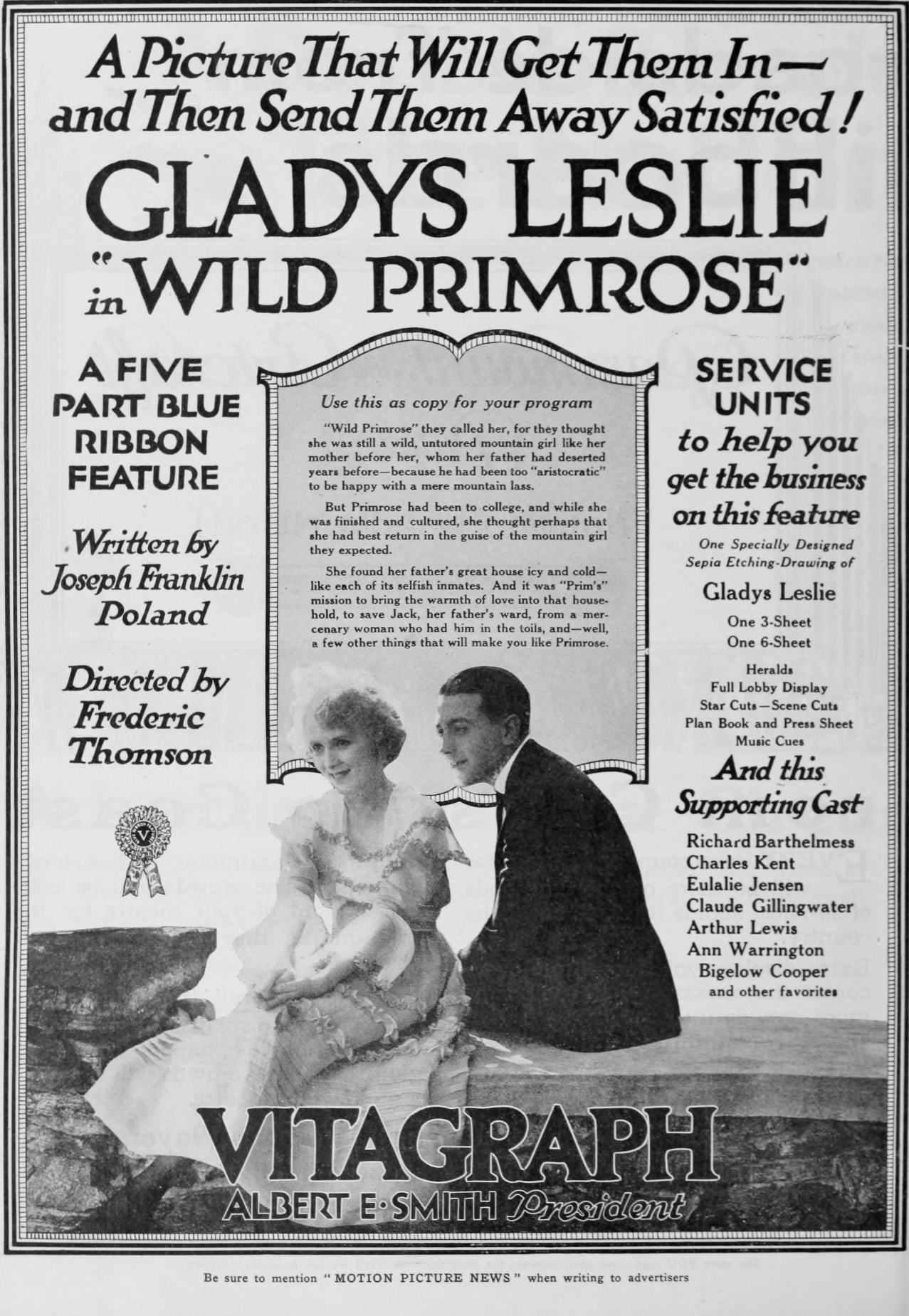
Dir: Frederick A. Thomson
Standish, a wealthy Northerner, deserts his untutored Southern wife shortly after their daughter Primrose's birth, preferring to wed the cultured but haughty Emily. After her mother's death, Primrose is placed in the care of her uncle, who rears her as a refined and educated young lady. Longing for his daughter, Standish sends for her, and although Primrose, deeply resentful of her father, exaggerates the role of the uncouth mountain girl, he and his ward, Jack Wilton, come to love her deeply. Jack, who secretly married a dancer named Marie in a moment of drunken infatuation, reforms under Primrose's influence, but Newton, a broker to whom Standish is deeply in debt, demands her hand in marriage as his repayment. Primrose rejects Newton, and at a ball, she appears as her true self and offers her father some of her oil rich lands. After Standish has repaid Newton, his secretary recognizes Marie as his long-lost wife, leaving Jack free to marry his "wild" Primrose.
View Details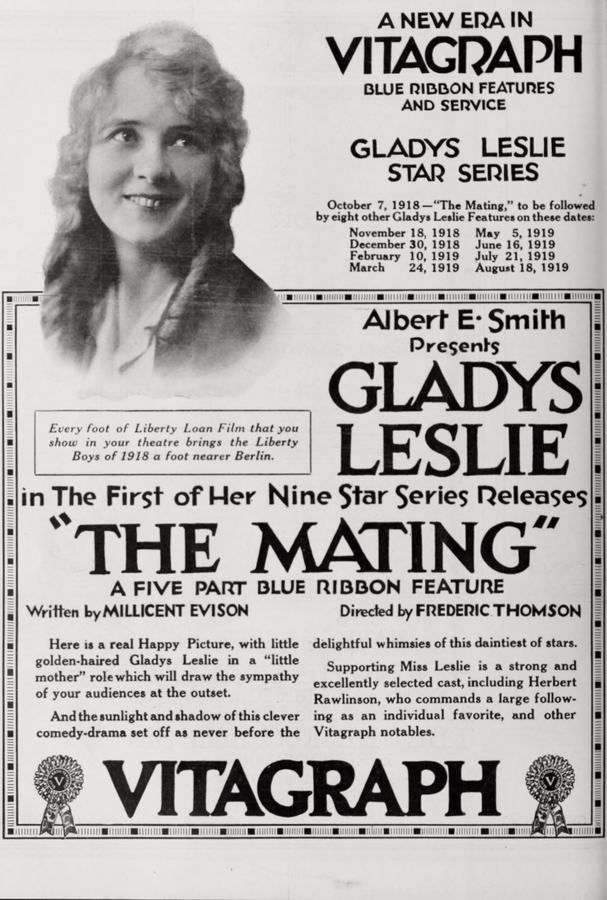
Dir: Frederick A. Thomson
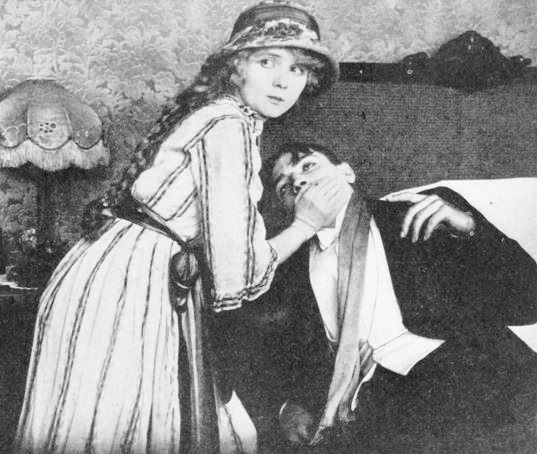
While her eccentric father perfects his latest invention, Nancy Fane wonders how she will clothe her brothers and sisters, and Mammy contemplates stealing the neighbor's chickens for dinner. One day Nancy hears a noise in the abandoned house next door and summons the sheriff, who reveals that the intruder is really Dick Ives, the house's owner. A novelist who hopes to win a prize for his new novel, Dick becomes so convinced of the value of Mr. Fane's invention that when a crooked promoter tries to buy it for a very low sum, Dick spirits it away to his room. Believing him a crook, Nancy shuns Dick's company, even after he contracts pneumonia while rescuing her sister from drowning. When Dick's contact with an engineering firm leads to a large check for her father's invention, however, Nancy enters the sick man's room and rushes his manuscript to the publisher, with the result that Dick wins both the prize and the girl next door.
Dir: Frederick A. Thomson
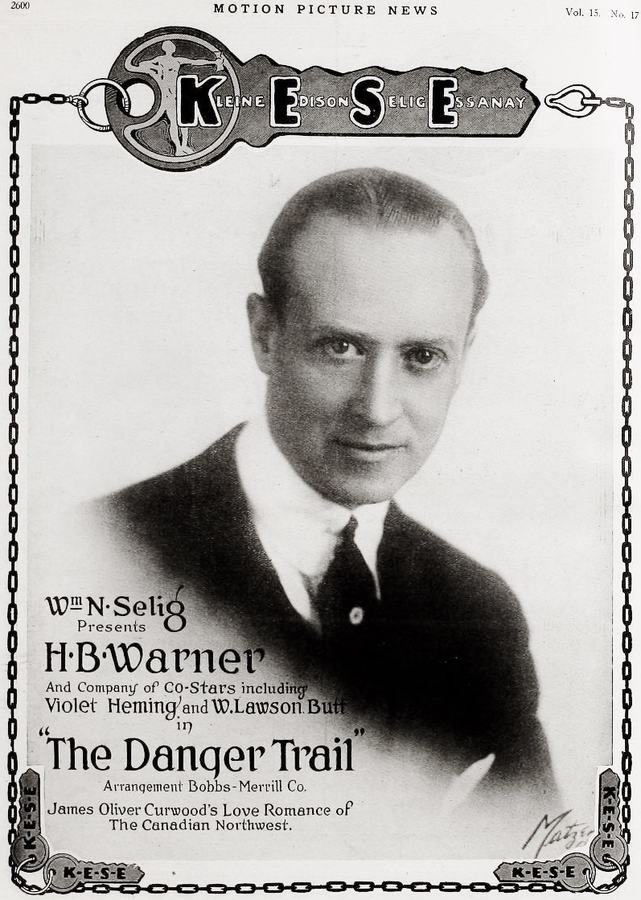
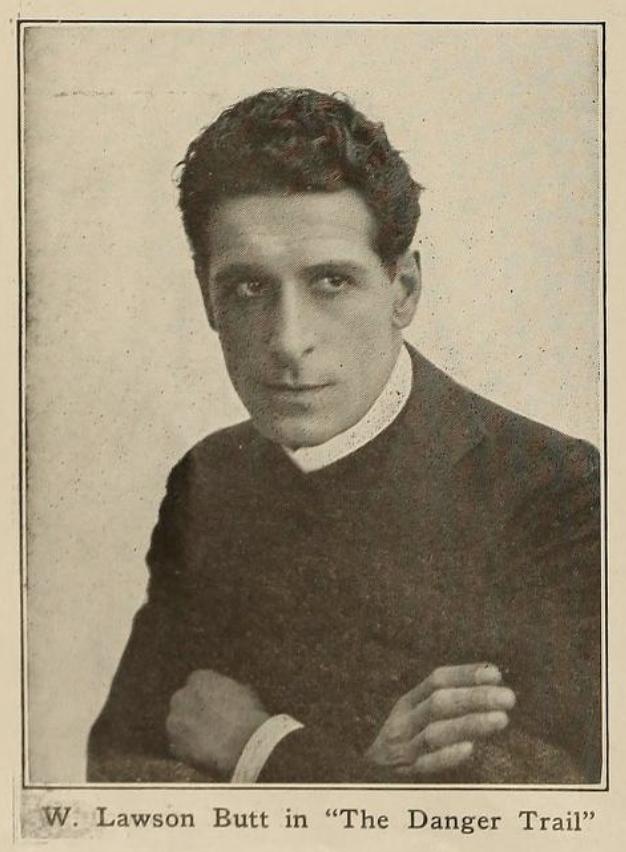
John Howland travels to the frozen North to build a branch of the Hudson Bay Railroad. There he meets and falls in love with Meleese Thoreau who warns him that her three bloodthirsty brothers--Max, Pierre, and François--have sworn vengeance against a man named John Howland, the son of a man who killed their mother, and that torture and death await him along the route to his station. Just as Meleese said, Howland is pursued by the vengeance starved brothers. Captured and near death several times, Howland manages to escape with the assistance of Meleese and the Jean Croisset, until the brothers discover that they have been pursuing the wrong Howland, and all ends happily with the union of the two lovers.
View Details
Dir: Frederick A. Thomson
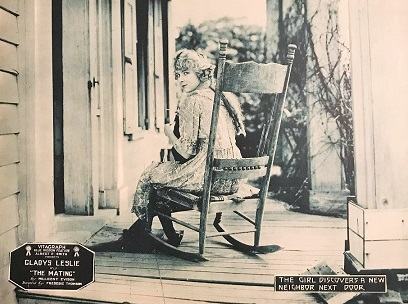
Seth Cartwright abandons his mistress Bernice Archer and their child, Loma, and returns to his wife and son. Bernice, in a daze, leaves Lorna, who is adopted by Cartwrght's wife, who knows full well who the child's father is. Unfortunately, she and her husband are killed in a shipwreck, but it turns out Loma and her real mother are reunited because of the wreck, and settle in a small seaside town. Matters get complicated when Seth Jr. arrives in the town for a vacation and falls in love with Lorna--not knowing that she is his half-sister.
Dir: Frederick A. Thomson
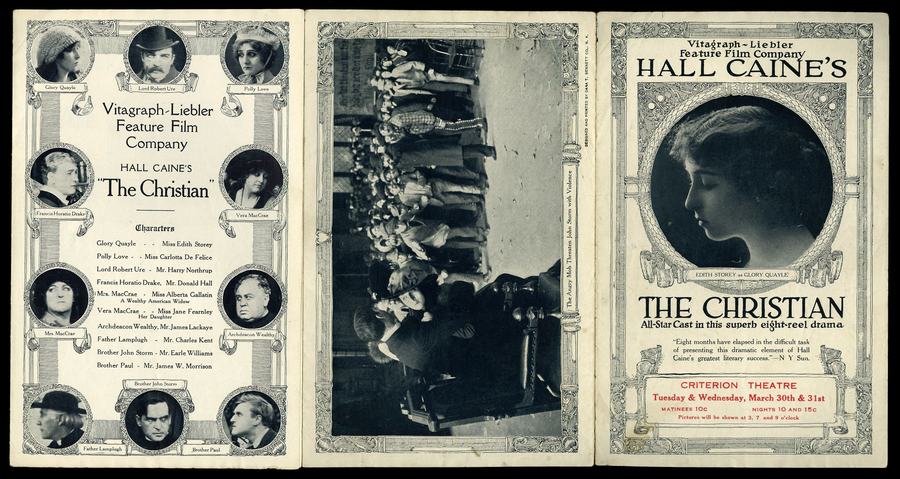
Natural-born mimic Glory Quayle leaves her country home, reaches London, goes on the stage, and gains fame and affluence. Her country sweetheart John Storm, believing he has lost Glory forever, enters a monastery, tries to forget her, cannot kill his love, returns to the world, and becomes a famous slum worker and friend of the poor. Social vampire Lord Robert Ure, a beast in human form, betrays Glory's chum Polly Love. Glory tells John of Lord Robert's wicked treatment of poor Polly. John demands that Lord Robert marry Polly to save her from dishonor. Lord Robert refuses, as he intends to marry a rich American heiress, and a terrific clash erupts between the Right of John and the Might of Lord Robert. John exposes Lord Robert, who swears revenge. Polly dies of shame and a broken heart. Lord Robert plans fiendish revenge on John. He broadcasts the report that John predicts the end of the world on Derby Day, the greatest day of sport in England. John becomes an object of hatred. All Britain wrought up by John's alleged prediction. His former friends become bitter foes. The uneducated and weak are in mortal fear. Thousands and thousands incite riots against John Widespread and awful panics in the slums. Derby Day becomes a day of terror. (Wonderful scenes of the world-famous Derby Race, with its great horses and its terrific crowds, taken in England especially for these scenes.) John is a target for the vengeance of everyone, both rich and poor. He stands alone, with all the world against him. Glory rushes to his aid, quells the angry hordes and saves him from them. Through persecution, John's mind becomes unbalanced. That night, fearful for Glory, John goes to her home, tries to kill her to save her from a fate like the one which befell poor Polly. Glory rises supreme makes a magnificent defense, recalls John to his senses, helps establish his innocence, proves Lord Robert's guilt, accepts John's love, joins him for life, be it better or worse and in spite of the terror, the deep disappointment, the tribulations, the misunderstandings, in spite of all, Glory and John find happiness in each other's love.
View Details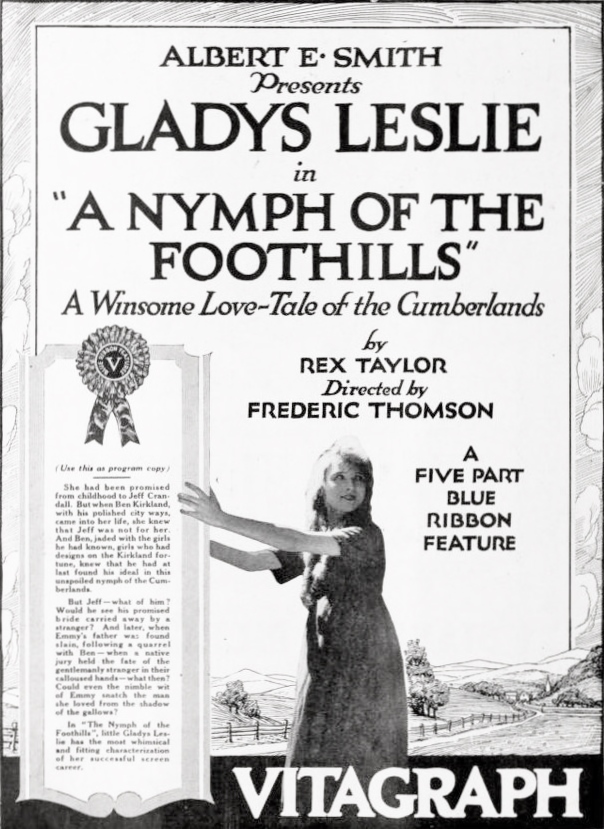
Dir: Frederick A. Thomson
While camping in the mountains, city-bred Ben Kirkland meets mountaineer's daughter Emmy Chaney, and the two decide to marry although her father wants her to marry his hunting partner, Jeff Crandall. When Emmy's father threatens to kill Ben, the young lovers hastily marry and move to the city. Meanwhile, Ben's friend Tubby, while hunting with Ben's gun, discovers Mr. Chaney's body and flees, believing himself a killer. Ben departs on a business trip, and in his absence his snobbish relatives force Emmy to return to the mountains, where she learns that Ben has been accused of her father's murder. When Ben arrives looking for his wife, he is arrested. At the trial, Tubby is about to confess his guilt when an old hermit reveals that Jeff committed the crime. The lovers reunite and resume their happy marriage.
Dir: Frederick A. Thomson
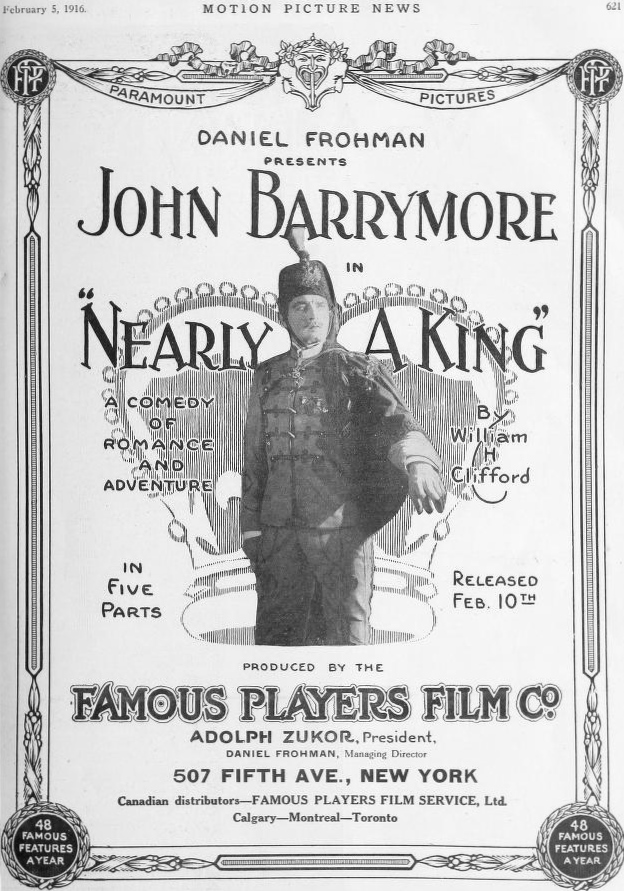
A crown prince doesn't want to marry a foreign princess, so he asks an actor to take his place.
View Details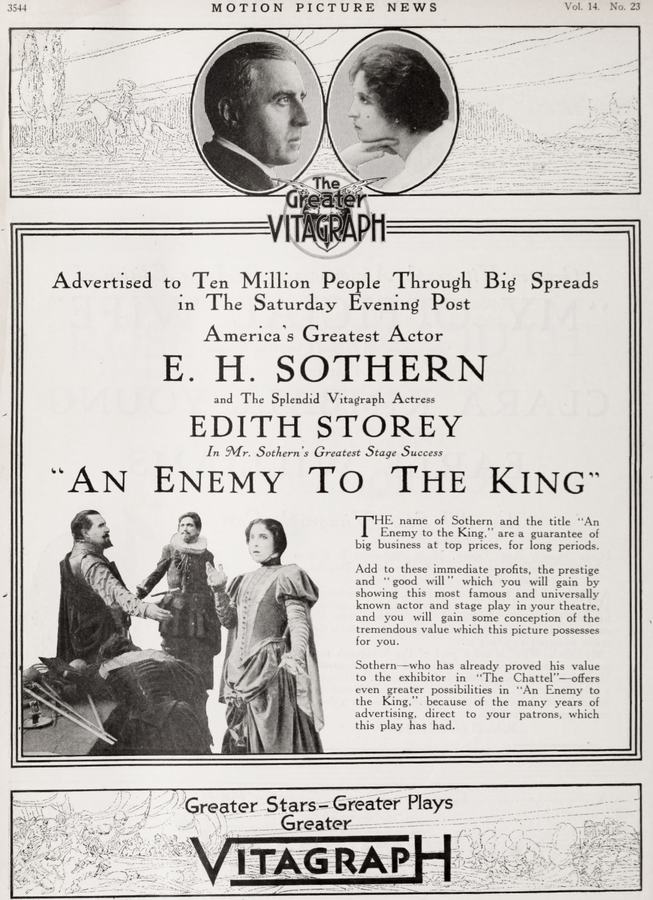
Dir: Frederick A. Thomson
When Julie De Varion's old father is imprisoned for harboring fugitive Huguenots, she goes to the authorities and begs for his freedom, declaring that he only did it out of kindness of heart. They refuse to release her father unless she locates the Catholic's greatest enemy, Ernanton De Launay, who lives in the depths of the forests and who has been vainly sought after for years. Although she knows her father would loathe such methods of release, she accepts the offer and sets off with her lady-in-waiting, Jeanette, to capture the enemy of the king by means of her womanly beauty. While stopping at an inn for the night, she is molested by a man who has been sent after her. A stranger, who is also stopping at the inn, comes to her rescue, however. The stranger offers her his protection for the rest of the journey, a kindness which she gladly accepts. He promises to take her to Ernanton De Launay, believing that she merely wishes to meet him. They continue their journey, and on the spur of the moment Julie dispatches her servant back to the officials with the statement that she has located the enemy and for them to release her father. Ernanton's servant discovers that they are being spied upon, and tells his master, who, now in love with the girl, kills him for daring to cast a reflection on the sweetest flower of womanhood he has ever met. When Julie asks him why he assaulted his servant, he truthfully tells her his reasons. Realizing that she has fallen below his estimation of her, she sends another servant after the bearer of the message in order to prevent it reaching the officials. She will not allow her womanhood to suffer even for her father's freedom. When she returns to the city, Ernanton follows her and is forced to believe that she is the spy his servant had accused her of being. She gains admittance to the officials' room and asks her father's freedom. She is refused, as the understanding was that the enemy was to stand before them, and she has failed in her quest. She will not bring the man who has won her love to them, and frankly states such as the case. Ermanton, who has been standing behind the curtain, now comes forward and tells them that they see the enemy before them, to release the aged father. Julie is distracted at the way things have turned, and becomes inconsolable. The Huguenots, who have been gaining victory after victory, now enter the city and surround the palace, demanding the release of their leader. The officials are forced to surrender, and Ermanton seeks Julie to tell her of his love and ask her to become his wife.
View DetailsAnalysis relative to The Country Boy
| Film Title | Atmosphere | Complexity | Similarity |
|---|---|---|---|
| The Model | Surreal | Layered | 85% Match |
| The Marriage Pit | Ethereal | Linear | 90% Match |
| Wild Primrose | Gothic | Layered | 94% Match |
| The Mating | Gritty | Linear | 94% Match |
| Danger Trail | Gothic | Linear | 90% Match |
This guide was algorithmically generated using the cinematic metadata of Frederick A. Thomson's archive. Last updated: 8/16/2026.
Back to The Country Boy Details →