Summary
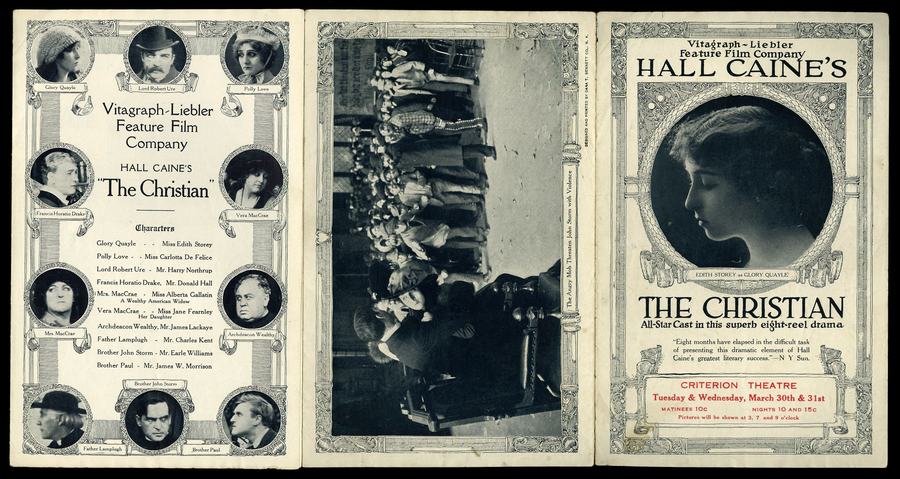
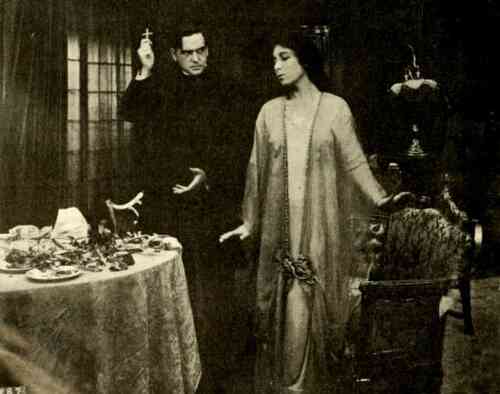
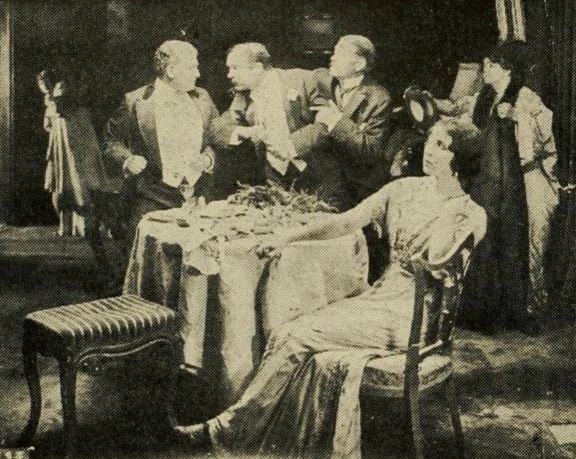
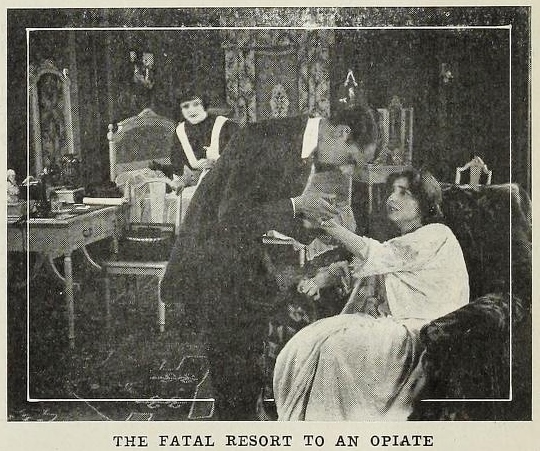
“The Christian” unfurls a sweeping narrative of spiritual struggle and societal hypocrisy, charting the intertwined destinies of two souls caught in the vortex of early 20th-century morality. We witness Glory Quayle, a vibrant, naturally gifted mimic, forsaking her rural origins for the dazzling, yet perilous, theatrical stages of London, where her meteoric rise to fame and fortune becomes a testament to her undeniable talent. Simultaneously, her former country sweetheart, John Storm, embarks on a diametrically opposed spiritual odyssey. Believing Glory irrevocably lost to the world's allure, he retreats into monastic life, a desperate attempt to extinguish a love that refuses to die. His eventual return to secular society sees him metamorphose into a celebrated advocate for the downtrodden, a beacon of hope amidst the urban squalor. The idyllic intertwining of their paths is violently disrupted by the malevolent machinations of Lord Robert Ure, a predatory “social vampire” whose cruel betrayal of Glory's innocent friend, Polly Love, ignites a furious moral crusade. John, galvanized by Glory's revelation of Lord Robert's depravity, confronts the villain, demanding restitution through marriage. Lord Robert, however, a cynical pragmatist intent on securing a lucrative union with an American heiress, spurns John's plea, precipitating a dramatic confrontation between righteous indignation and entrenched power. John's public exposure of Ure's villainy unleashes a vengeful fury from the disgraced nobleman, while Polly, broken by shame, succumbs to a shattered heart. Ure's retaliation is swift and diabolical: he orchestrates a malicious rumor, falsely attributing to John a dire prophecy of the world's end on Derby Day, England's most revered sporting spectacle. This calculated deception plunges Britain into a maelstrom of fear and hatred. John, once revered, becomes a pariah, his former allies turning into bitter adversaries, and the vulnerable masses gripped by terror. Derby Day transforms from a celebration into a crucible of chaos, marked by widespread panic and violent riots, showcasing breathtaking scenes of the iconic race juxtaposed with societal breakdown. Isolated and vilified, John faces an enraged populace, only to be dramatically rescued by Glory, who, with remarkable courage, pacifies the frenzied mobs. The relentless persecution, however, exacts a heavy toll on John's psyche, pushing him to the brink of madness. In a harrowing climax, tormented by the fear that Glory might suffer Polly's tragic fate, John attempts to “save” her through a desperate act of violence. Yet, Glory, embodying an indomitable spirit, rises above the horror, her eloquent defense not only recalling John to sanity but also establishing his innocence, exposing Ure's culpability, and ultimately solidifying their profound, enduring love. Their union, forged in the crucible of adversity and triumph over misunderstanding and terror, promises a shared future, “for better or worse,” imbued with the profound happiness of mutual devotion.
Synopsis
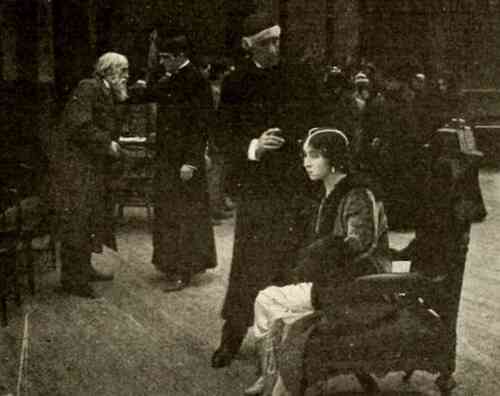
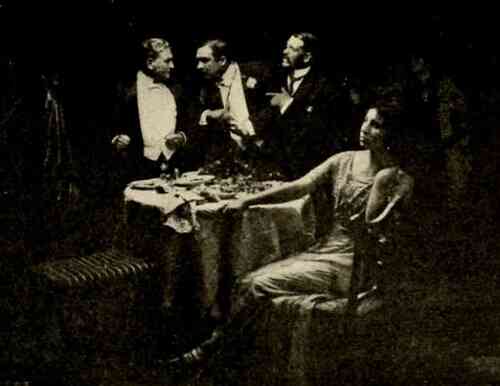
Natural-born mimic Glory Quayle leaves her country home, reaches London, goes on the stage, and gains fame and affluence. Her country sweetheart John Storm, believing he has lost Glory forever, enters a monastery, tries to forget her, cannot kill his love, returns to the world, and becomes a famous slum worker and friend of the poor. Social vampire Lord Robert Ure, a beast in human form, betrays Glory's chum Polly Love. Glory tells John of Lord Robert's wicked treatment of poor Polly. John demands that Lord Robert marry Polly to save her from dishonor. Lord Robert refuses, as he intends to marry a rich American heiress, and a terrific clash erupts between the Right of John and the Might of Lord Robert. John exposes Lord Robert, who swears revenge. Polly dies of shame and a broken heart. Lord Robert plans fiendish revenge on John. He broadcasts the report that John predicts the end of the world on Derby Day, the greatest day of sport in England. John becomes an object of hatred. All Britain wrought up by John's alleged prediction. His former friends become bitter foes. The uneducated and weak are in mortal fear. Thousands and thousands incite riots against John Widespread and awful panics in the slums. Derby Day becomes a day of terror. (Wonderful scenes of the world-famous Derby Race, with its great horses and its terrific crowds, taken in England especially for these scenes.) John is a target for the vengeance of everyone, both rich and poor. He stands alone, with all the world against him. Glory rushes to his aid, quells the angry hordes and saves him from them. Through persecution, John's mind becomes unbalanced. That night, fearful for Glory, John goes to her home, tries to kill her to save her from a fate like the one which befell poor Polly. Glory rises supreme makes a magnificent defense, recalls John to his senses, helps establish his innocence, proves Lord Robert's guilt, accepts John's love, joins him for life, be it better or worse and in spite of the terror, the deep disappointment, the tribulations, the misunderstandings, in spite of all, Glory and John find happiness in each other's love.
Review Excerpt
"
From the moment the opening credits unfurl, "The Christian" plunges its audience into a tumultuous odyssey of faith, ambition, and the enduring human spirit against the backdrop of a society grappling with its own moral compass. This cinematic achievement, a potent adaptation of Hall Caine's profound narrative, isn't merely a film; it's a visceral experience, a grand morality play writ large across the silver screen, demanding introspection and stirring the soul. It masterfully int..."