
DbcultAccessing Vault...
Recommendations
Senior Film Conservator
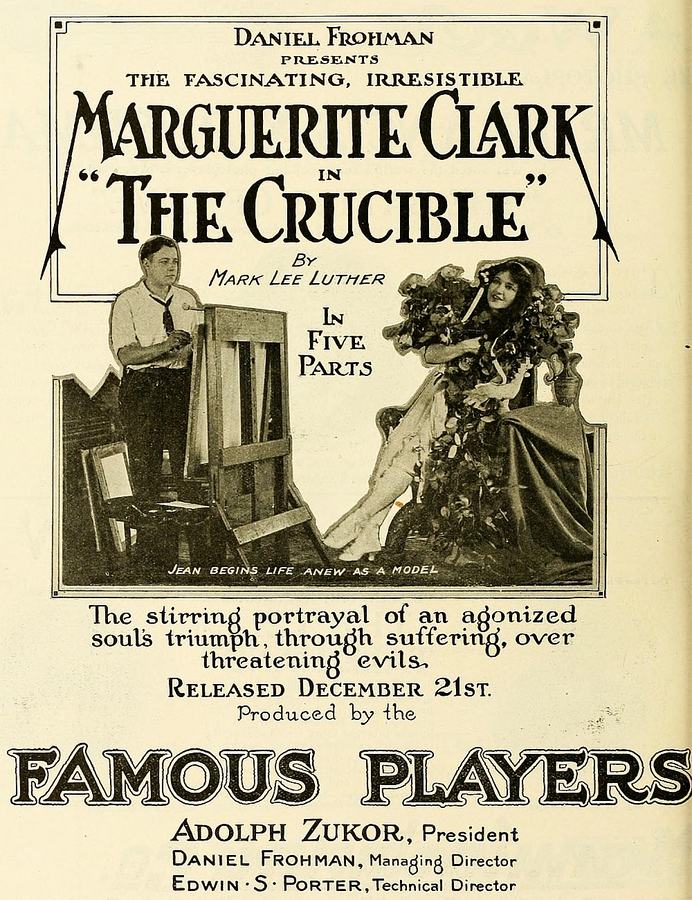
If the unique vision of Hugh Ford's work in The Crucible left an impression, the cinematic shorthand used by Hugh Ford is both ancient and revolutionary. We've prioritized films that capture the 1914 aesthetic with similar precision.
By merging unique vision with cult tropes, it to articulate the unspoken anxieties of United States's 1914 era.
Jean finds the boyish manner in which her late father raised her, is now causing quite a lot of trouble for her, and she ends up in a reformatory. After escaping this prison she meets Craig Atwood, a handsome artist, and now Jean must prove through a series of trials, that she is worthy of his love.
The Crucible was a significant production in United States, bringing a unique perspective to the global stage. It continues to be a top recommendation for anyone studying cult history.
Based on the unique unique vision of The Crucible, our vault has identified these titles as the most compelling follow-up experiences for fans of cult cinema:
Dir: Hugh Ford
Nancy, a sea captain's daughter, loves a rich importer's son, but his father objects to their marriage. Nancy takes a sea voyage to forget the boy, but he stows away and rescues her when the ship is wrecked. But washed ashore with amnesia, she is captured and sold into slavery. Can her young man find her and rescue her again?
View Details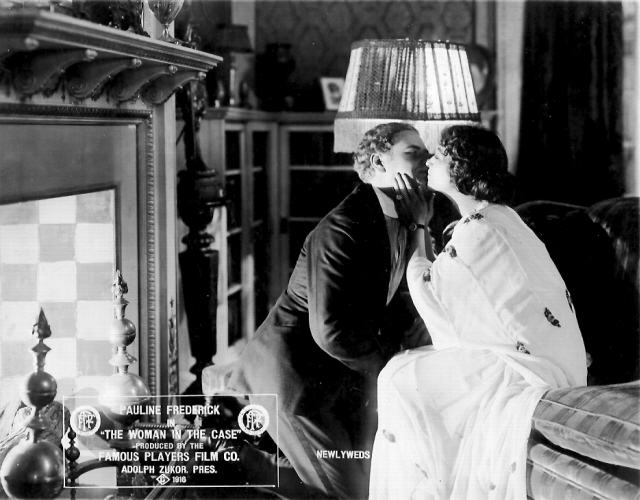
Dir: Hugh Ford
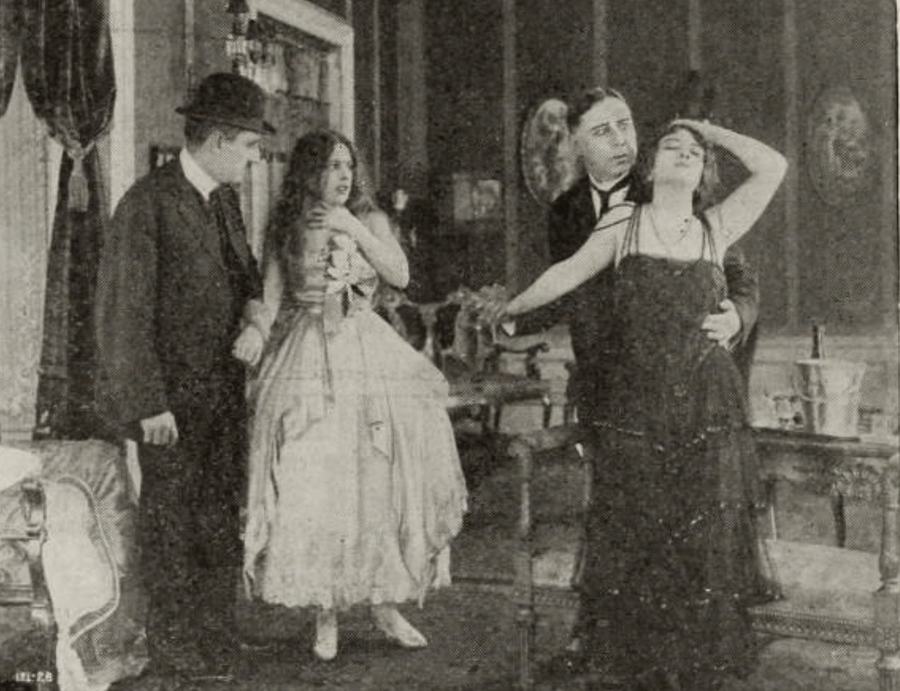
When her husband is accused of murder, a woman pretends to be a "vamp" in order to seek out the real killer.
View Details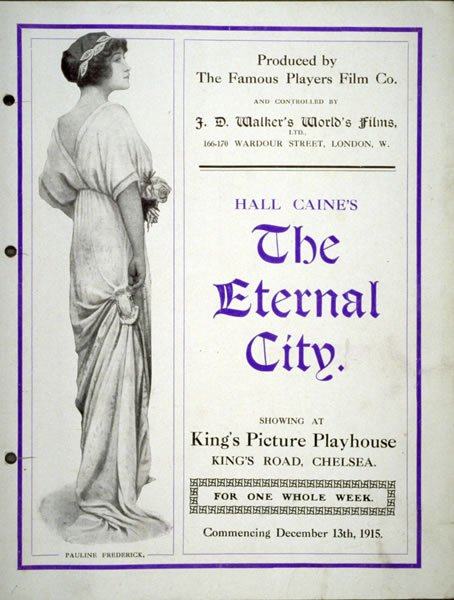
Dir: Hugh Ford
Lost film about the son of a Papal guard who gets involved in Italian politics and incurs the enmity of the corrupt Prime Minister, which leads him to discover the hidden secrets of his family's past - and present.
View Details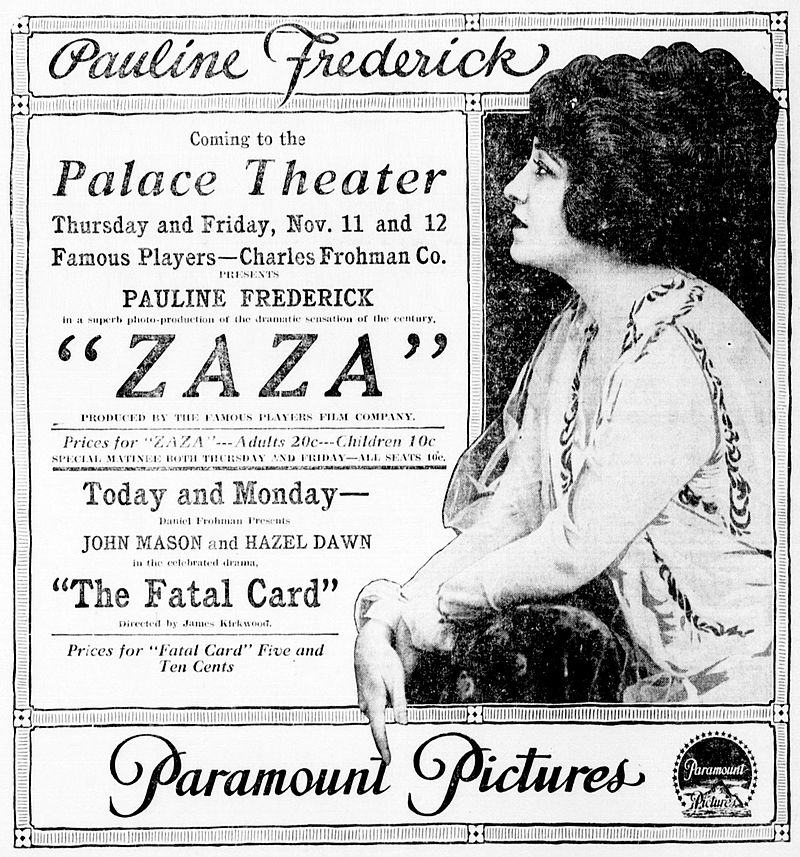
Dir: Hugh Ford
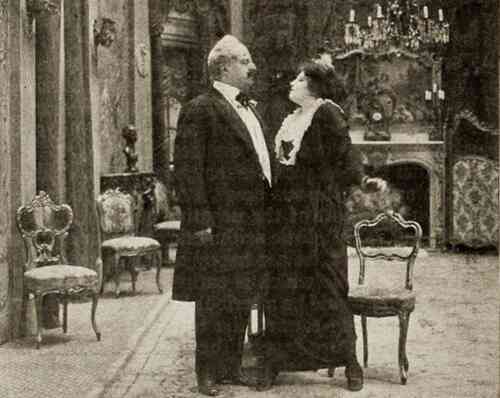
Zaza is a music hall star in Paris. She meets Bernard Dufrene and a flirtation develops into an intense love on her part. She is in despair when she discovers that he already has a wife and child. To visit them and announce herself as the mistress of the husband and father is her first idea, but the charm of the child restrains her. She cannot strike the blow and passes off her visit with an improvised excuse. She dismisses Bernard and returns to the stage, where she gains real fame as a dramatic artist. Once more he seeks her, but again the memory of the child saves her to her better self. Moving Picture World 1915.
View Details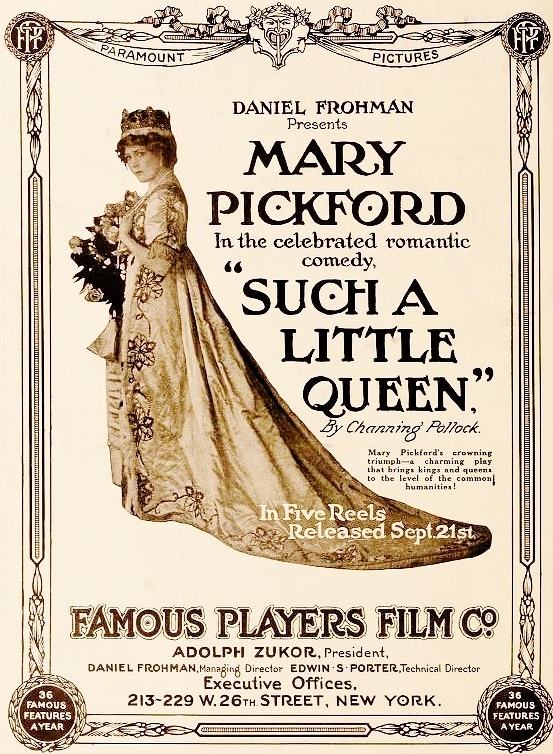
Dir: Hugh Ford
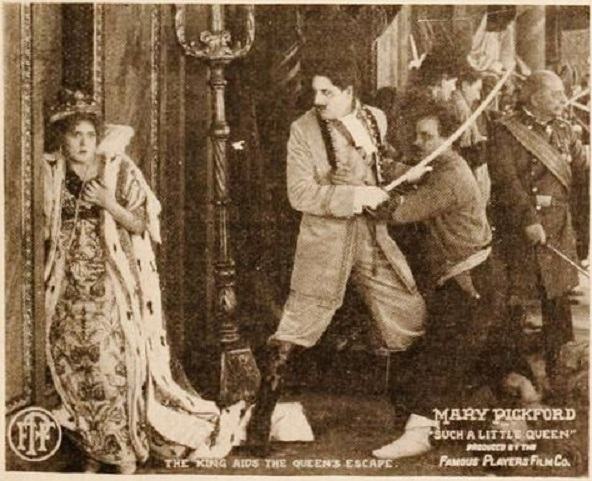
Robert Trainor, an American, aids in the romance of the Queen of Herzegovina and the King of Bosnia.
View Details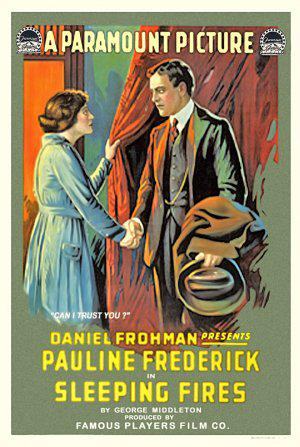
Dir: Hugh Ford
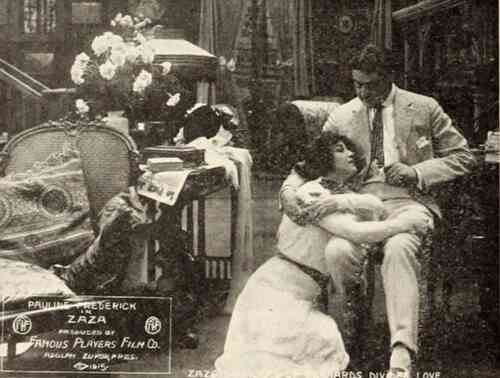
A woman is betrayed by her cruel husband, who uses their child to further torment her.
View Details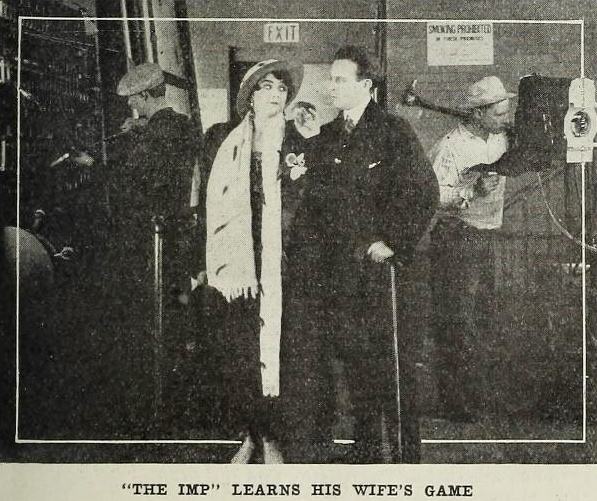
Dir: Hugh Ford
Richard "The Imp" Audaine is a clever but dissolute orphan whose guardian and friends are trying to lead him from the path of ruin and back to his senses.
View Details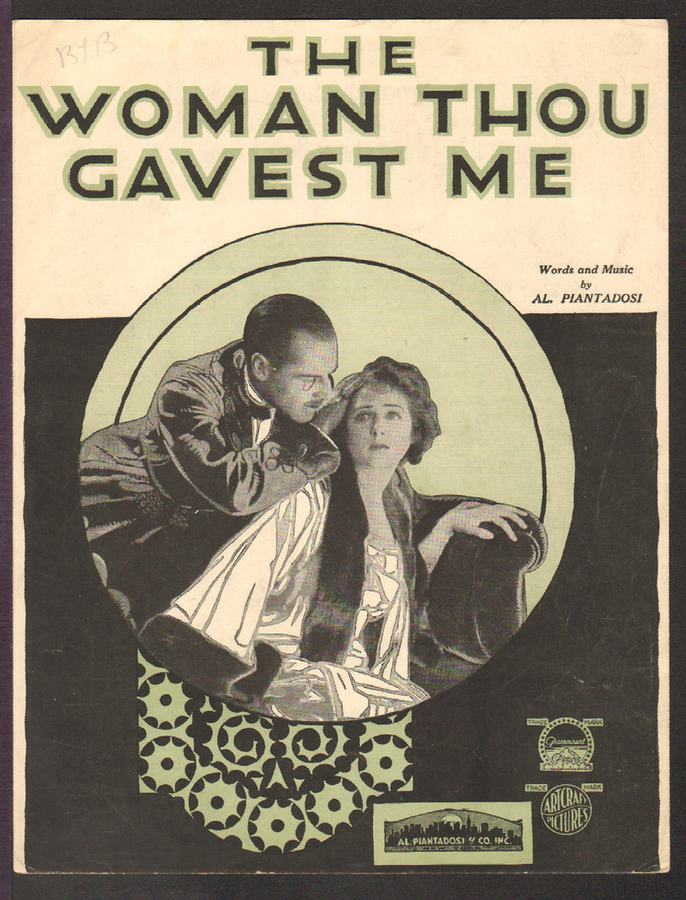
Dir: Hugh Ford
Daniel MacNeill seeks to avenge his childhood humiliation by the dissolute Lord Raa by forcing his daughter Mary to marry him with the stipulation that Raa would lose his claim to MacNeill's recently acquired fortune if he did not remain faithful. On her honeymoon in Egypt, Mary lives in name only with Lord Raa, who introduces his former mistress Alma Lier as Lady Raa. Mary meets explorer Martin Conrad, a former lover and makes love with him the night before he leaves on an Antarctic voyage. Mary then secludes herself in France where she gives birth to a child. When her father insists that she return to Lord Raa in India, Mary announces that the child's father is Conrad, divorces Raa and is disinherited. After learning that Conrad has been lost and her money is gone, Mary returns to London. In order to support her child, she turns to prostitution, and the first man she approaches turns out to be Conrad who has been searching for her. They marry and raise their child together. After Lord Raa's money is gone and he is deserted by Alma, he kills himself.
View Details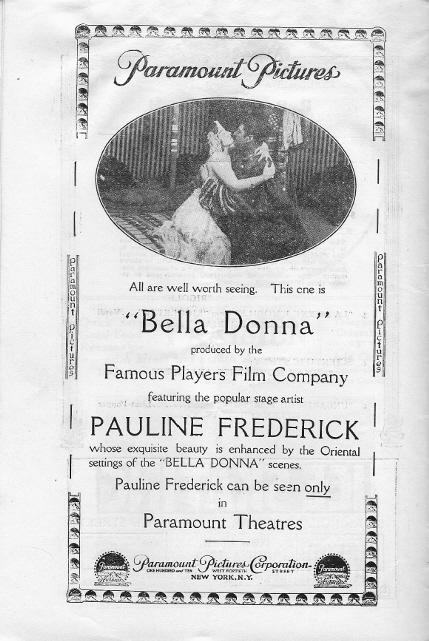
Dir: Hugh Ford
Bella Donna falls for the exotic Baroudi and plots to poison her husband.
View Details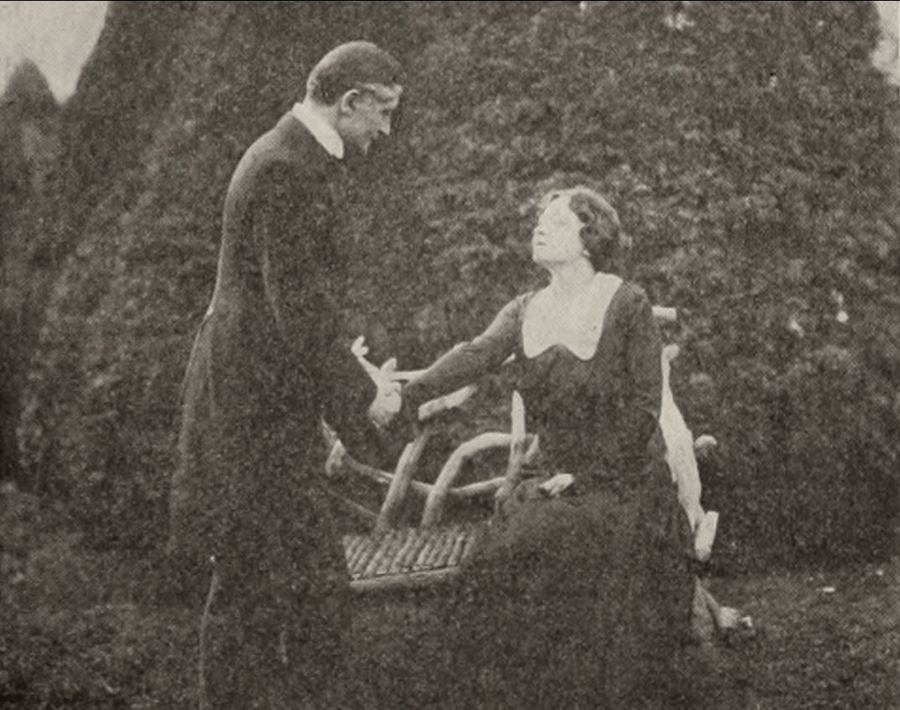
Dir: Hugh Ford
Although she loves humble Ralph Benham, Lydia marries the wealthy Dr. Gilmore at the request of her guardian aunt. After a few years, Gilmore becomes involved with Mrs. Stracey, a family friend, but is discovered and confronted by Mr. Stracey, who is killed by Gilmore during an ensuing fight. To protect her son Ned, Lydia agrees to lie to the authorities about Gilmore's whereabouts and is counseled on her trial testimony by a sympathetic Ralph, who, by coincidence, is the prosecutor in the case. In court, Lydia repeats her protective lies, but her story is thrown into question when her servant testifies that Ralph visited Lydia on the night of the murder. Suspicious, the judge demands that Ned be called to the witness stand, but unable to allow her son to lie under oath, Lydia finally confesses. Faced with a severe sentence, Gilmore commits suicide, and Lydia suffers a nervous breakdown but is cared for tenderly by Ralph and his sister.
View DetailsAnalysis relative to The Crucible
| Film Title | Atmosphere | Complexity | Similarity |
|---|---|---|---|
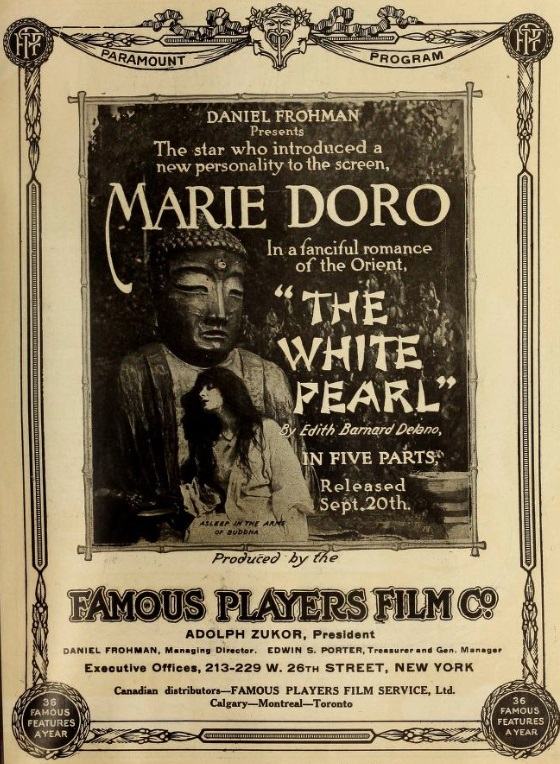
| The White Pearl | Tense | Linear | 92% Match |
| The Woman in the Case | Ethereal | Abstract | 97% Match |
| The Eternal City | Gothic | Layered | 91% Match |
| Zaza | Surreal | Layered | 90% Match |
| Such a Little Queen | Gothic | High | 87% Match |
This guide was algorithmically generated using the cinematic metadata of Hugh Ford's archive. Last updated: 6/27/2026.
Back to The Crucible Details →