
DbcultAccessing Vault...
Recommendations
Senior Film Conservator
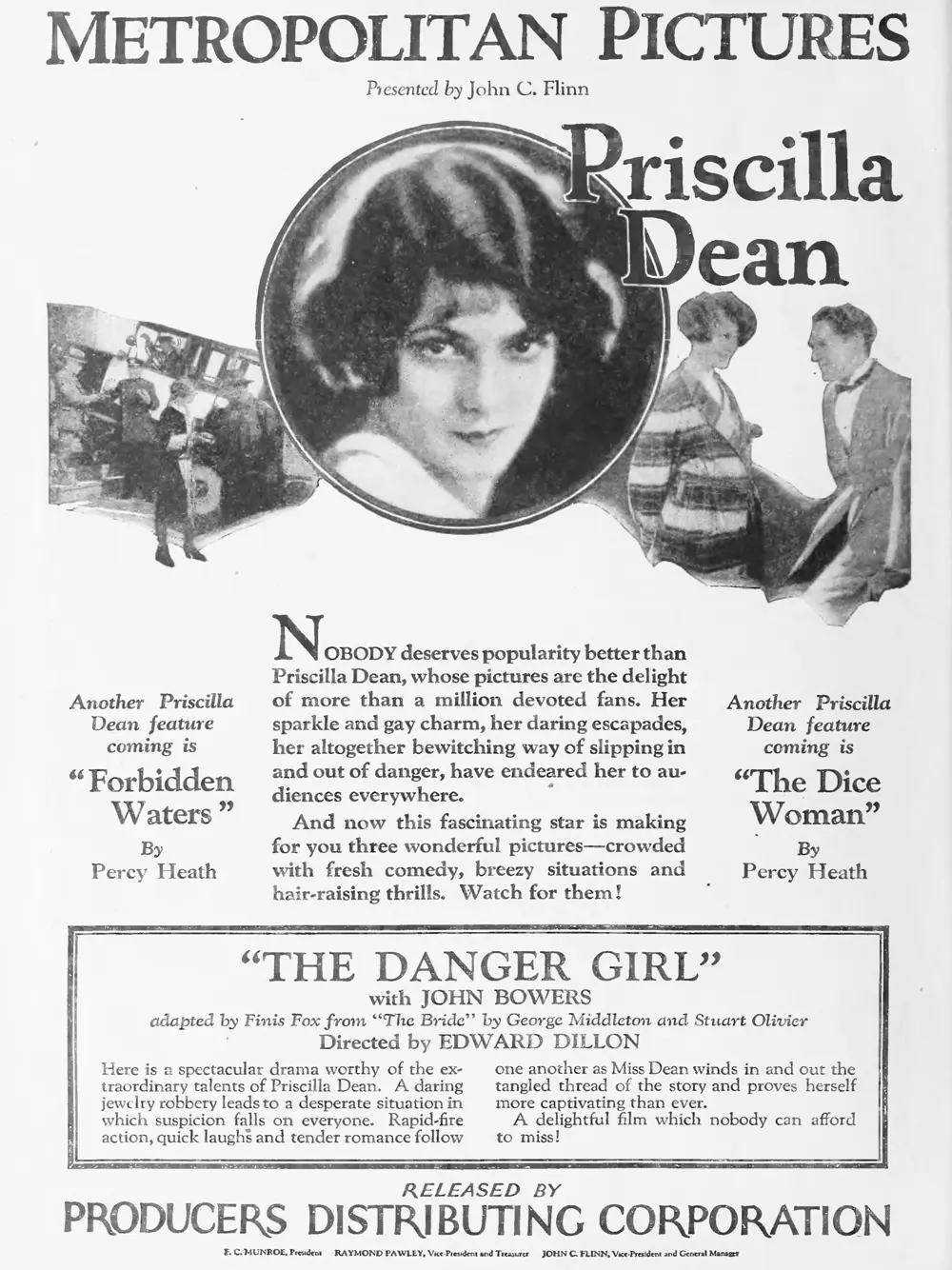
The cinematic DNA of The Danger Girl (1926) is truly one of a kind, the search for similar titles reveals the deep impact of Edward Dillon's direction. Our cinematic experts have identified several titles that reflect the spirit of 1926.
As a pivotal work in United States cinema, The Danger Girl to capture the existential zeitgeist of 1926.
Wilson Travers and his brother, Mortimer, live singular lives, interested only in their respective hobbies of collecting rare gems and even rarer tropical fish. The police learn that jewel thieves are planning to knock over the Wilson gem collection, and the brothers take precautions. One evening, Marie Duquesne, dressed as a bride, appeals to the brothers to help her avoid a distasteful marriage to an old man. The brothers let her stay the night; Mortimer resents her presence, but Wilson falls in love with her. The following morning, the butler tells Wilson that, suspicious of Marie's nocturnal prowling, he has called the police; and a policeman soon arrives and takes her into custody. That night the butler is prevented from looting the safe by Marie, who has returned to the house. Marie, who is a detective, sees to the arrest of the butler and then turns her attentions to Wilson.
The influence of Edward Dillon in The Danger Girl can be felt in the way modern Drama films handle poignant storytelling. From the specific lighting choices to the pacing, this 1926 release set a high bar for atmospheric immersion.
Based on the unique poignant storytelling of The Danger Girl, our vault has identified these titles as the most compelling follow-up experiences for fans of Drama cinema:
Dir: Edward Dillon
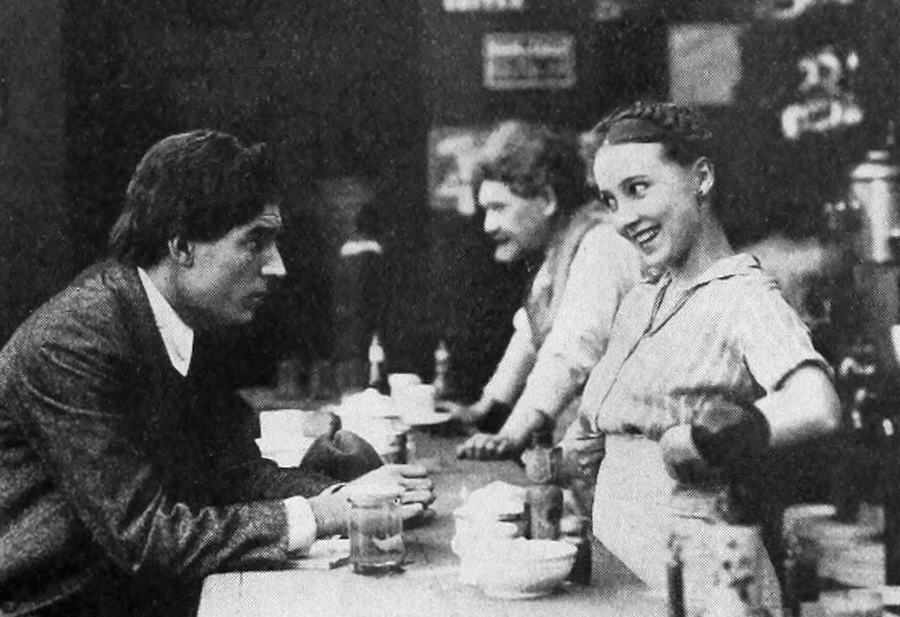
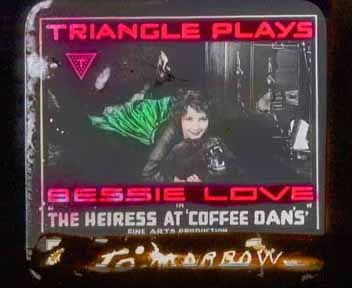
"Waffles," the waitress at "Coffee Dan's" hash-house, is selected by Bert Gallagher and Clara Johnstone, a pair of crooks, to be represented as a missing heiress whose story they have read about in the papers. "Waffles" herself believes the story, as she was orphaned early and remembers little of her childhood, and by adroit coaching is able to convince the estate's none too bright lawyers of the validity of her claim. With this unlimited money, poor little "Waffles" nevertheless has only three desires: to buy the little restaurant for her old benefactor, Shorty Olson, to publish the music written by her lover, Carl Miller, a young, eccentric, absent-minded musical genius, and to adopt the baby that a Mrs. O'Shaughnessy is too poor to care for. But "Waffles" establishes Shorty Olson as chef in her mansion, and Miller is a frequent caller until Mrs. Johnstone in secret convinces him that it is his duty to give up the girl who is destined for high society. Without explaining to "Waffles," he discontinues his visits. Mrs. Johnstone is thus able to induce "Waffles" to promise to marry the crook, Gallagher, but just before the ceremony old Shorty Olson overhears a dispute between Gallagher and a gangster over loot, and thus discovers Gallagher's real character. Shorty Olson is caught eavesdropping, and the crooks shut him into the garage. Carl Miller has been mooning at the house of his lost love, and sees Shorty Olson put into the garage. He goes over and knocks out the gangster on guard and the liberated Shorty goes for the police and Carl goes for the marriage service, which has just begun. "Waffles" sees his face at the window and faints. She is revived and the service is begun again when Carl forces his way in and battles the bridegroom. The police arrive just in time, and the crooks go to jail. The lawyer comes with the real heiress, and "Waffles" goes back to the hash house. For the crooks' arrest the three are given a reward of $1,500, so Shorty Olson buys "Coffee Dan's." Carl publishes his music, and "Waffles" adopts Mrs. O'Shaughnessy's baby.
View Details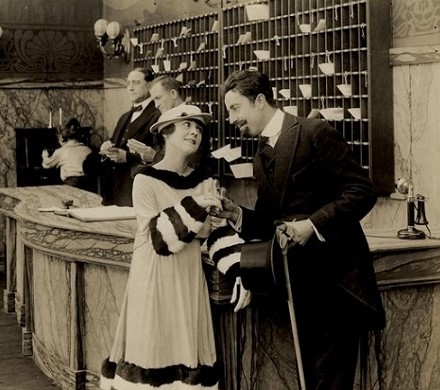
Dir: Edward Dillon
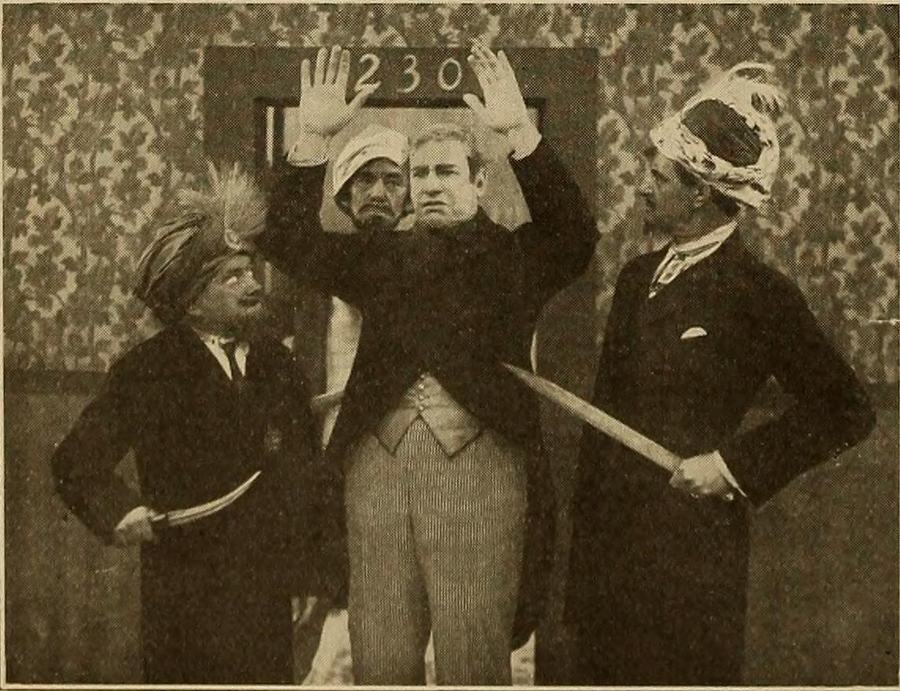
The theft of a sacred diamond band from a Hindu shrine starts the action. Count Kotschkoff, who has stolen the band, soon finds that the Mystic Seer and the Mystic Doer are hot on his trail. To thwart them, he asks the Widow Marrimore to keep the jewels for him. She wears the band as a garter, and at a dance it drops off and is picked up by Alonz Evergreen, a middle-aged actor who still aspires to be the juvenile. He does no work and lives on the daily touches he is able to obtain from his hardworking son. Evergreen, who believes that he's in love with the widow, reads an advertisement for the return of the jewels. He aims to increase his favor with the widow by sending back the band. He has wrapped it up in an affectionate note when his son's fiancée enters the office on her way home from a shopping tour. When she departs she takes all the bundles in sight. Alonzo discovers his loss and goes in mad pursuit. In her home the young woman has decided that her beloved is untrue, and has sent back the diamond band and her engagement ring. A distracted lover soon reaches the house to find his father engaged in a frantic attempt to verify his suspicion that the young woman is wearing a costly garter. The gems regained, Evergreen races to the hotel where the widow lives. The Mystic Seer and the Mystic Doer are on his track, but he eludes them and delivers the band. When the Seer and Doer break in and explain their errand the widow goes to the hiding place, but the jewels are gone. The Count has recovered them. The widow is taken to the shrine and tied, to a stake and threatened with death. The stake is near a cage in which a lion is confined. Slowly the gate is lifted and the lion is about to dart out when Alonzo arrives and releases his adored one. There is a thrilling chase and Leo, the lion, finally stalks the widow to a bath room. There Alonzo rescues her under the nose of the beast, the count is captured and the band recovered.
View Details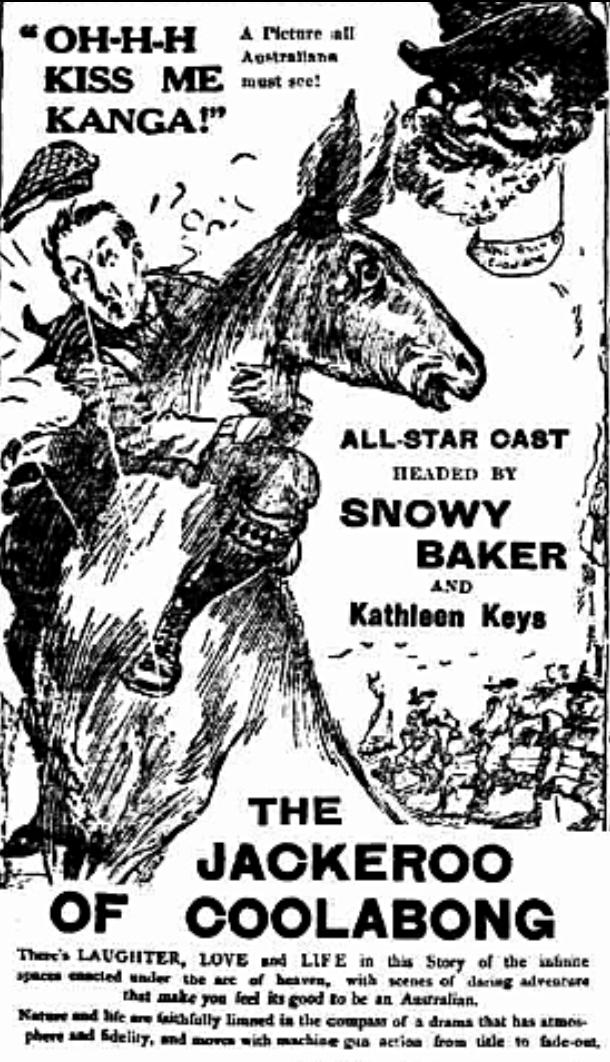
Dir: Wilfred Lucas
Brian O'Farrell (Snowy Baker), is an English 'new chum' who takes a job at an Australian cattle station. He is teased by station hands because of his appearance (including spats and a monocle) but he soon impresses them with his skills at riding and boxing. The station manager, John MacDonald (Wilfred Lucas), takes O'Farrell to Sydney to meet his daughter Edith (Kathleen Key) who is working in the slums. Edith is kidnapped by criminals after witnessing a crime but O'Farrell rescues her. It is later revealed he is the owner of the station.
View Details
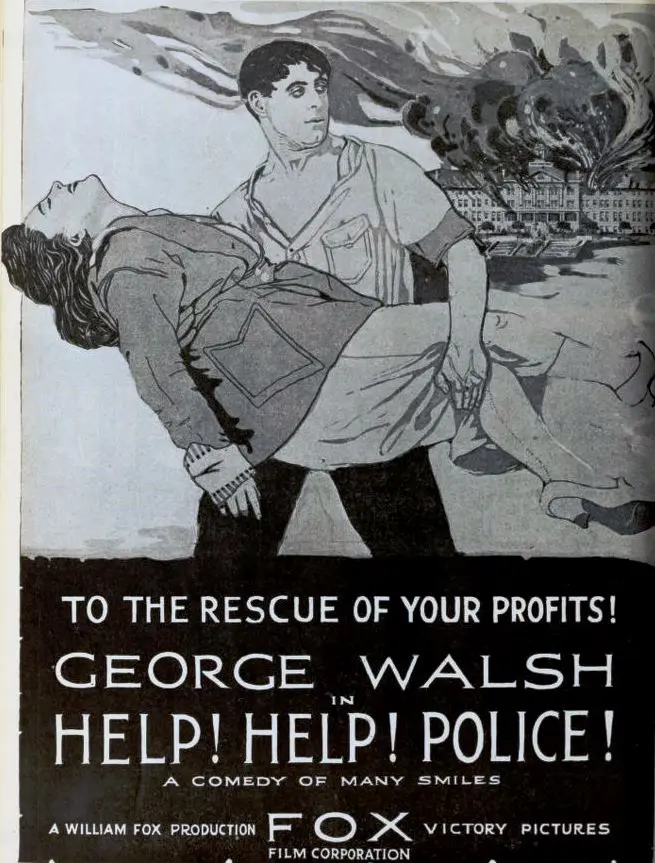
Dir: Edward Dillon
While vacationing with his father Edward at a Palm Beach hotel, George Welston becomes smitten with Eve Pendleton, the daughter of Edward's business rival Judson. After George prevents Pendleton from getting an option on a deal by racing in his car with his father's $100,000 deposit, Pendleton favors Eve's other suitor, Arthur Trask, whose gentlemanly manner conceals his intent to rob Eve and her wealthy friends. When George sees Trask climb into Eve's window, he follows and is apprehended by a detective, who reluctantly releases George in response to Eve's pleas. Later, Trask binds, gags and robs society belle Marian Trevor. After Trask's dropped cigarette starts a fire, George rescues Marian, who upon reviving, accuses him of theft, arson and abduction. George's father puts up $100,000 needed for an important deal for George's bail, then George chases Trask, who has stolen the $600,000 which Pendleton put up for the same deal. After a fight, George apprehends Trask and races to court before the bail money is forfeited. Pendleton and Welston become partners, while George and Eve marry.
View Details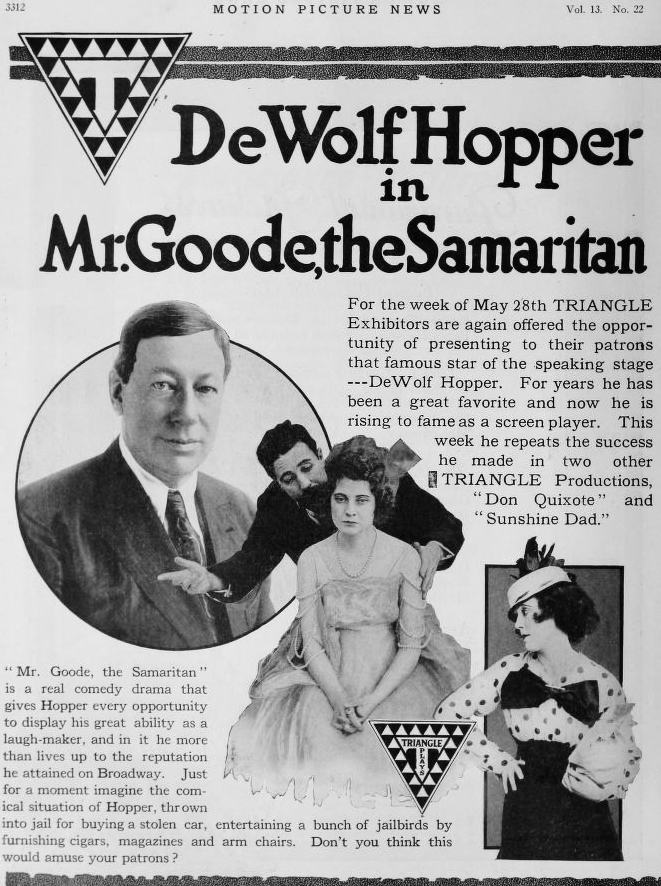
Dir: Edward Dillon
Mr. Goode, a wealthy old gentleman, takes his wife and daughter, Evelina, out for a spin in their automobile, but throwing in the wrong lever the machine backs into the side of the road and burns up. They continue their journey on foot. Meanwhile, Foxy Monte, a polished crook, has stolen a beautiful car that has been left standing at the curb in a nearby town, and as he whizzes by he sees the Goode family. He stops and offers them a lift. Of course, they gladly accept. And while the ride is continued he persuades Mr. Goode to buy the roadster. Mr. Goode is so easy, in fact, that Monte determines to impose on him again. When Goode is called out of town on business he makes the trip in his new machine. As an alarm has been sent out to the police by the original owner of the car he is immediately apprehended and thrown into jail. His family, believing he has been detained on business, make no inquiry about him, but go on entertaining Foxy Monte, who has come into their circle disguised by full beard and another alias. Ever making the best of his condition, Goode has the jail refurnished and otherwise contributes to the comfort of the inmates. Upon leaving at expiration of his sentence, he invites the jailbirds to come and visit him at the first opportunity. Shifty Ed and his best girl, Shorty Sal, come to the Goode home to pay that visit just as Mr. Goode is entertaining a very fashionable house party, Monte in the number. Sal recognizes Monte, and he, realizing he is in danger, informs the hostess that Ed and Sal are notorious crooks. Then he persuades Evelina, whose hand has been refused him by Mr. Goode, to elope with him. It is at this point that Ed Ed and Sal make a big return for the kindness of Mr. Goode, and there is a thrilling finish.
View Details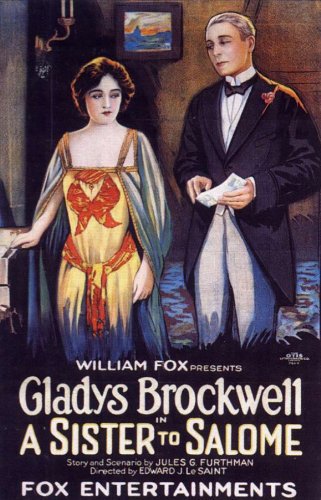
Dir: Edward LeSaint
When famous opera singer Elinore Duane undergoes an operation on her throat, she has a series of ether-induced visions. In one, she is transported to ancient Rome where she appears as a much-admired woman in love with Paul, a young heretic, and at odds with Lutor, the high priest. To save her love, she poisons Lutor with her ring. After several other visions which involve variations on this love triangle, Elinore awakens to discover that Lutor is actually her doctor, Sascha Jaccard, and that Paul is the son of a friend who has come to visit the recovering prima donna.
View Details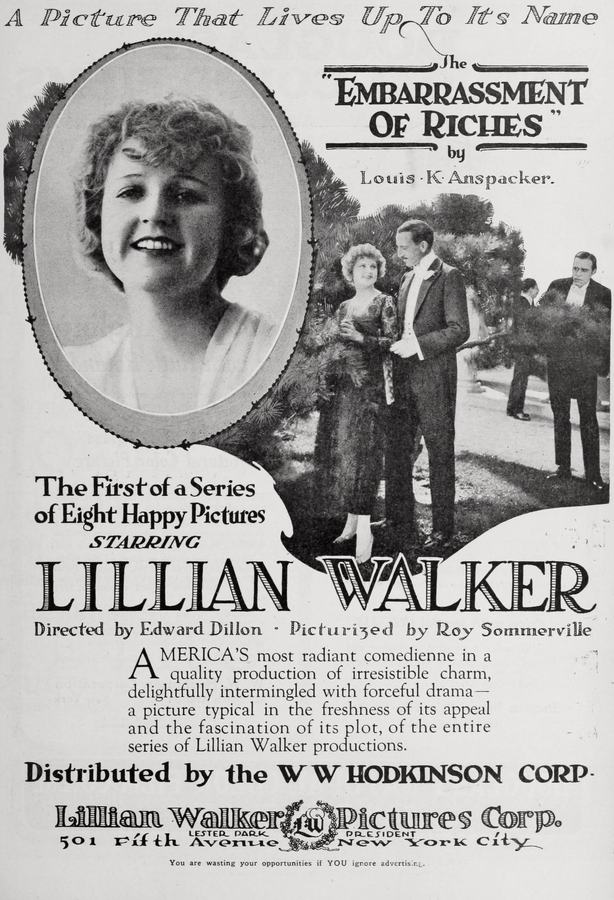
Dir: Edward Dillon
Through the death of a relative, New York sweatshop worker Lizzie Holt is transformed into Miss Elizabeth Holt, heiress. Elizabeth soon tires, however, of the shallowness of society life and occupies herself by working in a settlement house on the lower East Side. There she falls in love with John Russell, an idealist who despises the rich, and to escape his scorn, she identifies herself as Miss Holt's secretary. John's efforts to close up ward boss Ted Phelan's gambling house next door prove successful when the place is raided, but when several of Elizabeth's acquaintances on a "slumming party" seek her aid in escaping arrest, John discovers her true identity. He is about to change his mind about marrying her, when Elizabeth convinces him that her love and her character are true, and the two are united.
View Details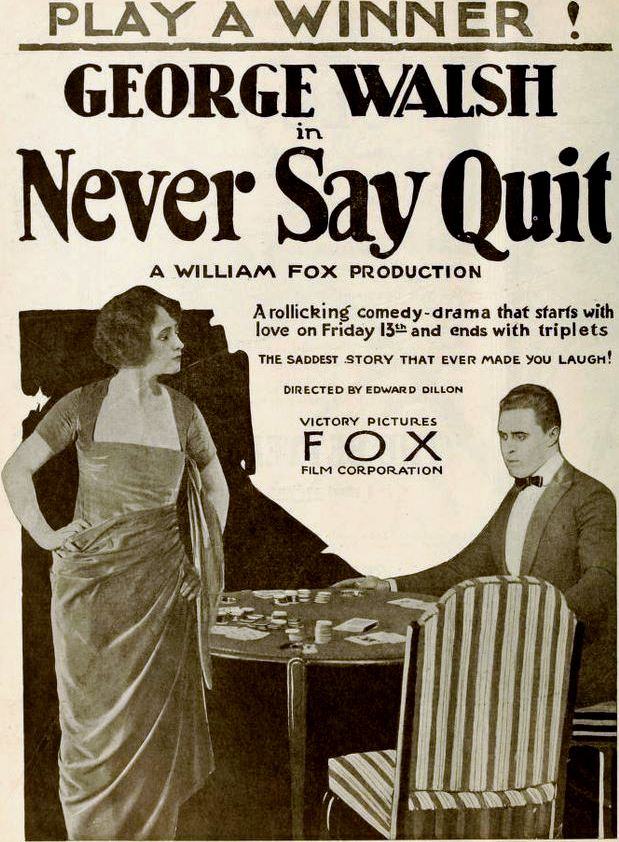
Dir: Edward Dillon
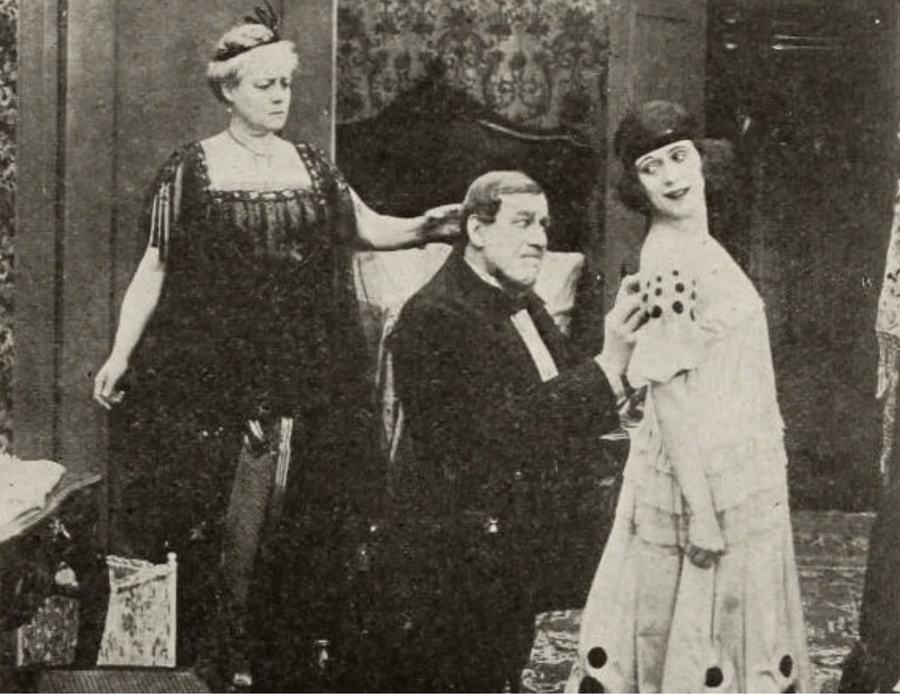
Born on Friday the thirteenth with thirteen letters in his name, Reginald Jones has been plagued with bad luck his entire life. Attempting to escape his jinx, Reginald attends a chauffeur's ball, where, after he helps a girl whose companion is berating her, the girl hits Reginald for interfering. After Reginald loses at matching coins, is sold out in the stock market, and is fleeced of his money in a badger game, he loses his inheritance of $999,998.60 when he gets arrested for fighting, and misses his aunt's funeral. Reginald then boards a schooner and meets millionaire Professor Lattimore and his daughter Helen, supposedly there to look for buried treasure. After falling in love with Helen, Reginald discovers the ship captain's plot to hold Lattimore for ransom. Reginald fights off all the crew members and forces the wireless operator to signal a U. S. Destroyer, which arrives and saves them. Reginald and Helen marry.
View Details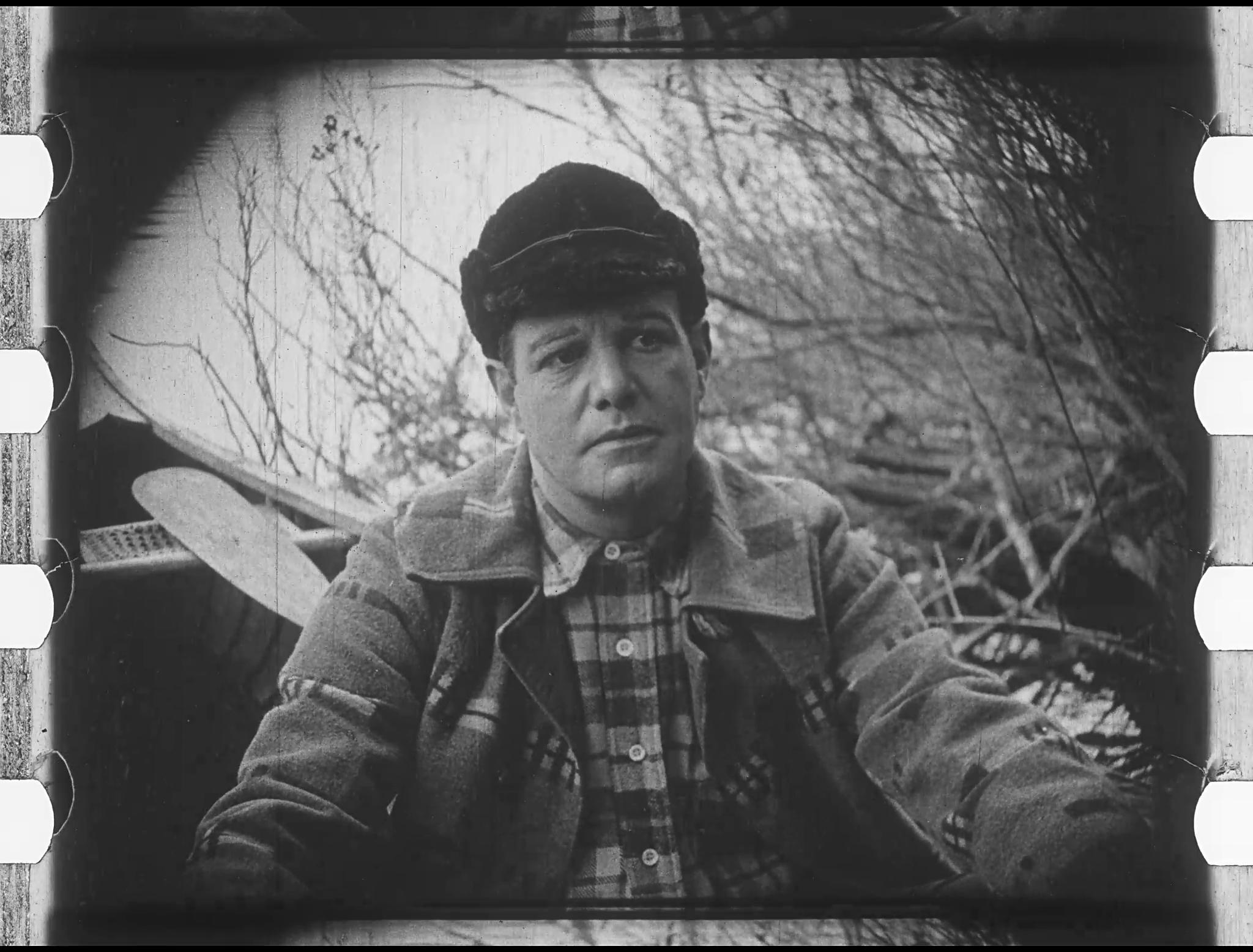
Dir: Edgar Jones
A mail-order bride arrives at a Maine lumber camp but doesn't like her prospective husband.
View Details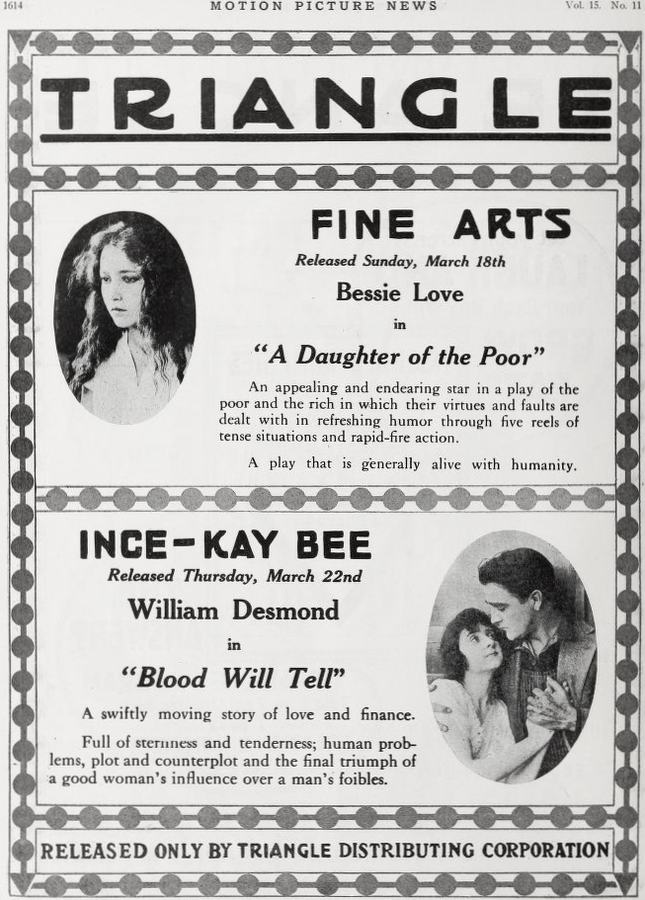
Dir: Edward Dillon
A young girl, Rose Eastmen ( Besie Love ) lives with her lazy Uncle, who works as a janitor in a publishing house. Lacking education, both Rose and her Uncle are susceptible to the socialist ideas of writer Rudolph Creig. One day Rose encounters Jack Stevens the wealthy son of the owner of a publishing house, working on his car. She believes he is a common laborer, and she begins courting him. Through her exposure to Jack, Rose begins to realize the rich are not such an abominable people. Rudolph has also reached this conclusion after learning Stevens has published his book. Now bolstered by success and armed with a hefty royalty check, Rudolph is able to marry Rose.
View DetailsAnalysis relative to The Danger Girl
| Film Title | Atmosphere | Complexity | Similarity |
|---|---|---|---|
| The Heiress at Coffee Dan's | Gothic | Dense | 91% Match |
| Sunshine Dad | Surreal | Abstract | 85% Match |
| The Jackeroo of Coolabong | Ethereal | High | 85% Match |
| Help! Help! Police! | Ethereal | Linear | 94% Match |
| Mr. Goode, Samaritan | Gothic | Dense | 87% Match |
This guide was algorithmically generated using the cinematic metadata of Edward Dillon's archive. Last updated: 6/27/2026.
Back to The Danger Girl Details →