
DbcultAccessing Vault...
Recommendations
Senior Film Conservator
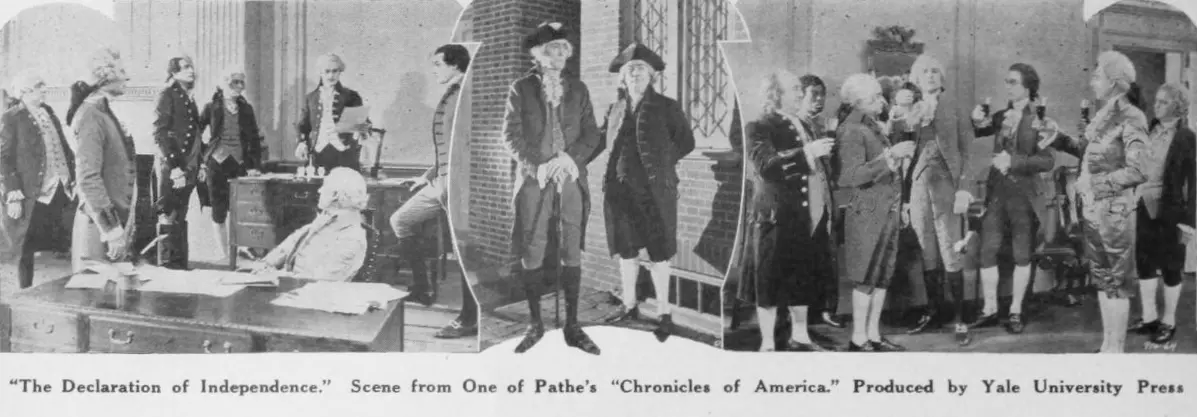
The United States-born brilliance of The Declaration of Independence offers a unique poignant storytelling, the profound questions raised in 1924 still require cinematic answers today. Our curated selection of recommendations echoes the very essence of The Declaration of Independence.
In the Pantheon of Short cinema, The Declaration of Independence to provide a definitive example of Kenneth S. Webb's stylistic genius.
This short film deals with the latter part of June and early in July 1776, or what led up to, and finally resulted in, the drawing and consummation of America's most famous document.
The Declaration of Independence was a significant production in United States, showcasing the immense talent of Warner Richmond, Jack Newton, Douglass Dumbrille. It continues to be a top recommendation for anyone studying Short history.
Based on the unique poignant storytelling of The Declaration of Independence, our vault has identified these titles as the most compelling follow-up experiences for fans of Short cinema:
Dir: Kenneth S. Webb
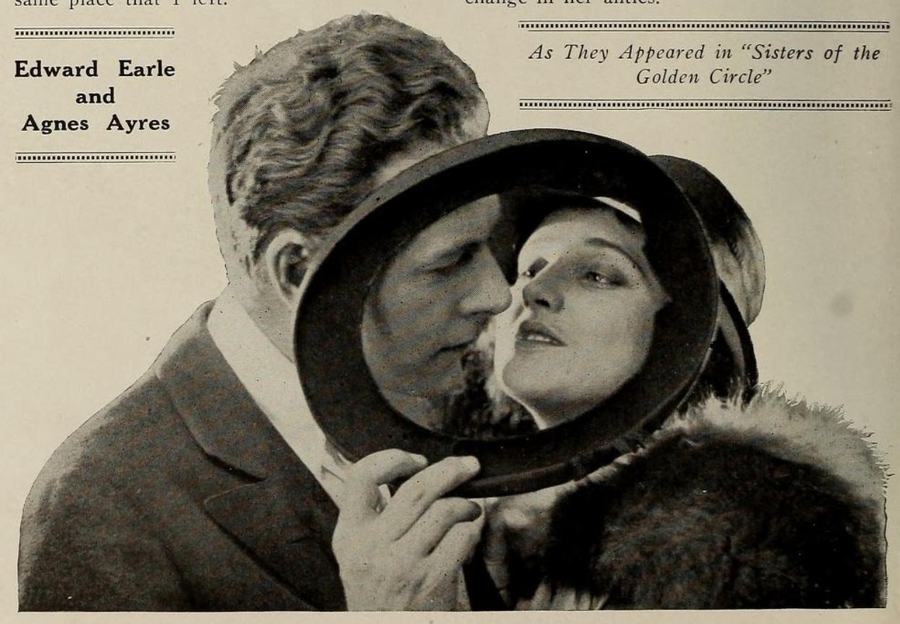
Two pairs of newlyweds are riding on a bus when the wives notice the strong resemblance between their husbands. Mrs. McGuire realizes that a police detective's car is following the bus and hatches a plot with Mrs. Williams to switch their husbands' identities long enough for Pinkey to escape from the police.
View Details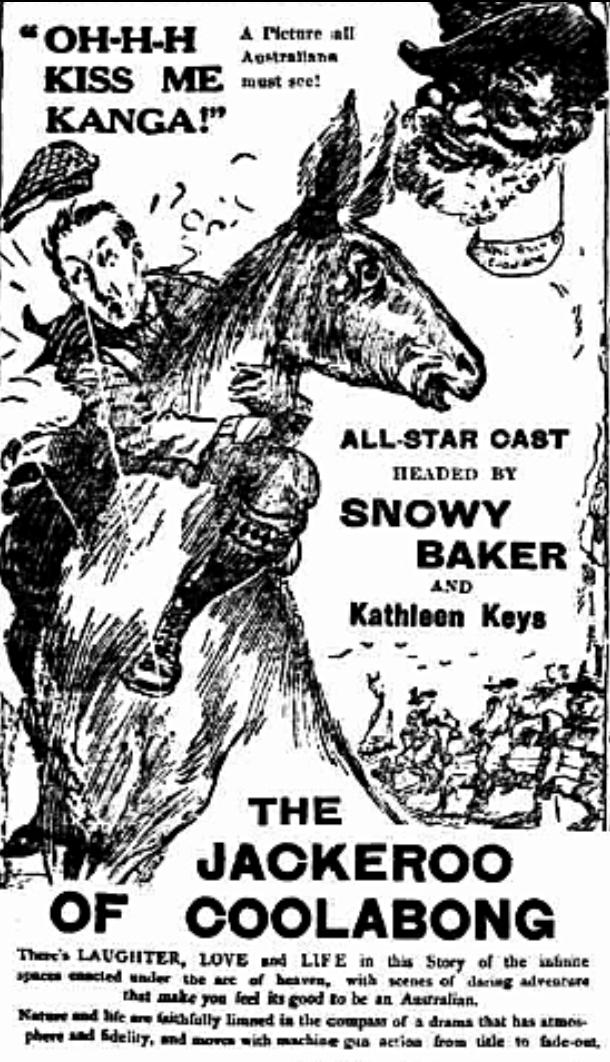
Dir: Wilfred Lucas
Brian O'Farrell (Snowy Baker), is an English 'new chum' who takes a job at an Australian cattle station. He is teased by station hands because of his appearance (including spats and a monocle) but he soon impresses them with his skills at riding and boxing. The station manager, John MacDonald (Wilfred Lucas), takes O'Farrell to Sydney to meet his daughter Edith (Kathleen Key) who is working in the slums. Edith is kidnapped by criminals after witnessing a crime but O'Farrell rescues her. It is later revealed he is the owner of the station.
View Details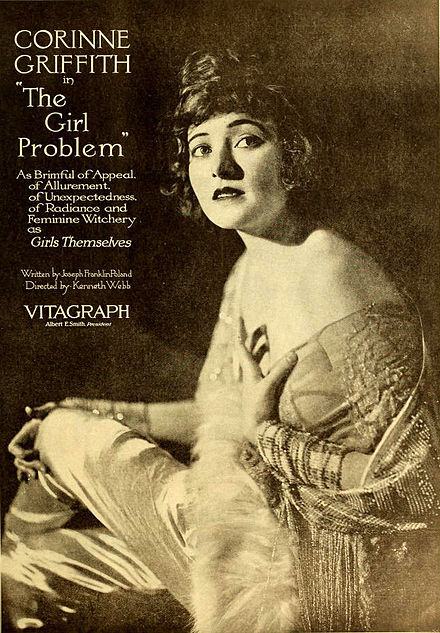
Dir: Kenneth S. Webb
A model by day and a short-story writer by night, Erminie Foster is insulted when novelist Ernest Sanford visits her display room to study her as a "flapper" type. Later, Erminie attends a reception uninvited to gather atmosphere for a story. Sanford saves her from being thrown out by saying that she is his cousin. When her prudish aunt forbids her entrance at 3AM, Sanford offers her lodgings under the protection of his housekeeper and soon persuades her to stay for inspiration. He writes a satire on women that is turned down, while hers on men sells. After Erminie overhears Monte Ralston, who loves Sanford's fiancée Helen Reeves, threaten Sanford with Helen's incriminating letters, Erminie sacrifices her reputation to retrieve the letters. When the engagement is broken and Helen and Monte explain Erminie's behavior to Sanford, he loses his smugly superior attitude and confesses he loves Erminie.
View Details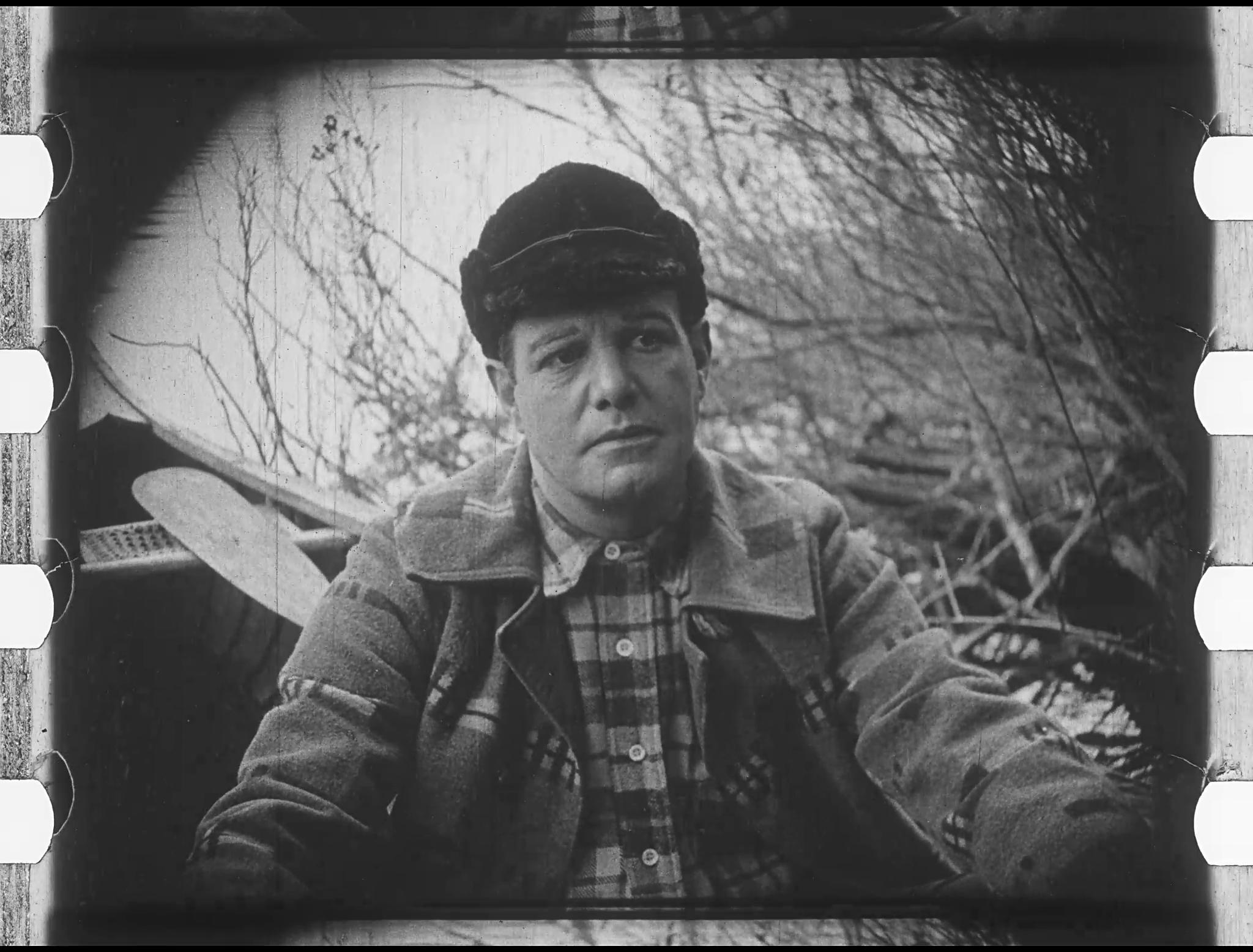
Dir: Edgar Jones
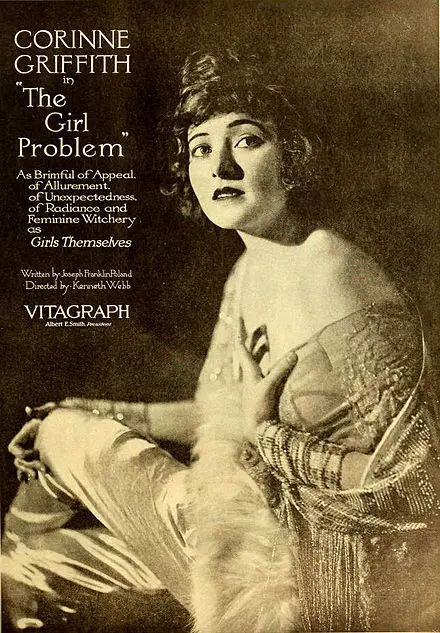
A mail-order bride arrives at a Maine lumber camp but doesn't like her prospective husband.
View Details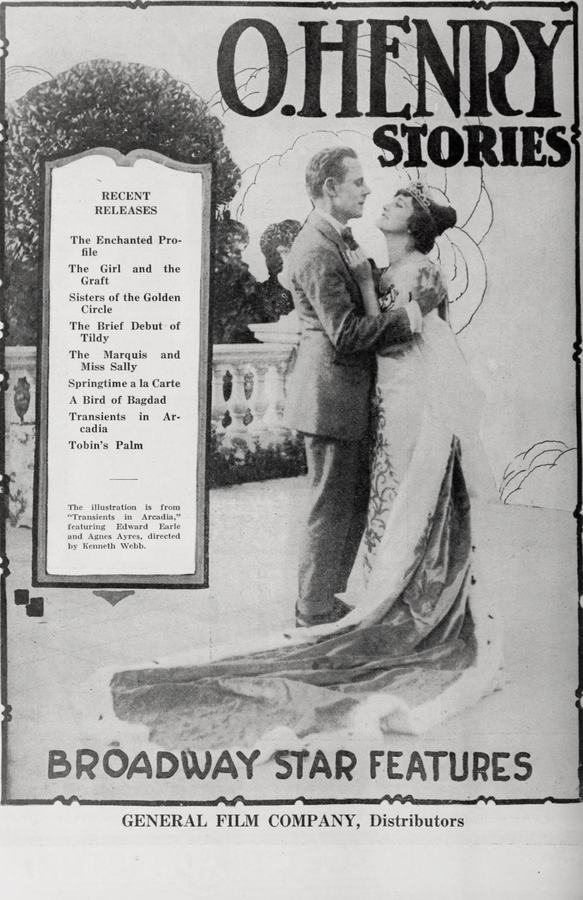
Dir: Kenneth S. Webb
A fascinating piece of cinema that shares thematic elements.
View Details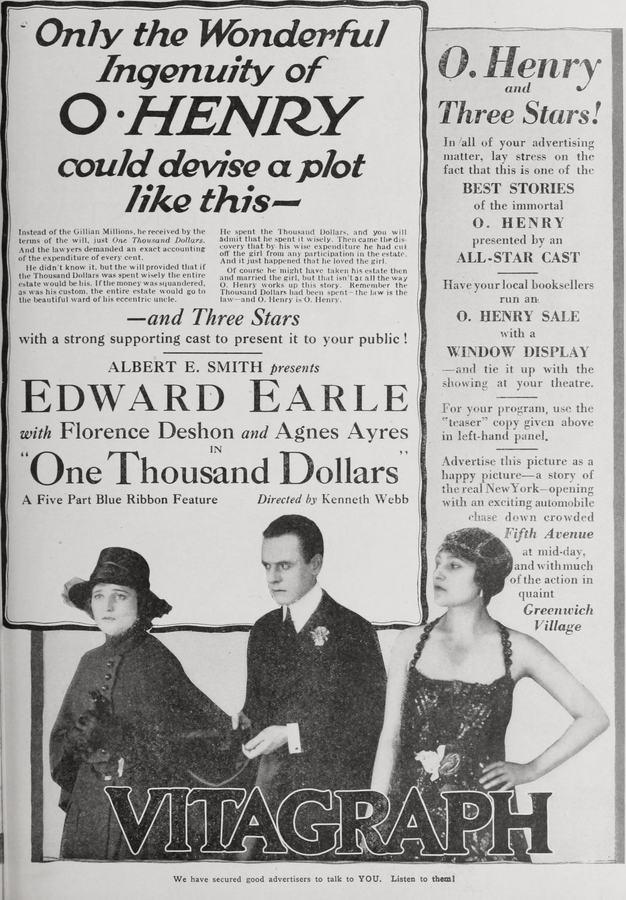
Dir: Kenneth S. Webb
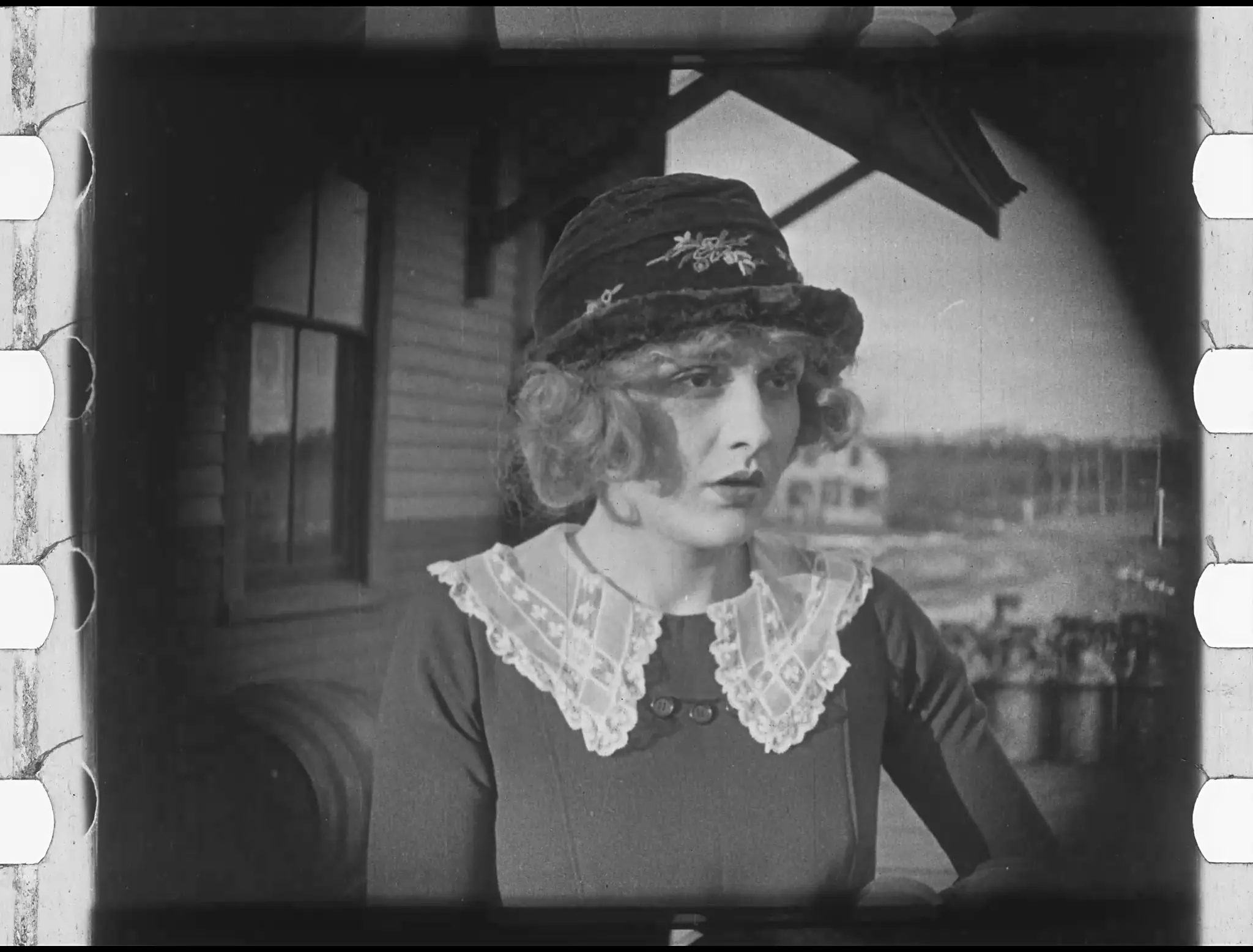
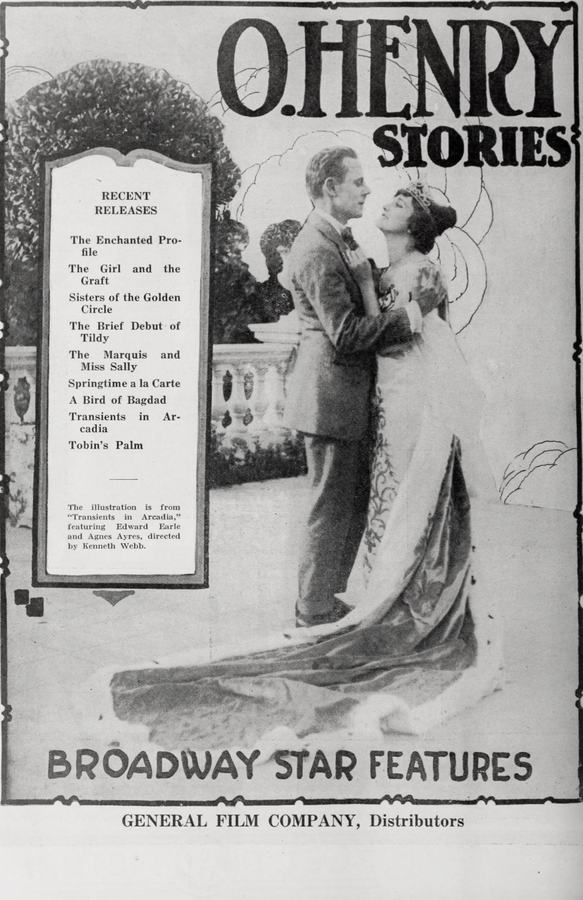
Eddie Gillian, a wild young New Yorker, lives well on a generous allowance given to him by Old Bryson, his crabby uncle. Eddie loves Bryson's ward, Margaret Hayden, but spends most of his time with Lotta Lauriere, a burlesque queen. After Bryson's death, Eddie is shocked to learn that he has been left only $1,000, which the will advises him to spend prudently and unselfishly. When Lotta discovers this and deserts him, Eddie gives the money to Margaret, who has inherited only $10, telling her that it is rightfully hers. Bryson's lawyer then informs Eddie that he will inherit half a million provided that he spend the $1,000 generously, and although Eddie attempts to turn that, too, over to Margaret, she agrees to share it with him as his wife.
View Details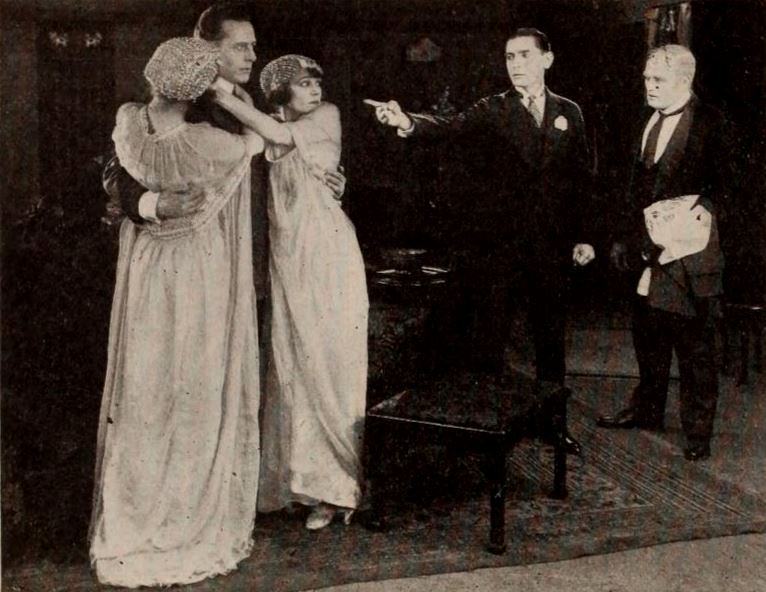
Dir: Kenneth S. Webb
Vi Playfair confesses to her twin sister Tiny that she is planning secretly to meet Lent Trevett, who loves her, to say goodbye, on the eve of her wedding. Tiny, who herself loves Lent, meets him instead and passionately kisses him, leaving Lent, who thinks that Tiny is Vi, to assume that Vi loves him. The next day, after the marriage ceremony, Lent convinces the flighty Vi that her husband Joe is a bully and that she should leave with him. Tiny sees them embrace, and to teach Vi a lesson, she impersonates her sister and goes with Joe on their honeymoon. Vi, now jealous, follows, and in turn is followed by Lent. At the honeymoon cottage, Vi proves to Joe, by a mole on her leg, that she is his wife, and promises Tiny that she will give up flirting. After Tiny convinces Lent that it was she that he kissed, the couples are happily reunited.
View Details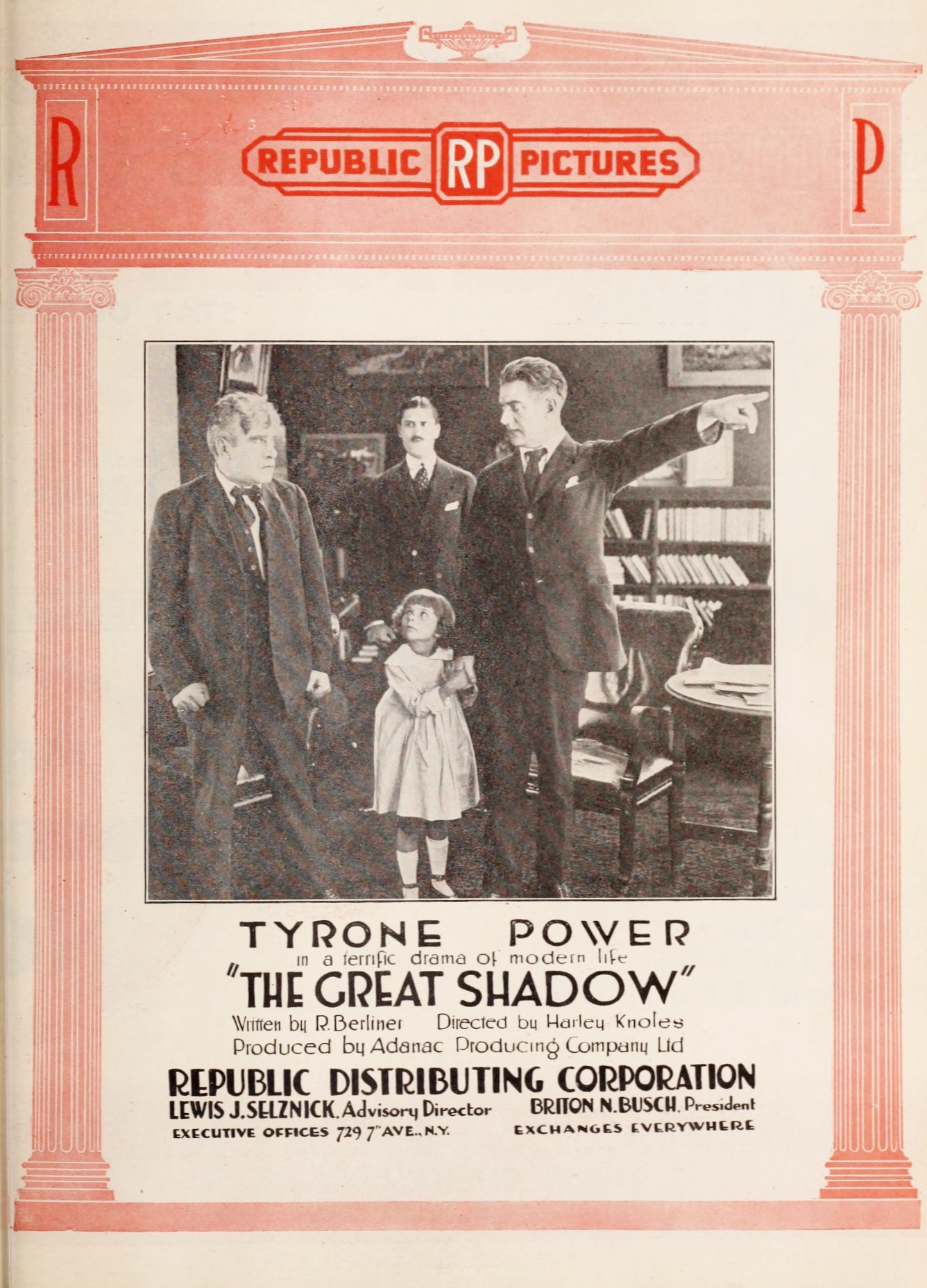
Dir: Harley Knoles
Jim McDonald, the foreman of a shipbuilding plant and head of the labor union, strives to combat the anarchistic propaganda being put forth by Klimoff, the leader of a Bolshevik gang whose goal is to disrupt the country with strikes and anarchy. Despite McDonald's efforts, a strike is called, resulting in chaos. McDonald's child is knocked down by runaway horses abandoned by their striking driver, and dies. Mob scenes take place in America, as well as in Russia. Eventually, the unrest is quelled with an armistice called between Capital and Labor for a year, during which time wages are to be increased to reflect the cost of living, and leaders are to work out a common plan for their mutual advantage. The strikers now realize that they have been pawns of the Bolsheviks and call off the strike, agreeing to the plan.
View Details
Dir: Bruno Ziener
A fascinating piece of cinema that shares thematic elements.
View Details
Dir: Kenneth S. Webb
"Caliph" Quigg runs a cheap restaurant by day and a seeker of adventure by night. Ed Simmons and Bill Hillman are two hard-working employees of Ogden, a prosperous harness maker. Laura, the harness-maker's daughter, is the object of both their affections. Laura has ideas of her own regarding a prospective husband but dares not communicate them to her father, fearing the harness strap. She is only a kid and should not be dreaming of husbands. Her dad is insane on the subject of riddles and when the question of which she shall choose for a husband is broached he asks the following riddle: "What kind of a hen lays the longest?" Get O. Henry's answer in the snappiest of climaxes.
View DetailsAnalysis relative to The Declaration of Independence
| Film Title | Atmosphere | Complexity | Similarity |
|---|---|---|---|
| Sisters of the Golden Circle | Tense | Abstract | 86% Match |
| The Jackeroo of Coolabong | Ethereal | High | 85% Match |
| The Girl Problem | Gritty | Linear | 88% Match |
| In the River | Gritty | High | 92% Match |
| Tobin's Palm | Gritty | Linear | 96% Match |
This guide was algorithmically generated using the cinematic metadata of Kenneth S. Webb's archive. Last updated: 8/17/2026.
Back to The Declaration of Independence Details →